Are Carrots Good for Weight Loss | Get the Facts Today.
Are Carrots Good for Weight Loss? Yes, carrots can be a nutritious addition to a weight-loss diet because they are relatively low in calories, contain dietary fiber, and provide important vitamins and minerals. Their natural sweetness and crunchy texture make them a convenient alternative to many calorie-dense snacks. However, eating carrots alone does not cause fat loss. Their benefits depend on portion sizes, preparation methods, and how they fit into an overall balanced eating pattern.
This guide explores carrot calories, nutritional value, health benefits, appropriate serving sizes, healthy recipes, a seven-day meal plan, belly-fat claims, and realistic weight-loss expectations.
Are Carrots Good for Weight Loss?
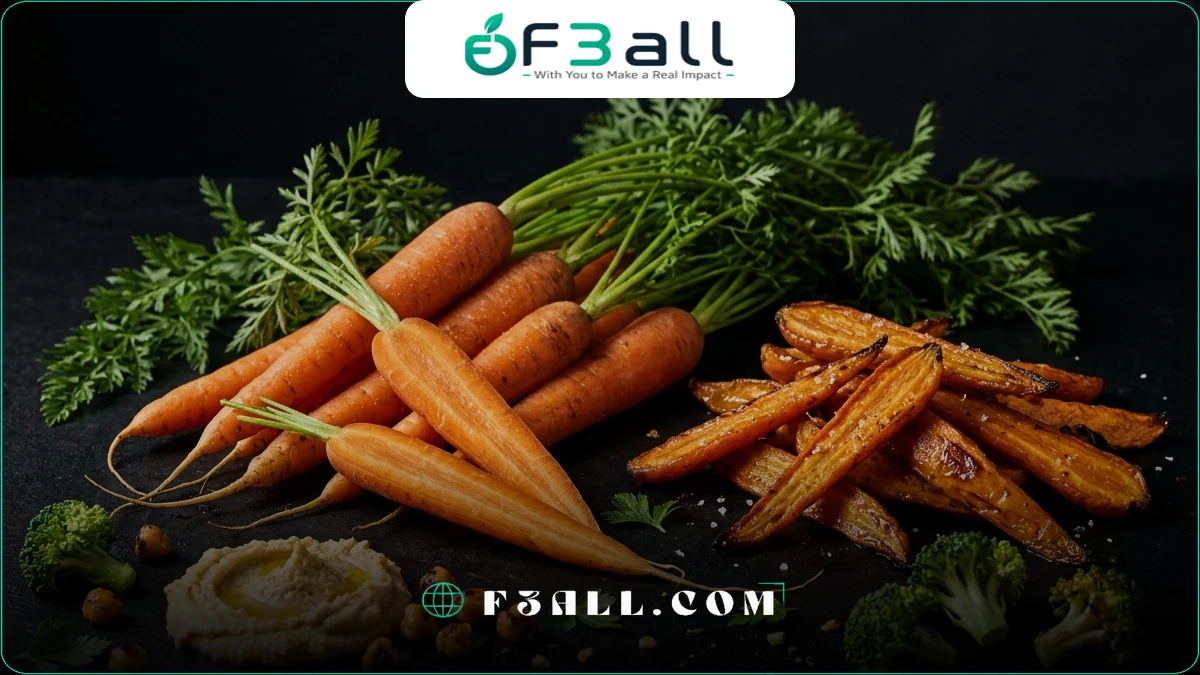
Carrots are root vegetables that contain water, carbohydrates, fiber, vitamins, minerals, and beneficial plant compounds.
They can fit into a weight-management plan because they provide relatively few calories for their weight while contributing nutrients and food volume.
A medium raw carrot contains approximately 25 calories, making it a practical snack or meal ingredient.
Why Carrots Can Support Weight Management
Several characteristics make carrots useful in a balanced diet:
- Low calorie density: Raw carrots provide approximately 41 calories per 100 grams.
- Dietary fiber: Fiber contributes to digestive health and can support fullness.
- High water content: Carrots contain substantial water, which contributes to food volume.
- Natural sweetness: Their flavor can make vegetables more appealing.
- Convenience: Carrots can be eaten raw, cooked, roasted, or added to meals.
- Nutrient content: They provide beta-carotene, potassium, and other nutrients.
Do Carrots Actually Burn Fat?
No.
There is no convincing evidence that carrots directly burn body fat or increase metabolism enough to produce meaningful weight loss.
They may support weight management when they replace more calorie-dense foods or contribute to satisfying meals.
Carrots vs High-Calorie Snacks
| Food | Example Serving | Approximate Calories |
| Raw Carrots | 100 g | 41 |
| Baby Carrots | 100 g | 35–41 |
| Apple | 100 g | 52 |
| Potato Chips | 100 g | 520–550 |
| Chocolate Candy | 100 g | 500–550 |
| Raw Cucumber | 100 g | 15 |
These values are approximate and vary by product.
Can You Eat Carrots Every Day?
Yes, carrots can be included regularly as part of a varied diet.
However, eating different vegetables helps provide a wider range of nutrients.
Carrots are a useful weight-management food because of their nutritional profile, not because they have a special fat-burning effect.
Carrots Calories for Weight Loss
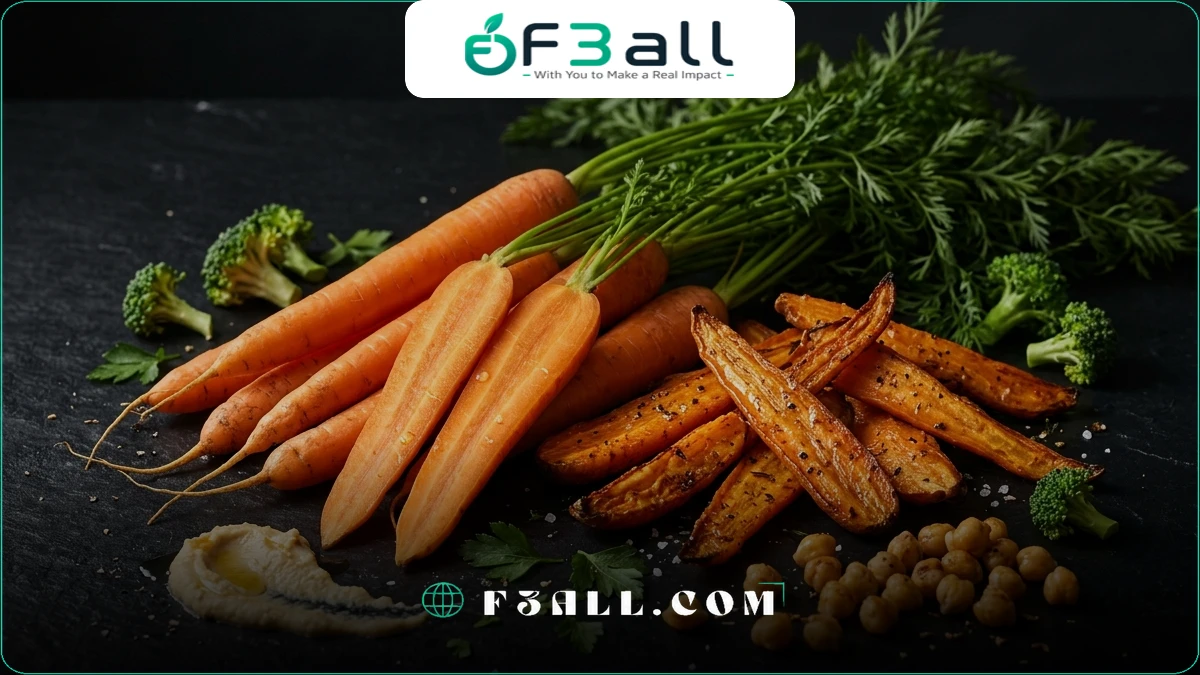
Understanding Carrots Calories for Weight Loss can help with portion planning and food comparisons.
Carrots are naturally low in fat and contain relatively few calories compared with many processed snack foods.
Calories in Raw Carrots
| Serving Size | Approximate Weight | Estimated Calories |
| Small Carrot | 50 g | 20 |
| Medium Carrot | 60–65 g | 25–27 |
| Large Carrot | 75 g | 31 |
| 1 Cup Chopped Carrots | 128 g | 52 |
| 100 g Raw Carrots | 100 g | 41 |
| 200 g Raw Carrots | 200 g | 82 |
Calories in Cooked Carrots
Cooking methods affect the final weight and calorie density of carrots.
| Preparation | Example Quantity | Approximate Calories |
| Raw Carrots | 100 g | 41 |
| Boiled Carrots | 100 g | 35 |
| Steamed Carrots | 100 g | 35–40 |
| Roasted Carrots Without Oil | 100 g | Varies with moisture loss |
| Carrots With 1 Tbsp Olive Oil | 100 g carrots plus oil | About 160 |
The roasted-carrot value depends on how much water is lost during cooking.
How Added Ingredients Change Calories
Carrots themselves contain relatively few calories, but toppings and sauces can substantially increase the total.
For example:
- One tablespoon of olive oil adds approximately 120 calories.
- One tablespoon of butter adds approximately 100 calories.
- One tablespoon of honey adds approximately 64 calories.
- Two tablespoons of hummus may add approximately 60–80 calories.
Example Snack Comparison
Consider two snacks:
Snack A
- 150 g raw carrots.
- Approximately 62 calories.
Snack B
- 40 g potato chips.
- Approximately 210–220 calories.
Choosing carrots instead of chips could reduce the snack’s calorie content.
However, the effect on body weight depends on the complete daily diet.
Are Cooked Carrots Higher in Calories?
Cooking carrots without added fat does not create calories.
Differences in calories per 100 grams often reflect changes in water content.
Carrot calories are relatively low, but measuring added oils, butter, and sweeteners remains important when preparing weight-conscious meals.
Carrots Nutrition for Weight Loss
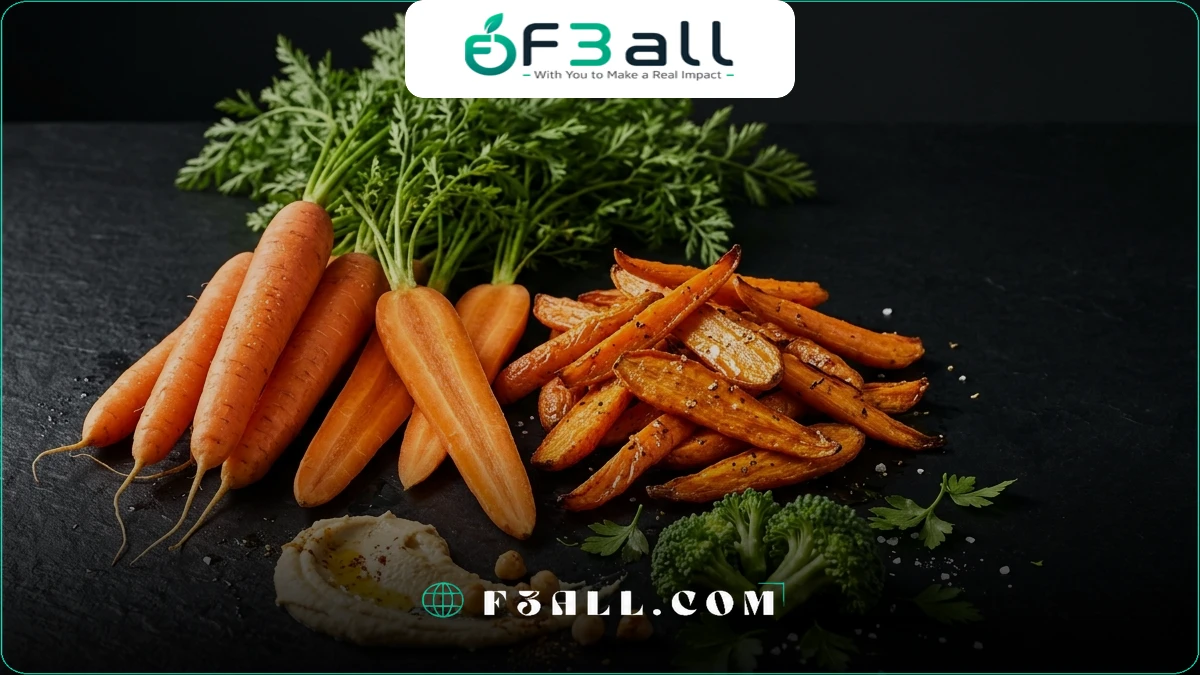
Carrots provide several nutrients that contribute to normal body function.
Their nutritional value extends beyond their relatively low calorie content.
Nutrition Facts Per 100 Grams
Approximate values for raw carrots:
| Nutrient | Amount |
| Calories | 41 kcal |
| Carbohydrates | 9.6 g |
| Protein | 0.9 g |
| Fat | 0.2 g |
| Dietary Fiber | 2.8 g |
| Total Sugars | 4.7 g |
| Water | Approximately 88 g |
| Potassium | 320 mg |
| Vitamin A | Approximately 835 mcg RAE |
| Vitamin C | Approximately 5.9 mg |
Values are based on typical food-composition data and may vary.
Beta-Carotene and Vitamin A
Carrots are especially rich in beta-carotene, a pigment that the body can convert into vitamin A.
Vitamin A contributes to normal vision, immune function, and cell development.
Dietary Fiber
Carrots contain soluble and insoluble fiber.
Fiber contributes to digestive health and may support satiety.
Potassium
Potassium is important for normal nerve and muscle function.
People with kidney disease or certain medication requirements may need individualized potassium guidance.
Vitamin K
Carrots contain vitamin K, which contributes to normal blood clotting and bone-related processes.
Natural Sugars
Carrots contain naturally occurring sugars.
However, their total sugar content is modest compared with many sweetened foods and beverages.
Nutritional Strengths and Limitations
| Nutritional Feature | Carrot Contribution | Practical Consideration |
| Vitamin A | High | Supports normal vision |
| Fiber | Moderate | Contributes to fullness |
| Water | High | Adds food volume |
| Potassium | Present | Supports normal function |
| Protein | Low | Pair with protein-rich foods |
| Fat | Very low | Balanced meals still need healthy fats |
Are Carrots a Complete Meal?
No.
Carrots contain little protein and fat, so eating them alone does not provide the full range of nutrients needed for a balanced meal.
Carrots contribute valuable micronutrients and fiber, but their greatest nutritional benefit comes when they are combined with other healthy foods.
Carrots Benefits for Weight Loss
Carrots Benefits for Weight Loss are related primarily to their calorie density, fiber content, convenience, and versatility.
They are particularly useful when included in satisfying meals and snacks.
1. Relatively Low in Calories
A generous serving of raw carrots provides relatively few calories.
This can help increase vegetable intake without adding substantial energy.
2. Provide Dietary Fiber
Fiber contributes to digestive function and may help some people feel satisfied after eating.
3. Contain Substantial Water
Water-rich foods can add volume to meals.
4. Offer Natural Sweetness
Carrots have a mildly sweet flavor, making them appealing in salads, soups, and snacks.
5. Support Dietary Variety
Carrots can be combined with different vegetables, grains, and proteins.
6. Convenient for Meal Preparation
They can be washed, sliced, and stored for easy use.
7. Provide Important Micronutrients
Beta-carotene, potassium, and other nutrients contribute to general health.
Benefit Comparison
| Benefit | Why It Matters | Limitation |
| Low Calorie Density | Adds volume with fewer calories | Preparation matters |
| Fiber | Supports digestion | Not a complete fiber source alone |
| Water Content | Contributes to food volume | Does not directly burn fat |
| Natural Sweetness | Makes vegetables appealing | Does not replace all nutritional needs |
| Versatility | Easy to include in meals | Meal balance matters |
| Vitamin A | Supports normal body functions | Not a weight-loss treatment |
Can Carrots Help Control Hunger?
Carrots may help some people feel satisfied, especially when eaten with protein-rich foods.
However, hunger responses vary, and carrots alone may not provide enough protein or energy for a substantial snack or meal.
Carrots are most beneficial when they help improve overall dietary quality and make balanced eating easier.
Read more about: Are Baked Potatoes Good for Weight Loss | See the Facts
Carrots Serving Size for Weight Loss
Carrots Serving Size for Weight Loss depends on whether carrots are being eaten as a snack, side dish, or meal ingredient.
There is no medically established carrot portion that guarantees weight loss.
Practical Serving Examples
| Serving | Approximate Amount | Estimated Calories |
| Light Snack | 1 medium carrot | 25 |
| Vegetable Side | ½ cup chopped carrots | 25–30 |
| Standard Vegetable Serving | 1 cup chopped carrots | 50–55 |
| Larger Snack | 150 g raw carrots | 60–65 |
| Generous Portion | 200 g raw carrots | 80–85 |
How Many Carrots Should You Eat Daily?
A person may comfortably include one or two medium carrots as part of their daily vegetable intake.
However, this is not a required amount.
A varied selection of vegetables is preferable to relying heavily on one food.
Are Three Carrots Too Many?
Not necessarily.
Three medium carrots provide approximately 75 calories, depending on their size.
The appropriate quantity depends on the rest of the diet and individual needs.
Can You Eat Unlimited Carrots?
No food needs to be eaten without regard to quantity.
Very large amounts of carrots can cause digestive discomfort in some people and may lead to harmless yellow-orange skin discoloration from excessive beta-carotene intake over time.
How to Build a Balanced Carrot Snack
Consider pairing carrots with:
- Hummus.
- Cottage cheese.
- Plain Greek yogurt dip.
- Hard-boiled eggs.
- Another suitable protein-rich food.
Example Snack
- 100 g raw carrot sticks: approximately 41 calories.
- 2 tablespoons hummus: approximately 70 calories.
Estimated total: Approximately 110 calories.
The hummus contributes additional nutrients and makes the snack more substantial.
The most useful carrot portion is one that fits your appetite and complements a balanced meal or snack.
Raw vs Cooked Carrots for Weight Loss
Raw and cooked carrots can both fit into a healthy weight-loss diet.
The choice depends on taste, convenience, texture, and preparation.
Raw Carrots
Raw carrots retain their crunchy texture.
They are convenient for salads and snacks.
Boiled Carrots
Boiling softens carrots and may make them easier to chew.
Some water-soluble nutrients can be lost during cooking.
Steamed Carrots
Steaming softens carrots without requiring added oil.
Roasted Carrots
Roasting produces a sweeter flavor and caramelized texture.
However, large amounts of added oil can increase calories.
Raw vs Cooked Comparison
| Feature | Raw Carrots | Cooked Carrots |
| Texture | Crunchy | Softer |
| Convenience | Easy snack | Usually requires preparation |
| Added Oil Required | No | No |
| Fiber | Present | Present |
| Beta-Carotene Availability | Present | Cooking can improve availability |
| Weight-Loss Suitability | Can fit | Can fit |
Does Cooking Make Carrots Less Healthy?
Not necessarily.
Cooking can improve the availability of some carotenoids, although certain heat-sensitive nutrients may decrease.
Which Is Better for Fullness?
The effect varies by serving size, chewing, preparation, and individual response.
Raw carrots may take longer to chew, but both forms contribute food volume and fiber.
Are Roasted Carrots Good for Weight Loss?
Yes, especially when prepared with a measured amount of oil and paired with balanced foods.
Both raw and cooked carrots offer nutritional benefits, so choose the preparation that helps you enjoy vegetables regularly.
Carrots Recipes for Weight Loss
Carrots Recipes for Weight Loss can provide convenient ways to add vegetables to breakfast, lunch, dinner, and snacks.
The following recipes use simple ingredients and avoid excessive added sugar or fat.
Estimated calories depend on exact ingredients and serving sizes.
Recipe 1 – Carrot and Greek Yogurt Dip
Ingredients
- 150 g raw carrots.
- 100 g plain nonfat Greek yogurt.
- 1 teaspoon lemon juice.
- Fresh dill.
- Black pepper.
Instructions
- Wash and peel the carrots if desired.
- Cut them into sticks.
- Mix Greek yogurt with lemon juice, dill, and pepper.
- Serve the carrot sticks with the dip.
Estimated calories: 120–145 kcal.
Nutritional benefit: Provides vegetables and protein.
Recipe 2 – Roasted Carrots With Herbs
Ingredients
- 200 g carrots.
- 1 teaspoon olive oil.
- Garlic powder.
- Paprika.
- Fresh parsley.
Instructions
- Preheat the oven to 400°F (200°C).
- Wash and slice the carrots.
- Toss with olive oil and seasonings.
- Arrange on a baking tray.
- Roast until tender, approximately 20–30 minutes depending on thickness.
- Garnish with parsley.
Estimated calories: 115–135 kcal.
Nutritional benefit: Provides a flavorful vegetable side dish.
Recipe 3 – Carrot and Lentil Soup
Ingredients
- 150 g carrots.
- ½ cup cooked lentils.
- ¼ cup chopped onion.
- 1 teaspoon olive oil.
- 1 cup low-sodium vegetable broth.
- Cumin and black pepper.
Instructions
- Heat olive oil in a saucepan.
- Add onion and chopped carrots.
- Cook briefly.
- Add lentils and broth.
- Simmer until the carrots are tender.
- Blend partially if desired.
- Season and serve.
Estimated calories: 230–280 kcal.
Nutritional benefit: Combines vegetables with fiber-rich lentils.
Recipe 4 – Carrot and Chickpea Salad
Ingredients
- 100 g grated carrots.
- ½ cup cooked chickpeas.
- ½ cup chopped cucumber.
- 1 teaspoon olive oil.
- Lemon juice.
- Parsley.
Instructions
- Wash and grate the carrots.
- Rinse and drain the chickpeas.
- Chop the cucumber.
- Combine the ingredients.
- Add olive oil, lemon juice, and parsley.
- Mix and serve.
Estimated calories: 220–260 kcal.
Nutritional benefit: Provides plant protein, fiber, and vegetables.
Recipe 5 – Chicken and Carrot Stir-Fry
Ingredients
- 100 g cooked chicken breast.
- 150 g carrots.
- ½ cup sliced bell peppers.
- 1 teaspoon olive oil.
- Garlic and ginger.
- Reduced-sodium soy sauce, optional.
Instructions
- Slice the carrots into thin strips.
- Heat olive oil in a pan.
- Add carrots and bell peppers.
- Cook until slightly tender.
- Add fully cooked chicken.
- Season and heat thoroughly.
- Serve with an appropriate portion of rice or another grain if desired.
Estimated calories: 280–330 kcal before any rice.
Nutritional benefit: Combines vegetables with lean protein.
Recipe 6 – Carrot Oat Breakfast Muffins
Ingredients
- 1 cup rolled oats.
- 1 medium grated carrot.
- 1 egg.
- ½ cup plain Greek yogurt.
- ½ teaspoon baking powder.
- Cinnamon.
- Vanilla extract.
Instructions
- Preheat the oven to 350°F (175°C).
- Mix oats, grated carrot, and baking powder.
- Add egg, yogurt, cinnamon, and vanilla.
- Stir until combined.
- Divide into a six-cup muffin tin.
- Bake for approximately 18–22 minutes or until fully cooked.
- Cool before serving.
Estimated calories: Approximately 75–95 kcal per muffin.
Nutritional benefit: Provides a convenient breakfast or snack option.
Recipe Comparison
| Recipe | Estimated Calories | Main Nutritional Feature |
| Carrots With Yogurt Dip | 120–145 | Protein and vegetables |
| Roasted Carrots | 115–135 | Vegetable side |
| Carrot Lentil Soup | 230–280 | Fiber and plant protein |
| Carrot Chickpea Salad | 220–260 | Fiber and legumes |
| Chicken Carrot Stir-Fry | 280–330 | Lean protein |
| Carrot Oat Muffins | 75–95 each | Oats and vegetables |
Healthy carrot recipes are most useful when they contribute to a balanced meal rather than relying on carrots as the only source of nutrition.
Carrots Diet Plan for Weight Loss
A Carrots Diet Plan should not involve eating only carrots.
Instead, carrots can be incorporated into a varied eating pattern containing protein, whole grains, healthy fats, fruits, and other vegetables.
The following seven-day plan demonstrates how carrots can be used in different meals.
Seven-Day Carrot Meal Plan
| Day | Breakfast | Lunch | Dinner | Optional Snack |
| Monday | Greek yogurt, oats, berries | Chicken salad with grated carrots | Fish, rice, roasted vegetables | Carrot sticks with hummus |
| Tuesday | Eggs and whole-grain toast | Carrot and lentil soup | Chicken with quinoa and broccoli | Apple |
| Wednesday | Oatmeal and banana | Carrot chickpea salad | Salmon with baked potato | Plain yogurt |
| Thursday | Greek yogurt and fruit | Turkey and vegetable wrap | Carrot chicken stir-fry | Carrot sticks |
| Friday | Carrot oat muffins and yogurt | Lentil grain bowl | Baked fish with roasted carrots | Nuts |
| Saturday | Eggs with spinach | Chicken and carrot salad | Tofu with brown rice | Cottage cheese |
| Sunday | Overnight oats | Carrot lentil soup | Grilled chicken with vegetables | Fruit and yogurt |
Why This Plan Includes Different Foods
Carrots provide vitamins and fiber but do not contain sufficient protein, fat, or energy to serve as the foundation of a complete diet.
Can You Eat Carrots at Every Meal?
You can include carrots frequently, but eating a wide variety of vegetables is generally more beneficial than focusing on a single type.
How to Adjust the Plan
Consider:
- Changing protein sources.
- Rotating grains.
- Using different vegetables.
- Adjusting portions to energy needs.
- Including snacks when appropriate.
- Accounting for food allergies and medical conditions.
Meal Planning Priorities
| Priority | Practical Strategy |
| Protein | Include at meals |
| Fiber | Eat vegetables, fruit, legumes, and whole grains |
| Healthy Fats | Use appropriate amounts |
| Carbohydrates | Include suitable portions |
| Hydration | Drink sufficient fluids |
| Variety | Rotate vegetables and fruits |
| Sustainability | Choose familiar, enjoyable foods |
A balanced carrot-inclusive meal plan can support healthy eating habits without requiring restrictive or nutritionally inadequate diets.
Are Carrots Good for Belly Fat Loss?
Carrots for Belly Fat is a popular search topic because people often look for foods that specifically target abdominal fat.
However, no convincing evidence shows that carrots selectively burn belly fat.
Understanding Belly Fat
Abdominal fat includes:
- Subcutaneous fat beneath the skin.
- Visceral fat around internal organs.
Visceral fat is associated with increased cardiometabolic risk.
Do Carrots Burn Belly Fat?
No.
Carrots do not contain a proven compound that selectively removes fat from the abdominal area.
Can Eating Carrots Support Overall Fat Loss?
Potentially.
Replacing a calorie-dense snack with carrots may reduce calorie intake, depending on the rest of the diet.
A sustained, appropriate energy deficit can contribute to overall weight reduction.
Belly-Fat Claims Comparison
| Claim | Evidence-Based Explanation |
| Carrots Melt Belly Fat | Not supported |
| Carrot Juice Burns Abdominal Fat | Not established |
| Carrots Can Replace Higher-Calorie Snacks | Yes |
| Overall Energy Balance Matters | Yes |
| Exercise Supports Body Composition | Yes |
| One Food Targets Visceral Fat | Not established |
What Actually Supports Abdominal Fat Reduction?
- Balanced nutrition.
- Appropriate energy intake.
- Regular physical activity.
- Resistance training.
- Adequate sleep.
- Individualized medical care when appropriate.
Does Eating Carrots at Night Reduce Belly Fat?
No.
There is no established fat-burning advantage to eating carrots at night.
Carrots can contribute to a healthy eating pattern, but abdominal fat reduction depends on broader lifestyle and physiological factors.
Read more about: Are Carbs Bad for Weight Loss | See the Facts and Tips.
Carrots vs Alternatives for Weight Loss
Carrots vs Alternatives for Weight Loss can help clarify how carrots compare with other vegetables and snacks.
The best choice depends on nutritional needs, taste, and how the food fits into a meal.
Carrots vs Cucumbers
Cucumbers contain more water and fewer calories per 100 grams.
Carrots provide substantially more beta-carotene.
Carrots vs Celery
Celery is lower in calories, while carrots provide more carbohydrates and vitamin A precursors.
Carrots vs Sweet Potatoes
Sweet potatoes provide more calories and carbohydrates per 100 grams, making them useful as a more substantial carbohydrate source.
Carrots vs Apples
Both contain fiber and naturally occurring sugars.
Apples provide a different combination of nutrients and plant compounds.
Carrots vs Broccoli
Broccoli provides vitamin C, fiber, and other nutrients.
Carrots are particularly rich in beta-carotene.
Nutrition Comparison Per 100 Grams
| Food | Approximate Calories | Fiber | Main Feature |
| Raw Carrots | 41 | 2.8 g | Beta-carotene |
| Raw Cucumbers | 15 | 0.5 g | High water content |
| Raw Celery | 14 | 1.6 g | Low calorie density |
| Raw Broccoli | 34 | 2.6 g | Vitamin C |
| Raw Apple | 52 | 2.4 g | Fiber and plant compounds |
| Raw Sweet Potato | 86 | 3.0 g | Carbohydrates and beta-carotene |
| Raw Bell Pepper | 26–31 | 1–2 g | Vitamin C |
Values vary by variety and preparation.
Which Vegetable Is Best for Weight Loss?
There is no universally superior vegetable.
Eating a variety provides different nutrients and helps maintain dietary interest.
Are Carrots Better Than Chips?
Carrots generally contain fewer calories per 100 grams than potato chips and provide different nutrients.
However, the best snack also depends on hunger and nutritional needs.
Can You Mix Carrots With Other Vegetables?
Yes.
Mixed vegetable dishes are a practical way to increase dietary variety.
Carrots are a nutritious option, but combining them with other vegetables provides a broader range of nutrients.
Carrots vs Carrot Juice for Weight Loss
Whole carrots and carrot juice differ in fiber content, serving size, and how quickly they can be consumed.
Whole Carrots
Whole carrots retain their natural fiber structure.
They require chewing and are convenient for snacks.
Carrot Juice
Juicing often removes a substantial portion of the fiber.
It may also require several carrots to produce one glass.
Whole Carrots vs Juice
| Feature | Whole Carrots | Carrot Juice |
| Fiber | Retained | Often reduced |
| Chewing Required | Yes | No |
| Serving Speed | Usually slower | Usually faster |
| Calories | Depend on portion | Depend on juice quantity |
| Nutrients | Present | Many remain |
| Satiety | May be greater | May be lower |
Does Carrot Juice Burn Fat?
No.
There is no convincing evidence that carrot juice directly increases fat burning.
Can Carrot Juice Fit a Weight-Loss Diet?
Yes, in appropriate portions.
However, whole carrots generally provide more fiber and may be more satisfying.
What About Carrot Smoothies?
Blending whole carrots generally retains more fiber than juicing, although the final nutritional value depends on other ingredients.
Example Carrot Smoothie
Ingredients
- 1 medium carrot, cooked and cooled.
- ½ banana.
- 170 g plain Greek yogurt.
- ½ cup water.
- Cinnamon.
Blend until smooth.
Estimated calories: Approximately 170–210 kcal.
Whole carrots are generally a practical choice when fiber and fullness are priorities, while juice can be enjoyed occasionally as part of a balanced diet.
Carrots Best Time to Eat for Weight Loss
Carrots Best Time to Eat is a common question because some diets claim vegetables produce greater weight loss when eaten at particular times.
However, there is no established time of day when carrots cause more fat loss.
Carrots in the Morning
Carrots can be added to breakfast muffins, omelets, or smoothies.
Carrots Before Lunch
Carrot sticks may be a convenient snack or appetizer.
Carrots With Dinner
Roasted or steamed carrots can complement a balanced evening meal.
Carrots After Exercise
Carrots can contribute carbohydrates and nutrients, but they are not a substantial protein source.
Pairing them with protein-rich foods may be more suitable after exercise.
Timing Comparison
| Time | Possible Use | Weight-Loss Advantage |
| Breakfast | Muffins or vegetable dishes | No special advantage |
| Mid-Morning | Crunchy snack | Convenient |
| Lunch | Salad or soup | Adds vegetables |
| Afternoon | Snack with hummus | May support fullness |
| Dinner | Roasted side dish | Balanced meal |
| After Exercise | Part of recovery meal | Add protein |
Can You Eat Carrots Before Bed?
Yes, if they suit your preferences and digestion.
Eating carrots at night does not automatically cause weight gain.
Should You Eat Carrots on an Empty Stomach?
There is no established weight-loss benefit to eating carrots on an empty stomach.
The best time to eat carrots is whenever they help you maintain a nutritious and enjoyable eating routine.
Carrots Weight Loss Results – What to Expect
Carrots Weight Loss Results depend on how carrots are incorporated into the diet.
Eating carrots does not guarantee a particular amount of weight reduction.
What Results Are Realistic?
Possible benefits from including carrots in a balanced eating pattern include:
- Increased vegetable intake.
- Higher intake of beta-carotene.
- Additional dietary fiber.
- Greater meal variety.
- Reduced calorie intake when replacing certain snacks.
- Improved meal-preparation consistency.
Example Calorie Substitution
Suppose someone replaces a 220-calorie snack with 100 grams of raw carrots containing approximately 41 calories.
The difference is approximately 179 calories.
If this substitution reduces overall daily calorie intake without being offset elsewhere, it may contribute to an energy deficit.
However, carrots alone do not determine the outcome.
Results Comparison
| Claim | Evidence-Based Interpretation |
| Carrots Guarantee Weight Loss | No |
| Carrots Can Replace Higher-Calorie Snacks | Yes |
| Carrots Burn Belly Fat | No |
| Carrots Provide Fiber | Yes |
| Eating More Vegetables Supports Dietary Quality | Yes |
| Long-Term Results Depend on Overall Habits | Yes |
How Long Does Weight Loss Take?
Weight change varies by individual.
For many adults who would benefit from weight loss, a gradual rate of approximately one to two pounds per week is commonly recommended.
This is not an appropriate target for everyone.
Why Short-Term Scale Changes Can Be Misleading
Body weight fluctuates because of:
- Water balance.
- Sodium intake.
- Digestive contents.
- Hormonal changes.
- Glycogen storage.
- Actual changes in body tissue.
Better Ways to Evaluate Progress
Consider:
- Dietary consistency.
- Vegetable intake.
- Energy levels.
- Physical activity.
- Strength and fitness.
- Weight trends when appropriate.
- Relevant health measurements.
The most meaningful benefit of eating carrots regularly may be improved dietary quality rather than a rapid change on the scale.
Can You Eat Too Many Carrots While Losing Weight?
Carrots are nutritious, but extremely large quantities are unnecessary.
Eating a varied diet helps ensure adequate intake of different nutrients.
Carotenemia
Consuming large amounts of beta-carotene-rich foods over time can cause a yellow-orange discoloration of the skin known as carotenemia.
This is usually harmless and reversible when intake is reduced.
However, yellowing of the whites of the eyes or other concerning symptoms requires medical assessment because it may indicate a different condition.
Digestive Discomfort
Large amounts of fiber-rich foods may cause bloating or digestive discomfort in some individuals.
Nutritional Imbalance
Replacing balanced meals with carrots can lead to inadequate protein, essential fats, and energy.
Potential Concerns
| Concern | Why It Matters | Practical Approach |
| Excessive Beta-Carotene Intake | May discolor skin | Eat varied vegetables |
| Digestive Discomfort | Large fiber intake may cause symptoms | Adjust portions |
| Inadequate Protein | Carrots contain little protein | Include protein-rich foods |
| Restrictive Eating | May compromise nutrition | Maintain balanced meals |
| Food Allergies | Some people react to carrots | Avoid triggers and seek advice |
Are Carrots Safe for People With Diabetes?
Carrots can generally fit into individualized diabetes meal plans.
They contain carbohydrates, but their total carbohydrate amount per typical serving is modest.
Can People With Kidney Disease Eat Carrots?
Carrots contain potassium.
People who require potassium restrictions should follow individualized guidance from their healthcare team.
Carrots are best enjoyed as one component of a varied diet rather than consumed in excessive amounts for faster weight loss.
Read more about: Apple Cider Vinegar Recipe for Weight Loss | Get Recipe
Common Mistakes When Eating Carrots for Weight Loss
Several habits can reduce the nutritional value of carrot-based meals or create unrealistic expectations.
Mistake 1 – Drinking Only Carrot Juice
Juicing removes much of the fiber found in whole carrots.
Better Approach: Include whole carrots regularly.
Mistake 2 – Adding Excessive Oil
Large amounts of oil can substantially increase the calories in roasted carrots.
Better Approach: Measure cooking oil.
Mistake 3 – Eating Only Carrots
Carrots do not provide sufficient protein, fat, or overall energy to serve as a complete diet.
Better Approach: Combine them with balanced meals.
Mistake 4 – Expecting Belly-Fat Reduction
Carrots do not specifically target abdominal fat.
Better Approach: Focus on sustainable dietary and activity habits.
Mistake 5 – Using Sweetened Sauces
Glazes containing honey, sugar, or syrup can increase calories.
Better Approach: Try herbs and spices.
Mistake 6 – Ignoring Food Variety
Eating only a narrow range of vegetables limits nutritional diversity.
Better Approach: Rotate different vegetables.
Mistake 7 – Assuming More Is Always Better
Excessive consumption is not necessary for health or weight management.
Better Approach: Use appropriate portions.
Mistake Summary
| Mistake | Better Strategy |
| Juice Instead of Whole Carrots | Prioritize fiber-rich whole carrots |
| Too Much Oil | Measure cooking fats |
| Carrot-Only Meals | Include protein and other foods |
| Belly-Fat Expectations | Focus on overall habits |
| Sugary Glazes | Use herbs and spices |
| Limited Vegetable Variety | Eat different vegetables |
| Excessive Portions | Maintain balance |
Avoiding these mistakes helps make carrots a practical, nutritious part of everyday eating.
How to Meal Prep Carrots for Weight Loss
Carrots are convenient for meal preparation because they can be used raw or cooked in many dishes.
Proper preparation and storage help preserve quality and reduce food-safety risks.
Step 1 – Choose Fresh Carrots
Look for firm carrots without significant spoilage or damage.
Step 2 – Wash Thoroughly
Wash under running water before preparation.
Step 3 – Cut Into Portions
Prepare carrot sticks, rounds, or grated carrots according to the intended recipe.
Step 4 – Store Safely
Keep prepared carrots refrigerated in clean, suitable containers.
Step 5 – Prepare Balanced Snacks
Pair carrot portions with suitable protein-rich dips or foods.
Step 6 – Cook as Needed
Roast, steam, or add carrots to soups and stir-fries.
Weekly Meal Prep Example
| Day | Carrot Preparation |
| Sunday | Wash and portion carrots |
| Monday | Carrot sticks with yogurt dip |
| Tuesday | Carrot lentil soup |
| Wednesday | Grated carrot salad |
| Thursday | Roasted carrots |
| Friday | Chicken carrot stir-fry |
| Saturday | Fresh carrot snack |
| Sunday | Prepare the next batch |
How Long Do Cooked Carrots Last?
Properly refrigerated cooked leftovers are generally best used within three to four days.
Refrigerate promptly at 40°F (4°C) or below.
Can You Freeze Carrots?
Yes.
Blanching carrots before freezing can help preserve quality.
Should You Peel Carrots?
Peeling is optional.
Thoroughly washing carrots is important whether you peel them or not.
Preparing carrots in advance can make healthy snacks and vegetable-rich meals more convenient throughout the week.
How to Include Carrots in a Sustainable Weight-Loss Plan
Carrots can support a balanced eating pattern, but they should not become the sole focus of a weight-loss strategy.
Long-term weight management involves overall nutrition, activity, sleep, and individual health needs.
Prioritize Balanced Meals
Include:
- Vegetables.
- Whole fruit.
- Whole grains.
- Protein-rich foods.
- Legumes.
- Healthy fats.
Maintain Appropriate Energy Intake
Weight reduction generally requires an energy deficit over time.
The appropriate approach varies by individual.
Include Regular Physical Activity
For most adults, general guidelines recommend at least 150 minutes of moderate-intensity aerobic activity weekly and muscle-strengthening activities on at least two days.
Maintain Adequate Protein Intake
Protein supports muscle maintenance and other body functions.
Prioritize Sleep
Adequate sleep supports overall health and may influence appetite regulation.
Sustainable Habit Comparison
| Habit | Potential Benefit |
| Eating Carrots | Adds vegetables and nutrients |
| Eating Different Vegetables | Improves dietary variety |
| Adequate Protein | Supports muscle maintenance |
| Whole Grains and Legumes | Provide fiber and energy |
| Regular Exercise | Supports fitness |
| Adequate Sleep | Supports overall health |
| Meal Preparation | Improves convenience |
| Flexible Eating | Supports sustainability |
Why Consistency Matters
Eating carrots occasionally will not determine long-term weight change.
Consistent dietary habits are more important than individual food choices.
Use carrots as a convenient ingredient within a varied eating pattern rather than expecting one vegetable to produce weight-loss results.
Why F3all Is Your Best Choice
At F3all, the guide to Are Carrots Good for Weight Loss focuses on practical nutrition information, realistic calorie estimates, and balanced meal-planning strategies.
The goal is to help readers understand how familiar foods can fit into sustainable weight-management habits.
- Clear Nutrition Facts: Understand carrot calories, fiber, and essential nutrients.
- Serving Size Guidance: Learn how portions fit into meals and snacks.
- Healthy Recipes: Discover practical ways to prepare carrots.
- Food Comparisons: Compare carrots with other vegetables and snacks.
- Meal Planning: Explore a seven-day carrot-inclusive schedule.
- Realistic Results: Understand what carrots can and cannot do for weight loss.
- Meal Prep Tips: Prepare convenient snacks and meals.
- Balanced Eating Advice: Combine vegetables with protein, grains, and healthy fats.
Explore more nutrition, healthy eating, and weight-management resources through F3all.
F3all helps readers make informed food choices through practical recipes and evidence-based nutrition guidance.
Frequently Asked Questions
Are Carrots Good for Weight Loss?
Yes. Carrots are relatively low in calories and provide fiber, water, vitamins, and minerals. They can fit into a balanced weight-loss diet.
How Many Calories Are in One Carrot?
A medium raw carrot weighing approximately 60–65 grams contains about 25–27 calories.
Can I Eat Carrots Every Day to Lose Weight?
You can eat carrots daily as part of a varied diet, but carrots alone do not cause weight loss. Overall dietary intake and lifestyle habits matter.
Do Carrots Burn Belly Fat?
No. There is no convincing evidence that carrots selectively burn abdominal fat.
Are Raw or Cooked Carrots Better for Weight Loss?
Both can fit into a healthy diet. Raw carrots are convenient snacks, while cooked carrots can be used in balanced meals. Added fats and portions influence calories.
How Many Carrots Should I Eat Daily for Weight Loss?
There is no required number. One or two medium carrots can be a convenient serving, but individual needs and overall vegetable variety matter more.
Is Carrot Juice Good for Weight Loss?
Carrot juice can fit into a balanced diet, but juicing often removes fiber. Whole carrots are generally more useful when fullness and fiber are priorities.
Can I Eat Carrots at Night?
Yes. Eating carrots at night does not automatically cause weight gain. Overall energy intake matters more than the time of day.
Are Carrots Better Than Cucumbers for Weight Loss?
Neither is universally better. Cucumbers are lower in calories per 100 grams, while carrots provide substantially more beta-carotene.
Can Eating Too Many Carrots Be Harmful?
Very large amounts may cause digestive discomfort or temporary yellow-orange skin discoloration due to beta-carotene. A varied diet is preferable.
In the End
Are Carrots Good for Weight Loss? Yes, carrots can be a nutritious and convenient part of a healthy weight-management plan.
With approximately 41 calories per 100 grams, they provide dietary fiber, water, beta-carotene, potassium, and other nutrients without contributing substantial energy.
Their natural sweetness and crunchy texture make them useful for snacks, salads, soups, and cooked meals.
However, carrots do not directly burn body fat, and there is no evidence that they specifically target belly fat.
The most practical approach is to enjoy carrots alongside protein-rich foods, whole grains, healthy fats, and a variety of other vegetables.
Add carrots to your meals and snacks, experiment with healthy recipes, and focus on balanced eating habits that support your long-term health goals.
References