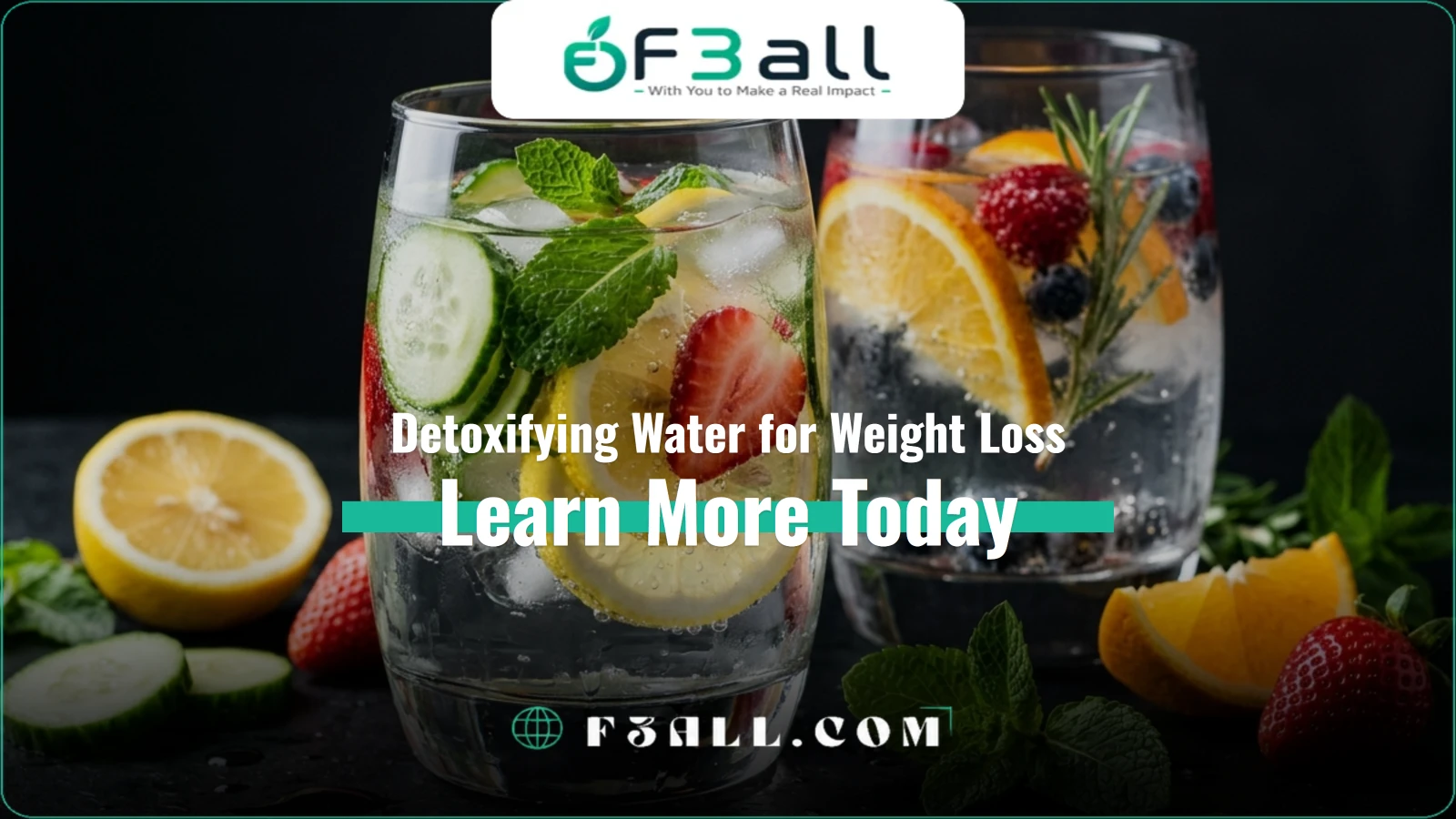
Detoxifying Water for Weight Loss | Explore Recipes Now
Detoxifying Water for Weight Loss is a popular choice for people who want to make drinking water more enjoyable while managing their daily calorie intake. By adding ingredients such as lemon, cucumber, mint, strawberries, or oranges, plain water becomes a refreshing flavored beverage without requiring large amounts of sugar. However, detox water does not directly burn fat or remove toxins through a special cleansing process. Its practical benefits come from hydration, beverage substitution, and supporting consistent healthy habits.
This guide explains detox water calories, nutritional value, serving sizes, homemade recipes, and realistic weight-loss expectations. You’ll also discover a seven-day hydration plan, comparisons with other beverages, common preparation mistakes, and useful food-safety advice.
Detoxifying Water for Weight Loss – Does It Actually Work?

Detoxifying Water for Weight Loss usually refers to plain water infused with sliced fruit, vegetables, herbs, or spices.
Popular ingredients include:
- Lemon.
- Lime.
- Cucumber.
- Mint.
- Strawberries.
- Oranges.
- Ginger.
- Watermelon.
- Basil.
- Berries.
These ingredients add flavor and aroma to water, making it more appealing for people who struggle to drink enough plain water.
However, the term detoxifying is largely a marketing description.
The human body already has specialized systems for processing and eliminating waste products.
How the Body Naturally Processes Waste
Several organs contribute to normal waste processing:
| Organ or System | Main Function |
| Liver | Processes substances and supports normal metabolism |
| Kidneys | Filter blood and regulate fluid and electrolyte balance |
| Digestive System | Processes food and eliminates undigested waste |
| Lungs | Remove carbon dioxide |
| Skin | Supports temperature regulation and barrier functions |
Drinking adequate water supports normal physiological processes, but adding lemon or cucumber does not create a special detoxification mechanism.
How Infused Water May Support Weight Management
The most practical benefit is replacing higher-calorie drinks.
For example, choosing unsweetened cucumber water instead of regular soda can reduce beverage calories.
This may contribute to an overall energy deficit if the calories are not replaced elsewhere.
What Research Supports
| Popular Claim | Evidence-Based Explanation |
| Detox Water Burns Fat | Not established |
| Infused Water Supports Hydration | Yes |
| Lemon Water Removes Toxins | No special detoxification effect demonstrated |
| Replacing Soda With Water Reduces Beverage Calories | Yes |
| Detox Water Melts Belly Fat | Unsupported |
| Drinking Water May Influence Fullness | Possible; effects vary |
| Fruit-Infused Water Provides Some Flavor Compounds | Yes |
| Detox Water Guarantees Weight Loss | No |
Is Detox Water Better Than Plain Water?
Both provide hydration.
Detox water may be more enjoyable for people who prefer flavored beverages.
However, plain water does not need additional ingredients to be beneficial.
For another perspective on flavored hydration, explore Does Lemon Water Aid in Weight Loss.
Detox water can support healthier beverage choices, but its benefits should not be confused with a medically proven detoxification treatment.
Detoxifying Water Calories for Weight Loss – What Is Really in Your Glass?

Detoxifying Water Calories for Weight Loss is important because infused water is often described as completely calorie-free.
Plain water contains zero calories.
However, fruit and other ingredients can contribute small amounts of energy, particularly when they are squeezed, crushed, blended, or eaten.
Calories in Common Infused Water Recipes
| Infused Water | Typical Serving | Approximate Calories |
| Plain Water | 250 ml | 0 |
| Cucumber Water | 250 ml | 0–5 |
| Lemon-Infused Water | 250 ml | 0–5 |
| Mint Water | 250 ml | 0–2 |
| Lime Water | 250 ml | 0–5 |
| Strawberry-Infused Water | 250 ml | 0–10 |
| Orange-Infused Water | 250 ml | 0–10 |
| Ginger-Infused Water | 250 ml | 0–5 |
| Watermelon-Infused Water | 250 ml | 0–15 |
| Mixed Fruit Water | 250 ml | 0–20 |
These are broad estimates. The actual calorie contribution depends on how much fruit juice, pulp, or other ingredients are consumed.
Why Calories Vary
A glass of water containing a few lemon slices generally has very few calories.
However, squeezing a whole lemon into the water contributes more juice and calories than simply infusing slices.
Similarly, blending fruit into water produces a beverage with more calories than water flavored by whole fruit slices.
How Added Sugar Changes the Calories
| Addition | Approximate Calories |
| 1 Teaspoon Sugar | 16 |
| 2 Teaspoons Sugar | 32 |
| 1 Teaspoon Honey | 21 |
| 1 Tablespoon Honey | 64 |
| 100 ml Orange Juice | 45 |
| 100 ml Apple Juice | 45–50 |
Adding sugar or honey is not necessary for preparing flavorful infused water.
Example Beverage Substitution
Consider someone who replaces one 250 ml serving of regular soda containing approximately 105 calories with unsweetened cucumber water containing approximately 3 calories.
The estimated difference is:
105 − 3 = 102 calories
Over seven days, that represents approximately 714 fewer beverage calories, assuming one substitution per day.
This is a calorie comparison, not a prediction of body-fat loss.
Is Detox Water Suitable for Calorie Tracking?
Yes.
For water containing only a few slices of fruit, the calorie contribution is usually small.
When substantial amounts of fruit juice, sweetener, or blended fruit are added, include those ingredients in the calculation.
The calorie advantage of detox water comes mainly from avoiding added sugar and replacing energy-dense beverages.
Detoxifying Water Nutrition for Weight Loss – Vitamins, Minerals, and Hydration

Detoxifying Water Nutrition for Weight Loss depends on which ingredients are added and whether they are consumed.
Although infused water may contain small amounts of flavor compounds and nutrients, it should not be treated as nutritionally equivalent to eating whole fruit or vegetables.
Nutrition of Common Ingredients
| Ingredient | Main Nutritional Characteristics | Contribution to Infused Water |
| Lemon | Vitamin C and organic acids | Citrus flavor; small nutrient contribution |
| Cucumber | Water and small amounts of minerals | Mild flavor |
| Strawberries | Vitamin C and fiber | Flavor; fiber largely remains in fruit |
| Orange | Vitamin C and natural sugars | Citrus flavor |
| Mint | Aromatic plant compounds | Fresh aroma |
| Ginger | Gingerols and other compounds | Spicy flavor |
| Watermelon | Water and carotenoids | Sweet flavor |
| Blueberries | Polyphenols and fiber | Flavor and color |
| Basil | Aromatic compounds | Herbal flavor |
Does Infused Water Contain Vitamin C?
Some vitamin C may enter the water when citrus fruit is squeezed or cut.
However, the amount varies and is generally less predictable than consuming a measured portion of whole fruit.
Does Detox Water Contain Fiber?
Usually very little.
Most dietary fiber remains in the fruit or vegetable pieces.
If the ingredients are blended and consumed, the fiber content may be higher.
Does Detox Water Contain Protein?
Plain fruit-infused water generally contains negligible protein.
Does Detox Water Provide Electrolytes?
It may contain small amounts of minerals, but ordinary infused water is not necessarily an appropriate replacement for oral rehydration solutions or sports drinks in situations involving significant electrolyte losses.
Whole Fruit vs Fruit-Infused Water
| Nutrient or Feature | Whole Fruit | Fruit-Infused Water |
| Fiber | Usually present | Usually minimal |
| Vitamins | Present in measurable amounts | Variable |
| Calories | Higher | Usually very low |
| Water | Present | Main component |
| Chewing | Required | Not required |
| Fullness | May be more satisfying | Depends on intake |
| Natural Sugars | Present | Usually small amounts transferred |
Can Infused Water Replace Fruit?
No.
Whole fruit provides fiber and a more predictable amount of vitamins and minerals.
Does Detox Water Improve Nutrient Absorption?
There is insufficient evidence that ordinary infused water has a special ability to increase nutrient absorption or accelerate fat loss.
Infused water is primarily a hydration beverage, while whole fruits and vegetables remain important sources of essential nutrients and fiber.
Read more about: Best Weight Loss Tea | Explore Recipes and Key Benefits
Detoxifying Water Benefits for Weight Loss – Seven Realistic Advantages
Detoxifying Water Benefits for Weight Loss are most meaningful when they encourage healthier beverage choices.
The benefits come from hydration, reduced added sugar, and convenience rather than a special cleansing effect.
1. Encourages Hydration
Flavoring water may help people drink it more regularly.
Adequate hydration supports normal bodily functions.
2. Helps Replace Sugary Beverages
Unsweetened infused water generally contains far fewer calories than regular soda or sweetened fruit drinks.
3. Offers Flavor Without Syrups
Fruit, herbs, and spices can create refreshing flavors without added sugar.
4. Provides Beverage Variety
Changing the ingredients can make a hydration routine more enjoyable.
5. Is Easy to Prepare
Most recipes require only a few minutes of active preparation.
6. Supports Calorie Awareness
Preparing beverages at home makes it easier to control sweeteners and serving sizes.
7. Can Be Convenient for Meal Prep
Infused water can be prepared in clean bottles or pitchers and refrigerated for later use.
Benefits and Limitations
| Potential Benefit | Practical Value | Important Limitation |
| Hydration | Supports normal body functions | Does not directly burn fat |
| Lower Beverage Calories | May replace sweetened drinks | Depends on actual substitution |
| Reduced Added Sugar | Helps improve beverage quality | Fruit juices and syrups add sugar |
| Flavor Variety | Makes water enjoyable | Not nutritionally essential |
| Convenience | Simple preparation | Requires safe storage |
| Meal Prep | Supports routine | Fresh ingredients are perishable |
| Portion Awareness | Encourages mindful choices | No guaranteed weight reduction |
Can Detox Water Help With Bloating?
Adequate hydration may support normal digestion and bowel function.
However, bloating has many causes, and infused water is not a proven treatment for persistent abdominal symptoms.
Does Detox Water Improve Metabolism?
There is no convincing evidence that fruit-infused water produces a meaningful long-term increase in metabolic rate.
Does Detox Water Improve Skin Health?
Adequate hydration supports general health, including normal skin function.
However, drinking infused water does not guarantee clearer skin or eliminate skin conditions.
The strongest benefits of detox water are practical and behavioral rather than dramatic physiological effects.
Detoxifying Water Serving Size for Weight Loss – How Much Should You Drink?
Detoxifying Water Serving Size for Weight Loss should be based on individual hydration needs rather than a fixed weight-loss formula.
Fluid requirements vary with body size, activity, climate, diet, and health conditions.
Common Serving Sizes
| Serving | Volume | Practical Use |
| Small Glass | 200 ml | With a snack |
| Standard Glass | 250 ml | Everyday hydration |
| Large Glass | 350 ml | With a meal |
| Reusable Bottle | 500 ml | Work or travel |
| Large Bottle | 750 ml | Longer outings |
| Pitcher | 1 Liter | Multiple servings |
Is One Liter of Detox Water Enough?
One liter may contribute meaningfully to daily fluid intake, but it may not meet total hydration needs.
Other drinks and water-containing foods also contribute fluid.
How Much Water Do Adults Need?
There is no single water intake target appropriate for everyone.
U.S. National Academies reference values for total daily water intake are approximately 3.7 liters for men and 2.7 liters for women under typical conditions.
These are general adequate-intake estimates covering water from food and beverages, not mandatory quantities of plain water.
Individual requirements vary.
Does Drinking More Water Cause Faster Weight Loss?
Not necessarily.
Drinking excessive water does not guarantee greater fat loss and can be dangerous in extreme amounts.
Should You Drink Water Before Meals?
Some research suggests that drinking water before meals may help certain individuals manage intake.
However, the effects are variable, and this is not a universal weight-loss requirement.
Hydration Factors
| Factor | Possible Effect on Fluid Needs |
| Hot Weather | May increase needs |
| Physical Activity | May increase needs |
| Sweating | Increases fluid losses |
| Pregnancy or Breastfeeding | May change requirements |
| Illness | May change requirements |
| Certain Medical Conditions | May require fluid restrictions |
| High-Water Foods | Contribute to total intake |
Can You Drink Detox Water All Day?
Many people can enjoy unsweetened infused water throughout the day.
However, repeatedly sipping acidic citrus water may increase tooth enamel exposure to acid.
Using less citrus, alternating with plain water, and avoiding prolonged acidic sipping may help reduce this concern.
Drink according to your hydration needs rather than trying to reach an arbitrary detox-water target.
Detoxifying Water Recipes for Weight Loss – Ten Refreshing Combinations
Detoxifying Water Recipes for Weight Loss are easy to prepare using fresh produce and clean drinking water.
The following recipes use no added sugar and focus on natural flavor.
Calorie estimates refer primarily to the infused liquid, not to eating all the fruit afterward.
Recipe 1 – Lemon and Cucumber Water
Ingredients
- 1 liter drinking water.
- ½ lemon, sliced.
- ½ cucumber, sliced.
- Ice cubes.
Instructions
- Wash the lemon and cucumber thoroughly.
- Slice both ingredients.
- Add them to a clean pitcher.
- Pour in water.
- Refrigerate for approximately 1–2 hours to develop flavor.
- Serve chilled.
Estimated calories: Approximately 0–10 per glass, depending on juice transfer.
Servings: Approximately 4 glasses.
This combination provides a light citrus flavor with a refreshing cucumber aroma.
Recipe 2 – Strawberry Mint Water
Ingredients
- 1 liter water.
- 5 strawberries.
- 6 fresh mint leaves.
- Ice cubes.
Instructions
- Wash the strawberries and mint.
- Slice the strawberries.
- Place them in a pitcher with mint.
- Add water.
- Refrigerate until flavored.
- Serve cold.
Estimated calories: Approximately 0–10 per glass.
Servings: 4.
Strawberries add natural sweetness without requiring syrup.
Recipe 3 – Orange and Ginger Water
Ingredients
- 1 liter water.
- ½ orange, sliced.
- 3 thin ginger slices.
Instructions
- Wash the orange and ginger.
- Slice the orange.
- Peel the ginger if preferred.
- Combine with water.
- Refrigerate until the flavor develops.
- Serve chilled.
Estimated calories: Approximately 0–10 per glass.
Servings: 4.
This recipe combines citrus flavor with mild ginger spice.
Recipe 4 – Watermelon and Basil Water
Ingredients
- 1 liter water.
- 100 g watermelon cubes.
- 5 fresh basil leaves.
Instructions
- Wash the basil.
- Cut watermelon into small cubes.
- Add both ingredients to a pitcher.
- Pour in water.
- Refrigerate.
- Serve with ice.
Estimated calories: Approximately 0–15 per glass.
Servings: 4.
Watermelon adds a subtle sweet flavor.
Recipe 5 – Lime and Mint Water
Ingredients
- 1 liter water.
- 1 lime, sliced.
- 6 mint leaves.
Instructions
- Wash the lime and mint.
- Slice the lime.
- Add the ingredients to water.
- Refrigerate for flavor infusion.
- Stir gently.
- Serve.
Estimated calories: Approximately 0–5 per glass.
Servings: 4.
Lime and mint create a refreshing combination without added sugar.
Recipe 6 – Blueberry and Lemon Water
Ingredients
- 1 liter water.
- 50 g blueberries.
- ½ lemon, sliced.
Instructions
- Wash the blueberries and lemon.
- Add blueberries to a pitcher.
- Add lemon slices.
- Pour in water.
- Refrigerate.
- Serve chilled.
Estimated calories: Approximately 0–10 per glass.
Servings: 4.
The blueberries provide color and mild fruit flavor.
Recipe 7 – Apple and Cinnamon Water
Ingredients
- 1 liter water.
- ½ apple, sliced.
- 1 small cinnamon stick.
Instructions
- Wash the apple.
- Slice it thinly.
- Place the apple and cinnamon in a pitcher.
- Add water.
- Refrigerate until flavored.
- Serve cold.
Estimated calories: Approximately 0–10 per glass.
Servings: 4.
Cinnamon contributes aroma but does not create a proven fat-burning effect.
Recipe 8 – Pineapple and Mint Water
Ingredients
- 1 liter water.
- 80 g fresh pineapple.
- 5 mint leaves.
Instructions
- Cut pineapple into small pieces.
- Wash the mint.
- Combine the ingredients with water.
- Refrigerate.
- Stir gently.
- Serve over ice.
Estimated calories: Approximately 0–15 per glass.
Servings: 4.
Pineapple creates a tropical flavor without requiring sweetened juice.
Recipe 9 – Raspberry and Cucumber Water
Ingredients
- 1 liter water.
- 50 g raspberries.
- ½ cucumber.
Instructions
- Wash the raspberries and cucumber.
- Slice the cucumber.
- Add both ingredients to water.
- Refrigerate until infused.
- Serve chilled.
Estimated calories: Approximately 0–10 per glass.
Servings: 4.
The combination offers a balance of mild sweetness and freshness.
Recipe 10 – Grapefruit and Rosemary Water
Ingredients
- 1 liter water.
- ½ grapefruit, sliced.
- 1 small rosemary sprig.
Instructions
- Wash the grapefruit and rosemary.
- Slice the grapefruit.
- Add both ingredients to a pitcher.
- Pour in water.
- Refrigerate.
- Serve chilled.
Estimated calories: Approximately 0–10 per glass.
Servings: 4.
Important: Grapefruit can interact with certain medications. Avoid this recipe if you take a medication with a grapefruit warning, unless your healthcare professional confirms it is appropriate.
Recipe Comparison
| Recipe | Main Flavor | Added Sugar | Best Feature |
| Lemon Cucumber | Citrus and Fresh | None | Classic combination |
| Strawberry Mint | Fruity and Herbal | None | Naturally sweet aroma |
| Orange Ginger | Citrus and Spicy | None | Bold flavor |
| Watermelon Basil | Mild and Sweet | None | Summer option |
| Lime Mint | Tart and Refreshing | None | Simple preparation |
| Blueberry Lemon | Berry and Citrus | None | Colorful |
| Apple Cinnamon | Sweet and Spiced | None | Aromatic |
| Pineapple Mint | Tropical | None | Fruit variety |
| Raspberry Cucumber | Fruity and Fresh | None | Light flavor |
| Grapefruit Rosemary | Tart and Herbal | None | Distinctive aroma |
For more beverage ideas, explore Weight Loss Drink Recipe and Best Weight Loss Drinks.
These recipes make plain water more enjoyable while allowing you to control sweeteners, fruit quantities, and serving sizes.
Detoxifying Water Diet Plan – A Seven-Day Hydration Routine
A Detoxifying Water Diet Plan should not involve drinking infused water instead of eating meals.
Water does not provide sufficient protein, essential fats, carbohydrates, vitamins, or minerals to replace a balanced diet.
Instead, infused water can be included alongside nutritious meals.
Seven-Day Detox Water Plan
| Day | Infused Water | Breakfast | Lunch | Dinner |
| Monday | Lemon Cucumber | Greek Yogurt, Oats, Berries | Chicken and Brown Rice | Salmon and Broccoli |
| Tuesday | Strawberry Mint | Eggs and Whole-Grain Toast | Lentil Soup | Turkey and Sweet Potato |
| Wednesday | Orange Ginger | Oatmeal and Banana | Chickpea Salad | Fish and Quinoa |
| Thursday | Watermelon Basil | Cottage Cheese and Fruit | Chicken Vegetable Wrap | Tofu and Brown Rice |
| Friday | Lime Mint | Eggs and Oats | Tuna and Bean Salad | Chicken and Roasted Vegetables |
| Saturday | Blueberry Lemon | Greek Yogurt and Fruit | Quinoa Bowl | Salmon and Potatoes |
| Sunday | Apple Cinnamon | Vegetable Omelet | Lentil and Vegetable Soup | Turkey and Brown Rice |
How to Follow the Plan
- Choose one infused water recipe for the day.
- Prepare it with clean drinking water and washed produce.
- Keep it refrigerated.
- Drink plain water as needed.
- Eat balanced meals.
- Include protein-rich foods and dietary fiber.
- Adjust portions according to individual nutritional needs.
Does the Plan Require Detox Water Every Day?
No.
The plan provides variety rather than a mandatory routine.
Plain water is equally appropriate for hydration.
Should You Avoid Food During a Detox Water Plan?
No.
Restrictive water-only or juice-only cleanses may lead to inadequate energy and nutrient intake.
Can You Include Coffee or Tea?
Yes.
Unsweetened coffee and tea can fit into many balanced diets, depending on caffeine tolerance and medical needs.
Example Balanced Day
| Time | Food or Beverage | Main Purpose |
| Breakfast | Oatmeal, Greek Yogurt, Berries | Protein and fiber |
| Morning | Cucumber Water | Hydration |
| Lunch | Chicken, Rice, Vegetables | Balanced meal |
| Afternoon | Apple and Nuts | Snack |
| Dinner | Fish, Potato, Broccoli | Protein and nutrients |
| Evening | Plain Water | Hydration |
A seven-day infused water routine should encourage enjoyable hydration and balanced eating rather than unnecessary food restrictions.
Detoxifying Water Best Time to Eat – When Should You Drink It?
Detoxifying Water Best Time to Eat usually refers to the best time to drink infused water for weight management.
There is no proven time of day when detox water produces greater fat loss.
The best timing depends on hydration needs, routine, and personal preference.
Detox Water in the Morning
A glass of infused water can contribute to morning hydration.
However, drinking lemon water immediately after waking does not activate a special detoxification process.
Detox Water Before Meals
Drinking water before meals may influence fullness in some individuals.
Research findings vary, and there is no guarantee of weight loss.
Detox Water With Lunch
Infused water can replace sweetened soda or juice at lunch.
This substitution may reduce beverage calories.
Detox Water During Exercise
Plain water or lightly infused water may be suitable for many ordinary workouts.
Longer or more demanding exercise may require individualized fluid and electrolyte strategies.
Detox Water in the Evening
Caffeine-free infused water can be consumed in the evening if desired.
However, large quantities immediately before bedtime may interrupt sleep because of nighttime urination.
Timing Comparison
| Time | Potential Advantage | Important Consideration |
| Morning | Supports hydration | No special fat-burning effect |
| Before Breakfast | Convenient routine | Not necessary |
| Before Lunch | May influence fullness | Effects vary |
| With Meals | Replaces sugary beverages | Useful calorie substitution |
| During Exercise | Provides fluid | Needs vary with activity |
| Afternoon | Refreshing alternative | Keep ingredients chilled |
| Evening | Caffeine-free hydration | Avoid sleep disruption |
Is Detox Water Better on an Empty Stomach?
No evidence shows that drinking infused water on an empty stomach causes greater fat loss.
Can You Drink Detox Water Before Bed?
Yes, if it is comfortable and does not interfere with sleep.
How Long Before Meals Should You Drink It?
There is no established timing interval required for weight management.
Drink infused water whenever it helps you stay comfortably hydrated and make sensible beverage choices.
Detoxifying Water for Belly Fat – Can It Reduce Waist Size?
Detoxifying Water for Belly Fat is one of the most common claims associated with lemon, cucumber, and ginger water.
However, no infused water recipe has been established as a method for selectively removing abdominal fat.
Understanding Belly Fat
Abdominal fat includes:
- Subcutaneous fat: Stored beneath the skin.
- Visceral fat: Stored around internal organs.
Excess visceral fat is associated with increased cardiometabolic risk.
Does Lemon Water Burn Belly Fat?
No.
Lemon provides flavor and nutrients, but it does not selectively burn abdominal fat.
Does Cucumber Water Flatten the Stomach?
Cucumber water does not directly reduce stored abdominal fat.
Temporary changes in abdominal appearance may reflect digestion, posture, or bloating rather than fat loss.
Does Ginger Water Increase Fat Burning?
Ginger has been studied for various physiological effects, but adding ginger slices to water is not an established abdominal-fat treatment.
Belly-Fat Claims Compared
| Claim | Evidence-Based Assessment |
| Lemon Water Melts Belly Fat | Unsupported |
| Cucumber Water Targets Waist Fat | Unsupported |
| Ginger Water Guarantees Fat Burning | Unsupported |
| Infused Water Can Replace Soda | Yes |
| Reducing Beverage Calories May Support Weight Management | Yes |
| Overall Weight Loss May Reduce Abdominal Fat | Yes |
| Detox Water Removes Stored Fat Through Urination | False |
What Supports Healthier Body Composition?
Evidence-based approaches include:
- Appropriate total energy intake.
- Balanced meals.
- Regular aerobic exercise.
- Resistance training.
- Adequate sleep.
- Individualized medical care when needed.
Can Detox Water Reduce Bloating?
Adequate hydration may support normal digestion, but persistent bloating requires consideration of its underlying cause.
Infused water is not a proven treatment for digestive disorders.
Detox water can replace high-calorie beverages, but it cannot determine where body fat is lost.
Detoxifying Water vs Alternatives for Weight Loss – Comparing Popular Drinks
Detoxifying Water vs Alternatives for Weight Loss is useful because many beverages are marketed as metabolism boosters or fat-burning drinks.
The most relevant differences usually involve calories, sugar, caffeine, fiber, and nutritional value.
Detox Water vs Plain Water
Both support hydration.
Plain water contains no calories and requires no preparation.
Detox water provides additional flavor.
Detox Water vs Lemon Water
Lemon water is a type of infused water.
Both are generally low in calories when unsweetened.
Detox Water vs Green Tea
Unsweetened green tea contains very few calories and provides caffeine and tea compounds.
Infused water is generally caffeine-free.
Detox Water vs Chia Water
Chia water contains calories and fiber when the seeds are consumed.
Ordinary fruit-infused water usually contains much less fiber.
Detox Water vs Fruit Juice
Fruit juice contains naturally occurring sugars and calories.
Infused water generally contains much less sugar when the fruit is not blended or juiced.
Detox Water vs Smoothies
Smoothies can provide meaningful amounts of fruit, fiber, protein, and calories.
They may serve a different nutritional purpose from infused water.
Beverage Comparison
| Beverage | Typical Serving | Approx. Calories | Main Feature |
| Plain Water | 250 ml | 0 | Hydration |
| Unsweetened Infused Water | 250 ml | 0–15 | Natural flavor |
| Lemon Water | 250 ml | 0–5 | Citrus taste |
| Unsweetened Green Tea | 250 ml | 0–3 | Tea compounds |
| Black Coffee | 250 ml | 2–5 | Caffeine |
| Chia Water, 1 Tbsp Seeds | 250 ml | 58–65 | Fiber and ALA |
| Orange Juice | 250 ml | 110–120 | Carbohydrates and vitamins |
| Regular Soda | 250 ml | 100–110 | Added sugar |
| Fruit Smoothie | 250 ml | 120–300+ | Variable nutrients |
Which Drink Is Best for Hydration?
Plain water is an excellent everyday option.
Which Drink Has the Fewest Calories?
Plain water has zero calories.
Unsweetened infused water is generally very low in calories.
Which Drink Provides More Fiber?
Smoothies made with whole fruit and chia water containing the seeds can provide more fiber than ordinary infused water.
Which Drink Is Best for Weight Loss?
No beverage independently guarantees weight loss.
The most appropriate choice depends on the complete diet and individual needs.
For more comparisons, explore Chia Seed Water Weight Loss and Coffee Weight Loss Drink.
Choose beverages based on their actual calories, nutrients, and role in your daily routine rather than detoxification claims.
Detoxifying Water Weight Loss Results – What to Expect in 7, 30, and 90 Days
Detoxifying Water Weight Loss Results depend on whether drinking infused water changes overall calorie intake.
Some people reduce calories by replacing soda or sweetened tea with unsweetened infused water.
Others add detox water without changing their existing habits and experience no meaningful weight change.
Results After Seven Days
Possible changes include:
- Greater awareness of beverage choices.
- Reduced added sugar intake.
- More consistent hydration.
- Improved beverage preparation habits.
These changes do not guarantee body-fat loss.
Results After 30 Days
If replacing sweetened beverages contributes to a sustained energy deficit, weight loss may occur.
However, the outcome depends on the complete diet and activity pattern.
Results After 90 Days
Longer-term changes depend on consistency, total calorie intake, physical activity, sleep, medications, and medical conditions.
Illustrative Calorie Comparison
Suppose someone replaces a daily 150-calorie sweetened beverage with a 5-calorie infused water.
The estimated difference is:
150 − 5 = 145 calories per day
| Time Frame | Illustrative Reduction in Beverage Calories |
| 1 Day | 145 |
| 7 Days | 1,015 |
| 14 Days | 2,030 |
| 30 Days | 4,350 |
| 60 Days | 8,700 |
| 90 Days | 13,050 |
These are arithmetic differences in beverage calories, not guaranteed weight-loss results.
Actual changes depend on overall energy balance and individual physiology.
Can Detox Water Cause Rapid Weight Loss?
There is insufficient evidence that infused water independently produces rapid or clinically meaningful fat loss.
Can Drinking Water Change Scale Weight?
Yes.
Short-term changes in body weight may reflect fluid balance rather than changes in body fat.
Do Before-and-After Photos Prove Results?
No.
Photographs cannot isolate the effects of infused water from changes in diet, exercise, hydration, posture, or lighting.
What Should You Track?
| Measurement | Why It Matters |
| Beverage Calories | Helps evaluate substitutions |
| Added Sugar | Supports nutritional awareness |
| Daily Fluid Intake | Helps assess hydration |
| Fruit and Vegetable Intake | Supports diet quality |
| Physical Activity | Supports fitness |
| Sleep Quality | Relevant to overall health |
| Meal Consistency | Supports sustainable habits |
| Weight Trends, if Appropriate | Evaluates longer-term changes |
The most realistic benefit of detox water is improved beverage quality, with weight changes depending on broader habits.
Detox Water Meal Prep – How to Prepare and Store It Safely
Infused water is easy to prepare ahead of time, but fresh fruit and herbs are perishable.
Proper cleaning and refrigeration help maintain quality and reduce food-safety risks.
Step 1 – Wash the Produce
Rinse fruit, vegetables, and herbs under clean running water before slicing.
Step 2 – Use Clean Containers
Choose food-safe bottles, jars, or pitchers.
Step 3 – Slice Ingredients
Cut fruit and vegetables into pieces that fit the container.
Step 4 – Add Drinking Water
Use safe, clean water.
Step 5 – Refrigerate
Place the mixture in the refrigerator while the flavor develops.
Step 6 – Serve Chilled
Pour into a clean glass.
Step 7 – Prepare Fresh Batches
Avoid keeping cut fruit in water for extended periods.
Follow appropriate food-safety guidance and discard mixtures showing signs of spoilage.
Storage Considerations
| Preparation | Main Consideration |
| Lemon Water | Citrus acidity and freshness |
| Cucumber Water | Refrigeration |
| Berry Water | Fruit softness and spoilage |
| Mint Water | Herb freshness |
| Ginger Water | Clean preparation |
| Mixed Fruit Water | Shorter freshness window |
| Water With Added Juice | Added sugar and perishability |
Can You Prepare Detox Water Overnight?
Yes, when prepared hygienically and kept refrigerated.
Can You Leave Detox Water at Room Temperature?
Avoid leaving fruit-infused water unrefrigerated for extended periods.
Can You Reuse the Fruit?
Fruit may lose flavor and quality after infusion.
Repeatedly reusing the same ingredients increases handling and storage concerns.
Can You Freeze Detox Water?
Yes.
Freezing infused water in ice cube trays can create flavored ice for future drinks.
Preparing small refrigerated batches is generally more practical than storing large quantities for several days.
Common Mistakes When Using Detox Water for Weight Loss
Several mistakes can create unrealistic expectations or reduce the practical benefits of infused water.
Mistake 1 – Believing Detox Water Removes Toxins
There is no evidence that ordinary fruit-infused water performs a special detoxification process.
Better approach: Understand hydration’s normal physiological role.
Mistake 2 – Adding Excess Sugar
Sugar and syrups increase beverage calories.
Better approach: Use fruit slices and herbs for flavor.
Mistake 3 – Replacing Meals With Water
Water does not provide complete nutrition.
Better approach: Maintain balanced meals.
Mistake 4 – Drinking Excessive Amounts
Overhydration can be harmful.
Better approach: Drink according to individual needs.
Mistake 5 – Ignoring Food Safety
Cut fruit and herbs require proper handling.
Better approach: Wash ingredients and refrigerate promptly.
Mistake 6 – Expecting Belly-Fat Burning
No infused water recipe selectively removes abdominal fat.
Better approach: Focus on sustainable overall habits.
Mistake 7 – Using Large Amounts of Citrus
Frequent exposure to acidic drinks may contribute to dental enamel erosion.
Better approach: Moderate citrus use and alternate with plain water.
Mistake 8 – Following Extreme Detox Diets
Restrictive cleanses can provide inadequate nutrients.
Better approach: Eat balanced meals and use infused water as a beverage.
Mistake Comparison
| Mistake | Better Strategy |
| Detoxification Claims | Use Evidence-Based Expectations |
| Added Sugar | Choose Unsweetened Recipes |
| Skipping Meals | Maintain Balanced Nutrition |
| Excess Water | Respect Hydration Needs |
| Poor Storage | Refrigerate Fresh Ingredients |
| Belly-Fat Promises | Focus on Overall Energy Balance |
| Excess Acid Exposure | Alternate With Plain Water |
| Restrictive Cleanses | Avoid Unnecessary Food Restrictions |
Avoiding these mistakes makes infused water a safer and more practical part of everyday hydration.
How Detox Water Fits Into Sustainable Weight Management
Infused water is only one component of a healthy lifestyle.
Weight management depends on the complete pattern of food intake, activity, sleep, and individual health circumstances.
Prioritize Balanced Meals
Include:
- Vegetables.
- Whole fruit.
- Whole grains.
- Protein-rich foods.
- Healthy fats.
Choose Fiber-Rich Foods
Fiber contributes to digestive health and can support fullness.
Include Adequate Protein
Protein supports muscle maintenance and normal body functions.
Stay Physically Active
Regular aerobic exercise and resistance training support fitness and body composition.
Protect Sleep
Adequate sleep supports general health and may influence appetite regulation.
Monitor Beverage Calories
Sweetened coffee, soda, juice drinks, and flavored beverages can contribute substantial calories.
Build Consistent Habits
A sustainable approach is generally more useful than short-term detox challenges.
Healthy Habit Comparison
| Habit | Potential Benefit |
| Replace Soda With Water | Lower Beverage Calories |
| Eat Whole Fruit | Fiber and Micronutrients |
| Include Vegetables | Dietary Variety |
| Eat Adequate Protein | Muscle Maintenance |
| Choose Whole Grains | Fiber and Energy |
| Exercise Regularly | Fitness |
| Sleep Adequately | General Health |
| Prepare Water at Home | Control Ingredients |
For additional meal ideas, explore Easy Weight Loss Recipes and Best Veggies Weight Loss.
The most effective role of detox water is helping you maintain enjoyable hydration and reduce unnecessary beverage calories.
Why F3all Is Your Best Choice

At F3all, our Detoxifying Water for Weight Loss guide focuses on practical hydration, simple recipes, realistic results, and sustainable nutrition.
We help readers understand the difference between evidence-based hydration benefits and unsupported detoxification claims.
- Calorie Comparisons: Understand how infused water compares with soda, juice, and other beverages.
- Nutrition Information: Learn what fruit-infused water can and cannot provide.
- Serving Size Guidance: Consider hydration needs without excessive intake.
- Homemade Recipes: Prepare flavorful water with fruit, herbs, and vegetables.
- Seven-Day Planning: Include infused water alongside balanced meals.
- Beverage Alternatives: Compare infused water with tea, coffee, smoothies, and chia water.
- Realistic Results: Understand the role of beverage substitution in weight management.
- Food-Safety Advice: Learn how to wash, prepare, and store infused water.
Explore additional healthy eating and beverage resources through F3all.
F3all helps readers make informed hydration choices based on practical nutrition, food safety, and long-term healthy habits.
Frequently Asked Questions
Does Detoxifying Water for Weight Loss Really Work?
Infused water can support weight management when it replaces higher-calorie beverages, but it does not independently burn fat or guarantee weight loss.
How Many Calories Are in Detox Water?
Unsweetened fruit-infused water usually contains very few calories. The exact amount depends on how much fruit juice, pulp, or other ingredients are consumed.
What Is the Best Detox Water Recipe for Weight Loss?
Lemon cucumber water, strawberry mint water, and lime mint water are convenient low-calorie options. No recipe has been proven to produce superior fat loss.
Can Detox Water Burn Belly Fat?
No. Detox water does not selectively burn abdominal fat. Overall energy balance, physical activity, and other factors influence body-fat changes.
How Much Detox Water Should I Drink Daily?
There is no specific detox-water requirement. Total fluid needs vary according to activity, climate, diet, body size, and health conditions.
What Is the Best Time to Drink Detox Water?
There is no proven optimal time for weight loss. Infused water can be consumed whenever it helps meet hydration needs.
Can I Drink Detox Water on an Empty Stomach?
Yes, if tolerated. However, drinking infused water on an empty stomach does not provide a special detoxification or fat-burning benefit.
Can I Prepare Detox Water Overnight?
Yes. Use clean ingredients and containers, refrigerate promptly, and follow appropriate food-safety practices.
Is Detox Water Better Than Plain Water?
Neither is universally better. Both provide hydration, while infused water offers additional flavor. Plain water contains no calories and requires no preparation.
How Much Weight Can I Lose in 30 Days With Detox Water?
There is no reliable amount attributable to detox water alone. Weight changes depend on total calorie intake, activity, medical factors, and other individual circumstances.
In the End
Detoxifying Water for Weight Loss is best understood as a refreshing way to improve hydration and reduce reliance on sweetened beverages.
Infusing water with lemon, cucumber, mint, strawberries, oranges, or other ingredients can make everyday drinking more enjoyable without requiring added sugar.
However, detox water does not remove toxins through a special cleansing process, accelerate fat burning, or selectively reduce belly fat.
For sustainable progress, choose unsweetened recipes, prepare ingredients safely, drink according to your hydration needs, and maintain balanced meals and regular physical activity.
Enjoy detox water as a flavorful addition to your routine, and focus on consistent healthy habits rather than promises of rapid weight loss.
References