Healthy Crackers for Weight Loss | Find Your Best Snacks
Healthy Crackers for Weight Loss can be a convenient addition to a balanced eating plan when you choose nutritious ingredients and appropriate portions. Whole-grain, rye, seed-based, and high-fiber crackers offer different combinations of carbohydrates, fiber, protein, and healthy fats. However, crackers do not automatically promote fat loss, and products marketed as healthy are not always lower in calories. Understanding nutrition labels and pairing crackers with satisfying toppings can help you create snacks that support your dietary goals.
This guide compares popular cracker varieties, explains calories and serving sizes, provides practical snack recipes, and includes a seven-day plan. You’ll also learn how crackers compare with other snacks and what weight-loss results are realistic.
Healthy Crackers for Weight Loss – 10 Options to Consider
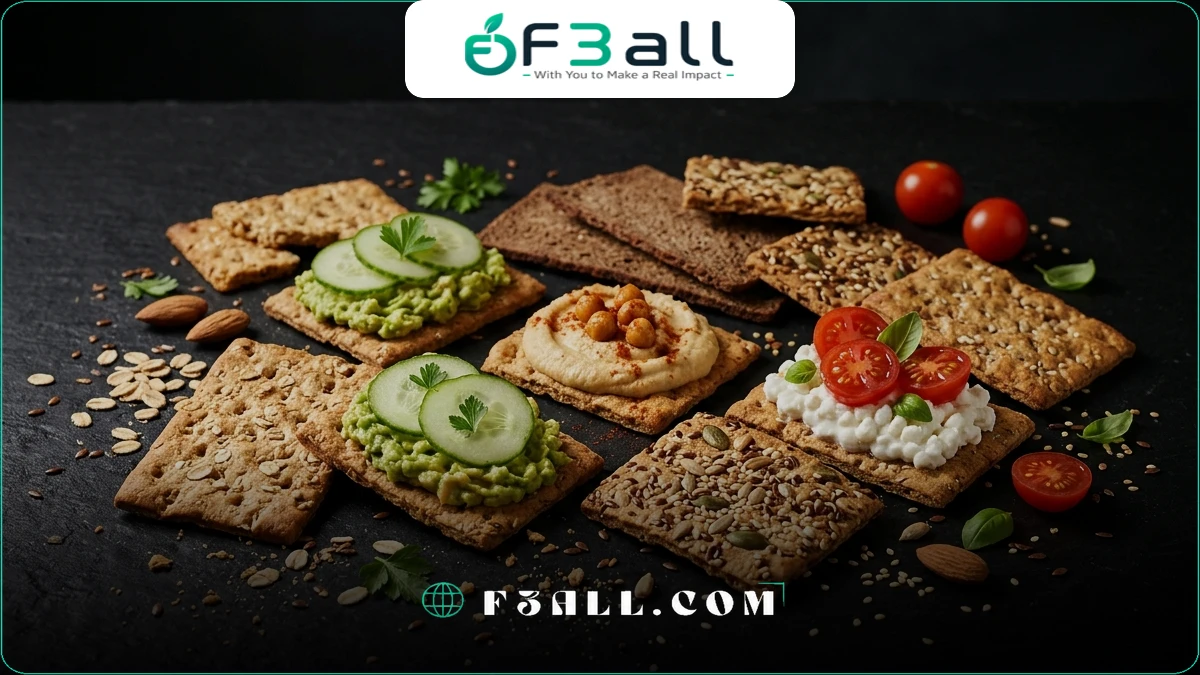
The best Healthy Crackers for Weight Loss generally provide useful nutrients, fit your calorie needs, and taste good enough to become part of your regular eating pattern.
Whole grains and fiber are valuable considerations, but no single cracker is ideal for everyone.
Comparing Popular Cracker Types
| Cracker Type | Typical Calories per 30 g | Main Nutritional Feature |
| Whole-Wheat Crackers | 120–150 | Whole Grains |
| Rye Crispbread | 95–120 | Fiber |
| Seed-Based Crackers | 140–170 | Unsaturated Fats |
| Multigrain Crackers | 120–160 | Varies by Grain Content |
| Oat Crackers | 125–160 | Oat-Based Carbohydrates |
| Brown Rice Crackers | 115–140 | Rice-Based Alternative |
| Flaxseed Crackers | 130–170 | Fiber and Fats |
| Chickpea Crackers | 120–160 | Legume-Based Ingredients |
| Almond Flour Crackers | 140–180 | Fats and Some Protein |
| Plain Water Crackers | 115–140 | Simple Ingredients |
These are broad estimates. Actual values depend on product formulations and serving sizes.
Which Crackers Are Best Overall?
Whole-grain rye crispbread and higher-fiber whole-wheat crackers are practical starting points.
Seed crackers can also be nutritious, although their fat content often makes them more calorie-dense.
Does Multigrain Mean Whole Grain?
Not necessarily.
Multigrain means a product contains more than one type of grain. Those grains may be refined rather than whole.
Check the ingredient list for terms such as whole wheat, whole rye, or whole oats.
Are Gluten-Free Crackers Healthier?
Not automatically.
Gluten-free crackers can be appropriate for people with celiac disease or other medically relevant needs, but their fiber and protein content varies.
Choose crackers according to their actual nutritional profile rather than packaging claims alone.
Healthy Crackers Calories for Weight Loss – Comparing Portions
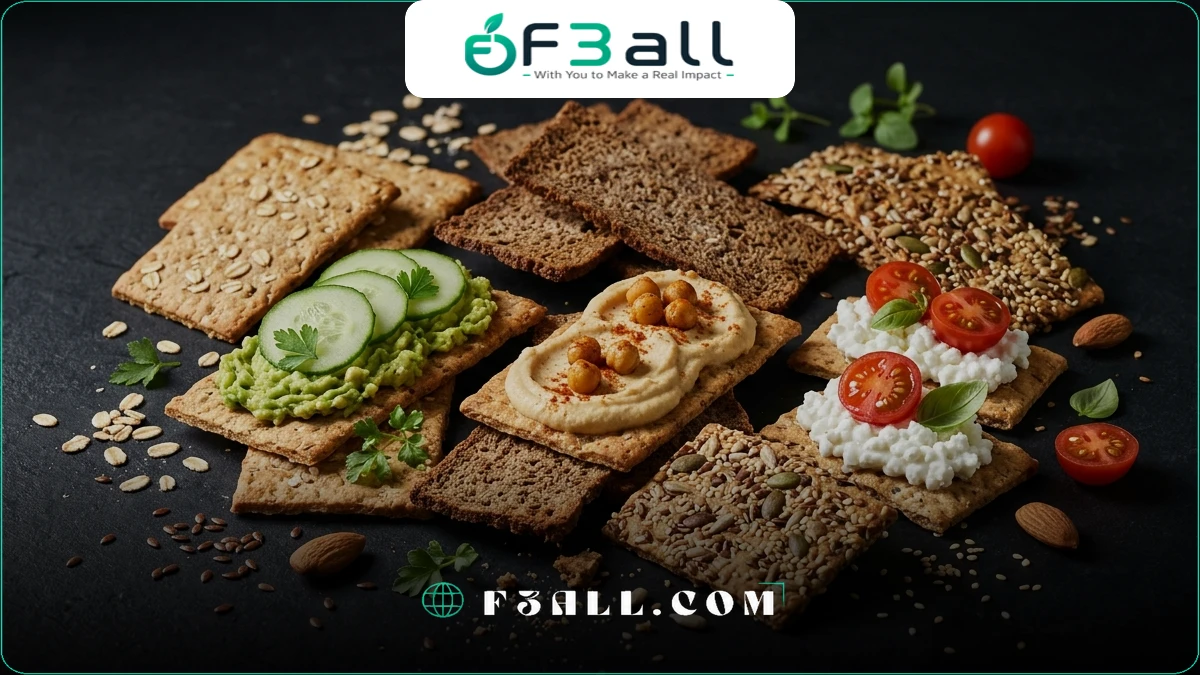
Healthy Crackers Calories for Weight Loss depend on the ingredients, preparation method, and quantity consumed.
Crackers often appear light, but several servings can add up quickly.
Calories by Example Portion
| Snack | Approx. Calories |
| 30 g Whole-Wheat Crackers | 120–150 |
| 30 g Rye Crispbread | 95–120 |
| 30 g Seed Crackers | 140–170 |
| 30 g Rice Crackers | 115–140 |
| 30 g Almond Crackers | 140–180 |
| 30 g Crackers Plus 2 Tablespoons Hummus | 170–220 |
| 30 g Crackers Plus 50 g Cottage Cheese | 160–200 |
| 30 g Crackers Plus 30 g Cheddar | 230–270 |
Why Serving Counts Can Be Misleading
One brand may list three large crackers as a serving, while another lists twelve small crackers.
Comparing products by weight, such as calories per 30 grams, is often more useful.
Are Lower-Calorie Crackers Always Better?
No.
A slightly higher-calorie cracker containing fiber, seeds, or whole grains may offer more nutritional value.
Do Toppings Matter?
Yes.
Peanut butter, cheese, avocado, and hummus contribute additional calories and nutrients.
These toppings can make a snack more satisfying, but portions remain relevant.
Compare complete snacks rather than assuming that plain crackers are always the most useful choice.
Healthy Crackers Nutrition for Weight Loss – What to Check
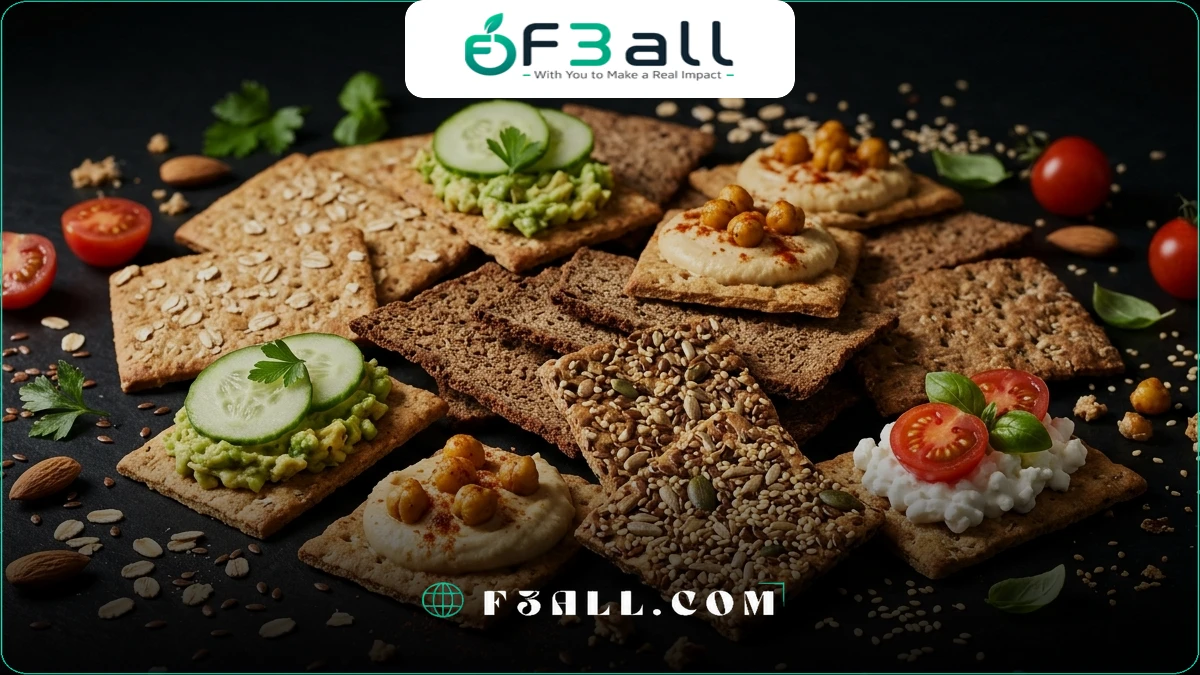
Healthy Crackers Nutrition for Weight Loss involves evaluating fiber, whole grains, protein, sodium, and fat quality.
Calories are only one part of the nutritional picture.
Dietary Fiber
Fiber supports digestive health and may contribute to fullness.
Whole-grain and seed-based crackers often contain more fiber than highly refined varieties.
Protein
Crackers are not always substantial protein sources.
Chickpea and some seed crackers may provide more protein, but amounts vary.
Sodium
Savory crackers can contain considerable sodium.
Compare labels, particularly if you are following a sodium-restricted eating plan.
Saturated Fat
Some crackers contain butter, palm oil, or other sources of saturated fat.
The type and quantity of fat matter.
Label Comparison Checklist
| Nutrition Detail | What to Look For |
| Serving Size | Weight in Grams |
| Calories | Energy per Serving |
| Fiber | Higher Amounts Can Be Useful |
| Protein | Consider With Toppings |
| Sodium | Compare Similar Products |
| Saturated Fat | Consider Overall Intake |
| Added Sugar | Check Quantity |
| Ingredients | Identify Whole Grains |
Is the First Ingredient Important?
Yes.
Ingredients are generally listed in descending order by weight.
If whole wheat or whole rye appears first, that can be a useful indicator of whole-grain content.
Should You Avoid All Refined Crackers?
Not necessarily.
Refined crackers can fit into a varied diet, but whole-grain options often provide more fiber.
Use the Nutrition Facts label to compare products objectively instead of relying on terms such as natural or wholesome.
Read more about: High Fiber Snacks for Weight Loss | Healthy Snack Ideas
Healthy Crackers Benefits for Weight Loss – Practical Advantages
Healthy Crackers Benefits for Weight Loss relate mainly to convenience, portion flexibility, and the opportunity to include fiber-rich foods.
Crackers do not independently increase fat burning.
Potential Benefits
- Convenience: Crackers require little preparation.
- Portability: They are easy to carry to work or school.
- Portion planning: Individual servings can be measured.
- Fiber intake: Whole-grain varieties may contribute dietary fiber.
- Meal variety: Crackers pair with vegetables, fruit, and protein.
- Shelf stability: Many varieties store well before opening.
Benefits and Limitations
| Benefit | Example | Limitation |
| Convenience | Packed Snack | Easy to Overeat |
| Fiber | Rye Crispbread | Varies by Brand |
| Portion Control | Measured Serving | Requires Awareness |
| Versatility | Hummus and Crackers | Toppings Add Calories |
| Long Shelf Life | Pantry Storage | Does Not Guarantee Nutrition |
Can Crackers Help Control Hunger?
Some crackers may contribute to fullness, especially when paired with protein and fiber-rich toppings.
However, crackers alone may be less satisfying than a balanced snack containing protein, produce, and appropriate fats.
Do Crackers Increase Metabolism?
There is no reliable evidence that eating crackers creates a meaningful metabolic increase that causes weight loss.
The main benefit of crackers is their usefulness in practical, balanced snacks rather than any special weight-loss property.
Healthy Crackers Serving Size for Weight Loss – How Much Is Appropriate?
Healthy Crackers Serving Size for Weight Loss varies according to the product and your individual energy needs.
A typical packaged serving may contain approximately 25–30 grams, but labels differ.
Serving Examples
| Cracker Type | Illustrative Portion | Approx. Calories |
| Whole-Wheat | 30 g | 120–150 |
| Rye Crispbread | 30 g | 95–120 |
| Seed-Based | 20 g | 95–115 |
| Rice-Based | 30 g | 115–140 |
| Chickpea-Based | 30 g | 120–160 |
How to Build a Balanced Snack
Combine a measured serving of crackers with one or two complementary foods.
Examples include:
- Whole-grain crackers with cottage cheese.
- Rye crispbread with hummus.
- Seed crackers with cucumber and yogurt dip.
- Whole-wheat crackers with tuna.
- Crackers with a boiled egg and tomatoes.
Should You Eat Crackers Directly From the Box?
Portioning them into a bowl or container may make serving sizes easier to recognize.
Can You Eat Crackers Every Day?
Yes, if they fit your dietary needs and you maintain variety.
The most useful serving size is one that supports your overall nutrition and leaves you comfortably satisfied.
Healthy Crackers Recipes for Weight Loss – Eight Snack Ideas
Healthy Crackers Recipes for Weight Loss can transform simple pantry foods into more balanced snacks.
These recipes use everyday ingredients and require little preparation.
Recipe 1 – Cottage Cheese Cucumber Crackers
Ingredients
- 30 g whole-grain crackers.
- 80 g low-fat cottage cheese.
- 50 g cucumber.
- Black pepper.
Instructions
- Arrange crackers on a plate.
- Spoon cottage cheese onto each cracker.
- Add cucumber slices.
- Sprinkle black pepper.
- Serve immediately.
Estimated calories: 190–230.
This snack combines carbohydrates, protein, and vegetables.
Recipe 2 – Hummus Tomato Rye Crispbread
Ingredients
- 30 g rye crispbread.
- 40 g hummus.
- 80 g cherry tomatoes.
- Parsley.
Instructions
- Spread hummus over crispbread.
- Slice tomatoes.
- Arrange them on top.
- Add parsley.
- Serve fresh.
Estimated calories: 210–250.
Hummus contributes plant protein and fiber.
Recipe 3 – Tuna Lemon Cracker Bites
Ingredients
- 30 g whole-wheat crackers.
- 80 g canned tuna in water, drained.
- 1 tablespoon plain Greek yogurt.
- Lemon juice.
- Dill.
Instructions
- Combine tuna and yogurt.
- Add lemon juice and dill.
- Mix until evenly combined.
- Spoon onto crackers.
- Serve with cucumber slices.
Estimated calories: 220–260.
This provides a substantial protein contribution.
Recipe 4 – Avocado Egg Crackers
Ingredients
- 25 g whole-grain crackers.
- 1 hard-boiled egg.
- 40 g avocado.
- Lemon juice.
Instructions
- Mash avocado with lemon.
- Spread over crackers.
- Slice the boiled egg.
- Place egg slices on top.
- Serve immediately.
Estimated calories: 240–280.
The combination provides protein and unsaturated fats.
Recipe 5 – Greek Yogurt Herb Dip
Ingredients
- 30 g rye crackers.
- 100 g plain Greek yogurt.
- Fresh dill.
- Garlic powder.
- 100 g carrot sticks.
Instructions
- Mix yogurt with dill and garlic.
- Refrigerate briefly.
- Arrange crackers and carrots.
- Serve with the dip.
Estimated calories: 210–250.
This snack includes vegetables and protein.
Recipe 6 – Strawberry Ricotta Crackers
Ingredients
- 25 g whole-grain crackers.
- 60 g part-skim ricotta.
- 70 g strawberries.
- Cinnamon.
Instructions
- Spread ricotta over crackers.
- Slice strawberries.
- Add fruit on top.
- Sprinkle cinnamon.
- Serve immediately.
Estimated calories: 220–260.
This offers a sweet option without requiring added syrup.
Recipe 7 – Chickpea Cracker Mini Sandwiches
Ingredients
- 30 g chickpea crackers.
- 60 g mashed chickpeas.
- 1 teaspoon lemon juice.
- 30 g diced bell pepper.
- Paprika.
Instructions
- Mash chickpeas.
- Add lemon and paprika.
- Stir in bell pepper.
- Spread onto crackers.
- Top with additional crackers if desired.
Estimated calories: 240–290.
The chickpeas contribute fiber and plant protein.
Recipe 8 – Smoked Salmon Crispbread
Ingredients
- 30 g rye crispbread.
- 50 g smoked salmon.
- 40 g plain Greek yogurt.
- Fresh dill.
- Lemon juice.
Instructions
- Mix yogurt, dill, and lemon.
- Spread onto crispbread.
- Add smoked salmon.
- Garnish with dill.
- Serve immediately.
Estimated calories: 190–230.
Smoked salmon can contain substantial sodium, so consider individual dietary requirements.
Recipe Comparison
| Recipe | Approx. Calories | Main Feature |
| Cottage Cheese Crackers | 190–230 | Protein |
| Hummus Rye Crispbread | 210–250 | Fiber |
| Tuna Cracker Bites | 220–260 | Protein |
| Avocado Egg Crackers | 240–280 | Healthy Fats |
| Yogurt Herb Dip | 210–250 | Protein and Vegetables |
| Strawberry Ricotta Crackers | 220–260 | Fruit and Dairy |
| Chickpea Mini Sandwiches | 240–290 | Plant Protein |
| Salmon Crispbread | 190–230 | Protein |
Rotate different toppings to improve nutritional variety and keep cracker snacks interesting.
Read more about: Healthy Slow Cooker Chicken Recipes for Weight Loss|Try
Healthy Crackers Diet Plan – Seven-Day Snack Schedule
A Healthy Crackers Diet Plan should use crackers as one component of a balanced diet rather than replacing complete meals.
The following seven-day schedule provides one optional snack each day.
| Day | Snack | Approx. Calories |
| Monday | Whole-Grain Crackers and Cottage Cheese | 210 |
| Tuesday | Rye Crispbread and Hummus | 230 |
| Wednesday | Tuna Cracker Bites | 240 |
| Thursday | Avocado Egg Crackers | 260 |
| Friday | Yogurt Herb Dip and Crackers | 230 |
| Saturday | Strawberry Ricotta Crackers | 240 |
| Sunday | Salmon Rye Crispbread | 210 |
How to Use the Plan
- Adjust portions according to hunger and energy needs.
- Include balanced main meals.
- Rotate protein sources.
- Add vegetables and fruit.
- Compare sodium intake.
- Avoid using crackers as the only carbohydrate source.
- Maintain dietary variety.
Can Crackers Replace Breakfast?
Crackers alone are generally not a complete breakfast.
Pairing them with eggs, yogurt, fruit, or other foods can create a more balanced meal.
Can Crackers Replace Dinner?
A small cracker snack may not provide sufficient energy or nutrients for a complete dinner.
Treat the seven-day schedule as a flexible snack guide rather than a restrictive weight-loss diet.
Healthy Crackers Best Time to Eat – Snack Timing Explained
Healthy Crackers Best Time to Eat depends on your appetite, activity, and meal schedule.
There is no special hour when crackers cause greater fat loss.
Morning Snack
Whole-grain crackers with yogurt or cottage cheese can provide a convenient option between breakfast and lunch.
Afternoon Snack
Crackers with hummus or tuna may help bridge the gap between meals.
Before Exercise
A modest portion of crackers can provide carbohydrates before physical activity, depending on digestive tolerance.
Evening Snack
Crackers can fit into an evening eating pattern when overall intake is appropriate.
Timing Comparison
| Time | Example | Main Consideration |
| Morning | Crackers and Cottage Cheese | Protein |
| Afternoon | Crackers and Hummus | Convenience |
| Before Exercise | Plain Crackers | Carbohydrates |
| Evening | Crackers and Yogurt Dip | Portion Awareness |
Does Eating Crackers at Night Cause Weight Gain?
Not independently.
Long-term weight changes depend on overall energy balance rather than one food’s timing.
Choose snack timing according to personal needs instead of rigid rules about eating after a certain hour.
Healthy Crackers for Belly Fat – Separating Facts From Claims
Healthy Crackers for Belly Fat is a popular search topic, but no cracker selectively reduces abdominal fat.
What Is Abdominal Fat?
Abdominal fat includes subcutaneous fat beneath the skin and visceral fat around internal organs.
Excess visceral fat is associated with increased cardiometabolic risk.
Do High-Fiber Crackers Burn Belly Fat?
No.
Fiber can contribute to digestive health and fullness, but it does not directly target abdominal fat.
Are Seed Crackers Better for Belly Fat?
Not specifically.
Seed crackers may provide unsaturated fats and fiber, but they do not create localized fat loss.
Common Claims Compared
| Claim | Evidence-Based Assessment |
| Rye Crackers Melt Belly Fat | Unsupported |
| Seed Crackers Target Waist Fat | Unsupported |
| Fiber Supports Digestive Health | Yes |
| Whole Grains Contribute Nutrients | Yes |
| Overall Fat Loss May Reduce Waist Size | Yes |
| Spot Reduction Is Guaranteed | No |
What Actually Matters?
Balanced energy intake, physical activity, resistance training, adequate sleep, and individual health factors influence body composition.
Crackers can contribute to a nutritious eating pattern, but abdominal-fat reduction requires a broader approach.
Healthy Crackers Weight Loss Results – What to Expect
Healthy Crackers Weight Loss Results depend on whether cracker choices improve overall dietary quality and energy balance.
Replacing a higher-calorie snack with a measured cracker snack may reduce calorie intake.
However, adding crackers without adjusting other foods may increase total calories.
Example Snack Substitution
Suppose someone replaces a 350-calorie snack with a 220-calorie whole-grain cracker snack.
The difference is 130 calories.
| Frequency | Illustrative Calorie Difference |
| Once | 130 |
| Five Times | 650 |
| Ten Times | 1,300 |
| Twenty Times | 2,600 |
These figures illustrate energy differences, not guaranteed weight-loss outcomes.
Results After Seven Days
You may improve portion awareness and snack planning.
Results After 30 Days
If snack substitutions contribute to a sustainable calorie deficit, weight reduction may occur.
Results After 90 Days
Longer-term changes may include more consistent eating habits and changes in weight trends.
What Should You Track?
Consider snack satisfaction, dietary fiber, overall calorie intake, physical activity, and appropriate weight trends.
Realistic results come from consistent dietary patterns rather than one particular cracker brand.
Read more about: Healthy Drinks for Weight Loss | Recipes and Tips Today
Healthy Crackers vs Alternatives for Weight Loss
Healthy Crackers vs Alternatives for Weight Loss involves comparing crackers with popcorn, nuts, fruit, rice cakes, and other common snacks.
Each option provides different nutrients and levels of satisfaction.
Snack Comparison
| Snack | Approx. Calories | Main Consideration |
| Whole-Grain Crackers, 30 g | 120–150 | Convenient Carbohydrates |
| Air-Popped Popcorn, 3 Cups | 90–100 | Whole-Grain Volume |
| Almonds, 28 g | 160–170 | Unsaturated Fats |
| Medium Apple | 95 | Fruit and Fiber |
| Plain Rice Cakes, 2 | 65–80 | Relatively Low Calories |
| Plain Greek Yogurt, 170 g | 95–110 | Protein |
| Carrot Sticks, 100 g | 40 | Vegetables |
| Hummus, 50 g | 80–130 | Fiber and Fat |
Crackers vs Popcorn
Air-popped popcorn generally provides more volume for a similar calorie amount.
Crackers may be easier to pair with protein-rich toppings.
Crackers vs Nuts
Nuts provide unsaturated fats and some protein but are more energy-dense.
Crackers vs Rice Cakes
Rice cakes can contain fewer calories per piece, but whole-grain crackers may provide more fiber.
Crackers vs Fruit
Whole fruit contributes water, fiber, and micronutrients.
Crackers provide a different texture and may be more suitable for savory toppings.
The best snack depends on nutritional needs, portion size, convenience, and personal satisfaction.
Common Mistakes When Choosing Healthy Crackers
Even nutritious crackers can become less useful when portions and ingredients are overlooked.
Mistakes to Avoid
- Trusting marketing claims: Words such as natural do not guarantee high fiber.
- Ignoring serving weight: Cracker counts vary between brands.
- Overlooking sodium: Some products contain substantial sodium.
- Eating directly from large packages: Portions can become difficult to estimate.
- Adding excessive toppings: Cheese, spreads, and oils contribute calories.
- Expecting fat burning: Crackers do not target body fat.
- Relying only on crackers: Dietary variety remains essential.
Practical Corrections
| Mistake | Better Approach |
| Confusing Multigrain With Whole Grain | Check Ingredients |
| Ignoring Portions | Compare Grams per Serving |
| High Sodium | Review Nutrition Labels |
| Low Protein | Add Yogurt, Eggs, or Tuna |
| Missing Produce | Add Vegetables or Fruit |
| Unrealistic Expectations | Focus on Overall Eating Habits |
Are Crackers Suitable for Everyone?
People with celiac disease must avoid crackers containing gluten and choose appropriate certified gluten-free products.
Those with food allergies should check ingredients carefully, particularly for wheat, sesame, nuts, and dairy.
Individuals following sodium-restricted diets may need specific products.
Thoughtful label reading helps make cracker choices safer and more nutritionally useful.
Why F3all Is Your Best Choice
At F3all, our Healthy Crackers for Weight Loss guide focuses on practical nutrition, realistic expectations, and convenient snack ideas.
We help readers compare crackers and build balanced snacks without exaggerated fat-burning claims.
- Calorie Comparisons: Understand common cracker varieties.
- Nutrition Guidance: Evaluate fiber, protein, and sodium.
- Serving Size Examples: Plan appropriate portions.
- Easy Recipes: Prepare eight nutritious cracker snacks.
- Seven-Day Planning: Organize convenient snack options.
- Belly-Fat Facts: Separate evidence from unsupported claims.
- Food Alternatives: Compare crackers with other everyday snacks.
Explore additional healthy eating resources at F3all.
F3all helps readers make informed snack choices that support sustainable eating habits.
Frequently Asked Questions
What Are the Healthiest Crackers for Weight Loss?
Whole-grain rye crispbread, higher-fiber whole-wheat crackers, and some seed-based varieties are practical options. Compare nutrition labels.
Are Whole-Wheat Crackers Good for Weight Loss?
They can fit into a balanced diet and may provide fiber, depending on the product.
Are Rye Crackers Better Than Regular Crackers?
Rye crispbread may provide more fiber than some refined crackers, but nutritional values vary.
How Many Crackers Should I Eat for Weight Loss?
There is no universal number. Check the serving weight and consider your overall energy needs.
Are Seed Crackers Healthy?
Seed crackers can provide fiber and unsaturated fats, although they may be calorie-dense.
Can I Eat Crackers Every Day?
Yes, if they fit your dietary requirements and you maintain variety.
Do Crackers Burn Belly Fat?
No. Crackers do not selectively reduce abdominal fat.
What Should I Eat With Crackers?
Cottage cheese, hummus, tuna, eggs, yogurt dip, vegetables, and fruit can create more balanced snacks.
Is It Better to Eat Crackers in the Morning or Evening?
There is no proven optimal time. Choose a schedule that suits your appetite and routine.
How Much Weight Can I Lose in 30 Days by Eating Healthy Crackers?
No specific amount can be predicted. Results depend on overall calorie intake, activity, health, and individual circumstances.
In the End
Healthy Crackers for Weight Loss can be part of a nutritious eating pattern when you select appropriate products and serving sizes.
Whole-grain, rye, seed-based, and legume-based crackers offer different nutritional advantages, particularly when paired with protein-rich toppings and vegetables.
However, crackers do not independently cause fat loss or selectively reduce belly fat.
For sustainable progress, compare labels, monitor portions when useful, and maintain variety across your meals and snacks.
Choose crackers you enjoy and build satisfying snacks that support your long-term nutritional goals.
References