Is Bacon Good for Weight Loss | Smart Portions & Advice
Is Bacon Good for Weight Loss? Bacon can fit into a weight-loss diet in small portions, but it is not an ideal everyday protein source. Although bacon provides protein and a distinctive savory flavor, it also contains saturated fat, sodium, and relatively concentrated calories. Because bacon is processed meat, frequent consumption raises additional long-term health considerations. Understanding serving sizes, preparation methods, and healthier alternatives can help you enjoy bacon occasionally without making it the foundation of your eating plan.
This guide examines bacon calories, nutrition, potential benefits, portion sizes, recipes, meal timing, and realistic weight-loss results. You’ll also discover how bacon compares with eggs, turkey bacon, chicken, and other foods, along with a seven-day meal plan emphasizing nutritional variety.
Is Bacon Good for Weight Loss – Understanding the Facts
Bacon is usually made from pork belly or other pork cuts that have been cured with salt and, in some cases, smoked.
Its nutritional composition depends on the cut, curing process, thickness, and cooking method.
Bacon contains protein, but it is also relatively high in fat and sodium compared with many minimally processed protein sources.
Can Bacon Fit Into a Weight-Loss Diet?
Yes, an occasional small serving can fit into a balanced diet.
However, eating bacon does not independently cause weight loss.
Body-weight changes depend on overall energy intake, physical activity, health, and other individual factors.
Why Bacon Requires Portion Awareness
Bacon is calorie-dense because it contains substantial fat.
Fat provides approximately nine calories per gram, compared with approximately four calories per gram from protein or carbohydrates.
Consequently, a small amount of bacon can contribute more calories than its volume suggests.
Bacon Facts vs Common Myths
| Claim | Evidence-Based Explanation |
| Bacon Contains Protein | True |
| Bacon Automatically Burns Fat | False |
| Bacon Can Fit Into a Balanced Diet Occasionally | True |
| Bacon Is a Lean Protein Source | Generally False |
| Bacon Is Processed Meat | True |
| Bacon Melts Belly Fat | Unsupported |
| Eating Bacon Guarantees Weight Loss | False |
Is Bacon Better for Weight Loss Than Other Meats?
Not generally.
Skinless chicken, fish, and many other protein foods provide more protein relative to calories and often contain less saturated fat.
Bacon may be used occasionally for flavor rather than as the primary protein source.
The practical approach is to treat bacon as an occasional addition to balanced meals, not as a weight-loss food.
Bacon Calories for Weight Loss – How Much Energy Does Bacon Provide?
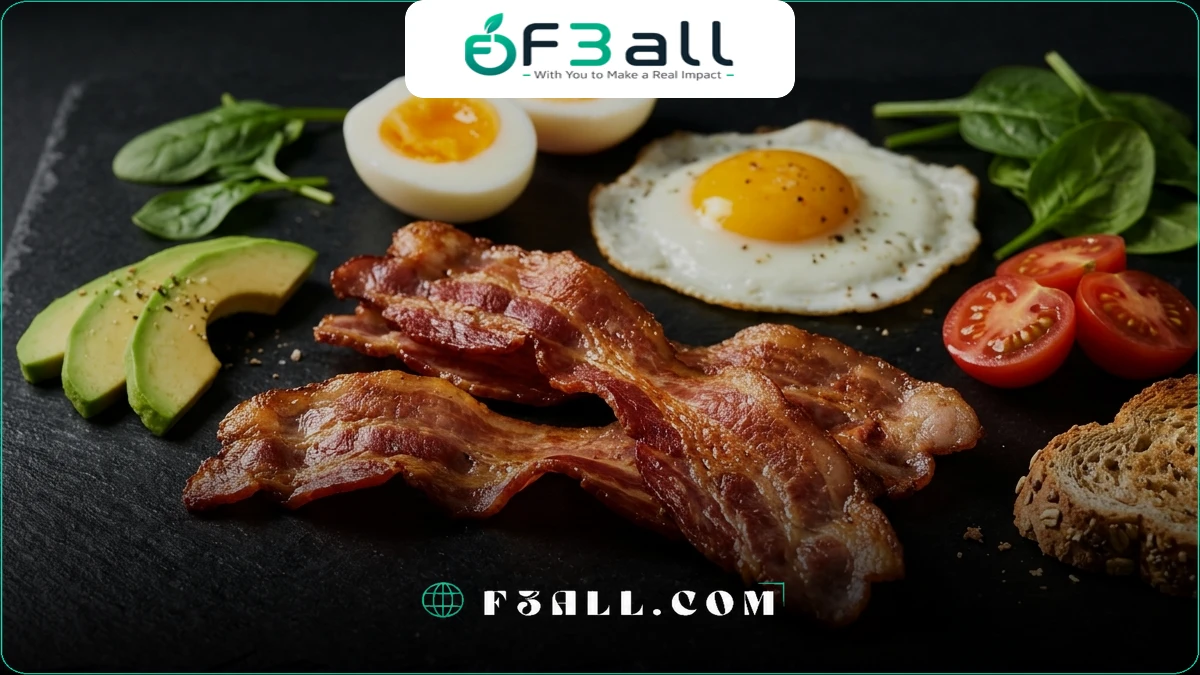
Bacon Calories for Weight Loss depend on slice thickness, brand, cooking method, and serving size.
A typical cooked slice of pork bacon may contain approximately 40–55 calories, but larger or thicker slices can contain substantially more.
Approximate Calories by Serving Size
| Bacon Portion | Estimated Calories |
| 1 Thin Cooked Slice | 30–45 |
| 1 Typical Cooked Slice | 40–55 |
| 2 Typical Cooked Slices | 80–110 |
| 3 Typical Cooked Slices | 120–165 |
| 4 Typical Cooked Slices | 160–220 |
| 6 Typical Cooked Slices | 240–330 |
These are illustrative ranges. Actual calories vary considerably by brand, slice weight, and cooking method.
Why Bacon Calories Vary
Several factors influence calorie content:
- Thickness of the slice.
- Amount of visible fat.
- Cut of pork.
- Moisture lost during cooking.
- Fat rendered during preparation.
- Added sugar or glaze.
- Final cooked portion weight.
Raw Bacon vs Cooked Bacon
Bacon loses water and some fat during cooking.
Therefore, 100 grams of raw bacon and 100 grams of cooked bacon are not nutritionally equivalent.
Always match the food’s preparation state to the nutrition data used.
Does Cooking Bacon in an Air Fryer Reduce Calories?
An air fryer may allow some rendered fat to drain away.
However, the actual calorie reduction depends on how much fat leaves the bacon.
Air frying does not automatically transform bacon into a low-fat food.
Does Crispy Bacon Have Fewer Calories?
Not necessarily.
Crispy bacon has lost more moisture, which changes its weight and concentration of nutrients.
The final calorie content depends on fat loss and portion size.
Example Breakfast Comparison
| Breakfast Component | Approximate Calories |
| 2 Cooked Bacon Slices | 80–110 |
| 2 Large Eggs | 140–160 |
| 1 Slice Whole-Grain Toast | 80–110 |
| 100 g Tomatoes | 18 |
| Total | 318–398 |
This meal can fit into different dietary patterns, but bacon contributes additional sodium and saturated fat.
For accurate calorie planning, check the specific product label and use consistent cooked or raw measurements.
Bacon Nutrition for Weight Loss – Protein, Fat, and Sodium
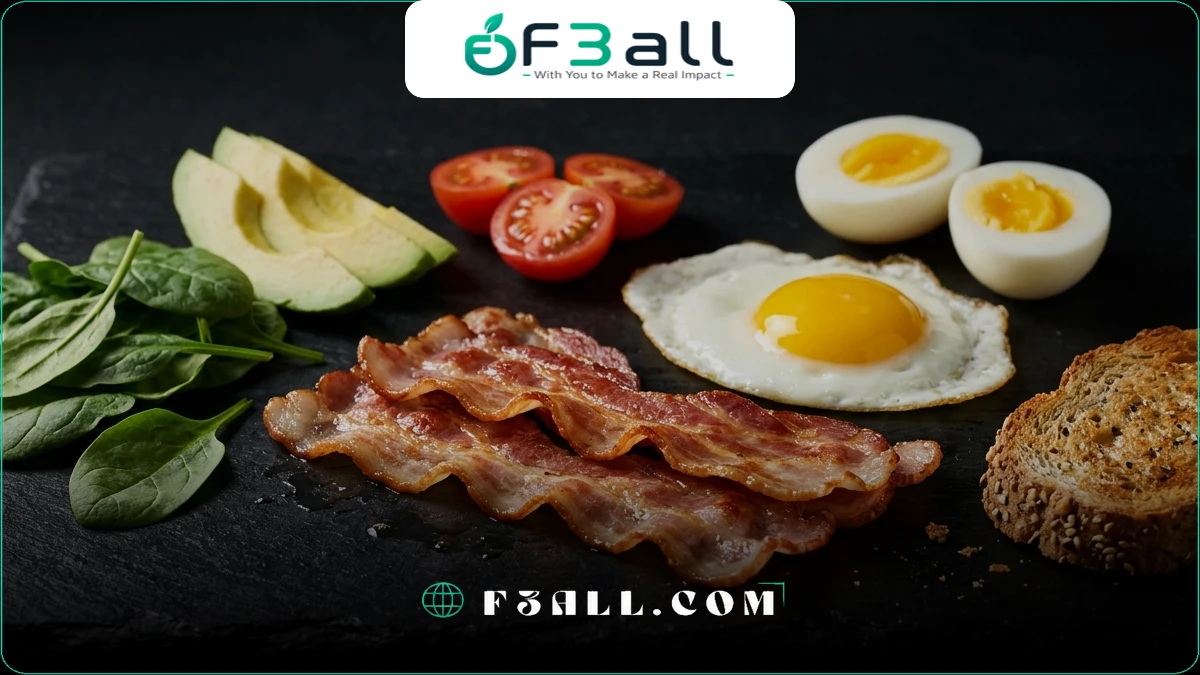
Bacon Nutrition for Weight Loss should be assessed using more than calorie content.
Although bacon provides protein, it also contains saturated fat and sodium.
Its nutritional value differs considerably from lean, minimally processed meats.
Typical Nutrition in Two Cooked Bacon Slices
| Nutrient | Approximate Amount |
| Calories | 80–110 kcal |
| Protein | 5–8 g |
| Total Fat | 6–9 g |
| Saturated Fat | 2–3 g |
| Carbohydrates | 0–2 g |
| Sodium | 300–500 mg |
Values are approximate and vary by brand, slice thickness, and preparation.
Protein Content
Bacon provides protein, but the protein-to-calorie ratio is generally lower than that of skinless chicken breast or many fish varieties.
For weight management, protein sources that provide more protein with less saturated fat may be more practical.
Total Fat
A substantial proportion of bacon’s calories comes from fat.
The exact amount depends on the cut and cooking method.
Saturated Fat
Bacon contributes saturated fat.
Dietary guidance generally recommends limiting saturated fat as part of cardiovascular health management.
Sodium
Bacon is cured with salt and may provide several hundred milligrams of sodium in a small serving.
The FDA Daily Value for sodium is 2,300 milligrams.
Vitamins and Minerals
Pork bacon can contribute nutrients such as:
- Thiamin.
- Niacin.
- Vitamin B6.
- Vitamin B12.
- Selenium.
- Phosphorus.
However, these nutrients can also be obtained from less-processed foods.
Nutrition Label Priorities
| Nutrient | Why It Matters |
| Calories | Helps Estimate Energy Intake |
| Protein | Supports Muscle Maintenance |
| Saturated Fat | Important for Cardiovascular Health |
| Sodium | Important for Blood Pressure Management |
| Serving Size | Prevents Portion Miscalculations |
| Added Sugar | Relevant for Sweetened Bacon Products |
Bacon provides some useful nutrients, but its sodium, saturated fat, and processed-meat status make moderation important.
Read more about: Is Oat Milk Good for Weight Loss | Read Smart Tips Now!
Bacon Benefits for Weight Loss – What Are the Real Advantages?
Bacon Benefits for Weight Loss are limited compared with many lean protein foods.
Its main practical advantages are flavor, convenience, and the ability to make certain meals more appealing in small quantities.
These advantages should not be confused with direct fat-loss effects.
1. Adds Savory Flavor
A small amount of bacon can add flavor to vegetables, eggs, salads, or beans.
This may make some balanced meals more enjoyable.
2. Provides Some Protein
Bacon contributes protein, although it is not particularly protein-efficient compared with lean alternatives.
3. Convenient Preparation
Bacon is widely available and can be prepared quickly.
4. Works in Different Recipes
Small portions can be used in breakfast dishes, salads, soups, and vegetable meals.
5. Allows Flexible Portioning
Using one slice as a garnish instead of several slices as a main protein source can help control the quantity consumed.
Benefits and Limitations
| Potential Advantage | Example | Important Limitation |
| Flavor | Vegetable Omelet | High Sodium |
| Some Protein | Breakfast Addition | Less Protein-Efficient Than Lean Meat |
| Convenience | Quick Preparation | Processed Meat |
| Versatility | Salad Topping | Saturated Fat |
| Portion Flexibility | One-Slice Garnish | Easy to Overconsume |
Does Bacon Help Control Hunger?
Protein-containing foods may contribute to satiety.
However, bacon’s relatively high fat content and modest protein quantity per slice mean it should not be considered a superior appetite-management food.
Does Bacon Boost Metabolism?
There is no convincing evidence that bacon meaningfully increases metabolism or directly promotes fat burning.
Is Bacon Useful on a Low-Carbohydrate Diet?
Bacon generally contains little carbohydrate.
However, low carbohydrate content does not automatically make a food beneficial for weight loss or long-term health.
Bacon’s main practical benefit is flavor, while leaner protein sources are generally better choices for regular consumption.
Bacon Serving Size for Weight Loss – How Much Is Reasonable?
Bacon Serving Size for Weight Loss depends on individual energy needs, dietary preferences, and the nutritional composition of the meal.
There is no scientifically established bacon serving that causes weight loss.
Because bacon is processed meat, minimizing frequency and portion size is preferable to making it a daily staple.
Example Portion Comparison
| Portion | Approximate Calories | Practical Use |
| 1 Slice | 40–55 | Occasional Garnish |
| 2 Slices | 80–110 | Small Breakfast Addition |
| 3 Slices | 120–165 | Larger Portion |
| 4 Slices | 160–220 | Substantial Addition |
| 6 Slices | 240–330 | High-Calorie Portion |
Is One Slice Enough?
One slice may provide sufficient flavor when chopped into a vegetable dish or salad.
Are Two Slices Better Than Four?
Two slices generally contribute fewer calories, sodium, and saturated fat than four slices of the same product.
Should Bacon Be the Main Protein Source?
For routine meals, lean poultry, fish, eggs, tofu, or legumes are generally preferable.
How to Reduce Bacon Portions Without Losing Flavor
Try these approaches:
- Chop one slice into small pieces.
- Distribute it throughout a vegetable dish.
- Add herbs, garlic, or pepper for extra flavor.
- Include another protein source.
- Avoid adding excessive bacon grease to the meal.
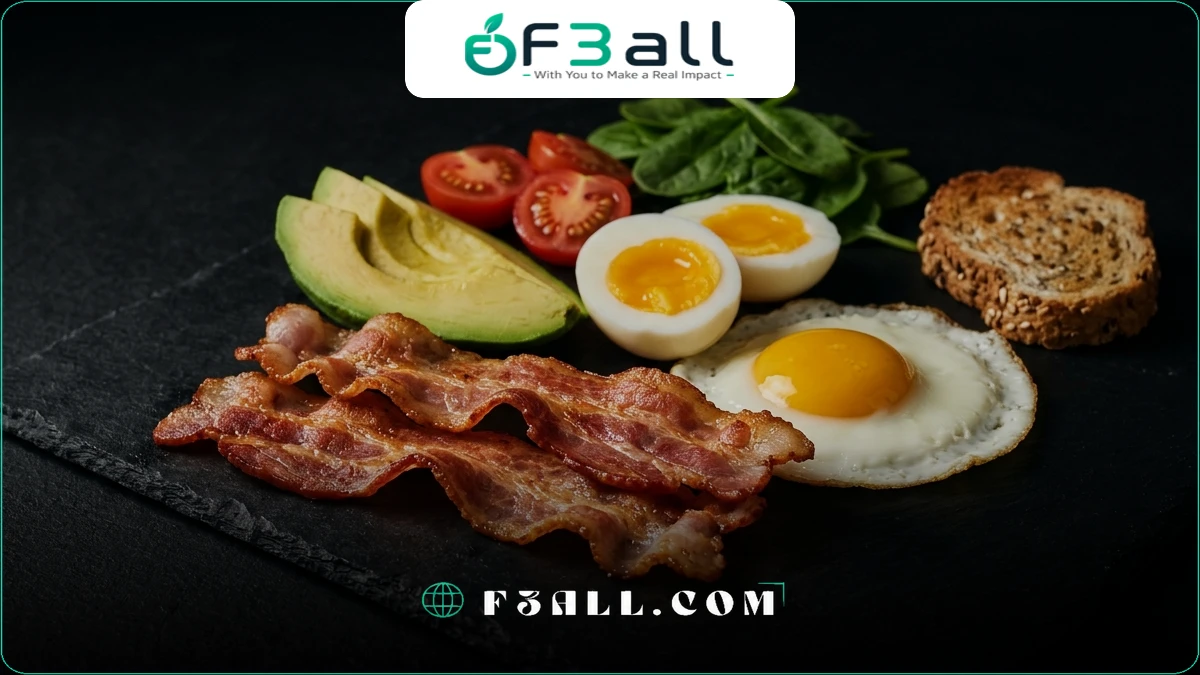
Balanced Breakfast Example
A breakfast could include:
- One slice of cooked bacon.
- Two eggs.
- Whole-grain toast.
- Tomatoes or spinach.
- Water or an unsweetened beverage.
This provides greater nutritional variety than a large serving of bacon alone.
Using bacon sparingly for flavor is a more balanced strategy than relying on it for daily protein.
Is Turkey Bacon Better Than Pork Bacon for Weight Loss?
Turkey bacon is often marketed as a lighter alternative to traditional pork bacon.
However, the nutritional differences depend on the product.
Pork Bacon
Traditional pork bacon is usually made from pork belly or another pork cut.
It can contain substantial fat, saturated fat, and sodium.
Turkey Bacon
Turkey bacon is manufactured from processed turkey meat.
Some varieties contain less fat than pork bacon, but others contain comparable sodium.
Nutrition Comparison
| Feature | Pork Bacon | Turkey Bacon |
| Protein | Moderate | Moderate |
| Calories | Varies | Often Lower, but Not Always |
| Total Fat | Often Higher | Product-Dependent |
| Sodium | Often High | Often High |
| Processing | Processed Meat | Processed Meat |
| Added Ingredients | Varies | Varies |
Is Turkey Bacon Automatically Healthier?
No.
Turkey bacon is still processed meat, and its sodium content may be substantial.
Does Turkey Bacon Cause Faster Weight Loss?
No.
A lower-calorie product may help reduce energy intake when substituted in equivalent portions, but weight loss is not guaranteed.
What About Uncured Bacon?
Products labeled uncured may still use ingredients such as celery powder that supply nitrates or nitrites.
Uncured labeling does not mean the product is unprocessed or free from the health considerations associated with processed meat.
Compare nutrition labels rather than assuming turkey or uncured bacon is automatically a healthier weight-loss choice.
Bacon Recipes for Weight Loss – Eight Balanced Meal Ideas
Bacon Recipes for Weight Loss can use small amounts of bacon for flavor while emphasizing vegetables, whole grains, and varied protein sources.
These recipes are designed to avoid making bacon the main ingredient.
Calorie estimates are approximate and depend on the specific products used.
Recipe 1 – Spinach and Bacon Egg Scramble
Ingredients
- 1 cooked bacon slice.
- 2 large eggs.
- 100 g spinach.
- 50 g tomatoes.
- Black pepper.
Instructions
- Cook the bacon thoroughly and set aside.
- Wilt spinach in a nonstick pan.
- Add beaten eggs.
- Cook until fully set.
- Top with chopped bacon and tomatoes.
Estimated calories: 220–270.
This meal provides protein and vegetables with a small amount of bacon.
Recipe 2 – Chicken and Bacon Salad
Ingredients
- 120 g cooked skinless chicken breast.
- 1 cooked bacon slice.
- 100 g lettuce.
- 100 g cucumber.
- 80 g tomatoes.
- Lemon juice.
- 1 teaspoon olive oil.
Instructions
- Wash and chop the vegetables.
- Slice the fully cooked chicken.
- Crumble the cooked bacon.
- Combine the ingredients.
- Add lemon juice and olive oil.
Estimated calories: 300–360.
Chicken provides most of the protein, while bacon contributes flavor.
Recipe 3 – Bacon and Vegetable Breakfast Wrap
Ingredients
- 1 cooked bacon slice.
- 1 small whole-grain tortilla.
- 1 egg.
- 50 g spinach.
- 50 g tomatoes.
Instructions
- Cook the egg thoroughly.
- Warm the tortilla.
- Add spinach and tomatoes.
- Place the egg and chopped bacon inside.
- Roll and serve.
Estimated calories: 260–330.
The whole-grain tortilla contributes carbohydrates and some fiber.
Recipe 4 – Roasted Brussels Sprouts With Bacon
Ingredients
- 200 g Brussels sprouts.
- 1 cooked bacon slice.
- 1 teaspoon olive oil.
- Black pepper.
- Garlic powder.
Instructions
- Preheat the oven.
- Toss Brussels sprouts with measured olive oil and seasonings.
- Roast until tender and lightly browned.
- Chop the cooked bacon.
- Sprinkle over the vegetables.
Estimated calories: 160–210.
This is a vegetable-focused side dish rather than a complete meal.
Recipe 5 – Bacon and White Bean Soup
Ingredients
- 1 cooked bacon slice.
- 120 g cooked white beans.
- 100 g carrots.
- 50 g celery.
- 250 ml low-sodium vegetable broth.
- Parsley.
Instructions
- Simmer carrots and celery in broth.
- Add cooked white beans.
- Heat thoroughly.
- Stir in chopped cooked bacon.
- Garnish with parsley.
Estimated calories: 240–300.
Beans contribute fiber and plant protein.
Recipe 6 – Bacon and Mushroom Omelet
Ingredients
- 1 cooked bacon slice.
- 2 eggs.
- 100 g mushrooms.
- 50 g spinach.
- Black pepper.
Instructions
- Cook mushrooms until tender.
- Add spinach.
- Pour in beaten eggs.
- Cook the omelet thoroughly.
- Add chopped bacon before folding.
Estimated calories: 230–280.
Vegetables add volume without requiring several bacon slices.
Recipe 7 – Bacon and Sweet Potato Breakfast Bowl
Ingredients
- 1 cooked bacon slice.
- 150 g cooked sweet potato.
- 1 egg.
- 80 g spinach.
- Paprika.
Instructions
- Cook the sweet potato until tender.
- Prepare the egg thoroughly.
- Wilt spinach.
- Arrange ingredients in a bowl.
- Top with chopped bacon and paprika.
Estimated calories: 300–360.
Sweet potato contributes carbohydrates and fiber.
Recipe 8 – Bacon and Chickpea Vegetable Salad
Ingredients
- 1 cooked bacon slice.
- 100 g cooked chickpeas.
- 100 g cucumber.
- 100 g tomatoes.
- 50 g lettuce.
- Lemon juice.
Instructions
- Rinse and drain chickpeas.
- Chop vegetables.
- Combine in a bowl.
- Add crumbled cooked bacon.
- Finish with lemon juice.
Estimated calories: 250–310.
Chickpeas provide fiber and plant protein.
Recipe Comparison
| Recipe | Estimated Calories | Main Nutritional Feature |
| Spinach Egg Scramble | 220–270 | Protein and Vegetables |
| Chicken Bacon Salad | 300–360 | Lean Protein |
| Breakfast Wrap | 260–330 | Whole Grains |
| Brussels Sprouts | 160–210 | Vegetables |
| White Bean Soup | 240–300 | Fiber |
| Mushroom Omelet | 230–280 | Protein |
| Sweet Potato Bowl | 300–360 | Carbohydrates and Fiber |
| Chickpea Salad | 250–310 | Plant Protein |
These recipes demonstrate how small amounts of bacon can add flavor without dominating the nutritional profile of a meal.
Bacon Diet Plan – A Balanced Seven-Day Meal Schedule
A Bacon Diet Plan should not involve eating bacon every day.
Because bacon is processed meat, a more appropriate approach is to include it occasionally while prioritizing lean and minimally processed protein sources.
Seven-Day Meal Plan
| Day | Main Meal Example | Protein Focus |
| Monday | Spinach and Bacon Egg Scramble | Eggs With One Bacon Slice |
| Tuesday | Grilled Chicken and Brown Rice | Lean Poultry |
| Wednesday | Lentil and Vegetable Soup | Legumes |
| Thursday | Baked Salmon and Potatoes | Fish |
| Friday | Chickpea and Vegetable Salad | Plant Protein |
| Saturday | Turkey and Whole-Grain Sandwich | Lean Poultry |
| Sunday | Tofu and Vegetable Stir-Fry | Plant Protein |
This schedule includes bacon once rather than making it a daily food.
How to Follow the Plan
- Adjust portions to individual energy requirements.
- Include vegetables with main meals.
- Choose varied protein sources.
- Eat whole grains and legumes.
- Use moderate amounts of cooking oils.
- Limit processed meat.
- Maintain regular physical activity.
Can You Eat Bacon Every Day While Losing Weight?
It is possible to remain within a calorie target while eating bacon daily.
However, that does not make daily processed-meat consumption advisable.
Health organizations recommend limiting processed meat because regular intake is associated with increased colorectal cancer risk.
Is a Bacon-Only Diet Healthy?
No.
A bacon-only diet lacks adequate fiber and nutritional variety and can provide excessive sodium and saturated fat.
Does a Low-Carbohydrate Diet Require Bacon?
No.
Low-carbohydrate eating patterns can include fish, eggs, poultry, tofu, nuts, and vegetables without relying on processed meat.
A balanced seven-day plan should emphasize nutritional variety rather than using bacon as a primary weight-loss strategy.
Read more about: Is Milk Good for Weight Loss | Benefits and Smart Guide
Bacon Best Time to Eat – Breakfast, Lunch, or Dinner
Bacon Best Time to Eat depends on personal preference and meal planning.
There is no established time when eating bacon produces greater fat loss.
Bacon at Breakfast
Bacon is commonly eaten with eggs, toast, and vegetables.
Using a small portion can add flavor without making it the main protein source.
Bacon at Lunch
A small amount may be used in salads, sandwiches, or soups.
Bacon at Dinner
Bacon can be added occasionally to vegetable dishes or bean-based meals.
Bacon Before Exercise
Bacon is not usually an ideal pre-exercise food because its fat content may slow digestion and it provides little carbohydrate.
Bacon After Exercise
Protein supports recovery, but leaner protein sources generally provide more protein relative to calories and saturated fat.
Meal Timing Comparison
| Time | Possible Use | Important Consideration |
| Breakfast | Small Addition to Eggs | Sodium and Saturated Fat |
| Lunch | Salad Garnish | Portion Size |
| Dinner | Vegetable Flavoring | Overall Meal Balance |
| Before Exercise | Generally Less Practical | Fat Content |
| After Exercise | Occasional Meal Ingredient | Lean Protein Often Preferable |
Does Eating Bacon at Night Cause Weight Gain?
Not automatically.
Weight changes depend on overall energy balance rather than one food’s timing.
Is Bacon Better in the Morning?
There is no convincing evidence that morning bacon consumption creates a weight-loss advantage.
The quantity and frequency of bacon consumption matter more than the time of day.
Bacon for Belly Fat – Can Bacon Reduce Abdominal Fat?
Bacon for Belly Fat is a common search because bacon is frequently associated with low-carbohydrate and ketogenic diets.
However, bacon does not selectively reduce abdominal fat.
Understanding Abdominal Fat
Subcutaneous fat lies beneath the skin.
Visceral fat surrounds internal organs and is associated with increased cardiometabolic risk when present in excess.
Does Bacon Burn Belly Fat?
No.
Bacon does not contain a proven ingredient that specifically targets abdominal fat.
Does Eating Fat Help Burn Body Fat?
Dietary fat and stored body fat are different concepts.
Eating a high-fat food does not automatically cause the body to lose stored fat.
Can Bacon Contribute to Weight Gain?
Like other foods, bacon contributes calories.
Consistently consuming more calories than needed can contribute to weight gain.
Common Claims Compared
| Claim | Scientific Assessment |
| Bacon Burns Belly Fat | Unsupported |
| Bacon Contains Protein | True |
| Bacon Is Low in Carbohydrates | Generally True |
| Bacon Guarantees Ketosis | False |
| Ketosis Guarantees Belly-Fat Loss | False |
| Overall Weight Reduction May Reduce Waist Size | True |
What Supports Abdominal-Fat Management?
Balanced nutrition, regular physical activity, resistance training, sufficient sleep, and appropriate medical care can support overall body-fat management.
Bacon does not offer a special advantage for abdominal-fat reduction.
Bacon Weight Loss Results – What to Expect
Bacon Weight Loss Results depend on how bacon fits into total dietary intake.
Simply eating bacon does not guarantee weight reduction.
Example Portion Reduction
Suppose someone reduces a breakfast from four typical bacon slices to one slice.
Using an illustrative 45 calories per slice:
- Four slices provide approximately 180 calories.
- One slice provides approximately 45 calories.
- The difference is approximately 135 calories.
Illustrative Calorie Differences
| Number of Portion Reductions | Calorie Difference |
| One | 135 |
| Five | 675 |
| Ten | 1,350 |
| Twenty | 2,700 |
These figures represent mathematical calorie differences, not guaranteed fat-loss results.
Results After Seven Days
You may improve portion awareness or reduce sodium intake by eating less bacon.
Results After 30 Days
If overall dietary changes create a sustainable calorie deficit, weight reduction may occur.
Results After 90 Days
Longer-term results depend on total nutrition, activity, health, and consistency.
Does Bacon Cause Water Retention?
High sodium intake can influence fluid balance in some individuals.
Short-term changes on the scale should not automatically be interpreted as body-fat changes.
What Should You Track?
Consider dietary quality, processed-meat frequency, saturated fat, sodium, physical activity, and consistent weight trends when appropriate.
Realistic weight-management results come from broader dietary habits, not from bacon itself.
Bacon vs Alternatives for Weight Loss – Comparing Protein Sources
Bacon vs Alternatives for Weight Loss involves evaluating protein content, calories, saturated fat, sodium, and processing.
Several alternatives provide protein with a more favorable nutritional profile for regular consumption.
Protein Food Comparison
| Food | Typical Portion | Approximate Calories | Main Consideration |
| Pork Bacon | 2 Cooked Slices | 80–110 | Processed Meat |
| Turkey Bacon | 2 Cooked Slices | 60–100 | Processed Meat |
| Skinless Chicken Breast | 100 g Cooked | 165 | Lean Protein |
| Large Egg | 1 | 70–80 | Protein and Choline |
| Plain Nonfat Greek Yogurt | 170 g | 95–110 | Protein and Calcium |
| Tuna in Water | 85 g Drained | 90–110 | Lean Protein |
| Firm Tofu | 100 g | 80–150 | Plant Protein |
| Cooked Lentils | 100 g | 115–120 | Fiber and Protein |
Values are approximate. Portions are not equivalent in protein content.
Bacon vs Eggs
Eggs provide protein and other nutrients without being processed meat.
They are generally a more suitable everyday breakfast protein.
Bacon vs Chicken Breast
Chicken breast provides substantially more protein relative to its calories.
It also generally contains less saturated fat than bacon.
Bacon vs Turkey Bacon
Turkey bacon may contain fewer calories and less fat, but sodium and processing remain important considerations.
Bacon vs Greek Yogurt
Plain Greek yogurt provides substantial protein and calcium.
It can be a practical breakfast or snack alternative.
Bacon vs Tofu
Tofu provides plant protein and can be prepared in many savory dishes.
Its nutritional profile depends on firmness and preparation.
Bacon vs Lentils
Lentils provide protein and dietary fiber.
They also contribute carbohydrates and minerals.
Which Is Best Overall?
For regular meals, varied minimally processed protein sources are generally preferable to bacon.
Bacon is better used occasionally for flavor while other foods provide most of your protein.
Read more about: Is Beef Jerky Good for Weight Loss | Smart Snack Guides
Bacon and Low-Carbohydrate Diets – Important Considerations
Bacon is commonly associated with ketogenic and low-carbohydrate diets because it contains little carbohydrate.
However, carbohydrate content alone does not determine whether a food is healthy or appropriate for weight loss.
Is Bacon Keto-Friendly?
Many bacon products contain relatively little carbohydrate.
However, sweetened varieties may contain added sugar.
Does Keto Make Bacon Healthy?
No.
A food’s compatibility with a ketogenic diet does not eliminate concerns about sodium, saturated fat, or processed meat.
Can You Lose Weight Without Cutting Carbohydrates?
Yes.
Different dietary patterns can support weight reduction when they are nutritionally adequate and sustainable.
Healthier Low-Carbohydrate Protein Options
- Eggs.
- Fish.
- Skinless poultry.
- Tofu.
- Plain Greek yogurt.
- Nuts and seeds in appropriate portions.
Bacon vs Other Low-Carbohydrate Foods
| Food | Carbohydrate Content | Key Consideration |
| Bacon | Generally Low | Processed Meat |
| Eggs | Low | Protein |
| Fish | Generally Very Low | Protein and Some Omega-3 Fats |
| Chicken | Very Low When Unbreaded | Lean Protein |
| Tofu | Usually Low to Moderate | Plant Protein |
| Nuts | Varies | Unsaturated Fats and Calories |
Should Bacon Be a Daily Keto Staple?
Regular reliance on processed meat is not recommended simply because it fits a carbohydrate target.
A well-planned low-carbohydrate diet should emphasize nutritional quality rather than making bacon a central food.
Bacon Cooking Methods – How Preparation Changes Nutrition
Cooking methods affect bacon’s texture, moisture, and fat retention.
They also influence food safety and exposure to potentially harmful compounds.
Pan-Frying
Pan-frying is common but may leave bacon in contact with rendered fat.
Oven-Baking
Baking allows multiple slices to cook evenly and can make portion preparation easier.
Air-Frying
Air-frying may allow some fat to drain away, depending on the equipment.
Microwaving
Microwaving can be convenient when following appropriate manufacturer instructions.
Cooking Method Comparison
| Method | Practical Advantage | Consideration |
| Pan-Frying | Convenient | Rendered Fat |
| Oven-Baking | Even Cooking | Portion Control |
| Air-Frying | Fat May Drain | Calories Still Depend on Product |
| Microwaving | Quick Preparation | Follow Safe Cooking Instructions |
Does Burning Bacon Make It Healthier?
No.
Heavily charring meat is not a health improvement.
High-temperature cooking can produce compounds such as heterocyclic amines and polycyclic aromatic hydrocarbons.
Avoid excessive charring.
Should You Reuse Bacon Grease?
Bacon grease contributes calories and saturated fat.
Using it in additional dishes increases their fat content.
Can Cooking Remove All Sodium?
No.
Cooking does not reliably eliminate the sodium added during curing.
Cooking bacon carefully and avoiding excessive charring is preferable, but no cooking method removes the broader concerns associated with processed meat.
Common Mistakes When Eating Bacon for Weight Loss
Bacon can be enjoyed occasionally, but several habits may make weight management more difficult.
Mistakes to Avoid
- Eating large portions: Multiple slices add calories quickly.
- Ignoring sodium: Bacon can contribute substantial sodium.
- Assuming low-carb means low-calorie: Bacon is often calorie-dense.
- Using bacon as the main protein source: Lean alternatives are generally more suitable.
- Adding bacon grease to meals: This increases fat and calories.
- Eating processed meat every day: Long-term health considerations matter.
- Assuming turkey bacon is always healthier: Labels vary.
- Expecting belly-fat reduction: No food selectively removes abdominal fat.
Better Choices
| Common Mistake | Practical Solution |
| Large Bacon Portions | Use One Slice as a Garnish |
| High Sodium | Compare Labels and Limit Frequency |
| Excess Saturated Fat | Choose Lean Protein More Often |
| Low Vegetable Intake | Add Vegetables to Meals |
| Excess Bacon Grease | Drain and Avoid Reusing Large Amounts |
| Repetitive Breakfasts | Rotate Eggs, Yogurt, Beans, and Other Foods |
| Unrealistic Expectations | Focus on Overall Dietary Habits |
Who Should Be Especially Careful?
People with hypertension, cardiovascular disease, kidney disease, or prescribed sodium restrictions may need to limit bacon more carefully.
Individuals managing elevated LDL cholesterol may also benefit from reducing saturated fat intake.
Those with specific medical conditions should follow individualized professional guidance.
What About Bacon During Pregnancy?
Pregnant individuals should ensure bacon is thoroughly cooked and handled safely to reduce foodborne illness risk.
Moderation, safe preparation, and dietary variety are more useful than attempting to make bacon a primary weight-loss food.
Why F3all Is Your Best Choice

At F3all, our Is Bacon Good for Weight Loss guide focuses on practical nutrition, realistic expectations, and informed food choices.
We explain how bacon can fit occasionally into balanced eating while highlighting important considerations related to sodium, saturated fat, and processed meat.
- Calorie Comparisons: Understand how bacon portions affect energy intake.
- Nutrition Guidance: Compare protein, fat, and sodium.
- Serving Size Examples: Learn practical ways to reduce portions.
- Healthy Recipes: Explore eight balanced meals using small amounts of bacon.
- Seven-Day Planning: Build a varied eating routine.
- Belly-Fat Facts: Separate evidence from unsupported claims.
- Protein Alternatives: Compare bacon with chicken, eggs, tofu, and legumes.
Explore additional healthy eating and weight-management resources at F3all.
F3all helps readers make informed dietary choices without relying on exaggerated weight-loss promises.
Frequently Asked Questions
Is Bacon Good for Weight Loss?
Bacon can fit into a weight-loss diet occasionally in small portions, but it is not an ideal everyday protein source because it contains saturated fat, sodium, and is processed meat.
How Many Calories Are in Bacon?
A typical cooked bacon slice may contain approximately 40–55 calories, although thicker slices and different brands can contain more.
Is Bacon High in Protein?
Bacon provides protein, but lean chicken, fish, and many other foods generally provide more protein relative to calories.
Can I Eat Bacon Every Day While Losing Weight?
You may remain within a calorie target while eating bacon daily, but frequent processed-meat consumption is not recommended for long-term health.
Does Bacon Burn Belly Fat?
No. Bacon does not selectively reduce abdominal fat.
What Is a Reasonable Bacon Portion?
Using one or two slices occasionally can help limit calories, sodium, and saturated fat, but there is no portion that guarantees weight loss.
Is Turkey Bacon Better for Weight Loss?
Some turkey bacon products contain fewer calories and less fat than pork bacon, but both are processed meats and may contain substantial sodium.
Is Bacon Good for a Keto Diet?
Bacon generally contains little carbohydrate, but that does not automatically make it a healthy or necessary keto food.
What Is the Best Time to Eat Bacon?
There is no proven optimal time for weight loss. Portion size, frequency, and overall dietary quality matter more.
How Much Weight Can I Lose in 30 Days Eating Bacon?
No specific amount can be guaranteed. Weight changes depend on total energy intake, physical activity, health, and individual circumstances.
In the End
Is Bacon Good for Weight Loss? Bacon can fit into a balanced eating pattern occasionally, but it should not be considered a weight-loss food or a preferred everyday protein source.
Although bacon provides protein and savory flavor, it also contains concentrated calories, sodium, and saturated fat. Its status as processed meat adds important long-term health considerations.
Bacon does not burn belly fat, accelerate metabolism, or guarantee weight reduction.
For sustainable progress, use small portions when desired, prioritize lean and minimally processed proteins, include vegetables and whole grains, and focus on overall dietary quality.
Enjoy bacon occasionally for flavor while building healthier habits around varied, nutritious foods and realistic long-term weight-management goals.
References