Is Beef Jerky Good for Weight Loss | Smart Snack Guides
Is Beef Jerky Good for Weight Loss? Beef jerky can be a convenient, protein-rich snack that fits into a balanced weight-loss diet when you choose appropriate portions and compare nutrition labels. Its concentrated protein content may help make snacks more satisfying, but some products contain substantial sodium, added sugar, or saturated fat. Beef jerky does not directly burn body fat, and eating it regularly does not guarantee weight reduction.
This guide explains beef jerky calories, nutrition, benefits, serving sizes, healthier product choices, easy recipes, and a seven-day snack plan. You’ll also discover how beef jerky compares with other protein snacks and what weight-loss results are realistic.
Is Beef Jerky Good for Weight Loss – Understanding the Facts
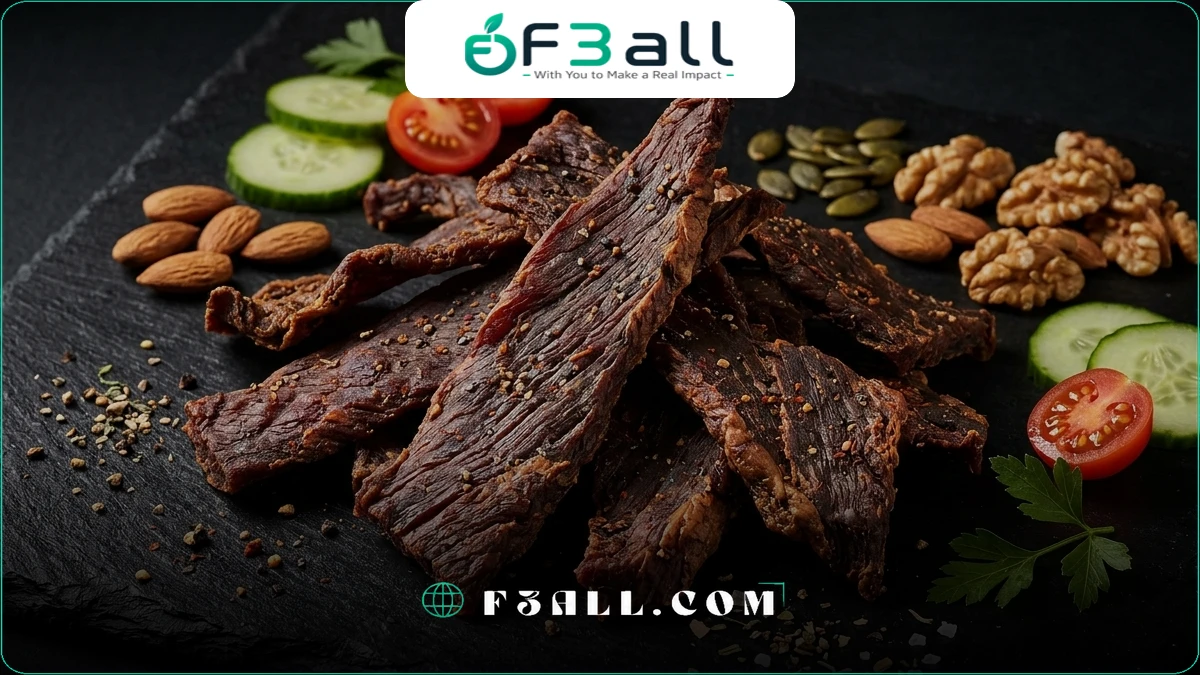
Beef jerky is made by seasoning and drying strips of beef to reduce their moisture content.
Removing moisture creates a concentrated food that is relatively high in protein for its weight.
That makes beef jerky convenient, but it also means calories and sodium can be concentrated into small portions.
Why Beef Jerky Can Fit Into a Weight-Loss Diet
- Protein content: Beef jerky often provides substantial protein per serving.
- Convenience: Many commercially packaged products require no refrigeration before opening.
- Portion flexibility: Small packages can make snack planning easier.
- Low carbohydrate options: Some varieties contain relatively little carbohydrate.
- Portability: Jerky can be useful during travel, work, or outdoor activities.
- Longer shelf life: Properly manufactured and packaged jerky can be stored more conveniently than many fresh meat products.
What Makes Beef Jerky Less Suitable?
Certain varieties contain large amounts of sodium, added sugar, or saturated fat.
Additionally, beef jerky is processed red meat. Regularly consuming substantial amounts of processed meat is associated with increased colorectal cancer risk, so it is sensible to vary protein sources.
Beef Jerky Facts vs Common Myths
| Claim | Evidence-Based Explanation |
| Beef Jerky Contains Protein | True |
| Beef Jerky Automatically Burns Fat | False |
| Every Jerky Product Is Low-Calorie | False |
| Some Jerky Contains Added Sugar | True |
| Sodium Content Can Be High | True |
| Jerky Can Fit a Weight-Loss Diet | True |
| Eating Jerky Guarantees Weight Loss | False |
Beef jerky is best treated as an occasional, convenient protein snack rather than a necessary weight-loss food.
Beef Jerky Calories for Weight Loss – How Much Does It Contain?
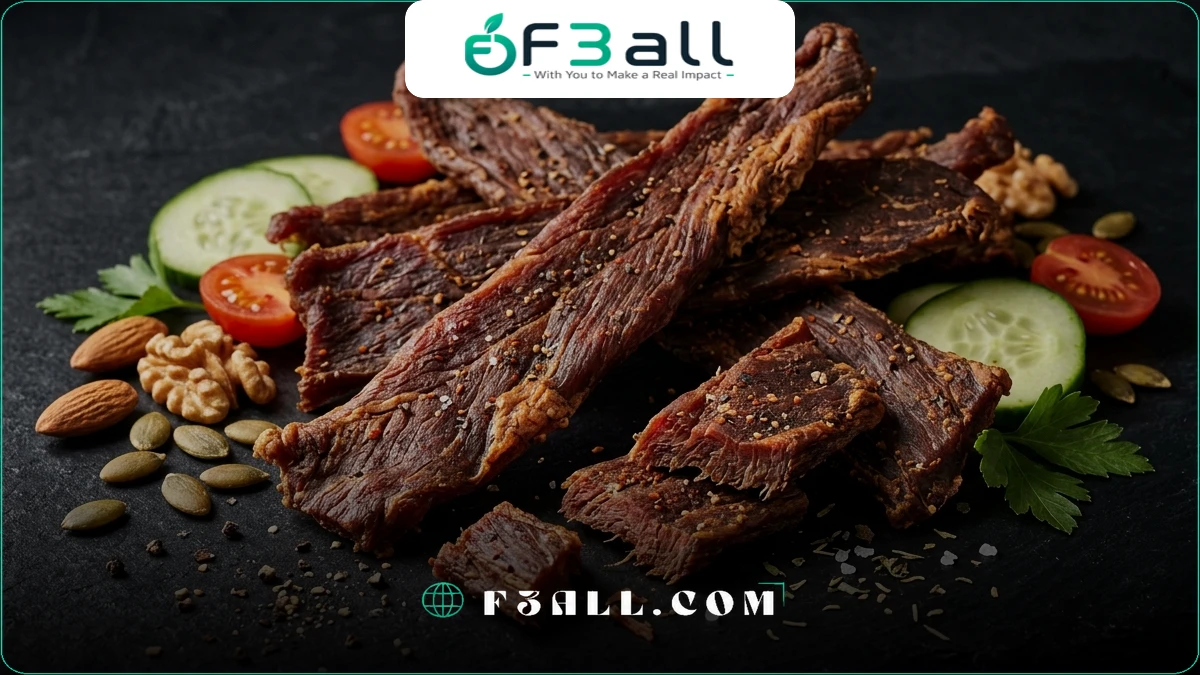
Beef Jerky Calories for Weight Loss depend on the cut of beef, drying method, added sugar, fat content, and serving size.
A typical 28-gram serving of beef jerky may provide approximately 80–120 calories.
However, individual brands can differ considerably.
Approximate Calories by Portion
| Beef Jerky Portion | Estimated Calories |
| 14 g | 40–60 |
| 28 g | 80–120 |
| 40 g | 115–170 |
| 56 g | 160–240 |
| 85 g | 240–360 |
| 100 g | 285–425 |
These are broad planning ranges. Always use the specific product’s Nutrition Facts label.
Why Do Calories Vary?
Some manufacturers use lean cuts of beef, while others use fattier meat.
Sweetened marinades and glazes can also contribute calories.
Is Beef Jerky Lower in Calories Than Regular Beef?
Not necessarily when compared by weight.
Fresh beef contains more water, while dried jerky has a higher concentration of nutrients and calories per gram.
Can You Eat Too Much Jerky?
Yes.
A small package may contain multiple servings. Eating the entire package can substantially increase calorie and sodium intake.
How to Calculate Calories From a Package
If a package contains three servings at 100 calories each, the entire package provides 300 calories.
Check both the serving size and number of servings.
Comparing calories by serving weight is more reliable than judging a snack by package size.
Beef Jerky Nutrition for Weight Loss – Protein, Sodium, and Fat
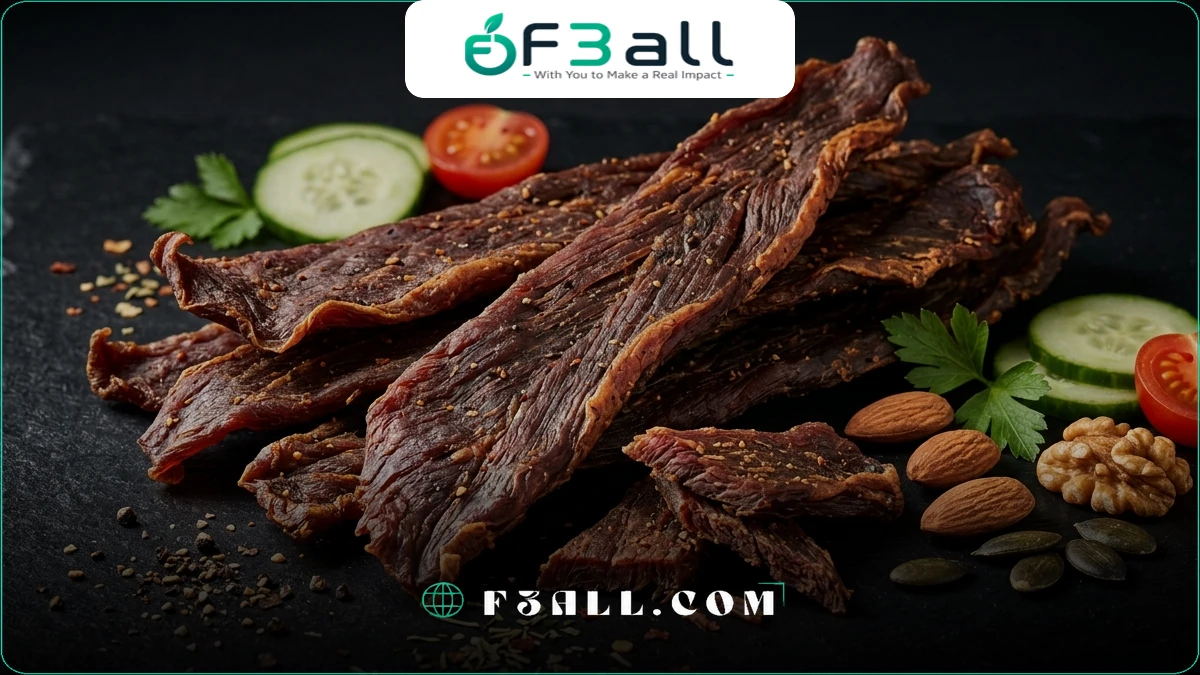
Beef Jerky Nutrition for Weight Loss should be evaluated using the complete nutrition label.
Protein is a major advantage, but sodium and saturated fat deserve attention.
Typical Nutrition per 28-Gram Serving
| Nutrient | Illustrative Range |
| Calories | 80–120 kcal |
| Protein | 9–15 g |
| Total Fat | 1–5 g |
| Carbohydrates | 2–8 g |
| Added Sugar | 0–6 g |
| Sodium | 350–700 mg |
Values vary substantially by product and are not a substitute for brand-specific labeling.
Protein
Protein supports the maintenance and repair of body tissues.
During weight reduction, adequate dietary protein can help support muscle maintenance, particularly alongside resistance training.
Sodium
Sodium is one of the most important nutritional considerations when choosing beef jerky.
Some products contain several hundred milligrams in a small serving.
The FDA’s Daily Value for sodium is 2,300 mg, although individual medical recommendations may differ.
Saturated Fat
Jerky made from lean beef often contains less saturated fat than products made from fattier cuts.
Compare labels rather than assuming every product is equally lean.
Added Sugar
Teriyaki, barbecue, honey-glazed, and sweet chili varieties may contain added sugar.
Unsweetened products are available, but sugar-free labeling alone does not guarantee a nutritionally superior snack.
What to Look for on the Label
| Nutrition Detail | Practical Consideration |
| Calories | Compare Similar Serving Weights |
| Protein | Look at Grams per Serving |
| Sodium | Prefer Lower-Sodium Options |
| Saturated Fat | Compare Leaner Products |
| Added Sugar | Check Sweetened Marinades |
| Serving Size | Note Grams and Servings per Package |
| Ingredients | Review Seasonings and Additives |
The most useful beef jerky choice balances protein content with manageable sodium, saturated fat, and portions.
Read more about: High Fiber Snacks for Weight Loss | Healthy Snack Ideas
Beef Jerky Benefits for Weight Loss – Five Practical Advantages
Beef Jerky Benefits for Weight Loss are primarily associated with protein, convenience, and portion planning.
These advantages can support eating habits, but they do not make jerky a fat-burning food.
1. Protein-Rich Snacking
Protein generally contributes to satiety and plays an important role in preserving lean tissue.
However, the effect of any individual snack on hunger varies.
2. Convenient Portion Control
Single-serving packages can simplify snack planning.
Larger packages require more attention to portions.
3. Portable Nutrition
Jerky can be useful when refrigeration or food preparation is inconvenient.
4. Flexible Carbohydrate Content
Some varieties contain relatively little carbohydrate, making them compatible with different eating patterns.
5. Meal and Snack Versatility
Jerky can be paired with fruit, vegetables, or whole-grain foods.
Benefits and Limitations
| Potential Benefit | Practical Example | Important Limitation |
| Protein | Travel Snack | Protein Varies |
| Convenience | Workday Snack | Can Be High in Sodium |
| Portability | Outdoor Activity | Requires Safe Storage |
| Portion Planning | Small Package | Larger Packages May Contain Several Servings |
| Low Carbohydrates | Unsweetened Jerky | Sweetened Versions Differ |
Does Beef Jerky Reduce Hunger?
Protein-containing foods may help with fullness, but jerky’s impact depends on portion size, other foods eaten, and individual appetite.
Does Beef Jerky Boost Metabolism?
Protein digestion requires energy, but this does not mean beef jerky produces meaningful weight loss through a special metabolic effect.
Jerky’s practical value lies in convenient protein rather than claims of accelerated fat burning.
Beef Jerky Serving Size for Weight Loss – How Much Should You Eat?
Beef Jerky Serving Size for Weight Loss depends on personal energy needs, dietary preferences, and the nutritional composition of the product.
Many brands use a serving size of approximately 28 grams, or one ounce.
Portion Comparison
| Portion | Approximate Calories | Practical Use |
| 14 g | 40–60 | Small Protein Addition |
| 28 g | 80–120 | Typical Snack Portion |
| 40 g | 115–170 | Larger Snack |
| 56 g | 160–240 | Multiple Small Servings |
Is One Ounce Enough?
A 28-gram portion may work as a snack, especially when combined with fruit or vegetables.
However, it may not be satisfying for everyone.
Should Jerky Replace a Meal?
Beef jerky alone generally does not provide the dietary variety needed for a complete meal.
It contains little or no fiber and typically lacks the vegetables, whole grains, and other foods important for balanced nutrition.
How to Build a More Balanced Snack
Pair a moderate portion of jerky with:
- An apple or orange.
- Carrot sticks.
- Cucumber slices.
- Whole-grain crackers.
- Cherry tomatoes.
- A small portion of unsalted nuts.
Does Portion Size Affect Sodium?
Yes.
Doubling a serving also doubles its sodium content.
A measured portion paired with produce is generally more balanced than eating a large quantity of jerky alone.
How to Choose Healthier Beef Jerky for Weight Loss
Product quality varies considerably.
Rather than selecting jerky solely because it is advertised as keto, natural, or high-protein, compare the nutritional details.
Five Shopping Criteria
- Look for substantial protein relative to the serving size.
- Compare sodium between similar products.
- Check added sugar.
- Review saturated fat.
- Choose clearly labeled products from reputable manufacturers.
Example Product Comparison
| Feature | Product A | Product B | Product C |
| Calories per 28 g | 90 | 110 | 100 |
| Protein | 12 g | 10 g | 14 g |
| Sodium | 380 mg | 650 mg | 520 mg |
| Added Sugar | 1 g | 6 g | 0 g |
| Saturated Fat | 0.5 g | 2 g | 1 g |
Illustrative products, not actual brands.
Product A offers relatively moderate sodium, while Product C provides more protein and no added sugar.
The better choice depends on your priorities and overall diet.
Is Sugar-Free Beef Jerky Better?
It can reduce added sugar intake, but it may still contain considerable sodium.
Is Grass-Fed Jerky Better for Weight Loss?
Grass-fed labeling does not establish a meaningful weight-loss advantage.
Actual calorie, protein, and fat values remain more relevant.
Is Homemade Jerky Healthier?
Homemade jerky allows ingredient control, but drying meat safely requires appropriate temperature controls and validated food-safety procedures.
Compare real nutritional values rather than relying on marketing labels.
Beef Jerky Recipes for Weight Loss – Six Easy Snack Ideas
Beef Jerky Recipes for Weight Loss can add variety to a simple protein snack.
Because jerky is often salty, these recipes use vegetables, fruit, and other ingredients without automatically adding more salt.
Recipe 1 – Beef Jerky Cucumber Bites
Ingredients
- 28 g beef jerky.
- 100 g cucumber.
- 50 g plain Greek yogurt.
- Lemon juice.
- Black pepper.
Instructions
- Slice the cucumber.
- Mix yogurt with lemon and pepper.
- Chop jerky into small pieces.
- Spread yogurt on cucumber slices.
- Add jerky and serve.
Estimated calories: 130–180.
This combines protein with fresh vegetables.
Recipe 2 – Beef Jerky Apple Snack Box
Ingredients
- 28 g beef jerky.
- 1 medium apple.
- 10 g unsalted almonds.
Instructions
- Portion jerky into a container.
- Wash and slice the apple.
- Add almonds.
- Pack the ingredients separately.
- Refrigerate if preparing ahead.
Estimated calories: 230–280.
The apple provides fiber and the almonds contribute unsaturated fats.
Recipe 3 – Beef Jerky Avocado Salad
Ingredients
- 28 g beef jerky.
- 50 g avocado.
- 100 g mixed lettuce.
- 80 g tomatoes.
- 1 tablespoon lemon juice.
Instructions
- Wash the vegetables.
- Chop lettuce and tomatoes.
- Dice the avocado.
- Slice the jerky.
- Combine and finish with lemon.
Estimated calories: 190–240.
This works as a light salad or part of a larger meal.
Recipe 4 – Beef Jerky Whole-Grain Wrap
Ingredients
- 30 g beef jerky.
- 1 small whole-grain tortilla.
- 50 g lettuce.
- 50 g tomatoes.
- 30 g plain Greek yogurt.
Instructions
- Warm the tortilla if desired.
- Spread yogurt over the center.
- Add lettuce and tomatoes.
- Place thinly sliced jerky on top.
- Roll and serve.
Estimated calories: 260–330.
Choose a tortilla with a suitable serving size and fiber content.
Recipe 5 – Beef Jerky Vegetable Snack Bowl
Ingredients
- 28 g beef jerky.
- 100 g carrots.
- 100 g bell peppers.
- 40 g hummus.
Instructions
- Slice the vegetables.
- Portion the jerky.
- Add hummus to a small bowl.
- Arrange everything on a plate.
- Serve immediately.
Estimated calories: 210–270.
Vegetables and hummus contribute fiber missing from jerky alone.
Recipe 6 – Beef Jerky Egg Breakfast Plate
Ingredients
- 20 g beef jerky.
- 1 boiled egg.
- 1 slice whole-grain toast.
- 80 g tomatoes.
Instructions
- Boil the egg until fully cooked.
- Toast the bread.
- Slice the tomatoes.
- Serve with the jerky.
- Add pepper or herbs if desired.
Estimated calories: 240–300.
This provides protein and carbohydrates, although the jerky adds sodium.
Recipe Comparison
| Recipe | Approximate Calories | Main Feature |
| Cucumber Jerky Bites | 130–180 | Light Snack |
| Apple Snack Box | 230–280 | Fiber and Protein |
| Avocado Salad | 190–240 | Vegetables and Fats |
| Whole-Grain Wrap | 260–330 | More Substantial Meal |
| Vegetable Snack Bowl | 210–270 | Fiber |
| Egg Breakfast Plate | 240–300 | Protein |
Use these recipes occasionally and rotate other protein sources to maintain dietary variety.
Read more about: Cottage Cheese is Good for Weight Loss | Tips & Recipes
Beef Jerky Diet Plan – A Balanced Seven-Day Snack Schedule
A Beef Jerky Diet Plan should not mean eating beef jerky every day or relying on processed meat as a primary protein source.
A more balanced approach includes different proteins throughout the week.
Seven-Day Snack Plan
| Day | Snack | Main Nutritional Feature |
| Monday | 28 g Lower-Sodium Jerky and an Apple | Protein and Fiber |
| Tuesday | Plain Greek Yogurt and Berries | Protein and Fruit |
| Wednesday | Hummus and Carrot Sticks | Plant Protein and Fiber |
| Thursday | Beef Jerky Cucumber Bites | Protein and Vegetables |
| Friday | Cottage Cheese and Tomatoes | Protein |
| Saturday | Unsalted Nuts and an Orange | Fats and Fruit |
| Sunday | Boiled Egg and Whole-Grain Toast | Protein and Carbohydrates |
Why Not Eat Jerky Every Day?
Beef jerky is processed red meat.
Health organizations recommend limiting processed meat consumption because regular intake is associated with increased colorectal cancer risk.
Building Balanced Main Meals
Include vegetables, whole grains, legumes, fruit, and varied protein sources such as fish, poultry, eggs, and beans.
Should You Follow a Beef Jerky-Only Diet?
No.
Such a diet would lack adequate dietary variety and could result in excessive sodium intake.
How to Personalize the Plan
Adjust portions according to individual energy needs, hunger, activity, and medical requirements.
Use beef jerky as an occasional convenience food within a varied eating pattern rather than making it the center of your diet.
Beef Jerky Best Time to Eat – Morning, Afternoon, or Evening
Beef Jerky Best Time to Eat depends on convenience, appetite, and meal scheduling.
There is no established time when eating jerky causes greater fat loss.
Morning Snack
Jerky can provide protein, although it is useful to include fruit or whole grains for a more balanced snack.
Afternoon Snack
A small portion may be convenient during a busy workday.
Before Exercise
Jerky contains protein but may provide relatively little carbohydrate.
For activities requiring carbohydrate fuel, fruit or another carbohydrate source may be more appropriate.
After Exercise
Protein supports muscle repair and recovery.
Jerky can contribute protein, but fresh, less-processed protein sources are also suitable.
Evening Snack
Jerky can fit into an evening eating pattern, although its sodium content may be a consideration.
Timing Comparison
| Time | Possible Use | Consideration |
| Morning | Convenient Protein | Add Fruit |
| Afternoon | Portable Snack | Watch Portions |
| Before Exercise | Small Snack | May Need Carbohydrates |
| After Exercise | Protein Contribution | Hydration and Balanced Nutrition |
| Evening | Savory Snack | Sodium Content |
Does Eating Jerky at Night Cause Weight Gain?
Not automatically.
Weight changes depend on overall energy balance rather than one food’s timing.
Choose snack timing according to practical needs instead of unsupported metabolism claims.
Beef Jerky for Belly Fat – Can Protein Reduce Abdominal Fat?
Beef Jerky for Belly Fat is a common search because high-protein foods are frequently associated with body-composition goals.
However, no specific food selectively reduces abdominal fat.
Understanding Abdominal Fat
Subcutaneous fat lies beneath the skin.
Visceral fat surrounds internal organs and is associated with increased cardiometabolic risk when present in excess.
Does Beef Jerky Burn Belly Fat?
No.
Beef jerky does not contain an ingredient proven to target abdominal fat.
Can Protein Support Weight Management?
Adequate protein intake can support satiety and muscle maintenance.
However, protein alone does not guarantee a calorie deficit or abdominal-fat reduction.
Common Claims Compared
| Claim | Scientific Assessment |
| Beef Jerky Melts Belly Fat | Unsupported |
| Jerky Provides Protein | True |
| Protein Supports Muscle Maintenance | Supported |
| Jerky Guarantees Fat Loss | False |
| Overall Weight Reduction May Affect Waist Size | True |
| Spot Reduction Is Possible Through Jerky | Unsupported |
What Actually Helps With Abdominal Fat?
Balanced nutrition, regular physical activity, resistance training, sleep, and appropriate medical care can support body-composition changes.
Jerky may contribute protein, but it cannot independently target belly fat.
Beef Jerky Weight Loss Results – Realistic Expectations
Beef Jerky Weight Loss Results depend on how jerky fits into the complete diet.
Replacing a higher-calorie snack with a measured portion of jerky may reduce calorie intake.
However, adding jerky without adjusting other foods can increase total intake.
Example Snack Substitution
Suppose someone replaces a 250-calorie snack with a 100-calorie portion of beef jerky.
The difference is 150 calories.
| Frequency | Illustrative Calorie Difference |
| One Substitution | 150 |
| Five Substitutions | 750 |
| Ten Substitutions | 1,500 |
| Twenty Substitutions | 3,000 |
These figures represent calorie differences, not guaranteed fat-loss outcomes.
Results After Seven Days
You may improve portion awareness or snack planning.
Results After 30 Days
If changes contribute to a sustainable calorie deficit, weight reduction may occur.
Results After 90 Days
Longer-term changes depend on total eating patterns, physical activity, health, and consistency.
Can Jerky Cause Temporary Water Retention?
High-sodium meals can influence fluid balance in some people.
Short-term scale fluctuations should not automatically be interpreted as changes in body fat.
What Should You Track?
Consider dietary quality, protein intake, sodium, snack satisfaction, and consistent weight trends.
Realistic results come from sustainable habits rather than any single high-protein snack.
Read more about: Are Strawberries Good for Weight Loss | Read the Guide.
Beef Jerky vs Alternatives for Weight Loss – Which Snack Is Better?
Beef Jerky vs Alternatives for Weight Loss involves comparing protein, calories, sodium, fiber, convenience, and processing.
Several alternatives provide similar protein benefits with different nutritional advantages.
Snack Comparison
| Snack | Typical Portion | Approximate Calories | Main Feature |
| Beef Jerky | 28 g | 80–120 | Portable Protein |
| Plain Nonfat Greek Yogurt | 170 g | 95–110 | Protein |
| Boiled Egg | 1 Large | 70–80 | Protein |
| Cottage Cheese | 100 g | 80–110 | Protein |
| Almonds | 28 g | 160–170 | Unsaturated Fats |
| Hummus | 50 g | 80–130 | Fiber |
| Edamame | 100 g Cooked | 120–140 | Plant Protein and Fiber |
| Tuna in Water | 85 g Drained | 90–110 | Lean Protein |
Values are approximate and depend on product preparation.
Beef Jerky vs Greek Yogurt
Greek yogurt provides protein and calcium, often with less sodium than jerky.
However, yogurt generally requires refrigeration.
Beef Jerky vs Boiled Eggs
Eggs provide protein and other nutrients.
They are less processed than commercially prepared jerky.
Beef Jerky vs Nuts
Nuts contain unsaturated fats and some fiber but are generally more calorie-dense per gram.
Beef Jerky vs Protein Bars
Protein bars vary widely in calories, added sugars, fiber, and protein.
Some contain sugar alcohols that may cause gastrointestinal discomfort.
Beef Jerky vs Turkey Jerky
Turkey jerky may differ in fat content, but sodium and processing remain important considerations.
Which Is Best Overall?
There is no universally superior snack.
For frequent consumption, varied minimally processed protein sources are generally preferable to relying heavily on processed meat.
Choose snacks according to nutritional needs, convenience, and long-term dietary quality rather than protein content alone.
Homemade Beef Jerky – Nutrition and Food Safety
Homemade jerky can allow greater control over added sugar, salt, and seasonings.
However, drying meat at home requires particular attention to food safety.
Choosing Ingredients
Lean beef, herbs, garlic, pepper, and carefully measured salt can form the basis of a simple marinade.
Why Food Safety Matters
Drying meat without sufficient heat treatment can allow harmful bacteria to survive.
USDA guidance recommends heating meat to a safe internal temperature before dehydrating it.
Safe Preparation Principles
- Start with fresh meat handled under refrigeration.
- Use clean utensils and preparation surfaces.
- Follow a validated jerky-making procedure.
- Use the recommended heat-treatment temperatures.
- Dry and store the finished product according to food-safety guidance.
- Discard products showing spoilage or improper storage.
Is Homemade Jerky Automatically Lower in Sodium?
No.
Its sodium content depends on the quantity of salt and other sodium-containing ingredients.
Can Homemade Jerky Be Stored Indefinitely?
No.
Storage life depends on drying, packaging, moisture, and storage conditions.
Homemade jerky should prioritize validated food-safety procedures before calorie or sodium adjustments.
Common Mistakes When Eating Beef Jerky for Weight Loss
Beef jerky can be convenient, but several habits can reduce its usefulness as a balanced snack.
Mistakes to Avoid
- Ignoring sodium: Some products provide a large fraction of the daily sodium limit.
- Eating several servings: Package sizes may be misleading.
- Assuming sugar-free means healthy: Sodium and saturated fat still matter.
- Using jerky as a meal replacement: It lacks several important food groups.
- Expecting belly-fat reduction: Protein does not cause targeted fat loss.
- Relying on processed meat daily: Dietary variety matters for long-term health.
- Ignoring food safety: Homemade jerky requires validated preparation methods.
Better Choices
| Common Mistake | Practical Solution |
| High Sodium | Compare Lower-Sodium Products |
| Large Portions | Measure Serving Weight |
| Added Sugar | Read Nutrition Labels |
| Low Fiber | Pair With Fruit or Vegetables |
| Limited Variety | Rotate Protein Sources |
| Unrealistic Expectations | Focus on Overall Dietary Habits |
Who Should Be Especially Careful?
People following sodium-restricted diets, including some individuals with hypertension, heart failure, or kidney disease, may need to limit certain jerky products.
People with food allergies should review marinades for ingredients such as soy, wheat, or sesame.
Thoughtful portions and dietary variety make jerky easier to incorporate without overlooking its limitations.
Why F3all Is Your Best Choice

At F3all, our Is Beef Jerky Good for Weight Loss guide focuses on practical nutrition, realistic expectations, and informed snack choices.
We explain both the convenience of protein-rich jerky and the importance of sodium, processing, and dietary variety.
- Calorie Comparisons: Understand serving sizes and energy content.
- Nutrition Guidance: Compare protein, sodium, fat, and added sugar.
- Portion Planning: Learn how much jerky a typical serving contains.
- Easy Recipes: Prepare balanced snacks with vegetables and fruit.
- Seven-Day Planning: Rotate jerky with other protein sources.
- Belly-Fat Facts: Separate nutrition evidence from unsupported claims.
- Snack Alternatives: Compare jerky with yogurt, eggs, nuts, and legumes.
Explore more healthy eating and weight-management resources at F3all.
F3all helps readers make practical food choices without relying on exaggerated weight-loss promises.
Frequently Asked Questions
Is Beef Jerky Good for Weight Loss?
Beef jerky can fit into a balanced weight-loss diet because it provides protein in a convenient portion. However, it does not independently cause fat loss.
How Many Calories Are in Beef Jerky?
A typical 28-gram serving may contain approximately 80–120 calories, depending on the brand and ingredients.
Is Beef Jerky High in Protein?
Many varieties provide approximately 9–15 grams of protein per 28-gram serving.
Can I Eat Beef Jerky Every Day While Losing Weight?
It is possible to fit jerky into a diet, but regularly relying on processed red meat is not ideal. Rotate other protein sources and consider sodium intake.
Does Beef Jerky Burn Belly Fat?
No. Beef jerky does not selectively reduce abdominal fat.
What Is the Best Beef Jerky Serving Size for Weight Loss?
A 28-gram serving is common, but the appropriate amount depends on your nutritional needs and the product’s calorie and sodium content.
Is Sugar-Free Beef Jerky Better for Weight Loss?
It may contain less added sugar, but sodium, saturated fat, and total calories still matter.
Is Beef Jerky Better Than Protein Bars?
Neither is universally better. Compare protein, calories, sodium, added sugar, fiber, and ingredients.
When Is the Best Time to Eat Beef Jerky?
There is no proven optimal time for weight loss. Jerky can be eaten as a snack whenever it fits your meal schedule.
How Much Weight Can I Lose in 30 Days by Eating Beef Jerky?
No specific amount can be predicted. Weight changes depend on total calorie intake, physical activity, health, and individual circumstances.
In the End
Is Beef Jerky Good for Weight Loss? It can be a convenient protein-rich snack when eaten in appropriate portions and selected with attention to sodium, saturated fat, and added sugar.
A typical one-ounce serving provides useful protein, but beef jerky is processed red meat and should not replace a varied selection of protein sources.
Jerky does not burn belly fat or guarantee weight reduction. Its main advantage is portability and convenience within an otherwise balanced eating plan.
For sustainable progress, compare labels, choose suitable portions, pair snacks with fiber-rich foods, and prioritize long-term dietary quality.
Enjoy beef jerky occasionally as a practical snack while building healthier habits around balanced meals and varied protein sources.
References