
Discover Creatine for Weight Loss | F3all
Creatine for Weight Loss is becoming an increasingly popular topic among people who want to reduce body fat while maintaining muscle and improving workout performance. Although creatine is commonly associated with bodybuilding, research suggests it may also play an important role during weight-loss programs by supporting strength, exercise performance, and lean muscle preservation. This guide explains how creatine works, separates myths from facts, and explores how F3all promotes science-based nutrition for sustainable body transformation.
Creatine for Weight Loss: Can This Popular Supplement Help You Lose Fat?

Creatine has been one of the most researched sports nutrition supplements for decades. Despite its popularity, many people still misunderstand how it affects body weight and fat loss.
Some believe creatine directly burns fat, while others avoid it because they fear weight gain.
The truth lies somewhere in between.
Creatine for Weight Loss does not directly burn body fat. Instead, it supports several factors that make successful weight loss easier, including improved exercise performance, greater training intensity, and preservation of lean muscle during calorie restriction.
Maintaining muscle is important because muscle tissue helps support metabolism and overall body composition.
At F3all, we encourage evidence-based wellness strategies that focus on sustainable results rather than relying on unrealistic supplement claims.
What Is Creatine?
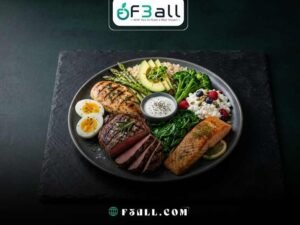
Creatine is a naturally occurring compound produced by the body and also obtained from foods such as:
- Beef.
- Fish.
- Pork.
- Chicken.
It is primarily stored inside skeletal muscles where it helps produce rapid energy during short, high-intensity activities.
For this reason, creatine has become one of the most widely used supplements among athletes and recreational gym-goers.
Creatine Fat Loss Effect

Many people search for the creatine fat loss effect, expecting creatine to directly increase fat burning.
Current research suggests that creatine itself does not increase fat loss independently.
However, it may indirectly support healthier body composition by helping individuals:
- Train harder.
- Lift heavier weights.
- Preserve lean muscle.
- Recover more effectively.
- Maintain exercise consistency.
These benefits can improve long-term weight-management outcomes.
Read more about:Discover Are Potatoes Good for Weight Loss | F3all
Why Muscle Preservation Matters During Weight Loss
A major challenge during calorie restriction is losing muscle alongside body fat.
Using a muscle retention supplement such as creatine may help preserve lean muscle when combined with:
- Resistance training.
- Adequate protein intake.
- Balanced nutrition.
- Sufficient recovery.
Maintaining muscle supports strength while contributing to healthier long-term metabolism.
Creatine Water Weight Myth
One of the biggest misconceptions is the creatine water weight myth.
Creatine increases water stored inside muscle cells rather than beneath the skin.
This intracellular water supports:
- Muscle function.
- Exercise performance.
- Recovery.
- Cellular hydration.
Although body weight may increase slightly after beginning creatine supplementation, this does not represent body fat gain.
Understanding this difference helps prevent unnecessary concern when the scale changes.
Read more about:Discover Are Potatoes Good for Weight Loss | F3all
Gym Supplement Weight Loss
Creatine is often discussed alongside other gym supplement weight loss products.
Unlike many supplements marketed for fat burning, creatine focuses on improving exercise performance.
Potential benefits include:
- Increased training volume.
- Better strength.
- Improved recovery.
- Enhanced muscle performance.
These improvements may contribute indirectly to healthier body composition over time.
Strength Training Creatine
The relationship between strength training creatine is well established.
Creatine supports activities involving:
- Heavy lifting.
- Sprinting.
- High-intensity exercise.
- Resistance training.
Improved workout quality often allows individuals to perform more repetitions or train with greater intensity.
This increased workload contributes to muscle preservation during calorie deficits.
Lean Muscle Preservation Diet
Following a lean muscle preservation diet becomes easier when combining:
- High-quality protein.
- Strength training.
- Adequate sleep.
- Creatine supplementation when appropriate.
Examples of protein-rich foods include:
- Chicken.
- Fish.
- Eggs.
- Greek yogurt.
- Cottage cheese.
- Lean beef.
These foods provide amino acids needed for muscle maintenance.
Read more about:Discover Are Potatoes Good for Weight Loss | F3all
Workout Supplements Fat Loss
Many people compare workout supplements fat loss options.
Unlike stimulant-based fat burners, creatine works through a completely different mechanism.
Instead of increasing heart rate or body temperature, creatine improves the availability of energy inside muscle cells.
This makes it one of the most researched and well-supported performance supplements available.
Creatine Metabolism Effects
Questions surrounding creatine metabolism effects are common.
Creatine does not significantly increase resting metabolism by itself.
However, preserving lean muscle during weight loss supports healthier overall body composition.
When combined with consistent resistance training, this may contribute to improved long-term energy expenditure.
Performance Nutrition
Creatine fits naturally into a broader performance nutrition strategy.
Successful sports nutrition also emphasizes:
- Adequate protein.
- Balanced carbohydrates.
- Healthy fats.
- Hydration.
- Micronutrients.
- Recovery.
No supplement replaces these nutritional foundations.
Body Recomposition Creatine
Many individuals are interested in body recomposition creatine, which refers to reducing body fat while maintaining or increasing lean muscle.
Body recomposition generally requires:
- Resistance training.
- High protein intake.
- Moderate calorie deficit.
- Recovery.
- Consistency.
Creatine may help support these goals by improving workout quality and preserving strength during dieting.
Read more about:Discover Are Potatoes Good for Weight Loss | F3all
Comparing Creatine with Other Popular Supplements
Different supplements serve different purposes.
| Supplement | Primary Purpose |
| Creatine | Strength and muscle performance |
| Whey Protein | Protein intake |
| Caffeine | Workout energy |
| Electrolytes | Hydration support |
| Fish Oil | General wellness |
| Multivitamin | Micronutrient support |
Understanding these differences helps individuals select supplements that match their goals.
Common Mistakes When Using Creatine
Many beginners misunderstand how creatine should be used.
Common mistakes include:
- Expecting immediate fat loss.
- Stopping after a few days.
- Ignoring hydration.
- Skipping resistance training.
- Eating insufficient protein.
- Believing scale weight equals fat gain.
Using creatine alongside healthy lifestyle habits produces far better results than relying on supplementation alone.
Should You Take Creatine Every Day?
One of the most common questions among beginners is whether creatine should be taken daily.
Most research suggests that consistency is more important than timing. Many individuals choose to consume creatine every day to maintain stable creatine stores within the muscles.
Developing a consistent routine often produces better long-term results than taking the supplement only on workout days.
Read more about:Discover Are Potatoes Good for Weight Loss | F3all
Best Foods to Combine with Creatine
Although creatine works independently, pairing it with balanced meals can support overall nutrition and workout recovery.
Examples include:
- Grilled chicken with brown rice.
- Salmon and roasted potatoes.
- Greek yogurt with fruit.
- Eggs with whole wheat toast.
- Lean beef with vegetables.
- Cottage cheese with berries.
These meals provide protein, complex carbohydrates, and essential nutrients that complement an active lifestyle.
Hydration Matters When Using Creatine
Because creatine increases water stored inside muscle cells, maintaining proper hydration becomes even more important.
Simple hydration habits include:
- Drinking water consistently throughout the day.
- Increasing fluid intake during exercise.
- Consuming water-rich fruits and vegetables.
- Monitoring hydration during hot weather.
Proper hydration supports performance, recovery, and overall well-being.
Can Beginners Use Creatine?
Creatine is often associated with experienced athletes, but beginners who participate in regular resistance training may also benefit.
It may help new exercisers:
- Improve workout consistency.
- Support strength development.
- Recover between training sessions.
- Preserve lean muscle while dieting.
Learning correct nutrition and exercise habits remains the priority, with supplements acting as supportive tools rather than replacements.
Creatine During a Calorie Deficit
Many people worry that taking creatine while eating fewer calories will slow fat loss.
Current evidence suggests otherwise.
When combined with:
- Strength training.
- Adequate protein.
- Balanced nutrition.
Creatine may help maintain training quality even while following a calorie-controlled eating plan.
This makes it valuable for individuals whose goal is reducing body fat while preserving muscle.
Read more about:Discover Are Potatoes Good for Weight Loss | F3all
Does Creatine Affect the Number on the Scale?
One reason some people stop using creatine is seeing a small increase in body weight during the first few weeks.
This change is commonly related to increased water stored inside muscle tissue—not body fat.
For this reason, progress should be measured using several indicators, including:
- Body measurements.
- Progress photos.
- Strength improvements.
- Clothing fit.
- Body composition when available.
Looking beyond the scale provides a more accurate picture of overall progress.
Building a Complete Fat-Loss Strategy
No supplement can replace healthy lifestyle habits.
A complete weight-management plan should include:
- Strength training.
- Daily movement.
- Adequate protein intake.
- High-quality carbohydrates.
- Healthy fats.
- Consistent sleep.
- Stress management.
- Proper hydration.
Creatine works best when incorporated into this larger framework.
Common Myths About Creatine
There are many misconceptions surrounding creatine supplementation.
Myth: Creatine Burns Fat Directly
Creatine supports training performance but does not directly burn stored body fat.
Myth: Creatine Causes Fat Gain
Creatine may increase muscle water content, but this is different from gaining body fat.
Myth: Only Bodybuilders Should Use Creatine
Many active individuals—including recreational exercisers—use creatine to support strength and performance.
Myth: More Creatine Produces Better Results
Taking more than the recommended amount does not necessarily improve outcomes.
Myth: Supplements Replace Proper Nutrition
Balanced meals, regular exercise, and recovery remain the foundation of every successful fitness plan.
Read more about:Discover Are Potatoes Good for Weight Loss | F3all
Why F3all Is Your Best Choice
At F3all, we believe lasting body transformation is built through education, consistency, and evidence-based decisions—not through supplement hype. We help you understand Creatine for Weight Loss by explaining how creatine works, when it may be beneficial, and how it fits into a balanced nutrition and fitness plan. Rather than promoting unrealistic expectations, our guidance shows how Creatine for Weight Loss can support muscle preservation, workout performance, and healthy body composition when combined with sustainable lifestyle habits.
Our goal is to help individuals make informed choices through practical nutrition advice, realistic fitness strategies, and science-backed wellness education. Whether your objective is preserving muscle during weight loss, improving workout performance, or achieving a healthier body composition, F3all provides reliable guidance that supports long-term success rather than short-term trends.
Why people choose F3all:
- Science-based nutrition education.
- Practical fitness and wellness guidance.
- Sustainable strategies for Creatine for Weight Loss.
- Flexible lifestyle recommendations.
- Long-term health-focused resources.
- Educational content designed to help you make confident decisions.
Whether you’re exploring Creatine for Weight Loss for the first time or looking to improve your nutrition and training routine, F3all provides practical, evidence-based guidance that supports lasting results.
Frequently Asked Questions
Does Creatine for Weight Loss help burn fat?
Creatine for Weight Loss does not directly burn fat, but it may support fat-loss goals by improving training performance and helping preserve lean muscle during calorie restriction.
Will creatine make me gain fat?
No. Any early increase in body weight is usually related to water stored inside muscle cells rather than body fat.
Is creatine suitable for beginners?
Yes. Beginners who perform regular resistance training may benefit from creatine alongside balanced nutrition and consistent exercise.
When should I take creatine?
Many people take creatine daily. Consistency is generally considered more important than the exact timing.
Should I take creatine on rest days?
Yes. Daily use helps maintain creatine levels within the muscles.
How much creatine should I take?
The appropriate amount depends on individual circumstances and professional guidance. Always follow the instructions provided by your healthcare professional or the product manufacturer.
Do I need to drink more water while taking creatine?
Maintaining good hydration is recommended because creatine increases water stored within muscle tissue.
Can women use creatine?
Yes. Creatine can be used by both men and women as part of an appropriate nutrition and exercise program.
Is creatine better than fat burners?
Creatine and fat burners serve different purposes. Creatine primarily supports exercise performance and muscle preservation rather than directly increasing fat burning.
Why choose F3all for Creatine for Weight Loss?
F3all provides practical, evidence-based education on Creatine for Weight Loss, helping individuals understand supplementation, nutrition, and healthy lifestyle strategies that support sustainable long-term wellness.
In the End
Understanding Creatine for Weight Loss means looking beyond common misconceptions and focusing on what scientific research actually shows. Creatine is not a miracle fat-burning supplement, but it can be a valuable tool for preserving lean muscle, improving workout performance, and supporting body recomposition when combined with a balanced diet and consistent strength training. Rather than chasing shortcuts, focus on building sustainable habits that improve both fitness and overall health. At F3all, we believe Creatine for Weight Loss should be approached through evidence-based nutrition, realistic expectations, and healthy lifestyle choices that create lasting success.