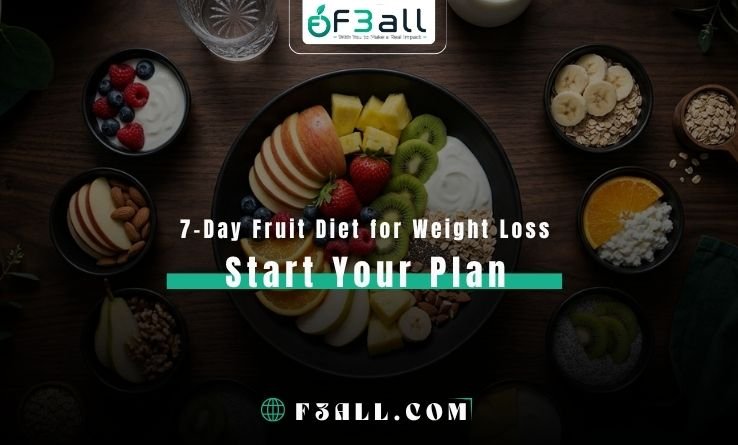
Fruit Diet for Weight Loss in 7 Days Healthy Guide
Fruit Diet for Weight Loss in 7 Days can provide a structured beginning for healthier eating when it uses whole fruit as part of balanced meals rather than promoting a fruit-only cleanse. Fruit supplies fiber, water, vitamins, minerals, and natural sweetness, but it does not contain every nutrient the body needs. This guide presents a practical seven-day plan that combines fruit with protein, vegetables, healthy fats, and suitable carbohydrates.
Fruit Diet for Weight Loss in 7 Days

Fruit Diet for Weight Loss in 7 Days attracts attention because it sounds simple, affordable, and refreshing. However, its effectiveness depends on how the plan is designed. Replacing desserts, fried snacks, and sugar-sweetened drinks with appropriate portions of whole fruit may reduce calorie intake and improve overall diet quality.
The plan should not involve eating unlimited fruit, drinking juice throughout the day, or removing every source of protein and fat. A successful approach uses fruit strategically within a balanced, calorie-aware eating pattern.
| Popular expectation | Evidence-based reality | Better objective |
|---|---|---|
| Lose a large amount of fat in one week | Significant fat loss normally requires more time | Establish repeatable habits |
| Eat nothing except fruit | Fruit alone is nutritionally incomplete | Include every major food group |
| Drink unlimited juice | Juice is easy to consume quickly | Choose whole fruit more often |
| Detox the body | The liver and kidneys manage normal waste removal | Support the body with balanced nutrition |
| Keep every pound lost during the week | Some early changes may reflect water | Monitor longer-term trends |
Fruit Diet for Weight Loss in 7 Days works best as a short introduction to better meal planning—not as a crash diet, detox treatment, or guaranteed shortcut.
Realistic Results After Seven Days

A seven-day plan may produce a lower number on the scale, particularly when it replaces a previous eating pattern high in sodium, added sugar, and heavily processed food. Nevertheless, the change may include water, stored carbohydrate, digestive contents, and a smaller amount of body fat.
According to the Centers for Disease Control and Prevention, gradual weight loss of approximately one to two pounds per week is more likely to be maintained than faster loss. This is a general reference rather than a guaranteed result for every individual.
Results depend on several factors:
- Starting body weight and body composition.
- Total calorie intake.
- Physical activity.
- Sleep and stress.
- Medical conditions.
- Prescription medications.
- Menstrual-cycle changes.
- Sodium and carbohydrate intake.
- Digestive regularity.
- Individual metabolism.
Fruit Diet for Weight Loss in 7 Days should therefore be evaluated by more than the scale. Better appetite control, regular meal preparation, improved digestion, increased energy, and fewer sugary snacks can also represent meaningful progress.
How Fruit May Support Weight Loss

Whole fruit generally contains substantial amounts of water and fiber. These qualities create volume and may make a snack feel more satisfying without providing as many calories as some pastries, chips, sweets, or fried foods.
However, fruit does not directly burn body fat. Weight loss occurs when average energy intake remains lower than energy expenditure over time. Fruit supports that process when it replaces a more calorie-dense food rather than being added to an already sufficient diet.
| Fruit characteristic | Potential benefit | Important limitation |
|---|---|---|
| High water content | Adds volume to meals and snacks | Does not replace normal hydration |
| Dietary fiber | Supports fullness and bowel regularity | Juice contains less fiber |
| Natural sweetness | May replace desserts with added sugar | Fruit still contributes calories |
| Vitamins and minerals | Improves dietary variety | No single fruit provides every nutrient |
| Easy preparation | Makes healthy snacks more convenient | Portions remain important |
| Low energy density | Allows satisfying food volume | Results depend on the complete diet |
Readers looking for a broader eating strategy can explore F3all’s weight-loss diet plans alongside this one-week approach.
Why a Fruit-Only Diet Is Not Recommended
Fruit supplies carbohydrate, water, fiber, potassium, vitamin C, folate, and numerous plant compounds. Most varieties, however, provide limited protein and essential fat. A fruit-only diet may therefore make it difficult to obtain enough protein, vitamin B12, calcium, iron, zinc, iodine, vitamin D, and omega-3 fatty acids.
Inadequate protein can reduce fullness and make it harder to preserve lean tissue during a calorie deficit. Very low fat intake may affect meal satisfaction and limit the absorption of fat-soluble vitamins. Excessive fruit consumption may also cause bloating, diarrhea, abdominal discomfort, or unstable blood glucose in susceptible people.
Fruit Diet for Weight Loss in 7 Days should include:
- Eggs, fish, poultry, yogurt, cottage cheese, tofu, beans, or lentils.
- Non-starchy vegetables in several colors.
- Whole grains or other fiber-rich carbohydrates.
- Nuts, seeds, avocado, or olive oil in measured amounts.
- Water and other unsweetened beverages.
- Appropriate portions based on personal energy needs.
The goal is to make fruit one valuable component of a complete diet rather than the only food consumed.
Whole Fruit Compared With Juice and Dried Fruit
Whole fruit is usually the preferred choice because it retains its natural structure, requires chewing, and typically provides greater satisfaction than juice. Blending fruit preserves more fiber than extracting juice, although smoothies can still deliver calories quickly.
Dried fruit is nutritious but concentrated. Removing most of the water substantially reduces volume, making it easier to consume several portions without noticing. It can fit the plan as a measured topping rather than an unlimited snack.
| Fruit form | Fullness potential | Portion awareness | Recommended use |
|---|---|---|---|
| Fresh whole fruit | High | Moderate | Everyday meals and snacks |
| Frozen unsweetened fruit | High | Moderate | Yogurt, oatmeal, and smoothies |
| Canned fruit without added sugar | Moderate to high | Moderate | Convenient backup option |
| Dried fruit | Lower per volume | Very important | Small toppings or trail mix |
| 100% fruit juice | Usually lower | Very important | Occasional measured serving |
| Sweetened fruit drink | Low | Very important | Limit or replace |
Fruit Diet for Weight Loss in 7 Days should emphasize fresh, frozen, or unsweetened canned fruit while limiting sweetened juices, nectars, syrups, and oversized smoothies.
Read more about:Estrogen Replacement and Weight Loss Complete Guide Now
Best Fruits for the Seven-Day Plan
There is no single best fruit for fat loss. Different varieties provide different nutrients, textures, flavors, and levels of sweetness. Choosing several colors also makes the plan more enjoyable and nutritionally varied.
Useful options include:
- Berries for fiber and a relatively low calorie density.
- Apples and pears for portable, filling snacks.
- Oranges and grapefruit for vitamin C and water.
- Melon for a large, hydrating portion.
- Peaches and plums for naturally sweet snacks.
- Kiwi for vitamin C and dietary fiber.
- Bananas for convenience and carbohydrates around exercise.
- Grapes in measured portions.
- Mango and pineapple as alternatives to sugary desserts.
- Avocado as a source of unsaturated fat.
Bananas, grapes, mangoes, and avocados do not prevent weight loss. They simply have different calorie and carbohydrate profiles, so suitable portions should be incorporated into the complete meal plan.
Suggested Fruit Portions
Individual requirements vary, and people do not need to weigh every piece of fruit indefinitely. Temporary portion awareness can nevertheless help prevent accidental overeating.
| Fruit | Example portion |
|---|---|
| Apple, orange, pear, or peach | 1 medium piece |
| Banana | 1 small banana |
| Berries | 1 cup |
| Melon | 1 to 1½ cups |
| Grapes | Approximately 1 cup |
| Mango | ¾ to 1 cup, diced |
| Dried fruit | Approximately ¼ cup |
| Avocado | ¼ to ½ fruit |
| Juice | A small measured glass |
Fruit Diet for Weight Loss in 7 Days does not require the same portion for every person. Hunger, body size, training demands, health conditions, and the rest of the meal should guide appropriate intake.
Read more about:Estrogen Replacement and Weight Loss Complete Guide Now
How to Build a Balanced Fruit-Based Meal
A balanced plate prevents the diet from becoming a high-carbohydrate, low-protein challenge. Each main meal should contain a dependable protein source, vegetables or fruit, and a moderate serving of nutritious carbohydrates or healthy fat.
A simple structure is:
- Half the plate: non-starchy vegetables, with fruit served alongside when desired.
- One-quarter: lean or plant-based protein.
- One-quarter: whole grains, beans, potatoes, or another nutritious carbohydrate.
- A small amount: olive oil, nuts, seeds, or avocado.
- Beverage: water, sparkling water, or an unsweetened drink.
For example, breakfast may combine Greek yogurt, berries, oats, and chia seeds. Lunch could include grilled chicken, mixed vegetables, brown rice, and an orange. Dinner may contain salmon, roasted vegetables, a small potato, and fresh berries.
F3all’s collection of delicious diet recipes offers additional ways to build balanced meals without making fruit the only ingredient.
Seven-Day Fruit Diet Meal Plan
This sample Fruit Diet for Weight Loss in 7 Days is designed for healthy adults as general education. Portion sizes should be adjusted to individual calorie and nutritional requirements.
| Day | Breakfast | Lunch | Snack | Dinner |
|---|---|---|---|---|
| 1 | Greek yogurt, berries, oats, and chia seeds | Grilled chicken salad with apple slices | Pear with almonds | Salmon, vegetables, and a small potato |
| 2 | Eggs, whole-grain toast, and an orange | Lentil bowl with vegetables and grapes | Cottage cheese with pineapple | Chicken, brown rice, and broccoli |
| 3 | Overnight oats with banana and cinnamon | Tuna and bean salad with berries | Apple with peanut butter | Tofu stir-fry with vegetables and quinoa |
| 4 | Cottage cheese, peach, and walnuts | Turkey wrap with vegetables and melon | Plain yogurt with berries | Baked fish, sweet potato, and green beans |
| 5 | Vegetable omelet with kiwi | Chickpea salad and a small pear | Banana with a few nuts | Lean beef or tofu with vegetables and brown rice |
| 6 | Protein smoothie with berries and spinach | Chicken and quinoa bowl with orange segments | Grapes with cheese | Bean chili, mixed salad, and avocado |
| 7 | Oatmeal with apple and chia seeds | Salmon salad with whole-grain bread | Peach with Greek yogurt | Roast chicken or lentils with vegetables and fruit |
This meal plan can be adapted for vegetarian, halal, dairy-free, or gluten-free preferences. The important principle is maintaining adequate protein and overall nutritional balance.
Read more about:Estrogen Replacement and Weight Loss Complete Guide Now
Sample Meal-Building Combinations
High-Protein Breakfast
Combine plain Greek yogurt with berries, oats, chia seeds, and cinnamon. This meal supplies protein, fiber, carbohydrates, and a small amount of healthy fat. Choose unsweetened yogurt to avoid adding unnecessary sugar.
Balanced Lunch Bowl
Use grilled chicken, tofu, beans, or tuna as the protein. Add mixed greens, cucumber, tomatoes, brown rice or quinoa, and one portion of fresh fruit. A small amount of olive-oil dressing can improve flavor and satisfaction.
Simple Afternoon Snack
Pair an apple or pear with peanut butter, cheese, cottage cheese, or a measured portion of nuts. Combining fruit with protein or fat normally creates a more satisfying snack than fruit by itself.
Fruit-Based Dessert
Serve berries with plain yogurt, cinnamon, and a small amount of chopped nuts. More portion-conscious ideas are available among F3all’s healthy diet dessert recipes.
Three Healthy Fruit Recipes
Berry Yogurt Breakfast Bowl
Ingredients:
- 1 cup plain Greek yogurt.
- 1 cup mixed berries.
- 2 tablespoons rolled oats.
- 1 teaspoon chia seeds.
- Cinnamon to taste.
Add the ingredients to a bowl and mix gently. This recipe combines fruit with protein and fiber, making it more balanced than a bowl containing fruit alone.
Apple Cinnamon Oatmeal
Ingredients:
- ½ cup dry rolled oats.
- 1 small chopped apple.
- 1 cup water or unsweetened milk.
- Cinnamon.
- 1 tablespoon chopped walnuts.
Cook the oats and apple until soft, then add cinnamon and walnuts. Avoid adding large quantities of honey or syrup because the apple already contributes sweetness.
Protein Berry Smoothie
Ingredients:
- 1 cup frozen berries.
- ¾ cup plain Greek yogurt or unsweetened soy yogurt.
- Water and ice as required.
- A handful of spinach.
- Cinnamon or vanilla.
Blend until smooth and serve as a planned meal component. Avoid adding juice, sugar, sweetened yogurt, and several spoonfuls of nut butter to the same drink.
Read more about:Estrogen Replacement and Weight Loss Complete Guide Now
Fruit Diet Shopping List
Planning purchases around the seven-day menu reduces food waste and limits unplanned choices.
Fruit
- Apples and pears.
- Oranges or grapefruit.
- Bananas.
- Berries.
- Melon.
- Peaches or plums.
- Kiwi.
- Frozen unsweetened fruit.
Protein
- Eggs.
- Greek yogurt or fortified soy yogurt.
- Cottage cheese.
- Chicken or turkey.
- Fish or tuna.
- Tofu or tempeh.
- Beans, chickpeas, and lentils.
Vegetables and Carbohydrates
- Leafy greens.
- Tomatoes and cucumber.
- Broccoli and green beans.
- Carrots and peppers.
- Oats and quinoa.
- Brown rice.
- Potatoes or sweet potatoes.
- Whole-grain bread.
Healthy Fats
- Olive oil.
- Nuts.
- Chia or flax seeds.
- Natural peanut butter.
- Avocado.
Wash whole produce under running water before cutting it, refrigerate prepared fruit promptly, and discard anything showing signs of spoilage.
Exercise During the Seven-Day Plan
Physical activity supports cardiovascular fitness, strength, mood, and long-term weight management. It should not be used to punish the body for eating or to compensate for an overly restrictive diet.
| Day | Suggested activity | Primary purpose |
|---|---|---|
| 1 | 25–30-minute walk | Establish movement |
| 2 | Full-body resistance workout | Support muscle maintenance |
| 3 | Brisk walking or cycling | Improve aerobic fitness |
| 4 | Mobility work and easy steps | Encourage recovery |
| 5 | Full-body resistance workout | Build consistency |
| 6 | Enjoyable moderate activity | Improve adherence |
| 7 | Walking and gentle stretching | Review energy and recovery |
Beginners should start gradually. Anyone experiencing dizziness, faintness, unusual shortness of breath, or chest pain should stop exercising and obtain appropriate medical advice.
For more sustainable guidance, review F3all’s broader weight-loss resources.
Read more about:Estrogen Replacement and Weight Loss Complete Guide Now
Hydration and Healthy Drinks
Whole fruit contributes water, but it should not replace normal fluid intake. Water remains the primary hydration choice. Unsweetened tea, coffee in moderate amounts, and sparkling water may also fit the plan.
Avoid relying on:
- Sweetened fruit drinks.
- Large bottles of juice.
- Sugary coffee beverages.
- Energy drinks.
- Detox teas containing laxatives.
- Sweetened smoothies consumed beside complete meals.
F3all’s healthy drinks section contains additional ideas for replacing high-calorie beverages.
Common Mistakes to Avoid
Fruit Diet for Weight Loss in 7 Days can become ineffective or nutritionally inadequate when it is interpreted too aggressively.
Common mistakes include:
- Eating only fruit at every meal.
- Drinking juice instead of water.
- Assuming natural sugar can be consumed without limits.
- Forgetting protein and healthy fats.
- Choosing fruit canned in heavy syrup.
- Eating dried fruit directly from a large package.
- Adding fruit without replacing higher-calorie foods.
- Using laxatives or unregulated detox products.
- Expecting fruit to target abdominal fat.
- Exercising excessively while under-eating.
- Weighing several times each day.
- Returning immediately to old habits after day seven.
The different types of diets explained by F3all can help readers compare structured plans before removing entire food groups.
Who Should Avoid a Generic Fruit Diet
A short balanced plan may be reasonable for many healthy adults, but it is not suitable for everyone. Professional guidance becomes especially important for:
- Pregnant or breastfeeding individuals.
- Children and adolescents.
- People who are underweight.
- Anyone with an active or previous eating disorder.
- People with diabetes using insulin or glucose-lowering medicine.
- Individuals with chronic kidney disease.
- People with severe digestive disorders.
- Anyone recovering from surgery or serious illness.
- People taking medicines affected by dietary changes.
- Competitive athletes with high energy requirements.
A registered dietitian or qualified healthcare professional can modify the plan according to nutritional requirements, laboratory results, medicines, and health goals.
Diabetes and Blood Glucose
Fruit contains carbohydrate and can increase blood glucose. That does not mean people with diabetes must automatically avoid it. Whole fruit can fit an individualized diabetes eating plan when the quantity, type, and timing are coordinated with other carbohydrate sources and prescribed medication.
Juice and dried fruit provide considerable carbohydrate in small portions and may be less filling than whole fruit. Abruptly reducing meals while continuing insulin or certain diabetes medicines could also contribute to hypoglycemia.
Anyone managing diabetes should discuss major dietary changes with their clinician or registered dietitian rather than beginning a generic seven-day challenge.
Kidney Disease and Potassium
Healthy kidneys normally regulate potassium, but advanced kidney disease can reduce this ability. Many fruits—including bananas, oranges, avocado, kiwi, and dried fruit—contain substantial potassium.
Some people with kidney disease may be advised to select lower-potassium options, but requirements vary according to kidney function, dialysis, laboratory results, and medication. A renal dietitian should determine suitable fruits and portions.
Fruit Diet for Weight Loss in 7 Days is not a replacement for prescribed renal nutrition or fluid instructions.
Transitioning Beyond Day Seven
The long-term value of the plan depends on what happens next. Repeatedly alternating between restrictive fruit weeks and uncontrolled eating is unlikely to produce stable results.
After the seventh day:
- Keep fruit available for planned snacks.
- Continue including protein at every main meal.
- Prepare vegetables in advance.
- Retain the breakfasts and lunches that controlled hunger well.
- Continue resistance and aerobic exercise.
- Monitor weight weekly rather than several times daily.
- Adjust portions based on progress and hunger.
- Allow enjoyable foods in reasonable amounts.
- Review progress after several weeks.
- Seek professional support when results or symptoms are concerning.
The most successful outcome is not completing a perfect week. It is establishing habits that remain realistic after the challenge ends.
Read more about:Estrogen Replacement and Weight Loss Complete Guide Now
Why F3all Is Your Best Choice

F3all explains Fruit Diet for Weight Loss in 7 Days through realistic expectations, balanced nutrition, and practical safety guidance. Instead of presenting fruit as a miracle fat-burning food, we show readers how to combine it with protein, vegetables, healthy carbohydrates, and appropriate portions.
Readers choose F3all for:
- Science-informed nutrition education.
- Practical seven-day meal structures.
- Balanced recipes made with accessible ingredients.
- Clear guidance about misleading detox claims.
- Safety considerations for common medical conditions.
- Sustainable strategies instead of crash-diet promises.
- Internal resources covering meals, drinks, exercise, and wellness.
- Guidance designed to support informed healthcare discussions.
Visit the F3all homepage for additional wellness resources or read about F3all to understand our educational mission.
Frequently Asked Questions About Fruit Diet for Weight Loss in 7 Days
1. Can Fruit Diet for Weight Loss in 7 Days reduce body fat
It may support modest fat loss when the balanced plan produces a calorie deficit. A quick scale change can also reflect water and digestive contents, so no exact outcome can be guaranteed.
2. Is a fruit-only diet safe for one week
A fruit-only diet is nutritionally incomplete because it provides insufficient protein, essential fat, and several important micronutrients. The seven-day plan should contain balanced meals from all major food groups.
3. Which fruit is best for weight loss
No individual fruit has a unique fat-burning effect. Berries, apples, pears, citrus fruit, melon, bananas, mangoes, and other whole fruits can all fit appropriate portions.
4. How much weight can someone lose in seven days
Results vary substantially. Gradual weight loss of approximately one to two pounds weekly is a commonly cited general range, but it is not a promise or personal target for everyone.
5. Can fruit juice be included
A small measured serving may occasionally fit, but whole fruit generally provides more fiber and is usually more satisfying. Juice should not replace water or complete meals.
6. Can people with diabetes follow the plan
They may be able to include fruit within an individualized eating plan, but carbohydrate portions must match their glucose targets and medicines. Professional guidance is important when insulin or other glucose-lowering medication is used.
7. Do bananas prevent weight loss
No. Bananas contain calories and carbohydrates, but an appropriate portion can fit a calorie-controlled eating pattern. Total energy balance matters more than avoiding one fruit.
8. Does a fruit diet detox the body
There is no good evidence that a special fruit plan removes undefined toxins. The liver, kidneys, lungs, and digestive system perform the body’s normal processing and elimination functions.
9. What foods should be eaten with fruit
Useful combinations include yogurt, cottage cheese, eggs, nuts, seeds, tofu, beans, fish, or poultry. Complete meals should also contain vegetables and suitable fiber-rich carbohydrates.
10. What should happen after day seven
Continue the balanced meals, planned portions, physical activity, and food-preparation habits that worked. The plan should transition into a maintainable routine rather than another restrictive challenge.
In the End
Fruit Diet for Weight Loss in 7 Days can provide a constructive one-week starting point when it emphasizes whole fruit within complete, calorie-aware meals. Fruit contributes water, fiber, vitamins, minerals, and natural sweetness, and it may replace snacks or desserts that contain more calories and added sugar.
The plan should never mean eating fruit alone. Adequate protein, vegetables, whole grains or other nutritious carbohydrates, and measured healthy fats remain essential. Whole fruit is generally preferable to juice, while dried fruit requires particularly careful portions.
Medical needs must also be considered. Diabetes, kidney disease, pregnancy, adolescence, digestive conditions, medication use, underweight, and an eating-disorder history can make a generic challenge unsuitable. Personalized advice from a qualified clinician or registered dietitian is safer in these situations.
Ultimately, Fruit Diet for Weight Loss in 7 Days delivers its greatest value when the best habits continue beyond the seventh day. Sustainable results come from balanced meals, realistic calorie control, regular activity, sufficient sleep, and a routine that can be followed consistently.
References
- CDC — Steps for Losing Weight
- CDC — Fruits and Vegetables for Weight Management
- NIDDK — Choosing a Safe and Successful Weight-Loss Program
- NIDDK — Eating and Physical Activity to Lose or Maintain Weight
- NIDDK — Healthy Eating and Physical Activity for Life
- USDA MyPlate — Healthy Eating Guidance
- NIDDK — Body Weight Planner