Protein Shake Weight Loss | Recipes & 7-Day Plan
Protein Shake Weight Loss is a popular approach for people who want convenient, protein-rich drinks that fit into a balanced weight-management routine. A well-prepared protein shake can help increase daily protein intake, support fullness, and make meal planning easier. However, not every shake is suitable for weight loss, and adding protein drinks to an already sufficient diet does not automatically reduce body fat.
The key is choosing appropriate ingredients, understanding calories, and using shakes as part of a sustainable eating plan. This guide covers homemade recipes, nutritional comparisons, preparation tips, a seven-day plan, and realistic results.
Protein Shake Weight Loss and How It Works
Protein Shake Weight Loss involves using protein-rich beverages to support dietary protein intake while managing overall calorie consumption.
Protein shakes can be prepared using protein powder, milk, yogurt, fruit, seeds, and other ingredients. Their nutritional value depends on the recipe and serving size.
A protein shake does not directly burn fat. Weight loss generally occurs when energy intake remains below energy expenditure over time.
Protein may help by supporting satiety and maintaining lean tissue during weight reduction, especially when combined with resistance training.
How Protein Shakes Support Weight Management
- Convenient Protein Intake: Useful when preparing a complete meal is difficult.
- Appetite Management: Protein can contribute to feelings of fullness.
- Muscle Maintenance: Adequate protein supports lean tissue during calorie restriction.
- Portion Awareness: Measured ingredients make calorie tracking easier.
- Meal Planning: Shakes can be prepared around busy schedules.
- Dietary Flexibility: Recipes can accommodate different food preferences.
Protein Shake Weight Loss Benefits
| Potential Benefit | How It Helps | Important Consideration |
| Increased Protein Intake | Helps meet daily requirements | Total protein matters |
| Improved Fullness | May support appetite control | Responses vary |
| Convenient Preparation | Reduces meal preparation time | Nutritional balance remains important |
| Muscle Support | Helps preserve lean mass | Resistance training also matters |
| Portion Control | Ingredients can be measured | High-calorie additions can increase intake |
| Dietary Variety | Offers flexible recipes | Whole foods should remain important |
A protein shake is most useful when it replaces a less suitable food choice or helps meet a genuine nutritional need without creating an unintended calorie surplus.
Protein Shake Weight Loss works through balanced nutrition and appropriate energy intake, not through any special fat-burning property of protein powder.
Best Protein Shake for Weight Loss
The Best Protein Shake for Weight Loss is not necessarily the product with the highest protein content or the fewest calories.
A suitable shake should match individual calorie needs, protein requirements, dietary preferences, and the purpose of the drink.
For example, a shake used as a snack may need fewer calories than one intended to replace an occasional meal.
What to Look For
- A meaningful amount of protein.
- An appropriate calorie content.
- Limited added sugar when possible.
- Ingredients that are well tolerated.
- Sufficient fiber if the shake is intended to be filling.
- A clear serving size.
- Reasonable cost.
- A flavor and texture that encourage consistency.
Protein Shake Comparison
| Shake Type | Typical Protein Source | Main Advantage | Consideration |
| Whey Protein Shake | Whey protein | Convenient, complete protein | Contains milk-derived ingredients |
| Casein Shake | Casein protein | Slowly digested protein | Not suitable for milk allergy |
| Soy Protein Shake | Soy protein | Complete plant protein | Check allergies |
| Pea Protein Shake | Pea protein | Dairy-free option | Amino acid profile varies |
| Greek Yogurt Shake | Greek yogurt | Protein plus calcium | Amount depends on yogurt |
| Mixed Plant Protein Shake | Pea, rice, or other blends | Flexible vegan option | Check nutrition label |
Whey vs Plant-Based Protein
Whey is a complete protein containing all nine essential amino acids. Soy protein is also complete, while blended plant proteins can provide a suitable amino acid profile.
Both animal-derived and plant-based proteins can contribute to an effective weight-management diet.
The better choice depends on allergies, preferences, digestion, and the overall eating pattern.
The best protein shake for weight loss is one that supports daily nutrition without adding unnecessary calories or replacing too many balanced meals.
Protein Shake Ingredients for Weight Loss
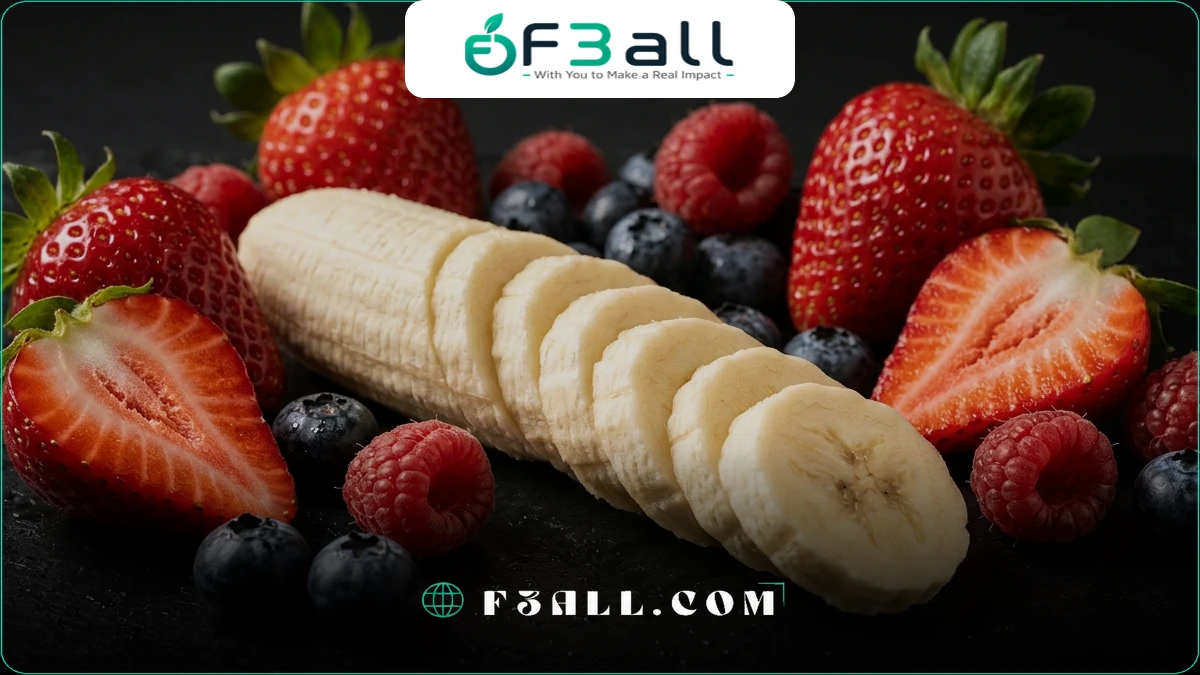
Protein Shake Ingredients for Weight Loss should be selected according to their nutritional contribution rather than marketing claims.
A good recipe usually combines a protein source with liquid and optional ingredients that provide flavor, fiber, or healthy fats.
Essential Ingredient Categories
Protein Sources
- Whey protein.
- Soy protein.
- Pea protein.
- Plain Greek yogurt.
- Cottage cheese.
- Fortified high-protein milk.
Liquid Bases
- Water.
- Unsweetened almond milk.
- Unsweetened soy milk.
- Low-fat dairy milk.
- Other unsweetened fortified alternatives.
Fruit
- Strawberries.
- Blueberries.
- Raspberries.
- Banana.
- Mango.
- Peach.
Fiber-Rich Additions
- Oats.
- Chia seeds.
- Ground flaxseed.
- Berries.
- Psyllium fiber when appropriate.
Flavor Ingredients
- Cinnamon.
- Unsweetened cocoa powder.
- Vanilla extract.
- Coffee.
- Nutmeg.
Protein Shake Ingredient Calories
| Ingredient | Example Amount | Approximate Calories |
| Whey Protein Powder | 30 g | 110–130 |
| Unsweetened Almond Milk | 240 ml | 30–45 |
| Unsweetened Soy Milk | 240 ml | 70–100 |
| Low-Fat Dairy Milk | 240 ml | 100–120 |
| Plain Nonfat Greek Yogurt | 170 g | 90–110 |
| Strawberries | 100 g | 32 |
| Banana | 1 medium | 105 |
| Rolled Oats | 30 g | 115 |
| Chia Seeds | 10 g | 49 |
| Peanut Butter | 1 tablespoon | 90–100 |
| Unsweetened Cocoa Powder | 5 g | 12 |
Values vary by brand and preparation.
For example, combining protein powder, almond milk, berries, and a small amount of chia seeds can create a satisfying shake without requiring large amounts of added sugar.
Choosing measured, nutrient-dense ingredients makes Protein Shake Weight Loss recipes easier to adapt to individual calorie goals.
Protein Shake Calories and Portion Control
Protein Shake Calories can vary from fewer than 150 calories to more than 600 calories depending on the ingredients.
A drink described as healthy is not necessarily low in calories.
Nut butters, oils, sweeteners, full-fat dairy, and large portions of oats can substantially increase the energy content.
Example Calorie Comparisons
| Shake | Example Ingredients | Approximate Calories |
| Simple Protein Shake | Protein powder and water | 120 |
| Berry Protein Shake | Protein powder, almond milk, berries | 190–220 |
| Yogurt Protein Shake | Greek yogurt, berries, soy milk | 230–300 |
| Banana Oat Shake | Protein powder, banana, oats, milk | 350–450 |
| Peanut Butter Shake | Protein powder, banana, peanut butter, milk | 400–500 |
| Large Meal Shake | Protein, oats, nut butter, milk, fruit | 500–700 |
These estimates are illustrative.
Choosing Calories Based on Purpose
As a Snack
A smaller shake may be appropriate when the goal is simply adding protein between meals.
After Exercise
A shake can help meet protein needs, although immediate consumption is not mandatory for most recreational exercisers.
As an Occasional Meal Replacement
A meal-replacement shake should provide more than protein alone, including appropriate energy, fiber, and micronutrients.
A basic protein powder mixed with water is not nutritionally equivalent to a complete meal.
Common Calorie Mistakes
- Using multiple scoops without checking the label.
- Adding large portions of nut butter.
- Using sweetened milk alternatives.
- Including several sweeteners.
- Forgetting calories from oats and seeds.
- Consuming a shake in addition to an already sufficient meal.
For broader dietary planning, explore the F3all Weight Loss Diet Plans.
Understanding protein shake calories helps prevent a nutritious drink from unintentionally increasing total daily energy intake.
Read more about: High Protein Shakes for Weight Loss | Smart Recipes
Healthy Protein Shake Recipe for Weight Loss
A Healthy Protein Shake Recipe should combine convenient preparation with balanced nutrition.
The following recipes use familiar ingredients and can be adjusted according to individual dietary needs.
1. Strawberry Vanilla Protein Shake
Ingredients
- 30 g vanilla protein powder.
- 240 ml unsweetened almond milk.
- 100 g strawberries.
- 10 g chia seeds.
- Ice cubes.
Preparation
- Add almond milk to a blender.
- Add protein powder and strawberries.
- Sprinkle in chia seeds.
- Blend until smooth.
- Serve immediately.
Approximate Nutrition
| Calories | Protein | Fiber |
| 220–260 kcal | 25–30 g | 5–7 g |
This shake provides protein alongside fruit and fiber-containing seeds.
2. Chocolate Banana Protein Shake
Ingredients
- 30 g chocolate protein powder.
- 240 ml unsweetened soy milk.
- Half a medium banana.
- 5 g unsweetened cocoa powder.
- Ice.
Preparation
- Combine the liquid and protein powder.
- Add banana and cocoa.
- Blend until creamy.
- Adjust thickness with water.
- Serve chilled.
Approximate Nutrition
| Calories | Protein | Fiber |
| 240–300 kcal | 30–35 g | 3–5 g |
The banana provides sweetness without requiring added sugar.
3. Blueberry Greek Yogurt Shake
Ingredients
- 170 g plain nonfat Greek yogurt.
- 100 g blueberries.
- 150 ml unsweetened soy milk.
- 10 g ground flaxseed.
- Ice.
Preparation
- Place yogurt and soy milk in the blender.
- Add blueberries.
- Add flaxseed.
- Blend until smooth.
- Serve fresh.
Approximate Nutrition
| Calories | Protein | Fiber |
| 240–290 kcal | 23–28 g | 4–6 g |
This recipe does not require protein powder.
4. Coffee Protein Shake
Ingredients
- 30 g vanilla protein powder.
- 150 ml chilled brewed coffee.
- 150 ml low-fat milk.
- Cinnamon.
- Ice cubes.
Preparation
- Prepare and chill the coffee.
- Add milk and coffee to the blender.
- Add protein powder.
- Blend with ice.
- Sprinkle cinnamon before serving.
Approximate Nutrition
| Calories | Protein |
| 170–220 kcal | 28–33 g |
Choose decaffeinated coffee if caffeine is unsuitable or interferes with sleep.
5. Green Protein Smoothie
Ingredients
- 30 g unflavored or vanilla protein powder.
- 240 ml unsweetened soy milk.
- 30 g spinach.
- Half a small banana.
- 10 g chia seeds.
Preparation
- Add soy milk and spinach to the blender.
- Blend briefly.
- Add banana and protein powder.
- Add chia seeds.
- Blend until smooth.
Approximate Nutrition
| Calories | Protein | Fiber |
| 260–320 kcal | 30–35 g | 5–7 g |
For additional homemade meal ideas, browse Delicious Diet Recipes.
A healthy protein shake recipe for weight loss should be enjoyable, nutritionally useful, and appropriately portioned.
Low Calorie Protein Shake Recipes
A Low Calorie Protein Shake can be useful when you want a protein-rich snack without consuming a large amount of energy.
However, lower calories do not automatically mean better nutrition.
The goal is to create a shake that provides enough protein for its intended purpose.
Three Simple Low-Calorie Options
| Recipe | Main Ingredients | Approximate Calories | Approximate Protein |
| Vanilla Berry | Whey, almond milk, strawberries | 180–210 | 25–28 g |
| Chocolate Ice | Whey, water, cocoa, ice | 130–160 | 24–27 g |
| Soy Cinnamon | Soy protein, almond milk, cinnamon | 150–190 | 23–27 g |
How to Reduce Calories Without Losing Flavor
- Use unsweetened liquid bases.
- Choose whole fruit instead of fruit syrups.
- Add ice for volume.
- Use cinnamon or vanilla for flavor.
- Measure calorie-dense ingredients.
- Avoid adding several sweeteners.
- Choose a protein powder with a suitable nutrition profile.
Ingredients That Can Increase Calories Quickly
| Ingredient | Example Amount | Approximate Calories |
| Peanut Butter | 2 tablespoons | 190 |
| Almond Butter | 2 tablespoons | 190–200 |
| Honey | 1 tablespoon | 64 |
| Rolled Oats | 50 g | 190 |
| Whole Milk | 240 ml | 150 |
| Coconut Oil | 1 tablespoon | 120 |
These foods can fit into a balanced diet, but their portions matter.
Low-calorie protein shakes are most useful when they help meet protein needs while fitting naturally into the overall eating plan.
Protein Shake Without Sugar
A Protein Shake Without Sugar may appeal to people trying to reduce added sugar intake.
However, it is important to distinguish between no added sugar and no naturally occurring sugar.
Milk contains lactose, while fruit contains naturally occurring sugars.
A shake containing berries or dairy milk may still be nutritious even if it is not completely sugar-free.
Ingredients for Lower-Sugar Shakes
- Unsweetened protein powder.
- Water.
- Unsweetened almond milk.
- Unsweetened soy milk.
- Unsweetened cocoa.
- Cinnamon.
- Vanilla extract.
- Small portions of berries.
Example Chocolate Shake Without Added Sugar
Ingredients
- 30 g unsweetened protein powder.
- 240 ml unsweetened almond milk.
- 5 g cocoa powder.
- Cinnamon.
- Ice.
Preparation
Blend all ingredients until smooth.
Approximate Calories: 150–190 kcal.
Approximate Protein: 24–28 g.
Actual sugar content depends on the protein powder and milk alternative used.
Understanding Nutrition Labels
| Label Term | Meaning |
| Total Sugars | Includes naturally occurring and added sugars |
| Added Sugars | Sugars added during processing |
| No Added Sugar | No sugar added, but natural sugars may remain |
| Sugar-Free | Must meet applicable labeling criteria |
| Unsweetened | Usually indicates no sweetener added |
Avoid assuming that every product marketed as sugar-free is automatically low in calories.
A protein shake without added sugar can support dietary preferences, but total calories and nutritional quality remain important.
Protein Shake Meal Prep
Protein Shake Meal Prep can save time and make consistent nutrition easier during busy weeks.
Preparing ingredients in advance is often more practical than storing fully blended shakes for several days.
Practical Preparation Methods
Freezer Ingredient Packs
Place measured fruit and suitable dry ingredients in individual freezer-safe containers.
Add liquid and protein powder when ready to blend.
Pre-Portioned Protein Powder
Measure single servings into dry, airtight containers.
Prepared Smoothie Ingredients
Wash and portion fruit in advance.
Ready-to-Blend Containers
Store compatible ingredients separately and combine them shortly before drinking.
Example Meal Prep Schedule
| Preparation Task | Recommended Approach |
| Measure Protein Powder | Store dry in airtight containers |
| Portion Fruit | Refrigerate or freeze appropriately |
| Prepare Liquid | Keep refrigerated |
| Blend Shake | Ideally close to consumption |
| Store Leftovers | Refrigerate promptly |
| Clean Equipment | Wash thoroughly after use |
Food Safety Considerations
Perishable shakes containing dairy, yogurt, or other refrigerated ingredients should be kept cold.
Refrigerate promptly at 4°C (40°F) or below.
Do not leave perishable shakes at room temperature for more than two hours, or more than one hour in temperatures above 32°C (90°F).
Storage life depends on ingredients and handling; preparing shakes fresh is generally preferable for quality.
Protein shake meal prep works best when ingredients are portioned ahead of time while food safety and freshness remain priorities.
Read more about: High Protein Low Carb Recipes for Weight Loss | Try Now
Protein Shake 7 Day Plan
A Protein Shake 7 Day Plan can help introduce variety without relying on the same recipe every day.
This plan uses one protein shake daily as a snack or convenient protein option, depending on individual nutritional requirements.
It is not a seven-day liquid diet.
Seven-Day Protein Shake Schedule
| Day | Protein Shake | Main Ingredients | Approximate Calories |
| Monday | Strawberry Vanilla | Whey, almond milk, strawberries, chia | 220–260 |
| Tuesday | Chocolate Banana | Chocolate protein, soy milk, banana | 240–300 |
| Wednesday | Blueberry Yogurt | Greek yogurt, blueberries, flaxseed | 240–290 |
| Thursday | Coffee Protein | Vanilla protein, coffee, low-fat milk | 170–220 |
| Friday | Green Protein | Protein powder, spinach, soy milk, banana | 260–320 |
| Saturday | Chocolate Ice | Protein powder, cocoa, water | 130–160 |
| Sunday | Cinnamon Soy | Soy protein, almond milk, cinnamon | 150–190 |
Balanced Daily Eating Example
| Meal | Example |
| Breakfast | Eggs and whole-grain toast |
| Lunch | Grilled chicken, quinoa, and vegetables |
| Snack | Planned protein shake |
| Dinner | Salmon, sweet potato, and salad |
| Optional Additional Food | Fruit or yogurt according to needs |
The shake should fit into total daily calorie and protein requirements.
People who already consume enough protein may not need an additional shake.
How to Personalize the Plan
- Select an appropriate protein source.
- Adjust portions according to energy needs.
- Choose ingredients that suit dietary preferences.
- Include whole foods throughout the day.
- Avoid replacing multiple meals without professional guidance.
- Monitor appetite and digestive tolerance.
- Review progress over several weeks.
For broader dietary structure, use the ideas in Weight Loss Diet Plans.
A seven-day protein shake plan should simplify healthy eating rather than create unnecessary dietary restrictions.
Best Time to Drink a Protein Shake for Weight Loss
The best time to drink a protein shake depends on when it is most useful within your daily routine.
There is no single time of day that guarantees greater fat loss.
Morning
A protein shake may be convenient for people who have limited time to prepare breakfast.
However, a simple shake may not provide the nutritional balance of a complete breakfast.
Between Meals
A protein-rich shake can be used as a planned snack.
This may be helpful when hunger between meals contributes to unplanned food choices.
After Exercise
Protein intake after resistance training can support muscle recovery and adaptation.
For most recreational exercisers, total daily protein intake is more important than consuming a shake within a very narrow post-workout window.
Evening
An evening protein shake can help meet daily protein requirements when needed.
However, consuming extra calories simply because a shake is considered healthy may interfere with a calorie deficit.
Timing Comparison
| Timing | Potential Advantage | Consideration |
| Breakfast | Convenient protein intake | Include other nutrients |
| Midmorning | Planned snack | Account for calories |
| Afternoon | May help manage hunger | Avoid unnecessary additions |
| Post-Workout | Supports protein intake | Daily total matters |
| Evening | Helps meet protein needs | Consider overall intake |
Protein Shake Weight Loss depends more on total daily nutrition and calorie balance than on a specific drinking schedule.
Protein Shake Weight Loss and Muscle Maintenance
Maintaining muscle during weight loss is important for strength, mobility, and body composition.
Protein provides amino acids needed for muscle protein synthesis.
Resistance training provides the physical stimulus that helps maintain or improve muscle.
Why Muscle Maintenance Matters
When body weight decreases, some lean tissue may be lost along with fat.
Adequate protein and resistance exercise can help limit unwanted muscle loss.
Practical Strategies
- Include protein throughout the day.
- Perform resistance training regularly.
- Avoid unnecessarily aggressive calorie restriction.
- Maintain adequate energy intake.
- Allow appropriate recovery.
- Monitor strength alongside body weight.
Protein Needs During Weight Management
The standard adult protein Recommended Dietary Allowance is approximately 0.8 grams per kilogram of body weight daily.
Some physically active adults and people intentionally losing weight may benefit from higher intakes, depending on individual circumstances.
For example, 1.2–1.6 grams per kilogram is a range sometimes used in weight-management and exercise contexts, but it is not universally appropriate.
People with kidney disease or other medical conditions may require individualized protein recommendations.
Example Protein Distribution
| Meal | Illustrative Protein |
| Breakfast | 25 g |
| Lunch | 30 g |
| Protein Shake | 25 g |
| Dinner | 30 g |
| Total | 110 g |
This is an arithmetic example rather than a universal target.
For exercise guidance, explore Compound Exercises for Weight Loss.
Protein shakes can support muscle maintenance when combined with sufficient daily protein and appropriate resistance exercise.
Protein Shake Weight Loss Results
Protein Shake Weight Loss Results depend on how the shakes are used and whether the overall eating pattern supports an energy deficit.
A shake does not guarantee weight reduction simply because it contains protein.
For example, replacing a high-calorie snack with a lower-calorie protein shake may reduce daily energy intake.
Adding a shake on top of usual meals without adjusting anything else may increase calorie intake.
Example Calorie Comparison
| Scenario | Previous Choice | New Choice | Approximate Difference |
| Snack Replacement | 400-kcal snack | 200-kcal shake | 200 kcal less |
| Breakfast Replacement | 550-kcal breakfast | 350-kcal balanced shake | 200 kcal less |
| Additional Shake | No shake | 250-kcal shake | 250 kcal more |
These examples do not predict a specific amount of weight loss.
How to Calculate Weight Loss Percentage
Weight Loss Percentage = [(Starting Weight − Current Weight) ÷ Starting Weight] × 100
For example:
Starting weight = 85 kilograms.
Current weight = 81 kilograms.
Weight lost = 4 kilograms.
Percentage lost = approximately 4.7%.
Progress Monitoring
| Time Period | What to Evaluate |
| Week 1 | Recipe tolerance and dietary fit |
| Weeks 2–4 | Consistency and overall calorie intake |
| Month 2 | Weight and strength trends |
| Month 3 | Sustainability and nutrition |
| Beyond 3 Months | Long-term progress and maintenance |
Results vary because body weight is influenced by activity, medications, sleep, health conditions, and individual energy requirements.
Protein Shake Weight Loss results are determined by the overall dietary pattern, not by the number of shakes consumed.
Protein Shake vs Smoothie for Weight Loss
Protein shakes and smoothies overlap, but they are not always nutritionally equivalent.
A protein shake usually emphasizes protein content.
A smoothie may emphasize fruit, vegetables, and other ingredients, with or without substantial protein.
Comparison
| Feature | Protein Shake | Traditional Fruit Smoothie |
| Main Focus | Protein intake | Fruit and other ingredients |
| Protein Content | Often higher | May be low |
| Fiber | Depends on ingredients | Often present when whole fruit is blended |
| Calories | Highly variable | Highly variable |
| Meal Replacement Suitability | Depends on composition | Depends on composition |
| Added Sugar | Product-dependent | Recipe-dependent |
A smoothie made with Greek yogurt, berries, and oats can provide both protein and fiber.
Similarly, a protein shake made only with powder and water may contain protein but limited additional nutrients.
Choosing Between Them
Choose based on what is missing from your overall diet.
If protein intake is insufficient, a protein-rich shake may help.
If fruit and vegetable intake is low, a balanced smoothie may provide useful nutrients.
For additional fruit-based meal ideas, explore Juice Maker Recipes for Weight Loss.
Neither a protein shake nor a smoothie is automatically better for weight loss; ingredients and portions determine their nutritional value.
Read more about: Breakfast Shakes for Weight Loss | High Protein Guide
Protein Shake vs Meal Replacement Shake
Protein shakes and meal replacement shakes are often confused.
However, they serve different nutritional purposes.
Protein Shake
Typically designed to provide concentrated protein.
May contain limited fiber, vitamins, minerals, or calories.
Meal Replacement Shake
Designed to replace a meal and generally formulated to provide a broader range of nutrients.
However, products vary significantly.
Main Differences
| Feature | Protein Shake | Meal Replacement Shake |
| Main Purpose | Increase protein intake | Replace a meal |
| Protein | Usually emphasized | Included |
| Fiber | May be limited | Often included |
| Vitamins and Minerals | Product-dependent | Usually broader formulation |
| Calories | Often lower | Often higher |
| Meal Suitability | Not necessarily complete | Designed for meal replacement |
A homemade protein shake can be made more nutritionally balanced by including fruit, fiber-rich ingredients, and appropriate fats.
However, replacing meals regularly without careful planning may lead to inadequate nutrient intake.
Protein Shake Weight Loss should not depend on replacing every meal with protein powder or other nutritionally incomplete drinks.
Common Protein Shake Weight Loss Mistakes
Several mistakes can reduce the usefulness of protein shakes during weight management.
| Common Mistake | Better Approach |
| Assuming every shake is low-calorie | Check the full recipe |
| Adding excessive nut butter | Measure portions |
| Ignoring added sugar | Read nutrition labels |
| Replacing all meals | Maintain dietary variety |
| Using multiple scoops unnecessarily | Calculate actual protein needs |
| Drinking shakes without adjusting total intake | Consider daily energy balance |
| Avoiding whole foods | Include vegetables, fruit, and balanced meals |
| Ignoring exercise | Include regular physical activity |
| Expecting rapid results | Monitor realistic trends |
| Buying based only on marketing | Review ingredients and nutritional information |
Example of an Overloaded Shake
Consider a recipe containing:
- Two scoops of protein powder.
- A large banana.
- Two tablespoons of peanut butter.
- Fifty grams of oats.
- Whole milk.
- Honey.
Although the ingredients provide useful nutrients, the resulting shake can contain substantially more calories than intended for a light snack.
The solution is not necessarily to remove every ingredient.
Instead, adjust quantities according to the purpose of the shake.
Avoiding common mistakes helps keep Protein Shake Weight Loss focused on nutritional value, portion control, and sustainable habits.
Who Should Be Careful With Protein Shakes?
Protein shakes are convenient, but they are not suitable for every person or every situation.
Important Considerations
Milk Allergy
Whey and casein are derived from milk and should be avoided by people with a milk protein allergy.
Lactose Intolerance
Some dairy-based products contain lactose, although amounts vary.
Kidney Disease
People with kidney disease may need individualized protein intake recommendations.
Digestive Sensitivity
Some powders contain sugar alcohols, added fibers, or other ingredients that can cause gastrointestinal discomfort.
Pregnancy and Breastfeeding
Protein and calorie requirements differ, and supplements should be reviewed with a qualified healthcare professional.
Medication Use
Certain supplements may contain added ingredients that interact with medications.
Product Quality
Protein powders are often sold as dietary supplements, which are regulated differently from prescription medications.
Third-party testing can provide additional assurance about product quality, although certification does not establish that a product causes weight loss.
Choosing a protein shake should involve nutritional needs, ingredient tolerance, and relevant medical considerations rather than appearance-focused claims.
Why F3all Is Your Best Choice

At F3all, Protein Shake Weight Loss is explained through practical recipes, nutritional comparisons, and realistic weight-management strategies. The focus is on helping readers prepare convenient drinks while maintaining balanced eating habits.
- Practical Recipes: Explore homemade shakes using accessible ingredients.
- Calorie Awareness: Understand how ingredients affect energy intake.
- Protein Guidance: Learn how protein supports fullness and muscle maintenance.
- Lower-Sugar Options: Compare ingredients without relying on misleading claims.
- Meal Preparation: Save time through simple preparation methods.
- Seven-Day Planning: Build variety into a weekly routine.
- Realistic Expectations: Understand what protein shakes can and cannot achieve.
Explore more nutrition ideas in Weight Loss, Weight Loss Diet Plans, and Delicious Diet Recipes.
F3all helps make Protein Shake Weight Loss easier to understand through practical food choices and balanced nutrition guidance.
Frequently Asked Questions
Are Protein Shakes Good for Weight Loss?
Protein shakes can support weight loss when they help meet protein requirements and fit into an appropriate calorie intake. They do not automatically cause fat loss.
What Is the Best Protein Shake for Weight Loss?
The best choice depends on protein needs, calorie requirements, allergies, preferences, and ingredients. A suitable shake should provide meaningful protein without unnecessary additions.
How Many Calories Should a Weight Loss Protein Shake Have?
There is no universal calorie target. A snack shake may contain fewer calories than a balanced shake intended to replace an occasional meal.
Can I Drink a Protein Shake Every Day?
Many healthy adults can include a protein shake daily when it fits their nutritional needs. However, whole foods should remain an important part of the diet.
Is a Protein Shake Better With Water or Milk?
Water usually contributes fewer calories, while milk adds protein and other nutrients. The better option depends on the recipe and nutritional goals.
Can I Make a Protein Shake Without Sugar?
Yes. Unsweetened protein powder, water or unsweetened milk alternatives, cocoa, and cinnamon can be used to prepare shakes without added sugar.
When Is the Best Time to Drink a Protein Shake for Weight Loss?
There is no single best time. Breakfast, snack time, or after exercise can all be appropriate depending on daily protein intake and eating habits.
Can Protein Shakes Reduce Belly Fat?
Protein shakes cannot selectively reduce belly fat. Overall body-fat reduction depends on sustained energy balance and other lifestyle factors.
How Long Does Protein Shake Weight Loss Take?
Results vary according to total calorie intake, physical activity, health conditions, and consistency. Protein shakes alone do not determine the timeline.
Can Protein Shakes Replace Meals for Weight Loss?
Some nutritionally balanced shakes may occasionally replace a meal, but ordinary protein powder mixed with water is not a complete meal. Regular meal replacement should be planned carefully.
In the End
Protein Shake Weight Loss can be a practical part of a balanced weight-management routine when shakes are prepared with appropriate ingredients and used for a clear nutritional purpose.
Protein-rich drinks may support fullness, make daily protein intake easier, and complement resistance training. However, they do not directly burn fat or guarantee weight reduction.
The most useful approach is to choose measured ingredients, understand calories, maintain a varied diet, and use protein shakes when they genuinely improve convenience or nutritional intake.
The seven-day plan and homemade recipes in this guide provide flexible starting points, but portion sizes and protein requirements should be adjusted individually.
Focus on sustainable eating habits, regular physical activity, and realistic progress rather than relying on a single drink for weight-loss results.
References