Smoothies Recipes for Weight Loss | Get Healthy Recipes
Smoothies Recipes for Weight Loss offer a convenient way to combine fruit, vegetables, protein, and fiber into a refreshing drink. Whether you need a quick breakfast, a post-workout snack, or a simple addition to your meal plan, homemade smoothies can provide useful nutrients while helping you manage portions. However, not every smoothie is automatically suitable for weight loss, especially when large amounts of juice, sweeteners, or calorie-dense ingredients are added.
This guide explains how to prepare balanced smoothies, compare calories, choose nutritious ingredients, and follow a practical seven-day plan without relying on unrealistic fat-burning claims.
How Smoothies Recipes for Weight Loss Work
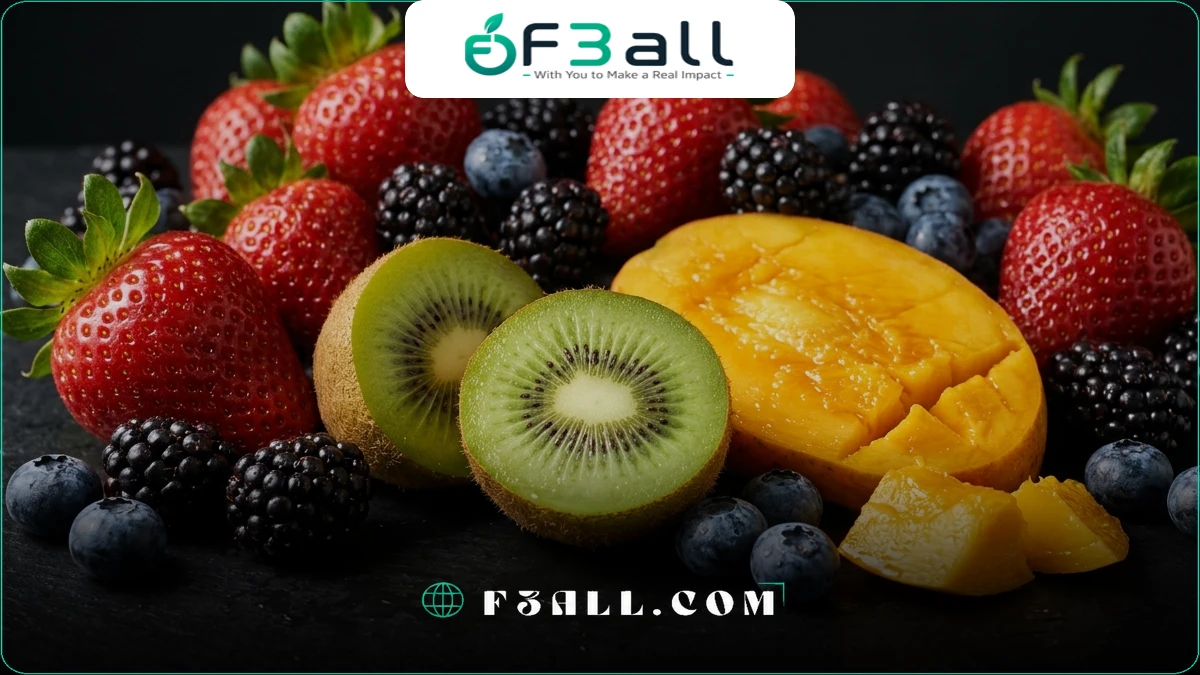
Smoothies Recipes for Weight Loss can support a calorie-controlled eating pattern when their ingredients and serving sizes are carefully selected.
A smoothie usually combines whole fruit, vegetables, a liquid base, and optional protein or healthy fats.
Unlike fruit juice, a smoothie made from whole fruit generally retains much of the original fiber, although blending changes food texture and may affect how filling the drink feels.
The most useful weight-loss smoothies provide a combination of nutrients rather than relying only on fruit and sweetened liquids.
What Makes a Smoothie Suitable for Weight Loss?
A balanced smoothie typically includes:
- A measured portion of fruit.
- Vegetables when appropriate.
- A source of protein.
- Fiber-containing ingredients.
- A low-sugar liquid base.
- Moderate amounts of calorie-dense additions.
Smoothie Benefits and Limitations
| Feature | Potential Benefit | Important Consideration |
| Fruit | Provides vitamins and fiber | Large portions increase calories |
| Vegetables | Add nutrients and volume | Variety matters |
| Protein | Supports fullness and muscle maintenance | Amount depends on ingredients |
| Fiber | Supports digestive health | Blending does not guarantee fullness |
| Healthy Fats | Provide essential nutrients | Portions affect calories |
| Convenience | Quick meal preparation | Easy to underestimate serving size |
| Homemade Preparation | Greater ingredient control | Requires measuring ingredients |
Smoothies and Calorie Deficit
Weight loss generally requires a sustained energy deficit, meaning energy intake is lower than energy expenditure over time.
A smoothie can contribute to this process when it replaces a higher-calorie meal or snack without causing compensatory eating later.
Simply adding a smoothie to an existing diet may increase total calorie intake.
Smoothies Recipes for Weight Loss are most effective as part of a balanced eating plan, not as standalone fat-burning drinks.
Best Smoothies Ingredients for Weight Loss
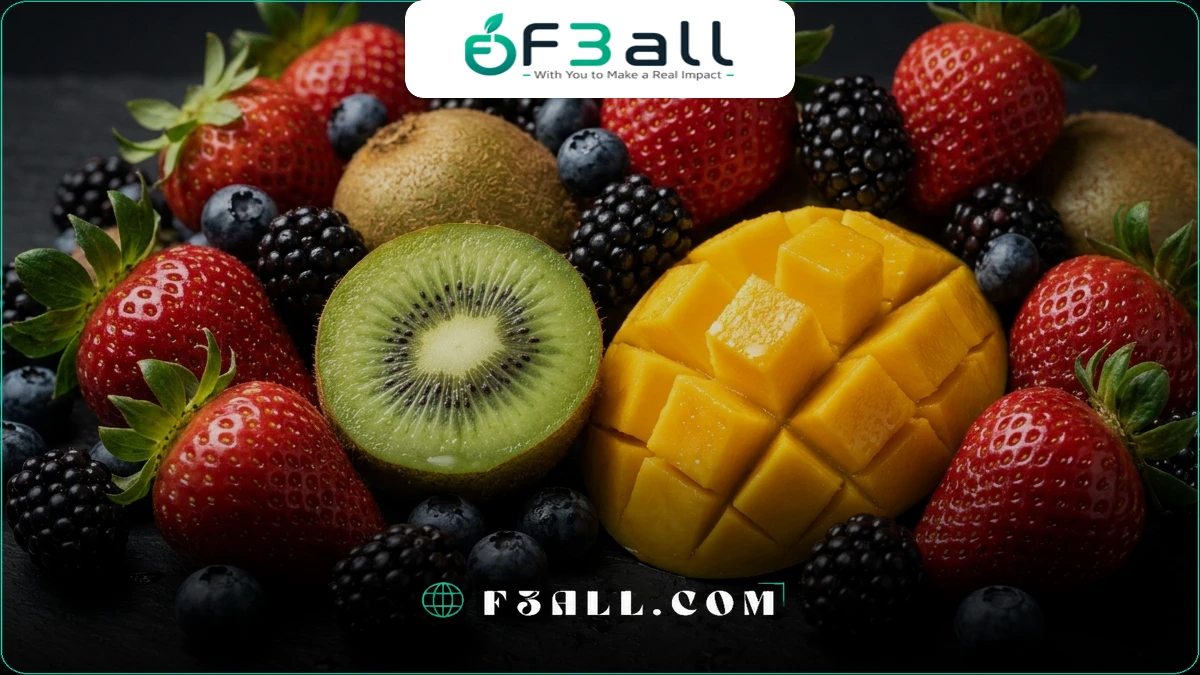
Choosing the right Smoothies Ingredients for Weight Loss is essential because the nutritional quality of a smoothie depends on everything added to the blender.
A useful approach is to combine fruit, vegetables, protein, and an appropriate liquid base.
Fruits
Popular smoothie fruits include:
- Strawberries.
- Blueberries.
- Raspberries.
- Bananas.
- Apples.
- Mangoes.
- Pineapple.
- Kiwi.
- Peaches.
Berries can be particularly convenient because they provide flavor and fiber with relatively modest calorie content.
Bananas add sweetness and texture, but larger portions increase the smoothie’s energy content.
Vegetables
Vegetables can add nutrients without substantially increasing calories.
Useful options include:
- Spinach.
- Kale.
- Cucumber.
- Zucchini.
- Carrots.
- Cooked pumpkin.
Protein Sources
Protein can help make smoothies more nutritionally balanced.
Options include:
- Plain Greek yogurt.
- Cottage cheese.
- Milk.
- Unsweetened soy milk.
- Silken tofu.
- Suitable protein powder.
Fiber-Rich Ingredients
- Chia seeds.
- Ground flaxseed.
- Oats.
- Berries.
- Whole fruit.
- Leafy vegetables.
Healthy Fat Sources
- Peanut butter.
- Almond butter.
- Avocado.
- Chia seeds.
- Flaxseed.
These ingredients can improve nutritional quality but should be measured because they are calorie-dense.
Ingredient Comparison
| Ingredient | Example Portion | Approximate Calories | Main Contribution |
| Strawberries | 100 g | 32 | Fiber and vitamin C |
| Blueberries | 100 g | 57 | Fiber and plant compounds |
| Banana | 100 g | 89 | Carbohydrates and potassium |
| Spinach | 30 g | 7 | Micronutrients |
| Cucumber | 100 g | 15 | Water and freshness |
| Plain Nonfat Greek Yogurt | 100 g | 59 | Protein |
| Unsweetened Almond Milk | 240 ml | 30–40 | Low-calorie liquid |
| Unsweetened Soy Milk | 240 ml | 70–100 | Plant protein |
| Rolled Oats | 20 g | 75–80 | Fiber and carbohydrates |
| Chia Seeds | 10 g | 49 | Fiber and fats |
| Peanut Butter | 1 tablespoon | 90–100 | Fat and some protein |
Nutritional values vary by product, brand, and preparation.
The best smoothie ingredients for weight loss are those that provide useful nutrients while keeping the total serving appropriate for your energy needs.
Smoothies Calories and Portion Control
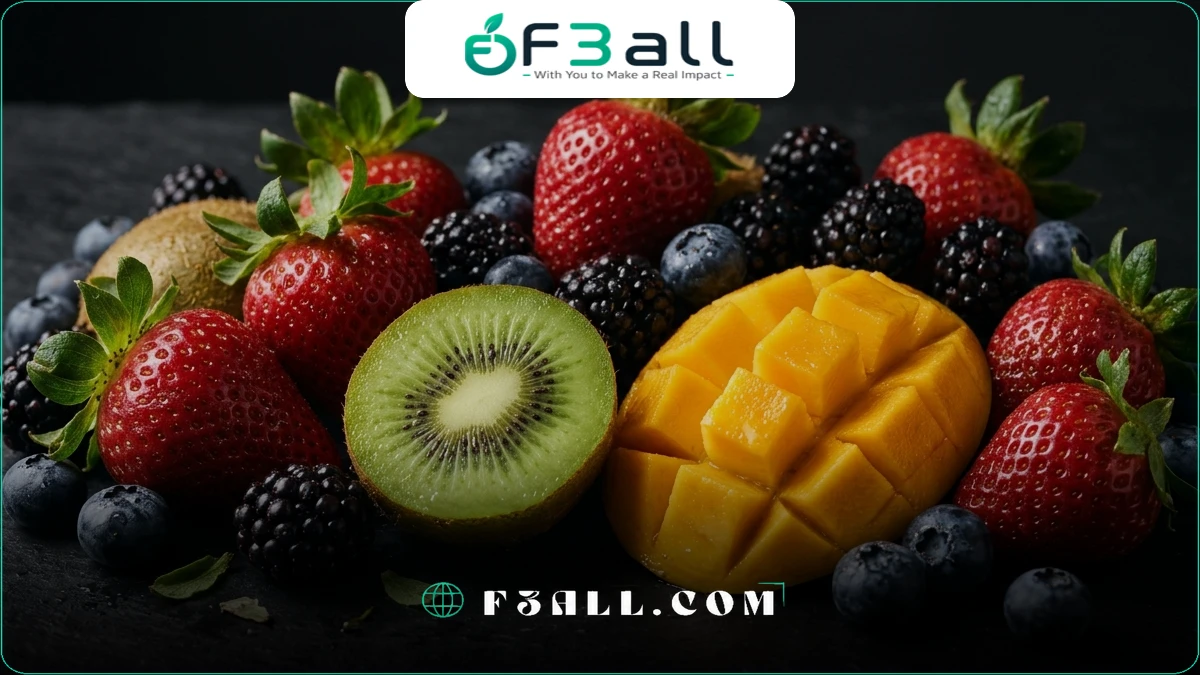
Smoothies Calories can vary dramatically.
A simple berry smoothie may contain fewer than 150 calories, while a large smoothie containing nut butter, sweetened yogurt, juice, and multiple bananas can exceed 500 calories.
Neither calorie level is automatically appropriate for everyone.
The ideal amount depends on whether the smoothie is intended as a snack, breakfast, or complete meal.
Smoothie Calorie Comparison
| Smoothie Type | Approximate Calories | Typical Use |
| Cucumber Berry Smoothie | 80–120 | Light snack |
| Strawberry Yogurt Smoothie | 140–200 | Snack |
| Green Protein Smoothie | 180–250 | Breakfast or snack |
| Banana Oat Smoothie | 250–350 | More substantial breakfast |
| Peanut Butter Banana Smoothie | 300–450 | Higher-energy meal |
| Large Sweetened Café Smoothie | 400–700+ | Varies widely |
These ranges are illustrative rather than fixed nutritional values.
Common Hidden Calories
Fruit Juice
Juice can increase sugar and calorie content without providing the same amount of fiber as whole fruit.
Honey
One tablespoon contains approximately 64 calories.
Nut Butter
Two tablespoons may add approximately 180–200 calories.
Sweetened Yogurt
Flavored yogurt can contain substantial added sugar.
Granola
Large portions can quickly increase calories.
Protein Powder
A serving may contribute roughly 100–150 calories, depending on the product.
How to Control Smoothie Calories
- Measure calorie-dense ingredients.
- Use whole fruit instead of juice where practical.
- Choose unsweetened liquids.
- Include a suitable protein source.
- Avoid automatically adding honey or syrup.
- Match smoothie size to its role in the meal plan.
- Consider overall daily energy intake.
For broader portion-management guidance, explore Weight Loss Diet Plans.
Understanding smoothies calories helps prevent a nutritious-looking drink from unintentionally becoming an oversized meal.
Healthy Smoothies Recipe With Strawberries and Greek Yogurt
A strawberry and Greek yogurt smoothie is a simple option for people seeking a balance of fruit and protein.
It can be prepared in a few minutes and does not require added sugar.
Ingredients
- 100 g fresh or frozen strawberries.
- 150 g plain nonfat Greek yogurt.
- 100 ml cold water.
- 1 teaspoon chia seeds.
- Ice cubes, optional.
Preparation
- Wash the strawberries if using fresh fruit.
- Add the Greek yogurt to the blender.
- Add strawberries and water.
- Add chia seeds.
- Blend until smooth.
- Adjust thickness with a little extra water.
- Serve immediately.
Approximate Nutrition
| Nutrient | Per Smoothie |
| Calories | 145–160 kcal |
| Protein | 16–18 g |
| Carbohydrates | 14–18 g |
| Fat | 2–3 g |
| Fiber | 3–4 g |
| Added Sugar | 0 g |
The values depend on the yogurt and exact ingredient weights.
Why This Recipe Works Well
- Provides protein from Greek yogurt.
- Contains whole strawberries.
- Includes fiber from fruit and chia.
- Requires no added sweetener.
- Uses inexpensive ingredients.
- Takes only a few minutes to prepare.
Optional Variations
Replace strawberries with raspberries or blueberries.
Use plain lactose-free yogurt if needed.
For a thicker smoothie, reduce the water slightly.
This healthy smoothies recipe is a practical, protein-containing snack that can fit into a calorie-conscious eating pattern.
Read more about: Healthy Dessert Recipes for Weight Loss | Easy Ideas
Green Smoothies Recipe for Weight Loss
Green smoothies combine leafy vegetables with fruit and a liquid base.
They are popular because vegetables can add nutrients and volume without requiring large amounts of added sugar.
However, green color alone does not make a smoothie healthier or more effective for weight loss.
Spinach, Kiwi, and Cucumber Smoothie
Ingredients
- 30 g fresh spinach.
- 1 small kiwi, approximately 70 g.
- 100 g cucumber.
- 150 ml unsweetened soy milk.
- 1 teaspoon lemon juice.
- Ice cubes.
Preparation
- Wash the vegetables and kiwi.
- Peel the kiwi if preferred.
- Add the soy milk to the blender.
- Add spinach, kiwi, and cucumber.
- Add lemon juice.
- Blend until smooth.
- Serve chilled.
Approximate Nutrition
| Nutrient | Amount |
| Calories | 125–155 kcal |
| Protein | 6–9 g |
| Carbohydrates | 15–20 g |
| Fat | 3–5 g |
| Added Sugar | 0 g |
Green Smoothie Variations
| Variation | Ingredients | Approximate Calories |
| Spinach Berry | Spinach, berries, water | 70–110 |
| Cucumber Kiwi | Cucumber, kiwi, soy milk | 120–160 |
| Kale Apple | Kale, apple, water | 100–150 |
| Spinach Pineapple | Spinach, pineapple, yogurt | 150–220 |
Making Green Smoothies More Filling
If a green smoothie is intended to replace a meal, it may need additional protein and energy.
Options include plain Greek yogurt, tofu, soy milk, or a measured portion of oats.
Green smoothies for weight loss are useful for increasing vegetable variety, but their effectiveness depends on total ingredients and meal balance.
Low Calorie Smoothies for Weight Loss
Low Calorie Smoothies can be useful as snacks or light refreshments.
However, very low-calorie smoothies generally should not replace complete meals without appropriate nutritional planning.
The following recipes are designed as smaller snacks rather than full meal replacements.
1. Cucumber Strawberry Smoothie
Ingredients
- 100 g cucumber.
- 100 g strawberries.
- 150 ml cold water.
- Fresh mint.
- Ice cubes.
Preparation
Blend all ingredients until smooth.
Approximate Calories: 45–60 kcal.
2. Raspberry Lemon Smoothie
Ingredients
- 100 g raspberries.
- 150 ml water.
- 1 teaspoon lemon juice.
- Ice cubes.
Preparation
Blend until smooth and serve.
Approximate Calories: 55–65 kcal.
3. Peach Almond Smoothie
Ingredients
- 100 g peach.
- 200 ml unsweetened almond milk.
- Ice cubes.
- Cinnamon.
Preparation
Combine the ingredients and blend.
Approximate Calories: 65–85 kcal.
4. Blueberry Spinach Smoothie
Ingredients
- 75 g blueberries.
- 30 g spinach.
- 150 ml water.
- Ice cubes.
Preparation
Blend until smooth.
Approximate Calories: 45–60 kcal.
Low-Calorie Recipe Comparison
| Smoothie | Approximate Calories | Main Feature |
| Cucumber Strawberry | 45–60 | Refreshing and light |
| Raspberry Lemon | 55–65 | Berry fiber |
| Peach Almond | 65–85 | Creamy texture |
| Blueberry Spinach | 45–60 | Fruit and vegetables |
These smoothies are relatively low in protein and energy.
Pairing one with a protein-rich snack may make it more satisfying.
Low-calorie smoothies work best when used appropriately within a balanced diet rather than as a substitute for adequate nutrition.
High Protein Smoothies for Weight Loss
Protein is an important consideration when choosing smoothies for weight management.
A protein-containing smoothie may support fullness and help maintain muscle when combined with adequate nutrition and resistance training.
Banana and Greek Yogurt Protein Smoothie
Ingredients
- 100 g banana.
- 170 g plain nonfat Greek yogurt.
- 150 ml unsweetened soy milk.
- Cinnamon.
- Ice cubes.
Preparation
- Slice the banana.
- Add yogurt and soy milk to the blender.
- Add banana and cinnamon.
- Blend until smooth.
- Serve immediately.
Approximate Nutrition
| Nutrient | Amount |
| Calories | 235–270 kcal |
| Protein | 23–27 g |
| Carbohydrates | 28–35 g |
| Fat | 3–5 g |
| Added Sugar | 0 g |
Other Protein Ingredients
- Cottage cheese.
- Silken tofu.
- Plain yogurt.
- Unsweetened soy milk.
- Milk.
- Suitable protein powder.
Protein Smoothie Tips
Measure the ingredients instead of assuming all protein smoothies are low in calories.
Protein powders are optional and not necessary for everyone.
People with kidney disease or other conditions requiring individualized protein intake should seek appropriate clinical guidance.
High-protein smoothies can support a balanced weight-loss diet when their calories and protein content match individual nutritional needs.
Smoothies Without Sugar
Smoothies Without Sugar usually refers to smoothies prepared without added sugar.
It is important to distinguish between added sugar and naturally occurring sugars in fruit and dairy products.
A smoothie made with banana or berries may contain natural sugars even when no sugar is added.
Ingredients That Add Sweetness Naturally
- Banana.
- Strawberries.
- Mango.
- Blueberries.
- Peaches.
- Pineapple.
- Cinnamon.
- Vanilla extract without added sugar.
No-Added-Sugar Berry Smoothie
Ingredients
- 100 g strawberries.
- 50 g blueberries.
- 150 g plain Greek yogurt.
- 100 ml water.
- Ice cubes.
Preparation
- Add yogurt and water to the blender.
- Add the berries.
- Blend until smooth.
- Serve chilled.
Approximate Calories: 165–185 kcal.
Ingredients to Limit When Avoiding Added Sugar
- Sweetened fruit juice.
- Flavored syrup.
- Sweetened condensed milk.
- Sweetened yogurt.
- Added table sugar.
- Large quantities of honey.
- Sweetened protein powders.
Sugar Terminology
| Term | Meaning |
| No Added Sugar | No sugar added during preparation |
| Naturally Occurring Sugar | Sugar naturally present in fruit or milk |
| Total Sugar | Includes natural and added sugars |
| Sugar-Free | Must meet applicable labeling requirements |
| Unsweetened | Generally indicates no sweetener added |
Are Fruit Sugars Bad for Weight Loss?
Whole fruit can be part of a healthy diet.
Its nutritional value includes fiber, vitamins, minerals, and other compounds.
The main consideration for smoothies is portion size and the total composition of the drink.
Smoothies without added sugar can provide natural sweetness while helping reduce unnecessary added calories.
Smoothies for Breakfast and Weight Loss
Breakfast smoothies are popular because they can be prepared quickly.
However, a smoothie containing only fruit and water may not provide enough protein or energy to serve as a satisfying breakfast for many adults.
A more substantial breakfast smoothie should include multiple nutrient sources.
Banana Oat Breakfast Smoothie
Ingredients
- 80 g banana.
- 30 g rolled oats.
- 150 g plain Greek yogurt.
- 150 ml unsweetened almond milk.
- Cinnamon.
Preparation
- Add almond milk and yogurt to the blender.
- Add oats and banana.
- Sprinkle in cinnamon.
- Blend thoroughly.
- Serve immediately.
Approximate Nutrition
| Nutrient | Amount |
| Calories | 300–340 kcal |
| Protein | 20–24 g |
| Carbohydrates | 43–50 g |
| Fat | 5–7 g |
| Fiber | 5–7 g |
Other Breakfast Smoothie Combinations
| Smoothie | Main Ingredients | Approximate Calories |
| Berry Oat | Berries, oats, yogurt | 250–350 |
| Banana Peanut Butter | Banana, milk, peanut butter | 300–450 |
| Green Protein | Spinach, fruit, soy milk, tofu | 250–350 |
| Apple Cinnamon | Apple, oats, yogurt | 250–350 |
Making Breakfast Smoothies More Balanced
Include:
- Protein.
- Fiber.
- Appropriate carbohydrates.
- A measured amount of healthy fat.
- Enough energy for your needs.
Breakfast smoothies can be convenient, but they should be nutritionally substantial enough to match their intended role as a meal.
Smoothies for Dinner and Weight Loss
Some people prefer smoothies for dinner because they are quick and easy.
However, routinely replacing dinner with a small fruit smoothie may leave nutritional gaps.
A smoothie intended as dinner should provide adequate protein, energy, and other nutrients.
Creamy Avocado and Berry Smoothie
Ingredients
- 100 g mixed berries.
- 50 g avocado.
- 170 g plain Greek yogurt.
- 200 ml unsweetened soy milk.
- 10 g ground flaxseed.
Preparation
- Add soy milk to the blender.
- Add yogurt and avocado.
- Add berries and flaxseed.
- Blend until creamy.
- Serve chilled.
Approximate Nutrition
| Nutrient | Amount |
| Calories | 330–390 kcal |
| Protein | 25–30 g |
| Carbohydrates | 25–35 g |
| Fat | 14–18 g |
| Fiber | 9–12 g |
Important Considerations
- A smoothie dinner should not automatically mean severe calorie restriction.
- Nutritional needs vary.
- Some people find solid meals more satisfying.
- Smoothies can be paired with other foods when necessary.
- Whole-food variety remains important.
Dinner smoothies may fit into a weight-management plan, but balanced solid meals are equally valid and may provide greater satisfaction.
Read more about: Green Smoothies for Weight Loss | Easy Recipes
Smoothies Meal Prep for Busy Days
Smoothies Meal Prep can save time and make healthy ingredients more accessible.
Preparing fruit and vegetables in advance helps reduce the need for last-minute food decisions.
Freezer Smoothie Packs
A freezer pack can contain pre-portioned ingredients ready to blend.
Example Berry Smoothie Pack
Ingredients Per Pack
- 100 g strawberries.
- 50 g blueberries.
- 30 g spinach.
- 10 g oats.
Preparation
- Wash and dry the produce.
- Portion ingredients into freezer-safe containers.
- Label with the preparation date.
- Freeze promptly.
- Add yogurt or milk when blending.
Weekly Smoothie Meal Prep
| Task | Preparation |
| Wash Fruit | Clean thoroughly |
| Portion Ingredients | Measure each recipe |
| Prepare Freezer Packs | Store in freezer-safe containers |
| Label Packs | Add recipe name and date |
| Store Yogurt | Refrigerate according to packaging |
| Prepare Blender | Clean before and after use |
| Blend Smoothies | Preferably close to serving |
Storage Tips
Fresh smoothies containing perishable ingredients should be refrigerated promptly.
Keep refrigerated foods at 4°C (40°F) or below.
Avoid leaving prepared smoothies at room temperature for extended periods.
Frozen ingredient packs can be convenient, but storage quality and duration depend on ingredients and freezer conditions.
Common Meal Prep Mistakes
- Preparing oversized portions.
- Forgetting to measure nut butter.
- Using sweetened liquid bases.
- Storing smoothies improperly.
- Adding all ingredients without considering total calories.
- Assuming frozen fruit contains no calories.
Smoothies meal prep makes balanced recipes more convenient while helping maintain consistent portion sizes.
Smoothies 7 Day Plan for Weight Loss
A Smoothies 7 Day Plan can introduce different flavors and nutrients throughout the week.
The following plan uses smoothies as breakfasts or snacks rather than replacing every meal.
It is not a detox diet or a prescribed calorie-restriction program.
Seven-Day Smoothie Plan
| Day | Smoothie | Main Ingredients | Approximate Calories |
| Monday | Strawberry Yogurt | Strawberries, Greek yogurt, chia | 150 |
| Tuesday | Banana Oat | Banana, oats, yogurt, almond milk | 320 |
| Wednesday | Green Kiwi | Spinach, kiwi, cucumber, soy milk | 140 |
| Thursday | Berry Protein | Mixed berries, yogurt, soy milk | 220 |
| Friday | Apple Cinnamon | Apple, oats, yogurt, cinnamon | 280 |
| Saturday | Avocado Berry | Avocado, berries, yogurt, soy milk | 350 |
| Sunday | Peach Almond | Peach, almond milk, yogurt | 180 |
Values are approximate and depend on portion sizes.
Example Daily Meal Structure
| Meal | Example |
| Breakfast | Smoothie from the plan |
| Lunch | Chicken, rice, and vegetables |
| Snack | Fruit or nuts |
| Dinner | Fish, potatoes, and salad |
| Optional Snack | Plain yogurt |
How to Use the Seven-Day Plan
- Choose a smoothie appropriate for your meal.
- Adjust portions to individual calorie needs.
- Include protein throughout the day.
- Eat vegetables and whole foods regularly.
- Maintain hydration.
- Include physical activity.
- Avoid using smoothies as the only source of nutrition.
Weekly Shopping List
- Strawberries.
- Blueberries.
- Bananas.
- Apples.
- Kiwi.
- Peaches.
- Spinach.
- Cucumber.
- Plain Greek yogurt.
- Unsweetened soy milk.
- Unsweetened almond milk.
- Rolled oats.
- Chia seeds.
- Avocado.
- Cinnamon.
For additional meal-planning guidance, explore Weight Loss Diet Plans.
A seven-day smoothie plan works best when it adds convenience and nutritional variety to an otherwise balanced eating pattern.
Best Smoothies for Weight Loss Based on Your Goals
The Best Smoothies for Weight Loss depend on individual preferences, nutritional needs, and the role of the smoothie.
A low-calorie fruit smoothie may be suitable as a snack.
A protein-rich smoothie may be more appropriate after exercise or as part of breakfast.
Smoothie Selection Guide
| Goal | Suggested Smoothie | Main Benefit |
| Light Snack | Cucumber Strawberry | Low calorie |
| Higher Protein | Greek Yogurt Berry | Protein |
| Breakfast | Banana Oat | More substantial |
| Vegetable Intake | Green Kiwi | Vegetables and fruit |
| Fiber | Raspberry Chia | Fiber-containing ingredients |
| No Added Sugar | Mixed Berry Yogurt | Natural sweetness |
| Post-Workout | Banana Soy Protein | Protein and carbohydrates |
Choosing a Smoothie for Fullness
Consider including:
- Greek yogurt.
- Soy milk.
- Oats.
- Chia seeds.
- Whole berries.
- A measured portion of nuts or nut butter.
Choosing a Smoothie for Lower Calories
Consider:
- Water.
- Unsweetened almond milk.
- Cucumber.
- Spinach.
- Strawberries.
- Raspberries.
- Small portions of fruit.
Choosing a Smoothie for Exercise Recovery
A combination of protein and carbohydrates may be useful depending on the intensity and duration of exercise.
However, a special recovery smoothie is not necessary after every short workout.
The best smoothies for weight loss are those that match your nutritional needs, provide satisfaction, and fit your overall calorie intake.
Smoothies vs Juicing for Weight Loss
Smoothies and juices are both popular ways to consume fruit and vegetables.
However, their nutritional characteristics can differ.
Smoothies
Smoothies made from whole produce generally retain more of the original fiber.
They can also include protein and healthy fats.
Juices
Juicing typically removes much of the solid fiber, depending on the method.
Juices can provide vitamins and minerals, but large servings may contain substantial natural sugars.
Comparison
| Feature | Smoothies | Juices |
| Whole Fruit Fiber | Usually Retained | Often Reduced |
| Protein Additions | Easy to Include | Less Common |
| Texture | Thick | Thin |
| Fullness | May Be Greater | Often Lower |
| Calories | Depends on Ingredients | Depends on Ingredients |
| Preparation | Blender | Juicer or Press |
Which Is Better?
Neither automatically causes weight loss.
However, a balanced smoothie containing whole fruit, protein, and fiber may be more suitable as a snack or meal component than juice alone.
For additional ideas, explore Juice Maker Recipes for Weight Loss.
Smoothies can offer practical advantages over juice when they retain whole-food fiber and include a balanced combination of nutrients.
Smoothies vs Protein Shakes for Weight Loss
Smoothies and protein shakes overlap, but they are not necessarily identical.
A smoothie usually includes blended fruit or vegetables.
A protein shake often focuses primarily on a protein source mixed with water or milk.
Comparison
| Feature | Smoothie | Protein Shake |
| Main Ingredients | Fruit, vegetables, liquids | Protein source and liquid |
| Fiber | May Be Higher | Often Lower |
| Protein | Varies | Often Higher |
| Calories | Varies Widely | Varies Widely |
| Meal Suitability | Depends on Composition | Depends on Composition |
| Preparation | Blender Often Used | Shaker or Blender |
Which Is More Suitable?
A fruit-and-vegetable smoothie may be useful for increasing dietary variety.
A protein shake may be convenient when someone needs a simple way to increase protein intake.
Both require attention to total calories and overall nutrition.
Smoothies and protein shakes can both fit into weight-management diets when chosen according to nutritional needs rather than marketing claims.
Smoothies Weight Loss Results: What to Expect
Smoothies Weight Loss Results vary according to overall diet, calorie intake, physical activity, and individual factors.
Simply drinking smoothies does not guarantee weight reduction.
How Smoothies May Help
A smoothie may support weight management when it:
- Replaces a higher-calorie snack.
- Provides a measured portion.
- Includes protein and fiber.
- Reduces reliance on sugary drinks.
- Makes healthy ingredients convenient.
- Supports dietary consistency.
How Smoothies May Hinder Progress
A smoothie may increase calorie intake when it includes:
- Large amounts of juice.
- Multiple bananas.
- Several tablespoons of nut butter.
- Added syrups.
- Sweetened yogurt.
- Oversized portions.
Example Calorie Substitution
Suppose someone replaces a 450-calorie pastry breakfast with a balanced 300-calorie smoothie.
The difference is approximately 150 calories.
If this substitution is maintained without compensatory eating, it may contribute to lower total energy intake.
However, weight loss cannot be predicted from one substitution alone.
Progress Tracking
| Measurement | Purpose |
| Body Weight Trend | Tracks longer-term changes |
| Waist Circumference | Monitors abdominal measurement |
| Total Calorie Intake | Evaluates energy balance |
| Protein Intake | Supports muscle maintenance |
| Fiber Intake | Supports dietary quality |
| Physical Activity | Tracks exercise habits |
| Hunger and Fullness | Evaluates meal satisfaction |
Smoothies weight loss results depend on the full eating pattern rather than the smoothie itself.
Smoothies for Belly Fat Loss
Smoothies are sometimes marketed as drinks that specifically burn belly fat.
However, no smoothie ingredient has been proven to selectively eliminate abdominal fat.
Body-fat reduction occurs through broader metabolic processes influenced by energy balance and individual biology.
What Can Support Overall Fat Loss?
- Appropriate calorie intake.
- Regular aerobic activity.
- Resistance training.
- Adequate protein.
- Fiber-rich foods.
- Consistent sleep.
- Sustainable dietary habits.
Ingredients Often Marketed as Fat Burners
| Ingredient | Popular Claim | Evidence-Based Perspective |
| Lemon | Burns belly fat | No proven targeted effect |
| Ginger | Melts fat | Not established as a standalone treatment |
| Cinnamon | Accelerates fat loss | No reliable direct effect |
| Spinach | Detoxifies the body | Nutritious vegetable, not a detox treatment |
| Chia Seeds | Burns abdominal fat | Provides fiber and fats |
| Green Tea | Rapid fat burning | Effects, if any, are limited and variable |
Better Smoothie Strategy
Instead of looking for a single fat-burning ingredient, focus on balanced recipes with appropriate portions.
For exercise ideas that can complement nutrition, explore Pilates and Weight Loss and Compound Exercises for Weight Loss.
Smoothies can support overall weight management, but they do not selectively burn belly fat.
Common Mistakes When Making Weight Loss Smoothies
Many homemade smoothies contain nutritious ingredients but still provide more calories than expected.
Mistake 1: Adding Too Much Fruit
Fruit is nutritious, but using several large portions increases calories.
Better Approach: Measure fruit according to the recipe.
Mistake 2: Using Sweetened Juice
Fruit juice can increase calorie content.
Better Approach: Choose water or an unsweetened liquid when appropriate.
Mistake 3: Forgetting Protein
A fruit-only smoothie may not be satisfying for long.
Better Approach: Add yogurt, soy milk, tofu, or another protein source.
Mistake 4: Adding Excessive Nut Butter
Nut butter is nutritious but calorie-dense.
Better Approach: Measure portions.
Mistake 5: Replacing Every Meal
A smoothie-only diet may not provide adequate nutrition or variety.
Better Approach: Include balanced solid meals.
Mistake 6: Ignoring Serving Size
A very large smoothie can contain the energy of a substantial meal.
Better Approach: Use an appropriate glass and measure ingredients.
Mistake 7: Expecting Immediate Weight Loss
Smoothies do not automatically cause rapid fat reduction.
Better Approach: Track long-term habits and results.
Mistake Comparison
| Mistake | Better Strategy |
| Too Much Fruit | Measure portions |
| Sweetened Liquids | Choose unsweetened bases |
| Low Protein | Add protein sources |
| Excess Nut Butter | Measure calorie-dense ingredients |
| Smoothie-Only Diet | Maintain balanced meals |
| Oversized Servings | Match portions to needs |
| Fat-Burning Claims | Focus on overall energy balance |
Avoiding common smoothie mistakes helps preserve nutritional quality while making calorie intake easier to manage.
Smoothie Safety and Special Dietary Considerations
Most people can enjoy smoothies as part of a balanced diet.
However, certain ingredients or dietary patterns may require additional attention.
Food Allergies
Common smoothie allergens may include:
- Milk.
- Soy.
- Peanuts.
- Tree nuts.
- Certain protein powders.
Always check ingredient labels when allergies are present.
Diabetes
Smoothies can contain substantial carbohydrates and natural sugars.
People managing diabetes may benefit from monitoring carbohydrate portions and choosing balanced recipes with protein and fiber.
Kidney Disease
Some individuals with kidney disease require specific limits on potassium, protein, or other nutrients.
Smoothie ingredients should be selected according to medical guidance.
Food Safety
Wash fresh produce thoroughly.
Refrigerate perishable ingredients promptly.
Clean blender components after use.
Avoid unpasteurized dairy products or juices when food safety risks are relevant.
Children and Pregnancy
Nutritional requirements differ across life stages.
Avoid highly restrictive smoothie-based diets, particularly during pregnancy, breastfeeding, childhood, or adolescence.
Smoothie recipes should be adapted to individual nutritional needs, allergies, and medical circumstances rather than treated as universally suitable.
Why F3all Is Your Best Choice

At F3all, Smoothies Recipes for Weight Loss are presented through practical ingredient comparisons, clear preparation instructions, calorie awareness, and realistic nutrition guidance.
The goal is to help readers prepare flavorful homemade smoothies without relying on exaggerated fat-burning promises.
- Easy Homemade Recipes: Prepare fruit, vegetable, and protein smoothies.
- Ingredient Comparisons: Understand which ingredients contribute protein, fiber, and calories.
- Calorie Awareness: Compare smoothies for snacks, breakfasts, and meals.
- No-Added-Sugar Options: Reduce unnecessary sweeteners.
- Meal Prep Guidance: Save time with freezer smoothie packs.
- Seven-Day Planning: Explore a varied weekly smoothie schedule.
- Realistic Results: Understand how smoothies fit into sustainable weight management.
Explore additional nutrition content through Weight Loss, Weight Loss Diet Plans, and Delicious Diet Recipes.
F3all helps readers turn simple smoothie ingredients into practical, balanced recipes that support healthier eating habits.
Frequently Asked Questions
Are Smoothies Good for Weight Loss?
Smoothies can support weight loss when they fit into an appropriate calorie-controlled eating pattern. Their effectiveness depends on ingredients, portions, and overall diet.
What Are the Best Smoothies for Weight Loss?
Balanced smoothies containing whole fruit, protein, and fiber are practical choices. Examples include strawberry Greek yogurt smoothies, green protein smoothies, and banana oat smoothies.
How Many Calories Should a Weight Loss Smoothie Have?
There is no universal calorie target. A snack smoothie may contain approximately 100–200 calories, while a more substantial meal smoothie may require considerably more, depending on individual needs.
Can I Drink Smoothies Every Day for Weight Loss?
Yes, smoothies can be included regularly as part of a balanced diet. They should not replace dietary variety or adequate nutrition.
Are Smoothies Without Sugar Better for Weight Loss?
Avoiding unnecessary added sugar may help control calories. However, natural sugars from whole fruit can still be part of a nutritious smoothie.
Can Smoothies Burn Belly Fat?
No smoothie has been proven to selectively burn abdominal fat. Overall fat loss depends on energy balance and other lifestyle factors.
What Is the Best Time to Drink a Smoothie for Weight Loss?
There is no scientifically established best time. Smoothies can be consumed at breakfast, as snacks, or after exercise according to individual preferences.
Can I Prepare Smoothies in Advance?
Yes. You can prepare freezer packs with measured fruit and vegetables, then blend them with refrigerated ingredients when needed.
How Long Does It Take to See Weight Loss Results From Smoothies?
There is no guaranteed timeline. Results depend on total calorie intake, physical activity, individual metabolism, and consistency.
Are Green Smoothies Better Than Fruit Smoothies?
Not necessarily. Green smoothies may contain more vegetables, but nutritional quality depends on the complete recipe, including protein, fiber, and total calories.
In the End
Smoothies Recipes for Weight Loss can provide a convenient way to include fruit, vegetables, protein, and fiber in a balanced eating routine.
Homemade smoothies allow greater control over ingredients and serving sizes, making it easier to avoid unnecessary added sugar and excessive calories.
However, smoothies are not automatic fat-burning drinks, and consuming them without considering the rest of the diet may not lead to weight reduction.
The most useful approach is to choose recipes that match your nutritional needs, prepare ingredients in advance, and combine smoothies with balanced meals and regular physical activity.
Use the seven-day plan as inspiration, experiment with flavors, and prioritize sustainable habits over restrictive smoothie diets.
References