
Is Yogalates Good for Weight Loss | Benefits & Workout Guide
Is Yogalates Good for Weight Loss is a question many people ask when looking for a gentle yet effective workout that combines flexibility, core strength, and controlled movement. Yogalates blends elements of yoga and Pilates into sessions that may improve muscular endurance, balance, posture, and overall fitness. Although it generally burns fewer calories than vigorous cardio workouts, it can still contribute to weight management when practiced consistently alongside balanced nutrition.
Yogalates for weight loss is particularly appealing to beginners and people who prefer low-impact exercise. Understanding how many calories Yogalates burns, how long to practice each day, and how to build a realistic workout plan can help you decide whether this exercise style fits your fitness goals.
Is Yogalates Good for Weight Loss
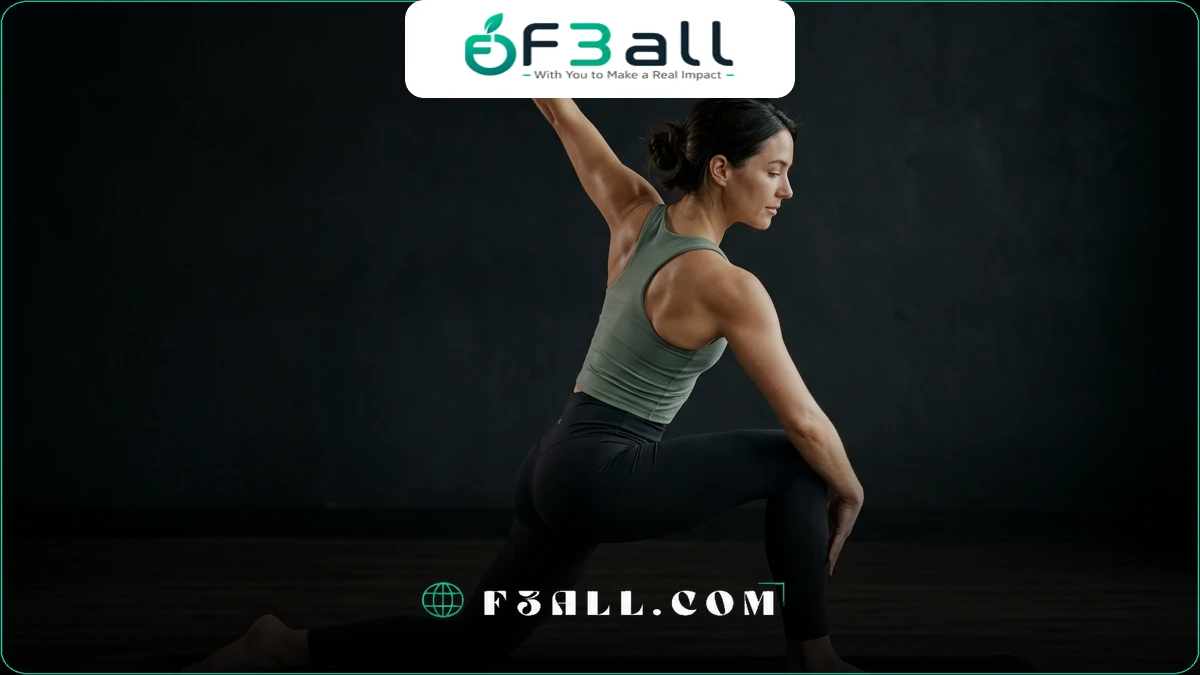
Yes, Yogalates can support weight loss by increasing physical activity, developing muscular endurance, and helping people maintain a consistent exercise routine.
However, Yogalates is not a particularly high-calorie-burning activity compared with running, vigorous cycling, or other demanding cardiovascular workouts.
Its effectiveness depends on the intensity and duration of each session, the exercises performed, and overall calorie balance.
Yogalates for weight loss works best when you:
- Practice consistently throughout the week.
- Combine controlled movements with appropriate muscular effort.
- Gradually increase workout duration.
- Include aerobic exercise alongside Yogalates.
- Maintain a balanced calorie-controlled diet.
- Prioritize correct technique over exercise speed.
- Allow adequate recovery between demanding sessions.
- Track strength, flexibility, and endurance improvements.
For example, a 30-minute Yogalates session can contribute to daily physical activity while improving core control and mobility.
However, the workout alone does not guarantee fat loss if total calorie intake consistently exceeds energy expenditure.
A broader approach that combines exercise and nutrition is discussed in the Weight Loss section.
Is Yogalates Good for Weight Loss depends on consistency, exercise intensity, total physical activity, and sustainable eating habits.
What Is Yogalates and How Does It Work
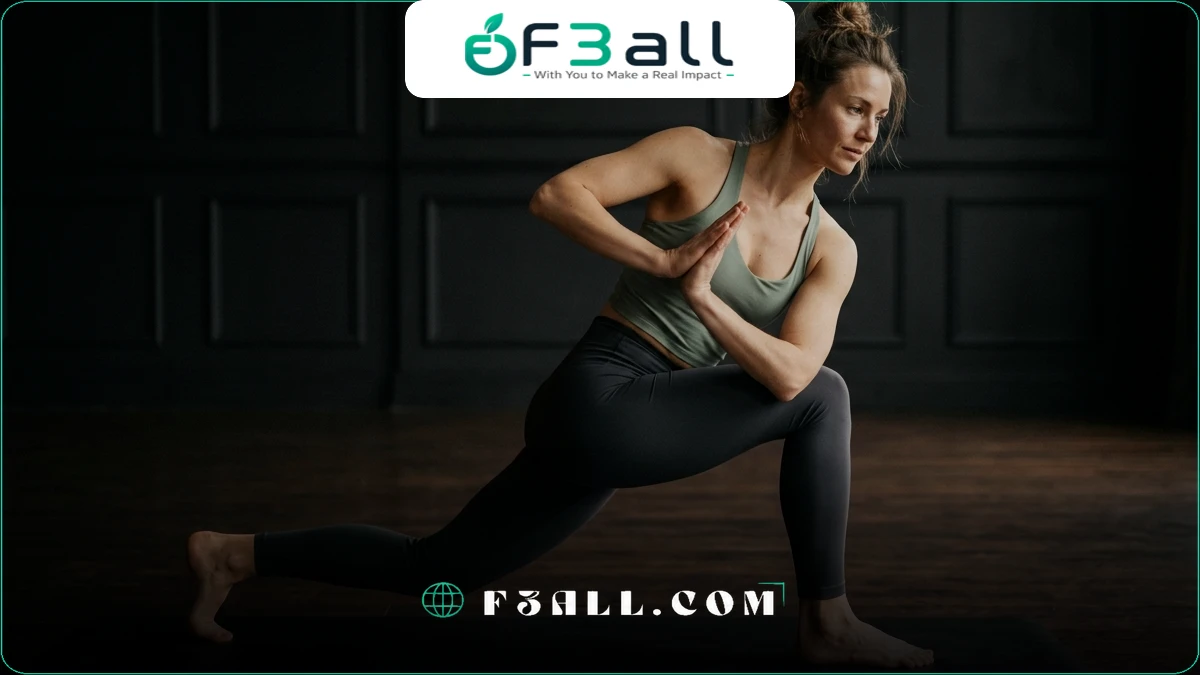
Yogalates is a hybrid exercise approach that combines movements inspired by yoga and Pilates.
Yoga commonly emphasizes flexibility, balance, breathing, and controlled postures, while Pilates focuses on core stability, movement control, muscular endurance, and alignment.
Yogalates brings these elements together in a single workout.
A typical session may include:
- Gentle breathing exercises.
- Mobility movements.
- Core stabilization exercises.
- Standing balance poses.
- Controlled leg movements.
- Glute and hip strengthening.
- Stretching and relaxation.
The exact structure varies considerably between instructors and classes.
Some sessions resemble gentle yoga, while others include more demanding Pilates-inspired sequences.
Main Muscles Used During Yogalates
| Muscle Group | Common Exercises | Main Function |
| Abdominals | Plank variations, leg lifts | Core stabilization |
| Glutes | Bridges, leg extensions | Hip control |
| Quadriceps | Squat variations, standing poses | Knee and hip movement |
| Hamstrings | Bridges, controlled leg movements | Hip extension |
| Back Muscles | Bird dog, spinal extension | Postural support |
| Shoulders | Planks, arm-supported poses | Upper-body stability |
| Hip Stabilizers | Side-lying leg lifts | Pelvic control |
Yogalates is usually performed on a mat and requires little equipment.
Its combination of controlled movement and adjustable difficulty makes it accessible to different fitness levels.
Yogalates works by developing movement control, flexibility, balance, and muscular endurance rather than relying primarily on high-intensity calorie burning.
Yogalates Calories Burned
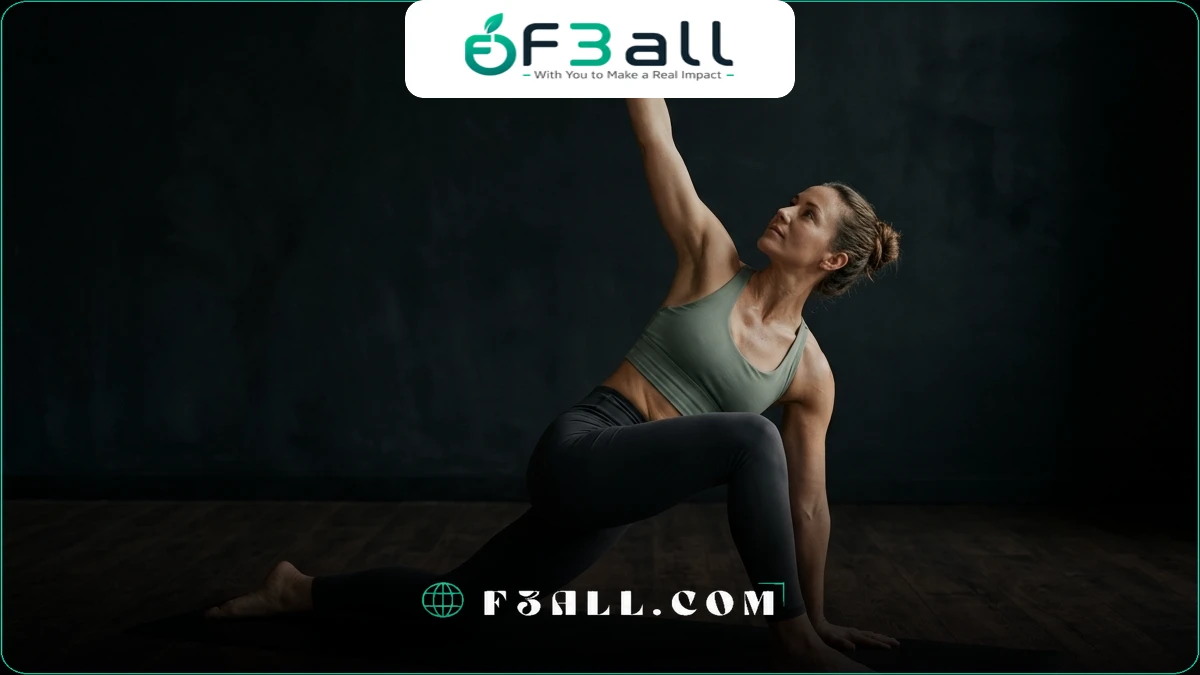
Yogalates calories burned depend on body weight, session duration, movement intensity, and the specific exercises included.
There is no universally established metabolic equivalent for Yogalates because classes vary widely in structure and intensity.
However, gentle to moderately demanding yoga- and Pilates-style exercise can provide a useful basis for illustrative calorie estimates.
The following table uses approximately 3 METs, representing a relatively light-to-moderate session.
| Body Weight | 15 Minutes | 30 Minutes | 45 Minutes | 60 Minutes |
| 55 kg | 43 kcal | 87 kcal | 130 kcal | 173 kcal |
| 65 kg | 51 kcal | 102 kcal | 154 kcal | 205 kcal |
| 75 kg | 59 kcal | 118 kcal | 177 kcal | 236 kcal |
| 85 kg | 67 kcal | 134 kcal | 201 kcal | 268 kcal |
| 95 kg | 75 kcal | 150 kcal | 224 kcal | 299 kcal |
These figures are estimates, not direct measurements of Yogalates energy expenditure.
A gentle stretching-focused class may burn fewer calories, while a more demanding continuous session may burn more.
Factors Affecting Yogalates Calorie Burn
Body weight: Larger bodies generally expend more energy during comparable activity.
Workout intensity: More demanding movement sequences can increase energy expenditure.
Session duration: Longer sessions generally burn more total calories.
Exercise selection: Standing movements, continuous transitions, and muscular endurance exercises may increase effort.
Rest periods: Frequent breaks can reduce average session intensity.
Individual fitness: Movement efficiency and training experience may influence energy expenditure.
For example, a 75-kilogram person completing 30 minutes of activity at 3 METs may expend approximately 118 calories.
That figure should not be interpreted as a guaranteed calorie burn for every Yogalates class.
Yogalates calories burned are best treated as approximate planning information rather than precise measurements of weight-loss progress.
Yogalates Benefits for Weight Loss and Fitness
Yogalates benefits extend beyond calorie expenditure.
Its combination of flexibility, core strengthening, balance, and controlled movement can support several aspects of physical fitness.
Improves Core Strength and Stability
Many Yogalates exercises involve maintaining a stable trunk while moving the arms or legs.
Common examples include:
- Plank variations.
- Bird dog.
- Dead bug.
- Glute bridge.
- Controlled leg extensions.
- Side plank modifications.
These exercises challenge abdominal and back muscles.
Improved core stability may help support posture and movement control during everyday activities.
Supports Muscular Endurance
Yogalates often involves repeated low-impact movements and sustained muscle engagement.
These exercises can improve muscular endurance, particularly among beginners.
However, they may not provide the same muscle-building stimulus as progressive resistance training.
Develops Flexibility and Mobility
Yoga-inspired movements can help improve joint mobility and flexibility.
Examples include spinal mobility exercises, hip-opening movements, and gentle stretching.
Increased mobility may make certain everyday activities more comfortable.
Improves Balance and Coordination
Standing poses and controlled transitions challenge balance.
This can help develop coordination and body awareness.
Provides a Low-Impact Workout Option
Most Yogalates routines avoid repetitive jumping and high-impact movements.
This may make them appealing to people who prefer gentler exercise.
However, low impact does not mean every movement is appropriate for every person.
Encourages Exercise Consistency
A workout that feels manageable and enjoyable may be easier to maintain.
Consistency can help increase overall weekly physical activity.
Can Complement Other Exercise
Yogalates can be combined with walking, cycling, swimming, and resistance training.
This allows people to develop different fitness qualities rather than relying on one exercise style.
The main Yogalates benefits for weight loss come from supporting regular movement, muscular endurance, and a sustainable exercise routine.
Read more about: Is Mango Good for Weight Loss | Benefits & Calories Guide
Yogalates for Beginners
Yogalates for beginners should focus on learning basic movements, improving body awareness, and developing confidence.
Beginners do not need to complete advanced poses or long sessions.
Starting with 15 to 20 minutes can be sufficient to establish a routine.
Beginner Yogalates Workout
| Exercise | Duration or Repetitions | Main Focus |
| Controlled Breathing | 2 minutes | Relaxation and breathing |
| Cat-Cow Movement | 8 repetitions | Spinal mobility |
| Glute Bridge | 10 repetitions | Glutes and core |
| Bird Dog | 8 per side | Core stability |
| Modified Plank | 15–20 seconds | Abdominal endurance |
| Side-Lying Leg Lift | 10 per side | Hip stability |
| Child’s Pose | 1 minute | Gentle stretching |
| Seated Stretching | 2 minutes | Flexibility |
Perform movements slowly and comfortably.
Rest between exercises when needed.
Beginner Technique Tips
- Use a comfortable exercise mat.
- Maintain natural breathing.
- Avoid forcing deep stretches.
- Choose modified exercises when necessary.
- Keep movements controlled.
- Prioritize alignment over repetitions.
- Stop movements that cause sharp pain.
- Increase difficulty gradually.
For example, a modified plank performed on the knees may be more suitable than a full plank for someone beginning core training.
Yogalates for beginners is most effective when correct movement patterns and consistency are prioritized over intensity.
Yogalates How Long Per Day for Weight Loss
Yogalates how long per day depends on your experience, fitness goals, and the intensity of the session.
For beginners, approximately 15 to 20 minutes can be a practical starting point.
More experienced participants may prefer 30 to 45 minutes.
However, Yogalates should not automatically be treated as a replacement for all recommended aerobic exercise.
Adults are generally encouraged to achieve at least 150 minutes of moderate-intensity aerobic activity weekly, or an equivalent amount of vigorous activity, along with muscle-strengthening exercise.
Gentle Yogalates may not reach moderate aerobic intensity, so additional cardiovascular activity may be needed.
| Daily Yogalates Duration | Potential Use | Suitable Level |
| 10 minutes | Gentle mobility routine | Beginners |
| 15 minutes | Short core and flexibility session | Beginners |
| 20 minutes | Balanced introductory workout | Beginners |
| 30 minutes | Complete mat-based routine | Most levels |
| 45 minutes | Longer strength and mobility session | Intermediate |
| 60 minutes | Extended class with varied movements | Experienced participants |
A longer session is not automatically better.
Exercise quality, recovery, and overall weekly activity are more important than completing a particular number of minutes every day.
The ideal Yogalates duration is one you can maintain safely while gradually improving strength, flexibility, and exercise tolerance.
Yogalates Workout Plan for Weight Loss
A Yogalates workout plan can help organize core training, mobility, muscular endurance, and recovery.
For weight management, combining Yogalates with cardiovascular exercise is generally more useful than relying exclusively on gentle mat workouts.
The following schedule is an example for generally healthy adults.
| Day | Workout | Duration | Main Focus |
| Monday | Yogalates | 30 minutes | Core and mobility |
| Tuesday | Brisk Walking | 30 minutes | Cardiovascular activity |
| Wednesday | Yogalates | 30 minutes | Glutes and balance |
| Thursday | Resistance Training | 30 minutes | Muscle strengthening |
| Friday | Yogalates | 35 minutes | Full-body endurance |
| Saturday | Walking or Cycling | 45 minutes | Aerobic activity |
| Sunday | Gentle Stretching or Rest | Optional | Recovery |
This plan combines different types of exercise rather than expecting Yogalates alone to provide every fitness benefit.
Building a Balanced Workout Week
A useful weekly routine can include:
- Two or three Yogalates sessions.
- Regular moderate-intensity aerobic activity.
- Muscle-strengthening workouts.
- Easier recovery sessions.
- Gradual increases in exercise difficulty.
A calorie-controlled diet may also be necessary when weight loss is the goal.
Explore Weight Loss Diet Plans for additional guidance on building balanced meals around physical activity.
A sustainable Yogalates workout plan combines consistent movement with cardiovascular exercise, strength training, and adequate recovery.
Yogalates at Home
Yogalates at home is a practical option because most beginner routines require minimal equipment.
A small exercise space and comfortable mat are usually sufficient.
Home workouts also make it easier to schedule short sessions around work, family responsibilities, or other commitments.
Equipment for Home Yogalates
| Equipment | Purpose | Essential |
| Exercise Mat | Provides cushioning and grip | Recommended |
| Comfortable Clothing | Allows movement | Yes |
| Yoga Block | Supports modified poses | Optional |
| Resistance Band | Adds exercise variety | Optional |
| Small Towel | Provides support | Optional |
| Water Bottle | Supports hydration | Recommended |
| Chair | Helps with balance modifications | Optional |
Setting Up a Home Workout Space
Choose a location with enough room to extend your arms and legs comfortably.
Keep the floor clear of obstacles.
Use a stable surface and avoid slippery flooring.
If following a video, position the screen where you can see the instructor without repeatedly twisting your neck.
Simple 20-Minute Home Routine
Warm-Up – 4 Minutes
- Controlled breathing.
- Gentle spinal mobility.
- Shoulder circles.
- Hip movements.
Core and Strength – 10 Minutes
- Glute bridges.
- Bird dog.
- Modified plank.
- Side-lying leg lifts.
Balance and Mobility – 4 Minutes
- Standing balance practice.
- Gentle lunges or supported variations.
- Hip mobility movements.
Cool-Down – 2 Minutes
- Comfortable stretching.
- Slow breathing.
Adjust exercise duration according to ability.
Yogalates at home can support consistent physical activity without requiring a gym membership or specialized equipment.
Yogalates 30 Day Challenge
A Yogalates 30 day challenge can help establish an exercise routine and gradually improve movement confidence.
However, a 30-day challenge does not guarantee a particular amount of weight loss or a visible body transformation.
The following plan gradually increases duration while including recovery.
Week 1 – Learn the Basics
| Day | Activity |
| 1 | 15-minute beginner Yogalates |
| 2 | 15-minute mobility session |
| 3 | Rest |
| 4 | 20-minute beginner Yogalates |
| 5 | 15-minute core routine |
| 6 | 20-minute gentle Yogalates |
| 7 | Rest |
Focus on breathing, technique, and comfortable movement.
Week 2 – Build Consistency
| Day | Activity |
| 8 | 20-minute Yogalates |
| 9 | 20-minute mobility and balance |
| 10 | Rest or gentle walking |
| 11 | 25-minute Yogalates |
| 12 | 20-minute core routine |
| 13 | 25-minute Yogalates |
| 14 | Rest |
During the second week, gradually increase repetitions or time under tension when comfortable.
Week 3 – Improve Endurance
| Day | Activity |
| 15 | 25-minute full-body Yogalates |
| 16 | 20-minute gentle routine |
| 17 | Rest or walking |
| 18 | 30-minute Yogalates |
| 19 | 20-minute core and glute routine |
| 20 | 30-minute full-body session |
| 21 | Rest |
At this stage, focus on smoother transitions and controlled movement.
Week 4 – Strengthen the Habit
| Day | Activity |
| 22 | 30-minute Yogalates |
| 23 | 20-minute mobility routine |
| 24 | Rest |
| 25 | 35-minute full-body Yogalates |
| 26 | 25-minute core routine |
| 27 | 35-minute Yogalates |
| 28 | Rest |
| 29 | 30-minute preferred routine |
| 30 | 20-minute recovery session and progress review |
The plan is flexible. Repeat earlier sessions if progression feels too demanding.
Tracking Your 30-Day Progress
Useful indicators include:
- Number of completed sessions.
- Improved exercise technique.
- Longer plank holds.
- Better balance.
- Increased flexibility.
- Improved muscular endurance.
- Greater confidence during workouts.
- Changes in body weight over time, if relevant.
A Yogalates 30 day challenge is most valuable when it helps create a routine that continues after the challenge ends.
Read more about: Is the Bike Good for Weight Loss | Cycling Guide
Yogalates for Belly Fat
Yogalates can strengthen abdominal muscles, but it does not specifically burn belly fat.
Exercises such as planks, leg lifts, and controlled abdominal movements challenge the core muscles beneath body fat.
However, stronger abdominal muscles do not automatically mean less fat around the waist.
Reducing abdominal fat generally requires overall fat loss through sustainable calorie balance and physical activity.
A balanced approach includes:
- Maintaining an appropriate calorie deficit.
- Performing regular aerobic exercise.
- Including resistance training.
- Practicing Yogalates for core strength.
- Eating adequate protein.
- Including fiber-rich foods.
- Getting sufficient sleep.
- Following consistent lifestyle habits.
Yogalates may improve posture and abdominal muscle control, but these changes should not be confused with guaranteed fat reduction.
Yogalates can support core fitness while overall belly-fat reduction depends on broader weight-management habits.
Yogalates Weight Loss Results
Yogalates weight loss results vary according to exercise intensity, session frequency, total activity, nutrition, and individual factors.
There is no reliable evidence that Yogalates produces a predictable amount of weight loss within a particular number of days.
However, regular sessions can contribute to weekly energy expenditure.
For example, a 75-kilogram person performing a 30-minute session estimated at 3 METs may expend approximately 118 calories.
Completing four comparable sessions would represent roughly 473 calories of estimated gross activity expenditure across the week.
This does not equal a guaranteed calorie deficit, because some energy would have been expended at rest and food intake may change.
| Weekly Yogalates Routine | Estimated Gross Activity Calories |
| 20 minutes, 3 days | 236 kcal |
| 30 minutes, 3 days | 354 kcal |
| 30 minutes, 4 days | 473 kcal |
| 45 minutes, 4 days | 709 kcal |
| 60 minutes, 5 days | 1,181 kcal |
These estimates assume a 75-kilogram person and an illustrative intensity of 3 METs.
Actual expenditure may be lower or higher.
Factors Influencing Results
- Total daily calorie intake.
- Workout consistency.
- Session intensity.
- Other physical activity.
- Resistance training.
- Sleep quality.
- Body composition.
- Medical conditions and medications.
- Individual metabolic differences.
Yogalates weight loss results should be evaluated through long-term trends rather than expecting rapid changes from short workouts alone.
Yogalates Before and After
Yogalates before and after comparisons often emphasize physical appearance, but meaningful improvements may occur without major changes in body weight.
A person practicing consistently may notice better balance, improved movement control, and greater muscular endurance.
Possible Progress Over Time
| Period | Potential Progress |
| First Week | Learning exercises and improving familiarity |
| Weeks 2–3 | Better movement control and confidence |
| Week 4 | Potential improvements in flexibility and endurance |
| Weeks 5–8 | Further improvements in exercise performance |
| Beyond 8 Weeks | Continued progress depending on training and consistency |
This is an illustrative progression rather than a guaranteed timeline.
Better Ways to Track Yogalates Progress
Instead of relying only on photographs, consider:
- Recording workout frequency.
- Tracking plank duration.
- Measuring improvements in balance.
- Observing flexibility changes.
- Monitoring exercise difficulty.
- Recording strength improvements.
- Following body-weight trends if weight loss is a goal.
Visible body changes vary considerably and depend on nutrition, exercise volume, and individual factors.
Yogalates before and after progress is more meaningful when evaluated through strength, mobility, consistency, and overall fitness.
Yogalates vs Yoga for Weight Loss
Yogalates and yoga share several movement principles, including controlled breathing, balance, flexibility, and body awareness.
However, Yogalates typically incorporates additional Pilates-inspired core exercises.
| Feature | Yogalates | Yoga |
| Main Focus | Core strength, mobility, flexibility | Varies by style |
| Exercise Style | Yoga and Pilates combination | Postures, breathing, movement |
| Core Training | Often emphasized | Depends on practice |
| Flexibility | Important | Often emphasized |
| Calorie Expenditure | Depends on class intensity | Depends on yoga style |
| Beginner Options | Available | Available |
Gentle yoga and gentle Yogalates may have similar energy demands.
More physically demanding yoga styles can require greater effort than a relaxed Yogalates class.
Neither Yogalates nor yoga is automatically superior for weight loss; intensity, consistency, and personal preference matter more.
Yogalates vs Pilates for Weight Loss
Pilates and Yogalates both emphasize controlled movement and core stability.
However, Yogalates typically combines Pilates-inspired exercises with yoga-style postures and stretching.
| Feature | Yogalates | Pilates |
| Core Strength | Emphasized | Strongly emphasized |
| Flexibility | Often included | Included |
| Balance | Frequently included | Depends on exercises |
| Equipment | Usually mat-based | Mat or apparatus |
| Workout Intensity | Varies | Varies |
| Weight-Loss Potential | Supports physical activity | Supports physical activity |
Pilates may include specialized equipment such as reformers, while Yogalates is commonly practiced on a mat.
Both can improve muscular endurance and movement control.
Neither guarantees greater weight loss without considering total activity and nutrition.
Choose Yogalates or Pilates based on the exercises you enjoy, your fitness needs, and the routine you can maintain consistently.
Read more about: Is Sweet Potato Good for Weight Loss | Nutrition Guide
Yogalates vs Cardio for Weight Loss
Traditional cardiovascular activities such as brisk walking, running, cycling, and swimming generally emphasize sustained aerobic effort.
Yogalates often places greater emphasis on core control, flexibility, and muscular endurance.
| Feature | Yogalates | Traditional Cardio |
| Core Stability | Strong emphasis | Varies |
| Flexibility | Frequently included | Usually less emphasis |
| Cardiovascular Demand | Often light to moderate | Moderate to vigorous |
| Calorie Expenditure | Depends on session | Often higher at vigorous intensity |
| Joint Impact | Usually low | Depends on activity |
| Weight-Loss Role | Complementary activity | Increases aerobic activity |
A combination can be particularly practical.
For example, three Yogalates sessions and several brisk walks per week can develop different aspects of fitness.
Yogalates and cardio are complementary rather than competing exercise choices.
Yogalates and Diet for Weight Loss
Yogalates can increase activity, but nutrition remains important for weight management.
A person may practice regularly without losing weight if overall calorie intake consistently matches or exceeds energy expenditure.
A balanced eating pattern should include:
- Protein from suitable animal or plant sources.
- Vegetables and fruits.
- Whole grains and other carbohydrate foods.
- Healthy fats.
- Adequate water.
- Appropriate total calorie intake.
Example of a Balanced Yogalates Day
| Meal | Food Example |
| Breakfast | Greek yogurt, oats, and berries |
| Morning Snack | Apple and a small portion of nuts |
| Lunch | Grilled chicken, brown rice, and vegetables |
| Afternoon Snack | Cottage cheese or fruit |
| Dinner | Baked fish, sweet potato, and salad |
| Optional Snack | Plain yogurt |
This is an example of meal composition rather than a personalized calorie prescription.
For practical meal ideas, explore Delicious Diet Recipes and select recipes that fit your nutritional requirements.
Yogalates and balanced nutrition work together more effectively than relying on gentle exercise alone.
Common Yogalates Weight Loss Mistakes
Several mistakes can make Yogalates less effective or harder to maintain.
| Common Mistake | Better Approach |
| Expecting rapid weight loss | Focus on long-term consistency |
| Treating Yogalates as intense cardio | Include separate aerobic activity |
| Practicing without progression | Gradually increase difficulty |
| Ignoring nutrition | Consider overall calorie balance |
| Forcing advanced poses | Use appropriate modifications |
| Skipping recovery | Include easier sessions |
| Comparing results with online photos | Track personal progress |
| Ignoring strength training | Include muscle-strengthening exercise |
| Overestimating calories burned | Use conservative estimates |
| Exercising inconsistently | Establish a manageable schedule |
For example, completing one demanding Yogalates session each week may be less useful for developing fitness than maintaining several comfortable sessions consistently.
Similarly, stretching-focused workouts alone may not provide enough cardiovascular activity to meet weekly aerobic exercise recommendations.
Avoiding common mistakes helps make Yogalates a sustainable part of a complete fitness routine.
Why F3all Is Your Best Choice
At F3all, Is Yogalates Good for Weight Loss is explained through practical workout guidance, realistic calorie estimates, beginner routines, and balanced weight-management principles. Rather than promising rapid body transformations, F3all focuses on sustainable activity and nutrition habits.
- Clear Yogalates Calorie Information: Understand how body weight, intensity, and duration influence estimated energy expenditure.
- Practical Beginner Guidance: Learn basic movements and appropriate exercise modifications.
- Structured Workout Plans: Explore weekly routines that combine Yogalates with cardio and strength training.
- Realistic Weight-Loss Expectations: Understand why body-weight changes depend on overall calorie balance.
- Home Workout Guidance: Learn how to practice Yogalates with minimal equipment.
- Useful Exercise Comparisons: Compare Yogalates with yoga, Pilates, and cardiovascular exercise.
- Additional Nutrition Resources: Explore Weight Loss, Weight Loss Diet Plans, and Delicious Diet Recipes for more practical guidance.
F3all makes Yogalates for weight loss easier to understand by combining realistic exercise information with sustainable nutrition and lifestyle habits.
Frequently Asked Questions
Is Yogalates Good for Weight Loss?
Yes, Yogalates can support weight loss by increasing physical activity and helping establish a consistent exercise routine. However, results depend on overall calorie intake, exercise intensity, and other lifestyle factors.
How many calories does 30 minutes of Yogalates burn?
A 75-kilogram person performing a 30-minute session at an illustrative intensity of 3 METs may burn approximately 118 calories. Actual expenditure varies according to the workout.
Is Yogalates better than Pilates for weight loss?
Neither is automatically better. Both can support physical activity, core strength, and muscular endurance. The more suitable choice depends on workout intensity, consistency, and personal preferences.
Can Yogalates reduce belly fat?
Yogalates can strengthen abdominal muscles but does not specifically burn belly fat. Reducing abdominal fat generally requires overall body fat loss through appropriate calorie balance and physical activity.
How long should beginners do Yogalates?
Beginners can start with approximately 15 to 20 minutes per session and gradually increase duration as strength, mobility, and confidence improve.
Can I do Yogalates every day?
Gentle Yogalates may be suitable for frequent practice, but recovery needs depend on workout intensity and individual fitness. Including rest or easier sessions is appropriate.
Is Yogalates good for weight loss at home?
Yes, Yogalates can be practiced at home using a mat and minimal equipment. Consistent sessions can contribute to overall physical activity and fitness.
What results can I expect from a 30-day Yogalates challenge?
A 30-day challenge may improve exercise consistency, flexibility, balance, and muscular endurance. Weight loss and visible body changes vary and cannot be guaranteed.
Is Yogalates enough exercise for weight loss?
Yogalates can contribute to activity, but combining it with aerobic exercise and strength training may provide a more complete fitness routine. Nutrition also remains important.
What is the best time to practice Yogalates for weight loss?
There is no scientifically established best time. Morning, afternoon, and evening sessions can all be useful when they fit your schedule and help maintain consistency.
In the End
Is Yogalates Good for Weight Loss has a straightforward answer: Yogalates can support weight management by increasing physical activity, improving muscular endurance, and helping people maintain a consistent exercise routine. Its combination of yoga-inspired mobility and Pilates-style core exercises makes it a versatile low-impact workout.
Yogalates benefits include improved balance, flexibility, core stability, and movement control. However, it generally burns fewer calories than vigorous cardiovascular exercise, and it does not directly target belly fat or guarantee rapid weight loss.
For a balanced approach, combine Yogalates with regular aerobic activity, strength training, appropriate nutrition, and sufficient recovery.
Start with manageable sessions, gradually increase difficulty, and evaluate progress through fitness improvements and long-term consistency rather than expecting immediate physical changes.
References