7 Day Smoothie Weight Loss Diet Plan | Get the Plan Now
A 7 Day Smoothie Weight Loss Diet Plan can make healthy eating more convenient by combining fruit, vegetables, protein, and fiber into easy-to-prepare drinks. However, successful weight management depends on overall nutrition and energy balance, not on smoothies alone. Replacing every meal with a fruit-based drink can leave you hungry and may result in inadequate protein, fiber, or essential nutrients. A better approach is to use balanced smoothies alongside satisfying meals.
This guide provides seven smoothie recipes, estimated calories, ingredient measurements, a complete weekly meal plan, sugar-free alternatives, preparation instructions, and realistic expectations for weight-loss results.
What Is a 7 Day Smoothie Weight Loss Diet Plan?
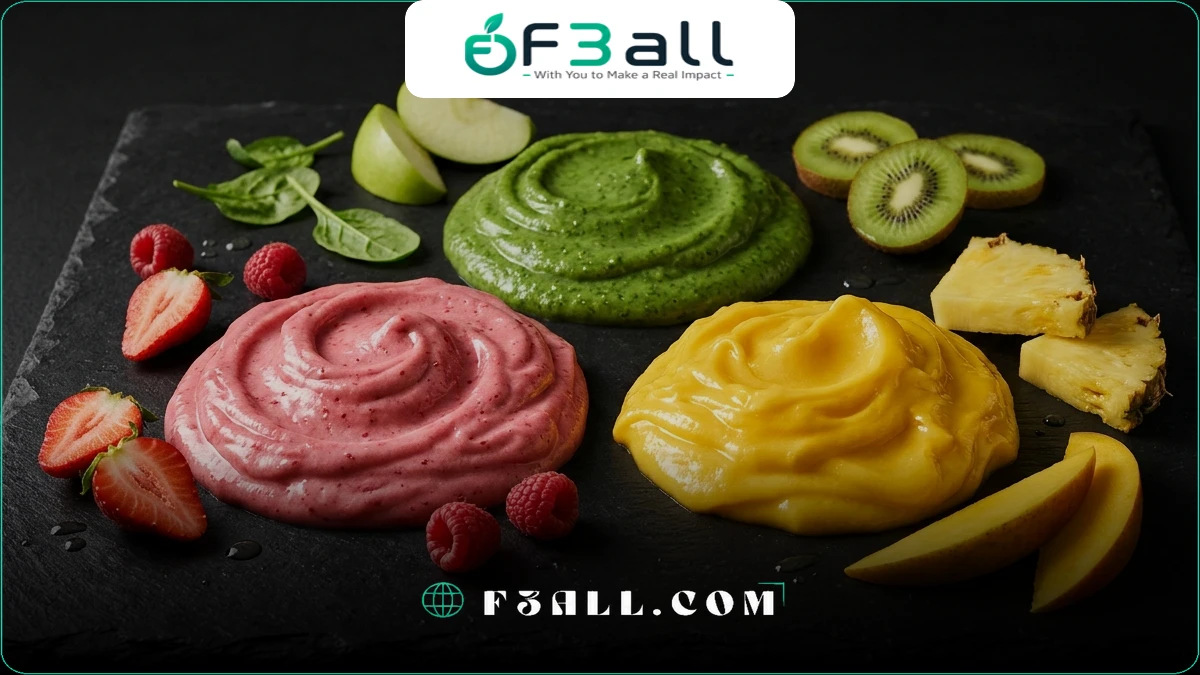
A 7 Day Smoothie Weight Loss Diet Plan is a structured eating approach that incorporates smoothies into a seven-day nutrition schedule.
Rather than consuming only smoothies, the plan in this guide uses one balanced smoothie daily alongside regular meals.
The objective is to make nutritious food choices convenient while maintaining adequate protein, fiber, and overall energy intake.
How the Plan Works
The seven-day approach includes:
- One balanced smoothie each day.
- Protein-rich meals.
- Vegetables and whole grains.
- Appropriate portion sizes.
- Adequate hydration.
- Regular physical activity.
- Consistent eating habits.
Smoothie Diet vs Smoothie-Only Diet
| Feature | Balanced Smoothie Plan | Smoothie-Only Diet |
| Whole Foods | Included daily | Often limited |
| Protein Sources | Smoothies and meals | May be inadequate |
| Fiber | From smoothies and meals | Depends on ingredients |
| Food Variety | Greater | Restricted |
| Long-Term Sustainability | More practical | Often difficult |
| Nutritional Adequacy | Easier to achieve | May be compromised |
Why Seven Days Can Be Useful
A week provides enough time to experiment with ingredients, establish a preparation routine, and identify satisfying smoothie combinations.
However, seven days is not enough to reliably assess long-term fat loss.
Who May Benefit?
This approach may suit adults who want:
- Convenient breakfasts.
- Nutritious snack alternatives.
- More fruit and vegetables.
- Better portion awareness.
- Simple meal-preparation routines.
Individuals with diabetes, kidney disease, food allergies, pregnancy-related nutritional needs, or a history of disordered eating may require personalized guidance.
A balanced smoothie plan is most useful as a way to improve dietary habits, not as a seven-day detox or rapid weight-loss treatment.
7 Day Smoothie Diet Plan Ingredients for Weight Loss
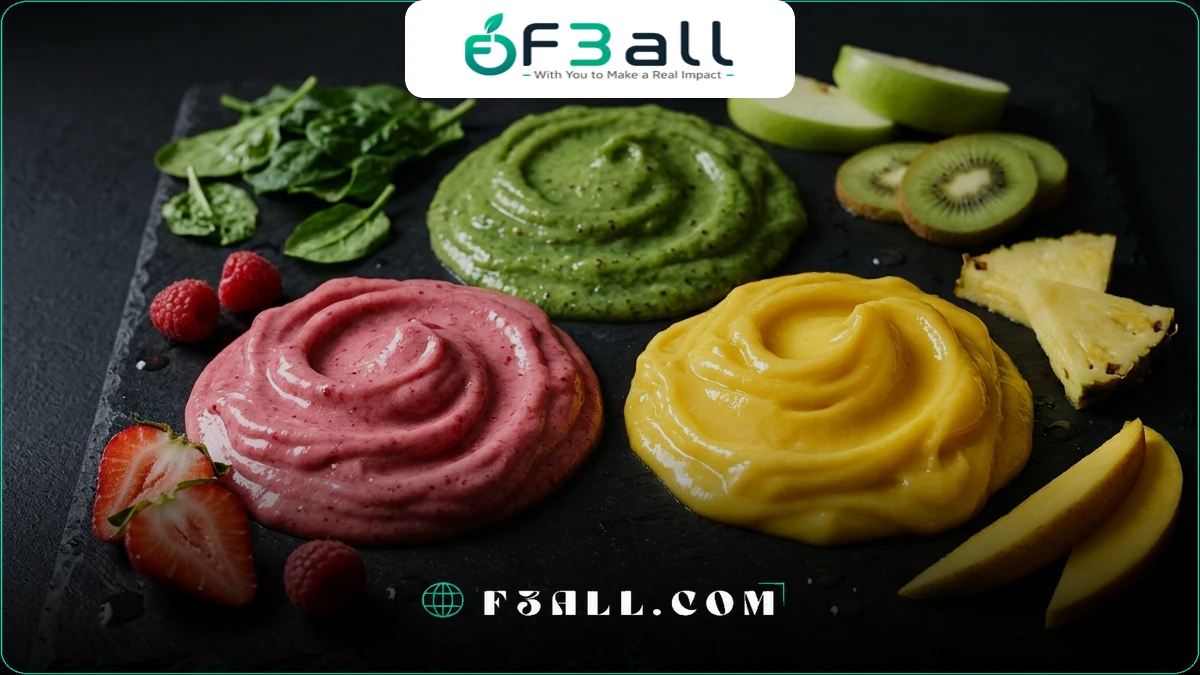
Choosing ingredients carefully is the foundation of a satisfying smoothie.
A smoothie containing only fruit juice and sweetened fruit may be easy to drink but provide little protein or lasting fullness.
A more balanced combination includes protein, fiber, produce, and an appropriate liquid base.
Protein-Rich Ingredients
Protein supports muscle maintenance and can contribute to satiety.
Useful options include:
- Plain Greek yogurt.
- Unsweetened soy milk.
- Cottage cheese.
- Pasteurized milk.
- Silken tofu.
- Unsweetened protein powder, when appropriate.
Fiber-Rich Ingredients
Fiber supports digestive health and can contribute to fullness.
Examples include:
- Rolled oats.
- Chia seeds.
- Ground flaxseed.
- Raspberries.
- Strawberries.
- Spinach.
- Pears.
Fruits
Fruit provides flavor, vitamins, and carbohydrates.
Suitable choices include bananas, berries, mangoes, peaches, and apples.
Whole fruit is generally preferable to fruit juice because it retains more fiber.
Vegetables
Vegetables can add nutrients without making the smoothie excessively sweet.
Examples include spinach, kale, cucumber, and cooked pumpkin.
Liquid Bases
Choose a liquid that fits the recipe’s nutritional goals.
| Ingredient | Example Quantity | Approximate Calories |
| Unsweetened Almond Milk | 1 cup | 30–40 |
| Unsweetened Soy Milk | 1 cup | 80–100 |
| Low-Fat Milk | 1 cup | 100–110 |
| Plain Nonfat Greek Yogurt | 170 g | 95–110 |
| Strawberries | 100 g | 32 |
| Blueberries | 100 g | 57 |
| Banana | 1 medium | 105 |
| Rolled Oats | 30 g | 115 |
| Chia Seeds | 1 tablespoon | 58 |
| Spinach | 30 g | 7 |
These are approximate values. Check product labels and measured quantities for greater accuracy.
A Practical Smoothie Formula
A balanced smoothie can follow this structure:
- One protein source.
- One or two servings of fruit or vegetables.
- One fiber-rich ingredient.
- A suitable liquid base.
- Optional spices or flavorings.
The best smoothie ingredients provide more than sweetness: they help create a drink that contributes meaningful nutrition to the day.
7 Day Smoothie Diet Plan Recipe for Weight Loss
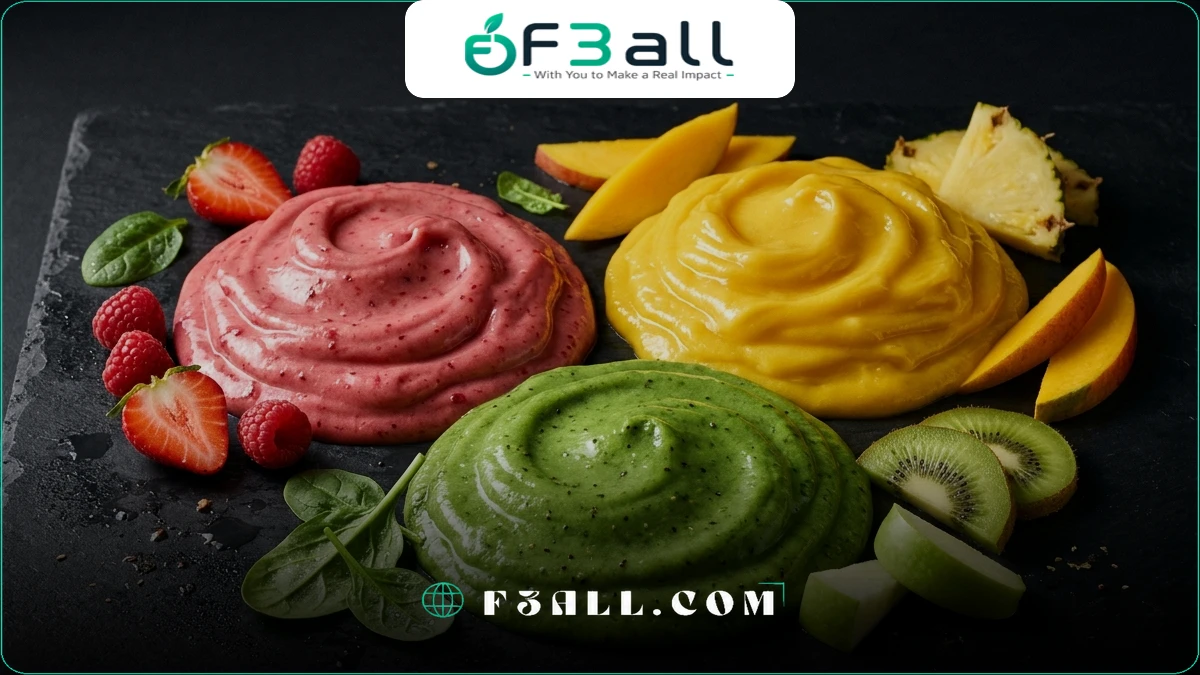
The following seven recipes form the core of the 7 Day Smoothie Weight Loss Diet Plan.
Each recipe makes approximately one serving and can be adjusted for personal energy and nutritional needs.
Calories and protein values are estimates based on typical ingredients. Actual values depend on brands and quantities.
Day 1 – Strawberry Greek Yogurt Smoothie
<text>Ingredients</text>
- 170 g plain nonfat Greek yogurt.
- 100 g strawberries.
- ½ medium banana.
- 1 tablespoon chia seeds.
- ½ cup cold water.
- Ice, optional.
<text>Instructions</text>
- Wash and prepare the strawberries.
- Add the yogurt and water to a blender.
- Add the fruit and chia seeds.
- Blend until smooth.
- Serve immediately.
Estimated calories: 235–260 kcal.
Estimated protein: 19–21 g.
Why It Works: Greek yogurt contributes protein, while strawberries and chia seeds provide fiber.
Day 2 – Green Protein Smoothie
<text>Ingredients</text>
- 1 cup unsweetened soy milk.
- 100 g plain nonfat Greek yogurt.
- 30 g fresh spinach.
- ½ medium banana.
- 1 tablespoon ground flaxseed.
- Ice.
<text>Instructions</text>
- Pour soy milk into the blender.
- Add yogurt and spinach.
- Add banana and flaxseed.
- Blend until creamy.
- Adjust thickness with a little water.
Estimated calories: 240–275 kcal.
Estimated protein: 18–21 g.
Why It Works: Soy milk and yogurt contribute protein, while spinach and flaxseed improve nutritional variety.
Day 3 – Blueberry Oat Breakfast Smoothie
<text>Ingredients</text>
- 170 g plain nonfat Greek yogurt.
- 100 g blueberries.
- 30 g rolled oats.
- ½ cup unsweetened almond milk.
- Cinnamon.
<text>Instructions</text>
- Add almond milk and yogurt to the blender.
- Add blueberries and oats.
- Sprinkle in cinnamon.
- Blend until smooth.
- Let stand briefly if you prefer softer oats.
Estimated calories: 285–320 kcal.
Estimated protein: 21–23 g.
Why It Works: Oats provide complex carbohydrates and fiber, making this a practical breakfast option.
Day 4 – Chocolate Banana Smoothie
<text>Ingredients</text>
- 1 cup unsweetened soy milk.
- 100 g plain nonfat Greek yogurt.
- 1 small banana.
- 1 tablespoon unsweetened cocoa powder.
- 1 tablespoon peanut butter.
<text>Instructions</text>
- Add soy milk and yogurt to the blender.
- Add banana, cocoa, and peanut butter.
- Blend until creamy.
- Serve chilled.
Estimated calories: 320–360 kcal.
Estimated protein: 20–23 g.
Why It Works: This recipe combines protein with a dessert-like flavor without requiring added sugar.
Day 5 – Mango Spinach Smoothie
<text>Ingredients</text>
- 170 g plain nonfat Greek yogurt.
- 100 g mango.
- 30 g spinach.
- 1 tablespoon chia seeds.
- ½ cup cold water.
<text>Instructions</text>
- Add yogurt and water to the blender.
- Add mango and spinach.
- Add chia seeds.
- Blend until smooth.
- Serve immediately.
Estimated calories: 215–245 kcal.
Estimated protein: 19–21 g.
Why It Works: Mango adds natural sweetness while yogurt and chia seeds contribute protein and fiber.
Day 6 – Raspberry Almond Smoothie
<text>Ingredients</text>
- 170 g plain nonfat Greek yogurt.
- 100 g raspberries.
- 1 cup unsweetened almond milk.
- 15 g almond butter.
- 1 tablespoon ground flaxseed.
<text>Instructions</text>
- Add almond milk and yogurt to the blender.
- Add raspberries and almond butter.
- Add flaxseed.
- Blend thoroughly.
- Serve chilled.
Estimated calories: 295–335 kcal.
Estimated protein: 22–25 g.
Why It Works: Raspberries contribute fiber, while yogurt and almond butter provide a satisfying texture.
Day 7 – Apple Cinnamon Oat Smoothie
<text>Ingredients</text>
- 170 g plain nonfat Greek yogurt.
- 1 small apple, cored.
- 25 g rolled oats.
- ½ cup unsweetened soy milk.
- ½ teaspoon cinnamon.
<text>Instructions</text>
- Wash and core the apple.
- Add soy milk and yogurt to the blender.
- Add apple, oats, and cinnamon.
- Blend until smooth.
- Add water if a thinner consistency is preferred.
Estimated calories: 290–330 kcal.
Estimated protein: 22–25 g.
Why It Works: The combination of oats, apple, and protein-rich dairy provides a more balanced breakfast than fruit juice alone.
Seven-Day Smoothie Recipe Comparison
| Day | Smoothie | Estimated Calories | Estimated Protein |
| 1 | Strawberry Greek Yogurt | 235–260 | 19–21 g |
| 2 | Green Protein | 240–275 | 18–21 g |
| 3 | Blueberry Oat | 285–320 | 21–23 g |
| 4 | Chocolate Banana | 320–360 | 20–23 g |
| 5 | Mango Spinach | 215–245 | 19–21 g |
| 6 | Raspberry Almond | 295–335 | 22–25 g |
| 7 | Apple Cinnamon Oat | 290–330 | 22–25 g |
These seven recipes offer variety while providing protein and fiber. Adjust portion sizes according to your overall daily nutrition rather than treating the calorie estimates as fixed targets.
Read more about: Weight Loss After Gallbladder Removal | Diet Guide
Complete 7 Day Smoothie Weight Loss Diet Plan Meal Schedule
A smoothie should complement the rest of the diet rather than replace essential nutrition.
The following schedule pairs one daily smoothie with balanced meals.
Portions should be individualized because energy needs vary significantly.
| Day | Breakfast | Lunch | Dinner | Optional Snack |
| Monday | Strawberry Greek Yogurt Smoothie | Chicken and brown rice bowl | Baked fish, potatoes, broccoli | Apple |
| Tuesday | Green Protein Smoothie | Lentil soup and whole-grain toast | Chicken salad with quinoa | Cottage cheese |
| Wednesday | Blueberry Oat Smoothie | Tuna and vegetable wrap | Tofu stir-fry with rice | Orange |
| Thursday | Chocolate Banana Smoothie | Chickpea and vegetable bowl | Salmon with sweet potato | Berries |
| Friday | Mango Spinach Smoothie | Chicken salad sandwich | Lentil and vegetable stew | Plain yogurt |
| Saturday | Raspberry Almond Smoothie | Turkey or tofu grain bowl | Baked chicken with vegetables | Fruit |
| Sunday | Apple Cinnamon Oat Smoothie | Bean and rice bowl | Grilled fish with roasted vegetables | Nuts |
Why This Meal Schedule Is More Balanced
The plan includes:
- Protein sources throughout the day.
- Vegetables at lunch and dinner.
- Fiber-rich grains and legumes.
- Healthy fats.
- A variety of fruits.
- Flexible snacks when needed.
Can You Drink Two Smoothies a Day?
Some people may incorporate two smoothies, but doing so can reduce dietary variety and make it harder to meet nutritional needs if the smoothies are poorly balanced.
There is no requirement to replace multiple meals to lose weight.
Can You Swap Lunch and Dinner?
Yes.
Meal timing and order can be adjusted according to personal preferences and work schedules.
How to Adjust the Plan for Vegetarians
Use tofu, beans, lentils, eggs, dairy, or appropriate plant-based alternatives to meet protein needs.
A complete seven-day plan works best when smoothies are only one part of a varied, satisfying eating pattern.
7 Day Smoothie Diet Plan Calories and Portion Sizes
Understanding calories is important because smoothies can range from fewer than 150 calories to more than 700 calories depending on the ingredients.
A smoothie is not automatically low-calorie simply because it contains fruit.
Common Ingredients That Increase Calories
- Nut butter.
- Large quantities of nuts.
- Sweetened yogurt.
- Fruit juice.
- Honey.
- Syrups.
- Large amounts of oats.
- Multiple bananas.
These foods are not inherently unhealthy, but their quantities affect the total energy content.
Example Smoothie Calorie Calculation
Consider a smoothie containing:
| Ingredient | Approximate Calories |
| Plain Greek Yogurt, 170 g | 100 |
| Blueberries, 100 g | 57 |
| Rolled Oats, 30 g | 115 |
| Unsweetened Almond Milk, ½ cup | 15 |
| Cinnamon | Negligible |
| Total | 287 |
What Is a Suitable Smoothie Calorie Range?
There is no universal target.
A smoothie used as a small snack may need a different energy content from one used as breakfast.
For example:
- A light snack smoothie may provide approximately 150–250 calories.
- A more substantial breakfast smoothie may provide 250–450 calories or more.
These are illustrative ranges, not rules or prescribed calorie limits.
Why Protein Matters
A smoothie containing 300 calories and meaningful protein may be more satisfying than a similarly sized drink composed mainly of juice and sugar.
Why Fiber Matters
Fiber-rich ingredients such as oats, berries, and chia seeds can support fullness.
How to Control Portions
- Measure calorie-dense ingredients.
- Use whole fruit instead of large amounts of juice.
- Choose plain yogurt.
- Include an appropriate protein source.
- Adjust liquid quantities for texture.
- Consider the smoothie within your total daily intake.
The most useful calorie strategy is to build a balanced smoothie that fits your needs rather than automatically choosing the lowest-calorie option.
Healthy 7 Day Smoothie Diet Plan Recipe Variations
A healthy 7 Day Smoothie Diet Plan Recipe can be adapted to accommodate different dietary preferences.
The nutritional quality depends on the overall combination of ingredients.
High-Protein Variation
Combine:
- Plain Greek yogurt.
- Unsweetened soy milk.
- Berries.
- Ground flaxseed.
This combination can provide substantial protein without requiring a supplement.
Dairy-Free Variation
Combine:
- Unsweetened soy milk.
- Silken tofu.
- Strawberries.
- Oats.
This provides plant-based protein and carbohydrates.
Higher-Fiber Variation
Combine:
- Raspberries.
- Oats.
- Chia seeds.
- Plain yogurt.
- Water.
Increase fiber gradually and maintain adequate fluid intake.
Lower-Calorie Variation
Use:
- Plain nonfat Greek yogurt.
- Strawberries.
- Spinach.
- Water.
Adjust quantities to fit the smoothie’s intended role as a snack or meal component.
Nut-Free Variation
Replace almond milk with a suitable nut-free beverage and omit nut butter.
Always verify ingredient labels for allergies.
Variation Comparison
| Variation | Main Feature | Suitable Preference |
| High-Protein | More protein | Muscle maintenance |
| Dairy-Free | No dairy ingredients | Dairy avoidance |
| Higher-Fiber | Oats and seeds | Fiber intake |
| Lower-Calorie | Smaller energy contribution | Light snack |
| Nut-Free | Avoids nuts | Nut allergy considerations |
Recipe variations make the seven-day plan more flexible without requiring restrictive food rules or expensive specialty products.
Low Calorie 7 Day Smoothie Diet Plan
A Low Calorie 7 Day Smoothie Diet Plan may appeal to people who want to manage their energy intake.
However, excessively low calorie intake can compromise nutrition, reduce energy, and make weight management difficult to sustain.
Building a Lower-Calorie Smoothie
Consider:
- Whole berries instead of juice.
- Plain yogurt instead of sweetened yogurt.
- Water or unsweetened milk alternatives.
- Measured quantities of seeds.
- Smaller portions of calorie-dense additions.
Example Lower-Calorie Smoothie
Ingredients
- 100 g strawberries.
- 100 g plain nonfat Greek yogurt.
- 30 g spinach.
- ½ cup unsweetened almond milk.
- Cold water and ice.
Estimated calories: Approximately 105–130 kcal.
This is more appropriate as a light snack than a nutritionally complete meal for most adults.
Why Very Low-Calorie Smoothies Are Not Complete Meals
A very small smoothie may not provide enough:
- Energy.
- Protein.
- Essential fats.
- Fiber.
- Vitamins and minerals.
Low-Calorie vs Balanced Smoothie
| Feature | Very Light Smoothie | Balanced Breakfast Smoothie |
| Calories | Often lower | Usually higher |
| Protein | May be limited | Intentionally included |
| Fiber | Depends on ingredients | Can be substantial |
| Meal Replacement Suitability | Often inadequate | Depends on full composition |
| Satiety | May be limited | Potentially greater |
Avoiding Excessive Restriction
A calorie deficit should be appropriate for individual needs.
Very-low-calorie diets require medical supervision in relevant clinical circumstances.
A low-calorie smoothie can be a convenient snack, but the goal should be adequate nutrition rather than minimizing calories at every opportunity.
7 Day Smoothie Diet Plan Without Sugar
A 7 Day Smoothie Diet Plan Without Sugar requires careful interpretation because whole fruit and dairy naturally contain sugars.
There is a difference between avoiding added sugar and consuming absolutely no sugar.
For most people, a no-added-sugar smoothie is a more practical goal.
Ingredients to Avoid When Reducing Added Sugar
- Honey.
- Maple syrup.
- Sweetened condensed milk.
- Sweetened flavored yogurt.
- Added sugar.
- Sweetened syrups.
- Sweetened drink mixes.
Naturally Occurring Sugars
Fruit contains natural sugars alongside vitamins and other nutrients.
Milk and yogurt may contain naturally occurring lactose.
These foods can still fit into a balanced eating pattern.
No-Added-Sugar Berry Smoothie
Ingredients
- 170 g plain Greek yogurt.
- 100 g raspberries.
- ½ cup unsweetened soy milk.
- 1 tablespoon chia seeds.
- Ice.
Preparation
- Add yogurt and soy milk to a blender.
- Add raspberries and chia seeds.
- Blend until smooth.
- Serve chilled.
No-Added-Sugar Smoothie Comparison
| Ingredient | Contains Added Sugar? | Consideration |
| Whole Strawberries | No | Naturally occurring sugars |
| Plain Greek Yogurt | Usually no | Contains lactose |
| Unsweetened Soy Milk | Usually no | Check label |
| Honey | Yes, when added | Adds free sugars |
| Flavored Sweetened Yogurt | Often yes | Check label |
| Unsweetened Cocoa | No | Adds flavor |
Is a Sugar-Free Smoothie Better for Weight Loss?
Not automatically.
Weight management depends on the complete eating pattern and overall energy balance.
A no-added-sugar smoothie can still contain substantial calories from nuts, seeds, and other ingredients.
Reducing added sugar can be a useful dietary choice, but a balanced smoothie should still provide adequate protein and fiber.
Read more about: Post Menopause Weight Loss | Explore Tips & Diet Plans
7 Day Smoothie Diet Plan Meal Prep
Meal preparation is one of the most useful ways to make a smoothie routine easier.
Preparing ingredients in advance can save time without requiring you to store fully blended smoothies for an entire week.
Step 1 – Choose Seven Recipes
Select smoothies with overlapping ingredients to simplify grocery shopping.
Step 2 – Prepare Fruit
Wash and cut fruit as appropriate.
Step 3 – Portion Ingredients
Divide suitable fruit and vegetable ingredients into freezer-safe containers.
Step 4 – Freeze Smoothie Packs
Freeze ingredients that tolerate freezing well.
Step 5 – Add Fresh Ingredients When Blending
Add yogurt, milk, water, and other perishable ingredients when ready to prepare the smoothie.
Example Meal-Prep Schedule
| Preparation Task | Suggested Timing |
| Buy Ingredients | Before the week starts |
| Wash Produce | After shopping |
| Portion Frozen Fruit | Once weekly |
| Prepare Dry Ingredients | Once weekly |
| Blend Smoothies | On the day of use |
| Clean Blender | After each use |
Can You Store a Blended Smoothie Overnight?
A blended smoothie may be refrigerated for short-term storage, but quality and food safety depend on the ingredients, preparation conditions, and temperature.
For best texture, freshly blended smoothies are preferable.
Refrigerate promptly at 40°F (4°C) or below, and follow applicable food-safety guidance.
Can You Freeze Smoothies?
Yes, many smoothies can be frozen.
However, texture may change after thawing.
Freezing pre-portioned ingredients often produces a better result than freezing a finished drink.
Grocery List for Seven Days
Fruit
- Strawberries.
- Blueberries.
- Raspberries.
- Bananas.
- Mango.
- Apples.
Vegetables
- Spinach.
Protein Sources
- Plain Greek yogurt.
- Unsweetened soy milk.
Fiber and Healthy Fat Sources
- Rolled oats.
- Chia seeds.
- Ground flaxseed.
- Peanut butter.
- Almond butter.
Other Ingredients
- Unsweetened almond milk.
- Unsweetened cocoa powder.
- Cinnamon.
Meal preparation can reduce daily effort and make the seven-day smoothie plan easier to follow consistently.
7 Day Smoothie Diet Plan Weight Loss Results
People searching for 7 Day Smoothie Diet Plan Weight Loss Results often want to know how many pounds they can lose in one week.
There is no reliable amount of weight loss guaranteed by consuming smoothies.
Results depend on total energy intake, activity, starting weight, medications, and individual physiology.
What May Happen in Seven Days?
Possible changes include:
- Better meal-planning consistency.
- Increased fruit and vegetable intake.
- Reduced consumption of sugary beverages.
- Improved portion awareness.
- Changes in digestive patterns.
- Fluctuations in body weight.
Why the Scale May Change Quickly
Short-term body-weight changes may reflect:
- Water balance.
- Glycogen storage.
- Sodium intake.
- Digestive contents.
- Menstrual-cycle changes.
- Actual fat loss.
What Is a Realistic Weekly Weight-Loss Rate?
For many adults who would benefit from weight loss, a commonly recommended gradual rate is approximately 1–2 pounds per week.
However, this is not an appropriate target for everyone, and results cannot be guaranteed.
Claims vs Evidence
| Popular Claim | Evidence-Based Interpretation |
| Smoothies Automatically Burn Fat | Not supported |
| Seven Days Guarantees Weight Loss | Not supported |
| Balanced Smoothies Can Support Nutrition | Yes |
| Replacing Sugary Drinks May Reduce Calories | Possible |
| Smoothies Target Belly Fat | Not supported |
| Weight Changes May Include Water | Yes |
| Long-Term Habits Matter | Yes |
How to Track Progress
Consider monitoring:
- Consistency with balanced meals.
- Protein and fiber intake.
- Fruit and vegetable consumption.
- Energy levels.
- Physical activity.
- Weight trends over time, if appropriate.
Why Seven Days Is Only a Starting Point
A one-week plan is useful for establishing habits, but long-term weight management generally requires sustained changes.
The most meaningful seven-day result may be developing a practical eating routine rather than reaching a specific number on the scale.
Best 7 Day Smoothie Diet Plan for Weight Loss
The Best 7 Day Smoothie Diet Plan for Weight Loss is not necessarily the plan with the fewest calories or the largest number of smoothies.
A useful plan provides adequate nutrition, flexibility, and realistic expectations.
Characteristics of a Balanced Plan
- Includes protein-rich smoothies.
- Uses whole fruit and vegetables.
- Contains fiber.
- Avoids unnecessary added sugar.
- Includes regular balanced meals.
- Fits individual energy needs.
- Allows flexibility.
- Does not promise rapid fat loss.
Comparing Popular Smoothie Approaches
| Approach | Potential Advantage | Main Limitation |
| One Smoothie Daily | Convenient and flexible | Requires balanced meals |
| Smoothie Breakfast Plan | Easy morning preparation | Breakfast must be adequate |
| Smoothie Snack Plan | May replace sugary snacks | Some recipes are low in protein |
| Two Smoothies Daily | Convenient for some people | Less food variety |
| Smoothie-Only Cleanse | Simple rules | Nutritional inadequacy risk |
| Balanced Whole-Food Plan | Greater dietary variety | More meal preparation |
Why Smoothie-Only Cleanses Are Not Recommended
Smoothie-only diets may restrict:
- Complete protein.
- Essential fats.
- Energy intake.
- Food variety.
- Certain vitamins and minerals.
They can also encourage unrealistic expectations about detoxification and rapid weight loss.
Does Blending Destroy Fiber?
Blending generally retains much of the fiber present in whole ingredients, unlike juicing, which often removes much of the pulp.
However, a smoothie may be consumed more quickly than whole fruit, and satiety responses vary.
Is Homemade Better Than Store-Bought?
Homemade smoothies allow greater control over ingredients and portions.
Store-bought smoothies can also fit into a balanced diet, but nutrition labels should be reviewed for serving size, calories, protein, and added sugar.
The best smoothie plan is one that supports balanced nutrition and remains practical after the seven days end.
Best Time to Drink Smoothies for Weight Loss
There is no single time of day when smoothies produce greater fat loss.
Timing should depend on the purpose of the smoothie and your overall eating schedule.
Breakfast
A protein-rich smoothie can be a convenient breakfast.
Mid-Morning
A smaller smoothie may work as a snack.
Afternoon
A smoothie may replace a less nutritious or more calorie-dense snack.
After Exercise
A smoothie containing protein and carbohydrates can contribute to post-exercise nutrition.
Evening
A smoothie can be consumed in the evening if it fits your nutritional needs.
Timing Comparison
| Time | Potential Use | Main Consideration |
| Breakfast | Convenient meal | Include sufficient nutrients |
| Mid-Morning | Light snack | Consider hunger |
| Afternoon | Snack alternative | Portion size matters |
| Post-Exercise | Recovery nutrition | Protein and carbohydrates |
| Evening | Optional snack | Overall intake matters |
Should You Drink Smoothies on an Empty Stomach?
There is no established weight-loss advantage to drinking smoothies on an empty stomach.
Can You Drink a Smoothie Before Bed?
Yes, if it suits your schedule and nutritional needs.
The time alone does not determine whether body weight increases or decreases.
Choose smoothie timing according to convenience, hunger, and nutritional needs rather than unsupported fat-burning claims.
Read more about: Fruit Shakes for Weight Loss | Healthy Smoothie Guide
Can a 7 Day Smoothie Diet Plan Reduce Belly Fat?
A 7 Day Smoothie Weight Loss Diet Plan cannot selectively burn abdominal fat.
The body loses fat according to broader physiological processes, and fat distribution is influenced by genetics, hormones, and other factors.
Understanding Abdominal Fat
Abdominal fat includes:
- Subcutaneous fat beneath the skin.
- Visceral fat around internal organs.
Can Smoothies Target Visceral Fat?
No particular smoothie has been established as a treatment that specifically removes visceral fat.
What Supports Overall Fat Reduction?
- Appropriate calorie intake.
- Regular aerobic activity.
- Resistance training.
- Balanced nutrition.
- Adequate sleep.
- Sustainable habits.
Common Belly-Fat Myths
| Claim | Reality |
| Green Smoothies Melt Belly Fat | Not established |
| Lemon Smoothies Detox Body Fat | Not supported |
| Protein Smoothies Automatically Burn Fat | No |
| Calorie Balance Matters | Yes |
| Strength Training Supports Body Composition | Yes |
| One Week Guarantees Visible Abdominal Changes | No |
Why Waist Measurements May Change
Short-term waist changes can reflect bloating, digestive contents, fluid balance, and other factors in addition to fat loss.
Smoothies can contribute to a balanced eating pattern, but reducing belly fat requires broader, sustainable lifestyle changes.
Common Mistakes in a 7 Day Smoothie Weight Loss Diet Plan
Several mistakes can reduce the nutritional quality of a smoothie plan or create unrealistic expectations.
Mistake 1 – Using Only Fruit Juice
Fruit juice can add calories and sugar without providing the same fiber as whole fruit.
Better Approach: Use whole fruit and a suitable liquid base.
Mistake 2 – Forgetting Protein
Fruit-only smoothies may provide very little protein.
Better Approach: Add yogurt, soy milk, tofu, or another appropriate source.
Mistake 3 – Adding Too Much Nut Butter
Nut butter provides useful nutrients but is calorie-dense.
Better Approach: Measure portions.
Mistake 4 – Replacing Every Meal
Smoothie-only diets may compromise nutritional adequacy.
Better Approach: Include balanced meals.
Mistake 5 – Assuming Natural Means Low-Calorie
Honey, dates, nuts, and fruit can contribute substantial energy.
Better Approach: Consider total ingredient quantities.
Mistake 6 – Expecting Detoxification
There is no convincing evidence that smoothie cleanses remove toxins or cause special fat loss.
Better Approach: Focus on ordinary nutritional benefits.
Mistake 7 – Ignoring Food Safety
Improperly stored smoothies can spoil.
Better Approach: Wash produce, refrigerate promptly, and prepare safely.
Mistake Comparison
| Mistake | Better Strategy |
| Too Much Juice | Use whole fruit |
| Too Little Protein | Add protein-rich ingredients |
| Unmeasured Nut Butter | Measure portions |
| Smoothie-Only Diet | Include balanced meals |
| Excessive Calories | Review ingredients |
| Detox Expectations | Focus on nutrition |
| Poor Storage | Follow food-safety guidance |
Avoiding these mistakes makes a seven-day smoothie routine more nutritious, realistic, and convenient.
How to Continue After the Seven-Day Smoothie Plan
The end of seven days should not mean returning to an eating pattern that is difficult to maintain.
Instead, identify the recipes and habits that worked well.
Keep Your Favorite Smoothies
Choose two or three recipes that you enjoy and can prepare regularly.
Maintain Dietary Variety
Continue eating whole fruits, vegetables, grains, legumes, protein-rich foods, and healthy fats.
Include Physical Activity
For most adults, general guidelines recommend at least 150 minutes of moderate-intensity aerobic activity weekly and muscle-strengthening activity on at least two days.
Review Portion Sizes
Adjust portions according to energy needs, hunger, and activity.
Plan for Busy Days
Keep frozen smoothie ingredients available for convenient preparation.
Long-Term Smoothie Routine
| Habit | Long-Term Benefit |
| Balanced Smoothies | Convenient nutrition |
| Whole-Food Meals | Dietary variety |
| Adequate Protein | Muscle maintenance |
| Fiber-Rich Foods | Digestive health |
| Regular Exercise | Fitness |
| Meal Preparation | Consistency |
| Flexible Eating | Sustainability |
When to Seek Professional Guidance
A registered dietitian can help personalize a plan for diabetes, kidney disease, pregnancy, food allergies, or other nutritional considerations.
The best result of a seven-day plan is a set of healthy habits that remain useful over the following weeks and months.
Why F3all Is Your Best Choice

At F3all, the 7 Day Smoothie Weight Loss Diet Plan focuses on practical recipes, balanced nutrition, realistic expectations, and sustainable eating habits.
The goal is to make smoothie preparation simple while avoiding exaggerated promises about rapid weight loss or detoxification.
- Seven Complete Recipes: A different smoothie for each day.
- Ingredient Measurements: Clear quantities for easy preparation.
- Calorie Estimates: Practical information for portion awareness.
- Protein and Fiber: Recipes designed with nutritional balance in mind.
- No-Added-Sugar Options: Flexible ingredient substitutions.
- Meal Prep Guidance: Convenient preparation and storage tips.
- Complete Meal Schedule: Smoothies combined with regular meals.
- Realistic Results: Evidence-based expectations without guaranteed transformations.
Explore more nutrition, healthy eating, and weight-management resources through F3all.
F3all helps readers turn simple recipes into practical habits that support everyday nutrition and long-term health.
Frequently Asked Questions
Can You Lose Weight on a 7 Day Smoothie Weight Loss Diet Plan?
Weight loss may occur if overall energy intake is appropriately below expenditure, but smoothies themselves do not guarantee weight loss. Individual results vary.
How Much Weight Can You Lose on a Seven-Day Smoothie Diet?
There is no guaranteed amount. Short-term scale changes may reflect water balance and digestive contents as well as fat loss.
Can I Drink Only Smoothies for Seven Days?
A smoothie-only diet is generally not recommended because it may fail to provide adequate energy, protein, essential fats, and other nutrients.
What Is the Best Smoothie for Weight Loss?
A balanced smoothie containing protein, whole fruit or vegetables, and fiber-rich ingredients is generally more useful than a drink made mainly from fruit juice.
How Many Calories Should a Weight-Loss Smoothie Have?
It depends on whether the smoothie is a snack or meal and on individual energy needs. There is no single calorie target suitable for everyone.
Can I Make Smoothies Without Added Sugar?
Yes. Use whole fruit, plain yogurt, unsweetened milk alternatives, and avoid honey, syrups, or sweetened products.
Are Green Smoothies Better for Weight Loss?
Not necessarily. Green smoothies can provide vegetables and nutrients, but their effect on weight depends on total ingredients and the overall diet.
Can I Prepare Seven Days of Smoothies in Advance?
You can portion and freeze suitable ingredients for the week. Freshly blending each serving generally provides better quality than storing finished smoothies for seven days.
Do Smoothies Burn Belly Fat?
No. There is no convincing evidence that smoothies selectively burn abdominal fat.
What Should I Eat With Smoothies During the Seven-Day Plan?
Include balanced meals containing protein, vegetables, whole grains or other suitable carbohydrates, healthy fats, and adequate overall energy.
In the End
A 7 Day Smoothie Weight Loss Diet Plan can be a convenient way to add more fruit, vegetables, protein, and fiber to your daily routine.
The seven recipes in this guide provide different flavors, practical ingredient measurements, and estimated calories to help you prepare balanced smoothies at home.
However, smoothies are not a shortcut to rapid fat loss, and replacing every meal with a blended drink is not necessary or advisable for most people.
The most sustainable approach is to enjoy one nutritious smoothie alongside regular meals, appropriate portions, physical activity, and consistent sleep.
Use the seven days to discover which recipes you enjoy, improve your meal-preparation routine, and develop habits that support long-term health.
Start with Day 1, prepare your ingredients, and make balanced smoothies a convenient part of your eating routine.
References