Protein Powder Weight Loss | Discover Smart Tips Today.
Protein Powder Weight Loss is a popular topic among people who want to manage their calorie intake, maintain muscle, and increase daily protein consumption. Protein powders offer a convenient way to supplement meals, particularly when obtaining enough protein from ordinary foods is difficult. However, protein powder does not automatically burn fat or guarantee weight reduction. Its usefulness depends on your overall calorie intake, protein requirements, exercise habits, and the ingredients in the product.
This guide explains protein powder calories, nutritional differences, serving sizes, and realistic benefits. You’ll also discover practical recipes, a seven-day diet plan, timing recommendations, and comparisons with whole-food protein sources to help you make informed choices.
Protein Powder Weight Loss – How Protein Supplements Work
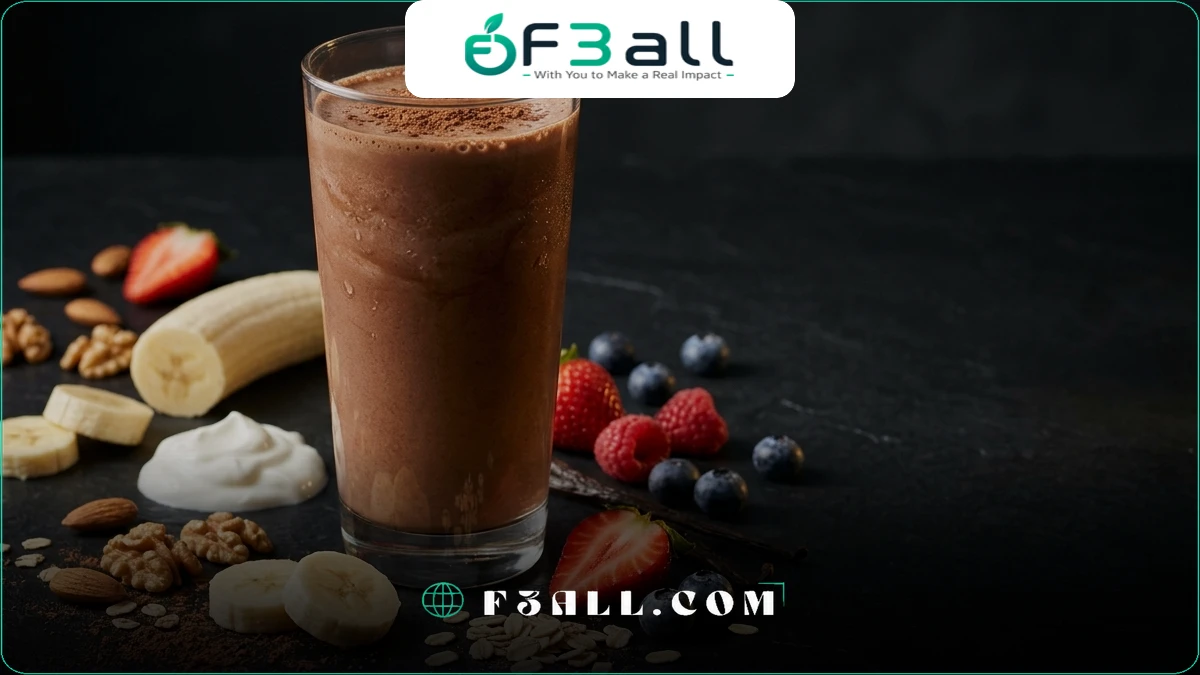
Protein powder is a concentrated source of dietary protein produced from ingredients such as milk, soybeans, peas, or other foods.
Manufacturers process these ingredients into powders that can be mixed with water, milk, yogurt, or other foods.
Protein powder is primarily a nutritional supplement rather than a weight-loss medication.
How Protein Supports Weight Management
Protein contributes to several functions relevant to weight management:
- Maintaining and repairing body tissues.
- Supporting muscle maintenance during calorie restriction.
- Contributing to meal satisfaction.
- Supporting recovery after resistance training.
- Helping people meet daily protein requirements.
However, consuming additional protein does not guarantee weight loss.
Does Protein Powder Burn Fat?
No.
Protein powder does not directly burn body fat.
Weight reduction generally requires a sustained calorie deficit, meaning energy intake remains below energy expenditure over time.
How Protein Powder Can Fit Into a Diet
Protein powder may be useful when it replaces a less nutritious or higher-calorie option, helps meet protein requirements, or provides a convenient source of protein after exercise.
Adding protein powder to an already adequate diet without adjusting total calories may simply increase energy intake.
Common Types of Protein Powder
| Type | Main Source | General Characteristics |
| Whey Protein | Milk | Complete Protein |
| Whey Isolate | Milk | Usually Higher Protein Concentration |
| Casein Protein | Milk | Digests More Slowly |
| Soy Protein | Soybeans | Complete Plant Protein |
| Pea Protein | Peas | Plant-Based Option |
| Rice Protein | Rice | Often Combined With Other Proteins |
| Protein Blends | Multiple Sources | Composition Varies |
Protein powder can support a weight-management routine, but its benefits depend on how it fits into your complete eating pattern.
Protein Powder Calories for Weight Loss – Understanding Energy Intake
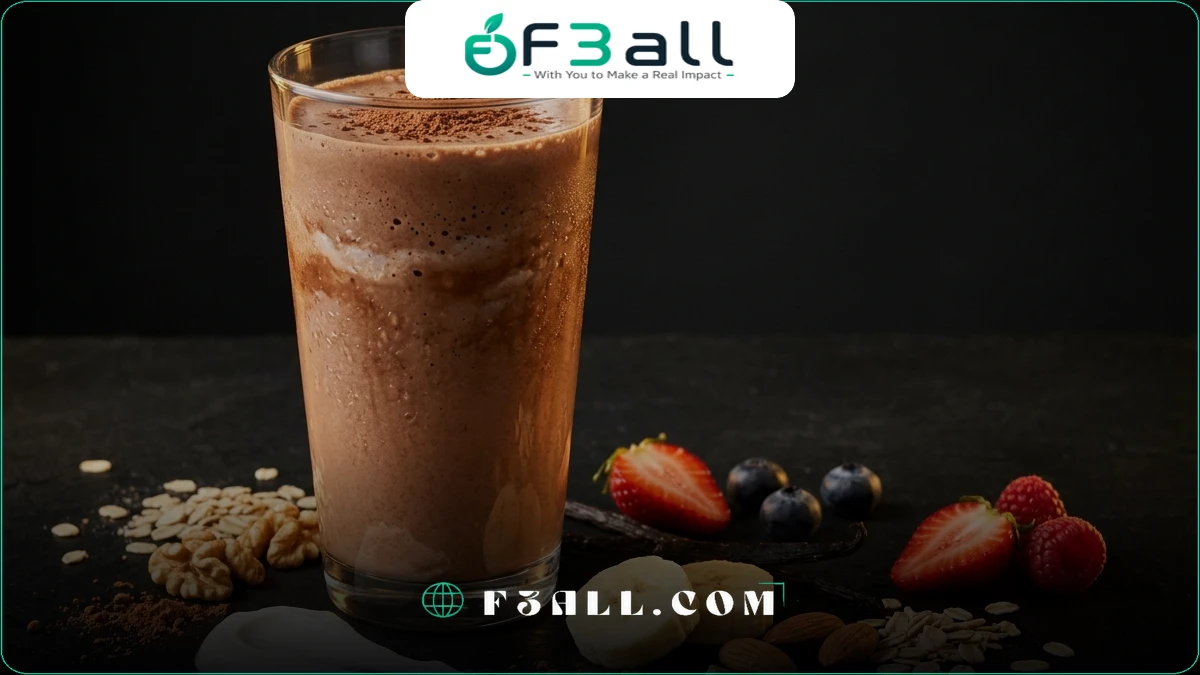
Protein Powder Calories for Weight Loss depend on the product, serving size, and additional ingredients.
Two protein powders may provide similar protein amounts but different calorie totals.
Typical Protein Powder Calories
| Protein Powder | Typical Serving | Approximate Calories | Protein |
| Whey Concentrate | 30 g | 110–130 | 20–24 g |
| Whey Isolate | 30 g | 100–120 | 24–27 g |
| Casein | 30 g | 105–130 | 22–26 g |
| Soy Protein | 30 g | 105–130 | 22–26 g |
| Pea Protein | 30 g | 110–140 | 20–25 g |
| Plant Protein Blend | 30 g | 110–150 | 20–25 g |
These are general estimates. Product labels provide more accurate information.
Why Protein Powder Contains Calories
Protein provides approximately four calories per gram.
A powder containing 25 grams of protein supplies approximately 100 calories from protein alone.
Additional calories may come from carbohydrates and fats.
Protein Shake Calorie Comparison
| Preparation | Illustrative Calories |
| Protein Powder With Water | 110–130 |
| Protein Powder With Almond Milk | 140–170 |
| Protein Powder With Skim Milk | 190–220 |
| Protein Powder With Banana | 210–250 |
| Protein Powder With Peanut Butter | 200–300 |
| Protein Powder With Oats and Milk | 300–450 |
The exact total depends on ingredient quantities.
Is a Lower-Calorie Protein Powder Better?
Not necessarily.
Protein concentration, digestibility, ingredients, and individual tolerance also matter.
Can a 300-Calorie Protein Shake Support Weight Loss?
Yes.
A 300-calorie shake can fit into an appropriate calorie-controlled eating pattern.
Choose protein powder according to its nutritional value and how its calories fit into your daily requirements.
Protein Powder Nutrition for Weight Loss – Reading the Nutrition Label
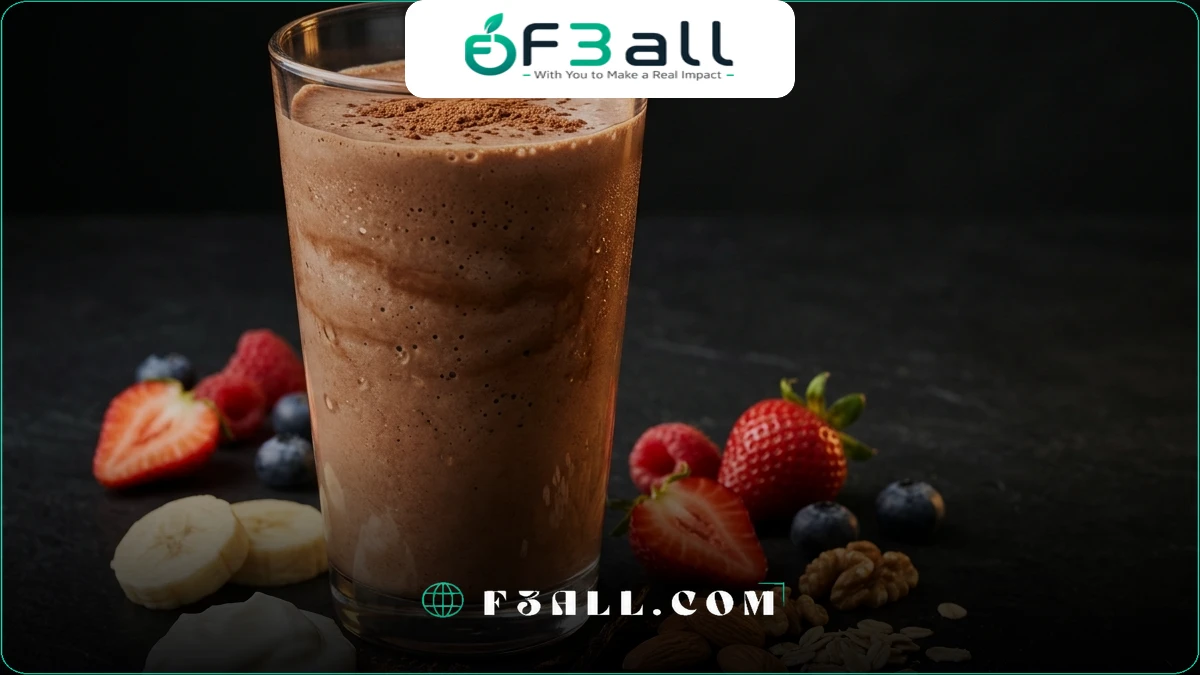
Protein Powder Nutrition for Weight Loss involves more than checking the number of grams of protein.
A useful product comparison should also consider calories, carbohydrates, fats, added sugars, sodium, and ingredient quality.
Important Nutrition Label Details
Protein per serving: Indicates how much protein the product contributes.
Calories: Helps determine how the product fits into daily energy intake.
Carbohydrates: Vary depending on formulation and added ingredients.
Fat: May be present in different amounts depending on the protein source.
Added sugars: Some flavored products contain sweeteners that increase calories.
Serving size: Determines the amount of powder used for the listed nutrition values.
Example Product Comparison
| Nutrient | Powder A | Powder B |
| Calories | 120 | 160 |
| Protein | 25 g | 22 g |
| Carbohydrates | 2 g | 12 g |
| Fat | 1 g | 3 g |
| Added Sugar | 0 g | 7 g |
These are hypothetical products used for comparison.
Protein Concentration
Protein concentration refers to the proportion of the powder’s weight supplied by protein.
For example:
25 grams of protein ÷ 30 grams of powder × 100 = approximately 83% protein by weight.
A higher concentration may be useful, but it does not automatically mean the product is healthier.
What About Amino Acids?
Proteins are made of amino acids.
Some protein sources provide all nine essential amino acids in proportions suitable for human needs.
Whey, casein, and soy are examples of complete proteins.
Are Added Vitamins Necessary?
Not always.
Fortified protein powders may contain vitamins and minerals, but more added nutrients do not necessarily improve weight-loss outcomes.
Read the entire nutrition label instead of selecting a product based only on its protein content.
Read more about: Low Calorie Protein Shakes for Weight Loss | Try Recipes
Protein Powder Benefits for Weight Loss – What the Evidence Supports
Protein Powder Benefits for Weight Loss are primarily related to protein intake, meal satisfaction, and muscle maintenance.
The effects depend on individual circumstances and overall dietary habits.
1. Convenient Protein Intake
Protein powder can help people meet daily protein requirements when food preparation is difficult.
2. Muscle Maintenance
Adequate protein, particularly alongside resistance training, can support muscle maintenance during weight reduction.
3. Meal Satisfaction
Protein-containing meals may contribute to fullness.
However, responses vary, and liquid shakes may be less satisfying than solid meals for some people.
4. Exercise Recovery
Protein contributes to tissue repair and adaptation following exercise.
5. Meal Preparation Convenience
Protein powder can be added to smoothies, yogurt, and oatmeal.
Benefits and Limitations
| Potential Benefit | Important Limitation |
| Convenient Protein | Not Necessary for Everyone |
| Supports Muscle Maintenance | Exercise and Overall Nutrition Matter |
| May Improve Satiety | Individual Responses Vary |
| Useful After Training | Timing Is Not Everything |
| Easy Meal Preparation | Calories Still Count |
Does Protein Powder Increase Metabolism?
Protein has a higher thermic effect than carbohydrates or fat, meaning the body uses energy during digestion and metabolism.
However, this does not mean protein powder causes substantial or guaranteed weight loss.
Is Protein Powder Better Than Food?
No.
Whole foods provide additional nutrients, fiber, and other dietary components.
Protein powder is most useful as a convenient supplement to balanced meals rather than a replacement for nutritious foods.
Protein Powder Serving Size for Weight Loss – How Much Should You Use?
Protein Powder Serving Size for Weight Loss depends on your daily protein requirements and how much protein you already obtain from food.
There is no universal serving size specifically proven to cause weight loss.
Typical Serving Sizes
Many protein powders use serving sizes of approximately 25–35 grams of powder.
However, one scoop does not always equal 30 grams.
Check the product label.
Daily Protein Requirements
The general adult Recommended Dietary Allowance is approximately 0.8 grams of protein per kilogram of body weight per day.
Some physically active adults may benefit from higher intakes depending on training and health.
Protein Calculation Examples
| Body Weight | 0.8 g/kg | 1.2 g/kg | 1.6 g/kg |
| 60 kg | 48 g | 72 g | 96 g |
| 70 kg | 56 g | 84 g | 112 g |
| 80 kg | 64 g | 96 g | 128 g |
| 90 kg | 72 g | 108 g | 144 g |
| 100 kg | 80 g | 120 g | 160 g |
These calculations illustrate different protein intakes and are not personalized prescriptions.
Example Daily Protein Calculation
Suppose someone has an individualized protein target of 120 grams daily.
Their meals provide:
- Breakfast: 25 grams.
- Lunch: 35 grams.
- Dinner: 35 grams.
Total from food: 95 grams.
A protein powder providing 25 grams could help meet the remaining requirement.
Is Two Scoops Better Than One?
Not necessarily.
Additional scoops increase protein and calories.
Can You Consume Too Much Protein?
Very high protein intake may be unnecessary and can displace other nutrients.
People with kidney disease or other conditions affecting protein requirements should obtain individualized medical advice.
Determine your protein requirements first, then use supplements only when they help meet an actual nutritional need.
How to Choose the Best Protein Powder for Your Goals
The most appropriate protein powder depends on dietary preferences, allergies, digestion, protein needs, and budget.
Whey Concentrate
Whey concentrate is derived from milk and contains varying amounts of lactose, carbohydrates, and fat.
It is often more affordable than whey isolate.
Whey Isolate
Whey isolate generally contains a higher concentration of protein and less lactose than whey concentrate.
However, it is not automatically suitable for everyone with lactose intolerance.
Casein Protein
Casein is another milk-derived protein.
It digests more slowly than whey.
Soy Protein
Soy protein is a complete plant protein and can be suitable for people avoiding dairy.
Pea Protein
Pea protein is a plant-based option often used in dairy-free supplements.
Protein Blend
Blends combine multiple protein sources.
The nutritional profile depends on the formulation.
Selection Guide
| Goal | Protein Type to Consider |
| General Convenience | Whey or Plant Protein |
| Dairy-Free Diet | Soy, Pea, or Plant Blend |
| Lower Lactose | Whey Isolate or Plant Protein |
| Vegan Diet | Soy or Plant Blend |
| Budget-Friendly | Compare Cost per Gram of Protein |
| Higher Protein Concentration | Review Product Labels |
What About Collagen Protein?
Collagen is not a complete protein because it lacks sufficient amounts of some essential amino acids.
It should not automatically replace a complete protein source when the goal is supporting muscle maintenance.
Should You Buy the Most Expensive Powder?
No.
Price does not establish nutritional superiority.
Compare ingredient quality, protein content, tolerance, and cost rather than relying on marketing claims.
Protein Powder Recipes for Weight Loss – Eight Easy Ideas
Protein Powder Recipes for Weight Loss can provide convenient ways to increase protein intake without relying exclusively on traditional shakes.
The following recipes use familiar ingredients and simple preparation methods.
Nutrition values are approximate and depend on product labels.
Recipe 1 – Vanilla Berry Protein Shake
Estimated calories: 170–230
Estimated protein: 24–30 g
Ingredients
- 30 g vanilla protein powder.
- 100 g strawberries.
- 200 ml unsweetened almond milk.
- Ice.
Instructions
- Add almond milk to the blender.
- Include protein powder and strawberries.
- Blend until smooth.
- Add ice and serve.
Why try it: A simple shake with fruit flavor and substantial protein.
Recipe 2 – Chocolate Banana Protein Smoothie
Estimated calories: 210–280
Estimated protein: 25–31 g
Ingredients
- 30 g chocolate protein powder.
- 80 g banana.
- 200 ml unsweetened almond milk.
- 5 g unsweetened cocoa.
Instructions
- Combine almond milk and protein powder.
- Add banana and cocoa.
- Blend until creamy.
- Serve chilled.
Why try it: Banana adds sweetness without requiring chocolate syrup.
Recipe 3 – Protein Greek Yogurt Bowl
Estimated calories: 220–300
Estimated protein: 30–38 g
Ingredients
- 170 g nonfat Greek yogurt.
- 15 g vanilla protein powder.
- 80 g blueberries.
- 10 g oats.
Instructions
- Stir protein powder into yogurt.
- Add a small amount of water if necessary.
- Top with blueberries and oats.
- Serve immediately.
Why try it: A spoonable alternative to liquid protein shakes.
Recipe 4 – Protein Overnight Oats
Estimated calories: 300–390
Estimated protein: 25–33 g
Ingredients
- 35 g oats.
- 25 g protein powder.
- 150 ml unsweetened soy milk.
- 50 g berries.
- Cinnamon.
Instructions
- Combine oats, protein powder, and soy milk.
- Stir thoroughly.
- Add berries and cinnamon.
- Refrigerate overnight.
- Stir before serving.
Why try it: Oats contribute carbohydrates and fiber.
Recipe 5 – Strawberry Protein Smoothie
Estimated calories: 190–260
Estimated protein: 25–31 g
Ingredients
- 30 g protein powder.
- 120 g strawberries.
- 240 ml unsweetened soy milk.
- Ice.
Instructions
- Add soy milk to the blender.
- Include strawberries and protein powder.
- Blend thoroughly.
- Serve chilled.
Why try it: Soy milk contributes additional protein.
Recipe 6 – Protein Pancakes
Estimated calories: 280–380
Estimated protein: 25–33 g
Ingredients
- 25 g protein powder.
- 30 g oats.
- 1 egg.
- 50 ml milk.
- Baking powder.
Instructions
- Blend the ingredients into a batter.
- Heat a nonstick pan.
- Cook small pancakes over medium-low heat.
- Turn when the first side is set.
- Cook thoroughly before serving.
Why try it: Provides a solid-food alternative to shakes.
Recipe 7 – Coffee Protein Shake
Estimated calories: 140–210
Estimated protein: 24–30 g
Ingredients
- 30 g vanilla protein powder.
- 120 ml cooled brewed coffee.
- 120 ml unsweetened almond milk.
- Ice.
Instructions
- Allow the coffee to cool.
- Combine coffee and almond milk.
- Add protein powder.
- Blend with ice.
- Serve immediately.
Why try it: Combines coffee flavor with protein.
This recipe contains caffeine and may not suit everyone.
Recipe 8 – Peanut Butter Protein Smoothie
Estimated calories: 240–330
Estimated protein: 27–34 g
Ingredients
- 30 g vanilla protein powder.
- 15 g peanut butter.
- 200 ml unsweetened soy milk.
- Ice.
Instructions
- Add soy milk to the blender.
- Include protein powder and peanut butter.
- Blend until smooth.
- Serve chilled.
Why try it: Peanut butter adds flavor and dietary fat.
Protein Recipe Comparison
| Recipe | Estimated Calories | Estimated Protein |
| Vanilla Berry Shake | 170–230 | 24–30 g |
| Chocolate Banana | 210–280 | 25–31 g |
| Greek Yogurt Bowl | 220–300 | 30–38 g |
| Overnight Oats | 300–390 | 25–33 g |
| Strawberry Smoothie | 190–260 | 25–31 g |
| Protein Pancakes | 280–380 | 25–33 g |
| Coffee Protein Shake | 140–210 | 24–30 g |
| Peanut Butter Smoothie | 240–330 | 27–34 g |
Choose recipes according to your energy needs and whether you prefer a snack, breakfast, or more substantial meal.
Read more about: High Protein Diet Plan for Weight Loss | Get Your Plans
Protein Powder Diet Plan – A Balanced Seven-Day Approach
A Protein Powder Diet Plan should incorporate protein powder into an otherwise nutritious eating pattern.
It should not rely on shakes as the primary source of daily nutrition.
Seven-Day Meal Plan
| Day | Breakfast | Lunch | Dinner | Protein Powder Option |
| Monday | Eggs and Toast | Chicken Rice Bowl | Salmon and Vegetables | Berry Shake |
| Tuesday | Greek Yogurt and Oats | Turkey Wrap | Tofu Stir-Fry | Protein Yogurt Bowl |
| Wednesday | Cottage Cheese and Fruit | Tuna Quinoa Salad | Lean Beef and Potatoes | Coffee Protein Shake |
| Thursday | Vegetable Omelet | Lentil Chicken Bowl | Baked Cod and Rice | Strawberry Smoothie |
| Friday | Overnight Oats | Chickpea Salad | Turkey Meatballs | Protein Pancakes |
| Saturday | Eggs and Fruit | Salmon Grain Bowl | Chicken and Vegetables | Chocolate Banana Shake |
| Sunday | Greek Yogurt Bowl | Lean Beef Rice Bowl | Tofu Curry | Peanut Butter Smoothie |
Monday – Start With a Balanced Routine
Include ordinary protein sources at meals and use a shake only if needed.
Tuesday – Add Plant Protein
Tofu and legumes provide dietary variety.
Wednesday – Choose Convenient Meals
A tuna salad and protein shake may suit a busy schedule.
Thursday – Include Fiber
Lentils, vegetables, and whole grains contribute fiber.
Friday – Use Protein in Breakfast Foods
Protein pancakes provide an alternative to drinking a shake.
Saturday – Include Healthy Fats
Salmon and measured nut butter portions contribute dietary fats.
Sunday – Review Weekly Protein Intake
Evaluate whether supplementation is necessary based on food intake.
How to Adjust the Plan
If meals already meet your protein requirements, additional powder may not be necessary.
If calorie intake is too high, consider overall portions rather than automatically removing nutritious foods.
A sustainable diet plan uses protein powder strategically while maintaining a variety of whole foods.
Protein Powder Best Time to Eat – Morning, Before Exercise, or After?
Protein Powder Best Time to Eat is a common question because supplement marketing frequently emphasizes precise timing.
However, total daily protein intake generally matters more than consuming protein powder at one particular time.
Protein Powder at Breakfast
Protein powder can be added to oatmeal, yogurt, or smoothies.
This may be convenient for people whose breakfasts contain little protein.
Protein Powder Before Exercise
A protein-containing snack may be useful depending on the timing of previous meals and individual tolerance.
Protein Powder After Exercise
Protein contributes to muscle repair and adaptation.
A post-workout shake can be convenient, but it is not mandatory when daily protein intake is adequate.
Protein Powder Between Meals
A shake may help meet protein requirements.
However, it adds calories and should be considered part of overall intake.
Protein Powder Before Bed
Some people use casein or other protein sources before sleep.
This is not necessary for weight loss.
Timing Comparison
| Time | Potential Advantage | Important Consideration |
| Breakfast | Convenient Protein | Overall Meal Balance |
| Before Exercise | Fits Individual Schedule | Digestive Tolerance |
| After Exercise | Convenient Recovery Nutrition | Daily Intake Matters |
| Between Meals | Helps Meet Protein Target | Adds Calories |
| Before Bed | Convenient Additional Protein | Not Required |
Does Morning Protein Powder Burn More Fat?
No reliable evidence shows that consuming protein powder in the morning directly increases fat loss.
Is Protein Timing More Important Than Calories?
No.
Weight management still depends on overall energy balance.
Choose the time that helps you meet nutritional needs consistently rather than following rigid supplement timing rules.
Protein Powder for Belly Fat – Understanding Spot Reduction
Protein Powder for Belly Fat is a frequently searched topic, but no protein supplement selectively removes abdominal fat.
Fat distribution is influenced by genetics, hormones, age, overall body composition, and other factors.
Can Protein Help With Overall Fat Loss?
Adequate protein can support muscle maintenance during a calorie deficit.
However, it does not determine where fat is lost.
Does Protein Powder Target Visceral Fat?
There is no convincing evidence that protein powder alone selectively reduces visceral fat.
What Supports Overall Weight Management?
- Appropriate calorie intake.
- Balanced nutrition.
- Regular physical activity.
- Resistance training.
- Adequate sleep.
- Sustainable habits.
Common Belly-Fat Claims
| Claim | Evidence-Based Interpretation |
| Protein Powder Burns Belly Fat | Not Established |
| Morning Shakes Target Abdominal Fat | Not Established |
| Whey Melts Visceral Fat | Not Established |
| Higher Protein Supports Muscle | Can Be Helpful |
| Calorie Balance Matters | Yes |
| Resistance Training Supports Muscle | Yes |
Should You Replace Dinner With a Protein Shake?
Not automatically.
A basic protein shake may lack the fiber, essential fats, and micronutrients supplied by a balanced dinner.
Protein powder may support overall nutrition, but it cannot direct fat loss toward the abdomen.
Protein Powder vs Alternatives for Weight Loss – Comparing Food Sources
Protein Powder vs Alternatives for Weight Loss involves comparing supplements with whole-food protein sources.
Protein powder is convenient, but ordinary foods can provide similar amounts of protein alongside additional nutrients.
Protein Source Comparison
| Food or Supplement | Typical Serving | Approximate Protein |
| Whey Protein Powder | 30 g | 20–27 g |
| Cooked Chicken Breast | 100 g | 31 g |
| Nonfat Greek Yogurt | 170 g | 16–18 g |
| Cooked Salmon | 100 g | 22–25 g |
| Large Eggs | 2 | 12–13 g |
| Cooked Lentils | 200 g | 18 g |
| Firm Tofu | 150 g | Varies by Product |
Protein Powder vs Chicken
Chicken provides protein and additional nutrients.
Protein powder requires less preparation.
Protein Powder vs Greek Yogurt
Greek yogurt provides protein, calcium, and other nutrients.
Protein powder may provide more protein per serving depending on the product.
Protein Powder vs Eggs
Eggs provide complete protein and nutrients such as choline.
Protein powder may be more convenient when cooking is impractical.
Protein Powder vs Lentils
Lentils provide protein, carbohydrates, and fiber.
Protein powder generally contains less fiber unless specifically formulated to include it.
Protein Powder vs Protein Bars
Protein bars may contain additional carbohydrates, fats, and sweeteners.
Compare labels rather than assuming bars and powders are nutritionally equivalent.
Which Is Better for Weight Loss?
No single protein source guarantees superior weight loss.
The best choice depends on overall nutrition, energy requirements, convenience, and preferences.
Whole foods should remain the foundation of a balanced diet, with protein powder used when it offers a practical advantage.
Read more about: Are Protein Powders Good for Weight Loss | Read It Here
Protein Powder Weight Loss Results – What to Expect
Protein Powder Weight Loss Results depend on how supplementation affects overall energy intake and protein consumption.
Simply adding protein powder does not guarantee a reduction in body weight.
Results After Seven Days
You may find it easier to meet your protein target.
Results After 30 Days
Weight changes may occur if your overall eating pattern creates a sustained calorie deficit.
Results After 60 Days
Adequate protein combined with resistance training may support muscle maintenance.
Results After 90 Days
Long-term changes depend on nutrition, physical activity, and adherence.
Results Timeline
| Timeframe | Possible Change |
| Week 1 | Improved Protein Awareness |
| Week 2 | More Consistent Meal Planning |
| Week 4 | Possible Weight Changes |
| Week 8 | Improved Dietary Routine |
| Week 12 | Potential Body-Composition Changes |
These are possibilities, not guaranteed outcomes.
Can Protein Powder Cause Weight Gain?
Yes.
If protein powder increases total calorie intake beyond energy requirements, weight gain may occur over time.
Does More Protein Guarantee Faster Results?
No.
Protein requirements vary, and additional protein does not automatically produce greater fat loss.
How Should You Measure Progress?
Consider body-weight trends, strength, dietary consistency, and overall health.
Protein powder should be evaluated by whether it helps meet nutritional needs, not by unrealistic promises of rapid weight loss.
Protein Powder Safety – Ingredients, Allergies, and Quality
Protein powders are widely available, but product quality and individual tolerance vary.
Dairy Allergies
Whey and casein are milk-derived proteins.
People with milk allergies should avoid these ingredients unless advised otherwise by an appropriate healthcare professional.
Lactose Intolerance
Some whey products contain lactose.
Whey isolate generally contains less lactose than whey concentrate, but tolerance varies.
Digestive Discomfort
Some people experience bloating, nausea, or other gastrointestinal symptoms from certain protein powders or sweeteners.
Kidney Disease
People with kidney disease may require individualized protein intake.
High-protein supplements should not be used without appropriate medical guidance.
Product Quality
Dietary supplements can vary in ingredient accuracy and contaminant testing.
Independent certification programs may provide additional quality information, although certification does not prove weight-loss effectiveness.
Safety Checklist
| Consideration | What to Check |
| Protein Source | Dairy or Plant-Based |
| Allergens | Milk, Soy, and Other Ingredients |
| Serving Size | Manufacturer’s Instructions |
| Added Ingredients | Sweeteners and Flavorings |
| Quality Testing | Independent Certification |
| Health Conditions | Individual Protein Requirements |
| Medication Use | Relevant Professional Guidance |
Are Protein Powders FDA-Approved?
Dietary supplements are not approved by the FDA for safety and effectiveness before marketing in the same way as prescription drugs.
Are Protein Powders Necessary?
No.
Many adults can meet protein requirements through food alone.
Choose transparent products and consider individual health needs before making protein supplements a regular part of your diet.
Common Protein Powder Weight-Loss Mistakes
Protein powder can become less useful when it is treated as a substitute for balanced nutrition.
Mistake 1 – Ignoring Total Calories
Protein shakes contribute energy.
Mistake 2 – Using Excessive Servings
More protein is not always necessary.
Mistake 3 – Replacing Too Many Meals
A basic shake may not provide complete nutrition.
Mistake 4 – Choosing Products Based on Marketing
Claims such as fat-burning or metabolism-boosting may lack reliable evidence.
Mistake 5 – Ignoring Added Sugar
Some powders contain significant amounts of added sugar.
Mistake 6 – Skipping Whole Foods
Whole foods provide fiber, vitamins, minerals, and dietary variety.
Mistake 7 – Neglecting Exercise
Protein supports muscle maintenance, but resistance training provides an important stimulus for muscular adaptation.
Mistake Prevention Table
| Mistake | Better Approach |
| Ignoring Calories | Include Shakes in Daily Intake |
| Excessive Servings | Assess Protein Requirements |
| Replacing Meals | Maintain Balanced Nutrition |
| Trusting Marketing | Review Evidence |
| High Added Sugar | Compare Nutrition Labels |
| Avoiding Whole Foods | Eat Varied Protein Sources |
| No Resistance Training | Include Strength Exercise |
The most effective use of protein powder is targeted supplementation within a balanced eating and exercise routine.
Why F3all Is Your Best Choice

At F3all, our Protein Powder Weight Loss guide focuses on practical nutrition, realistic expectations, and evidence-based information.
We explain how protein supplements can support dietary goals without promoting unsupported fat-burning claims.
- Calorie Comparisons: Understand how protein powder contributes to daily energy intake.
- Nutrition Guidance: Compare protein, carbohydrates, fats, and added sugars.
- Serving Size Examples: Calculate protein needs using body weight.
- Eight Recipes: Prepare shakes, oatmeal, yogurt bowls, and pancakes.
- Seven-Day Diet Plan: Include protein powder within balanced meals.
- Timing Guidance: Learn when supplementation may be convenient.
- Whole-Food Comparisons: Compare supplements with chicken, eggs, yogurt, and legumes.
- Realistic Results: Understand what protein powder can and cannot achieve.
- Safety Information: Review allergies, digestive tolerance, and product quality.
Explore additional nutrition and weight-management resources at F3all.
F3all helps readers make informed dietary decisions through clear comparisons, practical meal ideas, and realistic health guidance.
Frequently Asked Questions
Is Protein Powder Good for Weight Loss?
Protein powder can help meet protein requirements and support muscle maintenance, but it does not directly cause weight loss. Overall calorie balance remains important.
Which Protein Powder Is Best for Weight Loss?
The best choice depends on protein needs, dietary preferences, allergies, tolerance, and product quality. No single type guarantees superior weight loss.
How Many Calories Are in One Scoop of Protein Powder?
Many products provide approximately 100–150 calories per serving, although the amount varies by brand and formulation.
How Much Protein Powder Should I Take Daily?
The appropriate amount depends on daily protein requirements and how much protein you already obtain from food.
Is Whey Protein Better Than Plant Protein for Weight Loss?
Neither is universally better. Both can contribute to protein intake, and overall dietary patterns matter more than the source alone.
Can Protein Powder Reduce Belly Fat?
No. Protein powder cannot selectively reduce abdominal fat.
What Is the Best Time to Take Protein Powder?
The best time is when it helps you meet daily protein requirements conveniently. Total daily intake generally matters more than precise timing.
Can I Replace Breakfast With a Protein Shake?
A nutritionally balanced shake may function as breakfast, but protein powder mixed only with water may not provide enough nutrients for a complete meal.
Can Protein Powder Cause Weight Gain?
Yes. Additional calories from protein powder may contribute to weight gain if overall energy intake exceeds requirements.
How Much Weight Can I Lose in 30 Days Using Protein Powder?
No specific amount can be guaranteed. Weight changes depend on total calorie intake, activity, health, and individual circumstances.
In the End
Protein Powder Weight Loss is best understood as a nutrition strategy rather than a special fat-burning method.
Protein powders can provide a convenient source of dietary protein, support muscle maintenance, and help people meet nutritional targets when ordinary food intake is insufficient.
However, supplements do not guarantee weight loss, selectively reduce belly fat, or replace the benefits of balanced meals.
For sustainable progress, determine appropriate protein requirements, compare nutrition labels, choose suitable serving sizes, and combine nutritious eating with regular physical activity.
Use protein powder when it adds genuine nutritional value, and prioritize long-term habits that support healthy weight management.
References