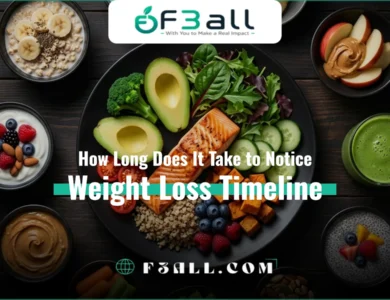
Healthy Breakfast Meals for Weight Loss Build Yours Now
Healthy Breakfast Meals for Weight Loss can make mornings more satisfying, but eating breakfast is not a metabolic requirement or an automatic fat-loss strategy. The value comes from meal composition, portion size, and how breakfast affects total daily intake. This guide shows you how to combine protein, fiber-rich plants, carbohydrates, and measured fats while comparing breakfast with skipping it, reading labels, preparing recipes safely, and adapting meals to your schedule.
Healthy Breakfast Meals for Weight Loss: A Practical Starting Point

Healthy Breakfast Meals for Weight Loss should solve a real morning problem. They may prevent an impulsive pastry purchase, provide fuel before work, make protein intake more consistent, or reduce the urge to graze before lunch. If breakfast is added despite no hunger and total intake rises, it may not support the intended calorie deficit.
There is no universal breakfast clock or mandatory menu. Some people feel and perform better after eating early, while others prefer a later first meal. The most useful choice is the one that supports nutrient needs, appetite control, training, health, and a sustainable daily calorie target.
Before preparing Healthy Breakfast Meals for Weight Loss, answer four questions:
- Am I physically hungry in the morning?
- How long must this meal keep me satisfied?
- What protein source will anchor the plate?
- Which portions commonly become larger than planned?
Repeatable meals outperform impressive recipes that become inconvenient quickly.
For broader support beyond breakfast, use F3all’s weight-loss resources to connect morning choices with lunch, dinner, activity, sleep, and long-term habits.
Healthy Breakfast Meals for Weight Loss: What Breakfast Can and Cannot Do

A balanced breakfast can contribute protein, fiber, vitamins, minerals, and energy. It may also create structure for people whose unplanned mornings lead to less satisfying choices. Healthy Breakfast Meals for Weight Loss can therefore support a strategy without becoming the reason weight loss occurs.
Healthy Breakfast Meals for Weight Loss may help when they:
- Replace a higher-calorie, less satisfying choice.
- Include enough protein and fiber for the person’s appetite.
- Make total daily intake easier to manage.
- Reduce reliance on sweetened drinks and pastries.
- Support exercise and recovery when timing is appropriate.
- Can be repeated within the available time and budget.
Healthy Breakfast Meals for Weight Loss cannot:
- Burn body fat directly.
- Target abdominal fat.
- Dramatically increase metabolic rate.
- Cancel excessive calories later in the day.
- Replace sleep, activity, or complete nutrition.
- Guarantee that every person should eat soon after waking.
The outcome depends on the entire day. A nutritious breakfast followed by frequent excess intake can still exceed energy needs, while a person who skips breakfast may still build an adequate, balanced diet later. Meal quality and timing should serve the individual plan.
Healthy Breakfast Meals for Weight Loss: Breakfast Versus Skipping Breakfast

Breakfast is often described as essential for weight loss, yet randomized evidence does not show that simply adding breakfast reliably produces weight loss. A systematic review of randomized trials concluded that recommending breakfast to adults was not necessarily a useful weight-loss strategy, although the included studies were short and had important limitations.
That does not mean skipping breakfast is superior for everyone. Observational studies can show associations between breakfast habits and body weight, but associations may also reflect differences in sleep, work schedules, activity, smoking, diet quality, and other behaviors.
Use Healthy Breakfast Meals for Weight Loss when morning eating improves the day. Consider delaying breakfast when you are not hungry and doing so does not cause later overeating, poor concentration, medication problems, or inadequate nutrition.
| Situation | Eating breakfast may help | Delaying breakfast may help |
| Strong morning hunger | Prevents impulsive choices | Usually uncomfortable |
| Early training | Can provide fuel when tolerated | May suit short or easy sessions |
| No morning appetite | A small planned meal may meet medical needs | May feel more natural |
| Afternoon overeating | A satisfying breakfast may improve structure | Could worsen hunger for some |
| Medication with food | May be required | Follow medical instructions |
| Busy commute | Prepared breakfast prevents convenience purchases | A later planned meal may be easier |
Healthy Breakfast Meals for Weight Loss are tools, not moral requirements. Evaluate hunger, energy, concentration, exercise quality, digestion, and the complete day before deciding.
Read more about:Green Juice for Weight Loss Build a Smarter Glass Today
Healthy Breakfast Meals for Weight Loss: Use the Four-Part Formula
A reliable breakfast can be built from four parts: a protein anchor, a fiber-rich plant, an appropriate carbohydrate source, and a measured fat when desired. Not every meal needs a large serving from every category, but the formula exposes what a pastry-and-coffee breakfast may be missing.
The Protein Anchor
Protein can support fullness and helps provide amino acids needed for lean tissue. Useful choices include eggs, plain Greek yogurt, cottage cheese, tofu, beans, fish, lean poultry, unsweetened fortified soy foods, or another suitable option.
Healthy Breakfast Meals for Weight Loss should use a protein amount appropriate for the person, meal, and total daily goal. People with kidney disease or another condition requiring protein management should follow individualized advice rather than a generic high-protein target.
The Fiber-Rich Plant
Fruit, vegetables, oats, whole grains, beans, chia, and flax can contribute fiber. Increase fiber gradually and drink according to thirst because a sudden large increase may cause gas, bloating, or discomfort.
Berries, apples, pears, tomatoes, spinach, mushrooms, peppers, onions, and beans can add volume and flavor to Healthy Breakfast Meals for Weight Loss. Juice does not provide the same structure and may contain less fiber than whole produce.
The Practical Carbohydrate
Carbohydrates are not automatically a problem. Oats, whole-grain bread, potatoes, beans, fruit, and other foods can support energy and training. The amount should reflect appetite, activity, medical needs, and the role of the breakfast.
The Measured Fat
Nuts, seeds, nut butter, avocado, olive oil, cheese, and whole-milk dairy can add flavor and satisfaction. They are also calorie dense, so measure them while learning portions. Healthy Breakfast Meals for Weight Loss can include fat without treating every “healthy fat” as unlimited.
Healthy Breakfast Meals for Weight Loss: Protein at Breakfast
Protein-rich breakfasts may reduce appetite or subsequent energy intake for some people, but studies differ in participants, meal compositions, and outcomes. Protein is useful; it is not a license to ignore calories or food quality.
Build Healthy Breakfast Meals for Weight Loss by asking whether the protein source is visible and meaningful. A small spoon of yogurt beside a large bowl of sweetened granola is not the same as a yogurt-based meal. One egg in a large refined-flour sandwich may not provide the expected fullness.
Practical protein anchors include:
| Protein food | Simple use | What to check |
| Eggs | Omelet, scramble, boiled eggs | Cooking fat and additions |
| Greek yogurt | Bowl or savory dip | Protein, added sugar, fat level |
| Cottage cheese | Fruit or vegetable bowl | Sodium and serving size |
| Tofu | Scramble or wrap | Sauce, oil, and sodium |
| Beans | Breakfast bowl or toast topping | Portion and added fat |
| Fish | Whole-grain toast or bowl | Sodium in smoked products |
| Poultry | Breakfast wrap | Processing and sodium |
| Fortified soy yogurt | Dairy-free bowl | Protein, calcium, sugar |
Variety matters. Healthy Breakfast Meals for Weight Loss do not need to depend on eggs or protein powder every day.
Healthy Breakfast Meals for Weight Loss: Fiber and Fullness
Fiber is found in plant foods and can support digestive health and fullness. FDA uses a Daily Value of 28 grams for a 2,000-calorie diet, but individual energy needs and medical recommendations vary.
Add fiber to Healthy Breakfast Meals for Weight Loss with:
- Oats or another whole grain.
- Whole fruit instead of juice.
- Berries with yogurt.
- Beans in savory bowls.
- Vegetables in omelets or tofu scrambles.
- Chia or ground flax in measured amounts.
- Whole-grain bread after checking the label.
- Nuts and seeds as controlled toppings.
“Multigrain,” brown coloring, or visible seeds do not prove that bread is primarily whole grain. Read the ingredient list and Nutrition Facts panel. Healthy Breakfast Meals for Weight Loss should be built from evidence on the package rather than front-label design.
Healthy Breakfast Meals for Weight Loss: Portion Size Without Guesswork
Low-calorie food can still become a high-calorie breakfast when several portions are combined. Oats, granola, nuts, seeds, nut butter, avocado, cheese, oil, honey, dried fruit, and specialty coffee can accumulate quickly.
For Healthy Breakfast Meals for Weight Loss:
- Decide whether the meal is light, standard, or substantial.
- Measure calorie-dense ingredients during the learning stage.
- Use the serving information on packages as a calculation reference.
- Remember that a label serving is not a personal recommendation.
- Adjust portions based on hunger and multiweek progress.
- Avoid shrinking protein and vegetables first when a small calorie adjustment is needed.
| Ingredient | Common portion problem | Better control |
| Granola | Free-poured over yogurt | Measure before adding |
| Nut butter | Rounded spoonfuls | Use a level measured amount |
| Nuts and seeds | Multiple handfuls | Preportion in containers |
| Oil | Poured directly into pan | Measure before cooking |
| Cheese | Added repeatedly | Grate or weigh one portion |
| Honey or syrup | Considered natural and free | Count as added sugar |
| Dried fruit | Eaten like fresh fruit | Use a smaller measured amount |
The goal is consistency, not permanent weighing. Healthy Breakfast Meals for Weight Loss become easier to adjust when their portions are initially understood.
Read more about:Green Juice for Weight Loss Build a Smarter Glass Today
Healthy Breakfast Meals for Weight Loss: Read Breakfast Labels
Breakfast cereal, granola, yogurt, bread, wraps, protein bars, plant-based drinks, and instant oats can vary widely. A health claim on the front does not replace the complete label.
Begin With Serving Size
Check servings per container and the amount listed as one serving. Compare products using similar weights when possible. If your actual portion is twice the label serving, double all listed calories and nutrients.
Review Calories
Calories provide context, not a moral score. A higher-calorie product may fit a complete meal, but it must be counted accurately. Healthy Breakfast Meals for Weight Loss should match the planned role and hunger level.
Compare Protein and Fiber
Ask whether the amounts are meaningful in the portion you will eat. A package may use “protein” in large letters while providing only a modest amount relative to the entire breakfast.
Separate Total Sugar From Added Sugar
Total sugar includes naturally occurring sugar and added sugar. FDA requires added sugars to appear separately. Honey, maple syrup, agave, and concentrated fruit sweeteners still contribute added sugar when used as sweeteners.
Check Saturated Fat and Sodium
Breakfast sandwiches, sausages, cheese, pastries, and some convenience products may contain substantial saturated fat or sodium. Review the complete day rather than judging one nutrient alone.
Read Ingredients
Ingredients are generally listed in descending order by weight. Healthy Breakfast Meals for Weight Loss benefit from ingredient lists that match the intended food rather than marketing language.
Healthy Breakfast Meals for Weight Loss: Ten Healthy Breakfast Templates
The following formulas are flexible. Exact calories and nutrients depend on brands, quantities, preparation, and toppings. Adjust Healthy Breakfast Meals for Weight Loss to your energy needs and medical requirements.
For additional preparation ideas, explore F3all’s delicious diet recipes.
Greek Yogurt Berry Bowl
Combine plain Greek yogurt, berries, oats, cinnamon, and a measured amount of nuts or seeds. Use a yogurt whose protein, added sugar, calories, and fat level suit the plan.
Vegetable Egg Omelet
Cook eggs with spinach, mushrooms, peppers, tomatoes, or onions using measured oil. Add whole-grain toast or fruit when the meal needs more carbohydrate.
Savory Oatmeal
Cook oats and top them with an egg, tofu, beans, herbs, and vegetables. Savory oats prevent sweetness from becoming the only breakfast flavor.
Cottage Cheese Fruit Bowl
Pair cottage cheese with berries, apple, pear, or another fruit. Add cinnamon and a small portion of seeds. Check sodium when that nutrient matters.
Tofu Breakfast Scramble
Cook tofu with vegetables, spices, and measured oil. Serve with a whole-grain wrap or potatoes according to energy needs. This is one of the flexible plant-based Healthy Breakfast Meals for Weight Loss.
Bean and Egg Breakfast Bowl
Use beans, eggs, tomatoes, greens, salsa, and a small avocado portion. Measure cheese, oil, and tortillas if included.
Overnight Oats
Combine oats, plain yogurt or suitable milk, chia, fruit, and cinnamon. Refrigerate safely. Measure nut butter, honey, granola, and dried fruit instead of adding them freely.
Whole-Grain Toast Plate
Serve whole-grain toast with eggs, cottage cheese, tofu, or beans and a side of fruit or vegetables. The protein topping should be more than decorative.
Balanced Breakfast Smoothie
Blend a protein source, whole fruit, vegetables, water or unsweetened milk, and a measured seed or nut ingredient. Avoid combining juice, several fruits, dates, honey, and nut butter in an oversized container.
Leftovers for Breakfast
Breakfast does not need traditional breakfast food. A smaller portion of chicken, fish, tofu, beans, vegetables, and whole grain can create effective Healthy Breakfast Meals for Weight Loss while reducing food waste.
Healthy Breakfast Meals for Weight Loss: Detailed Protein Oats Recipe
Combine rolled oats with water or an appropriate milk. Cook until the desired texture develops, then add plain yogurt after cooling slightly or serve eggs separately. Top with berries, cinnamon, and a measured seed portion.
To adapt this Healthy Breakfast Meals for Weight Loss formula:
- Use more oats around demanding training when appropriate.
- Use more berries for volume and flavor.
- Keep nut butter measured.
- Choose plain dairy or fortified soy products to control added sugar.
- Prepare a dry mix in advance and add refrigerated ingredients at serving.
The word “protein” does not require powder. Whole foods can provide the protein anchor. If using a supplement, select it carefully and consider whether it is necessary for the complete diet.
Healthy Breakfast Meals for Weight Loss: Detailed Vegetable Egg Wrap Recipe
Cook eggs with peppers, onions, spinach, and mushrooms in a measured amount of oil. Place the mixture in a whole-grain wrap and add salsa or herbs. Use cheese or avocado in a controlled portion.
This version of Healthy Breakfast Meals for Weight Loss can be prepared in components. Cooked filling should be refrigerated promptly, and reheating must follow food-safety guidance.
For a lighter meal, use an open wrap and increase vegetables. For a more substantial meal, add beans or fruit. Do not remove food mechanically; adjust according to hunger, training, and the full day.
Healthy Breakfast Meals for Weight Loss: Detailed Yogurt Parfait Recipe
Layer plain yogurt, berries, oats, and a measured amount of seeds. Keep granola separate until eating so it remains crisp and its portion stays visible.
Common parfait mistakes include:
- Using sweetened yogurt plus honey.
- Treating granola as a low-calorie cereal.
- Adding nuts, seeds, nut butter, and coconut together without measuring.
- Building the parfait in an oversized jar.
- Assuming fruit-flavored yogurt contains a full fruit serving.
A planned parfait can be one of the easiest Healthy Breakfast Meals for Weight Loss, but the final jar matters more than the healthy reputation of each ingredient.
Healthy Breakfast Meals for Weight Loss: Seven-Day Breakfast Plan
This sample demonstrates variety. It is not a calorie prescription, and ingredients should be changed for allergies, preferences, cultural needs, and medical conditions.
| Day | Breakfast | Preparation focus | Adjustable element |
| Monday | Greek yogurt berry bowl | Portion toppings Sunday night | Yogurt fat level |
| Tuesday | Vegetable egg wrap | Prepare vegetables ahead | Wrap and avocado amount |
| Wednesday | Overnight oats | Refrigerate in a covered jar | Oat and seed portions |
| Thursday | Tofu scramble | Use leftover vegetables | Toast or potato portion |
| Friday | Cottage cheese fruit bowl | Keep fruit ready | Seeds and oats |
| Saturday | Bean and egg bowl | Cook one-pan meal | Cheese and tortilla |
| Sunday | Leftovers or delayed breakfast | Follow hunger and schedule | Meal timing |
Healthy Breakfast Meals for Weight Loss should not become identical every day unless repetition genuinely helps. Rotation improves enjoyment, nutrient variety, and the ability to continue.
The Sunday option also recognizes that skipping or delaying breakfast can fit some plans. Do not force food merely to complete a calendar. If skipping causes overeating, weakness, medication problems, or poor training, return to a planned meal.
Read more about:Green Juice for Weight Loss Build a Smarter Glass Today
Healthy Breakfast Meals for Weight Loss: Meal Prep for Busy Mornings
Meal preparation reduces morning decisions, but it should not create a week of food you dislike by Wednesday. Prepare flexible components rather than seven finished meals.
For Healthy Breakfast Meals for Weight Loss, prepare:
- Washed and cut vegetables for the next few days.
- Cooked eggs or egg-based portions stored safely.
- Individual oats and seed portions.
- Frozen smoothie ingredient packs without liquid.
- Fruit that can be added just before eating.
- Cooked beans or another protein source.
- Measured nuts rather than an open family-size bag.
Use two breakfast bases and rotate toppings. For example, prepare overnight oats for two mornings and a savory egg or tofu filling for two others. Keep remaining days flexible.
F3all’s diet-plan guides can help you coordinate breakfast preparation with later meals so the same ingredients are used efficiently.
Healthy Breakfast Meals for Weight Loss: Meal-Prep Food Safety
Eggs, dairy, cooked grains, cut produce, meat, fish, and other perishable ingredients require temperature control. USDA advises refrigerating perishable food within two hours, or within one hour when temperatures exceed 90°F.
Protect Healthy Breakfast Meals for Weight Loss by:
- Washing hands before preparation.
- Using clean cutting boards, knives, and containers.
- Keeping raw eggs and meat separate from ready-to-eat food.
- Cooking eggs and other ingredients safely.
- Cooling and refrigerating prepared food promptly.
- Keeping the refrigerator at 40°F or below.
- Using insulated bags and cold packs during transport.
- Reheating cooked egg dishes appropriately.
- Discarding food after unsafe temperature exposure.
Do not rely on smell or appearance alone to prove safety. Healthy Breakfast Meals for Weight Loss are only beneficial when they are stored and handled correctly.
Healthy Breakfast Meals for Weight Loss: Breakfast Drinks and Hidden Calories
Coffee and tea can fit, but additions may transform them into dessert-like beverages. Flavored syrups, sugar, cream, whipped toppings, sweetened milk, and oversized servings can rival or exceed the calories in food.
Pair Healthy Breakfast Meals for Weight Loss with:
- Plain water.
- Unsweetened coffee.
- Unsweetened tea.
- Milk or a suitable fortified alternative in a planned portion.
- A balanced smoothie counted as food rather than a free drink.
Review bottled coffee, creamers, juice, and plant-based drinks for serving size and added sugar. “Natural,” “energy,” “wellness,” and “protein” are marketing terms until the complete label is examined.
Explore more healthy drink choices when replacing sweetened breakfast beverages.
Healthy Breakfast Meals for Weight Loss: Smoothies as Breakfast
A smoothie may be a complete breakfast if it contains an adequate protein source, retained fiber, an appropriate amount of carbohydrate, and a measured fat when needed. It can also become a large liquid meal that is easy to drink quickly.
Build smoothie-based Healthy Breakfast Meals for Weight Loss with:
- Plain Greek yogurt, cottage cheese, tofu, or fortified soy as the protein base.
- One main whole-fruit portion.
- Leafy greens or another suitable vegetable.
- Water, ice, or an unsweetened liquid.
- A measured amount of chia, flax, nuts, or nut butter.
Avoid using fruit juice as the default liquid. Do not assume a blender serving is the entire jar. Pour the finished smoothie into a measured glass and evaluate how long it keeps you satisfied.
Healthy Breakfast Meals for Weight Loss: Breakfast Before Exercise
Whether to eat before exercise depends on the session, timing, individual tolerance, goals, medical conditions, and what was eaten previously. No single rule fits an easy walk, long endurance session, or demanding strength workout.
Healthy Breakfast Meals for Weight Loss before exercise should usually be familiar and comfortable. Large amounts of fat or fiber close to intense activity may cause digestive discomfort for some people.
Possible options include:
- Yogurt and fruit.
- Oats and milk.
- Toast with eggs.
- Banana with an appropriate protein source.
- A smaller smoothie.
People with diabetes, pregnancy, cardiovascular disease, or other relevant conditions should use professional guidance for exercise nutrition and medication adjustment.
Healthy Breakfast Meals for Weight Loss: Breakfast After Exercise
After training, a meal can support recovery by providing protein, carbohydrate, fluid, and overall energy appropriate to the session. Healthy Breakfast Meals for Weight Loss should not become so restricted that recovery or lean tissue is compromised.
Post-workout options include:
- Eggs, whole-grain toast, and fruit.
- Greek yogurt, oats, and berries.
- Tofu scramble with potatoes and vegetables.
- Cottage cheese with fruit and oats.
- A balanced smoothie when solid food is inconvenient.
Exercise does not need to be “earned” with food, and food should not be punishment for missing a workout. The goal is consistent fueling inside an appropriate weekly energy plan.
Read more about:Green Juice for Weight Loss Build a Smarter Glass Today
Healthy Breakfast Meals for Weight Loss: Vegetarian and Vegan Breakfasts
Plant-based Healthy Breakfast Meals for Weight Loss can be satisfying when protein and key nutrients are planned rather than assumed.
Useful components include:
- Tofu or tempeh.
- Beans, lentils, or chickpeas.
- Fortified soy milk or yogurt.
- Whole grains.
- Nuts and seeds in measured portions.
- Vegetables and whole fruit.
Check plant-based yogurts and milks because protein, calcium, vitamin D, added sugar, and fat differ widely. Coconut products may have little protein and more saturated fat, while fortified soy products may be nutritionally closer to dairy options.
People following vegan diets may require reliable vitamin B12 sources and should assess other nutrients with an appropriate professional. Review F3all’s guide to different diet types before adopting a restrictive pattern.
Healthy Breakfast Meals for Weight Loss: Budget-Friendly Breakfasts
Healthy Breakfast Meals for Weight Loss do not require premium powders, imported berries, specialized bread, or single-serving packages.
Budget options include:
- Store-brand oats.
- Eggs.
- Dried or canned beans with suitable sodium management.
- Seasonal or frozen fruit.
- Frozen vegetables.
- Large tubs of plain yogurt when they can be used safely.
- Whole-grain bread purchased on sale and frozen.
- Leftovers from dinner.
Compare price per unit rather than package price alone. Plan several uses for perishable ingredients. Spinach can enter an omelet, lunch salad, and dinner dish; yogurt can become breakfast, sauce, or snack.
Healthy Breakfast Meals for Weight Loss: Eating Breakfast Away From Home
Restaurant and takeaway portions can be large, and cooking fat, cheese, sauces, processed meat, pastry sides, and sweetened drinks may be difficult to estimate.
When ordering Healthy Breakfast Meals for Weight Loss:
- Choose a visible protein source.
- Add fruit or vegetables.
- Request sauces or syrup on the side.
- Decide whether toast, potatoes, pastry, or pancakes best fits the meal instead of ordering all automatically.
- Replace a sweetened beverage with water or unsweetened coffee.
- Stop when comfortably satisfied and save leftovers safely.
One restaurant breakfast does not determine progress. Return to the regular plan at the next meal rather than compensating with extreme restriction.
Healthy Breakfast Meals for Weight Loss: Common Breakfast Mistakes
Eating Too Little
A very small breakfast may create intense hunger soon afterward. Healthy Breakfast Meals for Weight Loss should match the required interval until the next meal.
Eating Because the Clock Says So
If you are not hungry and have no medical reason to eat, forcing breakfast may add calories. Timing should serve the plan.
Skipping Without Planning the Next Meal
Delaying breakfast can work, but arriving at lunch extremely hungry may increase impulsive choices. Prepare the first meal in advance.
Depending on Sugary Cereal
Some cereals contain substantial added sugar and little protein. Compare labels and build a complete bowl rather than relying on front-label claims.
Turning Coffee Into Dessert
Syrups, cream, sugar, and toppings can add significant energy without much fullness.
Pouring Granola Freely
Granola is concentrated and easy to overeat. Measure it as a topping rather than filling the bowl automatically.
Forgetting Vegetables
Breakfast can include tomatoes, spinach, peppers, mushrooms, onions, beans, or leftover vegetables. Morning meals do not need to be sweet.
Expecting Metabolic Magic
Healthy Breakfast Meals for Weight Loss support habits; they do not switch fat burning on or off.
Read more about:Green Juice for Weight Loss Build a Smarter Glass Today
Healthy Breakfast Meals for Weight Loss: Track the Effect of Breakfast
Do not judge one meal only by whether the scale changes the next morning. Body weight fluctuates with fluid, sodium, carbohydrate storage, digestion, and other factors.
Track Healthy Breakfast Meals for Weight Loss for two to four weeks:
| Measure | What to record | Why it helps |
| Hunger before breakfast | Simple 0–10 rating | Shows whether eating is needed |
| Meal composition | Protein, fiber food, carbohydrate, fat | Identifies missing elements |
| Portion | Measured concentrated ingredients | Detects gradual increases |
| Hunger before lunch | 0–10 rating and time | Tests satisfaction |
| Morning energy | Subjective note | Evaluates function |
| Exercise | Type and performance | Connects meal timing with training |
| Daily pattern | Later snacks and drinks | Shows the full effect |
| Weight trend | Comparable measurements if appropriate | Avoids reacting to one day |
Tracking should not intensify anxiety. People with a current or previous eating disorder should seek qualified support before monitoring calories, portions, fasting windows, or body weight.
Healthy Breakfast Meals for Weight Loss: Who Needs Individual Guidance
General advice about Healthy Breakfast Meals for Weight Loss cannot replace personal care. Speak with a physician or registered dietitian if you have diabetes treated with medication, chronic kidney disease, significant gastrointestinal disease, food allergy, pregnancy, difficulty meeting nutrient needs, or an eating-disorder history.
Children and teenagers should not follow an adult calorie-deficit plan. Older adults may need particular attention to appetite, protein distribution, muscle preservation, medication timing, chewing, and adequate energy.
Unintentional weight loss, persistent vomiting, severe abdominal pain, blood in stool, fainting, or recurrent symptoms after eating need medical assessment. Healthy Breakfast Meals for Weight Loss should improve the plan, not hide a health problem.
Build a Sustainable Calorie Deficit
Breakfast does not determine the calorie deficit by itself. Lunch, dinner, snacks, drinks, weekend meals, and activity all contribute.
Use Healthy Breakfast Meals for Weight Loss within this sequence:
- Choose whether morning eating helps.
- Anchor the meal with protein.
- Add a fiber-rich plant.
- Select carbohydrate according to appetite and activity.
- Measure concentrated fats and sweeteners.
- Replace rather than simply add.
- Review multiweek trends.
- Make one modest adjustment.
The aim is not the smallest breakfast possible. It is a satisfying meal that supports an appropriate daily intake without creating avoidable hunger or nutrient gaps.
Read more about:Green Juice for Weight Loss Build a Smarter Glass Today
Healthy Breakfast Desserts and Sweet Flavors
Sweet breakfasts can fit, but a healthy reputation does not make them unlimited. Pancakes, waffles, muffins, banana bread, parfaits, and smoothie bowls vary according to flour, sugar, oil, toppings, and portion.
Turn them into Healthy Breakfast Meals for Weight Loss by:
- Using whole-grain ingredients when suitable.
- Adding a clear protein source.
- Serving whole fruit.
- Measuring syrup, honey, nuts, and nut butter.
- Keeping frosting and sweet sauces occasional.
- Choosing a normal plate rather than stacking several servings.
For ideas beyond breakfast, visit F3all’s healthy diet dessert recipes.
A Final Breakfast Checklist
Before preparing:
- Am I hungry?
- How long until the next meal?
- What is the protein anchor?
- Which food adds fiber?
- Which ingredient needs measuring?
- Does the meal suit today’s activity?
Before buying:
- What is the serving size?
- How much protein and fiber does it provide?
- How much added sugar is present?
- Does the product fit the meal or merely sound healthy?
- Can I use it before it spoils?
After eating:
- Was the meal enjoyable?
- Did hunger stay manageable?
- Was digestion comfortable?
- Did the meal reduce later grazing?
- Can I prepare it again without stress?
Healthy Breakfast Meals for Weight Loss become sustainable when the answers remain practical, not perfect.
Read more about:Green Juice for Weight Loss Build a Smarter Glass Today
Why F3all Is Your Best Choice

At F3all, we translate nutrition evidence into realistic meals. Our approach to Healthy Breakfast Meals for Weight Loss recognizes that breakfast can help some people while skipping it may fit others.
Readers choose F3all for:
- Evidence-aware weight-management education.
- Balanced protein and fiber guidance.
- Practical recipe formulas.
- Honest discussion of breakfast timing.
- Label-reading and portion strategies.
- Safe meal-preparation advice.
- Sustainable habits rather than metabolic myths.
Learn more about F3all and use this guide for education, not as an individualized medical prescription.
Frequently Asked Questions About Healthy Breakfast Meals for Weight Loss
1. Are Healthy Breakfast Meals for Weight Loss required?
No. Healthy Breakfast Meals for Weight Loss can help people who feel hungry in the morning or make poorer choices when they skip. Others may prefer a later first meal. Total nutrition, calorie balance, adherence, and health needs matter more than a universal breakfast rule.
2. What should a weight-loss breakfast contain?
Start with a protein anchor, add fruit or vegetables and another fiber source, choose an appropriate carbohydrate, and measure calorie-dense fats. The exact amounts depend on hunger, activity, body size, medical needs, and the rest of the day.
3. Does skipping breakfast slow metabolism?
Evidence does not show that everyone must eat breakfast to keep metabolism working. Skipping can fit some plans, but it may worsen hunger, concentration, training, or later overeating for others. Evaluate the complete response rather than the myth.
4. Are eggs good for breakfast?
Eggs provide high-quality protein and can fit Healthy Breakfast Meals for Weight Loss. Cooking oil, cheese, processed meat, bread, sauces, and portion size determine the complete meal. People with individual medical restrictions should follow professional advice.
5. Is oatmeal good for weight loss?
Oats provide whole-grain carbohydrate and fiber. Build a balanced meal by adding protein and fruit, then measure nuts, seeds, nut butter, honey, dried fruit, and granola because several toppings can substantially increase calories.
6. Can a smoothie replace breakfast?
Yes, when it contains a meaningful protein source, whole produce, retained fiber, an appropriate liquid, and measured extras. A fruit-heavy smoothie made with juice, dates, honey, and nut butter may be less suitable for a calorie deficit.
7. How much protein should breakfast contain?
There is no universal breakfast number for every person. Requirements vary with body size, age, activity, total intake, and health. Healthy Breakfast Meals for Weight Loss should contribute meaningfully to the daily goal set for the individual.
8. What breakfast foods should I limit?
Frequently consuming pastries, sweetened cereal, processed breakfast meat, oversized restaurant meals, and sugary coffee may make calorie control harder. These foods are not morally forbidden; portion, frequency, and the full dietary pattern matter.
9. Can I prepare breakfast for the whole week?
Some components can be prepared ahead, but storage limits differ. Cooked egg dishes, dairy, cut produce, and other perishables require refrigeration and timely use. Follow USDA guidance and the product’s storage instructions rather than assuming seven days is safe.
10. What are the easiest Healthy Breakfast Meals for Weight Loss?
Easy Healthy Breakfast Meals for Weight Loss include plain yogurt with berries and oats, eggs with vegetables and toast, overnight oats with protein, tofu scramble, cottage cheese with fruit, or planned leftovers. Choose the option you can repeat safely and affordably.
In the End
Healthy Breakfast Meals for Weight Loss are most valuable when they make the entire day easier. They do not burn fat, guarantee appetite control, or become mandatory simply because breakfast has a healthy reputation.
Build the meal around protein, fiber-rich plants, an appropriate carbohydrate, and measured fats. Compare labels, control concentrated toppings, and count drinks. If you are not hungry, delaying breakfast may fit; if skipping causes overeating or poor function, a planned meal may work better.
Prepare Healthy Breakfast Meals for Weight Loss safely, especially when using eggs, dairy, cooked grains, meat, fish, or cut produce. Adjust for medical conditions, medication, training, age, pregnancy, and food allergies when relevant.
Choose two simple breakfasts, test them for several weeks, and evaluate hunger, energy, digestion, later intake, and progress. Combined with balanced meals, activity, sleep, and individualized care when needed, Healthy Breakfast Meals for Weight Loss can support sustainable weight management without rigid rules.
References