Green Juice Recipes for Weight Loss | Easy Low-Calorie Ideas
Green Juice Recipes for Weight Loss can be a refreshing way to increase vegetable intake while keeping calories relatively low. Cucumber, celery, spinach, kale, lemon, and small portions of fruit can create flavorful drinks without turning the juice into a high-sugar beverage.
However, green juice does not directly burn body fat or detox the body. Weight loss still depends on maintaining an appropriate calorie deficit. The best approach is to make vegetables the foundation, control fruit portions, and treat juice as part of a balanced diet rather than replacing most meals with liquids.
What Makes a Green Juice Better for Weight Loss
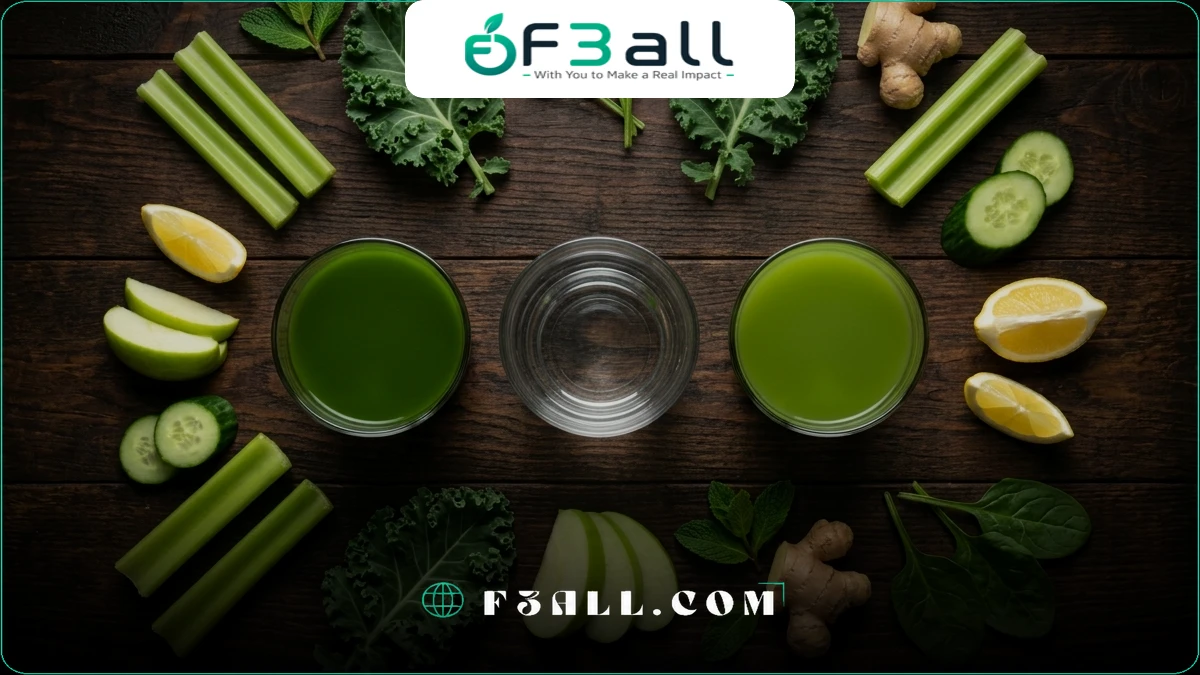
The strongest Green Juice Recipes for Weight Loss are mostly vegetable-based.
A practical juice usually includes:
- A high-water vegetable for volume.
- Leafy greens for nutrients.
- A small amount of fruit when sweetness is needed.
- Lemon, lime, ginger, or herbs for flavor.
- A controlled serving size.
Vegetables such as cucumber and celery help keep calories low, while fruit should usually play a supporting role rather than becoming the majority of the drink.
Quick Green Juice Recipe Guide
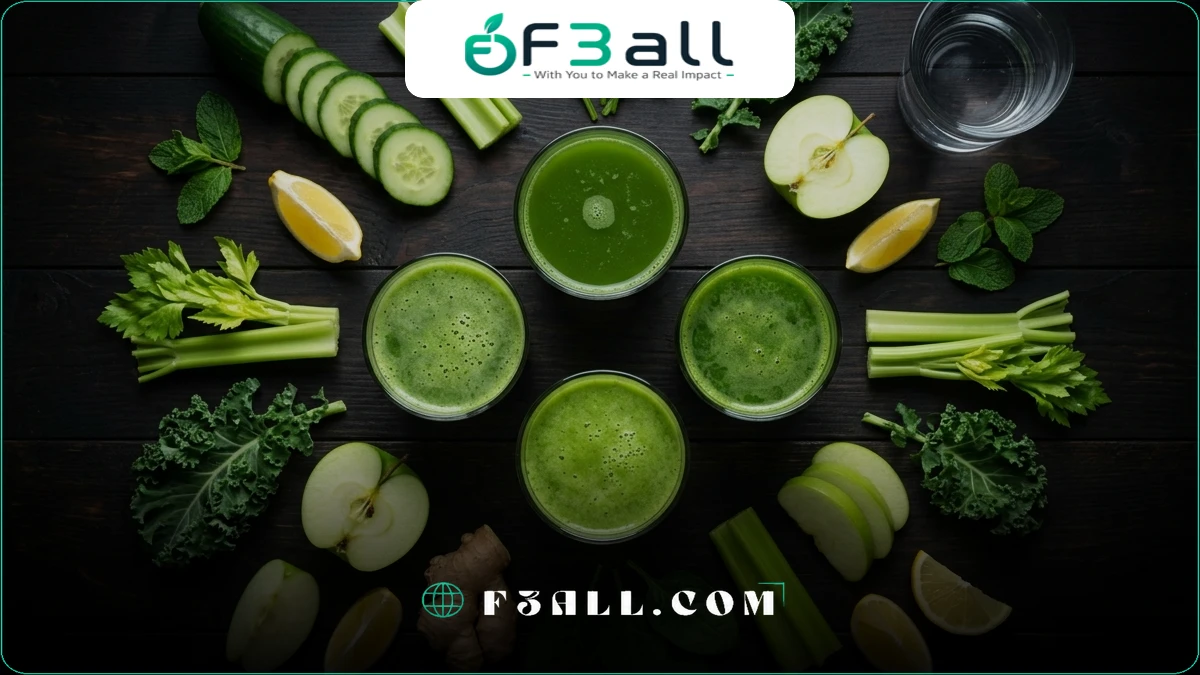
Instead of making every recipe complicated, use this quick comparison to choose the right option.
| Juice | Main Ingredients | Approx. Calories per 250 ml | Best For |
| Cucumber Green Juice | Cucumber, spinach, lemon | 35 to 50 kcal | Lowest-calorie option |
| Celery Green Juice | Celery, cucumber, lemon | 40 to 55 kcal | Light morning drink |
| Apple Spinach Juice | Spinach, cucumber, apple | 55 to 75 kcal | Sweeter option |
| Kale Green Juice | Kale, cucumber, lemon, apple | 60 to 80 kcal | Strong green flavor |
| Ginger Green Juice | Cucumber, celery, spinach, ginger | 40 to 60 kcal | Fresh spicy flavor |
| Green Vegetable Juice | Cucumber, celery, spinach, parsley | 35 to 55 kcal | Vegetable-focused choice |
Calories vary according to ingredient size and how much pulp remains after juicing.
Cucumber Green Juice for Weight Loss
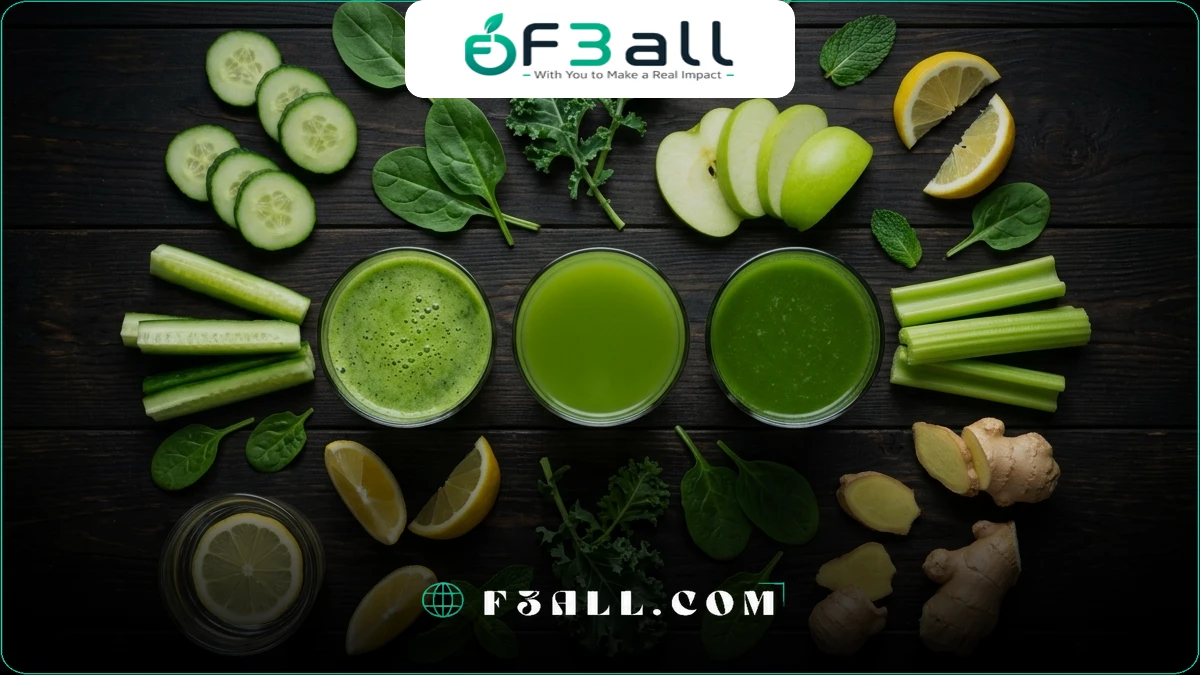
Cucumber is one of the easiest ingredients to use in low calorie juice recipes because it contains a large amount of water.
| Ingredient | Amount |
| Cucumber | 200 g |
| Spinach | 50 g |
| Lemon | 20 g |
| Fresh ginger | 5 g |
| Cold water | As needed |
Run the cucumber, spinach, lemon, and ginger through a juicer, then add a little cold water if you prefer a lighter drink.
This cucumber green juice is refreshing, low in calories, and does not require added sugar.
Celery Juice Recipe
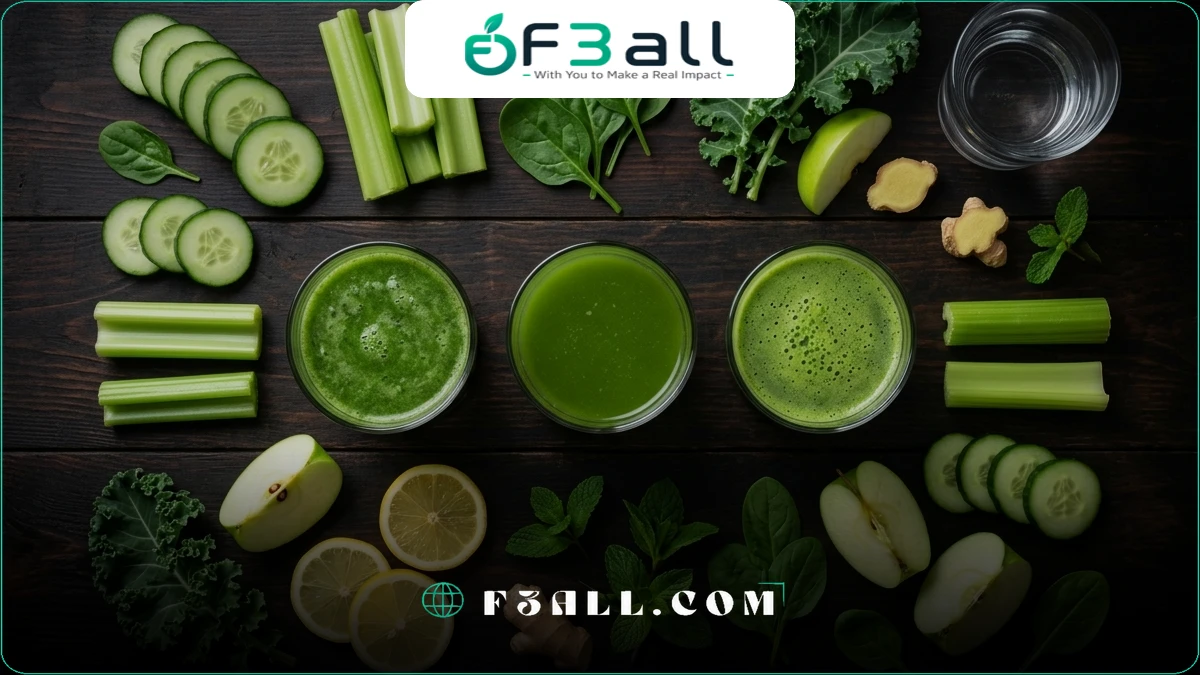
A simple celery juice recipe can be used when you prefer a more savory green drink.
| Ingredient | Amount |
| Celery | 150 g |
| Cucumber | 150 g |
| Lemon | 20 g |
| Mint | Small handful |
Juice the ingredients and serve chilled.
Celery juice does not have special fat-burning properties, but this combination can fit easily into a calorie-controlled diet because it is mostly vegetables.
Read more about: Green Juice Recipe for Weight Loss | Easy Morning Drink
Spinach Green Juice
Spinach has a mild flavor, making it useful for people who do not enjoy stronger green juices.
| Ingredient | Amount |
| Spinach | 60 g |
| Cucumber | 180 g |
| Green apple | 80 g |
| Lemon | 15 g |
The small apple portion provides sweetness without making fruit the main ingredient.
This is one of the more approachable Green Juice Recipes for Weight Loss for beginners.
Kale Juice for Weight Loss
Kale has a stronger flavor than spinach, so pairing it with cucumber and a small amount of apple can make the drink easier to enjoy.
| Ingredient | Amount |
| Kale | 50 g |
| Cucumber | 180 g |
| Green apple | 70 g |
| Lemon | 20 g |
| Ginger | 5 g |
Kale juice for weight loss should still be viewed as a low-calorie vegetable drink rather than a metabolism booster.
No amount of kale can replace the calorie deficit required for body-fat reduction.
Homemade Ginger Green Juice
Ginger can add strong flavor without contributing many calories.
| Ingredient | Amount |
| Cucumber | 200 g |
| Celery | 100 g |
| Spinach | 40 g |
| Ginger | 5 to 8 g |
| Lemon | 20 g |
This combination works well when you want homemade green juice without using fruit.
If ginger is too strong, reduce the amount rather than sweetening the drink heavily.
Low Calorie Green Juice With Apple
Fruit can fit Green Juice Recipes for Weight Loss when the portion remains controlled.
A small amount of apple can make vegetable-heavy juices much easier to drink.
| Ingredient | Amount |
| Cucumber | 180 g |
| Celery | 100 g |
| Spinach | 40 g |
| Apple | 60 g |
| Lemon | 15 g |
The apple adds sweetness while keeping the recipe mostly vegetable-based.
This is usually a better approach than using two or three whole apples in one serving.
Green Juice With Parsley and Mint
Fresh herbs can add flavor without relying on sugar.
| Ingredient | Amount |
| Cucumber | 200 g |
| Celery | 80 g |
| Parsley | 20 g |
| Mint | 10 g |
| Lemon | 20 g |
This vegetable juice recipe has a fresh herbal taste and works particularly well served cold.
Green Juice With Pineapple
Pineapple provides stronger sweetness than cucumber or celery, so keep the amount moderate.
| Ingredient | Amount |
| Cucumber | 180 g |
| Spinach | 50 g |
| Pineapple | 70 g |
| Lime | 20 g |
This combination can still fit a weight-loss plan, but increasing pineapple substantially will raise the calorie and sugar content.
Green Juice Recipes for Weight Loss do not need to taste completely unsweetened, but vegetables should remain the foundation.
Read more about: Green Smoothie Recipes for Weight Loss | Easy Guide
Juice Versus Smoothie for Weight Loss
Juicing removes much of the fiber-containing pulp, while blending usually keeps the whole ingredient.
That creates an important difference.
| Green Juice | Green Smoothie |
| Usually thinner | Thicker |
| Much of the pulp removed | Fiber generally retained |
| Easier to drink quickly | Often more filling |
| Can be lower in calories | Calories depend on ingredients |
| Less fiber | Usually more fiber |
If fullness is the main goal, a smoothie may sometimes be more useful than juice.
For additional drink ideas, explore Healthy Drinks.
Are Green Juices Filling
Green juice is usually less filling than eating whole vegetables or blending them into a smoothie because juicing removes much of the fiber.
That does not make juice unhealthy.
It simply means it should be used appropriately.
A small green juice can work:
- Alongside breakfast.
- As a low-calorie beverage.
- Between meals when you want something refreshing.
- As an alternative to sugary drinks.
It may not be satisfying enough to replace a complete meal by itself.
Add Protein Outside the Juice
One weakness of most vegetable juices is their very low protein content.
If Green Juice Recipes for Weight Loss are part of breakfast, combine the juice with a protein-rich food.
| Protein Food | Portion | Approx. Protein |
| Greek yogurt | 170 g | About 17 g |
| Eggs | 2 large | About 12 to 13 g |
| Cottage cheese | 150 g | About 18 g |
| Tuna | 100 g | About 25.5 g |
This creates a more complete meal than relying on juice alone.
For balanced meal ideas, explore Delicious Diet Recipes.
Detox Green Juice and Weight Loss
The word detox is often used to market green juices, but your liver, kidneys, digestive system, and other organs already perform the body’s normal waste-processing functions.
A detox green juice does not flush body fat out of the body.
The realistic benefits of a vegetable-rich juice may include:
- Additional fluid.
- Vegetable intake.
- Vitamins and minerals.
- Replacement of a higher-calorie beverage.
Those benefits are useful enough without making detox claims.
Avoid Juice Cleanses for Fat Loss
Drinking only juice for several days can produce rapid scale changes, but much of the early change may involve water, glycogen, and reduced digestive contents.
Juice-only diets may also provide inadequate:
- Protein.
- Essential fats.
- Total energy.
- Fiber.
- Certain nutrients.
A balanced diet is much better suited to sustainable weight management.
Explore Weight Loss Diet Plans instead of relying on aggressive juice cleanses.
When Green Juice Becomes High in Calories
Healthy ingredients can still create a calorie-dense drink.
| Ingredient Choice | Effect |
| Mostly cucumber and celery | Lower calorie |
| Small fruit portion | Moderate sweetness |
| Several apples | Calories rise quickly |
| Large pineapple portion | More sugar and calories |
| Honey added | Extra calories |
| Fruit juice used as liquid | More concentrated calories |
A good rule for Green Juice Recipes for Weight Loss is to use vegetables for volume and fruit mainly for flavor.
Best Time to Drink Green Juice
There is no special time of day when green juice burns more fat.
You can drink it:
- With breakfast.
- Mid-morning.
- With lunch.
- In the afternoon.
- As a replacement for a sugary beverage.
The best time is simply when it fits naturally into your calorie-controlled diet.
Drinking green juice on an empty stomach does not create a special fat-loss advantage.
Can Green Juice Reduce Belly Fat
No green juice specifically targets abdominal fat.
Body fat decreases throughout the body according to genetics and overall energy balance.
Green Juice Recipes for Weight Loss may support fat loss when they replace higher-calorie beverages, but cucumber, celery, spinach, or kale cannot direct fat loss specifically to the belly.
For broader strategies, explore Weight Loss.
How Much Green Juice Should You Drink
You do not need multiple large bottles every day.
A practical serving is often around 200 to 300 ml.
Larger amounts can quickly increase calorie intake if the recipe contains significant fruit.
A smaller portion also leaves room in the diet for whole vegetables, fruit, protein-rich foods, and other meals that provide nutrients green juice does not.
Read more about: Juices Good for Weight Loss | Smart Juice Guide
How to Make Homemade Green Juice Without a Juicer
A blender can work if you do not own a juicer.
Simple Blender Method
- Chop the vegetables and fruit.
- Add a small amount of cold water.
- Blend until smooth.
- Strain through a fine mesh if you want traditional juice.
- Keep it unstrained if you prefer more of the fiber.
Leaving the pulp in creates a drink closer to a thin smoothie and generally preserves more fiber.
Store Green Juice Properly
Fresh juice is best prepared close to the time you plan to drink it.
If you need to store it:
- Use a clean airtight container.
- Refrigerate promptly.
- Keep preparation equipment clean.
- Avoid leaving fresh juice at room temperature for extended periods.
Fresh produce should also be washed properly before preparation.
Common Green Juice Mistakes
| Mistake | Better Choice |
| Using several fruits | Use mostly vegetables |
| Adding honey | Use a small fruit portion |
| Replacing every meal with juice | Keep balanced meals |
| Expecting detox effects | Focus on nutrition |
| Ignoring juice calories | Measure fruit |
| Assuming juice targets belly fat | Focus on total fat loss |
| Drinking very large servings | Keep portions practical |
Green Juice Recipes for Weight Loss work best when they simplify a healthy eating plan rather than becoming the entire plan.
Why F3all Is Your Best Choice

At F3all, Green Juice Recipes for Weight Loss are designed around practical vegetable-to-fruit ratios, realistic calorie control, and recipes that are simple enough to prepare at home. Instead of promoting juice cleanses or promising that one green drink can melt body fat, F3all shows readers how juice can fit naturally into a balanced weight-loss diet.
The focus is on making every glass useful without turning healthy ingredients into an unnecessarily high-calorie drink.
- Vegetable-First Green Juice Recipes
Cucumber, celery, spinach, kale, and herbs form the foundation, while fruit is used in smaller amounts mainly for flavor.
- Clear Portions for Every Ingredient
F3all gives practical gram amounts so you can make consistent juices instead of guessing how much fruit or vegetables to use.
- Low-Calorie Recipe Options
You can quickly identify lighter Green Juice Recipes for Weight Loss when calorie control is the main priority.
- No Detox or Fat-Burning Promises
Recipes are explained realistically, including what green juice can support and what it cannot do.
- Better Ways to Control Hunger
F3all explains when juice works well and when whole foods, protein, or a smoothie may provide better fullness.
- More Healthy Weight Loss Ideas
Explore Healthy Drinks for additional beverage ideas, Weight Loss Diet Plans for structured eating plans, and Delicious Diet Recipes for balanced meals.
This approach makes homemade green juice an easy addition to your diet instead of turning it into another restrictive short-term weight-loss trend.
Frequently Asked Questions
Are Green Juice Recipes for Weight Loss effective?
They can support weight loss when they replace higher-calorie drinks and fit within an overall calorie deficit. Green juice does not directly burn body fat.
What is the best green juice for weight loss?
A vegetable-heavy combination using cucumber, celery, spinach, lemon, and a small amount of fruit is a practical low-calorie option.
Is cucumber green juice good for weight loss?
Yes. Cucumber contains a lot of water and relatively few calories, making it useful as the main ingredient in a lighter juice.
Is celery juice good for weight loss?
Celery juice can fit a weight-loss diet because it is relatively low in calories, but it does not independently cause fat loss.
Is spinach good in green juice?
Yes. Spinach has a mild flavor and can be combined easily with cucumber, lemon, herbs, or a small portion of fruit.
Can kale juice help weight loss?
Kale can be part of a low-calorie green juice, but it does not have a unique fat-burning effect.
Should I add apple to green juice?
A small apple portion can improve flavor. Large amounts increase the calorie and sugar content, so the serving should remain controlled.
Can I drink green juice every day?
Yes, if it fits your overall diet. Continue eating whole vegetables, fruit, protein, healthy fats, and other balanced foods as well.
Is green juice better than a smoothie?
It depends on your goal. Juice can be lighter, while smoothies usually retain more fiber and may provide greater fullness.
Does green juice reduce belly fat?
No. Green juice cannot target abdominal fat specifically. Overall body-fat reduction requires a sustained calorie deficit.
In the End
Green Juice Recipes for Weight Loss work best when vegetables such as cucumber, celery, spinach, and kale provide most of the volume while fruit remains a smaller flavor ingredient. This keeps calories manageable without making every juice taste overly bitter.
Use green juice as a beverage or addition to a balanced meal rather than a detox cleanse or complete meal replacement. Control portions, avoid unnecessary sweeteners, and keep protein, fiber-rich whole foods, and a sustainable calorie deficit at the center of your weight-loss plan.
References