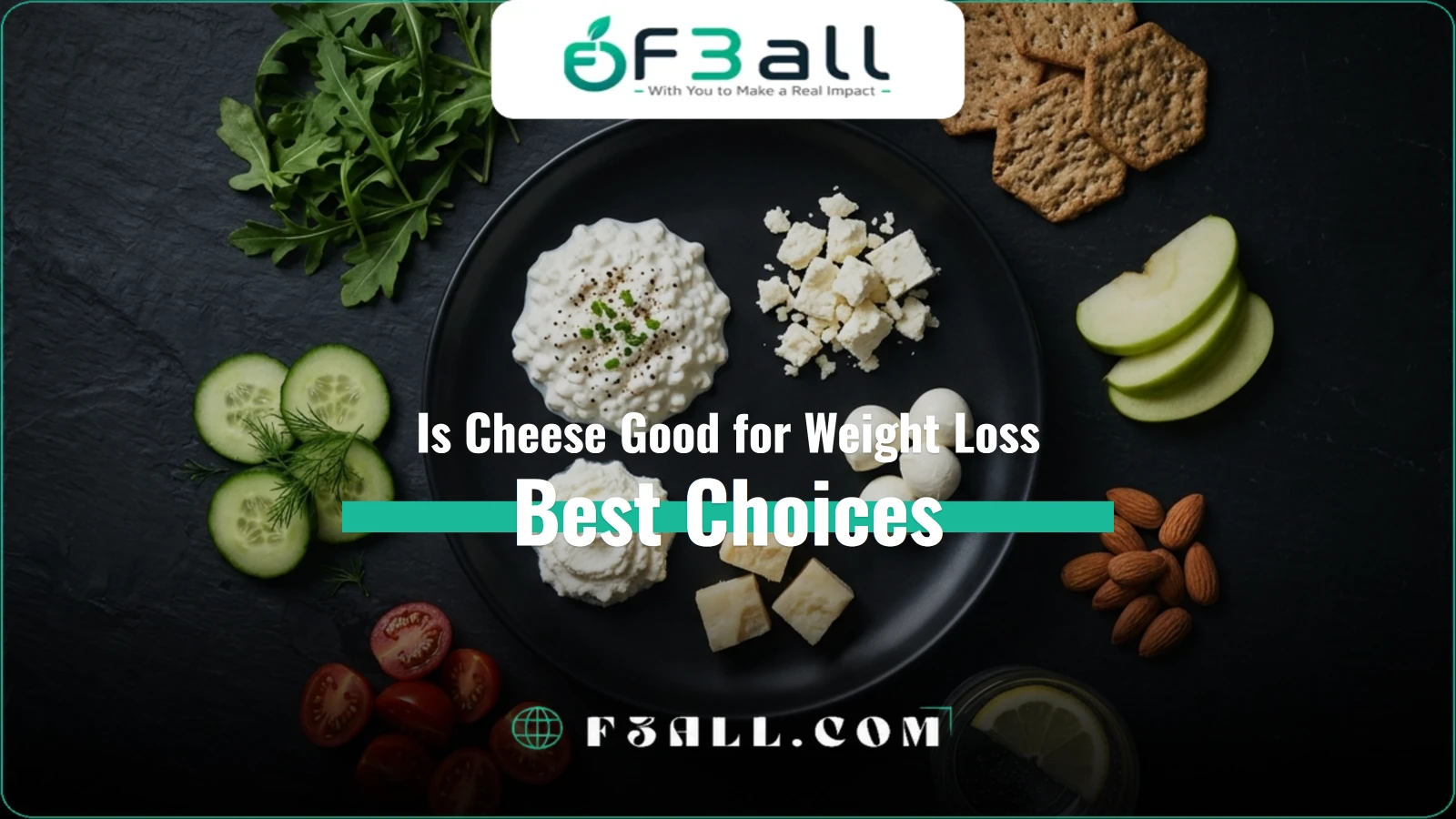
Is Cheese Good for Weight Loss | Best Choices
Is Cheese Good for Weight Loss depends much more on the type of cheese, portion size, and total daily calories than on cheese itself. Cheese can provide protein, calcium, flavor, and satisfaction, but many varieties are also calorie-dense because they contain significant amounts of fat.
You do not need to remove cheese from a weight-loss diet. Cottage cheese, part-skim mozzarella, feta, and measured servings of stronger cheeses can all fit comfortably into a calorie deficit. The key is choosing portions that provide enough flavor and protein without allowing cheese calories to quietly dominate the meal.
Is Cheese Good for Weight Loss
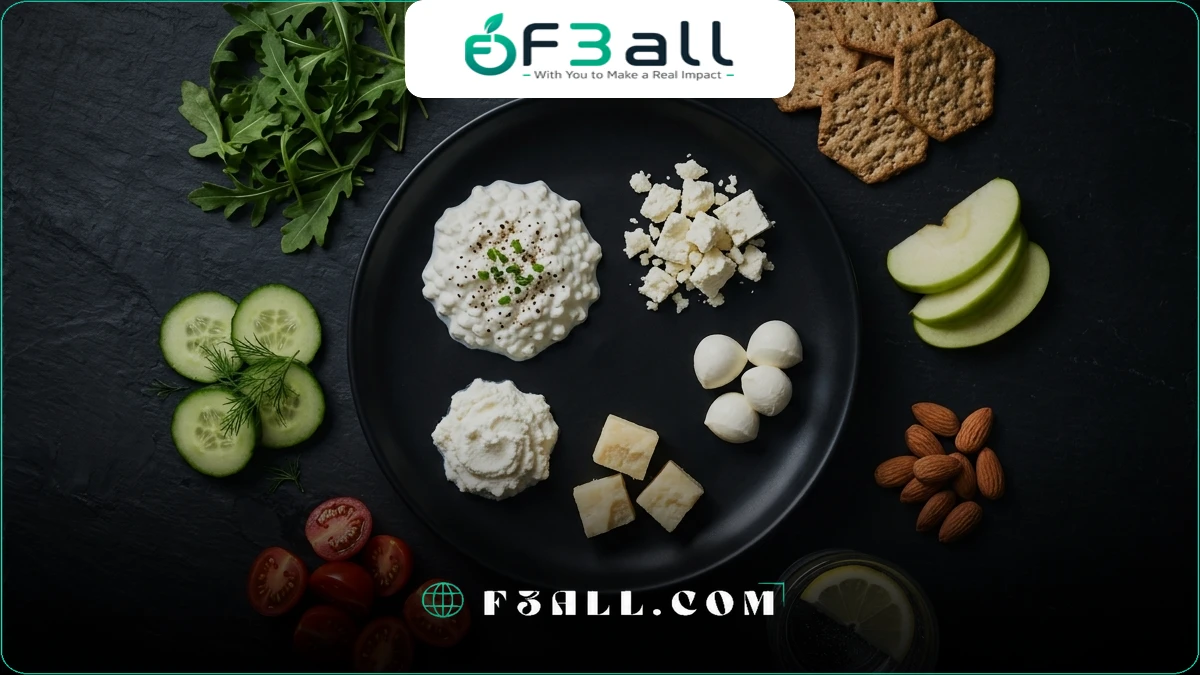
Yes, cheese can be good for weight loss when the portion fits your calorie needs. It does not directly burn fat, but some cheeses provide useful protein and can make lower-calorie meals more satisfying.
Cheese for weight loss works best when you:
- Measure portions rather than eating directly from the package.
- Choose higher-protein varieties when possible.
- Use strong-flavored cheese in smaller amounts.
- Combine cheese with vegetables, fruit, or other filling foods.
- Account for cheese calories in your daily intake.
The question Is Cheese Good for Weight Loss therefore has more to do with how you use cheese than whether cheese is allowed.
Best Cheese for Weight Loss
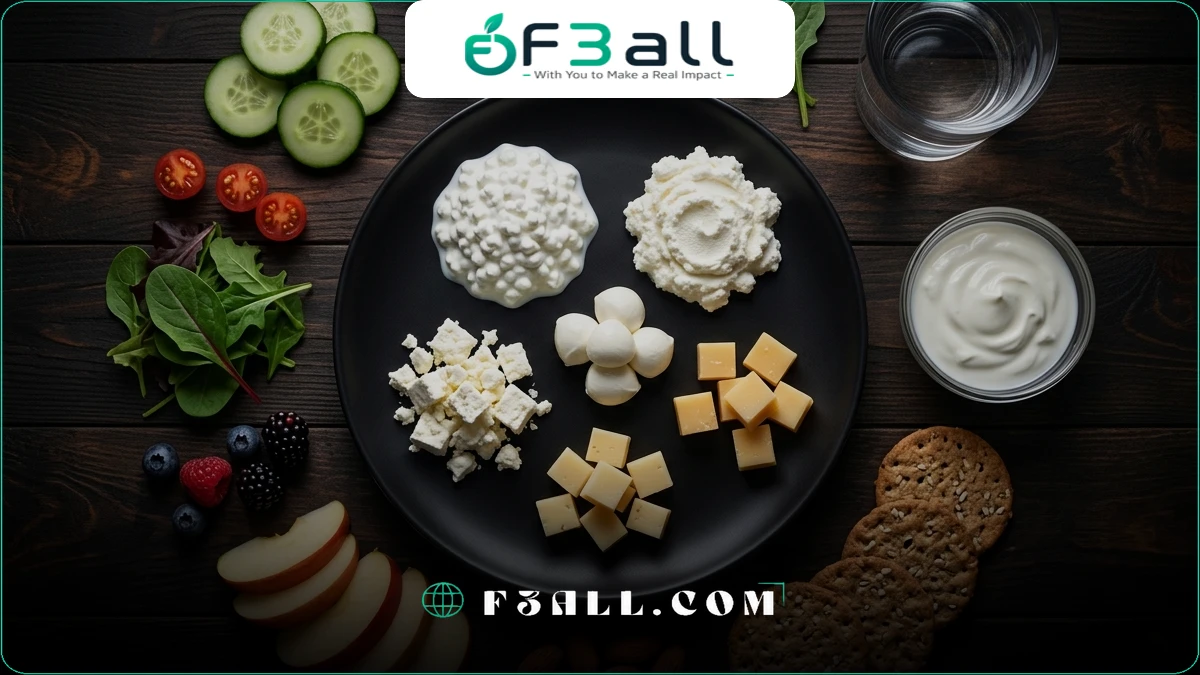
There is no single best cheese for everyone. A useful option generally provides a good amount of protein for the calories and is easy to portion.
| Cheese | Serving | Approx. Calories | Approx. Protein |
| Low-fat cottage cheese | 100 g | 90 kcal | 12 g |
| Part-skim mozzarella | 28 g | 80 kcal | 7 g |
| Feta | 28 g | 75 kcal | 4 g |
| Parmesan | 15 g | 60 to 65 kcal | 5 to 6 g |
| Swiss cheese | 28 g | About 110 kcal | 8 g |
| Cheddar | 28 g | About 114 kcal | 7 g |
Exact values vary by brand and fat content, so the nutrition label remains useful.
Cottage cheese is particularly practical because a larger serving can provide substantial protein without requiring as many calories as some hard cheeses.
Cottage Cheese for Weight Loss
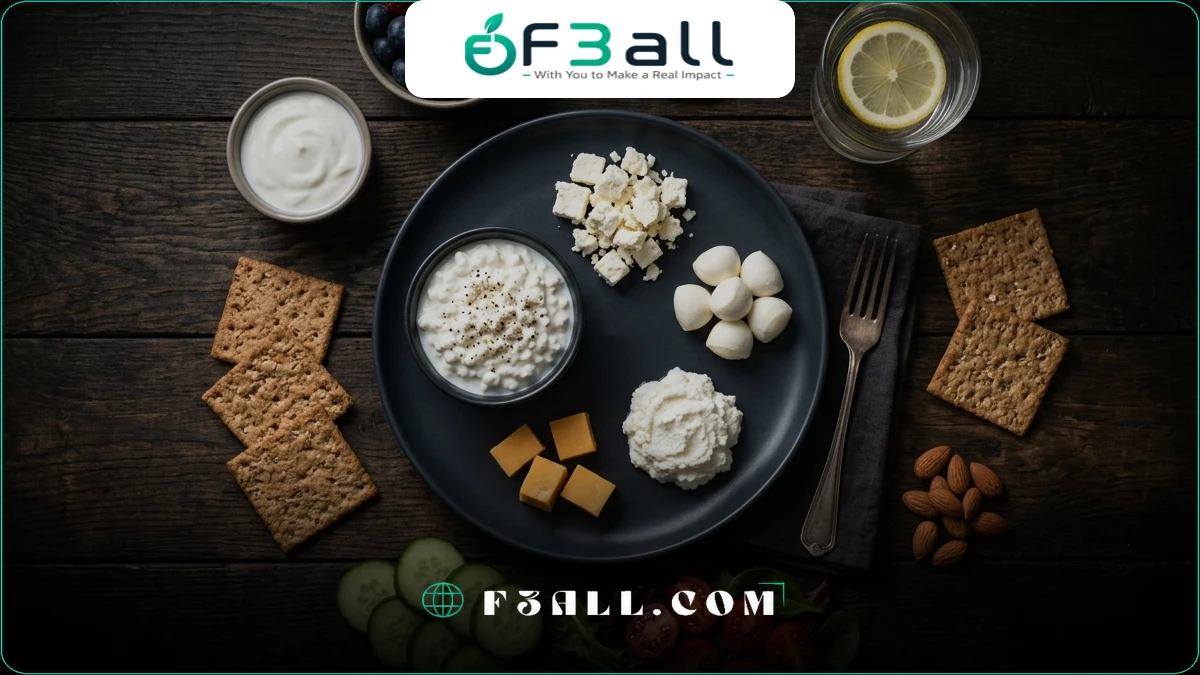
Cottage cheese weight loss meals can work well because cottage cheese is high in protein relative to its calorie content.
A 150 gram serving of low-fat cottage cheese may provide roughly 18 grams of protein for around 120 to 140 calories depending on the product.
It can be used with:
- Strawberries or blueberries.
- Cucumber and tomatoes.
- Apple and cinnamon.
- Whole-grain toast.
- Salad bowls.
- Baked potatoes.
For sweet meal ideas, explore Healthy Diet Dessert Recipes.
Cottage cheese can work as breakfast, a snack, or part of a main meal rather than only as a topping.
Low Calorie Cheese Options
Low calorie cheese usually means either a naturally lighter cheese or a reduced-fat version.
Useful options include:
| Option | Why It Can Help |
| Low-fat cottage cheese | High protein for the calories |
| Part-skim mozzarella | Moderate calories and good protein |
| Reduced-fat cheese | Can lower calories per serving |
| Feta | Strong flavor allows smaller portions |
| Parmesan | Small amounts provide substantial flavor |
A low-fat cheese for weight loss is not automatically the best choice if you dislike the taste and compensate by eating a larger amount.
Choose a product you actually enjoy and control the serving.
Read more about: Is Bike Riding Good for Weight Loss | Cycling Guide
High Protein Cheese Can Improve Meal Satisfaction
Protein is one reason cheese can fit a weight-loss diet.
Higher-protein choices include cottage cheese, mozzarella, Swiss cheese, and certain reduced-fat cheeses.
A useful way to compare cheeses is to look at protein per calorie instead of only total protein.
For example, a large serving of calorie-dense cheese may contain plenty of protein but also several hundred calories.
High protein cheese works best when the serving provides meaningful protein without using too much of your daily energy allowance.
How Much Cheese Can You Eat During Weight Loss
There is no universal daily cheese allowance.
The correct portion depends on the cheese and how it fits into the rest of your diet.
Practical portions may include:
| Cheese Type | Example Portion |
| Cottage cheese | 100 to 200 g |
| Mozzarella | 28 to 40 g |
| Feta | 20 to 30 g |
| Cheddar | 20 to 30 g |
| Parmesan | 10 to 20 g |
Someone using cheese mainly for flavor may need only 15 to 30 grams.
Someone using cottage cheese as the main protein source of a meal can reasonably use a much larger serving because its calorie density is lower.
Cheese Calories Can Add Up Quickly
The problem with cheese and weight gain is usually not that cheese has a special fattening effect. The problem is that calorie-dense cheeses are easy to eat in large amounts.
A 30 gram portion of cheddar contains roughly 120 calories.
If the same meal also contains large portions of:
- Olive oil.
- Nuts.
- Avocado.
- Sauce.
- Bread.
- Cheese.
The meal can become calorie-dense even though every individual ingredient is nutritious.
Is Cheese Good for Weight Loss therefore depends on total meal composition.
Cheese in a Calorie Deficit
Cheese can fit perfectly well into a calorie deficit.
A practical lunch might contain grilled chicken, a large vegetable salad, a measured amount of feta, and a moderate carbohydrate serving.
Another meal could use cottage cheese as the protein source with fruit and oats.
Cheese should be counted as part of the meal rather than treated as a free topping.
Explore Weight Loss Diet Plans for examples of how calorie-dense and lower-calorie foods can fit into the same structured eating plan.
Read more about: Peanut Butter Is It Good for Weight Loss | Guide
Full-Fat Versus Low-Fat Cheese
Low-fat cheese usually contains fewer calories because some fat has been removed.
However, full-fat cheese does not need to be completely avoided.
| Low-Fat Cheese | Full-Fat Cheese |
| Usually fewer calories | Usually more calorie-dense |
| Can provide more protein per calorie | May taste richer |
| Easier to use in larger portions | Smaller serving may be satisfying |
| Texture can differ | Traditional texture and flavor |
The better option is the one that helps you control total intake.
For example, 20 grams of a flavorful full-fat cheese may work better for one person than a large portion of low-fat cheese.
Healthy Cheese Options for Breakfast
Cheese can make breakfast more filling when paired with protein, fruit, vegetables, or high-fiber carbohydrates.
Try combinations such as:
| Breakfast | Main Components |
| Cottage cheese bowl | Cottage cheese, berries, cinnamon |
| Egg breakfast | Eggs, vegetables, small feta portion |
| Toast meal | Whole-grain toast, cottage cheese, tomato |
| Savory oats | Oats, egg, spinach, small Parmesan portion |
| Yogurt and cheese plate | Greek yogurt, fruit, small cheese serving |
A cheese-based breakfast does not need large amounts of butter, pastry, or processed meat to be satisfying.
Cheese Can Make Vegetables Easier to Eat
One of the most practical reasons to include cheese in a weight-loss diet is flavor.
A small amount of feta or Parmesan can make vegetables much more enjoyable.
Try using cheese with:
- Roasted broccoli.
- Tomato and cucumber salad.
- Grilled zucchini.
- Spinach.
- Stuffed peppers.
- Baked potato.
This can improve diet adherence because vegetables become more enjoyable without requiring large amounts of high-calorie sauce.
For more meal ideas, explore Delicious Diet Recipes.
Is Cheese Bad Because It Contains Fat
No. Dietary fat is an essential nutrient, and the presence of fat does not automatically make a food unsuitable for weight loss.
The important issue is calorie density.
Fat provides more calories per gram than protein or carbohydrate, which is why full-fat cheeses can contain many calories in a relatively small serving.
You do not need to avoid fat. You simply need portions that fit your daily calorie intake.
Sodium Is Another Factor to Consider
Some cheeses contain substantial sodium.
A salty meal can temporarily increase water retention, which may cause the scale to rise even when body fat has not increased.
That short-term scale change is not the same as fat gain.
People who need to limit sodium for medical reasons should choose products according to guidance from their healthcare professional and check nutrition labels carefully.
Read more about: Juices Good for Weight Loss | Smart Juice Guide
Processed Cheese Versus Traditional Cheese
Processed cheese products vary widely.
Some contain more sodium, added ingredients, or different amounts of protein and fat.
Rather than judging a cheese only by its name, check:
- Calories per serving.
- Protein.
- Saturated fat.
- Sodium.
- Serving size.
A packaged product can still fit a weight-loss diet, but the nutrition label makes comparison easier.
Common Cheese Weight Loss Mistakes
A few habits can turn a reasonable cheese serving into several hundred extra calories.
- Eating grated cheese without measuring it.
- Using cheese in several meals every day without tracking portions.
- Combining cheese with multiple other calorie-dense toppings.
- Assuming low-carb cheese is automatically low-calorie.
- Choosing a low-fat cheese but eating twice as much.
- Using cheese as an addition to a meal that already has enough calories.
These mistakes do not make cheese unhealthy. They simply make maintaining a calorie deficit harder.
Easy Ways to Use Cheese for Weight Loss
You can make cheese easier to fit into your diet by using it strategically.
- Use Parmesan as a flavor ingredient rather than the main component.
- Add a measured feta portion to a large salad.
- Use cottage cheese as a protein-rich snack.
- Choose part-skim mozzarella for sandwiches or wraps.
- Pair cheese with vegetables rather than large portions of crackers.
- Pre-portion cheese before eating.
This approach provides flavor without making every meal cheese-heavy.
Why F3all Is Your Best Choice
At F3all, Is Cheese Good for Weight Loss is answered by looking at calories, protein, serving size, cheese type, and the rest of the meal instead of labeling cheese as either a perfect diet food or something that must be avoided. The goal is to help you keep foods you enjoy while still maintaining a realistic calorie deficit.
- Cheese Choices Based on Real Nutrition: F3all compares cottage cheese, mozzarella, feta, Parmesan, and other options according to calories and protein rather than marketing labels.
- Practical Portion Guidance: You can see how a small hard-cheese serving differs from a larger cottage cheese portion, making calorie control easier.
- High-Protein Options for Better Meals: Protein-rich cheeses are used strategically to make breakfasts, snacks, and meals more satisfying.
- Low-Calorie Swaps Without Extreme Restriction: F3all shows where reduced-fat cheese can help while also explaining why full-fat cheese can still fit in controlled portions.
- Cheese Without Weight Gain Myths: Cheese does not automatically cause fat gain. F3all keeps the focus on total calorie intake, portions, and sustainable eating habits.
- More Support for Your Diet: Explore Weight Loss for broader guidance, Weight Loss Diet Plans for meal structure, and Delicious Diet Recipes for practical ways to use everyday foods.
F3all makes cheese for weight loss easier to understand by focusing on how the food actually fits into your diet instead of creating unnecessary food rules.
Frequently Asked Questions
Is Cheese Good for Weight Loss?
Yes, cheese can fit a weight-loss diet when you control the serving and keep total calories appropriate for your goals.
What is the best cheese for weight loss?
Low-fat cottage cheese, part-skim mozzarella, feta, and measured portions of other cheeses are practical choices depending on your nutritional needs.
Is cottage cheese good for weight loss?
Yes, cottage cheese can be particularly useful because it provides substantial protein for relatively few calories compared with many hard cheeses.
What is the lowest calorie cheese?
Calories vary by product, but reduced-fat cottage cheese, part-skim mozzarella, and some light cheese products are commonly lower-calorie options.
Can I eat cheese every day and lose weight?
Yes, if your overall calorie intake remains below your energy needs and cheese portions fit within that calorie budget.
Does cheese cause weight gain?
Cheese does not automatically cause weight gain. Consistently consuming more calories than your body uses is what promotes fat gain.
Is low-fat cheese better for weight loss?
It can make calorie control easier, but it is not always necessary. A smaller serving of full-fat cheese can also fit a weight-loss plan.
Is cheese high in protein?
Many cheeses provide meaningful protein, although the protein-to-calorie ratio differs considerably between varieties.
How much cheese should I eat during weight loss?
Portions depend on the type. Around 20 to 30 grams may be appropriate for hard cheese, while cottage cheese can usually be eaten in larger servings.
Can cheese help control hunger?
Protein and fat in cheese may contribute to satisfaction, particularly when cheese is combined with vegetables, fruit, or other filling foods.
In the End
Is Cheese Good for Weight Loss has a simple answer: cheese can fit comfortably into a calorie-controlled diet when portions are appropriate. Cottage cheese and part-skim mozzarella provide useful protein, while stronger cheeses such as feta, cheddar, and Parmesan can add flavor in smaller amounts.
Do not judge cheese only by whether it is full-fat or low-fat. Look at calories, protein, serving size, and how the cheese fits into the complete meal. A measured portion can help make healthy meals more enjoyable without preventing weight loss.
References