Best Weight Loss Beverages for Smarter Everyday Choices
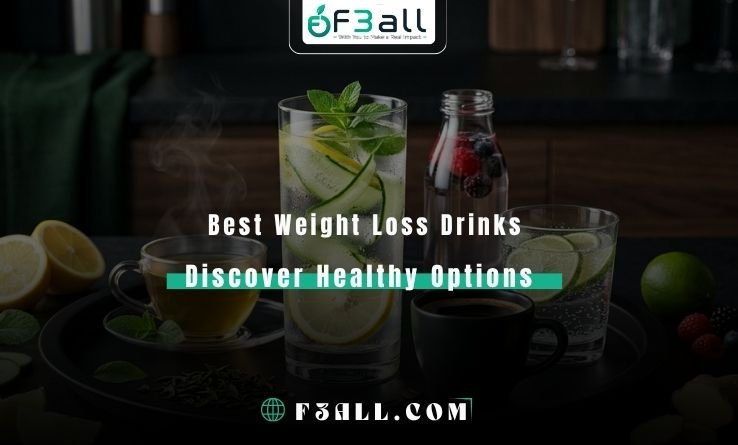
Best Weight Loss Beverages are not magical fat burners. The most useful choices generally reduce liquid calories, support hydration, provide needed nutrition, or replace a higher-calorie drink without creating new hunger. Water, unsweetened tea, plain coffee, milk, and carefully planned protein shakes can fit different needs. This guide explains calories, sugar, caffeine, green tea, smoothies, meal replacements, detox claims, labels, safety, and practical beverage strategies for sustainable weight management success.
Best Weight Loss Beverages
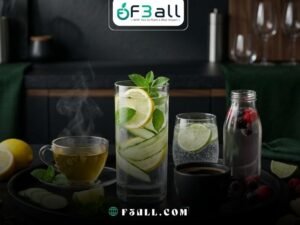
The strongest answer is pleasantly simple: begin with water, then select unsweetened or nutrient-dense drinks according to the job the beverage needs to do. A drink may hydrate, accompany a meal, provide protein, or replace a planned snack. It does not need to claim that it melts fat. The best option is the one that fits your calorie target, health needs, preferences, and routine without encouraging compensation later. F3all’s broader weight-loss guidance can help place beverage choices inside a complete eating and activity plan.
The Honest Answer About Best Weight Loss Beverages

No beverage independently causes substantial, lasting fat loss. Body weight changes over time when total energy intake, energy use, sleep, medications, health conditions, and behavior interact. Drinks matter because calories can be easy to consume quickly and may not feel as filling as food. Replacing a sugar-sweetened drink with water can lower intake without changing the rest of a meal. By contrast, adding a so-called wellness drink on top of normal intake may add calories without helping. Best Weight Loss Beverages improve the pattern; they do not replace it.
A Practical Scorecard for Best Weight Loss Beverages

Use a short scorecard before believing the front of a bottle. A useful beverage usually scores well on purpose, calories, added sugar, portion size, and satisfaction. Protein, fiber, vitamins, or minerals may matter when the drink is meant to provide nutrition. Caffeine and sodium need context. Low calorie beverages are not automatically necessary, and a nutritious drink is not automatically low calorie.
| Question | What to check |
| What is its purpose | Hydration, enjoyment, recovery, snack, or meal replacement |
| What is one serving | Compare the label with the amount you will actually drink |
| What does it add | Calories, added sugar, protein, sodium, or caffeine |
| What does it replace | Water, soda, alcohol, a snack, or a complete meal |
| How does it affect hunger | Notice satisfaction and later eating rather than marketing promises |
Why Drink Calories Matter for Best Weight Loss Beverages
Liquid calories count toward daily energy intake even when a drink feels light. A large sweet coffee, fruit drink, sweet tea, or regular soda can contribute hundreds of calories, especially when refills are involved. The Centers for Disease Control and Prevention notes that a 12-ounce regular soda contains about 150 calories and roughly 42 grams of added sugar. That does not mean every caloric beverage is unhealthy. It means portions and frequency deserve attention. Best Weight Loss Beverages make calories intentional instead of invisible. Best Weight Loss Beverages require context.
Read more about:Best Salad Dressing for Weight Loss Build Better Salads
Water Leads Best Weight Loss Beverages
Water is the default choice because it hydrates with zero calories, is widely available, and works with almost any meal. Replacing a regular soda or sweet tea with water creates a direct calorie reduction. Drinking water does not itself burn body fat, and forcing excessive amounts offers no special advantage. Sip according to thirst, activity, climate, and medical guidance. Keep a reusable bottle nearby, serve water with meals, and drink before reaching the point of intense thirst. Explore additional healthy drink ideas when plain water becomes monotonous.
Hydration and Weight Loss in Best Weight Loss Beverages
Hydration and weight loss are connected indirectly. Adequate fluid supports normal circulation, temperature regulation, digestion, and physical performance. A dehydrated person may feel tired and exercise less comfortably, but drinking beyond the body’s needs does not accelerate fat loss. Fluid requirements vary with body size, food intake, activity, weather, pregnancy, breastfeeding, medications, and illness. Urine color can offer a rough clue, though it is not a medical test. People with kidney, heart, or fluid-balance conditions should follow personalized limits rather than generic internet targets. Best Weight Loss Beverages support hydration.
Tea Among Best Weight Loss Beverages
Unsweetened black, green, oolong, white, and herbal teas can add flavor with few or no calories. Their greatest practical advantage is often what they replace: sweet tea, soda, or a dessert-like coffee. Brew hot or cold, then flavor with lemon, cinnamon, mint, or a modest splash of milk if desired. Bottled tea needs label inspection because many varieties contain substantial added sugar. Tea is not a shortcut around calorie balance, yet an enjoyable unsweetened cup can become a stable cue for a lower-calorie routine.
Green Tea in Best Weight Loss Beverages
Green tea for weight loss is popular because it contains caffeine and catechins. Research does not justify calling ordinary tea a powerful fat burner; any average effect on body weight appears small and inconsistent. Unsweetened brewed green tea can still be useful because it is low calorie and flavorful. Green tea extracts are different from a normal cup. Concentrated supplements may interact with medicines and have been linked to liver injury. Best Weight Loss Beverages favor ordinary foods and drinks while treating concentrated extracts with appropriate medical caution. Best Weight Loss Beverages reflect evidence.
Coffee and Best Weight Loss Beverages
Plain brewed coffee contributes very few calories, but additions can transform it. Sugar, flavored syrup, sweetened creamer, whipped cream, and oversized servings may make a coffee closer to dessert. Order a smaller size, reduce syrup pumps, choose unsweetened milk, or gradually lower sweetness. Coffee may briefly increase alertness and exercise comfort for some adults, but it is not a meaningful stand-alone weight-loss treatment. If caffeine worsens anxiety, reflux, sleep, tremor, or heart symptoms, decaffeinated coffee or another beverage may be a better personal choice.
Read more about:Best Salad Dressing for Weight Loss Build Better Salads
Caffeine Context for Best Weight Loss Beverages
The Food and Drug Administration states that up to 400 milligrams of caffeine per day is an amount not generally associated with negative effects for most adults, while sensitivity varies. Pregnancy, adolescence, medicines, and medical conditions require more caution. Energy drinks can vary widely in caffeine and may combine it with sugar or other stimulants. Avoid pure or highly concentrated caffeine products because small measuring errors can be dangerous. Best Weight Loss Beverages should never trade a modest calorie advantage for disrupted sleep, palpitations, or unsafe stimulant exposure. Best Weight Loss Beverages protect sleep.
Milk Alternatives in Best Weight Loss Beverages
Milk is not calorie-free, but it can provide protein, calcium, and other nutrients. Unsweetened soy milk may offer more protein than many other plant beverages, while almond, oat, coconut, and other alternatives vary substantially. Compare calories, protein, added sugar, fortification, and serving size. Choose the version that fits the meal rather than assuming every plant label means lighter. A glass used to satisfy hunger has a different purpose from cream poured casually throughout the day. Nutrient value and portion awareness can coexist in Best Weight Loss Beverages. Best Weight Loss Beverages can nourish.
Protein Shakes in Best Weight Loss Beverages
Protein shakes for weight loss can be practical when they solve a specific problem, such as a rushed breakfast or a protein gap. Protein may improve short-term fullness, yet long-term appetite and weight effects vary. Count every ingredient: powder, milk, fruit, oats, nut butter, honey, and oils can produce a much larger drink than expected. A simple shake might combine measured protein powder, unsweetened milk, ice, and fruit. Best Weight Loss Beverages use shakes strategically rather than adding them automatically after meals or workouts. Best Weight Loss Beverages need planning.
Protein Shakes and Meal Replacements in Best Weight Loss Beverages
A protein shake is not necessarily a complete meal. Many powders mainly supply protein and lack enough energy, fiber, fats, vitamins, or minerals to replace varied food. A formulated meal replacement is designed for a broader nutritional role and may support weight loss within a structured calorie-controlled program. Both still require portion planning. If a shake leaves you hungry, combine it with whole food or use it as a snack instead. Detailed weight-loss diet plans can help organize beverages around meals rather than letting them compete. Best Weight Loss Beverages require complete labels.
Smoothies and Best Weight Loss Beverages
Smoothies can contain fruit, vegetables, dairy, seeds, and protein, but blending does not erase calories. Restaurant smoothies frequently use juice, sweetened yogurt, syrups, or oversized portions. At home, begin with one measured fruit portion, a vegetable, a protein source, and water or unsweetened milk. Use a glass rather than drinking from a blender jar, and notice whether the smoothie keeps you satisfied. For controlled combinations, browse delicious diet recipes and adjust portions to your individual energy needs.
Read more about:Best Salad Dressing for Weight Loss Build Better Salads
Whole Fruit and Juice in Best Weight Loss Beverages
One hundred percent juice can provide nutrients, but it contains less fiber than whole fruit and is usually easier to consume quickly. A small glass may fit a balanced diet; multiple large glasses can add substantial calories without the chewing and volume of whole fruit. Fruit drinks, punches, and cocktails may contain added sugar and only limited juice. Choose whole fruit most often, measure juice rather than pouring freely, and avoid treating juice as unlimited because it sounds natural. Best Weight Loss Beverages depend on the complete nutrition facts, not a health halo. Best Weight Loss Beverages include whole-food options.
Diet Drinks Among Best Weight Loss Beverages
The best diet drinks are not identical for everyone. Evidence about long-term outcomes is complicated because people who choose diet drinks can differ in many ways from those who do not. Avoid turning an observational association into proof of harm or benefit. If intense sweetness maintains cravings for you, reduce it gradually. If it supports a lower-calorie pattern without problems, use it deliberately. Best Weight Loss Beverages allow flexibility.
Sports Drinks and Best Weight Loss Beverages
Sports drinks are designed to supply fluid, carbohydrate, and electrolytes during demanding exercise. Most short, ordinary workouts do not automatically require them; water and regular meals are often sufficient. Long-duration activity, heavy sweating, intense heat, or specific medical needs may justify a tailored strategy. A brightly colored bottle is not proof of necessity. Check calories, sugar, sodium, and serving size, then match the product to the session. The drink that supports a marathon is not necessarily appropriate for a brief walk or desk-based afternoon.
Energy Drinks Versus Best Weight Loss Beverages
Energy drinks should not be confused with drinks for weight loss. Some contain considerable sugar, while sugar-free versions can still deliver large or uncertain caffeine doses. Stimulants may temporarily reduce tiredness, but they cannot replace sleep and may worsen anxiety, heart rate, or sleep quality. Poor sleep can make appetite management and exercise recovery harder. Never mix powdered concentrated caffeine by eye. Adolescents, pregnant people, and individuals with relevant health conditions need particular caution. Choose energy through food, hydration, rest, and appropriately timed coffee or tea when tolerated. Best Weight Loss Beverages exclude stimulant hype.
Detox Claims and Best Weight Loss Beverages
Detox drinks often promise rapid fat loss or toxin removal, yet the National Center for Complementary and Integrative Health reports no compelling evidence that detox diets support lasting weight management or eliminate toxins. Early scale changes during severe restriction largely reflect reduced intake and fluid shifts, and weight may return. Cleanses can cause diarrhea, dehydration, electrolyte imbalance, or medication problems. Lemon, cucumber, and mint can flavor water beautifully, but they do not purify organs. Best Weight Loss Beverages support the body’s normal systems through adequate nutrition and hydration. Best Weight Loss Beverages reject cleanse claims.
Read more about:Best Salad Dressing for Weight Loss Build Better Salads
Fat Burning Claims Versus Best Weight Loss Beverages
The phrase fat burning drinks sounds precise but usually describes marketing rather than a clinically meaningful outcome. Products may also hide substantial sugar, stimulant blends, or laxatives. Ask how many calories the drink contains, what reliable trials show, how large the effect was, and whether it is safe. If the explanation depends on vague words such as cleanse, flush, or melt, remain skeptical. Best Weight Loss Beverages avoid miracle promises.
Metabolism Claims and Best Weight Loss Beverages
Metabolism boosting drinks are often sold as if one ingredient can permanently raise calorie use. Human metabolism is influenced by body size, lean mass, genetics, hormones, movement, food intake, and adaptation. A brief laboratory change is not the same as meaningful long-term fat loss. Strength training, sufficient protein, daily movement, adequate sleep, and a sustainable calorie plan matter far more than spicy water or stimulant shots. Best Weight Loss Beverages protect sleep, recovery, hydration, and dietary consistency instead of chasing tiny temporary metabolic effects. Best Weight Loss Beverages prioritize lasting habits.
Reading Labels for Best Weight Loss Beverages
Turn the bottle around. First compare the listed serving size with the amount you intend to drink. A container may hold more than one serving, although some labels show the whole package. Next check calories, total carbohydrate, total and added sugars, protein, fat, sodium, and relevant vitamins or minerals. Ingredient order can reveal syrups or concentrates. Caffeine is not always displayed in the same place, so check the package and manufacturer information. Claims such as natural, clean, vitamin, or antioxidant do not override the Nutrition Facts panel. Best Weight Loss Beverages reward label reading.
Added Sugar and Best Weight Loss Beverages
Added sugar raises calories without being essential to the beverage’s basic function. The FDA Nutrition Facts label lists added sugars in grams and as a percent Daily Value; the Daily Value is 50 grams on a 2,000-calorie diet. That reference is not a personalized target. Compare similar products and notice how one drink fits the whole day. Sugar-sweetened beverages include regular soda, fruit drinks, sweetened coffees and teas, energy drinks, and some flavored milks. Gradual reductions often feel more sustainable than demanding instant perfection.
Ordering Best Weight Loss Beverages Away From Home
Restaurant drinks can be difficult to estimate because cup size, refills, syrup, cream, and garnish vary. Decide before ordering: water, sparkling water, unsweetened tea, black coffee, or a deliberately chosen portion of another beverage. Request syrup on the side, fewer pumps, no whipped topping, or unsweetened milk. Share a specialty drink if enjoyment is the goal. Do not label the choice as cheating; simply account for it. A flexible plan prevents one drink from becoming a reason to abandon the rest of the day.
Sustainable Results With Best Weight Loss Beverages
The most effective beverage change is one you can repeat in ordinary life. Choose a default drink, prepare for work and travel, keep enjoyable alternatives available, and plan higher-calorie favorites instead of banning them. Review progress over weeks using energy intake, hunger, sleep, exercise, health markers, and enjoyment rather than a single scale reading. Beverage changes work best alongside filling meals, daily movement, resistance exercise, and recovery. Visit F3all for practical nutrition and lifestyle education designed around sustainable habits rather than dramatic promises.
Read more about:Best Salad Dressing for Weight Loss Build Better Salads
Why F3all Explains Best Weight Loss Beverages Clearly
F3all explains nutrition in practical language while separating useful habits from marketing hype. Our approach to Best Weight Loss Beverages prioritizes water, label literacy, portion awareness, adequate nutrition, and realistic expectations. We do not describe detoxes, stimulant shots, or ordinary foods as miracles. Instead, we help readers see what a beverage replaces, what it contributes, and whether the choice can last. Learn more about F3all and use this guide as education, not individual diagnosis or a substitute for professional medical care. Best Weight Loss Beverages deserve clear guidance.
Frequently Asked Questions About Best Weight Loss Beverages
1. What are the Best Weight Loss Beverages for everyday use?
Water is the strongest everyday default because it hydrates without calories. Unsweetened tea, plain coffee, and sparkling water can add variety. Milk or fortified alternatives can contribute nutrition when their calories fit the plan. A protein shake can solve a specific meal or protein need, but it is not automatically superior to food. The useful question is not which drink burns fat; it is which choice supports hydration, nutrition, satisfaction, and a manageable total calorie intake without disrupting sleep or health.
2. Do fat burning drinks really work?
No drink reliably melts body fat in a clinically meaningful way. Caffeine and some tea compounds can produce small or temporary physiological effects, but advertising often exaggerates their importance. Lasting weight loss depends on the overall energy pattern and sustainable behavior. Products marketed as fat burning drinks may contain sugar, high stimulant doses, laxatives, or poorly explained blends. Check evidence, ingredients, dose, cost, and safety. Use ordinary low-calorie beverages to replace higher-calorie choices instead of expecting a drink to override the rest of the diet.
3. Is green tea one of the Best Weight Loss Beverages?
Unsweetened brewed green tea can be a useful low-calorie option, especially when it replaces a sweet beverage. Its direct average effect on weight is likely small and inconsistent, so it should not be presented as treatment. Brewed tea and concentrated green tea extract are not interchangeable. Extract supplements can cause side effects, interact with medicines, and have been linked to liver injury. Enjoy green tea for taste and variety, keep additions modest, and choose decaffeinated tea if caffeine affects sleep or comfort.
4. Can protein shakes for weight loss replace meals?
Some formulated meal replacements can replace a planned meal within a structured program, but a standard protein powder is not necessarily nutritionally complete. Examine calories, protein, fiber, fats, added sugars, vitamins, minerals, and portion size. A shake made with several calorie-dense additions can exceed the meal it replaces. If a simple protein shake does not satisfy you, pair it with whole food or use it as a snack. People with medical conditions should select products with a clinician or registered dietitian.
5. Are smoothies healthy weight loss drinks?
They can be, depending on ingredients, amount, and purpose. A balanced homemade smoothie can include measured fruit, vegetables, a protein source, and unsweetened liquid. Large commercial smoothies may contain juice concentrates, sweetened yogurt, syrups, and multiple fruit portions. Blending can make energy easier to consume quickly, so pour a planned serving and evaluate fullness afterward. A smoothie should replace an appropriate snack or meal component, not appear as an unnoticed extra. Whole fruit remains a valuable choice because it requires chewing and retains fiber.
6. How much water should I drink for weight loss?
There is no universal weight-loss water target. Needs vary with body size, diet, exercise, weather, pregnancy, breastfeeding, health, and medicines. Drink regularly, respond to thirst, and increase fluid around heat or activity as appropriate. Water-rich foods also contribute. More water does not always mean more fat loss, and extreme intake can disturb sodium balance. People with kidney or heart conditions may receive specific fluid instructions. The practical benefit comes mainly when water replaces caloric beverages and supports comfortable daily function and exercise.
7. Are diet sodas among the Best Weight Loss Beverages?
Diet soda can lower calorie intake when it directly replaces regular soda, but it is not required and does not cause fat loss by itself. Some people use it as a transition while reducing sugary drinks; others prefer water or unsweetened options. Consider taste, dental exposure, digestive tolerance, caffeine, and whether sweetness affects your habits. Avoid using a zero-calorie drink to justify a larger meal. If diet soda helps your overall plan without unwanted effects, use it deliberately while keeping water as the main hydration source.
8. Should I use sports drinks after every workout?
Usually not. Water and normal meals are sufficient after many short or moderate workouts. Sports drinks become more relevant during prolonged intense exercise, substantial sweat loss, hot conditions, or closely spaced training sessions. Their carbohydrate and sodium can serve a performance purpose in those situations, but they also add calories and may be unnecessary after a casual walk or short gym session. Match the beverage to duration, intensity, climate, and individual sweat rate. Competitive athletes can seek guidance from a qualified sports dietitian.
9. Are detox drinks safe for quick weight loss?
Detox drinks are not supported as a reliable method for lasting weight loss or toxin removal. Restrictive cleanses may cause short-term scale changes through lower intake and fluid shifts, not special fat loss. Depending on ingredients and duration, they may trigger dehydration, diarrhea, electrolyte problems, or interactions. Your liver, kidneys, lungs, and digestive system already perform essential processing and elimination functions. Choose regular food, adequate fluids, sleep, and medical care when needed. Do not delay treatment because a cleanse promises to fix symptoms.
10. How do I choose the Best Weight Loss Beverages at a store?
Start with purpose and serving size. Compare calories, added sugar, protein, sodium, caffeine, and the number of servings in the container. Ask whether the drink will replace a higher-calorie beverage, provide planned nutrition, or simply add to the day. Water and unsweetened options are dependable defaults. Ignore vague front-label claims until the Nutrition Facts and ingredient list support them. Choose a flavor and price you can maintain, then test whether the product helps satisfaction, energy, sleep, exercise, and total intake over time.
In the End
Best Weight Loss Beverages are ordinary choices used consistently, not secret mixtures. Water leads because it hydrates without calories. Unsweetened tea and coffee add variety, while milk, fortified alternatives, smoothies, and protein shakes can serve defined nutritional roles when portions are planned. Green tea is not a powerful fat burner, sports drinks need an athletic purpose, and detox drinks lack compelling evidence for lasting weight management. Read labels, count additions, protect sleep, consider health conditions, and judge every drink by what it contributes and replaces. A flexible beverage pattern, combined with balanced meals, movement, and realistic expectations, offers a stronger route to lasting progress than any metabolism or cleansing claim.
References
- Centers for Disease Control and Prevention. About Water and Healthier Drinks.
- Centers for Disease Control and Prevention. Rethink Your Drink.
- Centers for Disease Control and Prevention. Fast Facts: Sugar-Sweetened Beverage Consumption.
- Centers for Disease Control and Prevention. How to Use Fruits and Vegetables to Help Manage Your Weight.
- U.S. Department of Health and Human Services and U.S. Department of Agriculture. Dietary Guidelines for Americans, 2025–2030.
- U.S. Food and Drug Administration. Added Sugars on the Nutrition Facts Label.
- U.S. Food and Drug Administration. How to Understand and Use the Nutrition Facts Label.
- U.S. Food and Drug Administration. Spilling the Beans: How Much Caffeine Is Too Much.
- U.S. Food and Drug Administration. Pure and Highly Concentrated Caffeine.
- National Center for Complementary and Integrative Health. Detoxes and Cleanses: What You Need to Know.
- National Center for Complementary and Integrative Health. Green Tea.
- Hansen TT, et al. Effects of increased protein intake on appetite and satiety: a systematic review and meta-analysis.
- Astbury NM, et al. A systematic review and meta-analysis of the effectiveness of meal replacements for weight loss.