Is Sweet Potato Good for Weight Loss | Nutrition Guide
Is Sweet Potato Good for Weight Loss is a common question among people who want to enjoy nutritious carbohydrate foods while managing their calorie intake. Sweet potatoes provide complex carbohydrates, dietary fiber, potassium, vitamin C, and beta-carotene. Although they contain more calories than non-starchy vegetables, they can fit comfortably into a balanced weight-loss diet when prepared and portioned appropriately.
Boiled, baked, steamed, and roasted sweet potatoes can all support calorie-controlled meal planning. Their suitability depends on serving size, cooking methods, and the foods eaten alongside them. Understanding sweet potato calories for weight loss can help you build satisfying meals without unnecessarily eliminating carbohydrate-rich foods.
Is Sweet Potato Good for Weight Loss
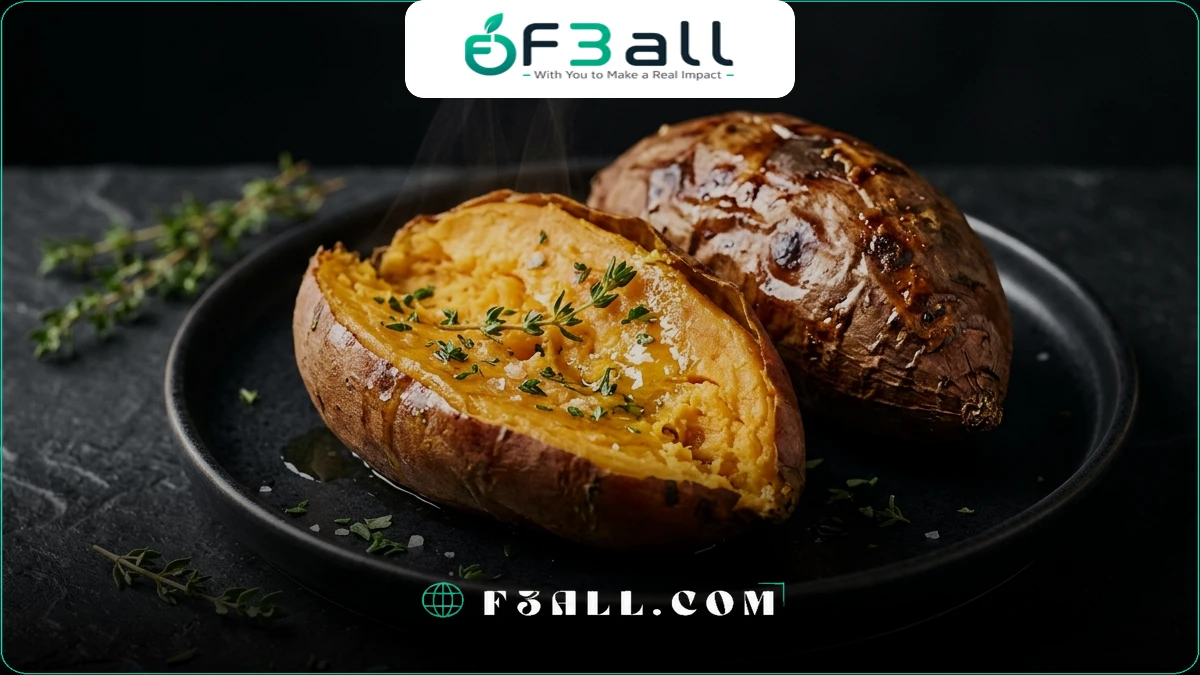
Yes, sweet potatoes can be a healthy food for weight loss because they provide carbohydrates, fiber, water, and essential nutrients.
A medium-sized sweet potato can fit into a calorie-controlled meal, especially when combined with lean protein and vegetables.
However, sweet potatoes do not directly burn fat or guarantee weight loss.
Sweet potatoes work best for weight loss when you:
- Choose boiled, baked, or steamed preparations.
- Measure portions according to your calorie requirements.
- Keep butter, oil, and sugary toppings controlled.
- Combine sweet potatoes with protein-rich foods.
- Include vegetables alongside them.
- Count sweet potatoes as part of the carbohydrate portion of a meal.
- Maintain an appropriate overall calorie deficit.
For example, a baked sweet potato with grilled chicken and vegetables can provide a balanced meal containing carbohydrates, protein, and fiber.
The same sweet potato prepared with large amounts of butter, sugar, or creamy sauce may contain substantially more calories.
For additional guidance on organizing carbohydrate portions, explore Weight Loss Diet Plans.
Is Sweet Potato Good for Weight Loss depends primarily on total calorie intake, preparation methods, and serving size rather than the food itself.
Sweet Potato Calories for Weight Loss
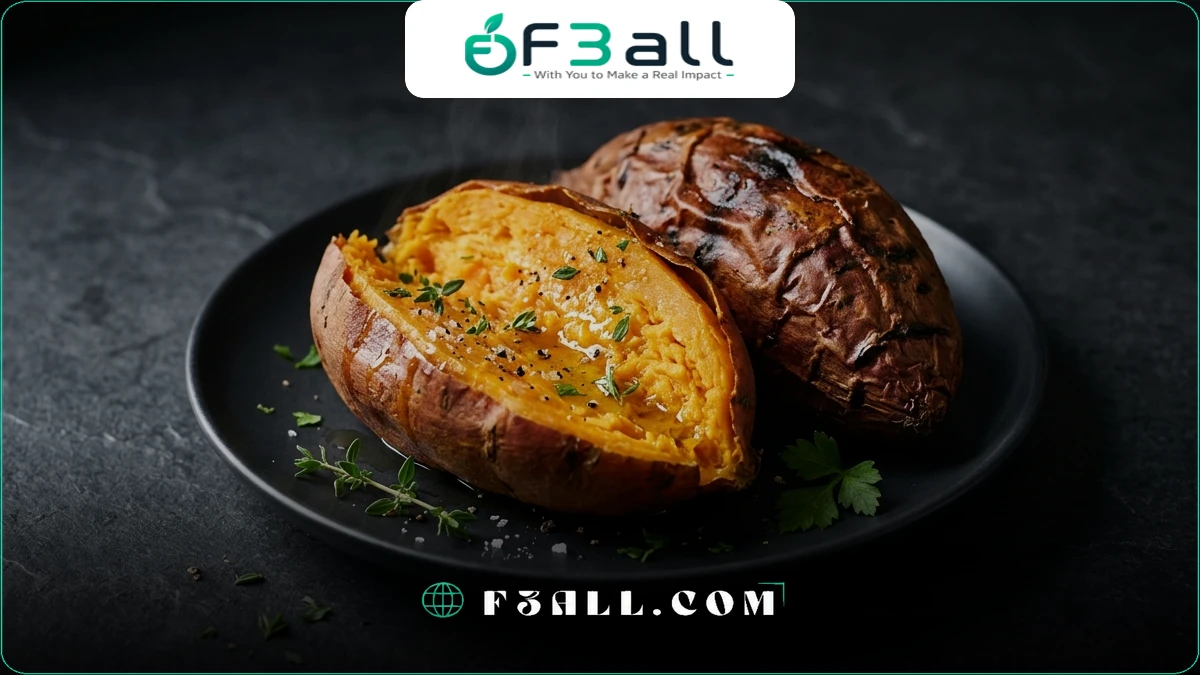
Understanding sweet potato calories for weight loss makes it easier to include this nutritious carbohydrate source in daily meals.
Approximately 100 grams of raw sweet potato contains 86 calories.
Cooking changes water content, so calorie values per 100 grams vary between raw, boiled, and baked sweet potatoes.
For example, plain baked sweet potato flesh provides approximately 90 calories per 100 grams, while boiled sweet potato may contain fewer calories per 100 grams because of differences in water content.
The following table uses approximate values for plain baked sweet potato flesh without added oil or toppings.
| Sweet Potato Portion | Calories | Carbohydrates | Protein | Fiber |
| 50 g | 45 kcal | 10.4 g | 1 g | 1.7 g |
| 80 g | 72 kcal | 16.6 g | 1.6 g | 2.6 g |
| 100 g | 90 kcal | 20.7 g | 2 g | 3.3 g |
| 150 g | 135 kcal | 31.1 g | 3 g | 5 g |
| 200 g | 180 kcal | 41.4 g | 4 g | 6.6 g |
| 250 g | 225 kcal | 51.8 g | 5 g | 8.3 g |
Exact values vary according to variety, cooking time, moisture content, and whether the skin is included.
A serving of approximately 100 to 150 grams is practical for many meals, although individual calorie requirements differ.
Sweet potato calories for weight loss are manageable when you measure portions and avoid unnecessary calorie-dense additions.
Sweet Potato Nutrition for Weight Loss
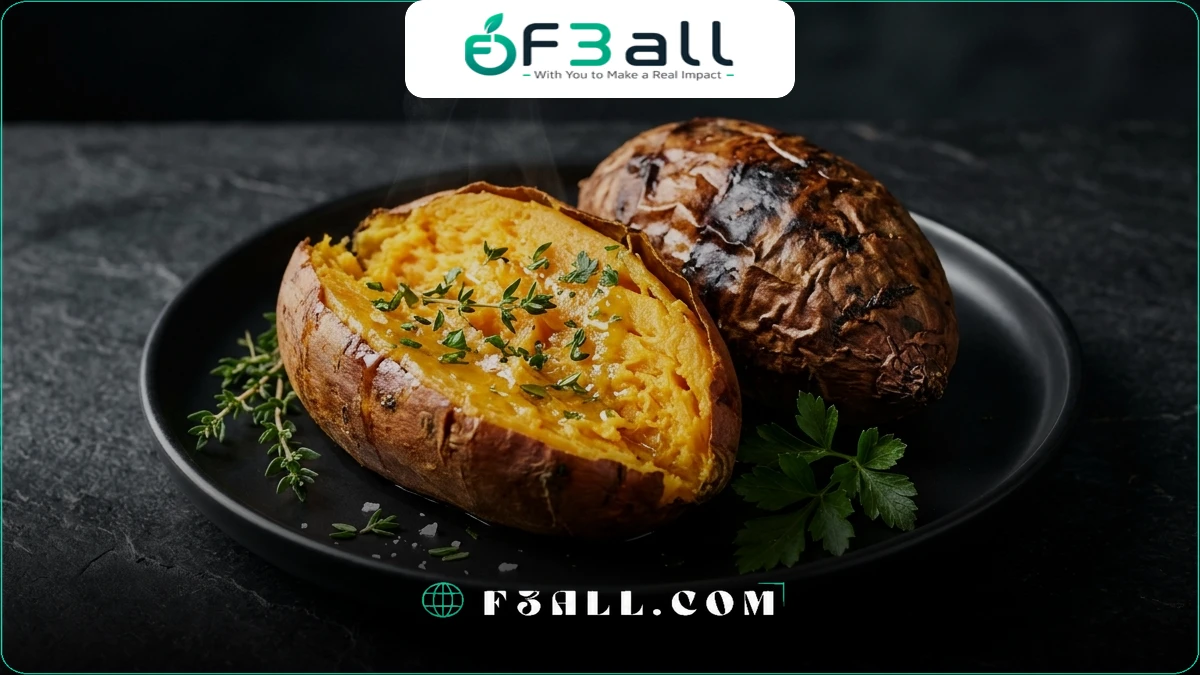
Sweet potato nutrition for weight loss includes more than carbohydrates and calories.
Sweet potatoes provide dietary fiber, potassium, vitamin C, vitamin B6, and carotenoids.
Orange-fleshed varieties are particularly rich in beta-carotene, which the body can convert into vitamin A.
Approximate nutritional values for 100 grams of raw sweet potato include:
| Nutrient | Approximate Amount | Nutritional Role |
| Calories | 86 kcal | Provides energy |
| Carbohydrates | 20.1 g | Supplies dietary energy |
| Fiber | 3 g | Supports digestive function |
| Protein | 1.6 g | Provides a small amount of protein |
| Fat | 0.1 g | Naturally low in fat |
| Potassium | 337 mg | Supports muscle and nerve function |
| Vitamin C | 2.4 mg | Contributes to normal immune function |
| Vitamin B6 | 0.2 mg | Supports normal metabolism |
| Beta-Carotene | Approximately 8,500 mcg | Precursor to vitamin A |
| Water | Approximately 77 g | Contributes to hydration |
Nutrient values vary by variety and preparation, and cooking can change vitamin content.
Sweet potatoes are not high-protein foods, so combining them with chicken, fish, eggs, beans, or yogurt can improve meal balance.
Sweet potato nutrition for weight loss is valuable because it provides carbohydrates, fiber, and micronutrients within a versatile whole-food ingredient.
Sweet Potato Benefits for Weight Loss
Sweet potato benefits for weight loss are mainly associated with fiber, meal satisfaction, nutritional value, and their ability to replace more calorie-dense carbohydrate preparations.
Provides Dietary Fiber
Sweet potatoes contain dietary fiber that contributes to normal digestive function.
Fiber can also support fullness, especially when sweet potatoes are eaten with their edible skin.
However, the amount of fiber depends on serving size and preparation.
Combining sweet potatoes with vegetables, beans, and other fiber-rich foods can further improve the nutritional quality of meals.
Supports Satisfying Meals
Sweet potatoes provide carbohydrates and fiber that can contribute to meal satisfaction.
They are often more satisfying when paired with protein.
For example, a meal containing baked sweet potato, grilled chicken, and broccoli provides a more balanced nutritional profile than eating sweet potato alone.
Naturally Low in Fat
Plain sweet potatoes contain very little fat.
This allows you to control the amount and type of fat added during preparation.
A measured amount of olive oil can provide flavor without significantly increasing the meal’s calories.
Provides Beta-Carotene
Orange sweet potatoes are rich in beta-carotene.
Beta-carotene contributes to vitamin A intake, which supports normal vision and immune function.
However, beta-carotene does not directly burn fat.
Offers Versatile Cooking Options
Sweet potatoes can be prepared in several ways:
- Boiling.
- Baking.
- Steaming.
- Roasting.
- Air-frying.
- Mashing without excessive butter.
- Adding to soups and salads.
This versatility makes it easier to include them in different calorie-controlled meals.
Can Replace Higher-Calorie Side Dishes
Plain baked sweet potato may be a useful alternative to some heavily fried or creamy side dishes.
For example, replacing a large portion of fries with a measured baked sweet potato may reduce total meal calories.
The benefit depends on the actual portions and cooking ingredients.
The main sweet potato benefits for weight loss come from balanced nutrition, fiber, and practical preparation methods rather than any special fat-burning effect.
Read more about: Is Corn Good for Weight Loss | Nutrition Guide
Sweet Potato Serving Size for Weight Loss
Sweet potato serving size for weight loss depends on daily calorie needs, physical activity, and the other carbohydrate foods included in a meal.
For many adults, approximately 100 to 150 grams of cooked sweet potato is a practical starting point.
However, this is not a universal serving requirement.
| Cooked Sweet Potato Portion | Approximate Calories | Practical Use |
| 75 g | 68 kcal | Small side dish |
| 100 g | 90 kcal | Light carbohydrate portion |
| 125 g | 113 kcal | Balanced lunch |
| 150 g | 135 kcal | Main meal carbohydrate |
| 200 g | 180 kcal | Larger carbohydrate serving |
| 250 g | 225 kcal | Higher-energy meal |
These values are based on plain baked sweet potato flesh.
Practical serving strategies include:
- Weigh the edible portion after cooking.
- Use nutrition information that matches the preparation method.
- Combine sweet potatoes with lean protein.
- Include vegetables for additional meal volume.
- Measure cooking oils and sauces.
- Adjust rice, bread, or other starch portions when necessary.
For example, 150 grams of baked sweet potato with grilled fish and vegetables can form part of a balanced meal.
The most suitable sweet potato serving size for weight loss is one that fits your energy requirements and supports meal satisfaction.
Is Sweet Potato Fattening
Sweet potatoes are not inherently fattening.
Body fat generally increases when calorie intake consistently exceeds energy expenditure.
Sweet potatoes contain carbohydrates, but carbohydrates alone do not automatically cause weight gain.
The biggest differences often come from preparation and portion size.
| Preparation | Weight-Loss Consideration |
| Boiled sweet potato | Requires no added fat |
| Steamed sweet potato | Simple preparation |
| Baked sweet potato | Easy to portion |
| Roasted sweet potato | Calories depend on added oil |
| Air-fried sweet potato | Depends on oil and serving size |
| Sweet potato fries | Oil and breading may increase calories |
| Sweet potato casserole | Sugar, butter, and toppings add calories |
| Mashed sweet potato | Calories depend on added ingredients |
For example, 150 grams of plain baked sweet potato contains approximately 135 calories.
Adding one tablespoon of butter contributes roughly another 100 calories.
Sugar, marshmallows, cream, and other toppings can increase the total further.
Sweet potatoes do not automatically cause weight gain; the complete meal and overall calorie balance are more important.
Boiled Sweet Potato for Weight Loss
Boiled sweet potato for weight loss is a convenient preparation method because it does not require added oil or butter.
Boiling also makes sweet potatoes easy to use in salads, soups, and meal-preparation dishes.
A balanced boiled sweet potato meal might include:
- 150 g boiled sweet potato.
- Grilled chicken or fish.
- Steamed broccoli.
- Cucumber and tomato salad.
- Lemon juice and herbs.
- A small measured portion of olive oil.
Boiled sweet potatoes can also be mashed with herbs and spices instead of large amounts of butter.
Nutrient content and texture vary according to boiling time and whether the sweet potato is peeled.
Boiled sweet potato is a practical option for weight loss because it provides carbohydrates and fiber without requiring calorie-dense cooking ingredients.
Baked Sweet Potato for Weight Loss
Baked sweet potato is another useful option for calorie-controlled meals.
Baking enhances natural sweetness and creates a soft interior without requiring added sugar.
A simple baked sweet potato preparation includes:
- Wash the sweet potato thoroughly.
- Pierce the skin with a fork.
- Place it on a baking tray.
- Bake at approximately 400°F (200°C) until tender.
- Allow it to cool slightly.
- Serve with herbs, spices, or a suitable protein topping.
Cooking time depends on the size of the sweet potato.
Avoid automatically adding large quantities of butter, syrup, or sugar.
A baked sweet potato can be paired with grilled chicken, tuna, beans, or cottage cheese.
Baked sweet potato for weight loss works best when toppings are controlled and the serving fits the rest of the meal.
Sweet Potato for Belly Fat
Sweet potato for belly fat is frequently discussed because people want foods that specifically reduce abdominal fat.
However, sweet potatoes do not selectively burn belly fat.
Abdominal fat reduction generally occurs through overall body fat loss, influenced by calorie balance, physical activity, genetics, sleep, and other factors.
Sweet potatoes may contribute indirectly when they replace more calorie-dense foods and help create satisfying meals.
A balanced approach to reducing overall body fat includes:
- Maintaining an appropriate calorie deficit.
- Eating sufficient protein.
- Including fiber-rich foods.
- Performing regular physical activity.
- Incorporating resistance training.
- Getting adequate sleep.
- Following consistent dietary habits.
Sweet potatoes can be included within this approach as a nutritious carbohydrate source.
Sweet potato for belly fat should be understood as part of overall healthy eating rather than a method for targeting fat loss in one specific area.
Read more about: Is Tuna Good for Weight Loss | Tuna Nutrition Guide
Sweet Potato Best Time to Eat for Weight Loss
Sweet potato best time to eat depends on your appetite, meal schedule, exercise routine, and daily calorie needs.
There is no established scientific evidence that eating sweet potatoes at a particular hour automatically increases fat loss.
However, different eating occasions can offer practical advantages.
| Time | Potential Advantage | Serving Example |
| Breakfast | Provides carbohydrates for energy | Sweet potato with eggs |
| Lunch | Adds a satisfying carbohydrate portion | Chicken and sweet potato bowl |
| Before Exercise | Provides carbohydrates | Small baked sweet potato |
| After Exercise | Replenishes carbohydrate intake | Sweet potato with protein |
| Dinner | Can replace another starch | Fish with roasted sweet potato |
Eating sweet potatoes at night does not automatically cause weight gain.
Similarly, eating them in the morning does not guarantee faster fat loss.
If the serving fits your daily calorie needs, meal timing is generally less important than overall dietary consistency.
The best time to eat sweet potato is when it supports your energy needs and helps you maintain balanced meals.
Sweet Potato Recipes for Weight Loss
Sweet potato recipes for weight loss can make calorie-controlled eating more enjoyable.
The most useful recipes combine measured sweet potato portions with protein, vegetables, and suitable amounts of healthy fats.
Sweet Potato Chicken Bowl
| Ingredient | Amount |
| Baked sweet potato | 150 g |
| Grilled chicken breast | 120 g |
| Broccoli | 100 g |
| Bell peppers | 80 g |
| Olive oil | 5 g |
| Lemon juice | To taste |
Preparation:
- Bake the sweet potato until tender.
- Grill the chicken with herbs and spices.
- Steam or roast the vegetables.
- Combine everything in a bowl.
- Add olive oil and lemon juice.
Approximate calories: 420–450 kcal.
This meal provides carbohydrates, protein, fiber, and vegetables.
Sweet Potato and Egg Breakfast
| Ingredient | Amount |
| Cooked sweet potato | 100 g |
| Eggs | 2 large |
| Spinach | 80 g |
| Tomato | 100 g |
| Olive oil | 5 g |
Preparation:
- Cut the cooked sweet potato into cubes.
- Heat olive oil in a nonstick pan.
- Add spinach and tomato.
- Add the eggs and cook thoroughly.
- Serve alongside the sweet potato.
Approximate calories: 300–330 kcal.
This breakfast combines carbohydrates with protein and vegetables.
Roasted Sweet Potato Salad
| Ingredient | Amount |
| Sweet potato | 150 g |
| Chickpeas | 80 g |
| Lettuce | 80 g |
| Cucumber | 100 g |
| Cherry tomatoes | 100 g |
| Olive oil | 5 g |
| Lemon juice | To taste |
Roast the sweet potato with a measured amount of oil.
Combine it with chickpeas, vegetables, and lemon juice.
Approximate calories: 360–390 kcal.
Chickpeas contribute additional fiber and plant protein.
Sweet Potato Protein Mash
Ingredients:
- 150 g boiled sweet potato.
- 100 g plain nonfat Greek yogurt.
- Garlic powder.
- Black pepper.
- Fresh herbs.
- Lemon juice.
Mash the sweet potato and combine it with yogurt and seasonings.
Approximate calories: 190–210 kcal.
This preparation provides a lighter alternative to mashed sweet potatoes containing large amounts of butter or cream.
For additional meal ideas, explore Delicious Diet Recipes.
Healthy sweet potato recipes work best when the complete meal provides balanced nutrition and fits your calorie requirements.
Sweet Potato Diet Plan
A sweet potato diet plan should include sweet potatoes as one carbohydrate source rather than relying on them exclusively.
Although sweet potatoes provide useful nutrients, they do not supply enough protein, essential fats, or all the nutrients required for a complete diet.
Instead, sweet potatoes can be included within a varied eating pattern.
Example of a balanced day including sweet potatoes:
| Meal | Food Example |
| Breakfast | Eggs, spinach, and 100 g sweet potato |
| Morning Snack | Greek yogurt and berries |
| Lunch | Grilled chicken, sweet potato, and vegetables |
| Afternoon Snack | Apple and a small portion of nuts |
| Dinner | Baked fish, brown rice, and salad |
| Optional Snack | Plain yogurt or another suitable food |
This is a meal-structure example rather than a personalized calorie prescription.
Actual portions should depend on individual energy requirements.
Building a Balanced Sweet Potato Diet Plan
A practical meal plan should include:
- Protein from eggs, fish, chicken, beans, or tofu.
- Vegetables for fiber and micronutrients.
- Sweet potatoes or other carbohydrate sources.
- Healthy fats in measured amounts.
- Different fruits.
- Adequate water intake.
- Variety across meals.
Sweet potatoes can replace rice, bread, or regular potatoes in some meals.
However, there is no need to eliminate these foods completely.
For more structured meal-planning guidance, explore Weight Loss Diet Plans.
A sustainable sweet potato diet plan includes balanced meals and appropriate portions rather than restrictive food rules.
Sweet Potato vs Alternatives for Weight Loss
Sweet potato vs alternatives for weight loss is useful when comparing carbohydrate foods according to calories, fiber, and nutritional value.
Different foods provide different advantages.
The following values are approximate per 100 grams of plain cooked food.
| Food | Calories | Carbohydrates | Fiber |
| Boiled potato | 87 kcal | 20 g | 1.8 g |
| Baked sweet potato | 90 kcal | 20.7 g | 3.3 g |
| Cooked brown rice | 123 kcal | 25.6 g | 1.6 g |
| Cooked quinoa | 120 kcal | 21.3 g | 2.8 g |
| Cooked white rice | 130 kcal | 28.2 g | 0.4 g |
| Cooked whole-wheat pasta | 149 kcal | 30.1 g | 3.9 g |
Exact values vary according to preparation methods, moisture content, and product type.
Sweet potatoes provide fiber and beta-carotene, but this does not automatically make them superior to every alternative.
Sweet Potato vs Regular Potato for Weight Loss
Sweet potatoes and regular potatoes contain similar calories per 100 grams when prepared without added fat.
Sweet potatoes generally provide more beta-carotene, especially orange-fleshed varieties.
Regular potatoes provide useful potassium and vitamin C.
Both can fit into a calorie-controlled diet.
Sweet Potato vs Rice for Weight Loss
Sweet potatoes generally contain fewer calories per 100 grams than cooked rice because of differences in water content and carbohydrate density.
However, rice can still fit a weight-loss diet when portions are appropriate.
Sweet potatoes may provide more fiber than white rice, depending on preparation.
Sweet Potato vs Quinoa for Weight Loss
Quinoa provides carbohydrates, fiber, and more protein than sweet potato per 100 grams cooked.
Sweet potatoes provide beta-carotene and a different nutritional profile.
Both can contribute to balanced meals.
Sweet Potato vs Bread for Weight Loss
Bread calories vary considerably depending on type and serving size.
Whole-grain bread can provide fiber and useful nutrients.
Sweet potatoes may offer a larger water-rich portion for a similar calorie amount, depending on the comparison.
The best carbohydrate source for weight loss is one that fits your calorie needs, provides useful nutrients, and supports satisfying meals.
Sweet Potato Weight Loss Results
Sweet potato weight loss results depend on the overall eating pattern rather than sweet potato consumption alone.
There is no reliable evidence that eating sweet potatoes produces a specific amount of weight loss within a certain number of days.
However, replacing calorie-dense side dishes with measured portions of sweet potato may reduce total energy intake.
Consider this example.
| Food Choice | Illustrative Calories |
| Large serving of fried potatoes | 350 kcal |
| 150 g plain baked sweet potato | 135 kcal |
| Difference | 215 kcal |
These are illustrative values rather than standardized serving comparisons.
Replacing the fried side dish with baked sweet potato reduces the calories of that eating occasion.
If this contributes to a sustained calorie deficit, it may support gradual weight loss.
Factors affecting actual results include:
- Daily calorie intake.
- Physical activity.
- Portion sizes.
- Protein consumption.
- Sleep quality.
- Dietary consistency.
- Body composition.
- Medical conditions and medications.
Short-term changes on the scale may reflect water balance, digestion, and other temporary factors.
Sweet potato weight loss results should be evaluated through long-term dietary consistency rather than expecting rapid changes from one food.
Sweet Potato Glycemic Index and Weight Loss
Sweet potatoes contain carbohydrates that can influence blood glucose levels.
Their glycemic index varies according to variety, cooking method, and preparation.
Boiled sweet potatoes may have a lower glycemic index than some baked or roasted preparations, although values vary.
However, glycemic index alone does not determine whether a food supports weight loss.
Other important factors include:
- Total carbohydrate portion.
- Fiber content.
- Protein included in the meal.
- Fat content.
- Individual glucose response.
- Overall calorie intake.
For example, sweet potato eaten with chicken and vegetables creates a different meal composition from sweet potato eaten alone.
People managing diabetes may need individualized carbohydrate guidance.
Sweet potato glycemic index can be useful nutritional information, but total meal balance and calorie intake remain important for weight management.
Read more about: Is Quinoa Good for Weight Loss | Portion Nutrition
Sweet Potato Skin and Fiber
Sweet potato skin is edible when properly washed and cooked.
Keeping the skin can contribute additional dietary fiber.
However, fiber content varies by variety and cooking method.
Practical ways to include sweet potato skin include:
- Baking sweet potatoes whole.
- Roasting thoroughly washed wedges.
- Preparing air-fried sweet potato pieces.
- Adding skin-on sweet potato cubes to salads.
- Serving baked sweet potato with protein toppings.
The skin should be cleaned thoroughly before cooking.
Avoid eating spoiled or visibly damaged portions.
Eating sweet potato with its skin can help retain fiber and make use of more of the vegetable.
Sweet Potato Fries for Weight Loss
Sweet potato fries are often considered automatically healthier than regular fries.
However, both can become calorie-dense when prepared with substantial amounts of oil.
Sweet potato fries are not necessarily lower in calories than regular potato fries.
The cooking method matters more than the name of the potato.
Ways to prepare lighter sweet potato fries include:
- Cut sweet potatoes into evenly sized wedges.
- Use a measured amount of olive oil.
- Season with paprika, garlic, and herbs.
- Bake or air-fry instead of deep-frying.
- Avoid heavy creamy dipping sauces.
- Serve alongside protein and vegetables.
For example, baked sweet potato wedges with grilled chicken can form part of a balanced meal.
Sweet potato fries can fit a weight-loss diet when portions and added oils are controlled.
Common Sweet Potato Weight Loss Mistakes
Even nutritious carbohydrate foods can contribute unexpected calories when preparation methods and portions are overlooked.
| Common Mistake | Better Approach |
| Eating unlimited sweet potato portions | Measure the serving |
| Adding large amounts of butter | Use a smaller measured amount |
| Assuming sweet potato fries are always low-calorie | Consider cooking oil and portion size |
| Combining several large starch portions | Adjust total carbohydrates |
| Expecting sweet potatoes to burn belly fat | Focus on overall fat reduction |
| Following a sweet potato-only diet | Include balanced meals |
| Avoiding sweet potatoes because they contain carbs | Consider total calorie balance |
| Ignoring sauces and toppings | Count the complete meal |
| Comparing raw and cooked weights directly | Use consistent nutritional values |
| Expecting immediate weight-loss results | Follow longer-term progress |
Sweet potatoes can be included in a healthy diet without unnecessary restrictions.
Is Sweet Potato Good for Weight Loss becomes easier to answer when the food is considered within the complete meal rather than judged by its carbohydrate content alone.
Why F3all Is Your Best Choice

At F3all, Is Sweet Potato Good for Weight Loss is explained through practical nutrition information, realistic serving sizes, cooking comparisons, and balanced meal examples. Instead of treating carbohydrate foods as automatically good or bad, F3all focuses on how everyday ingredients can fit into sustainable calorie-controlled eating.
- Clear Sweet Potato Calorie Information: Understand how different portions contribute to daily calorie and carbohydrate intake.
- Practical Nutrition Guidance: Learn about sweet potato fiber, potassium, beta-carotene, and other nutrients.
- Realistic Serving Recommendations: Explore suitable portions without unnecessary dietary restrictions.
- Healthy Cooking Comparisons: Understand the differences between boiled, baked, roasted, and fried sweet potatoes.
- Balanced Recipe Ideas: Discover meals combining sweet potatoes with protein, vegetables, and healthy fats.
- Useful Carbohydrate Comparisons: Compare sweet potatoes with rice, regular potatoes, quinoa, and other carbohydrate foods.
- Additional Nutrition Resources: Explore Weight Loss, Weight Loss Diet Plans, and Delicious Diet Recipes for practical meal-planning guidance.
F3all makes sweet potato for weight loss easier to understand by focusing on realistic portions, balanced nutrition, and sustainable eating habits.
Frequently Asked Questions
Is Sweet Potato Good for Weight Loss?
Yes, sweet potatoes can fit into a weight-loss diet when eaten in appropriate portions. They provide carbohydrates, fiber, and useful nutrients, while total calorie intake remains the main factor influencing weight loss.
How many calories are in sweet potato?
Approximately 100 grams of raw sweet potato contains 86 calories, while 100 grams of plain baked sweet potato flesh provides around 90 calories. Values vary by preparation.
How much sweet potato should I eat for weight loss?
Around 100 to 150 grams of cooked sweet potato is a practical portion for many adults. Individual serving sizes depend on calorie requirements and the rest of the meal.
Does sweet potato help burn belly fat?
No, sweet potatoes do not specifically burn belly fat. Abdominal fat reduction generally requires overall fat loss through appropriate calorie balance and lifestyle habits.
Is boiled sweet potato good for weight loss?
Yes, boiled sweet potato is a practical choice because it can be prepared without added oil or butter. It provides carbohydrates and fiber while keeping preparation-related calories low.
What is the best time to eat sweet potato for weight loss?
There is no scientifically established best time. Sweet potatoes can be eaten at breakfast, lunch, dinner, or around exercise when they fit your calorie and energy needs.
Can I eat sweet potato every day while losing weight?
Yes, sweet potatoes can be included daily when portions are appropriate. Eating a variety of other vegetables, fruits, proteins, and whole grains remains important.
Is sweet potato better than rice for weight loss?
Sweet potatoes generally contain fewer calories per 100 grams than cooked rice, but neither is automatically better. Portion size, meal composition, and individual preferences matter more.
Are sweet potato fries good for weight loss?
Sweet potato fries can fit a calorie-controlled diet, but frying oil and portion size can significantly increase calories. Baked or air-fried versions are often easier to include in lower-calorie meals.
How long does sweet potato take to show weight loss results?
Sweet potatoes do not produce weight-loss results within a specific timeframe. Progress depends on overall calorie intake, physical activity, consistency, and individual factors.
In the End
Is Sweet Potato Good for Weight Loss has a straightforward answer: sweet potatoes can fit comfortably into a balanced calorie-controlled diet when portions are appropriate. They provide carbohydrates, dietary fiber, potassium, beta-carotene, and other useful nutrients.
Sweet potato benefits for weight loss come mainly from their nutritional value, versatility, and ability to replace more calorie-dense side dishes. Boiled, baked, and steamed sweet potatoes can be included in balanced meals, while large amounts of butter, oil, sugar, and creamy toppings may increase calories substantially.
Treat sweet potatoes as a carbohydrate portion, combine them with protein and vegetables, and pay attention to preparation methods.
You do not need to eliminate sweet potatoes to lose weight. Focus on sustainable calorie control, balanced meals, and consistent habits that support long-term weight management.
References