Is Shrimp Healthy for Weight Loss | Nutrition Guide
Is Shrimp Healthy for Weight Loss is an important question for people looking for high-protein foods that can support a calorie-controlled diet. Shrimp is naturally low in fat, relatively low in calories, and rich in protein, making it a practical option for balanced meals. However, its nutritional value depends on preparation methods, serving sizes, and the ingredients used during cooking.
Boiled, steamed, grilled, and baked shrimp can all fit into a healthy weight-loss diet. Fried shrimp, creamy sauces, and large amounts of butter can significantly increase the calories of a meal. Understanding shrimp calories, nutrition, and portion sizes can help you enjoy seafood while maintaining a sustainable calorie deficit.
Is Shrimp Healthy for Weight Loss
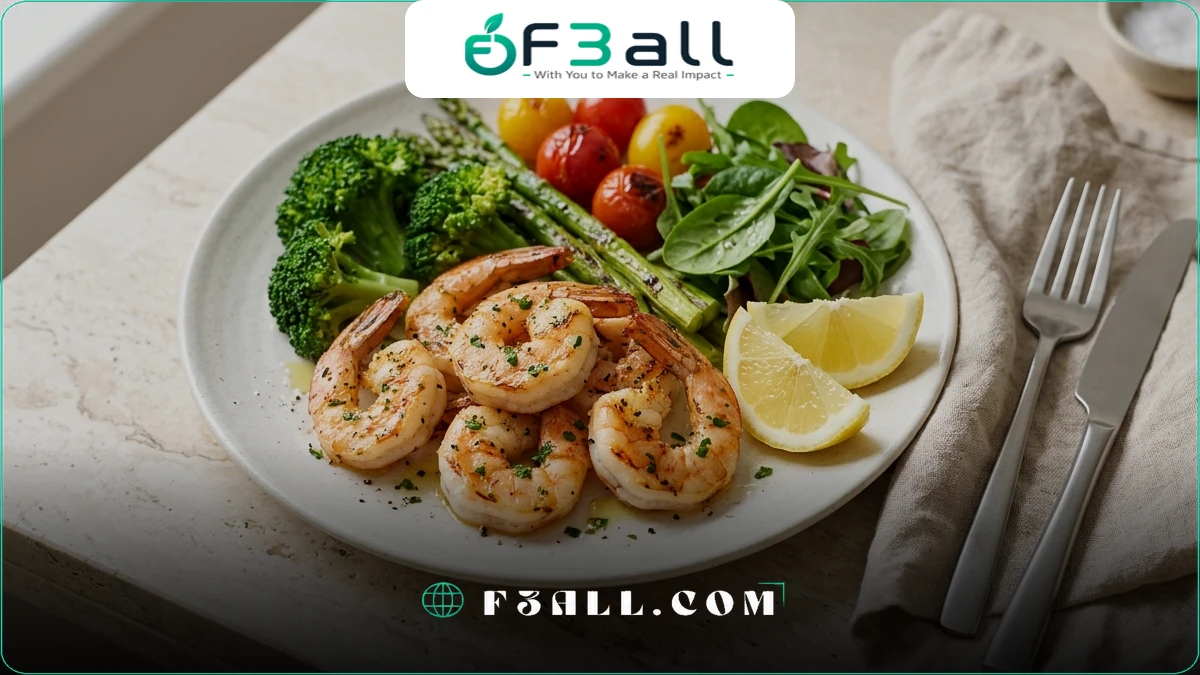
Yes, shrimp can be a healthy choice for weight loss because it provides substantial protein with relatively few calories.
Approximately 100 grams of plain cooked shrimp contains around 99 calories and 24 grams of protein, although exact values vary by species and preparation.
Protein helps maintain muscle mass during weight loss and can contribute to fullness after meals.
Shrimp for weight loss works best when you:
- Choose boiled, steamed, grilled, or baked shrimp.
- Measure portions according to your calorie requirements.
- Avoid heavy breading and deep-frying.
- Combine shrimp with vegetables and whole grains.
- Use lemon, herbs, and spices instead of excessive butter.
- Include shrimp within a balanced eating plan.
- Consider the calories from sauces and side dishes.
For example, grilled shrimp with vegetables can provide a protein-rich meal without requiring large amounts of added fat.
However, shrimp does not directly burn body fat. Weight loss still depends on maintaining an appropriate calorie deficit.
For additional meal-planning guidance, explore Weight Loss Diet Plans to understand how protein-rich foods can fit into balanced eating patterns.
Is Shrimp Healthy for Weight Loss depends on how shrimp is prepared, how much you eat, and how it fits into your overall diet.
Shrimp Calories for Weight Loss
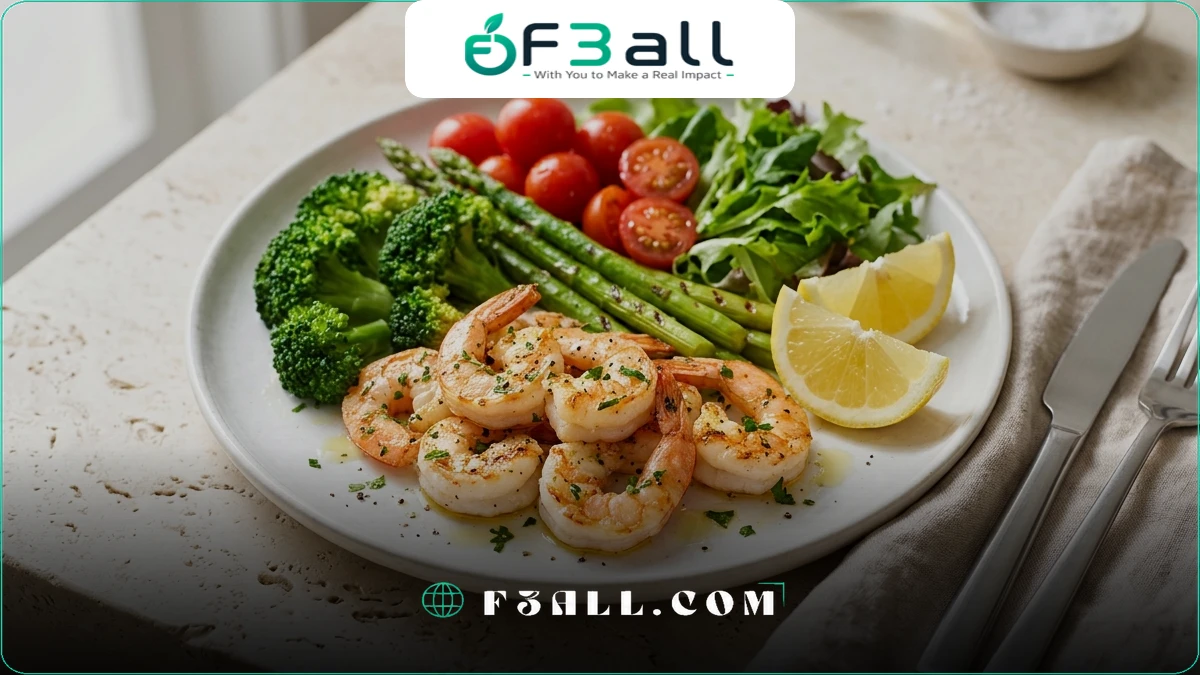
Shrimp calories for weight loss are relatively low compared with many protein-rich foods, particularly when shrimp is prepared without substantial added fat.
Plain cooked shrimp provides approximately 99 calories per 100 grams.
The following values are approximate for cooked shrimp without oil, butter, breading, or sauces.
| Shrimp Portion | Calories | Protein | Fat | Carbohydrates |
| 50 g | 50 kcal | 12 g | 0.2 g | 0.1 g |
| 80 g | 79 kcal | 19.2 g | 0.2 g | 0.2 g |
| 100 g | 99 kcal | 24 g | 0.3 g | 0.2 g |
| 150 g | 149 kcal | 36 g | 0.5 g | 0.3 g |
| 200 g | 198 kcal | 48 g | 0.6 g | 0.4 g |
| 250 g | 248 kcal | 60 g | 0.8 g | 0.5 g |
Exact nutritional values vary depending on the shrimp species, cooking method, and moisture content.
These values refer to edible cooked shrimp rather than the total weight of shrimp with shells.
A 150-gram serving can provide approximately 36 grams of protein for fewer than 150 calories before adding other ingredients.
However, cooking shrimp in butter, oil, or creamy sauces increases the total calories.
Shrimp calories for weight loss are easiest to control when you measure the edible portion and account for cooking ingredients.
Shrimp Nutrition for Weight Loss
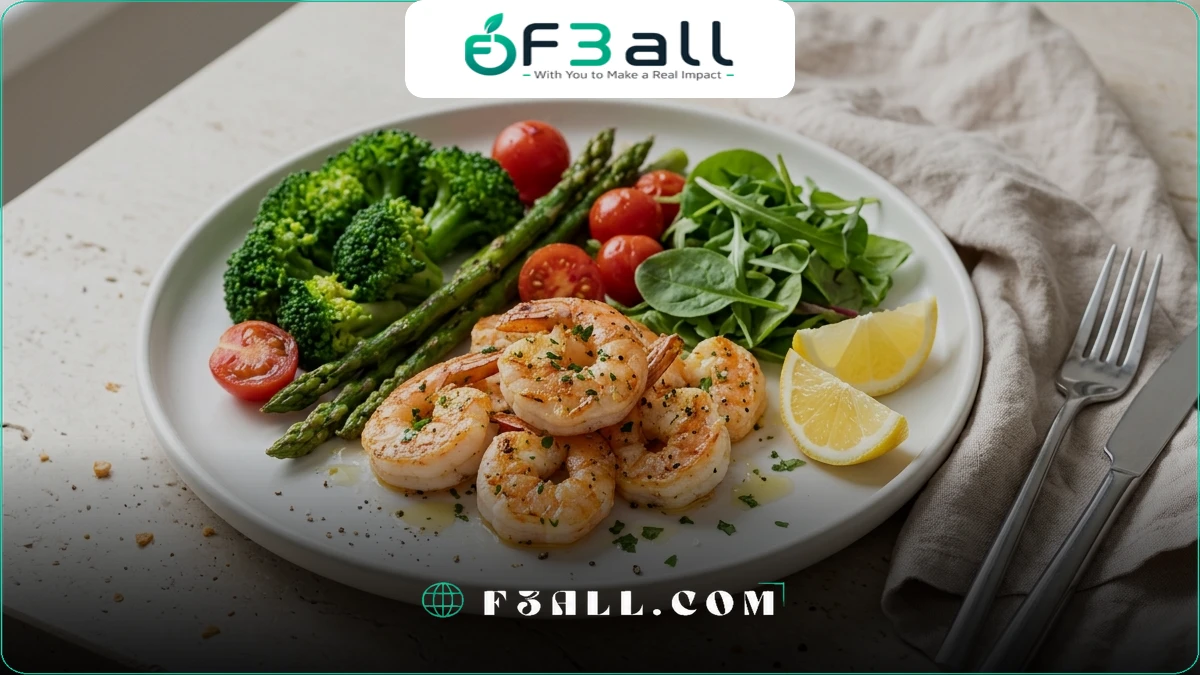
Shrimp nutrition for weight loss extends beyond its protein and calorie content.
Shrimp provides several vitamins and minerals that contribute to normal body functions.
Approximately 100 grams of plain cooked shrimp contains:
| Nutrient | Approximate Amount | Nutritional Role |
| Calories | 99 kcal | Provides dietary energy |
| Protein | 24 g | Supports muscle maintenance |
| Total Fat | 0.3 g | Naturally low in fat |
| Carbohydrates | 0.2 g | Contains very few carbohydrates |
| Vitamin B12 | Varies | Supports normal nerve and blood cell function |
| Selenium | Varies | Supports antioxidant enzyme function |
| Phosphorus | Varies | Supports bones and energy metabolism |
| Iodine | Varies | Supports thyroid hormone production |
| Zinc | Varies | Supports normal immune function |
| Cholesterol | Relatively high | Dietary cholesterol content varies |
Shrimp also provides small amounts of omega-3 fatty acids, although fatty fish generally contain substantially more.
Nutrient amounts vary according to species, habitat, farming practices, and cooking methods.
Shrimp is naturally low in saturated fat, but sodium content can increase substantially in processed or heavily seasoned products.
Shrimp nutrition for weight loss is particularly useful because it provides high-quality protein while allowing flexibility in meal planning.
Shrimp Benefits for Weight Loss
Shrimp benefits for weight loss are primarily related to its high protein content, low fat content, and versatility in calorie-controlled meals.
High Protein Content
Protein is one of shrimp’s most important nutritional advantages.
A 150-gram serving of cooked shrimp can provide approximately 36 grams of protein.
Adequate protein intake helps maintain muscle mass during weight loss, especially when combined with resistance exercise.
Protein can also contribute to satiety, making meals more satisfying.
Relatively Low Calorie Content
Plain shrimp provides substantial protein without excessive calories.
This makes it useful when building meals around lean protein sources.
For example, shrimp can replace some higher-calorie protein preparations while maintaining a similar amount of protein.
However, the calorie difference depends on the foods being compared.
Naturally Low in Fat
Plain shrimp contains relatively little total fat.
This allows you to control how much dietary fat is added during cooking.
A small amount of olive oil can be included without making the meal excessively high in calories.
Supports Balanced Meal Planning
Shrimp works well with vegetables, whole grains, potatoes, and legumes.
This flexibility makes it easier to create meals that include protein, carbohydrates, fiber, and healthy fats.
Convenient Cooking Options
Shrimp can be prepared quickly using several methods:
- Steaming.
- Boiling.
- Grilling.
- Baking.
- Air-frying without heavy breading.
- Stir-frying with measured oil.
Convenient protein options may help people prepare meals at home more consistently.
Provides Useful Micronutrients
Shrimp contributes nutrients such as selenium, vitamin B12, and iodine.
These nutrients support normal physiological functions but should not be described as directly accelerating fat loss.
The main shrimp benefits for weight loss come from protein density, practical preparation methods, and its ability to fit into balanced meals.
Read more about: Is Corn Good for Weight Loss | Nutrition Guide
Shrimp Serving Size for Weight Loss
Shrimp serving size for weight loss depends on your daily protein requirements, total calorie intake, and the other foods included in your meal.
For many adults, approximately 100 to 150 grams of cooked shrimp is a practical serving.
However, individual requirements vary.
| Cooked Shrimp Portion | Calories | Protein | Practical Use |
| 75 g | 74 kcal | 18 g | Small salad topping |
| 100 g | 99 kcal | 24 g | Light meal |
| 125 g | 124 kcal | 30 g | Protein-rich lunch |
| 150 g | 149 kcal | 36 g | Main meal portion |
| 200 g | 198 kcal | 48 g | Larger protein serving |
These figures exclude sauces, oils, breading, and side dishes.
Practical serving strategies include:
- Weigh shrimp after removing the shell.
- Use cooked-weight values when comparing cooked nutrition information.
- Combine shrimp with vegetables.
- Include a suitable carbohydrate source when needed.
- Measure cooking oils and dressings.
- Avoid relying on shrimp alone for complete nutrition.
For example, 150 grams of grilled shrimp with vegetables and a moderate portion of brown rice can create a balanced meal.
Shrimp serving size for weight loss should reflect your overall protein and calorie requirements rather than a fixed amount for everyone.
Is Shrimp Fattening
Shrimp is not inherently fattening.
Plain shrimp is relatively low in calories and fat, making it compatible with many calorie-controlled diets.
However, preparation methods can significantly change the nutritional value of a shrimp meal.
| Preparation Method | Weight-Loss Consideration |
| Boiled shrimp | No added cooking fat required |
| Steamed shrimp | Naturally low in added calories |
| Grilled shrimp | Calories depend on marinades and oil |
| Baked shrimp | Can be prepared with minimal added fat |
| Air-fried shrimp | Depends on breading and oil |
| Breaded fried shrimp | Breading and frying increase calories |
| Shrimp with creamy sauce | Sauce may add substantial calories |
| Butter shrimp | Calories depend on butter quantity |
For example, 150 grams of plain cooked shrimp contains approximately 149 calories.
Adding one tablespoon of butter contributes roughly another 100 calories.
Heavy breading and deep-frying can increase the total further.
Shrimp itself is not the main concern for weight gain; portion sizes, preparation methods, and total calorie intake matter more.
Boiled Shrimp for Weight Loss
Boiled shrimp for weight loss is one of the simplest preparation methods because it does not require added oil.
Boiling also makes it easy to season shrimp with herbs, lemon, garlic, and spices.
A balanced boiled shrimp meal might include:
- 150 g cooked shrimp.
- Steamed broccoli.
- Sliced cucumber.
- Cherry tomatoes.
- A moderate portion of potatoes.
- Lemon juice and herbs.
This combination provides protein, vegetables, and carbohydrates.
Boiled shrimp can also be used in cold salads or meal-preparation containers.
However, heavily salted boiling liquids and processed seasoning mixes may increase sodium intake.
Boiled shrimp is a practical weight-loss option because it provides protein without requiring calorie-dense cooking ingredients.
Grilled Shrimp for Weight Loss
Grilled shrimp is another useful option for calorie-controlled meals.
Grilling can create a flavorful surface without requiring heavy breading or creamy sauces.
A simple grilled shrimp preparation includes:
- Clean and devein the shrimp.
- Season with lemon juice, garlic, paprika, and herbs.
- Add a small measured amount of olive oil.
- Grill until the shrimp is opaque and cooked through.
- Serve with vegetables and a suitable carbohydrate portion.
Avoid overcooking, which can make shrimp tough.
For food safety, shrimp should reach a safe internal temperature of 145°F (63°C).
Grilled shrimp can be combined with salads, rice bowls, or roasted vegetables.
Grilled shrimp for weight loss works best when oil portions and high-calorie sauces are controlled.
Shrimp for Belly Fat
Shrimp for belly fat is often discussed because high-protein foods are commonly associated with weight management.
However, shrimp does not specifically burn abdominal fat.
Belly fat reduction generally occurs through overall body fat loss rather than eating a particular food.
Shrimp may contribute indirectly by providing protein within a calorie-controlled diet.
A balanced approach to reducing overall body fat includes:
- Maintaining a sustainable calorie deficit.
- Consuming adequate protein.
- Performing regular physical activity.
- Including resistance training.
- Eating vegetables and fiber-rich foods.
- Getting sufficient sleep.
- Maintaining consistent dietary habits.
Shrimp can support this approach as a lean protein source.
However, no seafood can guarantee targeted fat loss from the abdominal area.
Shrimp for belly fat should be understood as part of an overall weight-management strategy rather than a special fat-burning food.
Read more about: Healthy Dessert Recipes for Weight Loss | Easy Ideas
Shrimp Best Time to Eat for Weight Loss
Shrimp best time to eat depends on your meal schedule, appetite, and daily protein requirements.
There is no established scientific evidence that eating shrimp at a particular hour automatically increases fat loss.
However, shrimp can be useful at different times of the day.
| Meal Time | Practical Advantage | Serving Example |
| Breakfast | Adds protein to a savory meal | Shrimp and vegetable omelet |
| Lunch | Provides a protein-rich main dish | Grilled shrimp salad |
| Afternoon | Can be part of a substantial snack | Chilled shrimp with vegetables |
| Dinner | Offers a lean protein option | Baked shrimp with vegetables |
| After Exercise | Contributes protein for recovery | Shrimp rice bowl |
Eating shrimp at night does not automatically cause weight gain.
The most important consideration is whether the meal fits your daily calorie and nutritional requirements.
The best time to eat shrimp is when it helps you meet protein needs and maintain balanced eating habits.
Shrimp Recipes for Weight Loss
Shrimp recipes for weight loss are most useful when they combine lean protein with vegetables, fiber-rich carbohydrates, and measured amounts of healthy fats.
Shrimp can be prepared in several ways without relying on heavy sauces or deep-frying.
Garlic Lemon Shrimp Bowl
This simple meal combines shrimp with vegetables and brown rice.
| Ingredient | Amount |
| Cooked shrimp | 150 g |
| Cooked brown rice | 100 g |
| Broccoli | 100 g |
| Bell peppers | 80 g |
| Olive oil | 5 g |
| Lemon juice | To taste |
| Garlic | To taste |
Preparation:
- Heat olive oil in a nonstick pan.
- Add garlic and bell peppers.
- Add the shrimp and cook until heated through.
- Steam the broccoli separately.
- Serve everything over cooked brown rice.
- Finish with lemon juice and herbs.
Approximate calories: 350–380 kcal, depending on the ingredients.
This meal provides protein, vegetables, and carbohydrates without excessive added fat.
High-Protein Shrimp Salad
A shrimp salad can be useful for lunch or dinner.
| Ingredient | Amount |
| Cooked shrimp | 150 g |
| Lettuce | 100 g |
| Cucumber | 100 g |
| Cherry tomatoes | 100 g |
| Avocado | 50 g |
| Olive oil | 5 g |
| Lemon juice | To taste |
Combine the ingredients and season with lemon juice, herbs, and olive oil.
Approximate calories: 320–350 kcal.
The shrimp provides protein, while avocado contributes unsaturated fats and vegetables add volume.
Baked Shrimp with Vegetables
Ingredients:
- 150 g raw peeled shrimp.
- 150 g zucchini.
- 100 g broccoli.
- 100 g bell peppers.
- 5 g olive oil.
- Garlic, paprika, and lemon juice.
Preparation:
- Preheat the oven to 400°F (200°C).
- Cut the vegetables into similar-sized pieces.
- Toss the vegetables with olive oil and seasonings.
- Roast the vegetables until nearly tender.
- Add the shrimp and continue cooking until the shrimp is fully cooked.
- Serve with lemon juice.
Approximate calories: 230–270 kcal without additional side dishes.
This meal can be paired with potatoes, rice, or another carbohydrate source according to individual energy needs.
Shrimp and Quinoa Bowl
| Ingredient | Amount |
| Cooked shrimp | 150 g |
| Cooked quinoa | 100 g |
| Spinach | 80 g |
| Cherry tomatoes | 100 g |
| Olive oil | 5 g |
| Lemon juice | To taste |
Combine the ingredients in a bowl and season with herbs and lemon.
Approximate calories: 350–380 kcal.
Quinoa contributes carbohydrates, fiber, and additional protein.
For more balanced meal inspiration, explore Delicious Diet Recipes for practical ways to prepare nutritious meals.
Healthy shrimp recipes work best when the complete meal provides balanced nutrition and fits your daily calorie requirements.
Shrimp Diet Plan
A shrimp diet plan should include shrimp as one protein option rather than relying on seafood exclusively.
Although shrimp is rich in protein, it does not provide all the nutrients required for a complete diet.
A balanced eating pattern should also include vegetables, fruits, whole grains, healthy fats, and other protein sources.
Example of a balanced day including shrimp:
| Meal | Food Example |
| Breakfast | Greek yogurt, oats, and berries |
| Morning Snack | Apple and a small portion of nuts |
| Lunch | Grilled shrimp, brown rice, and vegetables |
| Afternoon Snack | Cottage cheese and cucumber |
| Dinner | Baked chicken, potatoes, and salad |
| Optional Snack | Fresh fruit or plain yogurt |
This is a meal-structure example rather than a personalized calorie prescription.
Actual food quantities should depend on body size, activity level, medical needs, and weight-management goals.
Building a Balanced Shrimp Diet Plan
A practical shrimp diet plan can include:
- Shrimp as a lean protein source.
- Vegetables for fiber and micronutrients.
- Whole grains for carbohydrates.
- Healthy fats in measured amounts.
- Other protein sources for dietary variety.
- Fruits for vitamins and additional fiber.
- Adequate water intake.
Shrimp can be included several times throughout a meal plan, but variety remains important.
People with shellfish allergies must avoid shrimp, and those with specific medical or dietary restrictions may need individualized guidance.
For additional meal-planning ideas, explore Weight Loss Diet Plans.
A sustainable shrimp diet plan focuses on nutritional balance and consistent calorie control rather than eating one protein source at every meal.
Shrimp vs Alternatives for Weight Loss
Shrimp vs alternatives for weight loss is a useful comparison because different protein sources provide different amounts of calories, protein, and fat.
The following values are approximate per 100 grams of plain cooked food.
| Protein Source | Calories | Protein | Main Consideration |
| Shrimp | 99 kcal | 24 g | Lean seafood protein |
| Cod | 105 kcal | 23 g | Low-fat white fish |
| Turkey breast | 135 kcal | 29 g | Lean poultry |
| Chicken breast | 165 kcal | 31 g | High-protein poultry |
| Salmon | 206 kcal | 22 g | Provides omega-3 fats |
| Firm tofu | 140–160 kcal | 15–18 g | Plant-based protein |
| Lean beef | 170–220 kcal | 25–30 g | Provides iron and vitamin B12 |
Nutritional values vary by cut, species, product, and cooking method.
Shrimp offers substantial protein with relatively few calories, but this does not automatically make it superior to every alternative.
Shrimp vs Chicken for Weight Loss
Both shrimp and skinless chicken breast are high-quality protein sources.
Shrimp generally contains fewer calories per 100 grams than cooked chicken breast, while chicken provides slightly more protein.
The better choice depends on meal preferences, cooking methods, and overall nutritional requirements.
Shrimp vs Salmon for Weight Loss
Salmon contains more calories and fat than shrimp, but it provides considerably more omega-3 fatty acids.
Shrimp may be useful when someone wants a leaner protein option.
Salmon can be valuable when including more omega-3-rich seafood in the diet.
Neither should be excluded solely because of calorie differences.
Shrimp vs Tuna for Weight Loss
Shrimp and tuna both provide substantial protein.
Plain tuna packed in water is another relatively low-calorie option.
However, tuna consumption should account for species-specific mercury considerations, particularly during pregnancy.
Shrimp is generally classified as a lower-mercury seafood choice.
Shrimp vs Tofu for Weight Loss
Tofu provides plant-based protein and can contribute useful minerals depending on its preparation.
Shrimp generally contains more protein per 100 grams than many tofu products.
However, tofu is suitable for people following plant-based diets and offers a different nutritional profile.
The best protein for weight loss is one that helps meet your nutritional requirements while supporting a varied and sustainable eating pattern.
Shrimp Weight Loss Results
Shrimp weight loss results depend on how shrimp fits into the overall diet rather than the amount of shrimp consumed alone.
There is no reliable evidence that eating shrimp produces a specific amount of weight loss within a particular timeframe.
However, replacing calorie-dense meals with balanced shrimp dishes may help reduce total energy intake.
Consider a simple example.
| Meal | Illustrative Calories |
| Large breaded fried seafood meal with creamy sauce | 700 kcal |
| Grilled shrimp with vegetables and rice | 400 kcal |
| Difference | 300 kcal |
These are illustrative meal totals rather than standardized nutritional values.
Replacing a higher-calorie meal with a lower-calorie shrimp dish can reduce energy intake.
If this contributes to a sustained calorie deficit, it may support gradual weight loss.
Factors affecting actual results include:
- Total daily calorie intake.
- Physical activity.
- Protein consumption.
- Sleep quality.
- Dietary consistency.
- Body size and composition.
- Medical conditions and medications.
- Long-term lifestyle habits.
Shrimp can help people meet protein needs, but it cannot guarantee weight loss without an appropriate overall eating pattern.
Shrimp weight loss results should be evaluated through longer-term progress rather than expecting rapid changes from one particular food.
Shrimp Cholesterol and Weight Loss
Shrimp is relatively high in dietary cholesterol despite being low in total fat and saturated fat.
This distinction is important because dietary cholesterol and saturated fat are not the same thing.
For many people, dietary cholesterol has a smaller effect on blood cholesterol than saturated fat intake, although individual responses vary.
Shrimp can still fit into a heart-conscious diet when prepared appropriately.
Practical considerations include:
- Choose boiled, grilled, or steamed shrimp.
- Avoid excessive butter and creamy sauces.
- Combine shrimp with vegetables and whole grains.
- Limit heavily processed seafood products.
- Consider overall saturated fat intake.
- Follow individualized medical guidance when necessary.
People with elevated LDL cholesterol, cardiovascular conditions, or specific dietary restrictions should consider their broader eating pattern and healthcare guidance.
Shrimp’s cholesterol content does not directly determine whether it supports weight loss.
Shrimp can be part of a balanced diet, but nutritional decisions should consider cardiovascular health as well as calorie intake.
Read more about: Fruit Shakes for Weight Loss | Healthy Smoothie Guide
Frozen Shrimp vs Fresh Shrimp for Weight Loss
Both fresh and frozen shrimp can fit into a weight-loss diet.
Freezing does not automatically make shrimp less nutritious.
The main differences often involve convenience, processing, and added ingredients.
| Feature | Fresh Shrimp | Frozen Shrimp |
| Protein | High | High |
| Calories | Relatively low | Relatively low |
| Storage | Shorter refrigerated storage | Longer frozen storage |
| Convenience | May require immediate preparation | Can be stored for future meals |
| Added Ingredients | Depends on product | Some products contain added sodium |
| Weight-Loss Suitability | Suitable | Suitable |
When purchasing frozen shrimp, check whether the product is plain or contains breading, sauces, or added seasonings.
Some frozen shrimp products also contain added sodium or moisture-retaining ingredients.
Choose products that fit your nutritional preferences and prepare them safely.
Plain frozen shrimp can be just as practical as fresh shrimp for calorie-controlled meals.
Shrimp and Protein for Fullness
Protein can contribute to satiety and help maintain muscle mass during weight loss.
Shrimp is particularly protein-dense, making it useful for meals where protein intake is a priority.
A 150-gram serving of cooked shrimp provides approximately 36 grams of protein.
However, a satisfying meal should include more than protein alone.
For example, shrimp paired with vegetables, potatoes, and a small amount of olive oil provides a broader nutritional balance than shrimp by itself.
Foods that pair well with shrimp include:
- Brown rice.
- Quinoa.
- Potatoes.
- Broccoli.
- Spinach.
- Bell peppers.
- Beans.
- Mixed salads.
- Whole-grain pasta.
These foods contribute carbohydrates, fiber, vitamins, minerals, or healthy fats.
Shrimp can make meals more protein-rich, but balanced ingredients help create satisfying and nutritionally complete meals.
Common Shrimp Weight Loss Mistakes
Even lean protein foods can become calorie-dense when preparation methods and serving sizes are overlooked.
| Common Mistake | Better Approach |
| Deep-frying shrimp frequently | Grill, boil, steam, or bake |
| Adding large amounts of butter | Measure cooking fats |
| Using heavy creamy sauces | Choose lemon and herb-based sauces |
| Ignoring breading calories | Check the complete preparation |
| Eating shrimp without vegetables | Build balanced meals |
| Assuming shrimp burns belly fat | Focus on overall fat reduction |
| Following a shrimp-only diet | Include nutritional variety |
| Ignoring sodium in processed shrimp | Check nutrition labels |
| Comparing raw and cooked weights directly | Use consistent nutrition measurements |
| Expecting immediate weight-loss results | Evaluate long-term progress |
For example, plain shrimp may contain fewer than 150 calories per 150 grams, but a large breaded serving with creamy sauce can provide substantially more.
The difference comes from the complete meal rather than shrimp alone.
Is Shrimp Healthy for Weight Loss becomes easier to answer when cooking methods, portion sizes, and overall dietary balance are considered together.
Why F3all Is Your Best Choice
At F3all, Is Shrimp Healthy for Weight Loss is explained through practical nutrition information, realistic serving sizes, healthy cooking methods, and balanced meal examples. Instead of presenting shrimp as a special fat-burning food, F3all focuses on how protein-rich ingredients can support sustainable calorie-controlled eating.
- Clear Shrimp Calorie Information: Understand how different shrimp portions contribute to daily calorie and protein intake.
- Practical Protein Guidance: Learn how shrimp can help meet protein requirements and support muscle maintenance.
- Healthy Cooking Comparisons: Compare boiled, grilled, baked, and fried shrimp according to preparation methods and added calories.
- Realistic Serving Recommendations: Explore practical shrimp portions without unnecessary dietary restrictions.
- Balanced Shrimp Recipe Ideas: Discover meals combining shrimp with vegetables, whole grains, and healthy fats.
- Useful Protein Comparisons: Compare shrimp with chicken, salmon, tuna, tofu, and other protein sources.
- Additional Nutrition Resources: Explore Weight Loss, Weight Loss Diet Plans, and Delicious Diet Recipes for more practical meal-planning guidance.
F3all makes shrimp for weight loss easier to understand by focusing on realistic portions, nutritional balance, and sustainable eating habits.
Frequently Asked Questions
Is Shrimp Healthy for Weight Loss?
Yes, shrimp can be a healthy choice for weight loss because it provides substantial protein with relatively few calories. Preparation methods and total daily calorie intake remain important.
How many calories are in shrimp?
Approximately 100 grams of plain cooked shrimp contains 99 calories and 24 grams of protein. Exact values vary by species and cooking method.
How much shrimp should I eat for weight loss?
Around 100 to 150 grams of cooked shrimp is a practical serving for many adults. Individual portions depend on protein requirements, calorie needs, and the rest of the meal.
Does shrimp help burn belly fat?
No, shrimp does not specifically burn belly fat. It can provide lean protein within a calorie-controlled diet, but abdominal fat reduction depends on overall fat loss.
Is boiled shrimp good for weight loss?
Yes, boiled shrimp is a practical choice because it can be prepared without added oil or butter. It provides protein while keeping cooking-related calories low.
What is the best time to eat shrimp for weight loss?
There is no scientifically established best time. Shrimp can be eaten at lunch, dinner, or another meal when it fits your calorie and protein requirements.
Can I eat shrimp every day while losing weight?
Shrimp can fit into a weight-loss diet, but eating a variety of protein sources is generally preferable. Individual dietary restrictions, shellfish allergies, and nutritional needs should also be considered.
Is shrimp better than chicken for weight loss?
Shrimp generally contains fewer calories per 100 grams than cooked skinless chicken breast, while chicken provides slightly more protein. Both can support a balanced weight-loss diet.
Is fried shrimp good for weight loss?
Fried shrimp can fit within calorie requirements, but breading and frying oil often increase calories substantially. Boiled, grilled, or baked shrimp are usually easier to include in lower-calorie meals.
How long does shrimp take to show weight loss results?
Shrimp does not produce weight-loss results within a specific timeframe. Progress depends on overall calorie intake, physical activity, consistency, and individual factors.
In the End
Is Shrimp Healthy for Weight Loss has a straightforward answer: shrimp can be an excellent lean protein option within a balanced calorie-controlled diet. Plain cooked shrimp provides approximately 99 calories and 24 grams of protein per 100 grams, making it useful for meals that prioritize protein without excessive calories.
Shrimp benefits for weight loss are mainly related to its high protein content, low fat content, and flexibility in healthy recipes. Boiled, steamed, grilled, and baked shrimp can fit into nutritious meals, while breading, butter, and creamy sauces may significantly increase calories.
Choose appropriate portions, combine shrimp with vegetables and other nutritious foods, and maintain variety across your protein sources.
You do not need to rely on shrimp exclusively to lose weight. Focus on sustainable calorie control, adequate protein, balanced meals, and consistent habits that support long-term weight management.
References