Is Tuna Good for Weight Loss | Tuna Nutrition Guide
Is Tuna Good for Weight Loss can be answered by looking at protein density rather than treating tuna as another generic diet food. Plain tuna packed in water can provide roughly 25 g of protein for around 115 calories per 100 g, giving you a substantial protein serving without using much of your daily calorie budget.
The details matter, though. Tuna packed in oil, mayonnaise-heavy tuna salad, oversized sandwiches, and creamy pasta dishes can have a completely different calorie profile. Tuna can support a calorie deficit, but the type you buy, drained weight, serving size, toppings, and frequency all influence how useful it becomes.
Is Tuna Good for Weight Loss
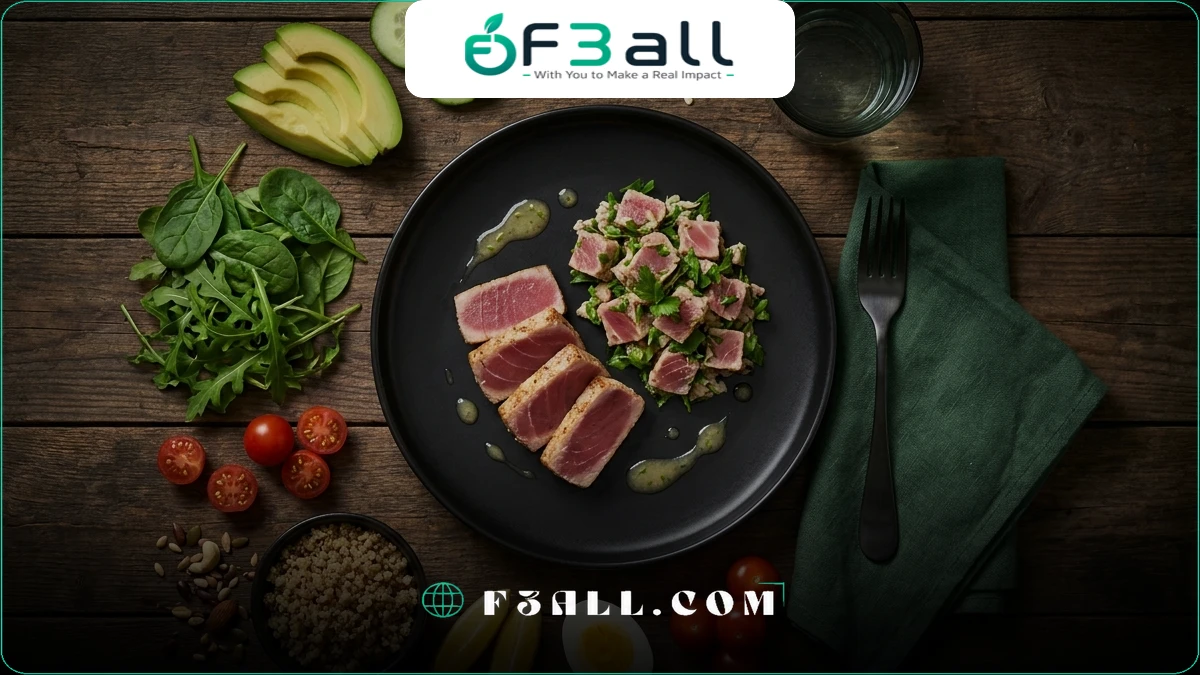
Yes. Tuna for weight loss is particularly useful because it offers a high amount of protein relative to calories.
Plain canned tuna in water contains almost no carbohydrate, while most of its calories come from protein.
| Tuna in Water | Protein | Carbs | Calories From Carbs | Total Calories |
| 50 g drained | About 12.8 g | 0 g | 0 kcal | About 58 kcal |
| 75 g drained | About 19.1 g | 0 g | 0 kcal | About 87 kcal |
| 100 g drained | About 25.5 g | 0 g | 0 kcal | About 116 kcal |
| 125 g drained | About 31.9 g | 0 g | 0 kcal | About 145 kcal |
| 150 g drained | About 38.3 g | 0 g | 0 kcal | About 174 kcal |
Values vary by tuna species, brand, packing liquid, and preparation.
A 100–150 g drained serving can therefore provide approximately 25–38 g protein while leaving room in the meal for vegetables, fruit, grains, potatoes, or another carbohydrate source.
This protein-to-calorie ratio is the strongest nutritional reason Is Tuna Good for Weight Loss receives a positive answer.
Start With the Can, Not the Recipe
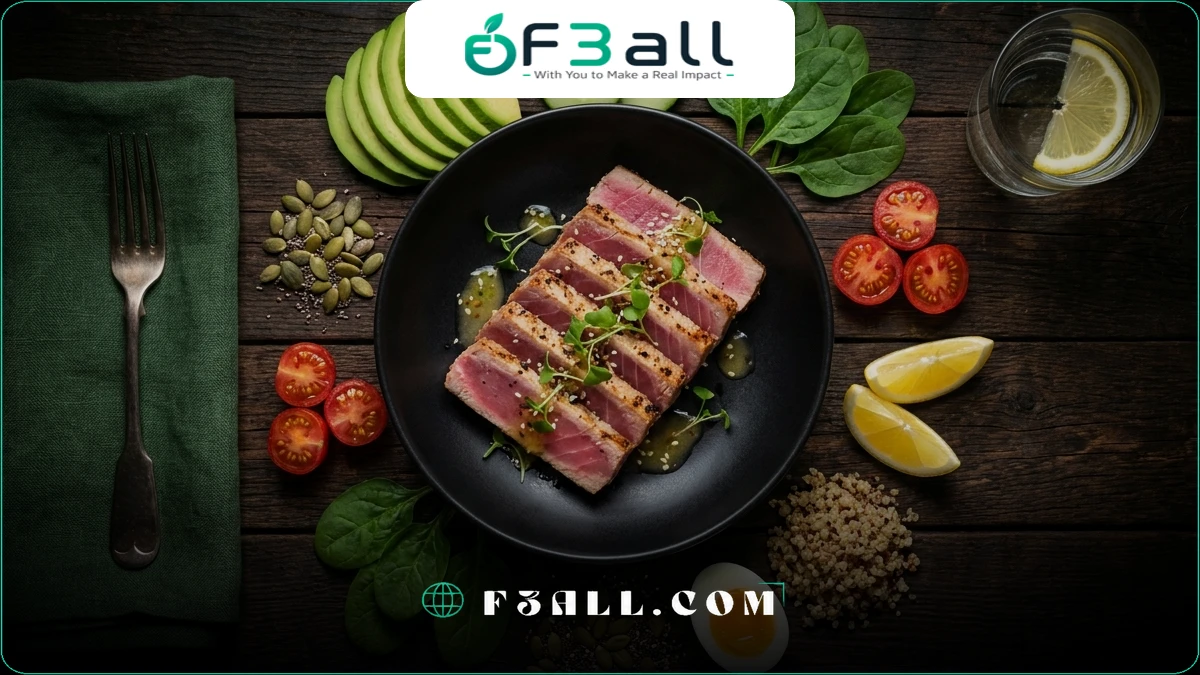
Canned tuna for weight loss can have different nutrition depending on what the fish is packed in.
Three cans that look similar on a supermarket shelf may provide very different calories after opening.
| Tuna Type | 100 g Drained Portion | Typical Protein | Calorie Pattern |
| Tuna in water | 100 g | About 25 g | Around 110–120 kcal |
| Tuna in brine | 100 g | About 25 g | Similar to water-packed |
| Tuna in oil, well drained | 100 g | About 25 g | Usually higher |
| Tuna in oil with much of oil retained | 100 g | Similar protein | Significantly higher |
| Prepared tuna salad | 100 g | Variable | Can be much higher |
The label should be your starting point.
Check These Details Before Buying
- Serving size.
- Calories per serving.
- Protein per serving.
- Whether values refer to drained tuna.
- Packing medium.
- Sodium.
- Added sauces or flavorings.
A plain water-packed product usually gives you the most predictable foundation for low calorie tuna meals.
Tuna Protein Compared With Other Foods
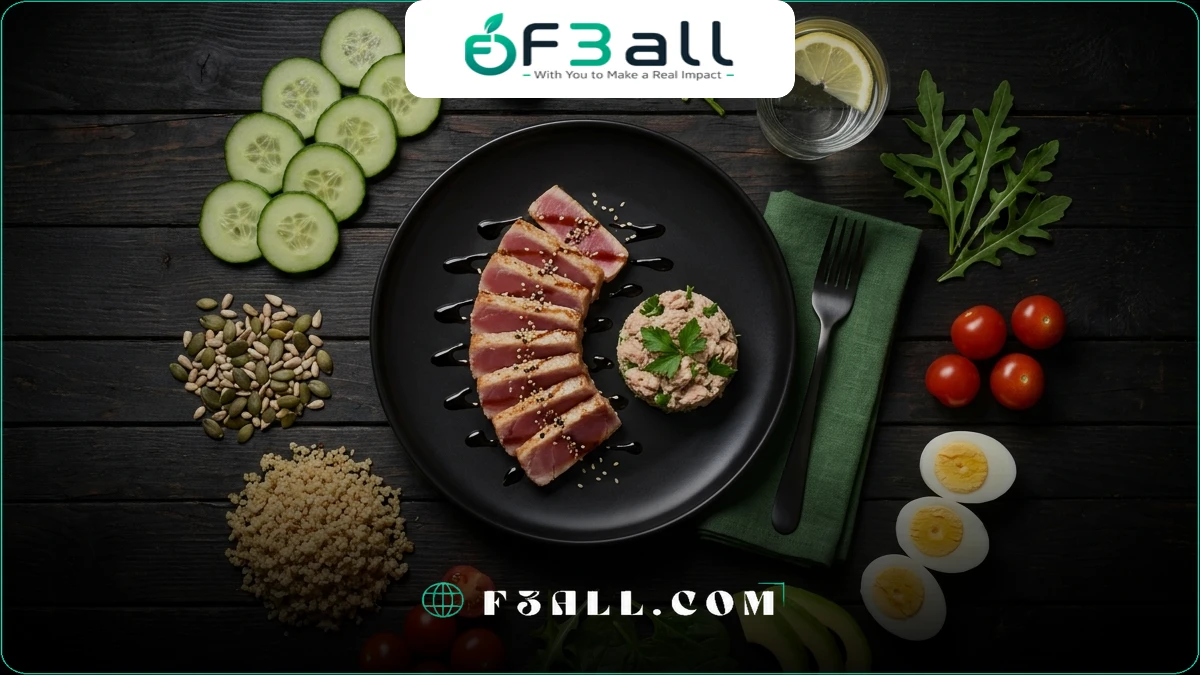
Tuna protein is highly concentrated for its calorie content. That can be particularly useful when a diet needs more protein without adding large quantities of food energy.
| Protein Food | Portion | Protein | Approx. Calories |
| Tuna in water | 100 g | About 25.5 g | 116 kcal |
| Shrimp | 100 g | About 24 g | 99 kcal |
| Chicken breast | 100 g | About 31 g | 165 kcal |
| Greek yogurt, nonfat | 170 g | About 17 g | 100 kcal |
| Whole eggs | 100 g | About 12.6 g | 143 kcal |
| Firm tofu | 100 g | About 17 g | About 144 kcal |
Tuna does not need to replace all of these foods. Rotating protein sources gives your diet more variety and a broader nutrient mix.
Think of tuna as one efficient protein option rather than the only protein worth eating.
Read more about: Is Quinoa Good for Weight Loss | Portion Nutrition
Water-Packed Tuna Versus Oil-Packed Tuna
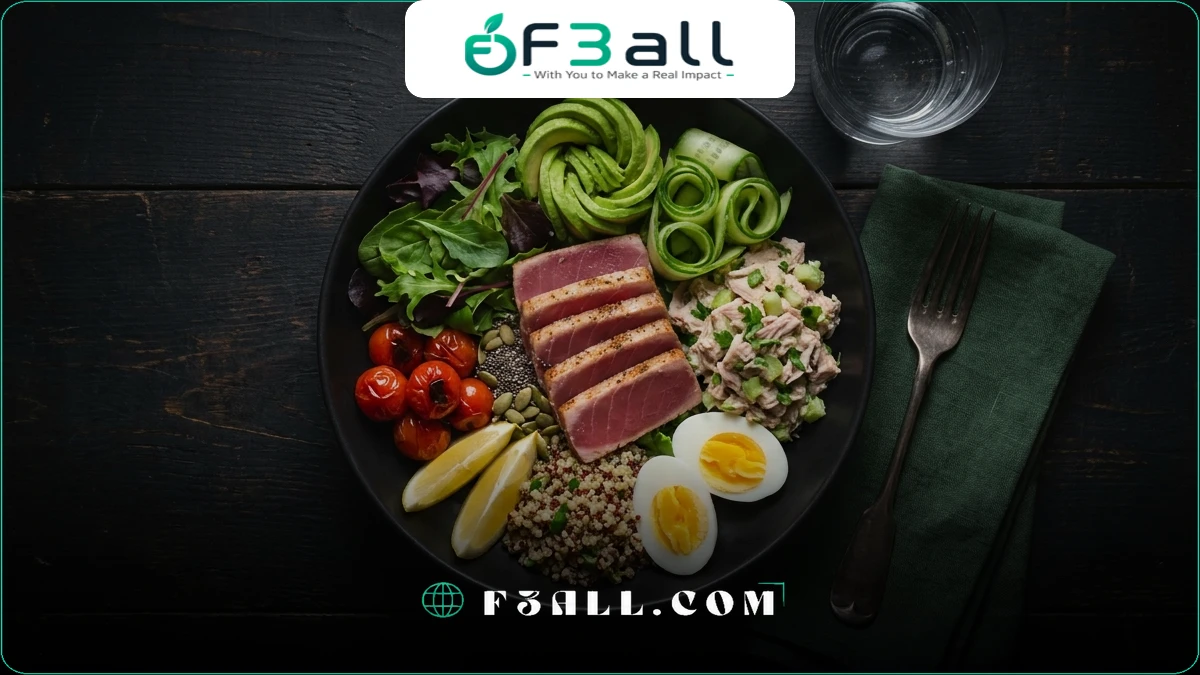
Oil-packed tuna is not automatically unhealthy. The issue for weight loss is that oil contributes approximately 9 calories per gram, so even a relatively small retained amount can change the meal quickly.
For example:
| Added or Retained Fat | Approx. Extra Calories |
| 5 g oil | 44 kcal |
| 10 g oil | 88 kcal |
| 15 g oil | 133 kcal |
| 20 g oil | 177 kcal |
A tuna serving that began near 120 calories can move toward 250 calories if a substantial amount of oil remains.
Choose According to the Meal
Water-packed tuna:
Useful when you plan to add your own measured dressing or fat.
Oil-packed tuna:
Can fit when you intentionally count the oil as part of the meal.
The better choice is not necessarily the can with the fewest calories. It is the product whose calories you can accurately account for.
The Tuna Salad Problem
Tuna salad for weight loss can sound automatically light, but traditional tuna salad may contain enough mayonnaise to double or triple the calories of the fish itself.
Consider a basic comparison.
| Ingredient | Amount | Approx. Calories |
| Tuna in water | 100 g | 116 kcal |
| Mayonnaise | 15 g | About 100 kcal |
| Mayonnaise | 30 g | About 200 kcal |
| Celery | 50 g | About 7 kcal |
| Cucumber | 100 g | About 15 kcal |
One generous mayonnaise serving can contribute more calories than the tuna.
Make the Dressing Work Harder
A lighter tuna mixture can use:
- Plain Greek yogurt.
- Mustard.
- Lemon juice.
- Vinegar.
- Chopped pickles.
- Celery.
- Fresh herbs.
- Pepper.
- A small measured amount of mayonnaise if you enjoy it.
Reducing mayonnaise does not require making the tuna dry or flavorless. It simply means getting more flavor from ingredients with a lower calorie cost.
A 250-Calorie Tuna Salad Bowl
Here is one way to turn tuna into a large lunch rather than a small sandwich filling.
| Ingredient | Weight | Protein | Carbs | Approx. Calories |
| Tuna in water | 100 g | About 25.5 g | 0 g | 116 kcal |
| Cucumber | 150 g | About 1 g | About 5.4 g | 23 kcal |
| Tomato | 150 g | About 1.3 g | About 5.9 g | 27 kcal |
| Lettuce | 100 g | About 1.4 g | About 2.9 g | 15 kcal |
| Greek yogurt | 50 g | About 5 g | About 1.8 g | About 29 kcal |
| Olive oil | 5 g | 0 g | 0 g | 44 kcal |
| Lemon and herbs | As needed | Minimal | Minimal | About 5 kcal |
| Total | About 555 g | About 34 g | About 16 g | About 259 kcal |
That is a physically large meal with around 34 g protein.
For more practical meal combinations, explore Delicious Diet Recipes.
The usefulness of tuna is clearest when the rest of the plate is designed around its lean protein profile.
Tuna Sandwiches Can Still Fit
Bread does not have to disappear from tuna diet recipes.
A sandwich can remain moderate in calories when the filling is lean and toppings are controlled.
Example Tuna Sandwich
- 80 g whole grain bread.
- 100 g tuna in water.
- Lettuce.
- Tomato.
- Cucumber.
- Mustard.
- 30–50 g Greek yogurt as part of the tuna mixture.
Depending on the bread and yogurt, the sandwich may land around 350–400 calories while providing more than 30 g protein.
The calorie total rises much faster when you add:
- Several tablespoons of mayonnaise.
- Cheese.
- Avocado.
- Large amounts of oil.
- Chips on the side.
Tuna can be highly compatible with a calorie deficit without requiring a bread-free diet.
Tuna With Potato Makes a Different Kind of Meal
Tuna does not need to appear only in salads.
A baked potato can create a high-volume meal with useful carbohydrate and potassium.
| Ingredient | Weight | Protein | Carbs | Approx. Calories |
| Tuna | 100 g | 25.5 g | 0 g | 116 kcal |
| Baked potato | 200 g | About 5 g | About 42 g | About 186 kcal |
| Greek yogurt | 50 g | About 5 g | About 1.8 g | About 29 kcal |
| Mixed vegetables | 150 g | About 3 g | About 10 g | About 50 kcal |
| Total | 500 g | About 38.5 g | About 54 g | About 381 kcal |
This format provides a completely different meal experience from tuna salad while remaining relatively easy to portion.
Readers building more structured meals can explore Weight Loss Diet Plans.
Read more about: Is Maize Good for Weight Loss | Corn Nutrition Guide
Tuna Pasta Can Work Too
Pasta with tuna often gets excluded from dieting because people focus on the word pasta rather than the portion.
A controlled bowl can use:
- 100 g tuna.
- 120–150 g cooked pasta.
- Tomato-based sauce.
- Mushrooms.
- Spinach.
- Herbs.
The main calorie traps are usually cream, cheese, large pasta portions, and oil rather than tuna.
Keep Tuna Pasta Lighter
Use:
- A measured cooked pasta portion.
- Plenty of vegetables.
- Tomato-based sauce.
- Tuna as the main protein.
- A small measured amount of cheese if desired.
A meal can contain both carbohydrates and tuna while still supporting weight loss when total calories remain appropriate.
Tuna Calories Change With the Recipe
One of the most useful ways to understand Is Tuna Good for Weight Loss is to stop asking how many calories tuna has and start asking how many calories the finished tuna meal has.
| Tuna Meal | Approx. Calorie Pattern |
| Tuna plus vegetables | Very low to moderate |
| Tuna salad with yogurt | Low to moderate |
| Tuna sandwich with vegetables | Moderate |
| Tuna with rice | Moderate depending on portions |
| Tuna pasta with tomato sauce | Moderate |
| Tuna with heavy mayonnaise | Higher |
| Tuna melt with cheese | Higher |
| Tuna pasta with cream and oil | Potentially very high |
Plain tuna is rarely the part of the recipe that makes calories difficult to control.
Tuna as a High Protein Snack
A full can does not always need to become lunch.
Smaller tuna portions can work in planned snacks or mini-meals.
For example:
Cucumber Tuna Cups
Use:
- 75 g tuna.
- 150 g cucumber.
- Greek yogurt.
- Lemon.
- Pepper.
The tuna contributes approximately 19 g protein and around 87 calories.
Tuna Tomato Bowl
Use:
- 75 g tuna.
- 150 g tomatoes.
- Herbs.
- Mustard.
This can remain well below 150 calories before any added oil.
High protein tuna recipes do not have to be complicated to be useful.
Is Tuna Better Than Salmon for Weight Loss
Both tuna and salmon are healthy fish options, but their nutritional profiles are different.
| Fish | Portion | Protein | Approx. Calories | Fat Level |
| Tuna in water | 100 g | About 25.5 g | 116 kcal | Low |
| Salmon, cooked | 100 g | About 22 g | About 206 kcal | Higher |
| Cod, cooked | 100 g | About 23 g | About 105 kcal | Low |
Tuna and cod provide more protein for fewer calories, while salmon offers substantially more fat, including omega-3 fats.
Salmon being higher in calories does not make it a poor weight-loss food. It simply needs a different portion strategy.
Rotating fish can provide a better overall diet than choosing tuna exclusively because it has fewer calories.
Read more about: Is Salmon Good for Weight Loss Complete Nutrition Guide
Mercury Matters When Tuna Is Eaten Frequently
Tuna contains mercury, and amounts vary by tuna species. This matters much more when tuna becomes a frequent part of the diet.
Generally, larger tuna species such as albacore or white tuna can contain more mercury than canned light tuna.
Why Variety Is Useful
Instead of building every lunch around tuna, rotate with:
- Salmon.
- Shrimp.
- Cod.
- Sardines.
- Chicken.
- Eggs.
- Greek yogurt.
- Beans and lentils.
- Tofu.
This approach preserves the convenience of tuna while reducing dependence on a single food.
Pregnant people, those who may become pregnant, breastfeeding individuals, and children should follow current fish-consumption guidance appropriate to their situation and tuna type.
Tuna Sodium Can Vary
Canned tuna can also differ substantially in sodium.
Check the label if sodium intake matters to you.
Possible options include:
- Regular tuna in water.
- Lower-sodium tuna.
- No-salt-added tuna.
- Tuna in brine.
- Preseasoned tuna pouches.
Rinsing and draining some products may reduce some surface sodium, but choosing a suitable product at purchase is usually easier.
From a weight-loss perspective, sodium does not directly create body fat, although a high-sodium meal can temporarily increase scale weight through fluid retention.
Do not confuse temporary water weight with fat gain.
A Three-Level Tuna Meal System
Instead of using one tuna recipe repeatedly, match the meal to your calorie needs.
Light Meal
100 g tuna
300 g vegetables
Yogurt and lemon dressing
Approximate range: 220–300 calories.
Standard Meal
100–125 g tuna
100 g cooked quinoa or rice
200 g vegetables
5 g olive oil
Approximate range: 350–450 calories.
Larger Meal
125–150 g tuna
150–200 g potato or cooked grain
Vegetables
Measured fat
Approximate range: 450–550 calories.
This approach makes tuna useful across different calorie targets rather than turning it into the same salad every day.
Tuna Meal Prep Without Eating the Same Lunch Daily
One preparation session can create several different tuna meals.
Prepare:
- Chopped vegetables.
- Cooked potatoes.
- Cooked quinoa.
- Whole grain bread.
- Yogurt dressing.
- Lemon and herbs.
Then rotate the tuna between:
Monday:
Tuna salad bowl.
Tuesday:
Tuna potato plate.
Wednesday:
Tuna sandwich.
Thursday:
Tuna quinoa bowl.
Friday:
Use another protein source.
This creates variety while still taking advantage of canned tuna’s convenience.
Readers can explore broader ideas through Weight Loss.
Common Tuna Diet Mistakes
Tuna has such a strong diet-food reputation that people sometimes overlook what happens around it.
Common Mistakes Include
- Assuming every tuna product has the same calories.
- Forgetting to check whether tuna is packed in oil.
- Adding several tablespoons of mayonnaise.
- Eating tuna daily without considering fish variety.
- Using tuna calories to estimate a complete tuna salad.
- Adding cheese and mayonnaise to a tuna melt without measuring.
- Choosing very large pasta or rice portions.
- Believing more protein automatically means more weight loss.
- Ignoring sodium when it matters medically.
- Depending on tuna instead of maintaining dietary variety.
The most effective tuna meals usually keep the fish simple and make the rest of the plate measurable.
Why F3all Is Your Best Choice

At F3all, Is Tuna Good for Weight Loss is approached through drained weights, protein density, different canned tuna types, complete meal calories, and realistic fish intake rather than treating tuna as an automatic diet food.
F3all focuses on:
- Tuna calories by serving.
- Protein per 100 g.
- Water-packed and oil-packed differences.
- Low calorie tuna meals.
- Practical tuna recipes.
- Portion-controlled carbohydrates.
- Fish variety.
- Sustainable weight-management habits.
Readers can also explore Weight Loss, Weight Loss Diet Plans, Delicious Diet Recipes, and Types of Diets.
The goal is to use tuna as an efficient protein option without letting sauces, oil, or repetitive eating undermine the larger diet.
Frequently Asked Questions
Is Tuna Good for Weight Loss?
Yes. Plain tuna can be highly useful during weight loss because approximately 100 g tuna in water provides around 25 g protein for roughly 115 calories.
The total calorie content of the finished meal is still what matters.
How many calories are in tuna?
A 100 g drained serving of tuna packed in water often provides approximately 110–120 calories.
Oil-packed, flavored, and prepared tuna products may provide more, so check the label.
How much protein is in tuna?
Around 100 g tuna in water commonly provides approximately 25 g protein.
A 150 g portion may provide close to 38 g protein.
Is canned tuna good for weight loss?
Yes.
Water-packed canned tuna is particularly convenient because it is lean, high in protein, easy to portion, and requires little preparation.
Oil-packed tuna can also fit when its additional calories are counted.
Is tuna salad good for weight loss?
It can be.
The tuna itself may be low in calories, but mayonnaise and oil can increase the total considerably. Greek yogurt, mustard, vegetables, and lemon can help create a lighter dressing.
Can I eat tuna with rice while losing weight?
Yes.
A measured tuna serving with 80–150 g cooked rice and vegetables can create a balanced meal. The portion of rice and added fats determines much of the final calorie total.
Is tuna better than chicken for weight loss?
Both are useful high-protein foods.
Tuna in water is often somewhat lower in calories per 100 g, while chicken breast can provide slightly more protein. Either can fit a calorie deficit.
Can I eat tuna every day for weight loss?
Eating tuna every day is not necessary and may increase mercury exposure depending on the tuna type and amount.
Rotating tuna with other fish and protein sources is a more varied approach.
Is tuna good for losing belly fat?
Tuna cannot specifically burn abdominal fat.
It can support a high-protein calorie-controlled diet that promotes overall fat loss, but where fat is lost is influenced by individual biology.
What is the healthiest tuna meal for weight loss?
There is no single healthiest recipe.
A practical option is approximately 100–150 g tuna with a large vegetable serving, a measured carbohydrate source when desired, and a controlled amount of dressing or oil.
In the End
Is Tuna Good for Weight Loss has a strong nutritional argument because tuna provides a large amount of protein for relatively few calories. Around 100 g water-packed tuna can provide approximately 25 g protein for roughly 115 calories, making it easy to build substantial meals without using an excessive calorie allowance.
The best results come from looking beyond the fish itself. Choose an appropriate tuna type, check the drained serving, control mayonnaise and oil, keep rice and pasta portions intentional, and rotate tuna with other seafood and protein sources. Used this way, tuna can be one of the most flexible high-protein foods in a sustainable weight-loss diet.
References