Is Pasta Good for Weight Loss | Smart Eating Guide Now!
Is Pasta Good for Weight Loss? Yes, pasta can fit into a healthy weight-loss diet when you manage portions and choose balanced ingredients. Although pasta is rich in carbohydrates, it also provides energy, some protein, and important nutrients. Whole-wheat and legume-based varieties may offer additional fiber or protein. The biggest differences often come from serving size, sauce, and toppings rather than pasta itself. You do not need to eliminate pasta to manage your weight successfully.
This guide explains pasta calories, nutrition, benefits, serving sizes, and healthy cooking methods. You’ll also discover eight practical recipes, a seven-day meal plan, realistic weight-loss expectations, and comparisons with rice, potatoes, and other pasta alternatives.
Is Pasta Good for Weight Loss – Why Pasta Doesn’t Have to Be Off the Menu
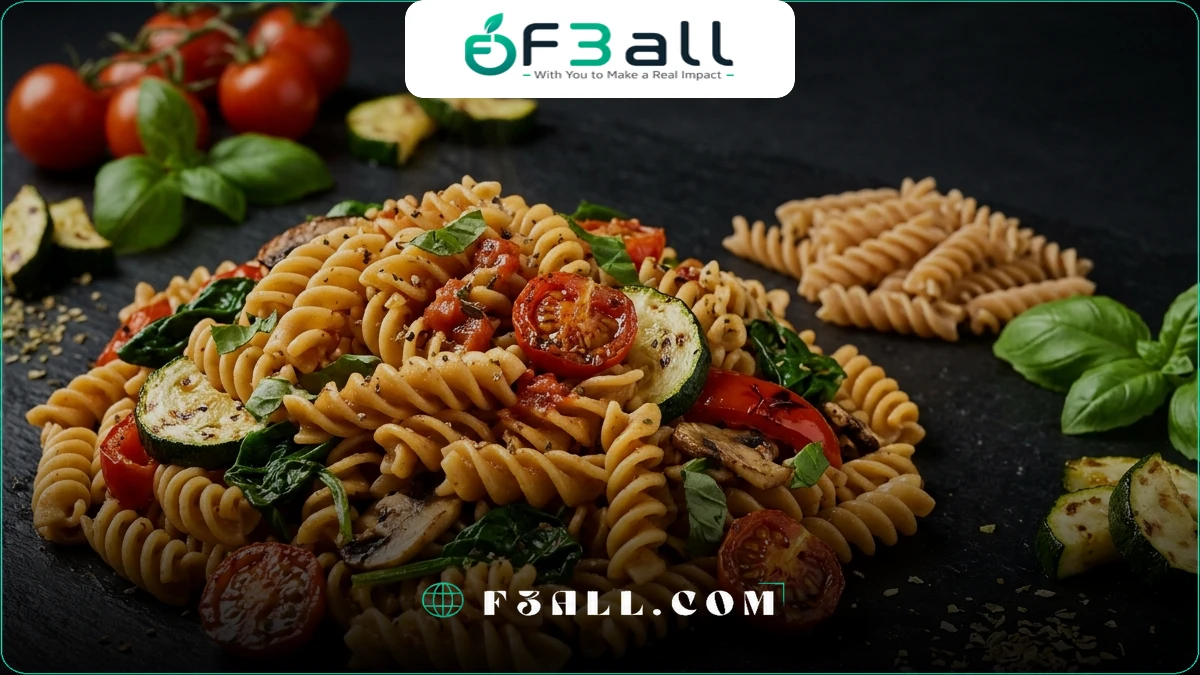
Pasta is a staple food in many cuisines and is commonly made from durum wheat semolina and water. Some varieties also contain eggs, legumes, or other grains.
Its reputation as a fattening food largely comes from its carbohydrate content and the large portions frequently served in restaurants.
However, carbohydrates are not inherently incompatible with weight loss.
Pasta can provide a useful foundation for meals that also contain vegetables, lean protein, and healthy fats.
What Makes Pasta Suitable for Weight Management?
Several factors influence whether a pasta meal fits your nutritional goals:
- Portion size: Determines how many calories come from pasta.
- Pasta variety: Whole-wheat and legume-based products may offer more fiber or protein.
- Sauce selection: Tomato-based sauces often contain fewer calories than heavy cream sauces.
- Protein content: Chicken, fish, tofu, or beans can improve meal balance.
- Vegetable quantity: Adds nutrients, fiber, and volume.
- Added fats: Olive oil, butter, and cheese affect total calories.
Does Pasta Automatically Cause Weight Gain?
No.
Weight gain generally occurs when energy intake consistently exceeds energy expenditure over time.
Pasta can be part of a calorie-controlled diet, just as potatoes, rice, and bread can.
Pasta Facts vs Common Myths
| Claim | Evidence-Based Explanation |
| Pasta Contains Carbohydrates | True |
| Pasta Always Causes Weight Gain | False |
| Pasta Can Fit a Weight-Loss Diet | True |
| Whole-Wheat Pasta Usually Contains More Fiber | True |
| Pasta Burns Belly Fat | Unsupported |
| Eating Pasta at Night Automatically Causes Weight Gain | False |
| Portion Size Matters | True |
Pasta is best evaluated as part of the entire meal rather than judged solely by its carbohydrate content.
Pasta Calories for Weight Loss – Dry vs Cooked Portions
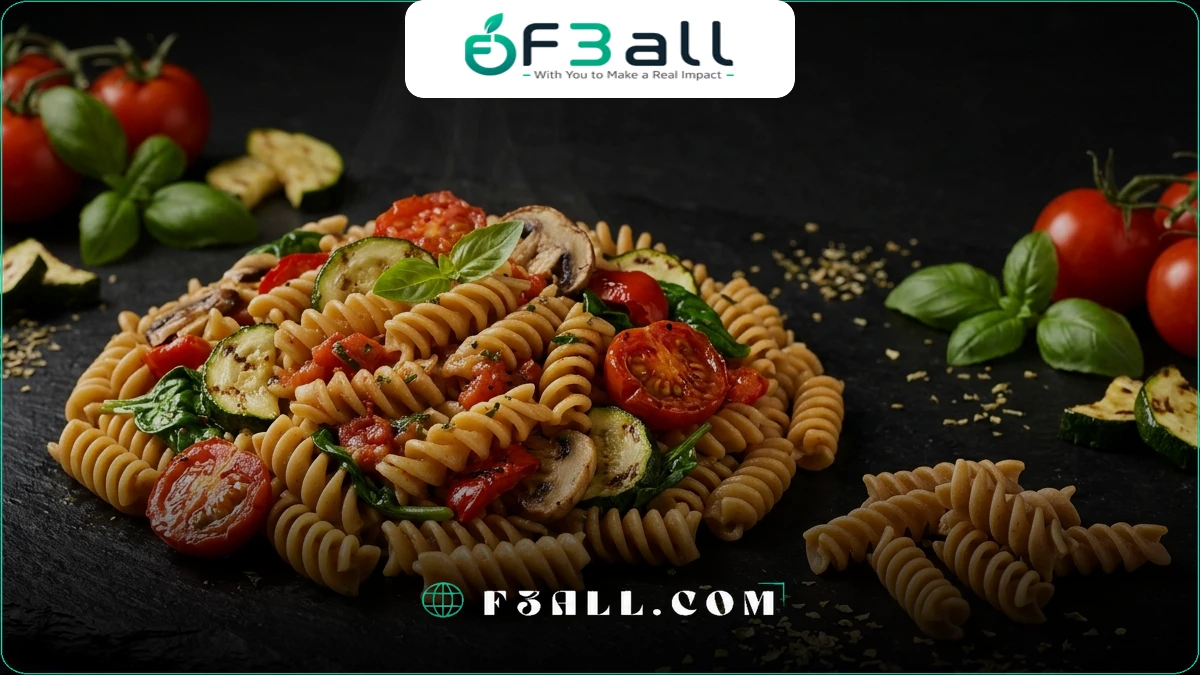
Pasta Calories for Weight Loss can be confusing because nutrition labels often refer to dry pasta, while people usually measure pasta after cooking.
Dry pasta absorbs water during cooking and becomes heavier.
The total calories in the original pasta do not increase simply because it absorbs water.
Calories in Plain Pasta
| Pasta Portion | Approximate Calories |
| 50 g Dry Pasta | 175–190 |
| 75 g Dry Pasta | 260–285 |
| 100 g Dry Pasta | 350–380 |
| 100 g Cooked Pasta | 140–160 |
| 150 g Cooked Pasta | 210–240 |
| 200 g Cooked Pasta | 280–320 |
Values are approximate and vary by product, ingredients, and cooking conditions.
Why Dry and Cooked Pasta Have Different Calorie Values
A serving of dry pasta may weigh approximately two to two-and-a-half times as much after cooking, depending on the shape and cooking time.
The additional weight comes mainly from water.
For example, 75 grams of dry pasta may produce approximately 170–190 grams of cooked pasta.
Does Pasta Shape Affect Calories?
Most regular wheat pasta shapes have similar calories per dry weight.
Spaghetti, penne, fusilli, and macaroni generally differ more in shape and serving volume than in calorie density.
Do Sauces Make a Big Difference?
Yes.
Consider a meal made with 150 grams of cooked pasta.
| Addition | Approximate Extra Calories |
| Plain Tomato Sauce, 100 g | 30–80 |
| Olive Oil, 1 Tablespoon | 120 |
| Parmesan, 15 g | 60–65 |
| Butter, 1 Tablespoon | 100 |
| Cream-Based Sauce, 100 g | Highly Variable, Often 150–300 |
A pasta dish can become substantially more calorie-dense when several rich toppings are combined.
Is Restaurant Pasta Higher in Calories?
Restaurant portions may contain more pasta, oil, butter, cheese, and sauce than a typical homemade serving.
The exact difference depends on the recipe.
For accurate calorie tracking, distinguish dry from cooked pasta and include sauces, oils, and toppings in the calculation.
Pasta Nutrition for Weight Loss – Carbohydrates, Fiber, and Protein
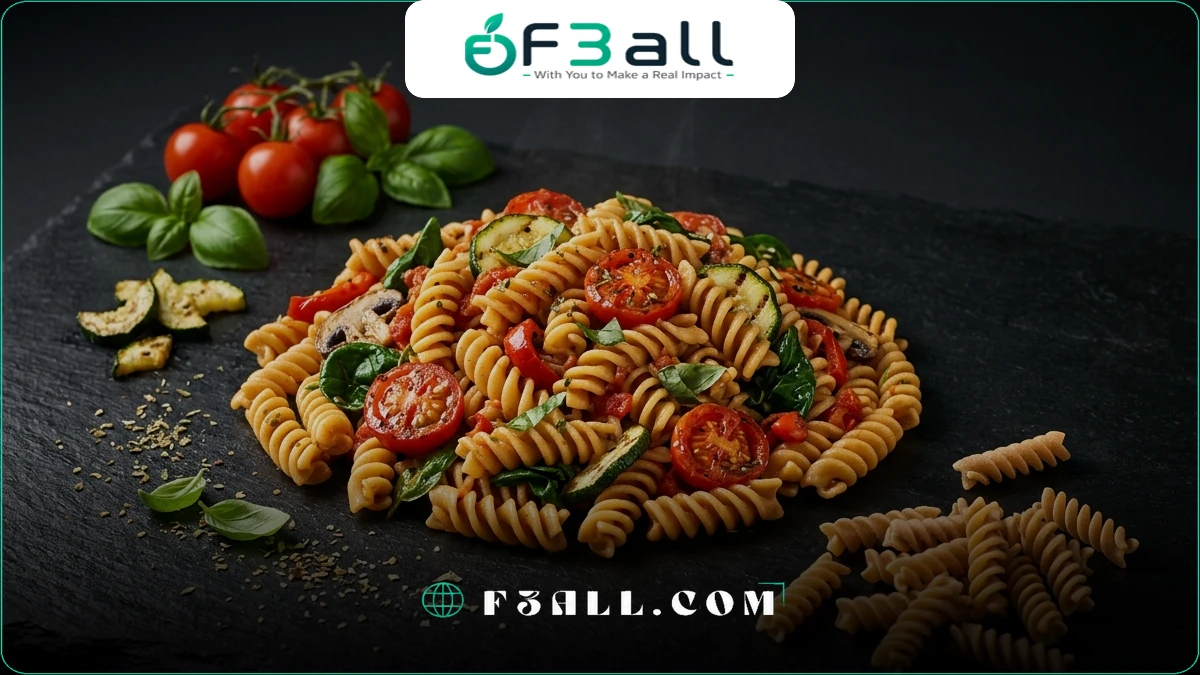
Pasta Nutrition for Weight Loss involves understanding the nutrients pasta provides and how different varieties compare.
Traditional wheat pasta supplies carbohydrates and some protein, while whole-grain and legume-based versions may contain more fiber or protein.
Typical Nutrition per 100 Grams of Cooked Pasta
| Nutrient | Regular Wheat Pasta | Whole-Wheat Pasta |
| Calories | 150–160 | 140–155 |
| Protein | 5–6 g | 5–6 g |
| Carbohydrates | 30–31 g | 29–31 g |
| Fiber | 1.5–2 g | 3–4 g |
| Fat | Around 1 g | Around 1 g |
Approximate values for plain cooked pasta. Products vary.
Carbohydrates
Pasta contains starch, which is broken down during digestion and used for energy.
Carbohydrate needs vary with activity level, age, and health.
Protein
Wheat pasta provides moderate amounts of protein.
However, it is not generally a concentrated protein source compared with chicken, fish, eggs, tofu, or legumes.
Dietary Fiber
Whole-wheat pasta usually contains more fiber than refined wheat pasta.
Fiber contributes to normal digestion and may support fullness.
Vitamins and Minerals
Depending on the product, pasta may provide:
- Thiamin.
- Niacin.
- Folate.
- Iron.
- Selenium.
- Magnesium.
Enriched pasta may contain added B vitamins and iron.
What About Gluten?
Traditional wheat pasta contains gluten.
People with celiac disease must choose suitable gluten-free alternatives and avoid gluten cross-contact.
Nutrition Comparison by Pasta Type
| Pasta Type | Main Nutritional Characteristic |
| Regular Pasta | Carbohydrates and Some Protein |
| Whole-Wheat Pasta | More Fiber |
| Chickpea Pasta | Often More Protein and Fiber |
| Lentil Pasta | Often More Protein and Fiber |
| Rice Pasta | Gluten-Free When Appropriately Manufactured |
| Quinoa-Based Pasta | Depends on Grain Blend |
| Vegetable-Based Pasta | Nutrients Depend on Ingredients |
Choose pasta according to your nutritional needs, and remember that the complete meal matters more than the pasta alone.
Read more about: Is Ground Beef Good for Weight Loss | Smart Eating Tips
Pasta Benefits for Weight Loss – What Makes It a Practical Food?
Pasta Benefits for Weight Loss are mainly related to convenience, meal flexibility, and the ability to combine pasta with nutritious ingredients.
Pasta does not directly burn body fat or produce guaranteed weight-loss results.
1. Provides Energy
Carbohydrates support everyday activities and exercise.
2. Can Be Part of Satisfying Meals
Pasta paired with protein and vegetables can form a substantial meal.
3. Offers Whole-Grain Options
Whole-wheat pasta provides more fiber than many refined varieties.
4. Supports Meal Preparation
Pasta can be cooked ahead and incorporated into portion-controlled lunches or dinners.
5. Works With Different Protein Sources
Chicken, fish, beans, lentils, tofu, and lean meat can all be included.
6. Makes Vegetable-Rich Meals Convenient
Spinach, broccoli, zucchini, mushrooms, and tomatoes can be added easily.
Benefits and Limitations
| Potential Benefit | Example | Important Consideration |
| Energy | Pasta Before Activity | Portion Size |
| Fiber | Whole-Wheat Pasta | Product Differences |
| Convenience | Meal-Prep Bowls | Safe Storage |
| Versatility | Vegetable Pasta | Sauce Calories |
| Meal Satisfaction | Chicken Pasta | Total Meal Composition |
| Dietary Flexibility | Legume Pasta | Individual Tolerance |
Does Pasta Help You Feel Full?
Pasta may contribute to fullness, especially when combined with protein, fiber, and vegetables.
Satiety depends on portion size, preparation, and individual responses.
Does Pasta Boost Metabolism?
There is no convincing evidence that eating pasta meaningfully accelerates metabolism or directly causes fat loss.
Is Pasta a Good Pre-Workout Food?
Pasta provides carbohydrates that may help fuel physical activity.
The appropriate portion and timing depend on the type of exercise and digestive comfort.
Pasta’s practical advantage is its flexibility within balanced meals, not any special fat-burning effect.
Pasta Serving Size for Weight Loss – How Much Should You Eat?
Pasta Serving Size for Weight Loss depends on individual energy requirements, physical activity, and the other foods included in the meal.
There is no universal pasta portion that guarantees weight loss.
Example Dry Pasta Portions
| Dry Pasta Weight | Approximate Calories | Possible Use |
| 40 g | 140–150 | Small Side Portion |
| 50 g | 175–190 | Light Meal Base |
| 60 g | 210–230 | Moderate Portion |
| 75 g | 260–285 | Main Meal |
| 100 g | 350–380 | Larger Portion |
Is Half a Cup of Pasta Enough?
Half a cup of cooked pasta can be a useful side portion.
However, it may not provide enough energy for a complete meal on its own.
Is One Cup of Cooked Pasta Reasonable?
For many people, approximately one cup can fit into a balanced meal.
The appropriate amount varies with nutritional needs.
Should You Weigh Pasta Before or After Cooking?
Either method works if you use the matching nutritional information.
Weighing dry pasta is often convenient because the amount of water absorbed during cooking varies.
The Balanced Pasta Plate
A practical meal could include:
- A moderate portion of cooked pasta.
- A generous serving of non-starchy vegetables.
- A source of protein.
- A measured amount of oil or sauce.
Example Meal
| Ingredient | Approximate Calories |
| 60 g Dry Pasta | 220 |
| 100 g Cooked Chicken Breast | 165 |
| 150 g Mixed Vegetables | 50 |
| 100 g Tomato Sauce | 50 |
| Total | 485 |
These are illustrative values rather than a prescribed calorie target.
Measure pasta consistently and balance it with protein and vegetables instead of relying on unusually small portions.
Whole-Wheat Pasta vs Regular Pasta – Which Is Better?
Whole-wheat pasta is made using more of the wheat grain than refined pasta.
As a result, it generally provides more dietary fiber.
However, both types can fit into balanced diets.
Regular Pasta
Traditional refined pasta has a familiar texture and usually contains less fiber.
Whole-Wheat Pasta
Whole-wheat pasta typically contains more fiber and certain micronutrients.
Comparison Table
| Feature | Regular Pasta | Whole-Wheat Pasta |
| Calories | Similar | Similar |
| Fiber | Lower | Higher |
| Protein | Moderate | Moderate |
| Texture | Softer | Firmer |
| Flavor | Mild | More Nutty |
| Weight-Loss Compatibility | Yes | Yes |
Does Whole-Wheat Pasta Cause Faster Weight Loss?
Not automatically.
Its additional fiber may contribute to meal satisfaction, but weight reduction depends on the overall eating pattern.
Is Regular Pasta Unhealthy?
No.
Refined pasta can fit into a nutritious diet when paired with vegetables, protein, and other fiber-rich foods.
What About Chickpea or Lentil Pasta?
Legume-based pasta often contains more protein and fiber than traditional wheat pasta.
However, the exact nutritional profile varies by brand.
Whole-wheat and legume-based pasta can be useful options, but regular pasta does not need to be excluded from a weight-loss diet.
Pasta Recipes for Weight Loss – Eight Balanced and Delicious Ideas
Pasta Recipes for Weight Loss can be satisfying without relying on oversized portions or heavy sauces.
These recipes emphasize vegetables, lean proteins, and moderate amounts of pasta.
Estimated calories are approximate and depend on ingredients and brands.
Recipe 1 – Chicken and Spinach Pasta
Ingredients
- 60 g dry whole-wheat pasta.
- 100 g cooked chicken breast.
- 100 g spinach.
- 100 g tomatoes.
- Garlic.
- 1 teaspoon olive oil.
Instructions
- Cook pasta according to package instructions.
- Cook chicken thoroughly.
- Heat olive oil in a pan.
- Add garlic, spinach, and tomatoes.
- Combine with pasta and chicken.
Estimated calories: 430–510.
This meal provides protein, carbohydrates, and vegetables.
Recipe 2 – Tomato and Zucchini Pasta
Ingredients
- 60 g dry pasta.
- 150 g zucchini.
- 150 g crushed tomatoes.
- 50 g onions.
- 1 teaspoon olive oil.
- Basil.
Instructions
- Cook pasta until tender.
- Sauté onions and zucchini.
- Add crushed tomatoes.
- Simmer briefly.
- Combine with pasta and basil.
Estimated calories: 330–400.
Vegetables add volume without requiring a large pasta portion.
Recipe 3 – Tuna and Lemon Pasta
Ingredients
- 60 g dry whole-wheat pasta.
- 85 g drained tuna in water.
- 100 g cherry tomatoes.
- 50 g spinach.
- Lemon juice.
- Black pepper.
Instructions
- Cook pasta.
- Drain tuna.
- Prepare tomatoes and spinach.
- Combine ingredients.
- Finish with lemon and pepper.
Estimated calories: 330–400.
Tuna contributes protein.
Recipe 4 – Chickpea Pasta With Broccoli
Ingredients
- 60 g dry chickpea pasta.
- 150 g broccoli.
- 100 g tomatoes.
- 1 teaspoon olive oil.
- Garlic.
Instructions
- Cook chickpea pasta.
- Steam broccoli.
- Warm tomatoes and garlic in olive oil.
- Combine ingredients.
- Serve immediately.
Estimated calories: 330–410.
Chickpea pasta may provide additional protein and fiber.
Recipe 5 – Turkey Meatball Pasta
Ingredients
- 60 g dry whole-wheat pasta.
- 120 g lean ground turkey.
- 150 g tomato sauce.
- 100 g zucchini.
- Italian herbs.
Instructions
- Form turkey into small meatballs.
- Cook thoroughly to 165°F (74°C).
- Heat tomato sauce with zucchini.
- Cook pasta.
- Combine and serve.
Estimated calories: 420–510.
Lean turkey contributes protein.
Recipe 6 – Mushroom and Greek Yogurt Pasta
Ingredients
- 60 g dry pasta.
- 150 g mushrooms.
- 100 g plain nonfat Greek yogurt.
- Garlic.
- Black pepper.
- Parsley.
Instructions
- Cook pasta.
- Sauté mushrooms in a nonstick pan.
- Remove the pan from high heat.
- Stir in Greek yogurt and a little pasta water.
- Combine gently to create a creamy sauce.
Estimated calories: 330–410.
Greek yogurt provides a protein-rich alternative to some cream sauces.
Recipe 7 – Salmon and Asparagus Pasta
Ingredients
- 60 g dry whole-wheat pasta.
- 100 g cooked salmon.
- 150 g asparagus.
- Lemon juice.
- Dill.
Instructions
- Cook pasta.
- Cook salmon thoroughly.
- Steam asparagus.
- Combine ingredients.
- Add lemon juice and dill.
Estimated calories: 430–510.
Salmon provides protein and omega-3 fatty acids.
Recipe 8 – Lentil and Vegetable Pasta Salad
Ingredients
- 50 g dry whole-wheat pasta.
- 100 g cooked lentils.
- 100 g cucumber.
- 100 g tomatoes.
- Lemon juice.
- Fresh parsley.
Instructions
- Cook and cool pasta safely.
- Prepare lentils.
- Chop vegetables.
- Combine ingredients.
- Add lemon and parsley.
Estimated calories: 350–420.
Lentils contribute fiber and plant protein.
Recipe Comparison
| Recipe | Estimated Calories | Main Feature |
| Chicken Spinach Pasta | 430–510 | Lean Protein |
| Tomato Zucchini Pasta | 330–400 | Vegetables |
| Tuna Lemon Pasta | 330–400 | Protein |
| Chickpea Broccoli Pasta | 330–410 | Fiber |
| Turkey Meatball Pasta | 420–510 | Protein |
| Mushroom Yogurt Pasta | 330–410 | Creamy Sauce Alternative |
| Salmon Asparagus Pasta | 430–510 | Omega-3 Fats |
| Lentil Pasta Salad | 350–420 | Plant Protein |
These recipes demonstrate that pasta meals can provide variety, protein, and vegetables without requiring heavy sauces or excessive portions.
Read more about: Is Oat Milk Good for Weight Loss | Read Smart Tips Now!
Pasta Diet Plan – A Balanced Seven-Day Meal Schedule
A Pasta Diet Plan should not involve eating only pasta.
Pasta alone cannot provide all the nutrients required for a balanced diet.
Instead, include pasta alongside varied protein sources, vegetables, fruits, legumes, and healthy fats.
Seven-Day Pasta Meal Plan
| Day | Main Meal | Nutrition Focus |
| Monday | Chicken and Spinach Pasta | Lean Protein |
| Tuesday | Lentil Soup and Whole-Grain Bread | Legumes |
| Wednesday | Tuna and Lemon Pasta | Protein |
| Thursday | Grilled Chicken With Vegetables | Protein and Fiber |
| Friday | Chickpea Pasta With Broccoli | Plant Protein |
| Saturday | Baked Fish and Sweet Potato | Omega-3s and Carbohydrates |
| Sunday | Tomato and Zucchini Pasta | Vegetables |
How to Follow the Plan
- Choose pasta portions according to energy needs.
- Include vegetables in main meals.
- Eat adequate protein.
- Rotate carbohydrate sources.
- Use measured amounts of oils and sauces.
- Drink water regularly.
- Maintain appropriate physical activity.
Can You Eat Pasta Every Day?
Pasta can fit into daily eating patterns, but dietary variety is generally preferable.
Rotating pasta with potatoes, rice, legumes, and other whole grains provides different nutrients.
Is a Pasta-Only Diet Healthy?
No.
A diet consisting exclusively of pasta lacks adequate nutritional variety.
Should You Skip Bread When Eating Pasta?
Not necessarily.
Both contribute carbohydrates, so portion sizes should be considered within the overall meal.
A useful seven-day plan includes pasta as one flexible ingredient rather than the foundation of every meal.
Pasta Best Time to Eat – Lunch, Dinner, or Before Exercise
Pasta Best Time to Eat depends on appetite, schedule, physical activity, and personal preferences.
There is no established time of day when eating pasta causes greater fat loss.
Pasta at Lunch
Pasta can provide carbohydrates for afternoon activities.
Pairing it with protein and vegetables helps create a balanced meal.
Pasta at Dinner
Pasta can be eaten in the evening without automatically causing weight gain.
Total energy intake remains more important than meal timing alone.
Pasta Before Exercise
Pasta provides carbohydrates that can help fuel exercise.
A large meal immediately before vigorous activity may cause digestive discomfort.
Pasta After Exercise
Carbohydrates can help replenish energy stores after physical activity.
Combining pasta with protein supports a more balanced recovery meal.
Timing Comparison
| Time | Practical Use | Consideration |
| Lunch | Balanced Main Meal | Portion Size |
| Dinner | Convenient Meal | Sauces and Toppings |
| Before Exercise | Carbohydrate Source | Digestive Comfort |
| After Exercise | Recovery Carbohydrates | Include Protein |
| Meal Prep | Planned Lunches | Safe Storage |
Does Eating Pasta After 7 PM Cause Weight Gain?
Not automatically.
There is no universal evening cutoff that determines whether pasta causes weight gain.
Is Pasta Better Before a Workout?
It can be useful because it provides carbohydrates, but the amount and timing should match the activity.
Choose pasta timing according to your routine rather than following unsupported rules about eating carbohydrates at night.
Pasta for Belly Fat – Can Pasta Help Reduce Abdominal Fat?
Pasta for Belly Fat is a common search because carbohydrate-rich foods are often blamed for abdominal weight gain.
However, pasta does not selectively cause or remove belly fat.
Understanding Abdominal Fat
Abdominal fat includes subcutaneous fat beneath the skin and visceral fat around internal organs.
Excess visceral fat is associated with increased cardiometabolic risk.
Does Pasta Burn Belly Fat?
No.
Pasta does not contain an ingredient proven to target abdominal fat.
Does Pasta Cause Belly Fat?
Not automatically.
Consistently consuming more calories than needed can contribute to weight gain, regardless of whether those calories come from pasta or other foods.
Is Whole-Wheat Pasta Better for Belly Fat?
Whole-wheat pasta provides more fiber than refined pasta, but it does not specifically eliminate abdominal fat.
Common Claims Compared
| Claim | Scientific Assessment |
| Pasta Melts Belly Fat | Unsupported |
| Pasta Contains Carbohydrates | True |
| Whole-Wheat Pasta Usually Has More Fiber | True |
| Eating Pasta at Night Automatically Causes Belly Fat | False |
| Overall Weight Reduction May Reduce Waist Size | True |
| Pasta Can Fit a Balanced Diet | True |
What Supports Abdominal-Fat Management?
Balanced nutrition, regular physical activity, resistance training, sufficient sleep, and appropriate medical care can support overall body-fat management.
Pasta can be part of nutritious meals, but it does not directly target abdominal fat.
Pasta Weight Loss Results – What to Expect
Pasta Weight Loss Results depend on portions, sauces, overall dietary intake, and physical activity.
Switching to whole-wheat pasta or reducing portion sizes does not guarantee a particular amount of weight loss.
Example Portion Adjustment
Suppose someone reduces a serving from 100 grams of dry pasta to 60 grams.
Using an illustrative 360 calories per 100 grams:
- 100 g dry pasta provides approximately 360 calories.
- 60 g dry pasta provides approximately 216 calories.
- Difference: approximately 144 calories.
Illustrative Calorie Differences
| Number of Portion Adjustments | Calorie Difference |
| One | 144 |
| Five | 720 |
| Ten | 1,440 |
| Twenty | 2,880 |
These values describe calorie differences, not guaranteed body-fat changes.
Results After Seven Days
You may become more consistent with portion sizes and meal planning.
Results After 30 Days
If dietary changes support a sustained calorie deficit, weight reduction may occur.
Results After 90 Days
Longer-term outcomes depend on overall dietary habits, physical activity, health, and individual physiology.
Does Cutting Pasta Cause Faster Weight Loss?
Not necessarily.
Reducing carbohydrate intake can produce short-term changes in stored glycogen and associated water, but those changes should not be confused with equivalent body-fat loss.
Should You Track Pasta Portions?
Measuring portions can be useful for understanding intake, but tracking should remain practical and sustainable.
Realistic progress depends on consistent habits rather than eliminating pasta or expecting one food to determine weight-loss results.
Read more about: Is Bacon Good for Weight Loss | Smart Portions & Advice
Pasta vs Alternatives for Weight Loss – Comparing Common Carbohydrate Foods
Pasta vs Alternatives for Weight Loss involves comparing calories, fiber, protein, and serving sizes.
Different foods offer different nutritional advantages.
Cooked Food Comparison
| Food | Approximate Calories per 100 g | Main Feature |
| Regular Wheat Pasta | 150–160 | Carbohydrates |
| Whole-Wheat Pasta | 140–155 | More Fiber |
| White Rice | 125–135 | Carbohydrates |
| Brown Rice | 110–125 | Whole Grain |
| Boiled Potato | 85–90 | Potassium |
| Sweet Potato | 85–95 | Beta-Carotene |
| Quinoa | 115–125 | Protein and Fiber |
| Zucchini Noodles | 15–25 | Non-Starchy Vegetable |
| Cooked Lentils | 115–120 | Fiber and Protein |
Values are approximate. Cooking methods and water content affect comparisons.
Pasta vs Rice
Both pasta and rice can fit into a balanced diet.
Pasta often provides somewhat more protein than white rice, while calories depend on portion size.
Pasta vs Potatoes
Boiled potatoes generally contain fewer calories per 100 grams than cooked pasta.
However, butter, oil, and frying can substantially increase potato calories.
Pasta vs Quinoa
Quinoa provides fiber and protein and can be used in grain bowls or salads.
Pasta vs Zucchini Noodles
Zucchini noodles contain fewer calories and carbohydrates than wheat pasta.
However, they also provide less energy and protein.
Pasta vs Lentils
Lentils provide dietary fiber and plant protein.
They can complement pasta or replace some of it in certain dishes.
Which Is Best for Weight Loss?
No single carbohydrate food is universally superior.
The most appropriate choice depends on nutritional needs, portion sizes, meal composition, and personal preferences.
Rotating pasta with whole grains, potatoes, legumes, and vegetables supports dietary variety.
Pasta Sauces for Weight Loss – Choosing Better Ingredients
Sauces can substantially influence the calories and nutritional quality of pasta meals.
Tomato-Based Sauce
Plain tomato sauce can be a practical option when prepared with moderate amounts of oil and salt.
Cream-Based Sauce
Cream sauces often contain more saturated fat and calories.
Pesto
Pesto provides flavor and unsaturated fats from ingredients such as olive oil and nuts, but it can be calorie-dense.
Greek Yogurt Sauce
Plain Greek yogurt can be used to create a creamy sauce while adding protein.
Sauce Comparison
| Sauce Type | Main Consideration |
| Tomato Sauce | Check Added Sugar and Sodium |
| Cream Sauce | Often Higher in Calories |
| Pesto | Measure Portions |
| Olive Oil and Garlic | Oil Calories Add Up |
| Greek Yogurt Sauce | Protein Contribution |
| Vegetable-Based Sauce | Adds Vegetables |
How to Make Pasta Sauce More Balanced
- Use tomatoes, mushrooms, zucchini, or spinach.
- Measure olive oil.
- Add herbs and spices.
- Include lean protein.
- Use moderate amounts of cheese.
- Compare sodium on packaged sauces.
Does Pasta Need Sauce?
No.
Pasta can be combined with vegetables, herbs, lemon juice, and a small amount of olive oil.
Choosing a suitable sauce can make a greater difference to meal calories than changing the pasta shape.
Common Mistakes When Eating Pasta for Weight Loss
Pasta can fit into balanced eating, but several habits may make calorie management more difficult.
Mistakes to Avoid
- Oversized portions: Large servings increase total energy intake.
- Ignoring dry vs cooked weights: This can lead to incorrect calorie calculations.
- Using excessive oil: Added fats contribute substantial calories.
- Choosing heavy sauces frequently: Cream, butter, and cheese can increase calorie density.
- Skipping vegetables: Reduces fiber and meal variety.
- Eating pasta without protein: May create a less balanced meal.
- Assuming gluten-free pasta is lower-calorie: Many gluten-free products contain similar calories.
- Eliminating pasta unnecessarily: Restrictive rules may be difficult to sustain.
Better Choices
| Common Mistake | Practical Improvement |
| Large Pasta Portions | Measure Dry Pasta |
| Heavy Cream Sauces | Try Tomato or Vegetable Sauces |
| Low Protein | Add Chicken, Fish, Tofu, or Beans |
| Low Fiber | Choose Whole-Wheat Pasta |
| Excess Oil | Measure Cooking Fats |
| Limited Vegetables | Add Broccoli, Spinach, or Zucchini |
| Incorrect Calorie Tracking | Match Dry and Cooked Values |
Who May Need Special Considerations?
People with celiac disease should avoid wheat pasta and choose appropriately labeled gluten-free alternatives.
Individuals with diabetes may need to consider carbohydrate portions as part of individualized meal planning.
Those with wheat allergies should avoid wheat-based pasta.
Is Pasta Safe During Pregnancy?
Properly cooked pasta can generally be included in a balanced pregnancy diet.
Food safety is particularly important when pasta dishes contain meat, seafood, eggs, or dairy ingredients.
A balanced pasta meal depends on portions, ingredients, and dietary variety rather than avoiding carbohydrates altogether.
Why F3all Is Your Best Choice

At F3all, our Is Pasta Good for Weight Loss guide focuses on practical nutrition, realistic expectations, and informed meal planning.
We explain how pasta can fit into balanced eating without exaggerated claims about carbohydrate restriction or rapid fat loss.
- Calorie Comparisons: Understand dry and cooked pasta portions.
- Nutrition Guidance: Explore carbohydrates, fiber, and protein.
- Serving Size Examples: Plan practical pasta portions.
- Healthy Recipes: Prepare eight balanced pasta dishes.
- Seven-Day Planning: Include pasta within varied meals.
- Belly-Fat Facts: Separate evidence from unsupported claims.
- Food Comparisons: Evaluate pasta alongside rice, potatoes, quinoa, and other alternatives.
Explore additional healthy eating resources at F3all.
F3all helps readers make informed food choices that support sustainable health and weight-management goals.
Frequently Asked Questions
Is Pasta Good for Weight Loss?
Yes. Pasta can fit into a balanced weight-loss diet when portions are appropriate and meals include protein, vegetables, and other nutritious ingredients.
How Many Calories Are in Pasta?
Plain cooked wheat pasta typically contains approximately 150–160 calories per 100 grams, although values vary by product and preparation.
Is Whole-Wheat Pasta Better for Weight Loss?
Whole-wheat pasta usually provides more fiber than regular pasta, but it does not automatically cause greater weight loss.
Can I Eat Pasta Every Day While Losing Weight?
Yes. Pasta can fit into daily eating patterns, although rotating carbohydrate sources helps provide nutritional variety.
Does Pasta Cause Belly Fat?
Not automatically. Abdominal-fat accumulation depends on overall energy balance and other factors, not pasta alone.
What Is a Good Pasta Serving Size for Weight Loss?
A dry portion of approximately 50–75 grams may be practical for some meals, but individual energy needs vary.
Is Pasta Better Than Rice for Weight Loss?
Neither is universally better. Both can fit into balanced diets when portions and meal composition are appropriate.
Can I Eat Pasta at Night and Still Lose Weight?
Yes. Eating pasta at night does not automatically prevent weight loss.
Is Chickpea Pasta Better Than Regular Pasta?
Chickpea pasta often provides more protein and fiber, but calories and nutritional values vary by product.
How Much Weight Can I Lose in 30 Days Eating Pasta?
No specific amount can be guaranteed. Weight changes depend on total energy intake, physical activity, health, and individual circumstances.
In the End
Is Pasta Good for Weight Loss? Yes, pasta can be a nutritious and enjoyable part of a balanced eating pattern when consumed in appropriate portions.
Regular, whole-wheat, and legume-based pasta varieties offer different nutritional advantages. Choosing a suitable portion, adding protein and vegetables, and using moderate amounts of sauce can help create satisfying meals.
However, pasta does not directly burn fat, guarantee weight reduction, or selectively reduce belly fat.
For sustainable progress, focus on meal balance, dietary variety, and consistent habits rather than eliminating pasta unnecessarily.
Enjoy pasta as part of a flexible, nutritious diet while making practical choices that support long-term health and weight management.
References