Hashimoto’s Thyroiditis Weight Loss | Practical Guide
Hashimoto’s Thyroiditis Weight Loss can feel more difficult when thyroid hormone levels are low, fatigue reduces daily activity, or appetite and routine have changed. Hashimoto’s is an autoimmune thyroid condition that can eventually cause hypothyroidism, but successful weight management still depends on more than the thyroid alone.
A useful Hashimoto’s Thyroiditis Weight Loss strategy starts with appropriate thyroid treatment, then focuses on measured portions, adequate protein, high-fiber carbohydrates, vegetables, sleep, and realistic physical activity. There is no single “Hashimoto diet” that melts body fat, and extreme restriction can make an already difficult routine harder to maintain.
Hashimoto’s Thyroiditis Weight Loss and Metabolism

Hashimoto’s Thyroiditis Weight Loss needs to be viewed differently depending on whether thyroid function is adequately treated. Untreated hypothyroidism can lower energy expenditure and contribute to weight gain, while part of thyroid-related weight gain may also involve salt and water retention rather than body fat alone.
Once thyroid hormone levels are appropriately controlled, nutrition, activity, sleep, total calorie intake, and other health factors become increasingly important for long-term weight management.
| Situation | Possible Effect on Weight | Practical Focus |
| Untreated hypothyroidism | Lower energy expenditure and fluid retention may occur | Medical assessment and treatment |
| Thyroid levels being adjusted | Weight and symptoms may still fluctuate | Follow-up testing and consistency |
| Thyroid levels stable | Lifestyle factors become more important | Food portions, activity, sleep |
| Rapid unexplained weight change | May have causes beyond Hashimoto’s | Discuss with healthcare professional |
Hashimoto’s Thyroiditis Weight Loss becomes much easier to approach when thyroid treatment and lifestyle are treated as two parts of the same plan rather than expecting food alone to correct hormone levels.
Hashimoto Weight Loss Diet Basics
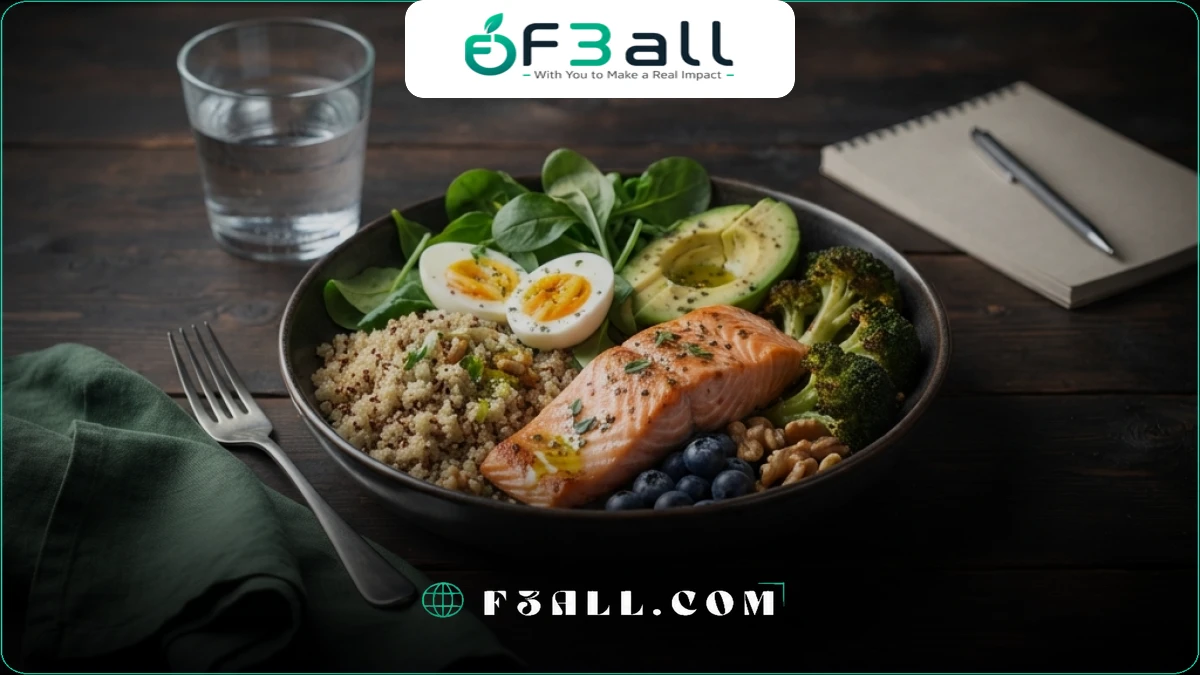
A Hashimoto weight loss diet does not require a complicated list of forbidden foods. A more useful structure is to build meals around lean protein, vegetables, measured high-fiber carbohydrates, and controlled amounts of calorie-dense fats.
The table below shows practical portions rather than unlimited “healthy food” servings.
| Carb Source | Serving Weight | Carbs | Calories From Carbs | Total Calories |
| Cooked oatmeal | 150 g | 18 g | 72 kcal | 106 kcal |
| Cooked lentils | 150 g | 30.2 g | 121 kcal | 174 kcal |
| Cooked brown rice | 100 g | 25.6 g | 102 kcal | 123 kcal |
| Cooked quinoa | 100 g | 21.3 g | 85 kcal | 120 kcal |
| Baked potato | 150 g | 31.8 g | 127 kcal | 140 kcal |
| Strawberries | 150 g | 11.6 g | 46 kcal | 48 kcal |
| Apple | 150 g | 20.7 g | 83 kcal | 78 kcal |
Calories From Carbs are calculated using approximately 4 calories for each gram of carbohydrate. Total food calories can differ because foods also contain fiber, protein, and fat.
Hashimoto’s Thyroiditis Weight Loss works better when portions are visible and measurable, so the next step is choosing foods that provide enough nutrition for those calories.
Best Foods for Hashimoto Weight Loss
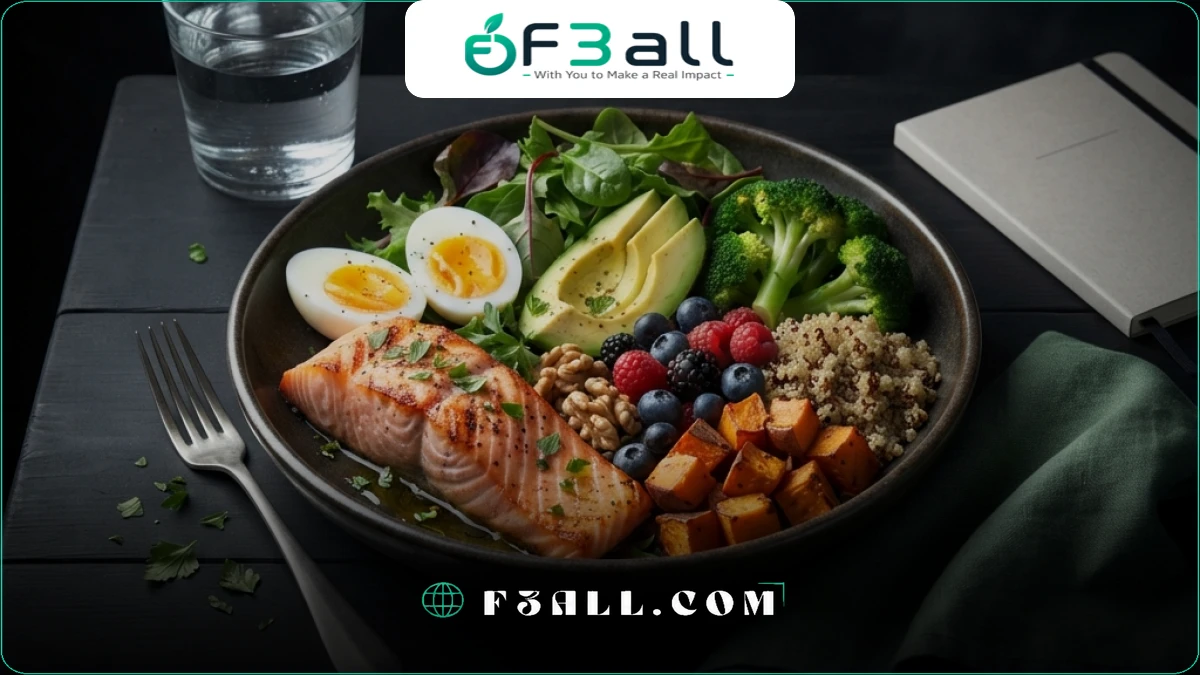
The best foods for Hashimoto weight loss are generally the same nutrient-dense foods that support good health in other sustainable weight-management plans. There is no need to search for a special “thyroid-burning” ingredient.
Useful choices include vegetables, whole fruit, legumes, whole grains, eggs, fish, poultry, yogurt, nuts, seeds, and other minimally processed foods that fit your individual needs.
| Food | Weight | Carbs | Calories From Carbs | Total Calories | Main Benefit |
| Spinach | 100 g | 3.6 g | 14 kcal | 23 kcal | High-volume vegetable |
| Broccoli, cooked | 150 g | about 11 g | 44 kcal | about 53 kcal | Fiber and volume |
| Lentils, cooked | 150 g | 30.2 g | 121 kcal | 174 kcal | Fiber and protein |
| Greek yogurt, nonfat | 170 g | about 6 g | 24 kcal | about 100 kcal | High protein |
| Strawberries | 150 g | 11.6 g | 46 kcal | 48 kcal | Fruit with high volume |
| Baked sweet potato | 150 g | 31.1 g | 124 kcal | 135 kcal | Starchy whole food |
| Chicken breast, cooked | 120 g | 0 g | 0 kcal | about 198 kcal | Lean protein |
You can explore more nutrient-dense meal ideas through Delicious Diet Recipes.
Hashimoto’s Thyroiditis Weight Loss does not depend on one perfect food; it depends on repeatedly combining useful foods in portions that match your energy needs.
Read more about: Carb Cycling for Weight Loss: Practical Meal Plan Guide
Protein for Hashimoto’s Thyroiditis Weight Loss
Protein is especially useful during Hashimoto’s Thyroiditis Weight Loss because a calorie deficit should not come entirely from removing nutrient-dense foods. Adequate protein can help build more satisfying meals and support lean tissue alongside resistance exercise.
Instead of eating a carbohydrate-heavy meal alone, pair it with a measured protein source.
| Protein Food | Weight | Carbs | Calories From Carbs | Total Calories | Approx. Protein |
| Chicken breast, cooked | 120 g | 0 g | 0 kcal | about 198 kcal | about 37 g |
| Salmon, cooked | 120 g | 0 g | 0 kcal | about 245 kcal | about 26 g |
| Greek yogurt, nonfat | 170 g | about 6 g | 24 kcal | about 100 kcal | about 17 g |
| Eggs | 100 g | about 1 g | 4 kcal | about 143 kcal | about 13 g |
| Lentils, cooked | 150 g | 30.2 g | 121 kcal | 174 kcal | about 13.5 g |
Practical combinations include:
- 100 g brown rice + 120 g chicken + vegetables.
- 150 g lentils + salad + yogurt.
- 150 g potato + 120 g fish + vegetables.
- 150 g oatmeal + 170 g Greek yogurt + berries.
Hashimoto’s Thyroiditis Weight Loss becomes easier to structure when you decide on the protein first and then add the carbohydrate portion around it.
Healthy Carbs for Hashimoto Weight Management
Carbohydrates do not need to disappear during Hashimoto’s Thyroiditis Weight Loss. Whole grains, legumes, fruit, and starchy vegetables can provide energy and fiber while allowing meals to remain varied.
The useful question is not “Can I eat carbs?” but “How much does this portion weigh and what does it contribute?”
| Carb Source | Weight | Carbs | Calories From Carbs | Fiber | Total Calories |
| Oatmeal, cooked | 150 g | 18 g | 72 kcal | 2.5 g | 106 kcal |
| Lentils, cooked | 150 g | 30.2 g | 121 kcal | 11.9 g | 174 kcal |
| Black beans, cooked | 100 g | 23.7 g | 95 kcal | 8.7 g | 132 kcal |
| Brown rice, cooked | 100 g | 25.6 g | 102 kcal | 1.6 g | 123 kcal |
| Quinoa, cooked | 100 g | 21.3 g | 85 kcal | 2.8 g | 120 kcal |
| Apple | 150 g | 20.7 g | 83 kcal | 3.6 g | 78 kcal |
For broader carbohydrate planning, Weight Loss can help you compare different food choices and portions.
Hashimoto’s Thyroiditis Weight Loss should make carbohydrates measurable rather than frightening, which is why fiber deserves particular attention next.
Fiber and Fullness With Hashimoto’s
Fiber-rich foods can make Hashimoto’s Thyroiditis Weight Loss meals more substantial without relying only on large portions of calorie-dense foods. Legumes, berries, oats, vegetables, and whole grains are practical sources.
Increase fiber gradually if your usual intake is low, particularly if constipation is already a concern.
| Fiber-Rich Food | Weight | Carbs | Calories From Carbs | Fiber | Total Calories |
| Lentils | 150 g | 30.2 g | 121 kcal | 11.9 g | 174 kcal |
| Black beans | 100 g | 23.7 g | 95 kcal | 8.7 g | 132 kcal |
| Strawberries | 200 g | 15.4 g | 62 kcal | 4 g | 64 kcal |
| Apple | 180 g | 24.8 g | 99 kcal | 4.3 g | 95 kcal |
| Barley, cooked | 150 g | 42.3 g | 169 kcal | 5.7 g | 184 kcal |
High-fiber foods may also affect the timing of some medicines, so keep medication routines consistent and follow the instructions provided by your prescriber or pharmacist.
Hashimoto’s Thyroiditis Weight Loss benefits from fiber, but the medication itself also deserves careful attention before changing breakfast or supplements.
Thyroid Medication and Meal Timing
For people prescribed levothyroxine, Hashimoto’s Thyroiditis Weight Loss should never involve changing the medicine dose to accelerate weight loss. Thyroid hormone is treatment for hypothyroidism, not a weight-loss drug.
Food, calcium, iron, coffee, and some supplements or medications can affect levothyroxine absorption, so consistency matters. Follow the exact timing instructions given for your prescription rather than copying someone else’s schedule online.
| Breakfast Food | Weight | Carbs | Calories From Carbs | Total Calories |
| Oatmeal | 150 g | 18 g | 72 kcal | 106 kcal |
| Banana | 80 g | 18.2 g | 73 kcal | 71 kcal |
| Strawberries | 150 g | 11.6 g | 46 kcal | 48 kcal |
| Greek yogurt | 170 g | about 6 g | 24 kcal | about 100 kcal |
| Whole-grain bread | 56 g | about 24 g | 96 kcal | about 138 kcal |
Do not stop, double, reduce, or change thyroid medication timing for Hashimoto’s Thyroiditis Weight Loss without discussing it with the clinician managing your thyroid.
Once medicine timing is stable, attention can return to the foods and supplements that are frequently misunderstood in Hashimoto diet plans.
Read more about: Can Anxiety Cause Weight Loss Facts and Practical Steps
Iodine, Kelp and Thyroid Supplements
A Hashimoto diet plan should not automatically include iodine, kelp, or “thyroid support” supplements. Excess iodine can cause problems in autoimmune thyroid disease, and more iodine does not mean more thyroid hormone or faster weight loss.
There is also no reason to assume that a supplement marketed for metabolism is safer than ordinary food.
| Food Source | Weight | Carbs | Calories From Carbs | Total Calories | Practical Note |
| Spinach | 100 g | 3.6 g | 14 kcal | 23 kcal | Normal food portion |
| Lentils | 150 g | 30.2 g | 121 kcal | 174 kcal | Fiber and protein |
| Potato | 150 g | 31.8 g | 127 kcal | 140 kcal | Normal whole food |
| Kelp supplement | Varies | Not useful for calorie planning | Varies | Varies | Iodine dose may be concentrated |
| “Thyroid support” supplement | Varies | Varies | Varies | Varies | Ingredients and doses differ |
People who are pregnant, have iodine deficiency, take specific medications, or have other thyroid conditions may have different needs, so supplementation should be individualized.
Hashimoto’s Thyroiditis Weight Loss is usually safer when supplements are treated as medical decisions rather than as shortcuts to a faster metabolism.
Does a Gluten-Free Hashimoto Diet Help?
Many Hashimoto weight loss diet plans automatically remove gluten, but Hashimoto’s disease alone does not mean every person needs a gluten-free diet. Gluten avoidance is clearly appropriate for diagnosed celiac disease or another medically confirmed reason.
Removing bread, pasta, and grains without a plan can simply replace one set of foods with expensive gluten-free products that may contain similar or higher calories.
| Food | Weight | Carbs | Calories From Carbs | Total Calories |
| Whole-grain bread | 56 g | about 24 g | 96 kcal | about 138 kcal |
| Cooked brown rice | 150 g | 38.4 g | 154 kcal | 184 kcal |
| Cooked quinoa | 150 g | 32 g | 128 kcal | 180 kcal |
| Baked potato | 180 g | 38.2 g | 153 kcal | 167 kcal |
If gluten causes symptoms or celiac disease is suspected, discuss appropriate testing before making a major dietary change.
Hashimoto’s Thyroiditis Weight Loss should remove foods for a clear reason, not simply because a restrictive diet has become popular online.
A Practical Hashimoto Diet Plan
A practical Hashimoto diet plan should be modular rather than forcing everyone onto the same calorie target. Choose portions according to body size, activity, medical needs, and the calorie level recommended for you.
The example below shows how balanced components can be combined without claiming that one menu is appropriate for everyone.
| Meal Component | Weight | Carbs | Calories From Carbs | Approx. Total Calories |
| Oatmeal | 150 g | 18 g | 72 kcal | 106 kcal |
| Greek yogurt | 170 g | 6 g | 24 kcal | 100 kcal |
| Strawberries | 150 g | 11.6 g | 46 kcal | 48 kcal |
| Brown rice | 100 g | 25.6 g | 102 kcal | 123 kcal |
| Chicken breast | 120 g | 0 g | 0 kcal | 198 kcal |
| Mixed vegetables | 200 g | about 14 g | 56 kcal | about 70 kcal |
| Apple | 150 g | 20.7 g | 83 kcal | 78 kcal |
| Sweet potato | 150 g | 31.1 g | 124 kcal | 135 kcal |
| Salmon | 120 g | 0 g | 0 kcal | about 245 kcal |
A simple structure might be:
- Breakfast: oatmeal + Greek yogurt + berries.
- Lunch: measured brown rice + chicken + vegetables.
- Snack: whole fruit with an appropriate protein or fat source.
- Dinner: sweet potato + salmon + vegetables.
More structured approaches can be explored through Weight Loss Diet Plans.
Hashimoto’s Thyroiditis Weight Loss becomes far less confusing when each meal has a defined protein source, a measured carbohydrate portion, and plenty of vegetables.
Hashimoto Exercise for Weight Loss
Hashimoto exercise for weight loss should support the diet rather than punish the body for eating. Fatigue, joint discomfort, deconditioning, and untreated hypothyroidism can all affect how much activity feels realistic.
Once your healthcare team is comfortable with exercise, build activity gradually and prioritize consistency.
| Activity | Starting Example | Progression |
| Walking | 20–30 minutes | Increase duration or pace gradually |
| Cycling | 20 minutes | Build toward longer sessions |
| Resistance training | 2 sessions weekly | Progress loads gradually |
| Swimming | 20–30 minutes | Increase total weekly volume |
| Mobility work | 10 minutes | Use around strength or cardio |
For meals around exercise, moderate carbohydrate portions can provide useful energy:
| Carb Source | Weight | Carbs | Calories From Carbs | Total Calories |
| Banana | 100 g | 22.8 g | 91 kcal | 89 kcal |
| Oatmeal | 150 g | 18 g | 72 kcal | 106 kcal |
| Potato | 150 g | 31.8 g | 127 kcal | 140 kcal |
| Brown rice | 100 g | 25.6 g | 102 kcal | 123 kcal |
Hashimoto’s Thyroiditis Weight Loss does not require extreme workouts; a routine you can repeat week after week is more valuable than a punishing program you abandon after ten days.
Read more about: Tighten Skin After Weight Loss Complete Practical Guide
Hashimoto Belly Fat
Hashimoto belly fat is a popular search term, but Hashimoto’s does not create a special type of abdominal fat that requires a unique food or exercise. Where body fat is stored is influenced by many factors including genetics, age, hormones, total body fat, sleep, and activity.
A useful strategy is to focus on overall fat loss while protecting muscle with adequate protein and resistance exercise.
| Meal Choice | Weight | Carbs | Calories From Carbs | Total Calories |
| Strawberries | 200 g | 15.4 g | 62 kcal | 64 kcal |
| Lentils | 150 g | 30.2 g | 121 kcal | 174 kcal |
| Greek yogurt | 170 g | about 6 g | 24 kcal | about 100 kcal |
| Chicken breast | 120 g | 0 g | 0 kcal | about 198 kcal |
| Potato | 150 g | 31.8 g | 127 kcal | 140 kcal |
No drink, supplement, or “thyroid detox” can selectively remove belly fat.
Hashimoto’s Thyroiditis Weight Loss should focus on overall body composition and health rather than chasing a product that promises targeted abdominal fat loss.
When Weight Loss Stalls With Hashimoto’s
Losing weight with Hashimoto’s can stall for the same reasons weight loss stalls in people without thyroid disease, but thyroid control should also be reviewed when symptoms or lab values suggest treatment may need attention.
Before reducing food dramatically, review the basics.
- Is thyroid treatment being taken consistently?
- Are follow-up thyroid tests up to date?
- Are calorie-dense extras being measured?
- Has physical activity decreased because of fatigue?
- Are weekend portions very different from weekday portions?
- Is sleep consistently poor?
- Are medications or other medical conditions affecting weight?
| Common Extra | Weight | Carbs | Calories From Carbs | Total Calories |
| Olive oil | 10 g | 0 g | 0 kcal | about 88 kcal |
| Peanut butter | 30 g | about 6 g | 24 kcal | about 176 kcal |
| Honey | 20 g | about 16.5 g | 66 kcal | about 61 kcal |
| Nuts | 30 g | about 6 g | 24 kcal | about 170–190 kcal |
| Sweetened drink | 330 g | about 35 g | 140 kcal | about 140 kcal |
Hashimoto’s Thyroiditis Weight Loss often improves when hidden calories and daily consistency are reviewed before making the diet more restrictive.
Common Hashimoto Weight Loss Mistakes
Several mistakes can make Hashimoto’s Thyroiditis Weight Loss harder than necessary. Most come from trying to solve a chronic condition with an extreme short-term strategy.
Common mistakes include:
- Taking extra thyroid hormone to lose weight.
- Following very-low-calorie diets without medical supervision.
- Eliminating several food groups at once.
- Using kelp or high-dose iodine supplements automatically.
- Treating gluten-free foods as automatically low calorie.
- Ignoring protein.
- Drinking large “healthy” smoothies without measuring ingredients.
- Giving up exercise because progress is initially slow.
- Assuming all weight gain is caused by the thyroid.
- Changing medication timing without professional guidance.
| Better Choice | Practical Portion | Carbs | Calories From Carbs | Total Calories |
| Whole fruit | 150 g | about 12–21 g | 48–84 kcal | about 48–80 kcal |
| Lentils | 150 g | 30.2 g | 121 kcal | 174 kcal |
| Brown rice | 100 g | 25.6 g | 102 kcal | 123 kcal |
| Greek yogurt | 170 g | about 6 g | 24 kcal | about 100 kcal |
The goal of Hashimoto’s Thyroiditis Weight Loss is not to create the strictest possible plan; it is to create one you can follow while your thyroid condition is appropriately managed.
Why F3all Is Your Best Choice

At F3all, Hashimoto’s Thyroiditis Weight Loss is explained through measurable nutrition, realistic weight-management expectations, and medically responsible guidance rather than miracle diets or thyroid “hacks.”
F3all focuses on:
- Practical food weights in grams.
- Clear carbohydrate amounts.
- Realistic calorie information.
- Balanced meal planning.
- Protein and fiber.
- Sustainable physical activity.
- Responsible thyroid nutrition guidance.
- Long-term weight-management habits.
Readers can explore more practical guidance through Weight Loss, Weight Loss Diet Plans, and Delicious Diet Recipes.
The goal is to make Hashimoto’s Thyroiditis Weight Loss easier to understand without pretending that one food, supplement, or diet can replace appropriate thyroid care.
Frequently Asked Questions
Can you lose weight with Hashimoto’s thyroiditis?
Yes. Hashimoto’s Thyroiditis Weight Loss is possible, particularly when hypothyroidism is appropriately treated and the nutrition and activity plan creates a sustainable energy deficit.
Progress may feel slower when fatigue or untreated thyroid dysfunction is present, so thyroid management should remain part of the overall plan.
Why is losing weight with Hashimoto’s difficult?
Hypothyroidism can lower energy expenditure and may contribute to fatigue, reduced activity, and some weight gain. Other factors such as sleep, calorie intake, medications, age, and activity also matter.
Hashimoto’s Thyroiditis Weight Loss therefore needs a broader approach than simply removing one food group.
What is the best Hashimoto weight loss diet?
There is no universally proven special Hashimoto diet. A practical plan emphasizes lean protein, vegetables, whole fruit, legumes, whole grains, appropriate fats, and measured portions.
Hashimoto’s Thyroiditis Weight Loss works best when the plan is nutritionally balanced and realistic enough to maintain.
How many carbs should I eat with Hashimoto’s?
There is no universal carbohydrate amount for Hashimoto’s. Needs differ according to body size, activity, total calories, diabetes status, medications, and dietary preferences.
For example, 100 g cooked brown rice contains about 25.6 g carbs, while 150 g lentils contains about 30.2 g carbs. Weighing portions makes Hashimoto’s Thyroiditis Weight Loss easier to individualize.
Does Hashimoto’s cause belly fat?
Hashimoto’s can contribute to weight changes when hypothyroidism develops, but there is no unique Hashimoto belly fat that can be targeted with a particular food or exercise.
Overall fat loss, resistance training, protein intake, and appropriate thyroid treatment are more useful targets for Hashimoto’s Thyroiditis Weight Loss.
Should I avoid gluten with Hashimoto’s?
Not automatically. Gluten avoidance is necessary for celiac disease and may be recommended for other specific medical reasons, but Hashimoto’s alone does not mean every person must eliminate gluten.
Discuss testing or dietary changes with a healthcare professional before making a restrictive Hashimoto’s Thyroiditis Weight Loss plan.
Is a low-carb diet best for Hashimoto’s?
A low-carb diet is not automatically superior for every person with Hashimoto’s. Some people prefer lower carbohydrate intake, while others do well with measured whole grains, legumes, fruit, and starchy vegetables.
The most important part of Hashimoto’s Thyroiditis Weight Loss is whether the complete diet is appropriate, sustainable, and nutritionally adequate.
What foods should I avoid with Hashimoto’s?
There is no universal long list of foods that everyone with Hashimoto’s must avoid. High-dose iodine or kelp supplements deserve particular caution, while individual allergies, celiac disease, medication interactions, and other conditions may require specific changes.
Hashimoto’s Thyroiditis Weight Loss should be personalized rather than based on a generic internet elimination list.
What exercise is best for Hashimoto weight loss?
Walking, cycling, swimming, resistance training, and other forms of activity can all be useful. The best program depends on symptoms, fitness level, joint comfort, and medical status.
A gradual combination of aerobic activity and resistance training can make Hashimoto’s Thyroiditis Weight Loss more sustainable than relying on extreme cardio.
What should I do if I cannot lose weight with Hashimoto’s?
Start by confirming that thyroid monitoring and treatment are up to date, then review food portions, calorie-dense extras, physical activity, sleep, and other medications or medical factors.
If Hashimoto’s Thyroiditis Weight Loss remains unusually difficult despite consistent habits, discuss it with the clinician managing your thyroid rather than cutting calories aggressively on your own.
In the End
Hashimoto’s Thyroiditis Weight Loss is most effective when thyroid treatment, measured nutrition, protein, fiber, physical activity, and realistic expectations work together. There is no need for a miracle Hashimoto diet or an extreme list of forbidden foods.
Use Hashimoto’s Thyroiditis Weight Loss as a structured long-term process: keep thyroid care consistent, weigh key portions, build balanced meals, and adjust the plan according to your individual energy needs and medical guidance.
References