Discover MCT Foods for Weight Loss | F3all
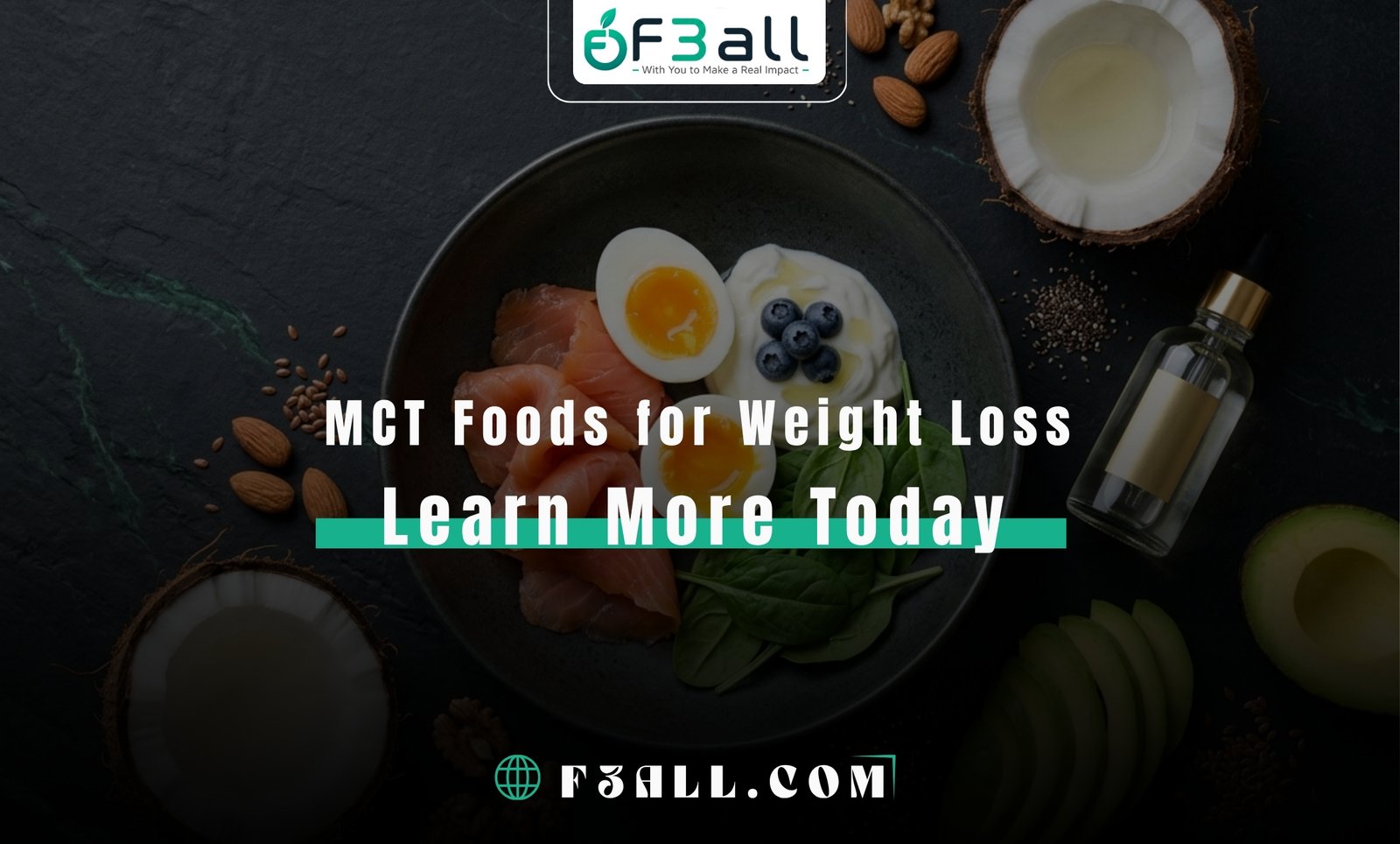
MCT Foods for Weight Loss have become increasingly popular among people looking for healthier ways to support fat loss while maintaining energy throughout the day. Unlike many other dietary fats, medium-chain triglycerides are metabolized differently by the body, making them an interesting addition to balanced nutrition plans. Understanding which foods naturally contain MCTs and how to include them wisely can help build healthier habits and support long-term weight-management goals without relying on restrictive diets.
MCT Foods for Weight Loss: Why These Healthy Fats Are Worth Adding to Your Diet

Healthy fats have changed the way many people approach nutrition. Instead of avoiding fat completely, modern nutrition encourages choosing higher-quality fat sources that contribute to balanced meals and greater satisfaction.
This is where MCT Foods for Weight Loss attract attention.
Medium-chain triglycerides are absorbed faster than many other fats, allowing the body to use them efficiently for energy. However, they should never be viewed as miracle fat-burning foods.
Real progress comes from combining nutritious meals, regular exercise, quality sleep, hydration, and consistent healthy habits.
At F3all, we believe sustainable nutrition always produces better long-term results than temporary diet trends.
Understanding Medium-Chain Triglycerides

Medium-chain triglycerides are naturally occurring fats made of shorter fatty acid chains.
Because of their structure, they are transported differently within the digestive system and are commonly used as a rapid energy source.
Natural dietary sources include:
- Coconut.
- Coconut oil.
- Palm kernel oil.
- Full-fat dairy.
- Butter in moderate amounts.
Although supplements are available, obtaining nutrients through whole foods remains an excellent starting point.
Keto Friendly MCT Foods

People following ketogenic nutrition frequently search for keto friendly MCT foods that support higher healthy fat intake.
Excellent options include:
- Coconut oil.
- Fresh coconut.
- Unsweetened coconut milk.
- Coconut cream.
- Greek yogurt.
- Cheese.
These foods fit naturally into many lower-carbohydrate meal plans while adding flavor and variety.
Healthy Fats Weight Loss Diet
Creating a healthy fats weight loss diet is about choosing quality over quantity.
Healthy fats contribute to:
- Better meal satisfaction.
- Long-lasting energy.
- Improved meal variety.
- More enjoyable nutrition plans.
- Better adherence to healthy eating.
Rather than increasing fat intake dramatically, balance remains the key to long-term success.
Read more about:Discover Juice Combination for Weight Loss | F3all
Coconut Based Fat Burning Foods
Interest in coconut based fat burning foods continues growing because coconut naturally contains medium-chain triglycerides.
Popular coconut products include:
- Fresh coconut meat.
- Coconut yogurt.
- Coconut flakes.
- Coconut milk.
- Coconut oil.
Although these foods provide healthy fats, they should still fit within your daily calorie goals.
Medium Chain Triglycerides Diet
Following a medium chain triglycerides diet involves much more than simply eating coconut products.
A balanced eating plan should also emphasize:
- Lean protein.
- Vegetables.
- Fruits.
- Whole-food carbohydrates.
- Fiber.
- Water.
Combining these food groups creates healthier, more sustainable eating habits.
Energy Boosting Fats
Many active individuals appreciate MCT-rich foods because they are considered energy boosting fats.
Including them in balanced meals may support:
- Daily physical activity.
- Workout performance.
- Consistent energy.
- Better meal satisfaction.
Healthy lifestyle habits remain the primary reason people experience long-term improvements.
Read more about:Discover Juice Combination for Weight Loss | F3all
Appetite Control Foods
Healthy fats are commonly included among effective appetite control foods because they slow digestion and improve fullness.
Combining healthy fats with:
- Protein.
- Vegetables.
- Fiber-rich foods.
creates balanced meals that may reduce unnecessary snacking throughout the day.
Meal quality remains more important than focusing on one nutrient alone.
Metabolism Boosting Oils
Many articles promote MCT oil as one of the best metabolism boosting oils.
While MCTs may have a small influence on energy expenditure, no oil dramatically changes metabolism.
Factors with much greater impact include:
- Strength training.
- Muscle mass.
- Daily movement.
- Balanced nutrition.
- Sleep quality.
- Stress management.
Healthy routines consistently outperform individual supplements.
Keto Food List Weight Loss
If you’re planning a practical keto food list weight loss, consider including:
| Food | Main Benefit |
| Eggs | Complete protein |
| Salmon | Omega-3 fats |
| Avocados | Healthy monounsaturated fats |
| Coconut Oil | Natural MCT source |
| Leafy Greens | Vitamins and minerals |
| Cheese | Protein and dietary fat |
Variety helps improve both nutrition and long-term adherence.
Read more about:Discover Juice Combination for Weight Loss | F3all
Fat Adaptation Diet
A fat adaptation diet helps the body become more efficient at using fat for energy over time.
Successful adaptation depends on:
- Consistency.
- Appropriate nutrition.
- Regular physical activity.
- Hydration.
- Patience.
It is a gradual process rather than an overnight transformation.
Healthy Fat Sources
Although MCT-rich foods receive significant attention, many other healthy fat sources contribute to balanced nutrition.
Examples include:
- Olive oil.
- Avocados.
- Almonds.
- Walnuts.
- Chia seeds.
- Flaxseeds.
- Fatty fish.
Rotating different healthy fats throughout the week increases nutritional diversity while making meals more enjoyable.
Comparing Popular Healthy Fat Sources
| Healthy Fat | Primary Advantage |
| Coconut Oil | Rich natural MCT content |
| Olive Oil | Heart-healthy fats |
| Avocado | Fiber and healthy fats |
| Salmon | Omega-3 fatty acids |
| Almonds | Protein and healthy fats |
| Chia Seeds | Fiber and omega fats |
Choosing a variety of healthy fats helps create a more complete nutrition plan.
Common Mistakes When Eating MCT Foods
Many people misunderstand how healthy fats fit into a weight-loss program.
Common mistakes include:
- Eating excessive portions.
- Ignoring calorie intake.
- Relying only on ketogenic foods.
- Avoiding vegetables.
- Eating too little protein.
- Expecting immediate fat loss.
Healthy fats should complement a balanced lifestyle rather than replace it.
Read more about:Discover Juice Combination for Weight Loss | F3all
How to Add More MCT Foods to Your Daily Meals
One of the biggest advantages of MCT-rich foods is how easily they can become part of everyday nutrition. Instead of making dramatic dietary changes, focus on gradually replacing less nutritious fat sources with healthier alternatives.
Simple ideas include:
- Cooking vegetables with coconut oil.
- Adding unsweetened coconut milk to smoothies.
- Enjoying fresh coconut as a snack.
- Including full-fat Greek yogurt in breakfast.
- Preparing balanced meals with healthy fats and lean protein.
Small improvements repeated consistently usually produce better long-term results than short-term restrictive diets.
Building Balanced Meals with Healthy Fats
Healthy fats should always work alongside other essential nutrients rather than replacing them.
A balanced plate may include:
| Food Group | Healthy Example |
| Lean Protein | Chicken, fish, eggs |
| Healthy Fat | Coconut, avocado, olive oil |
| Vegetables | Broccoli, spinach, peppers |
| Fiber | Leafy greens and vegetables |
| Hydration | Water or unsweetened beverages |
Meals built around this structure provide better satiety while supporting overall nutrition.
MCT Foods Before and After Exercise
Many active individuals include MCT-containing foods around workouts.
Before Exercise
Healthy fats may provide steady energy during longer activities when combined with balanced meals.
After Exercise
Recovery meals should prioritize:
- High-quality protein.
- Nutritious carbohydrates.
- Healthy fats.
- Plenty of fluids.
Combining these nutrients supports muscle recovery while helping maintain consistent energy levels.
Read more about:Discover Juice Combination for Weight Loss | F3all
Weekly Meal Planning with MCT Foods
Meal planning makes healthy eating much easier to maintain.
A weekly routine may include:
- Buying fresh coconut products.
- Preparing protein in advance.
- Washing vegetables after shopping.
- Portioning healthy snacks.
- Planning balanced lunches for busy days.
Organization reduces dependence on highly processed convenience foods.
Can MCT Foods Replace Other Healthy Fats?
Although MCT-rich foods offer unique characteristics, they should not replace every other source of dietary fat.
Healthy nutrition still benefits from variety.
Include foods such as:
- Olive oil.
- Nuts.
- Seeds.
- Fatty fish.
- Avocados.
- Coconut products.
Each food provides different nutrients that contribute to long-term wellness.
Read more about:Discover Juice Combination for Weight Loss | F3all
Smart Grocery Shopping Tips
Choosing quality ingredients starts before entering the kitchen.
When shopping, look for:
- Unsweetened coconut products.
- Plain Greek yogurt.
- Fresh avocados.
- Raw nuts.
- Quality olive oil.
- Fresh fish.
Reading ingredient labels also helps avoid unnecessary added sugars and highly processed ingredients.
Long-Term Healthy Eating Is Built on Consistency
Many people become distracted by trendy nutrition plans that promise rapid results.
The most successful long-term approach focuses on:
- Balanced meals.
- Appropriate portions.
- Regular exercise.
- Adequate sleep.
- Stress management.
- Consistent healthy habits.
Healthy fats support these habits—they do not replace them.
Common Myths About MCT Foods
There are many misconceptions surrounding MCT-rich foods.
Myth: MCT Foods Melt Body Fat
No food directly burns stored body fat. Weight loss depends on maintaining a calorie deficit through balanced nutrition and physical activity.
Myth: Healthy Fats Can Be Eaten Without Limits
Even nutritious fats contain calories and should be consumed in appropriate portions.
Myth: Coconut Products Are the Only Healthy Fats
Many foods, including avocados, olive oil, nuts, and fatty fish, also provide valuable healthy fats.
Myth: Ketogenic Diets Are Required to Benefit from MCT Foods
MCT-rich foods can be included in many different eating patterns, not only ketogenic diets.
Myth: Supplements Are Better Than Whole Foods
Whole foods provide additional vitamins, minerals, fiber, and antioxidants that supplements cannot fully replace.
Read more about:Discover Juice Combination for Weight Loss | F3all
Why F3all Is Your Best Choice

At F3all, we believe healthy nutrition should be practical, flexible, and based on real science rather than internet trends. We help you understand MCT Foods for Weight Loss through evidence-based nutrition guidance that explains how MCT-rich foods fit into balanced eating patterns without creating unnecessary restrictions or unrealistic expectations. Instead of promoting quick fixes, we show how MCT Foods for Weight Loss can become part of a sustainable approach to long-term wellness.
Whether you’re building a ketogenic meal plan, improving your everyday nutrition, or simply learning how healthy fats contribute to overall wellness, F3all provides trustworthy educational content that supports lasting success rather than temporary results.
Why people choose F3all:
- Science-based nutrition education.
- Practical healthy eating strategies.
- Sustainable guidance on MCT Foods for Weight Loss.
- Flexible meal-planning advice.
- Long-term wellness support.
- Educational resources designed for lasting healthy habits.
Whether you’re exploring MCT Foods for Weight Loss for the first time or improving your overall nutrition plan, F3all provides practical, evidence-based guidance that supports healthier choices and long-term success.
Frequently Asked Questions
What are the best MCT Foods for Weight Loss?
MCT Foods for Weight Loss include coconut oil, fresh coconut, coconut milk, coconut cream, and smaller amounts found in full-fat dairy products.
Do MCT foods burn fat directly?
No. MCT-rich foods do not directly burn body fat, but they may support balanced nutrition, energy production, and appetite management as part of a healthy lifestyle.
Can I eat MCT foods every day?
Yes. Moderate amounts of natural MCT-rich foods can be included within a balanced diet, provided they fit your daily calorie needs.
Are MCT foods only useful on a keto diet?
No. Although they are popular in ketogenic nutrition, MCT-rich foods can also be enjoyed in many other healthy eating patterns.
Which natural food contains the most MCTs?
Coconut oil is one of the richest natural dietary sources of medium-chain triglycerides.
Can MCT foods help reduce hunger?
Healthy fats may contribute to greater meal satisfaction, especially when combined with protein and fiber-rich foods.
Are coconut products high in calories?
Yes. Like other dietary fats, coconut products are calorie-dense and should be consumed in moderation.
Should I choose MCT oil or natural foods?
Whole foods provide additional nutrients alongside healthy fats, making them an excellent foundation for balanced nutrition.
Can athletes benefit from MCT-rich foods?
Many physically active individuals include healthy fats as part of balanced meal plans that support energy and recovery.
Why choose F3all for MCT Foods for Weight Loss?
F3all provides evidence-based nutrition education on MCT Foods for Weight Loss, helping individuals make informed food choices, build sustainable eating habits, and achieve long-term health through practical lifestyle strategies.
In the End
Understanding MCT Foods for Weight Loss is about much more than adding one ingredient to your meals. Natural MCT-rich foods can become valuable components of a balanced diet by supporting meal satisfaction, providing healthy fats, and contributing to consistent energy throughout the day. Lasting weight management depends on overall lifestyle habits, including nutritious meals, regular physical activity, quality sleep, and appropriate calorie intake. At F3all, we believe MCT Foods for Weight Loss should be approached through informed decisions, balanced nutrition, and sustainable habits that deliver long-term health instead of quick-fix dieting trends.
Sources