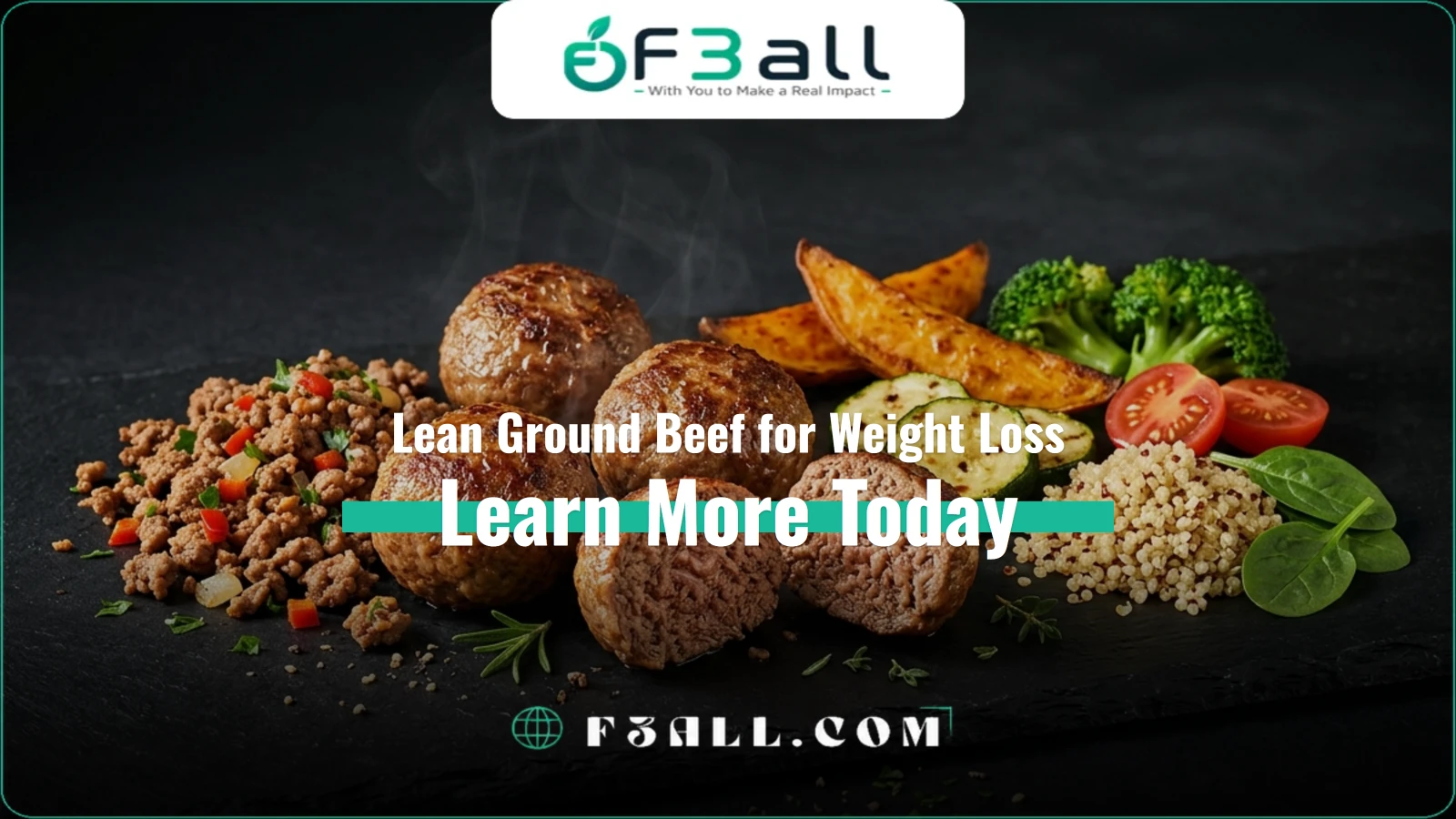
Lean Ground Beef for Weight Loss | Discover Smart Meals
Lean Ground Beef for Weight Loss can be a nutritious, protein-rich option when included in a balanced eating plan. Compared with higher-fat ground beef, lean varieties generally contain less total fat and fewer calories per serving. They also provide complete protein, iron, zinc, and vitamin B12. However, portion sizes, cooking methods, and overall dietary habits determine whether beef meals support weight management. Choosing lean cuts and pairing them with vegetables and fiber-rich carbohydrates can help create satisfying meals.
This guide explains lean ground beef calories, nutritional benefits, serving sizes, healthy recipes, and realistic weight-loss expectations. You’ll also find a seven-day meal plan, practical cooking tips, and comparisons with chicken, turkey, fish, and plant-based alternatives.
Lean Ground Beef for Weight Loss – Is It a Good Choice?
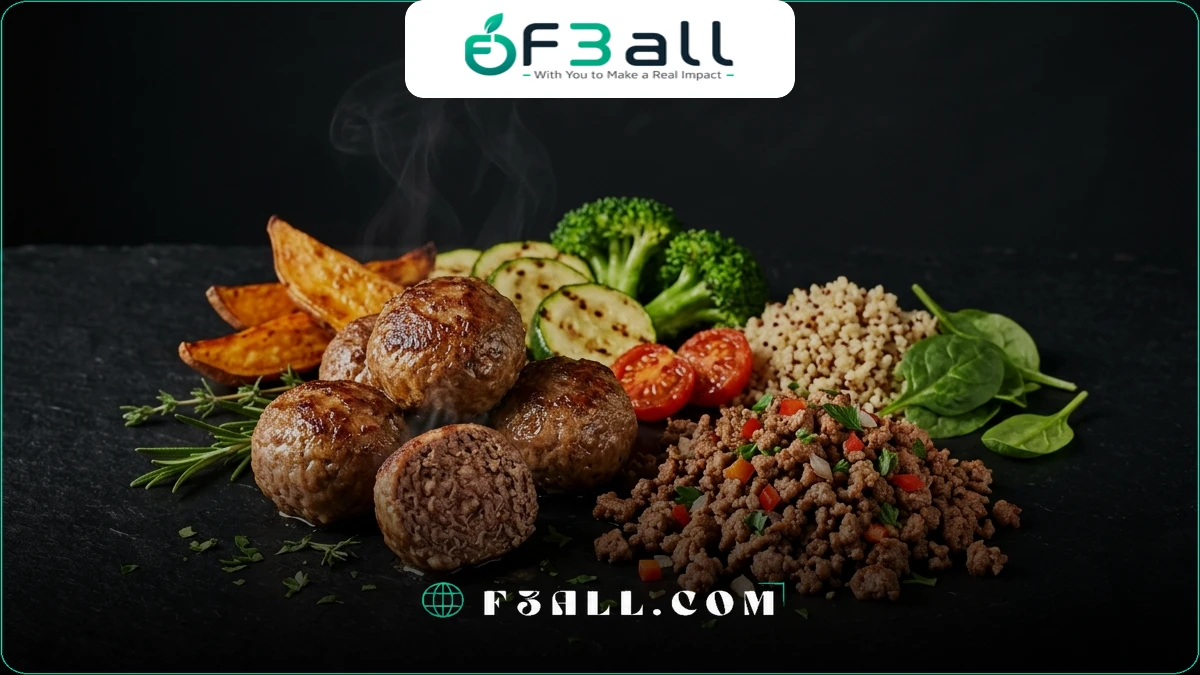
Lean ground beef is made from beef containing a relatively low proportion of fat.
It is commonly sold using lean-to-fat ratios such as 90/10, 93/7, and 95/5.
These numbers indicate the approximate percentage of lean meat and fat by weight in the raw product.
For example, 93/7 ground beef contains approximately 93% lean meat and 7% fat.
Why Lean Ground Beef Can Fit a Weight-Loss Diet
Lean ground beef offers several nutritional characteristics that can support balanced eating:
- High-quality protein.
- Iron.
- Zinc.
- Vitamin B12.
- Other B vitamins.
- Versatility in meal preparation.
- Lower fat content than regular ground beef.
Does Lean Ground Beef Cause Weight Loss?
No food independently causes weight loss.
Weight reduction generally occurs when energy intake remains below energy expenditure over time.
Lean ground beef can contribute to a calorie-controlled diet, but it does not automatically create a calorie deficit.
Lean vs Regular Ground Beef
| Feature | Lean Ground Beef | Regular Ground Beef |
| Fat Content | Lower | Higher |
| Calories | Generally Lower | Generally Higher |
| Protein | High | High |
| Iron | Present | Present |
| Vitamin B12 | Present | Present |
| Weight-Loss Compatibility | Yes | Possible With Portion Control |
Is Lean Ground Beef Better Than Fatty Beef?
For people trying to reduce calorie and saturated-fat intake, leaner ground beef is often a practical choice.
However, nutritional needs vary, and total dietary quality remains important.
Lean ground beef can be part of a healthy weight-loss diet when portions are appropriate and meals include a variety of nutritious foods.
Lean Ground Beef Calories for Weight Loss – Understanding Different Fat Ratios
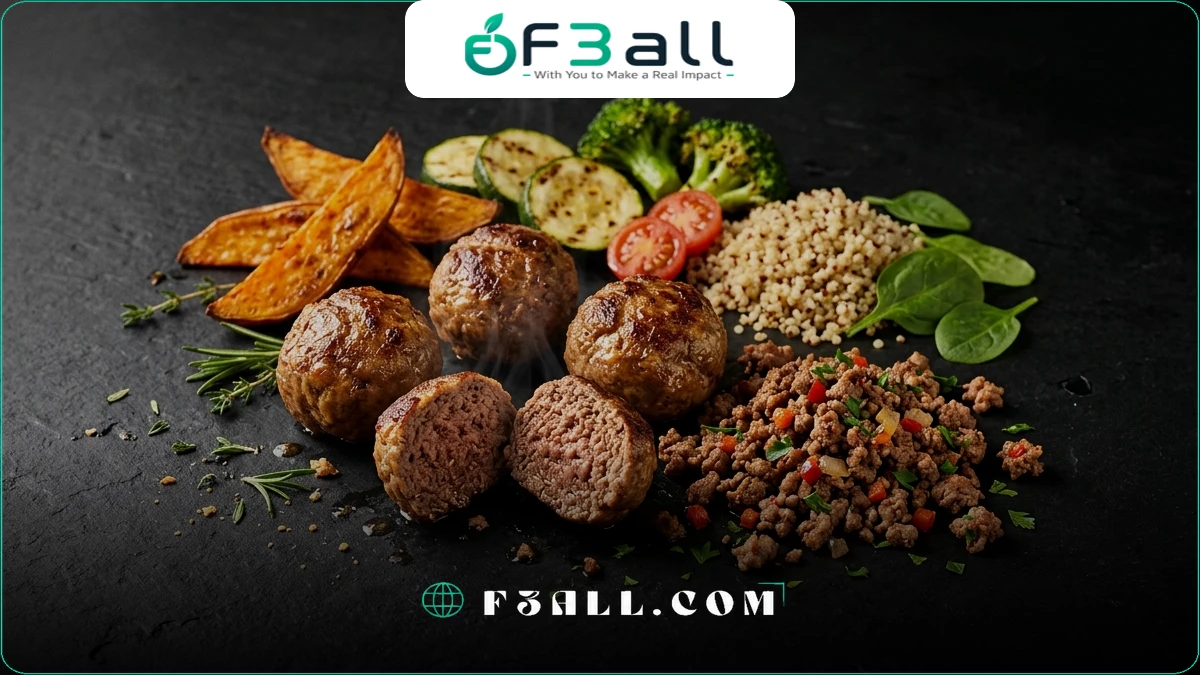
Lean Ground Beef Calories for Weight Loss depend on the percentage of fat, serving weight, and cooking method.
Ground beef with a lower fat percentage generally provides fewer calories per equivalent raw serving.
However, cooking changes the weight of meat through water and fat loss.
Approximate Calories in Raw Ground Beef
| Ground Beef Type | Calories per 100 g Raw | Calories per 150 g Raw |
| 80/20 Ground Beef | 250–260 | 375–390 |
| 85/15 Ground Beef | 210–220 | 315–330 |
| 90/10 Ground Beef | 175–190 | 263–285 |
| 93/7 Ground Beef | 165–175 | 248–263 |
| 95/5 Ground Beef | 135–155 | 203–233 |
Values are approximate. Product labels and USDA food entries may differ.
Why Cooked Ground Beef Has Different Calories per 100 Grams
Cooking removes water and may release some fat.
As a result, 100 grams of cooked ground beef does not represent the same original quantity as 100 grams of raw beef.
This can make cooked beef appear more calorie-dense per 100 grams, even when some fat has drained away.
Raw vs Cooked Weight
| Measurement | What It Represents |
| 100 g Raw Beef | Weight Before Cooking |
| 100 g Cooked Beef | Weight After Moisture and Fat Loss |
| 150 g Raw Beef | Larger Starting Portion |
| 150 g Cooked Beef | Requires More Raw Meat |
Does Draining Ground Beef Reduce Calories?
Draining rendered fat can reduce the fat remaining in a cooked dish.
However, the exact reduction depends on the initial fat content, cooking method, and amount of fat removed.
What About Oil?
Adding oil increases the total calories of a meal.
One tablespoon of olive oil contains approximately 120 calories.
Example Calorie Comparison
A meal prepared with 100 grams of raw 93/7 beef, vegetables, and a modest serving of brown rice will generally contain fewer calories than a larger portion of 80/20 beef cooked with substantial oil and cheese.
For accurate calorie tracking, use the nutrition label and distinguish raw from cooked serving weights.
Lean Ground Beef Nutrition for Weight Loss – Protein, Iron, and Vitamins
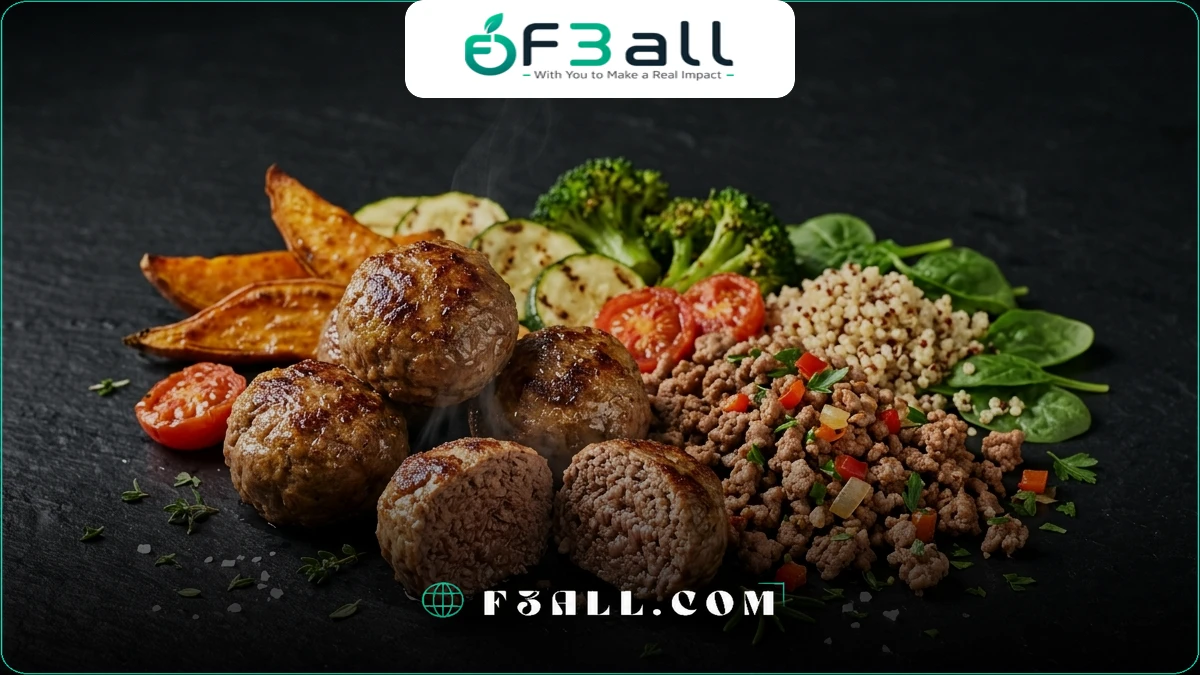
Lean Ground Beef Nutrition for Weight Loss involves more than calorie counting.
Beef provides protein and several essential micronutrients that contribute to normal physiological functions.
Typical Nutritional Profile
The following values illustrate approximately 100 grams of raw 93/7 ground beef.
| Nutrient | Approximate Amount |
| Calories | 165–175 |
| Protein | 20–22 g |
| Total Fat | 7 g |
| Saturated Fat | 2.5–3 g |
| Carbohydrates | 0 g |
| Iron | 2–2.5 mg |
| Zinc | 4–5 mg |
| Vitamin B12 | 2–2.5 mcg |
Values vary by product and should be checked against the specific nutrition label.
Complete Protein
Beef contains all nine essential amino acids.
Protein supports tissue maintenance, muscle repair, and normal physiological functions.
Iron
Beef contains heme iron, which is generally more readily absorbed than non-heme iron found in many plant foods.
Iron is important for oxygen transport.
Zinc
Zinc supports immune function, wound healing, and other metabolic processes.
Vitamin B12
Vitamin B12 is necessary for normal nerve function and red blood cell formation.
Other Nutrients
Lean beef may also provide:
- Niacin.
- Vitamin B6.
- Selenium.
- Phosphorus.
- Riboflavin.
Does Lean Ground Beef Contain Fiber?
No.
Beef does not naturally contain dietary fiber.
That is why pairing it with vegetables, legumes, or whole grains is useful.
Lean ground beef provides valuable protein and micronutrients, but balanced meals should also include fiber-rich plant foods.
Read more about: Is Ground Beef Good for Weight Loss | Smart Eating Tips
Lean Ground Beef Benefits for Weight Loss – Six Practical Advantages
Lean Ground Beef Benefits for Weight Loss are primarily related to protein content, nutrient density, and meal versatility.
Beef does not burn fat directly.
1. Supports Muscle Maintenance
Adequate protein can help preserve muscle during weight reduction, particularly when combined with resistance training.
2. Contributes to Meal Satisfaction
Protein-rich foods can support fullness.
However, individual responses depend on meal composition and portion size.
3. Provides Iron
Iron contributes to normal oxygen transport and energy metabolism.
4. Supplies Vitamin B12
Vitamin B12 supports nerve and blood cell function.
5. Offers Flexible Meal Preparation
Lean ground beef can be used in:
- Vegetable bowls.
- Chili.
- Lettuce wraps.
- Stuffed peppers.
- Meatballs.
- Pasta dishes.
- Homemade burgers.
6. Makes Protein Portions Convenient
Ground beef can be divided into measured portions before cooking.
Benefits Overview
| Benefit | Practical Application |
| Protein | Include in Balanced Meals |
| Muscle Maintenance | Pair With Resistance Training |
| Iron | Supports Normal Oxygen Transport |
| Vitamin B12 | Supports Nerve and Blood Cell Function |
| Convenience | Batch Cooking |
| Versatility | Multiple Recipe Options |
Does Lean Beef Increase Metabolism?
Protein digestion uses energy, and adequate protein supports muscle maintenance.
However, eating beef does not produce a special metabolic effect that guarantees weight loss.
Can Lean Ground Beef Help Control Hunger?
A meal containing lean beef, vegetables, and fiber-rich carbohydrates may be satisfying.
The effect varies between individuals.
Lean ground beef can support nutritious, satisfying meals without requiring restrictive or protein-only diets.
Lean Ground Beef Serving Size for Weight Loss – How Much Should You Eat?
Lean Ground Beef Serving Size for Weight Loss depends on calorie needs, protein requirements, dietary preferences, and the other foods included in the meal.
There is no universal serving size that guarantees weight loss.
Example Raw Beef Portions
| Raw Serving | Approximate Calories for 93/7 Beef | Approximate Protein |
| 75 g | 124–131 | 15–17 g |
| 100 g | 165–175 | 20–22 g |
| 125 g | 206–219 | 25–28 g |
| 150 g | 248–263 | 30–33 g |
| 200 g | 330–350 | 40–44 g |
Is 100 Grams Enough?
A 100-gram raw serving may be appropriate as part of a meal containing vegetables, grains, or legumes.
The ideal portion depends on individual nutritional needs.
Is 150 Grams Too Much?
Not necessarily.
A larger portion may fit some eating patterns, but it also contributes more calories and red meat.
Should You Weigh Beef Raw or Cooked?
Either approach can work if you use the corresponding nutritional data.
Raw weighing is often simpler for home meal preparation.
How Often Should You Eat Lean Ground Beef?
Lean ground beef can be included periodically in a balanced diet.
However, major health organizations recommend limiting red meat and emphasizing dietary variety, including fish, poultry, legumes, and other protein sources.
Example Balanced Meal
| Ingredient | Approximate Calories |
| 100 g Raw 93/7 Beef | 170 |
| 150 g Cooked Brown Rice | 165 |
| 150 g Mixed Vegetables | 50 |
| 1 Teaspoon Olive Oil | 40 |
| Total | 425 |
These are illustrative values, not a prescribed calorie target.
Measure portions consistently and balance beef with vegetables and other nutritious foods rather than focusing on meat quantity alone.
Choosing Between 90/10, 93/7, and 95/5 Ground Beef
Ground beef labels can help you compare products before cooking.
The fat ratio affects calories, texture, and cooking characteristics.
90/10 Ground Beef
Contains approximately 10% fat by raw weight.
It may provide a richer texture than leaner alternatives.
93/7 Ground Beef
Contains approximately 7% fat by raw weight.
It offers a balance between leanness and cooking versatility.
95/5 Ground Beef
Contains approximately 5% fat by raw weight.
It generally provides fewer calories from fat, although it may dry out more easily during cooking.
Comparison Table
| Beef Type | Fat Content | Common Cooking Uses |
| 90/10 | 10% | Burgers and Meatballs |
| 93/7 | 7% | Bowls, Chili, Tacos |
| 95/5 | 5% | Vegetable Skillets and Sauces |
Which Is Best for Weight Loss?
All three can fit into balanced eating patterns.
Choosing 95/5 may help reduce calories from fat, but 93/7 can also be practical.
Does Leaner Always Mean Healthier?
Not automatically.
Dietary quality depends on more than one nutrient or food.
Cooking methods, portion sizes, saturated fat, sodium, and overall dietary variety matter.
How to Prevent Lean Beef From Drying Out
Use ingredients such as tomatoes, onions, mushrooms, and low-sodium broth to add moisture.
Avoid excessive cooking.
Choose a fat ratio that fits your meal plan while considering taste, cooking method, and overall nutrition.
Lean Ground Beef Recipes for Weight Loss – Eight Balanced Meals
Lean Ground Beef Recipes for Weight Loss can be flavorful and satisfying without requiring heavy sauces or excessive added fats.
The following recipes use lean beef, vegetables, and practical portion sizes.
Calories are approximate and vary by ingredients, brands, and cooking methods.
Recipe 1 – Lean Beef and Vegetable Rice Bowl
Ingredients
- 100 g raw 93/7 ground beef.
- 120 g cooked brown rice.
- 100 g broccoli.
- 100 g bell peppers.
- Garlic.
- 1 teaspoon olive oil.
Instructions
- Cook the rice according to package directions.
- Heat olive oil in a skillet.
- Add ground beef and cook thoroughly.
- Add garlic, broccoli, and peppers.
- Cook until vegetables are tender.
- Serve over rice.
Estimated calories: 400–470.
This meal combines protein, carbohydrates, and vegetables.
Recipe 2 – Lean Ground Beef Lettuce Wraps
Ingredients
- 100 g raw 95/5 ground beef.
- Large lettuce leaves.
- 100 g tomatoes.
- 50 g onions.
- 50 g carrots.
- Garlic and herbs.
Instructions
- Brown the beef in a nonstick skillet.
- Add onions and garlic.
- Cook until the beef reaches a safe internal temperature.
- Add chopped vegetables.
- Spoon the mixture into lettuce leaves.
Estimated calories: 220–300.
Lettuce wraps provide a vegetable-rich alternative to some bread-based meals.
Recipe 3 – Lean Beef and Bean Chili
Ingredients
- 100 g raw 93/7 ground beef.
- 100 g cooked kidney beans.
- 150 g crushed tomatoes.
- 50 g onions.
- Chili powder.
- Cumin.
Instructions
- Brown the ground beef.
- Add chopped onions.
- Stir in beans, tomatoes, and spices.
- Simmer until heated thoroughly.
- Serve with fresh herbs.
Estimated calories: 330–410.
Beans contribute fiber and additional plant protein.
Recipe 4 – Lean Beef Stuffed Bell Peppers
Ingredients
- 100 g raw 93/7 ground beef.
- 2 medium bell peppers.
- 75 g cooked quinoa.
- 100 g tomato sauce.
- Garlic.
- Parsley.
Instructions
- Preheat the oven to 190°C (375°F).
- Remove the tops and seeds from the peppers.
- Cook the beef thoroughly in a skillet.
- Mix with quinoa, tomato sauce, and herbs.
- Fill the peppers.
- Bake until the peppers are tender and the filling is thoroughly heated.
Estimated calories: 330–410.
This recipe combines protein with vegetables and whole grains.
Recipe 5 – Lean Beef Zucchini Skillet
Ingredients
- 100 g raw 95/5 ground beef.
- 200 g zucchini.
- 100 g tomatoes.
- 50 g onions.
- 1 teaspoon olive oil.
- Italian herbs.
Instructions
- Heat olive oil in a skillet.
- Add ground beef and cook thoroughly.
- Add onions and zucchini.
- Stir in tomatoes and herbs.
- Simmer until vegetables are tender.
Estimated calories: 260–330.
Zucchini increases meal volume with relatively few calories.
Recipe 6 – Lean Beef Meatballs With Whole-Wheat Pasta
Ingredients
- 100 g raw 93/7 ground beef.
- 60 g dry whole-wheat pasta.
- 150 g tomato sauce.
- Garlic.
- Parsley.
- Black pepper.
Instructions
- Form beef into small meatballs.
- Cook the meatballs thoroughly.
- Prepare pasta according to package directions.
- Warm tomato sauce.
- Combine and serve.
Estimated calories: 430–520.
Whole-wheat pasta adds carbohydrates and fiber.
Recipe 7 – Lean Beef Taco Bowl
Ingredients
- 100 g raw 93/7 ground beef.
- 100 g cooked brown rice.
- 75 g black beans.
- 100 g lettuce.
- 75 g tomatoes.
- Taco seasoning without excessive sodium.
Instructions
- Cook beef thoroughly with seasoning.
- Prepare rice and beans.
- Add lettuce and tomatoes to a bowl.
- Top with rice, beans, and beef.
- Serve with lime.
Estimated calories: 430–510.
This meal combines animal protein with legumes and vegetables.
Recipe 8 – Lean Beef and Mushroom Burger Bowl
Ingredients
- 100 g raw 95/5 ground beef.
- 150 g mushrooms.
- 100 g lettuce.
- 100 g tomatoes.
- 50 g onions.
- Mustard.
Instructions
- Form beef into a patty.
- Cook thoroughly to 160°F (71°C).
- Sauté mushrooms and onions in a nonstick skillet.
- Arrange lettuce and tomatoes in a bowl.
- Add the beef patty and vegetables.
- Finish with mustard.
Estimated calories: 230–310.
This option provides burger flavors without requiring a large bun or rich toppings.
Recipe Comparison
| Recipe | Estimated Calories | Main Feature |
| Beef Rice Bowl | 400–470 | Balanced Carbohydrates |
| Lettuce Wraps | 220–300 | Vegetable-Rich |
| Beef and Bean Chili | 330–410 | Fiber |
| Stuffed Peppers | 330–410 | Vegetables and Quinoa |
| Beef Zucchini Skillet | 260–330 | Lower Calorie Density |
| Beef Meatball Pasta | 430–520 | Protein and Whole Grains |
| Taco Bowl | 430–510 | Protein and Legumes |
| Mushroom Burger Bowl | 230–310 | Lean Protein |
Important Cooking Safety
Ground beef should be cooked to an internal temperature of 160°F (71°C), measured using a food thermometer.
Color alone is not a reliable indicator of doneness.
These recipes demonstrate how lean ground beef can be combined with vegetables, legumes, and whole grains to create satisfying meals.
Read more about: Is Beef Jerky Good for Weight Loss | Smart Snack Guides
Lean Ground Beef Diet Plan – A Seven-Day Balanced Schedule
A Lean Ground Beef Diet Plan should not involve eating beef at every meal.
Dietary variety helps provide a broader range of nutrients and reduces reliance on a single protein source.
The following seven-day plan includes lean ground beef on selected days alongside other protein sources.
Seven-Day Meal Plan
| Day | Breakfast | Lunch | Dinner |
| Monday | Greek Yogurt and Oats | Lean Beef Rice Bowl | Vegetable Soup and Whole-Grain Toast |
| Tuesday | Eggs and Fruit | Chicken Salad | Baked Fish and Potatoes |
| Wednesday | Overnight Oats | Lentil Soup | Lean Beef Stuffed Peppers |
| Thursday | Yogurt and Berries | Tuna Sandwich | Tofu and Vegetable Stir-Fry |
| Friday | Vegetable Omelet | Chickpea Salad | Lean Beef and Bean Chili |
| Saturday | Oatmeal and Nuts | Grilled Chicken Wrap | Salmon and Quinoa |
| Sunday | Eggs and Whole-Grain Toast | Bean and Vegetable Bowl | Roasted Chicken and Vegetables |
Why Rotate Protein Sources?
Different protein foods provide different nutrients.
Fish can supply omega-3 fatty acids, legumes provide fiber, and poultry offers another lean protein option.
How to Adjust Portions
Portion sizes should reflect:
- Age.
- Body size.
- Activity level.
- Individual energy requirements.
- Medical conditions.
- Personal dietary preferences.
Healthy Snack Options
- Fresh fruit.
- Plain yogurt.
- Vegetables and hummus.
- A measured portion of nuts.
- Cottage cheese.
- Whole-grain crackers.
Should You Eat Beef Every Day?
A varied dietary pattern is generally preferable.
Organizations such as the American Institute for Cancer Research recommend limiting red meat consumption and avoiding processed meat.
A balanced diet plan includes lean ground beef as one protein option rather than making it the center of every meal.
Lean Ground Beef for Belly Fat – Separating Facts From Myths
Lean Ground Beef for Belly Fat is a common topic because high-protein diets are often associated with weight management.
However, lean ground beef does not selectively burn abdominal fat.
Understanding Belly Fat
Abdominal fat includes subcutaneous fat beneath the skin and visceral fat around internal organs.
Excess visceral fat is associated with increased cardiometabolic risk.
Can Lean Ground Beef Burn Belly Fat?
No.
There is no convincing evidence that beef contains a nutrient that specifically targets abdominal fat.
Can Protein Help With Weight Management?
Adequate protein may support fullness and muscle maintenance during weight reduction.
However, this does not mean protein-rich foods directly eliminate fat from a particular area.
Does Eating Beef Cause Belly Fat?
Not automatically.
Weight gain depends on overall energy balance and other factors.
Common Claims
| Claim | Evidence-Based Assessment |
| Lean Beef Burns Belly Fat | Unsupported |
| Lean Beef Provides Protein | True |
| Protein Supports Muscle Maintenance | True |
| Lean Beef Guarantees Weight Loss | False |
| Overall Fat Loss May Reduce Waist Size | True |
| Portion Size Matters | True |
What Supports Abdominal-Fat Management?
A balanced eating pattern, regular physical activity, resistance training, sufficient sleep, and appropriate medical care can support overall weight management.
Lean ground beef can provide protein within a healthy diet, but it does not directly target belly fat.
Lean Ground Beef Best Time to Eat – Lunch, Dinner, or After Exercise
Lean Ground Beef Best Time to Eat depends on appetite, schedule, training routine, and personal preferences.
There is no established time of day when beef causes greater fat loss.
Lean Ground Beef at Lunch
A beef and vegetable bowl can provide protein and energy for afternoon activities.
Lean Ground Beef at Dinner
Lean beef can be included in an evening meal without automatically causing weight gain.
Lean Ground Beef After Exercise
Protein-rich foods contribute amino acids used for muscle repair and maintenance.
Lean beef can be one of several post-workout protein options.
Lean Ground Beef Before Exercise
A large beef meal immediately before intense exercise may feel uncomfortable for some people.
Meal timing should account for digestion and individual tolerance.
Meal Timing Comparison
| Time | Practical Use |
| Breakfast | Optional Protein Source |
| Lunch | Balanced Main Meal |
| Dinner | Protein-Rich Meal |
| Before Exercise | Allow Digestion Time |
| After Exercise | Protein for Recovery |
Does Eating Beef at Night Cause Weight Gain?
No.
Eating beef at night does not automatically cause weight gain.
Overall energy intake and dietary habits matter more.
Is Beef Better After Weight Training?
Beef provides protein that can support muscle repair.
However, eggs, dairy, poultry, fish, and plant proteins can also serve this purpose.
Choose meal timing according to your routine rather than relying on unsupported rules about eating beef at particular hours.
Lean Ground Beef Weight Loss Results – Realistic Expectations
Lean Ground Beef Weight Loss Results depend on total calorie intake, portion sizes, cooking methods, physical activity, and individual health.
Replacing higher-fat beef with leaner varieties may reduce meal calories, but the change does not guarantee weight loss.
Example Calorie Comparison
Consider replacing 100 grams of raw 80/20 beef with 100 grams of raw 93/7 beef.
Using illustrative calorie values:
- 80/20 beef: approximately 255 calories.
- 93/7 beef: approximately 170 calories.
- Difference: approximately 85 calories.
Illustrative Calorie Differences
| Number of Substitutions | Approximate Calorie Difference |
| One | 85 |
| Five | 425 |
| Ten | 850 |
| Twenty | 1,700 |
These figures represent calorie differences, not guaranteed weight loss.
Results After Seven Days
You may improve portion consistency and meal preparation habits.
Results After 30 Days
If overall eating habits support a sustained calorie deficit, weight reduction may occur.
Results After 90 Days
Longer-term changes depend on dietary consistency, physical activity, health, and individual physiology.
Does Switching to 95/5 Beef Guarantee Faster Weight Loss?
No.
Leaner beef can reduce fat-derived calories, but total energy intake still determines whether a calorie deficit occurs.
Should You Track Protein Intake?
Monitoring protein may be useful for some people, particularly during resistance training or intentional weight reduction.
However, protein requirements should be individualized.
Realistic weight-loss progress comes from consistent dietary and lifestyle habits rather than choosing one specific beef product.
Read more about: Is Pasta Good for Weight Loss | Smart Eating Guide Now!
Lean Ground Beef vs Alternatives for Weight Loss – Comparing Protein Sources
Lean Ground Beef vs Alternatives for Weight Loss involves evaluating calories, protein, fat, micronutrients, and dietary variety.
Different protein sources offer different nutritional advantages.
Approximate Cooked Protein Comparison
| Food | Calories per 100 g | Protein per 100 g |
| Lean Ground Beef, Cooked | 170–220 | 25–29 g |
| Skinless Chicken Breast, Cooked | 165 | 31 g |
| Lean Ground Turkey, Cooked | 170–210 | 25–29 g |
| Salmon, Cooked | 200–210 | 22–25 g |
| Firm Tofu | 100–160 | 10–17 g |
| Cooked Lentils | 115–120 | 9 g |
| Cooked Chickpeas | 160–165 | 9 g |
Values vary by fat content, product, and cooking method.
Lean Ground Beef vs Chicken
Chicken breast generally contains less saturated fat than many beef products and provides substantial protein.
Lean beef provides heme iron and vitamin B12.
Lean Ground Beef vs Turkey
Ground turkey can be lean, but fat content varies considerably.
Always compare labels rather than assuming turkey is automatically lower in calories.
Lean Ground Beef vs Salmon
Salmon provides protein and omega-3 fatty acids.
It is a useful alternative within a varied eating pattern.
Lean Ground Beef vs Tofu
Tofu provides plant protein and can contain less saturated fat than beef, depending on preparation.
Lean Ground Beef vs Lentils
Lentils provide fiber and plant protein.
They can replace some beef in chili, sauces, and other dishes.
Which Protein Is Best for Weight Loss?
No single protein food is universally superior.
The best choice depends on nutritional needs, dietary preferences, portion sizes, and overall meal composition.
Rotating lean beef with poultry, fish, legumes, and plant proteins supports nutritional variety.
Healthy Cooking Methods for Lean Ground Beef
Cooking methods can substantially affect the calorie content and nutritional quality of beef dishes.
Nonstick Skillet Cooking
A nonstick skillet can reduce the need for large amounts of cooking oil.
Baking
Baking works well for meatballs, stuffed peppers, and casseroles.
Grilling
Lean beef patties can be grilled, provided they reach a safe internal temperature.
Simmering
Ground beef can be cooked in tomato-based sauces, soups, and chili.
Cooking Method Comparison
| Method | Practical Advantage | Consideration |
| Nonstick Skillet | Less Added Oil Needed | Avoid Overcooking |
| Baking | Convenient for Meal Prep | Check Internal Temperature |
| Grilling | Suitable for Patties | Avoid Excessive Charring |
| Simmering | Adds Moisture | Monitor Sauce Ingredients |
| Air Frying | Convenient for Some Recipes | Follow Appliance Guidance |
How to Reduce Added Calories
- Use measured amounts of oil.
- Add vegetables for moisture.
- Choose tomato-based sauces.
- Limit excessive cheese.
- Avoid large quantities of butter.
- Compare sodium in seasoning mixes.
Food Safety Essentials
Raw ground beef should be refrigerated promptly.
Avoid cross-contamination between raw meat and ready-to-eat foods.
Cook ground beef to 160°F (71°C).
Refrigerate leftovers promptly and reheat them thoroughly.
Choosing lean beef is helpful, but cooking methods and added ingredients also influence the final meal.
Common Mistakes When Eating Lean Ground Beef for Weight Loss
Even nutritious foods can become part of an unbalanced eating pattern when portions or preparation methods are overlooked.
Mistakes to Avoid
- Choosing large portions: Increases total calories and red meat intake.
- Ignoring fat ratios: Different products contain different amounts of fat.
- Adding excessive oil: Increases energy density.
- Using heavy sauces: Can substantially increase meal calories.
- Skipping vegetables: Reduces dietary fiber and variety.
- Eating beef as the only protein source: Limits dietary diversity.
- Confusing raw and cooked weights: Can lead to inaccurate calorie estimates.
- Assuming protein automatically burns fat: Weight loss depends on overall energy balance.
Practical Improvements
| Common Mistake | Better Approach |
| Large Beef Portions | Measure Servings |
| Higher-Fat Beef | Compare Lean-to-Fat Ratios |
| Excess Oil | Use Measured Amounts |
| Heavy Sauces | Choose Tomato or Vegetable Sauces |
| Low Fiber | Add Vegetables and Legumes |
| Limited Protein Variety | Rotate Protein Sources |
| Incorrect Calorie Tracking | Match Raw and Cooked Data |
Is Lean Ground Beef Safe for Everyone?
Most people can include properly cooked lean beef in a balanced diet.
However, individuals with certain medical conditions may require personalized dietary guidance.
What About Heart Health?
Lean beef generally contains less saturated fat than higher-fat beef.
Still, dietary patterns emphasizing vegetables, whole grains, legumes, fish, and unsaturated fats are important for cardiovascular health.
What About Red Meat and Cancer Risk?
The World Health Organization’s International Agency for Research on Cancer classifies red meat as probably carcinogenic to humans, based on limited evidence in humans and supporting mechanistic evidence.
This does not mean that every serving causes cancer, but it supports recommendations to moderate red meat intake and avoid processed meat.
Lean ground beef can fit into balanced eating, but portion control and dietary variety remain essential.
Why F3all Is Your Best Choice

At F3all, our Lean Ground Beef for Weight Loss guide focuses on practical nutrition, realistic expectations, and informed food choices.
We explain how lean ground beef can fit into balanced eating without promising rapid weight loss or promoting restrictive diets.
- Calorie Comparisons: Understand different ground beef fat ratios.
- Nutrition Guidance: Explore protein, iron, zinc, and vitamin B12.
- Serving Size Examples: Plan practical portions.
- Healthy Recipes: Prepare eight balanced meals.
- Seven-Day Meal Plan: Include beef alongside other protein sources.
- Belly-Fat Facts: Separate evidence from unsupported claims.
- Food Comparisons: Evaluate beef alongside chicken, turkey, fish, and plant proteins.
- Cooking Guidance: Learn safer preparation and lower-fat cooking methods.
Explore additional healthy eating and weight-management resources at F3all.
F3all helps readers make informed nutritional decisions through practical guidance and evidence-based information.
Frequently Asked Questions
Is Lean Ground Beef Good for Weight Loss?
Yes. Lean ground beef can fit into a balanced weight-loss diet because it provides protein and important micronutrients with less fat than higher-fat ground beef.
How Many Calories Are in Lean Ground Beef?
Raw 93/7 ground beef typically provides approximately 165–175 calories per 100 grams, although values vary by product.
Is 93/7 Ground Beef Good for Weight Loss?
Yes. It provides substantial protein with less fat than regular ground beef and can be included in appropriately portioned meals.
Is 95/5 Ground Beef Better Than 90/10?
95/5 ground beef generally contains fewer calories from fat, but both can fit into balanced diets.
How Much Lean Ground Beef Should I Eat?
Serving sizes vary according to individual nutritional needs. Approximately 100–150 grams of raw lean beef may be practical for some meals.
Can Lean Ground Beef Burn Belly Fat?
No. Lean ground beef does not selectively burn abdominal fat.
Can I Eat Lean Ground Beef Every Day?
It is generally preferable to rotate protein sources and moderate red meat consumption rather than relying on beef daily.
Is Lean Ground Beef Better Than Ground Turkey?
Neither is automatically better. Compare the fat content and nutrition labels of specific products.
Is Lean Ground Beef Good After a Workout?
Yes. Lean beef provides complete protein that can support muscle repair and maintenance.
How Much Weight Can I Lose Eating Lean Ground Beef?
No specific amount can be guaranteed. Weight loss depends on overall energy intake, physical activity, health, and individual circumstances.
In the End
Lean Ground Beef for Weight Loss can be a nutritious protein option when included in balanced meals and consumed in appropriate portions.
Lean varieties such as 90/10, 93/7, and 95/5 provide protein, iron, zinc, and vitamin B12 while generally containing less fat than regular ground beef.
However, lean ground beef does not directly burn body fat or guarantee weight reduction.
For sustainable progress, combine moderate beef portions with vegetables, legumes, and whole grains, use healthy cooking methods, and rotate protein sources throughout the week.
Enjoy lean ground beef as part of a varied, balanced eating pattern while focusing on consistent habits that support long-term health and weight management.
References