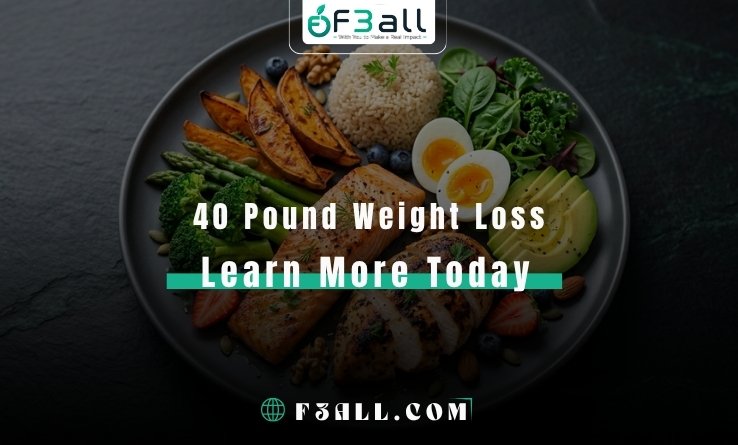
40 Pound Weight Loss: Start Your Healthy Plan Today
Achieving 40 Pound Weight Loss can be a meaningful health goal when it is appropriate for your body and approached with patience. The process is not a race, a detox, or a promise of identical results for everyone. It is a structured change in eating, movement, sleep, and decisions. This guide explains realistic timelines, meal planning, exercise, progress tracking, plateaus, and maintenance so you can pursue results safely and confidently.
40 Pound Weight Loss: What a Healthy Journey Really Means

A 40 Pound Weight Loss equals about 18.1 kilograms. That is a substantial change, so it should be treated as a long-term health project rather than a short challenge. The goal is not simply to make the scale display a lower number. A well-designed plan also protects muscle, supplies essential nutrients, improves fitness, and teaches routines you can continue after reaching your target.
Before deciding that 40 pounds is the right amount, consider your height, current weight, waist measurement, health history, medications, and body composition. A person who has excess weight may benefit from losing this amount, while the same target could be inappropriate or unsafe for someone already in a healthy weight range. BMI can be a useful screening tool, but it does not directly measure body fat and should not be the only measure used.
The best 40 Pound Weight Loss goal is therefore personalized. A healthcare professional or registered dietitian can help confirm whether the target is suitable, especially if you are pregnant, breastfeeding, under 18, an older adult with frailty, living with an eating disorder, or managing diabetes, kidney disease, heart disease, or another medical condition.
For broader evidence-based guidance, explore the F3all Weight Loss section, where healthy habits are presented as part of long-term wellness rather than quick-fix promises.
Is Losing 40 Pounds Realistic for You?

For many adults with excess weight, 40 Pound Weight Loss can be realistic. However, realistic does not mean guaranteed, and the healthiest final target may change as your health, measurements, fitness, and preferences improve. Forty pounds also represents a different percentage of body weight for each person. It is 20% of a 200-pound starting weight but only 13.3% of a 300-pound starting weight.
Instead of treating 40 Pound Weight Loss as one enormous task, divide it into clinically meaningful stages. An initial milestone of 5% to 10% of starting weight may already produce important health benefits for people with overweight or obesity. You can then review your progress with a professional and decide whether the next stage remains appropriate.
Use these questions before starting:
- Is the target compatible with a healthy weight range for my height and circumstances?
- Do I have a medical condition or medication that affects appetite, weight, blood glucose, or exercise safety?
- Can I follow the proposed routine for months, not just days?
- Does the plan include enough food variety, protein, fiber, and recovery?
- Am I measuring success through health and behavior as well as scale weight?
Successful 40 Pound Weight Loss begins with a suitable destination and a repeatable process. If the target requires starvation, daily punishment workouts, or complete removal of foods you enjoy, the method is unlikely to be safe or sustainable.
A Realistic 40 Pound Weight Loss Timeline

The CDC notes that people who lose weight gradually—about 1 to 2 pounds per week—are more likely to keep it off than people who lose weight faster. At that broad rate, 40 Pound Weight Loss could take approximately 20 to 40 weeks, or about five to ten months. This is a planning range, not a deadline or prediction.
Real progress is rarely linear. During 40 Pound Weight Loss, the scale may fall faster during the first couple of weeks because changes in carbohydrate intake, sodium, and stored water affect body weight. Later, the pace may slow as your body becomes smaller and uses less energy. Travel, menstrual-cycle changes, constipation, restaurant meals, illness, and hard training can also temporarily shift water weight.
| Stage | Approximate focus | What you may notice |
|---|---|---|
| Weeks 1–4 | Establish meals, movement, sleep, and tracking | Changing appetite, water-weight shifts, and early routine wins |
| Months 2–3 | Repeat the plan and adjust portions when needed | Gradual fat loss, better stamina, and improved consistency |
| Months 4–6 | Manage social events and possible plateaus | Visible measurement changes and stronger fitness habits |
| Later months | Continue only if the target remains appropriate | Slower progress, goal review, and maintenance preparation |
Your 40 Pound Weight Loss timeline may be shorter or longer because starting weight, energy needs, adherence, genetics, sleep, stress, age, medications, and health conditions differ. A slow week is not failure, and a fast week does not prove that all the lost weight was fat. Evaluate the trend across at least several weeks.
Read more about:30 Pound Weight Loss: Build a Healthy Plan Today | F3all
Set a Baseline Before Changing Your Diet
Before beginning 40 Pound Weight Loss, collect enough information to make sensible decisions. Record your weight under consistent conditions, measure your waist, note how your clothes fit, and document a few fitness markers such as walking time, repetitions, or loads used in strength exercises. A seven-day food and activity log can reveal patterns without requiring judgment.
Your 40 Pound Weight Loss baseline can include:
- Average morning weight from several days rather than one isolated reading.
- Waist measurement taken at the same location and under similar conditions.
- Typical meals, snacks, drinks, and weekend eating patterns.
- Average daily steps or active minutes.
- Current strength, mobility, energy, sleep, and hunger.
- Blood pressure or laboratory results when monitored by your clinician.
Choose two or three actions for the first week. For example, add a protein-rich breakfast, walk for 20 minutes on five days, and replace one sugary drink with water. Starting with a manageable structure makes 40 Pound Weight Loss easier to sustain than attempting to redesign your entire life overnight.
Do not let tracking become obsessive. If weighing or calorie counting causes anxiety, guilt, restriction, binge eating, or compulsive exercise, stop and seek guidance from a qualified professional. Other tools—meal templates, habit checklists, clothing fit, fitness progress, and clinical measures—can provide useful feedback.
Create a Moderate Calorie Deficit
Body weight generally decreases when average energy intake stays below average energy expenditure over time. That gap is a calorie deficit. However, calorie needs are individual and change during 40 Pound Weight Loss, so copying a stranger’s calorie target is unreliable.
Start by estimating your needs with a validated tool such as the NIDDK Body Weight Planner, or work with a registered dietitian. Then create a moderate deficit through food portions, beverage choices, and activity. Monitor the multiweek trend and adjust only when the evidence shows that your current approach is not working.
A practical deficit should:
- Allow balanced meals from all major nutrient groups.
- Support work, family responsibilities, and exercise.
- Keep hunger manageable most of the time.
- Avoid dizziness, weakness, persistent irritability, or constant food thoughts.
- Be flexible enough for restaurants, celebrations, and cultural foods.
- Produce a gradual trend that you can maintain.
Avoid automatically choosing extremely low calorie intakes. Very-low-calorie diets require medical supervision and are not appropriate for routine self-directed 40 Pound Weight Loss. Severe restriction can make adherence harder and may increase the risk of nutrient gaps, muscle loss, fatigue, gallstones, and weight regain.
During 40 Pound Weight Loss, recalculate or reassess after meaningful weight change. A smaller body usually needs fewer calories, but the answer is not always to keep cutting food. Improving meal quality, increasing daily movement, reviewing portion drift, and taking a planned maintenance phase may be more useful.
Read more about:30 Pound Weight Loss: Build a Healthy Plan Today | F3all
Nutrition for 40 Pound Weight Loss
There is no single mandatory diet for 40 Pound Weight Loss. Mediterranean-style, vegetarian, culturally specific, lower-carbohydrate, and other balanced patterns can work when they create an appropriate calorie deficit and remain nutritionally adequate. The best pattern is one you can follow while enjoying food, meeting health needs, and participating in ordinary life.
Build most meals around:
- Vegetables or fruit for volume, fiber, vitamins, and minerals.
- A protein source such as fish, poultry, eggs, lean meat, beans, lentils, tofu, yogurt, or cottage cheese.
- A high-fiber carbohydrate such as oats, potatoes, brown rice, quinoa, beans, or whole-grain bread.
- A measured source of unsaturated fat such as olive oil, nuts, seeds, or avocado.
- Water or another low-calorie beverage.
During 40 Pound Weight Loss, portions still matter, including portions of nutritious foods. Oils, nut butters, nuts, cheese, dressings, specialty coffees, and restaurant sauces can contribute substantial calories without looking large. You do not need to eliminate them; measure or portion them deliberately until you understand what fits your plan.
The Weight Loss Diet Plans section can help you compare structured approaches, while the Types of Diets guide collection can help you understand common eating patterns. Use any plan as a framework, not as permission to ignore your medical or nutritional needs.
Protein, Fiber, and Fullness
Protein is useful during 40 Pound Weight Loss because it supports muscle tissue, contributes to fullness, and helps recovery from resistance training. There is no universal protein number for everyone. Requirements depend on body size, age, training, total calories, and medical conditions. People with kidney disease or other relevant conditions should obtain personalized advice before increasing protein substantially.
For 40 Pound Weight Loss, instead of trying to consume the entire day’s protein at dinner, include a meaningful source at each meal. Eggs with yogurt, lentils with whole grains, chicken with salad, fish with vegetables, or tofu in a stir-fry are practical combinations. Protein supplements are optional conveniences, not requirements.
During 40 Pound Weight Loss, fiber-rich foods can make a calorie-controlled plan more satisfying. Vegetables, whole fruit, legumes, and whole grains generally provide more chewing, volume, and nutrients than many highly processed alternatives. Increase fiber gradually and drink adequate fluid to reduce digestive discomfort.
For practical meal ideas, visit Delicious Diet Recipes. Choose recipes according to the complete meal and portion, not because one ingredient is advertised as “fat burning.” No ordinary food selectively melts body fat, and successful 40 Pound Weight Loss comes from the total pattern.
Read more about:30 Pound Weight Loss: Build a Healthy Plan Today | F3all
A Flexible Day of Eating
A menu for 40 Pound Weight Loss should match your calorie needs, allergies, culture, schedule, and preferences. The following template offers structure without prescribing exact calories:
| Eating occasion | Simple formula | Example |
|---|---|---|
| Breakfast | Protein + high-fiber carbohydrate + fruit | Plain Greek yogurt, oats, berries, and a small portion of nuts |
| Lunch | Protein + vegetables + measured carbohydrate | Chicken or chickpea salad with whole-grain bread |
| Snack, if needed | Protein or produce-based option | Apple with yogurt, or vegetables with hummus |
| Dinner | Protein + plenty of vegetables + starch | Baked fish or tofu, roasted vegetables, and potatoes |
| Planned treat | A satisfying portion within the day | Fruit with yogurt or a small dessert |
During 40 Pound Weight Loss, you can use three meals, smaller meals, or a different schedule. Meal timing is less important than choosing an approach that manages hunger and supports your routine. A snack is not compulsory, and skipping it does not earn extra food later. Include it when it helps prevent excessive hunger or supports training.
Preparation reduces friction. Keep frozen vegetables, canned beans, eggs, yogurt, fruit, and simple protein options available. Batch-cook one grain and one protein, wash produce, and portion calorie-dense extras. These systems protect your 40 Pound Weight Loss plan on busy days when motivation is low.
Drinks, Desserts, and Restaurant Meals
Liquid calories can quietly slow 40 Pound Weight Loss because sweetened drinks, alcohol, juices, and large specialty coffees may provide energy without the fullness of a complete meal. Water is a dependable default. Unsweetened tea, coffee without excessive additions, sparkling water, and other low-calorie options can add variety.
The Healthy Drinks section offers ideas, but evaluate each drink by its ingredients and serving size. “Natural,” “detox,” and “wellness” do not automatically mean low calorie or scientifically proven. Juice can contain nutrients, yet whole fruit usually provides more fiber and may be more filling.
Dessert can remain part of 40 Pound Weight Loss. Plan a portion, eat it without distraction, and return to your normal routine at the next meal. Browse Healthy Diet Dessert Recipes for lighter options while remembering that portion size still counts.
During 40 Pound Weight Loss, use these strategies at restaurants:
- Review the menu before arriving when possible.
- Choose grilled, baked, steamed, or roasted dishes more often.
- Request sauces and dressings on the side.
- Add vegetables or salad and select a protein-rich main dish.
- Stop when comfortably satisfied and take leftovers home.
- Enjoy special meals without trying to compensate through starvation the next day.
One restaurant meal does not ruin 40 Pound Weight Loss. The pattern you repeat across weeks matters more than one evening.
Read more about:30 Pound Weight Loss: Build a Healthy Plan Today | F3all
Exercise for Fat Loss and Health
Exercise supports health, fitness, muscle retention, and weight maintenance. The current U.S. physical activity guidance recommends that adults aim for 150 to 300 minutes of moderate-intensity aerobic activity per week, or the vigorous equivalent, plus muscle-strengthening activity on at least two days. Inactive adults should begin with smaller amounts and build gradually.
A balanced 40 Pound Weight Loss routine may include:
- Brisk walking, cycling, swimming, or another enjoyable aerobic activity.
- Two or three full-body resistance sessions each week.
- More non-exercise movement through steps, stairs, chores, and active breaks.
- Mobility or balance work where useful.
- Recovery days and adequate sleep.
A gym is not required for 40 Pound Weight Loss. Bodyweight squats to a chair, wall push-ups, resistance-band rows, hip hinges, carries, and step-ups can train major muscle groups at home. Gradually increase repetitions, resistance, range of motion, or exercise difficulty while maintaining safe technique.
Physical activity alone may not create the entire deficit needed for 40 Pound Weight Loss, and fitness trackers can overestimate calories burned. Avoid “eating back” every exercise calorie automatically. Instead, coordinate activity with a consistent eating plan and adjust using real progress over time.
A Beginner Weekly Exercise Framework
The right training plan depends on your health and current ability. This sample supports 40 Pound Weight Loss without requiring intense daily workouts:
| Day | Main activity | Optional addition |
|---|---|---|
| Monday | Full-body strength, 30–45 minutes | Easy 10-minute walk |
| Tuesday | Brisk walking or cycling, 25–40 minutes | Mobility work |
| Wednesday | Easy movement or recovery | Short walking breaks |
| Thursday | Full-body strength, 30–45 minutes | Easy 10-minute walk |
| Friday | Moderate aerobic activity, 25–40 minutes | Gentle stretching |
| Saturday | Enjoyable longer activity | Light core or balance work |
| Sunday | Rest or relaxed walking | Prepare for the next week |
If you are currently inactive when beginning 40 Pound Weight Loss, start below this level. Even short sessions count, and gradual progression lowers the chance that soreness or injury will interrupt your routine. If you have chest pain, unusual shortness of breath, fainting, or severe symptoms, stop and obtain medical care.
Consistency matters more than the “perfect” workout. A plan completed for months has more value than an exhausting program abandoned after ten days. During 40 Pound Weight Loss, aim to become a stronger, more capable person—not merely a lighter one.
Read more about:30 Pound Weight Loss: Build a Healthy Plan Today | F3all
Protect Muscle and Understand Body Recomposition
Scale loss includes changes in water, glycogen, digestive contents, fat, and sometimes lean tissue. A high-quality 40 Pound Weight Loss plan tries to maximize fat loss while limiting avoidable muscle loss. Resistance training, appropriate protein, a moderate pace, and adequate recovery support that goal.
Body recomposition can make scale interpretation confusing. If you are new to strength training, your waist may shrink and your clothes may fit better while the scale changes slowly. Training-related inflammation can also increase water retention temporarily. This does not mean the plan has failed.
Useful 40 Pound Weight Loss indicators include:
- Weekly average weight.
- Waist measurement every two to four weeks.
- Progress photos under similar conditions, if comfortable.
- Strength, walking pace, endurance, and mobility.
- Clothing fit.
- Energy, sleep, hunger, and confidence with food.
A 40 Pound Weight Loss transformation should be judged by the complete health picture. If you reach a healthy, maintainable condition before the exact number, discuss whether continuing is necessary. The goal should serve your well-being; your well-being should not be sacrificed to serve the goal.
How to Track Progress Without Overreacting
If weighing is emotionally safe for you, measure under consistent conditions—such as in the morning after using the bathroom and before eating. Daily readings can be noisy, so compare weekly averages rather than individual numbers. Someone who prefers less frequent weighing can use one consistent weekly check.
Use a simple 40 Pound Weight Loss review every two to four weeks:
- Is the average weight or waist trend moving?
- How consistently did I follow my meal structure?
- Did unplanned drinks, snacks, or weekend portions increase?
- Am I progressing in activity and strength?
- Are hunger, energy, mood, and sleep manageable?
- What is the smallest useful adjustment?
Do not cut calories during 40 Pound Weight Loss because of two high readings. Water shifts can hide fat loss for days. Likewise, do not assume one large drop represents pure fat. Patient analysis makes 40 Pound Weight Loss less emotionally volatile and leads to better decisions.
Read more about:30 Pound Weight Loss: Build a Healthy Plan Today | F3all
What to Do During a Weight-Loss Plateau
A plateau is a sustained lack of change, not a few days without a new low. As body weight declines, energy requirements may decrease. Portion sizes can also drift, activity may fall unconsciously, and adherence can become harder. All of these can slow 40 Pound Weight Loss.
Before making a major 40 Pound Weight Loss change, audit two to four representative weeks:
- Confirm portions of oils, sauces, snacks, drinks, and restaurant food.
- Check whether weekends differ substantially from weekdays.
- Compare current daily movement with your starting baseline.
- Review sleep, stress, constipation, menstrual changes, and medication adjustments.
- Make sure the trend is genuinely flat rather than hidden by normal fluctuations.
Then choose one modest adjustment: slightly reduce a calorie-dense portion, add walking, improve meal preparation, or increase training consistency. Maintain the change long enough to evaluate it. Repeatedly slashing calories and adding excessive cardio can undermine recovery and make 40 Pound Weight Loss harder to sustain.
A maintenance break may be appropriate after months of dieting, particularly when fatigue and hunger are high. Maintenance is not an uncontrolled vacation from healthy habits. It is a planned period of eating roughly enough to hold weight while preserving structure and practicing the skills needed for the future.
Sleep, Stress, and Your Eating Environment
Healthy weight management includes more than food and workouts. Insufficient sleep can affect energy, appetite, decision-making, and willingness to exercise. Stress can encourage distracted eating or make planning harder. These factors do not make fat loss impossible, but addressing them can make 40 Pound Weight Loss more manageable.
Support sleep throughout 40 Pound Weight Loss by keeping a regular schedule, creating a cool and dark environment, limiting late caffeine, and reducing screen exposure close to bedtime. Persistent loud snoring, pauses in breathing, morning headaches, or severe daytime sleepiness deserve medical assessment because sleep apnea is a health condition, not a motivation problem.
Change the environment so useful decisions require less effort:
- Put nourishing foods where they are visible and ready to eat.
- Portion tempting snacks instead of eating from large packages.
- Keep water accessible.
- Schedule workouts and grocery shopping.
- Ask family or friends for specific support.
- Use non-food stress tools such as walking, breathing practice, music, or conversation.
Willpower naturally changes from day to day. A supportive environment keeps 40 Pound Weight Loss moving when enthusiasm is not at its highest.
Loose Skin and Appearance Changes
After 40 Pound Weight Loss, some people notice loose skin, while others notice little. The amount varies with age, genetics, pregnancy history, smoking, sun exposure, how long the skin was stretched, total weight lost, and skin elasticity. No food, supplement, cream, or exercise can guarantee prevention.
Gradual loss, resistance training, adequate nutrition, and avoiding smoking support general health and body composition, but they cannot force excess skin to disappear. Muscle development may improve shape beneath the skin without removing skin itself. Be skeptical of products promising to “tighten” large amounts of loose skin quickly.
Give your body time to stabilize after 40 Pound Weight Loss. If excess skin causes rashes, pain, hygiene problems, or significant distress, speak with a qualified clinician. Medical treatment depends on the severity and your circumstances. Cosmetic or surgical decisions require individualized professional advice.
Read more about:30 Pound Weight Loss: Build a Healthy Plan Today | F3all
Common Mistakes That Slow Progress
Many 40 Pound Weight Loss attempts become harder because the plan is too aggressive, vague, or difficult to repeat. Watch for these common errors:
- Expecting a perfectly linear loss every week.
- Drinking significant calories while closely controlling food.
- Treating healthy foods as unlimited.
- Using exercise as punishment or compensation.
- Removing entire food groups without medical need.
- Relying on teas, detoxes, supplements, or “fat-burning” ingredients.
- Ignoring resistance training and recovery.
- Allowing one off-plan meal to become an off-plan week.
- Comparing your timeline with edited social-media transformations.
- Reaching the goal without preparing a maintenance strategy.
The best 40 Pound Weight Loss correction is usually not greater perfection. It is a simpler plan, more honest feedback, and faster recovery after ordinary disruptions. Successful 40 Pound Weight Loss allows birthdays, travel, illness, busy weeks, and changing motivation while keeping the overall direction intact.
When Professional Support Is Important
Talk with a healthcare professional before or during 40 Pound Weight Loss if you have diabetes, heart or kidney disease, high blood pressure, a history of eating disorders, significant physical limitations, or medicines that may require adjustment. Weight changes can alter blood glucose and blood pressure, so medication monitoring may be necessary.
During 40 Pound Weight Loss, seek prompt care for fainting, chest pain, severe weakness, persistent vomiting, dehydration, or other concerning symptoms. Also request help if the plan causes binge eating, purging, intense fear of food, compulsive exercise, or worsening mental health.
For some eligible adults, evidence-based obesity treatment can include behavioral programs, prescription medication, or metabolic and bariatric surgery in addition to lifestyle care. These options are medical decisions, not shortcuts or personal failures. A qualified clinician should evaluate risks, benefits, contraindications, costs, and follow-up needs.
A registered dietitian can personalize calories, protein, meal timing, allergies, cultural preferences, and medical nutrition needs. A physical therapist or appropriately qualified fitness professional can adapt movement around pain or disability. Good support can make 40 Pound Weight Loss safer and more practical.
Maintaining Your Results
Maintenance should begin before the final pound is lost. During the last stage of 40 Pound Weight Loss, identify which behaviors delivered the result and which were temporary. Keep regular meals, physical activity, strength training, sleep routines, and periodic self-monitoring in place as calories move toward maintenance.
After 40 Pound Weight Loss, increase intake gradually if that helps you observe your new weight trend and find a sustainable level. Expect normal fluctuations. Establish an action range rather than insisting on one exact number—for example, a small range within which you continue normal habits and above which you review portions and routines.
Your 40 Pound Weight Loss maintenance checklist may include:
- Weighing or measuring periodically without obsession.
- Planning meals before especially busy days.
- Keeping enjoyable activity in the weekly schedule.
- Continuing strength training.
- Responding to small regain early and calmly.
- Using flexible portions during holidays and travel.
- Reviewing goals around health, performance, and quality of life.
Long-term 40 Pound Weight Loss success does not require permanent dieting. It requires a sustainable version of the behaviors that created the change. Visit F3all for practical nutrition and wellness education that can support both the losing and maintaining phases.
Read more about:30 Pound Weight Loss: Build a Healthy Plan Today | F3all
Why F3all Is Your Best Choice

F3all approaches 40 Pound Weight Loss as a health journey built on evidence, realistic expectations, and repeatable routines. We do not present one food, drink, supplement, or workout as a miracle solution. Instead, our content helps readers understand how nutrition, physical activity, recovery, behavior, and medical context work together.
Readers choose F3all for:
- Practical explanations written for everyday decisions.
- Balanced nutrition guidance without unnecessary fear of food.
- Sustainable weight-management strategies.
- Realistic exercise ideas for different starting levels.
- Clear separation between scientific guidance and online hype.
- Support for maintenance, not only short-term scale changes.
Learn more about the platform and its educational purpose on the About F3all page. The information on F3all is educational and does not replace diagnosis or individualized care from a qualified health professional.
Frequently Asked Questions
1. How long does 40 Pound Weight Loss usually take?
Using the CDC’s gradual range of about 1 to 2 pounds per week, 40 Pound Weight Loss may take roughly 20 to 40 weeks. Some people need longer, and that can still represent excellent progress. Starting weight, calorie needs, health conditions, medications, adherence, sleep, and normal plateaus all influence the timeline.
2. Is 40 Pound Weight Loss safe for everyone?
No. The target must be appropriate for your current size, health, age, and circumstances. It may be beneficial for some adults with excess weight but unsafe for someone who would become underweight. Pregnant or breastfeeding people, minors, those with eating-disorder histories, and people managing medical conditions should obtain individualized professional advice.
3. How large should my calorie deficit be?
There is no universal number. Your deficit should create gradual progress while providing adequate nutrition, manageable hunger, and enough energy for daily life and exercise. Use a validated planner or professional guidance, then adjust from your multiweek trend. Avoid unsupervised very-low-calorie diets for 40 Pound Weight Loss.
4. Can I achieve 40 Pound Weight Loss without going to a gym?
Yes. A calorie-controlled eating pattern, walking, active chores, cycling, home resistance exercises, and resistance bands can all contribute. A gym offers useful equipment but is not required. Choose safe activities you can progressively repeat, and include muscle-strengthening work at least twice weekly when appropriate.
5. Do I need to eliminate carbohydrates?
No. Carbohydrates can fit into 40 Pound Weight Loss. Fruit, beans, oats, potatoes, and whole grains provide valuable nutrients and fiber. Total calorie intake, food quality, portion size, and adherence matter more than banning one macronutrient. People with diabetes or other conditions may need individualized carbohydrate guidance.
6. How much protein should I eat?
Protein needs vary with body size, age, activity, calorie intake, and medical history. Include a quality source at meals and seek personalized advice if you want a numerical target. More is not always better, and people with kidney disease or certain other conditions should consult their care team before making major changes.
7. Why did my weight increase after exercise?
A new or harder workout can temporarily increase water retention as muscles recover. Food, sodium, carbohydrates, digestion, and menstrual-cycle changes can also raise scale weight without equivalent fat gain. Compare averages across several weeks before changing a 40 Pound Weight Loss plan.
8. What should I do when progress stops?
First confirm that the trend has been flat for several weeks. Review portions, drinks, weekend patterns, steps, sleep, and consistency. Then make one small adjustment and evaluate it. If you are fully adherent but progress remains stalled, a registered dietitian or clinician can help identify medical, nutritional, or behavioral factors.
9. Will losing 40 pounds prevent loose skin?
No method can guarantee that. Skin response depends on genetics, age, total loss, duration at a higher weight, smoking, sun exposure, and other factors. Resistance training may improve body shape, but it cannot remove significant excess skin. Consult a clinician if loose skin causes symptoms or distress.
10. How do I maintain 40 Pound Weight Loss?
Continue the core behaviors that produced the result: balanced meals, regular movement, strength training, adequate sleep, and periodic monitoring. Move toward maintenance calories thoughtfully, use a reasonable weight range, and respond early to sustained regain. Maintenance is an active skill, not a return to the routine that caused the original gain.
In the End
Achieving 40 Pound Weight Loss can improve health and daily function when the target is appropriate, but the lasting value comes from how you reach it. Build a moderate calorie deficit, choose satisfying nutrient-dense foods, move regularly, strengthen your muscles, sleep well, and judge progress through long-term trends. Expect fluctuations and adjust calmly rather than reacting with extreme restriction.
The strongest 40 Pound Weight Loss plan is personal, flexible, and maintainable. It leaves room for enjoyable foods, social life, recovery, and professional care when needed. Reaching the target is one milestone; preserving the habits, health, and confidence you developed is the greater achievement.