
Are Protein Bars Good for Weight Loss | Find Out Today.
Are Protein Bars Good for Weight Loss? Yes, protein bars can be a convenient addition to a weight-loss diet, especially when they provide adequate protein, reasonable calories, and ingredients that help you feel satisfied. However, not every protein bar is designed for weight management. Some contain as many calories as a full meal, while others have significant amounts of added sugar or saturated fat. Understanding how to compare nutrition labels, choose appropriate portions, and use protein bars alongside balanced meals can help you make better decisions.
This guide explains protein bar calories, nutritional benefits, ingredients, serving sizes, homemade recipes, meal-planning ideas, the best time to eat them, and realistic weight-loss results.
Are Protein Bars Good for Weight Loss?
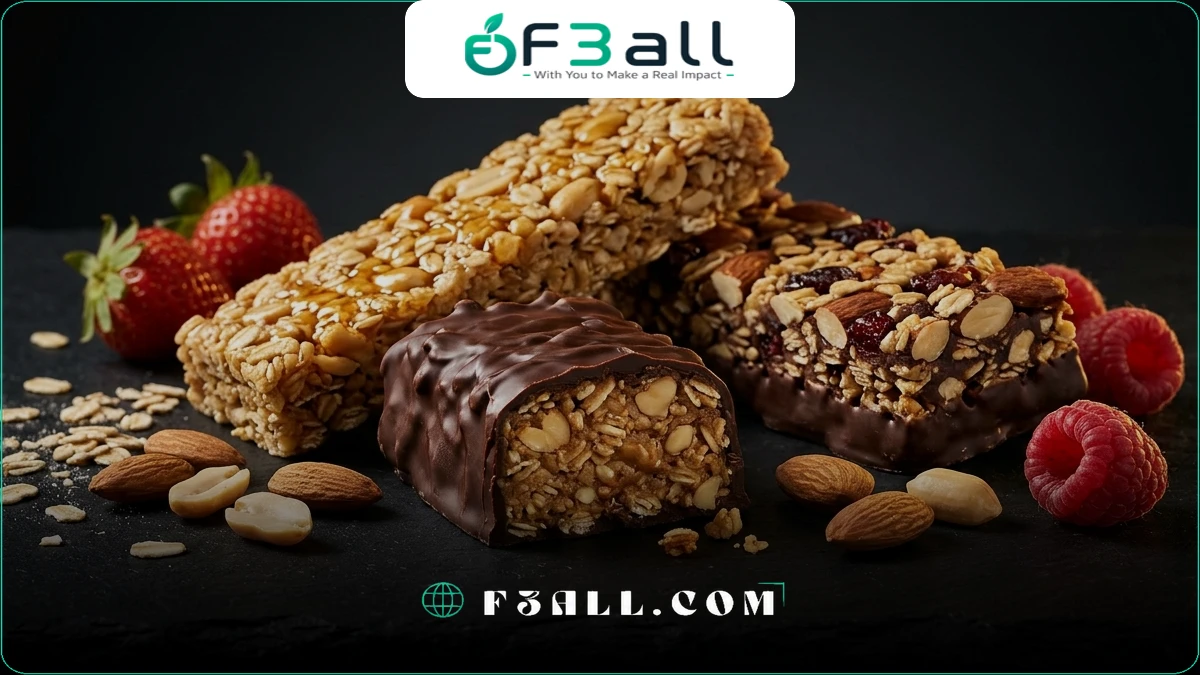
Protein bars can support a weight-management plan when they help meet protein needs, provide a convenient snack, or replace a less nutritious option without increasing overall calorie intake.
Their effectiveness depends on the product’s nutritional composition and how it fits into the rest of the diet.
A protein bar is not automatically healthy simply because its packaging highlights a high protein content.
Why Protein Bars Can Be Useful
Protein bars may offer several practical advantages:
- Convenience: They are easy to carry to work, school, or the gym.
- Protein intake: Many provide approximately 10–25 grams of protein.
- Portion control: Individually packaged bars provide a defined serving.
- Meal planning: They can help when nutritious snacks are unavailable.
- Satiety: Protein may contribute to fullness.
- Exercise recovery: Protein supports muscle maintenance and repair.
However, these benefits vary significantly between products.
When Protein Bars May Be Less Helpful
Some bars contain:
- Large amounts of added sugar.
- High levels of saturated fat.
- More calories than expected.
- Very little dietary fiber.
- Small amounts of protein despite being marketed as protein bars.
- Sugar alcohols that may cause digestive discomfort.
Protein Bars vs Regular Snack Bars
| Feature | Protein Bar | Regular Snack Bar |
| Protein Content | Often higher | Often lower |
| Calories | Varies widely | Varies widely |
| Fiber | Depends on ingredients | Depends on ingredients |
| Added Sugar | Can be low or high | Can be low or high |
| Main Purpose | Protein-focused convenience | General snacking |
| Weight-Loss Advantage | Not automatic | Not automatic |
Can You Lose Weight While Eating Protein Bars?
Yes.
Weight loss can occur while including protein bars if overall energy intake supports an appropriate calorie deficit.
However, adding a protein bar on top of an already adequate diet may increase total calorie intake.
Protein bars are useful tools for convenience and protein intake, but their role in weight loss depends on the complete eating pattern.
Protein Bars Calories for Weight Loss
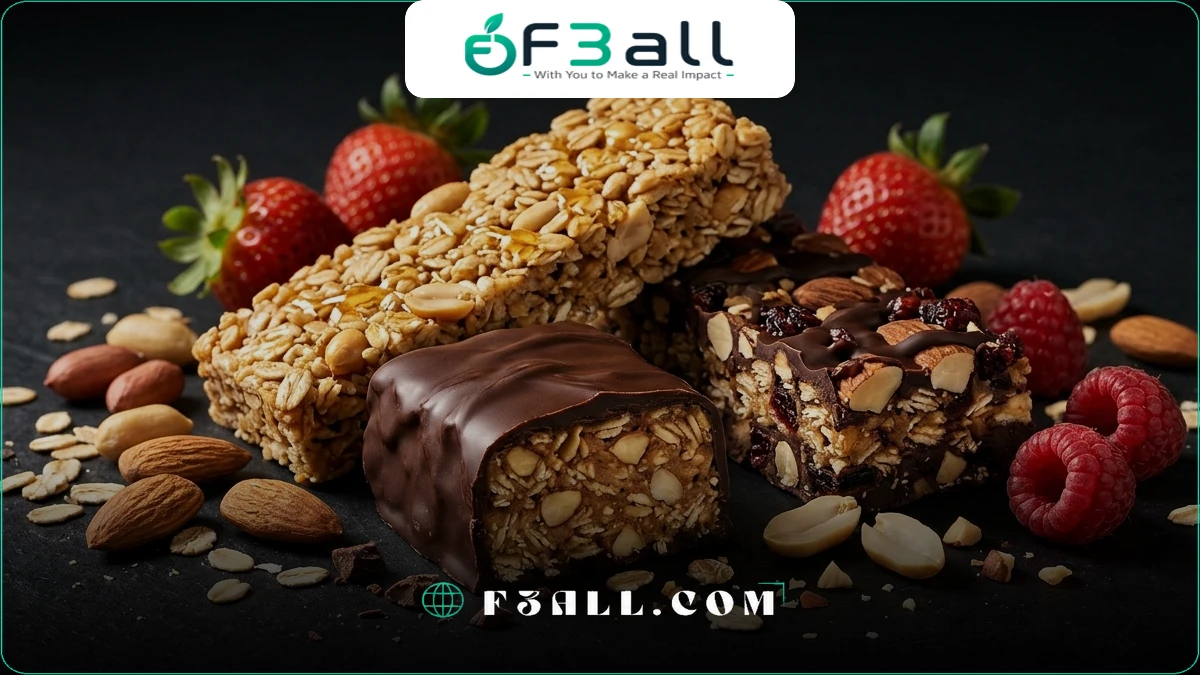
Understanding Protein Bars Calories for Weight Loss is important because bars with similar packaging can contain very different amounts of energy.
A protein bar may provide anywhere from approximately 100 calories to more than 400 calories, depending on its size and ingredients.
Common Protein Bar Calorie Ranges
| Protein Bar Type | Typical Calories | Common Use |
| Mini Protein Bar | 90–150 | Small snack |
| Light Protein Bar | 140–200 | Between-meal snack |
| Standard Protein Bar | 180–250 | Protein-focused snack |
| High-Energy Protein Bar | 250–350 | Substantial snack |
| Meal Replacement Bar | 300–450+ | Intended as a larger food portion |
These are illustrative categories, not standardized product classifications.
How Many Calories Should a Protein Bar Have?
There is no universal calorie target.
A smaller bar may be suitable when you need a light snack, while a more substantial bar may be useful after exercise or when a meal is delayed.
The appropriate choice depends on individual energy needs.
What Makes Protein Bars High in Calories?
Common calorie-contributing ingredients include:
- Nuts and nut butter.
- Chocolate coatings.
- Added oils.
- Honey and syrups.
- Dried fruit.
- Protein powders.
- Seeds.
These ingredients are not necessarily unhealthy, but portions matter.
Example Protein Bar Comparison
| Example Bar | Calories | Protein | Fiber | Added Sugar |
| Bar A | 150 | 12 g | 4 g | 3 g |
| Bar B | 200 | 20 g | 6 g | 2 g |
| Bar C | 280 | 15 g | 3 g | 14 g |
| Bar D | 350 | 25 g | 5 g | 10 g |
These are hypothetical examples for learning how to compare nutrition labels.
Does a Higher-Calorie Bar Cause Weight Gain?
Not automatically.
Body weight changes depend on overall energy balance over time.
However, consuming more calories than needed can make weight management more difficult.
Protein-to-Calorie Ratio
One useful comparison is how much protein a bar provides relative to its calories.
For example:
- A 200-calorie bar with 20 grams of protein provides 10 grams per 100 calories.
- A 300-calorie bar with 12 grams provides 4 grams per 100 calories.
This comparison can be helpful, although fiber, added sugar, saturated fat, and overall nutritional quality also matter.
The most suitable protein bar is not necessarily the lowest-calorie product, but one that provides useful nutrition within your daily energy needs.
Protein Bars Nutrition for Weight Loss
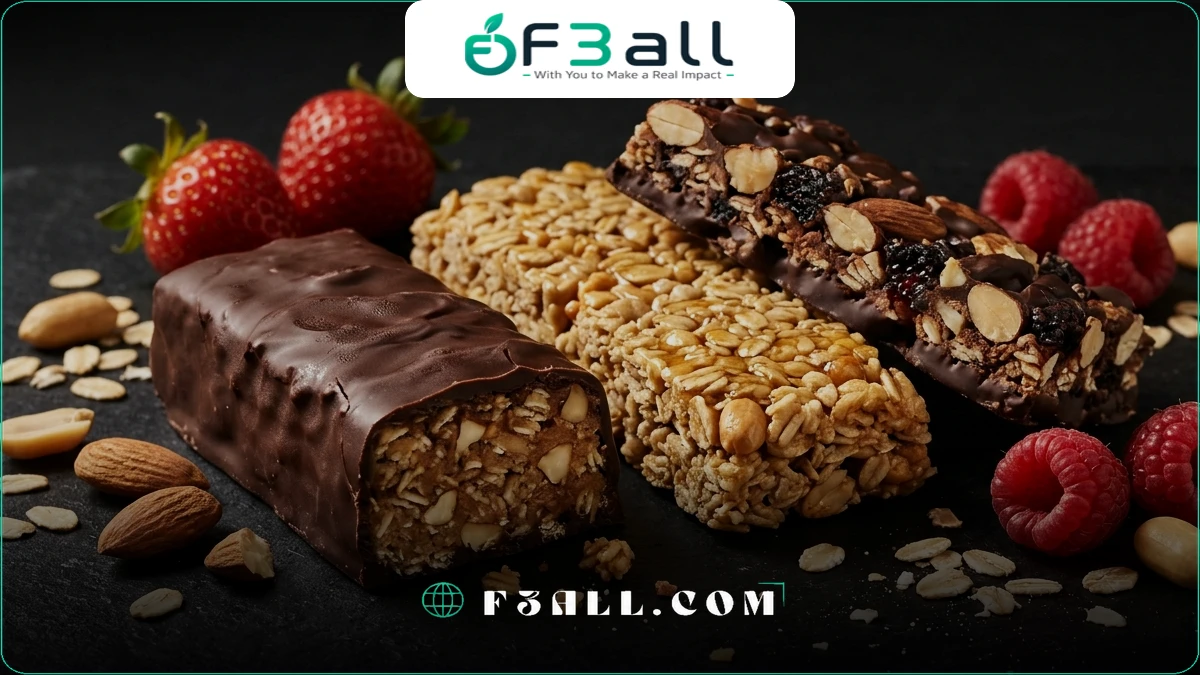
Protein bars vary considerably in their nutritional composition.
Some are made primarily from protein concentrates and fiber ingredients, while others resemble candy bars with added protein.
Understanding the Nutrition Facts Label
The most useful information includes:
- Serving size.
- Calories.
- Protein.
- Total carbohydrates.
- Dietary fiber.
- Added sugars.
- Saturated fat.
- Sodium.
- Ingredient list.
Protein
Protein contributes to muscle maintenance, tissue repair, and other essential body functions.
Adequate protein intake can be particularly important during weight loss when preserving lean body mass is a goal.
Dietary Fiber
Fiber supports digestive health and may contribute to fullness.
However, some bars obtain much of their fiber from isolated ingredients rather than whole foods.
Carbohydrates
Carbohydrates provide energy.
Their presence does not automatically make a protein bar unsuitable for weight loss.
Fat
Fat contributes energy and helps with the absorption of fat-soluble vitamins.
Bars containing nuts and seeds may provide unsaturated fats, while chocolate coatings and certain oils can contribute saturated fat.
Added Sugar
Some protein bars contain substantial added sugar.
Checking the label helps distinguish naturally occurring sugars from sugars added during manufacturing.
Example Nutrition Profile
| Nutrient | Illustrative Amount |
| Calories | 200 kcal |
| Protein | 20 g |
| Carbohydrates | 22 g |
| Fiber | 6 g |
| Added Sugar | 3 g |
| Total Fat | 7 g |
| Saturated Fat | 2 g |
| Sodium | 150 mg |
This is an example, not a specific product or a universal nutritional target.
Are Sugar-Free Protein Bars Better?
Not necessarily.
Some sugar-free bars contain sugar alcohols, which can cause bloating, gas, or diarrhea in susceptible individuals.
Others may be high in saturated fat or calories.
A complete nutrition-label review provides more useful information than relying on front-of-package claims such as high protein, low sugar, or keto-friendly.
Protein Bars Benefits for Weight Loss
Protein Bars Benefits for Weight Loss are primarily associated with protein intake, convenience, and the possibility of creating more satisfying snacks.
However, benefits depend on individual dietary needs and the specific bar.
1. Help Meet Protein Needs
Protein bars can provide additional protein when meals or snacks contain insufficient amounts.
2. Support Muscle Maintenance
Adequate protein, combined with resistance training, helps support muscle maintenance during weight reduction.
3. Offer Convenient Portion Sizes
Individually packaged bars can simplify snack planning.
4. May Support Fullness
Protein contributes to satiety, although the degree of fullness varies with the bar’s composition and the individual.
5. Help With Busy Schedules
A shelf-stable protein bar may be useful when access to nutritious food is limited.
6. Provide an Alternative to Some Snacks
Replacing a less nutritious snack with a suitable protein bar may improve protein intake or reduce calories.
7. Support Exercise Recovery
Protein contributes to muscle repair and adaptation following exercise.
Benefit Comparison
| Benefit | Potential Value | Limitation |
| Protein Intake | Helps meet daily needs | May be unnecessary if intake is adequate |
| Muscle Maintenance | Supports lean mass | Resistance training also matters |
| Convenience | Portable snack | Whole foods can be equally nutritious |
| Portion Awareness | Defined serving | Bars can still be calorie-dense |
| Fullness | Protein may help | Individual response varies |
| Exercise Recovery | Provides amino acids | Timing is not the only factor |
Do Protein Bars Reduce Appetite?
Protein-containing foods may increase fullness compared with some lower-protein alternatives.
However, a bar’s effect on appetite depends on protein quantity, fiber, texture, total calories, and individual factors.
Can Protein Bars Prevent Muscle Loss?
Protein intake can support muscle preservation during weight loss, especially when combined with resistance training.
However, eating a protein bar alone does not guarantee muscle maintenance.
Protein bars can be useful when they solve a practical nutritional problem rather than simply adding another snack to the day.
Read more about: Are Protein Powders Good for Weight Loss | Read It Here
How Much Protein Should a Weight-Loss Bar Contain?
There is no single protein quantity that makes a bar ideal for everyone.
A useful amount depends on whether the bar is intended as a small snack, a post-workout food, or part of a larger meal.
Comparing Protein Amounts
| Protein Per Bar | General Description | Possible Use |
| Under 5 g | Low protein | General snack |
| 5–9 g | Modest protein | Light snack |
| 10–15 g | Moderate protein | Protein-containing snack |
| 16–20 g | Higher protein | Substantial snack |
| 21–30 g | Very high protein | Higher protein needs |
These are practical descriptions rather than official classifications.
Is 10 Grams of Protein Enough?
A bar with 10 grams may be useful as a snack, especially if other meals provide adequate protein.
Is 20 Grams Better?
A 20-gram bar provides more protein, but it is not automatically the better choice.
Calories, ingredients, digestion, and total daily protein intake matter.
Can You Eat Too Much Protein?
Excessive protein intake may be unnecessary and can displace other important nutrients.
People with certain kidney conditions may require individualized protein guidance.
Daily Protein Requirements
The general Recommended Dietary Allowance for healthy adults is approximately 0.8 grams of protein per kilogram of body weight daily.
Some physically active individuals or people losing weight may benefit from higher intakes, depending on their circumstances.
Example Calculation
For an adult weighing 70 kg:
70 × 0.8 = 56 grams of protein daily.
This represents the general RDA, not an individualized weight-loss or athletic target.
Choose protein bars according to your total daily protein needs rather than assuming that the highest-protein product is always the healthiest.
Protein Bars Serving Size for Weight Loss
Protein Bars Serving Size for Weight Loss depends on the product’s calorie content and its role in the diet.
One packaged bar is commonly treated as a serving, but bars vary substantially in size.
Typical Serving Sizes
| Bar Size | Approximate Weight | Common Calorie Range |
| Mini | 25–35 g | 90–150 |
| Small | 35–45 g | 130–200 |
| Standard | 45–65 g | 170–280 |
| Large | 65–90 g | 250–400+ |
These are general estimates.
Is One Protein Bar a Day Too Much?
Not necessarily.
One bar can fit into a balanced diet if it contributes useful nutrients and does not displace more nutritious foods unnecessarily.
Can You Eat Two Protein Bars Daily?
It may be appropriate for some individuals, but two bars can contribute several hundred calories.
Frequent reliance on bars may also reduce dietary variety.
Is Half a Protein Bar Enough?
Half a bar may be suitable when you want a smaller snack.
Check the label to calculate the calories and protein in the portion.
Example Portion Comparison
Suppose one bar contains:
- 240 calories.
- 20 grams of protein.
- 8 grams of fat.
- 24 grams of carbohydrates.
Half the bar provides approximately:
- 120 calories.
- 10 grams of protein.
- 4 grams of fat.
- 12 grams of carbohydrates.
Should Protein Bars Replace Meals?
Most ordinary protein bars are not nutritionally complete meals.
They may lack sufficient vegetables, essential fatty acids, fiber, and other nutrients.
Products specifically formulated as meal replacements have different intended uses, but suitability still depends on the person and the product.
The right serving size depends on your hunger, energy needs, and the nutritional role of the bar within your day.
Best Protein Bars for Weight Loss – What to Look For
Choosing the best protein bar for weight loss involves more than comparing protein grams.
A balanced product should fit your calorie needs while providing useful nutrients and ingredients you tolerate.
1. Appropriate Calories
Select a calorie range that fits the intended snack or meal role.
2. Meaningful Protein Content
Look for enough protein to make the bar useful relative to your daily needs.
3. Dietary Fiber
Fiber may contribute to digestive health and fullness.
4. Moderate Added Sugar
Compare added sugar amounts rather than assuming every sweet-tasting bar is high in sugar.
5. Saturated Fat
Check saturated fat, particularly in bars containing chocolate coatings or certain added fats.
6. Ingredient Quality
Whole-food ingredients such as nuts, seeds, and oats can contribute useful nutrients.
7. Digestive Tolerance
Some bars contain large amounts of sugar alcohols or added fibers that may cause discomfort.
Protein Bar Selection Checklist
| Feature | What to Evaluate |
| Calories | Fit with your intended snack |
| Protein | Meaningful amount |
| Fiber | Useful contribution |
| Added Sugar | Check label |
| Saturated Fat | Compare products |
| Ingredients | Consider nutritional quality |
| Allergens | Check for milk, soy, peanuts, nuts |
| Digestive Tolerance | Consider sugar alcohols and added fibers |
Does the Brand Matter?
Brand reputation alone does not establish nutritional superiority.
Different products from the same brand may have very different nutrition profiles.
Are Expensive Protein Bars Better?
Not necessarily.
Higher prices may reflect branding, specialty ingredients, or packaging rather than better nutritional value.
The best protein bar is one that meets your nutritional needs, fits your budget, and works comfortably within your eating routine.
Protein Bars vs Protein Shakes for Weight Loss
Protein bars and protein shakes are both convenient ways to consume protein, but they differ in texture, preparation, and nutritional composition.
Protein Bars
Bars are portable, shelf-stable, and require chewing.
Protein Shakes
Shakes are beverages made with protein powder or ready-to-drink formulations.
They may be easier to consume quickly.
Comparison
| Feature | Protein Bars | Protein Shakes |
| Form | Solid | Liquid |
| Convenience | Very portable | Depends on packaging |
| Chewing | Required | Not required |
| Protein | Varies | Varies |
| Fiber | May contain fiber | Often lower unless added |
| Calories | Varies widely | Varies widely |
| Storage | Often shelf-stable | Depends on product |
Which Is More Filling?
Solid foods may be more satisfying for some individuals, but fullness depends on total calories, protein, fiber, volume, and individual response.
Which Is Better After Exercise?
Either can provide protein.
The better option depends on preference, nutritional needs, and convenience.
Can You Use Both?
Yes, but using both is not automatically necessary.
Protein bars and shakes are alternative delivery formats, not inherently superior weight-loss treatments.
Protein Bars vs Alternatives for Weight Loss
Protein Bars vs Alternatives for Weight Loss is an important comparison because whole-food snacks can often provide similar protein with additional nutritional benefits.
Protein Bars vs Greek Yogurt
Greek yogurt can provide substantial protein and calcium.
A bar may be more portable without refrigeration.
Protein Bars vs Eggs
Eggs provide protein and several micronutrients.
Protein bars may be more convenient for travel.
Protein Bars vs Nuts
Nuts provide healthy fats, fiber, and minerals.
However, they are calorie-dense and generally contain less protein per calorie than many protein bars.
Protein Bars vs Cottage Cheese
Cottage cheese provides protein and calcium.
It requires appropriate refrigeration.
Protein Bars vs Fruit
Whole fruit provides fiber, water, and vitamins but usually contains relatively little protein.
Pairing fruit with yogurt or another protein source can create a more balanced snack.
Snack Comparison
| Snack | Example Serving | Approximate Calories | Protein |
| Protein Bar | 1 standard bar | 180–250 | 15–25 g |
| Plain Nonfat Greek Yogurt | 170 g | 90–110 | 15–18 g |
| Hard-Boiled Eggs | 2 large | 140–160 | 12–13 g |
| Low-Fat Cottage Cheese | ½ cup | 80–110 | 12–14 g |
| Almonds | 28 g | 160–170 | 6 g |
| Medium Apple | 1 fruit | 95 | 0.5 g |
| Tuna in Water | 85 g drained | 90–110 | 19–22 g |
Values are estimates and vary by product.
Are Whole Foods Always Better?
Whole foods often provide a broader combination of nutrients and may be less processed.
However, a protein bar can be practical when access to other foods is limited.
Which Snack Is Best?
There is no universal winner.
Consider protein, calories, fiber, convenience, food safety, and personal preference.
Protein bars are one useful option among many, and rotating different protein-rich foods can improve dietary variety.
Homemade Protein Bars Recipes for Weight Loss
Homemade Protein Bars Recipes for Weight Loss allow you to choose ingredients and adjust portions.
However, homemade bars are not automatically lower in calories than packaged bars.
Nuts, nut butter, oats, and dried fruit can make them calorie-dense.
The following recipes provide practical options with estimated nutrition values.
Recipe 1 – Peanut Butter Oat Protein Bars
Ingredients for 8 Bars
- 1 cup rolled oats.
- ½ cup natural peanut butter.
- ½ cup plain Greek yogurt.
- 2 scoops protein powder, approximately 60 g.
- 2 tablespoons water, as needed.
- Cinnamon.
Instructions
- Mix oats and protein powder in a bowl.
- Add peanut butter and Greek yogurt.
- Stir until a thick mixture forms.
- Add a little water if necessary.
- Press into a lined container.
- Refrigerate until firm.
- Cut into eight bars.
- Keep refrigerated.
Estimated calories: Approximately 190–230 per bar.
Estimated protein: Approximately 12–17 grams per bar.
The exact nutrition depends heavily on the protein powder and peanut butter.
Recipe 2 – Chocolate Almond Protein Bars
Ingredients for 8 Bars
- ¾ cup rolled oats.
- ½ cup almond butter.
- 2 scoops chocolate protein powder.
- 2 tablespoons unsweetened cocoa powder.
- ¼ cup unsweetened milk or fortified plant beverage.
- Vanilla extract.
Instructions
- Combine oats, protein powder, and cocoa.
- Add almond butter.
- Mix in milk gradually.
- Add vanilla.
- Press into a lined pan.
- Refrigerate until firm.
- Divide into eight bars.
Estimated calories: Approximately 170–220 per bar.
Estimated protein: Approximately 11–16 grams per bar.
Recipe 3 – Baked Banana Protein Bars
Ingredients for 8 Bars
- 1 cup rolled oats.
- 1 ripe banana.
- 2 eggs.
- 1 scoop vanilla protein powder.
- ½ cup plain Greek yogurt.
- ½ teaspoon baking powder.
- Cinnamon.
Instructions
- Preheat the oven to 350°F (175°C).
- Mash the banana.
- Mix with eggs and yogurt.
- Add oats, protein powder, baking powder, and cinnamon.
- Spread into a lined baking pan.
- Bake for approximately 20–25 minutes, until set and fully cooked.
- Cool and cut into eight bars.
- Refrigerate leftovers.
Estimated calories: Approximately 95–130 per bar.
Estimated protein: Approximately 7–10 grams per bar.
Recipe 4 – Chickpea Oat Protein Bars
Ingredients for 8 Bars
- 1 cup cooked chickpeas, drained.
- ½ cup rolled oats.
- ¼ cup peanut butter.
- 1 scoop protein powder.
- 2 tablespoons unsweetened milk.
- Cinnamon.
- Vanilla extract.
Instructions
- Preheat the oven to 350°F (175°C).
- Blend chickpeas until smooth.
- Add oats, peanut butter, and protein powder.
- Mix with milk and flavorings.
- Press into a lined baking dish.
- Bake until firm, approximately 20–25 minutes.
- Cool and divide into eight bars.
Estimated calories: Approximately 125–165 per bar.
Estimated protein: Approximately 7–11 grams per bar.
Recipe 5 – Berry Yogurt Protein Bars
Ingredients for 8 Bars
- 1 cup thick plain Greek yogurt.
- 1 cup rolled oats.
- 1 scoop vanilla protein powder.
- ½ cup chopped strawberries.
- 1 tablespoon chia seeds.
Instructions
- Combine yogurt, oats, and protein powder.
- Stir in strawberries and chia seeds.
- Press into a lined freezer-safe container.
- Freeze until firm.
- Cut into eight bars.
- Keep frozen and allow to soften briefly before eating.
Estimated calories: Approximately 80–115 per bar.
Estimated protein: Approximately 6–9 grams per bar.
These are frozen yogurt bars, not shelf-stable snack bars.
Homemade Recipe Comparison
| Recipe | Estimated Calories Per Bar | Estimated Protein |
| Peanut Butter Oat | 190–230 | 12–17 g |
| Chocolate Almond | 170–220 | 11–16 g |
| Baked Banana | 95–130 | 7–10 g |
| Chickpea Oat | 125–165 | 7–11 g |
| Berry Yogurt | 80–115 | 6–9 g |
Important Homemade Bar Tips
- Measure ingredients accurately.
- Check protein powder nutrition labels.
- Consider nut and dairy allergies.
- Refrigerate bars containing yogurt.
- Avoid assuming homemade bars are shelf-stable.
- Calculate nutrition using the exact ingredients and final number of servings.
Homemade protein bars can provide greater ingredient control, but portion sizes and food safety remain important.
Read more about: Protein Powder Weight Loss | Discover Smart Tips Today.
Protein Bars Diet Plan for Weight Loss
A Protein Bars Diet Plan should use bars as occasional convenient snacks rather than replacing a varied diet with packaged products.
Balanced meals remain important for adequate vitamins, minerals, fiber, and overall nutritional quality.
Seven-Day Protein Bar Meal Plan
| Day | Breakfast | Lunch | Dinner | Optional Snack |
| Monday | Oatmeal with Greek yogurt | Chicken and quinoa salad | Salmon with vegetables | Protein bar |
| Tuesday | Eggs and whole-grain toast | Lentil soup | Chicken with brown rice | Apple and cottage cheese |
| Wednesday | Yogurt, berries, and oats | Tuna salad wrap | Tofu with vegetables | Protein bar |
| Thursday | Cottage cheese and fruit | Chickpea grain bowl | Grilled fish and potatoes | Nuts |
| Friday | Eggs with spinach | Chicken vegetable soup | Turkey with quinoa | Protein bar |
| Saturday | Overnight oats | Lentil and vegetable salad | Salmon with roasted vegetables | Greek yogurt |
| Sunday | Whole-grain toast and eggs | Chicken rice bowl | Tofu stir-fry | Fruit and nuts |
Why the Plan Does Not Include Bars Every Day
Protein bars are optional convenience foods.
Eating a variety of whole foods helps provide a broader range of nutrients.
Should You Replace Breakfast With a Protein Bar?
An ordinary protein bar may not provide enough energy or nutrients for a complete breakfast.
A more balanced breakfast might include fruit, dairy or a suitable alternative, and whole grains.
Can You Replace Dinner With a Protein Bar?
Regularly replacing dinner with a typical protein bar is generally not an ideal strategy because it may reduce nutritional adequacy.
Meal Planning Priorities
| Priority | Practical Strategy |
| Protein | Include across meals |
| Vegetables | Eat a variety daily |
| Whole Grains | Include suitable portions |
| Fruit | Choose whole fruit regularly |
| Healthy Fats | Include appropriate amounts |
| Snacks | Use when helpful |
| Protein Bars | Keep optional |
| Hydration | Drink sufficient fluids |
A sustainable weight-loss plan relies on balanced meals, with protein bars serving as convenient additions when needed.
Protein Bars Best Time to Eat for Weight Loss
Protein Bars Best Time to Eat is a common question because some people believe protein bars are more effective before exercise, after exercise, or at night.
However, there is no universal time when eating a protein bar automatically produces greater fat loss.
Protein Bars at Breakfast
A protein bar may be convenient during a busy morning.
However, it may not provide the nutritional variety of a complete breakfast.
Protein Bars Between Meals
A bar can be useful when a long gap between meals makes a snack practical.
Protein Bars Before Exercise
A bar containing carbohydrates and protein may provide energy before activity.
However, high-fiber or high-fat bars can cause digestive discomfort for some people when eaten immediately before exercise.
Protein Bars After Exercise
Protein supports muscle repair and recovery.
A protein bar can be one convenient option.
Protein Bars at Night
Eating a protein bar at night does not automatically cause weight gain.
Total dietary intake matters more than the clock time.
Timing Comparison
| Time | Potential Use | Special Fat-Loss Advantage |
| Breakfast | Convenience | No |
| Mid-Morning | Snack | No |
| Afternoon | Between-meal nutrition | No |
| Before Exercise | Energy and protein | No |
| After Exercise | Protein intake | No |
| Evening | Optional snack | No |
Is Eating Protein Before Bed Helpful?
Protein consumed before sleep may contribute to daily protein intake, and research has examined its relationship with overnight muscle protein synthesis.
However, eating a protein bar before bed is not required for weight loss.
Is the Post-Workout Protein Window Real?
Protein intake around exercise can be useful, but total daily protein and distribution across meals are important.
There is no need for everyone to consume a protein bar immediately after finishing a workout.
The best time to eat a protein bar is when it helps you meet your nutritional needs and fits naturally into your daily routine.
Are Protein Bars Good for Belly Fat Loss?
Protein Bars for Belly Fat is a common topic because many people associate higher protein intake with a leaner body composition.
However, protein bars do not selectively burn abdominal fat.
Understanding Belly Fat
Abdominal fat includes subcutaneous fat and visceral fat.
Visceral fat is associated with increased cardiometabolic risk.
Can Protein Help With Overall Weight Management?
Adequate protein can contribute to satiety and help maintain lean mass during weight reduction.
However, protein intake alone does not guarantee fat loss.
Do Protein Bars Target Belly Fat?
No.
There is no convincing evidence that protein bars directly target fat stored around the abdomen.
Belly-Fat Claims
| Claim | Evidence-Based Assessment |
| Protein Bars Melt Belly Fat | Unsupported |
| Protein Helps Maintain Muscle | Yes |
| Protein Bars Guarantee Weight Loss | No |
| Overall Energy Balance Matters | Yes |
| Resistance Training Supports Muscle | Yes |
| One Snack Targets Visceral Fat | No |
What Supports Abdominal Fat Reduction?
Evidence-based approaches include:
- Appropriate energy intake.
- Balanced nutrition.
- Regular physical activity.
- Resistance training.
- Adequate sleep.
- Individualized healthcare when appropriate.
Can High-Protein Snacks Help With Hunger?
They may be satisfying for some individuals, but the effect depends on the complete snack and personal appetite responses.
Protein bars can contribute protein to a balanced diet, but abdominal fat reduction depends on overall weight-management habits rather than a specific snack.
Protein Bars Weight Loss Results – What to Expect
Protein Bars Weight Loss Results depend on whether bars improve the overall nutritional pattern and help manage calorie intake.
There is no established amount of weight loss that can be attributed to eating protein bars alone.
Possible Benefits
A suitable protein bar may help someone:
- Meet daily protein needs.
- Plan snacks more consistently.
- Replace certain calorie-dense snacks.
- Maintain protein intake during travel.
- Support muscle maintenance alongside resistance training.
When Protein Bars May Not Help
A bar may be less useful when it:
- Adds unnecessary calories.
- Replaces a more nutritious meal.
- Causes digestive discomfort.
- Contains little protein relative to its calories.
- Encourages reliance on packaged foods.
Example Calorie Substitution
Suppose a person replaces a 350-calorie pastry with a 200-calorie protein bar.
The difference is approximately 150 calories.
If the substitution reduces overall calorie intake without being offset by other foods, it may contribute to an energy deficit.
However, the result is not guaranteed.
Results Comparison
| Claim | Evidence-Based Explanation |
| Protein Bars Cause Automatic Weight Loss | No |
| Replacing Certain Snacks May Reduce Calories | Possible |
| Protein Supports Muscle Maintenance | Yes |
| Bars Specifically Burn Belly Fat | No |
| High Protein Guarantees Fullness | No |
| Overall Dietary Pattern Matters | Yes |
How Quickly Can Results Appear?
Weight change depends on total energy intake, activity, sleep, medications, and other factors.
For many adults who would benefit from weight loss, a gradual rate of approximately one to two pounds per week is commonly recommended.
This is not an appropriate target for everyone.
Better Ways to Evaluate Progress
Consider:
- Dietary quality.
- Protein adequacy.
- Physical strength.
- Energy levels.
- Weight trends when appropriate.
- Waist measurements.
- Relevant health markers.
Protein bars may support a weight-loss routine, but the results come from the overall eating and activity pattern rather than the bar itself.
Are Low-Sugar and Keto Protein Bars Better for Weight Loss?
Low-sugar and keto protein bars are often marketed specifically to people trying to lose weight.
However, these labels do not establish superior weight-loss effectiveness.
Low-Sugar Protein Bars
These bars contain relatively little sugar, although the exact amount varies.
Some use non-sugar sweeteners or sugar alcohols.
Keto Protein Bars
Keto bars are generally designed to contain fewer carbohydrates and more fat.
They can be relatively high in calories.
High-Fiber Protein Bars
Some bars contain substantial added fiber.
This may support fiber intake, but large quantities of certain isolated fibers can cause digestive symptoms.
Product Comparison
| Bar Type | Typical Characteristic | Main Consideration |
| Standard Protein Bar | Protein-focused | Compare full nutrition |
| Low-Sugar Bar | Reduced sugar | Check sweeteners |
| Keto Bar | Lower carbs, higher fat | Calories may be high |
| High-Fiber Bar | Added or naturally occurring fiber | Digestive tolerance |
| Meal Replacement Bar | Designed as a larger food portion | Nutritional completeness varies |
Are Sugar Alcohols Safe?
Sugar alcohols are commonly used in reduced-sugar foods.
Some people experience gas, bloating, or diarrhea, especially with larger amounts.
Is a Keto Bar Better Than a Regular Protein Bar?
Not necessarily.
The better choice depends on dietary preferences, nutritional needs, and total energy intake.
Does Low Sugar Mean Low Calories?
No.
A low-sugar bar can still contain substantial calories from fat and other ingredients.
Compare calories, protein, fiber, saturated fat, and ingredients instead of assuming that low-sugar or keto labels automatically mean better weight-loss results.
Can Protein Bars Replace Meals for Weight Loss?
Some people use protein bars as meal replacements because they are quick and easy to consume.
However, most ordinary protein bars are not designed to provide the full nutritional value of a balanced meal.
What a Balanced Meal Provides
A balanced meal may include:
- Protein.
- Vegetables.
- Whole grains or other carbohydrate sources.
- Healthy fats.
- Fiber.
- Vitamins and minerals.
What a Typical Protein Bar Provides
A typical bar may provide protein, carbohydrates, fats, and selected added vitamins or minerals.
However, nutritional completeness varies widely.
Protein Bar vs Balanced Meal
| Feature | Typical Protein Bar | Balanced Meal |
| Protein | Often present | Can be tailored |
| Vegetables | Usually absent | Can be included |
| Fiber | Variable | Can be substantial |
| Micronutrients | Varies | Greater food variety possible |
| Convenience | High | Requires preparation |
| Calories | Product-dependent | Portion-dependent |
Is Replacing One Meal Occasionally Acceptable?
Occasional use may be practical in certain situations.
However, regular meal replacement should account for overall nutritional adequacy.
What About Commercial Meal Replacement Bars?
Some products are formulated specifically for meal replacement.
They should be evaluated according to their intended use and nutritional composition rather than treated as equivalent to ordinary protein snacks.
Can Meal Replacement Cause Faster Weight Loss?
Reducing calories may produce weight loss, but extreme restriction or nutritionally inadequate eating can create health risks.
Protein bars are generally better used as convenient snacks or supplements to meals rather than routine substitutes for balanced eating.
Read more about: Low Calorie Protein Shakes for Weight Loss | Try Recipes
Common Mistakes When Choosing Protein Bars for Weight Loss
Several common mistakes can make protein bars less useful for weight management.
Mistake 1 – Looking Only at Protein
A bar may contain substantial protein but also many calories.
Better Approach: Compare the complete nutrition label.
Mistake 2 – Assuming Low Sugar Means Low Calorie
Low-sugar bars can still contain substantial fat and energy.
Better Approach: Check calories per serving.
Mistake 3 – Ignoring Saturated Fat
Some chocolate-coated bars contain considerable saturated fat.
Better Approach: Compare saturated fat amounts.
Mistake 4 – Eating Bars Without Considering Hunger
A bar may not be necessary when you are already satisfied.
Better Approach: Use snacks according to nutritional needs and hunger.
Mistake 5 – Replacing Every Meal
Relying heavily on bars can reduce dietary variety.
Better Approach: Prioritize balanced meals.
Mistake 6 – Ignoring Digestive Symptoms
Sugar alcohols and added fibers can cause discomfort.
Better Approach: Review ingredients and choose tolerated products.
Mistake 7 – Overlooking Allergens
Protein bars may contain milk, soy, peanuts, tree nuts, or other allergens.
Better Approach: Read allergen labels carefully.
Mistake Summary
| Mistake | Better Strategy |
| Focusing Only on Protein | Review complete nutrition |
| Ignoring Calories | Check serving size |
| Overlooking Saturated Fat | Compare labels |
| Unnecessary Snacking | Consider hunger and needs |
| Replacing Meals Frequently | Eat balanced meals |
| Ignoring Digestive Symptoms | Review sweeteners and fibers |
| Missing Allergens | Check ingredient labels |
Choosing protein bars thoughtfully helps preserve their convenience without creating unnecessary nutritional trade-offs.
How to Meal Prep Homemade Protein Bars
Homemade protein bars can be prepared in batches for convenient snacks throughout the week.
However, food safety is especially important when recipes contain yogurt, milk, eggs, or other perishable ingredients.
Step 1 – Choose a Recipe
Select ingredients based on your protein needs, preferences, and allergies.
Step 2 – Measure Ingredients
Accurate measurements improve portion consistency.
Step 3 – Calculate Nutrition
Use the actual nutrition information for each ingredient.
Step 4 – Divide Evenly
Cut the mixture into equal portions.
Step 5 – Store Appropriately
Refrigerate perishable bars promptly.
Step 6 – Label Containers
Include the preparation date and ingredients.
Step 7 – Freeze Extra Portions
Freezing can be useful for certain recipes, although texture may change.
Meal Prep Schedule
| Day | Preparation |
| Sunday | Prepare a batch |
| Monday | Pack one portion |
| Tuesday | Use a refrigerated bar |
| Wednesday | Prepare another batch if needed |
| Thursday | Use a fresh or frozen portion |
| Friday | Rotate with whole-food snacks |
| Weekend | Review ingredients and plan ahead |
How Long Do Homemade Bars Last?
Storage time depends on ingredients and preparation.
Bars containing perishable ingredients should be refrigerated and generally consumed within a few days, following food-safety guidance.
Are No-Bake Protein Bars Shelf-Stable?
Not automatically.
No-bake recipes containing yogurt, milk, or other perishable ingredients generally require refrigeration.
Can You Freeze Protein Bars?
Many homemade bars can be frozen in suitable containers.
Thaw refrigerated portions safely before consumption.
Meal preparation can make protein-rich snacks more convenient, but homemade bars require proper storage and portion planning.
How to Include Protein Bars in a Balanced Weight-Loss Routine
Protein bars should complement a balanced diet rather than become its foundation.
A sustainable routine includes adequate protein, vegetables, whole grains, fruit, healthy fats, and physical activity.
Prioritize Protein From Different Sources
Examples include:
- Fish.
- Poultry.
- Eggs.
- Greek yogurt.
- Cottage cheese.
- Beans.
- Lentils.
- Tofu.
- Nuts and seeds.
Include Fiber-Rich Foods
Fiber-rich foods include vegetables, fruit, legumes, and whole grains.
Maintain Appropriate Energy Intake
Weight reduction generally requires an energy deficit over time.
The appropriate amount varies by individual.
Include Resistance Training
Strength training helps support muscle maintenance and physical function.
Stay Hydrated
Adequate fluid intake supports normal body function.
Prioritize Sleep
Sleep influences general health and can affect appetite regulation.
Sustainable Habit Comparison
| Habit | Potential Benefit |
| Adequate Protein | Supports muscle maintenance |
| Balanced Meals | Nutritional adequacy |
| Fiber-Rich Foods | Digestive health |
| Regular Exercise | Fitness and strength |
| Portion Awareness | Energy management |
| Adequate Sleep | Overall health |
| Protein Bars | Convenient protein source |
| Dietary Variety | Broader nutrient intake |
Do You Need Protein Bars to Lose Weight?
No.
Many people meet their protein needs through ordinary foods without using protein bars.
When Are Protein Bars Most Useful?
They may be especially convenient during travel, long workdays, or situations where other suitable snacks are unavailable.
The most effective protein bar strategy is to use them selectively when they make a balanced eating routine easier to maintain.
Why F3all Is Your Best Choice

At F3all, the guide to Are Protein Bars Good for Weight Loss focuses on practical nutrition comparisons, realistic calorie information, and sustainable eating strategies.
The goal is to help readers choose protein bars based on nutritional value rather than marketing claims.
- Clear Nutrition Guidance: Understand protein, calories, fiber, and added sugar.
- Serving Size Advice: Learn how bar portions fit into daily eating.
- Ingredient Comparisons: Identify important nutrition-label details.
- Homemade Recipes: Prepare protein bars using familiar ingredients.
- Meal Planning: Explore a balanced seven-day schedule.
- Snack Comparisons: Compare bars with yogurt, eggs, nuts, and other foods.
- Realistic Results: Understand what protein bars can and cannot do for weight loss.
- Practical Tips: Learn how to store homemade bars and avoid common mistakes.
Explore more nutrition, healthy recipes, and weight-management resources through F3all.
F3all helps readers make informed food choices through practical explanations and evidence-based nutrition guidance.
Frequently Asked Questions
Are Protein Bars Good for Weight Loss?
Yes, protein bars can fit into a weight-loss diet when their calories, protein, and ingredients match your nutritional needs. They do not cause weight loss automatically.
How Many Calories Should a Protein Bar Have for Weight Loss?
There is no universal target. Many snack-sized bars contain approximately 150–250 calories, but the appropriate amount depends on your overall energy needs.
How Much Protein Should a Protein Bar Contain?
Many bars provide 10–25 grams of protein. The best amount depends on the bar’s intended use and your total daily protein intake.
Can I Eat Protein Bars Every Day and Lose Weight?
Yes, protein bars can be included regularly, but weight loss depends on overall energy balance. A varied diet remains important.
Do Protein Bars Burn Belly Fat?
No. Protein bars do not selectively burn abdominal fat. Overall dietary habits, activity, and other factors influence fat loss.
Are Protein Bars Better Than Protein Shakes for Weight Loss?
Neither is universally better. Bars offer solid-food convenience, while shakes provide protein in liquid form. Nutrition and individual preference matter.
Is It Better to Eat a Protein Bar Before or After a Workout?
Either timing may be useful depending on your needs. Total daily protein intake is generally more important than consuming a bar at a specific moment.
Can Protein Bars Replace Breakfast?
Occasionally, a bar may be convenient, but most ordinary protein bars do not provide the nutritional variety of a balanced breakfast.
Are Low-Sugar Protein Bars Better for Weight Loss?
Not automatically. Low-sugar bars can still be high in calories or saturated fat. Check the complete nutrition label.
Can Eating Too Many Protein Bars Cause Weight Gain?
Eating more calories than needed over time can contribute to weight gain, whether those calories come from protein bars or other foods.
In the End
Are Protein Bars Good for Weight Loss? Yes, they can be convenient sources of protein that fit into a balanced weight-management plan.
Their usefulness depends on calorie content, protein quantity, fiber, added sugar, saturated fat, serving size, and how they fit into the rest of your diet.
A protein bar may be helpful when you need a portable snack, want to increase protein intake, or need an alternative to a less nutritious food.
However, protein bars do not directly burn fat, eliminate belly fat, or guarantee weight loss.
Whole-food protein sources such as yogurt, eggs, fish, beans, and cottage cheese remain valuable alternatives.
For long-term success, prioritize balanced meals, adequate protein, appropriate energy intake, physical activity, and sustainable habits.
Choose protein bars based on your nutritional needs, use them when convenient, and build your weight-loss routine around a varied, balanced diet.
References