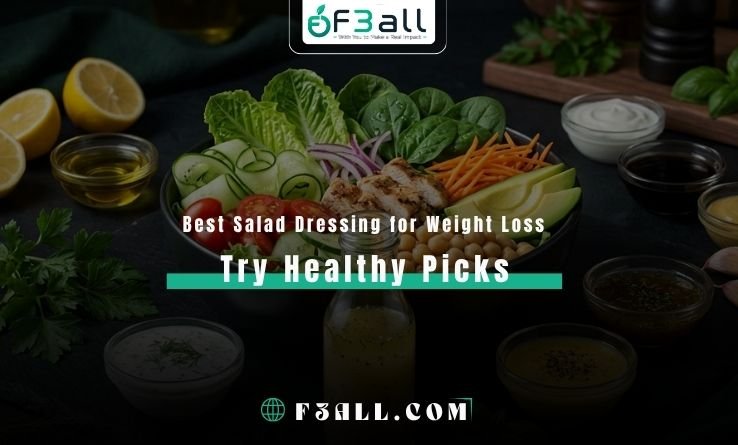
Best Salad Dressing for Weight Loss Build Better Salads
Best Salad Dressing for Weight Loss depends on portion, ingredients, flavor, and the complete salad rather than one perfect bottle. Dressing can make vegetables enjoyable and help absorb certain fat-soluble compounds, yet oils, sugar, cheese, and creamy bases can raise calories quickly. This guide compares vinaigrettes, yogurt dressings, fat-free and keto options, label facts, homemade recipes, meal preparation, food safety, and practical ways to build satisfying healthy weight loss salads.
Best Salad Dressing for Weight Loss
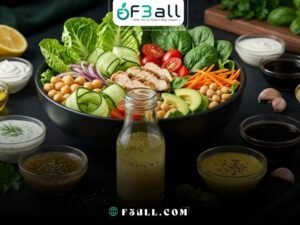
The Best Salad Dressing for Weight Loss is usually a flavorful recipe or product you can measure easily and enjoy in a modest amount. A lemon-mustard vinaigrette, yogurt-herb dressing, salsa-based mixture, or carefully portioned commercial dressing can all work.
No dressing burns fat. It helps when it makes vegetables and protein enjoyable without adding more calories than intended. The complete salad, daily energy intake, activity, sleep, and consistency determine results. Explore F3all’s weight-loss guidance while building the complete plan.
Best Salad Dressing for Weight Loss: The Honest Answer
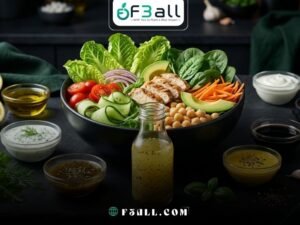
The Best Salad Dressing for Weight Loss changes with the salad and your priorities. A measured olive-oil vinaigrette provides unsaturated fat, a yogurt dressing adds protein and creaminess, and vinegar with mustard offers strong flavor for fewer calories. Commercial light products may provide convenience but require label comparison.
Fat-free is not automatically best, and full-fat is not automatically harmful. Fat can support absorption of carotenoids and fat-soluble vitamins from vegetables, but oil is calorie dense. The practical goal is enough dressing to improve flavor and nutrient use without turning the salad into an untracked high-calorie meal.
Best Salad Dressing for Weight Loss: Selection Scorecard
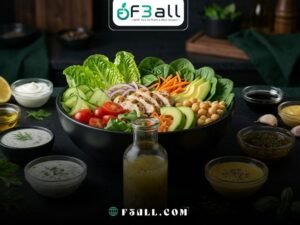
Use several criteria instead of trusting one front-label claim.
| Factor | Practical question |
| Calories | How many are in the amount you actually pour |
| Fat quality | Is the main fat an unsaturated plant oil |
| Sodium | What are the milligrams and Percent Daily Value |
| Added sugar | How many grams are present per real portion |
| Flavor | Can a modest amount season the entire salad |
| Protein | Does yogurt or another base add meaningful protein |
| Safety | Does the recipe contain raw egg or perishable ingredients |
| Convenience | Will you measure and use it consistently |
The best choice balances nutrition, taste, cost, tolerance, and the rest of the meal.
The answer to Best Salad Dressing for Weight Loss starts with this scorecard.
Read more about:Best Cheese for Weight Loss Compare Smarter Dairy Foods
Best Salad Dressing for Weight Loss: Salad Nutrition
Salad nutrition depends on every ingredient, not the greens alone. Vegetables provide water, fiber, vitamins, minerals, and plant compounds, while beans, eggs, chicken, fish, tofu, or yogurt can add protein. Dressing may supply flavor, fat, sodium, sugar, and substantial calories.
A salad can be a light side, balanced main meal, or energy-dense restaurant dish. Cheese, bacon, fried toppings, nuts, seeds, avocado, croutons, dried fruit, and creamy dressing can accumulate. Evaluate the complete bowl and serving rather than assuming the word salad guarantees weight loss.
Best Salad Dressing for Weight Loss: Calories and Portions
Low calorie salad dressing only helps when the labeled serving matches the amount used. Many labels use two tablespoons, but free-pouring can easily double or triple that amount. Oil contains about 120 calories per tablespoon, so small measurement differences matter.
Use a tablespoon, small cup, or kitchen scale until portions become familiar. Toss thoroughly so a modest amount coats more surface. If the dressing remains at the bottom, start with less. Restaurant containers can hold several servings, and “on the side” works only when you control the amount.
The answer to Best Salad Dressing for Weight Loss improves with portion awareness.
Best Salad Dressing for Weight Loss: Vinaigrette
A basic vinaigrette combines oil with vinegar or citrus, plus mustard, herbs, pepper, garlic, or spices. Traditional ratios may use more oil than a calorie-controlled plan needs, so customize the formula. Start with one part oil to two or three parts acid, then adjust taste.
Measure the oil rather than pouring by eye. Water, lemon juice, vinegar, mustard, or yogurt can extend the volume. Olive, canola, and other unsaturated plant oils are useful options, but none is calorie-free. A small, flavorful serving can be more effective than a large bland one.
The answer to Best Salad Dressing for Weight Loss may favor measured vinaigrette.
Best Salad Dressing for Weight Loss: Yogurt Dressing
Plain Greek yogurt creates creaminess with protein and often fewer calories than mayonnaise- or cream-based dressing. Thin it with lemon juice, vinegar, or water, then add herbs, garlic, pepper, mustard, cumin, or paprika. Compare yogurt labels for added sugar and fat level.
Measure the final mixture because a healthy base does not create unlimited portions. Keep it refrigerated, use clean utensils, and prepare an amount you can consume safely. Lactose-free yogurt or a suitable fortified alternative may work when tolerance or dietary preference requires it.
The answer to Best Salad Dressing for Weight Loss may favor yogurt dressing.
Read more about:Best Cheese for Weight Loss Compare Smarter Dairy Foods
Best Salad Dressing for Weight Loss: Lemon Herb Recipe
For a quick homemade salad dressing, whisk two tablespoons of lemon juice, one teaspoon of olive oil, one teaspoon of mustard, one tablespoon of water, chopped herbs, pepper, and a small pinch of salt. This creates about one generous serving or two lighter servings.
Adjust acidity and herbs rather than automatically adding more oil. Dill, parsley, mint, basil, cilantro, oregano, or chives change the flavor. Calculate the ingredients you actually use, especially oil and sweetener. Store any leftover portion refrigerated in a clean sealed container.
Best Salad Dressing for Weight Loss: Mustard Vinaigrette
Mustard emulsifies oil and acid while providing strong flavor. Whisk vinegar, mustard, a measured teaspoon of oil, water, pepper, and herbs. Dijon, whole-grain, and yellow mustard differ in sodium, sugar, and intensity, so read the label.
Add a small amount of honey only when desired and count it as added sugar. Garlic or shallot can deepen flavor without much energy. This dressing works with leafy greens, cabbage, cucumber, beans, chicken, and roasted vegetables. It is low calorie only when the oil and sweetener remain controlled.
Best Salad Dressing for Weight Loss: Creamy Options
Creamy dressing can fit when the portion is controlled. Use Greek yogurt, blended cottage cheese, pureed beans, or a combination of yogurt and a smaller amount of mayonnaise. Add lemon, vinegar, herbs, garlic, pepper, or mustard for intensity.
Commercial ranch, Caesar, blue cheese, and mayonnaise-based dressings vary considerably in calories, saturated fat, sodium, and added sugar. Compare equal serving sizes and taste before using the full portion. A measured tablespoon of a favorite may be more satisfying than a large amount of a low-fat substitute you dislike.
The answer to Best Salad Dressing for Weight Loss depends on creamy portions.
Best Salad Dressing for Weight Loss: Fat-Free Dressing
Fat free salad dressing can reduce calories, but products may use added sugar, starch, sodium, gums, or intense flavorings. Read the complete label. Removing all fat may also reduce absorption of certain carotenoids from vegetables when the meal contains no other fat source.
If you prefer fat-free dressing, include a measured amount of avocado, nuts, seeds, eggs, fish, or another suitable fat in the salad. Do not add fat solely for a claim; consider the complete meal. Taste, tolerance, and portion remain important.
The answer to Best Salad Dressing for Weight Loss is not automatically fat-free.
Best Salad Dressing for Weight Loss: Light and Low-Calorie Products
“Light” and “reduced” are regulated comparison terms, while low-calorie claims have specific definitions. Still, the package must be read in context. A lower-calorie product may contain more sodium or sugar, and a very small serving may make the number look impressive.
Compare calories, saturated fat, sodium, added sugar, ingredients, and serving size across products. Then multiply by the amount you really use. The best dressings for dieting are the ones that fit the complete diet and make vegetables appealing without encouraging unlimited pouring.
Read more about:Best Cheese for Weight Loss Compare Smarter Dairy Foods
Best Salad Dressing for Weight Loss: Keto and Low-Carb Dressing
Keto salad dressing and low carb dressing options often focus on avoiding sugar and starch. Olive-oil vinaigrette, avocado dressing, mayonnaise-based dressing, blue cheese, ranch, and tahini may contain little carbohydrate, yet some are highly energy dense.
Low carbohydrate does not mean low calorie or low saturated fat. Measure oil, mayonnaise, cheese, avocado, nuts, and seeds. People following ketogenic diets also need fiber, vegetables, sufficient protein, and medical suitability. Compare F3all’s types of diets before adopting a restrictive pattern.
The answer to Best Salad Dressing for Weight Loss changes with dietary context.
Best Salad Dressing for Weight Loss: Choosing Oils
Olive, canola, soybean, sunflower, avocado, and other plant oils differ in flavor and fatty-acid profile, but all provide roughly similar calories per tablespoon. Choose an unsaturated oil you enjoy, measure it, and store it according to package guidance.
Extra-virgin olive oil offers distinctive flavor that may reduce the amount needed. Neutral oil suits delicate dressings. Coconut oil is higher in saturated fat and solidifies when chilled, making it less practical for many salads. No oil melts body fat or cancels calories.
Best Salad Dressing for Weight Loss: Fat and Nutrient Absorption
Research shows that eating salad with fat can increase absorption of carotenoids compared with fat-free dressing. Studies using avocado, avocado oil, soybean oil, and different dressing fat levels demonstrate that the amount and source can influence absorption, with substantial individual variation.
This evidence does not justify unlimited oil. A modest measured amount or another fat-containing ingredient may support absorption while respecting calorie goals. The salad can obtain fat from dressing, avocado, nuts, seeds, eggs, fish, or cheese, so count the complete combination.
The answer to Best Salad Dressing for Weight Loss balances absorption and calories.
Best Salad Dressing for Weight Loss: Sodium
Commercial dressings, mustard, soy sauce, cheese, olives, pickles, and seasoned proteins can add sodium to the same salad. The FDA considers 5% Daily Value or less per serving low and 20% or more high. Compare milligrams and Percent Daily Value.
Multiply by the number of servings poured. Use vinegar, citrus, herbs, garlic, pepper, spices, or salt-free blends to strengthen flavor with less sodium. People with hypertension, kidney disease, heart failure, or prescribed sodium limits should follow individualized clinical advice.
Read more about:Best Cheese for Weight Loss Compare Smarter Dairy Foods
Best Salad Dressing for Weight Loss: Added Sugar
Some sweet vinaigrettes, honey mustard, French dressing, Catalina dressing, fruit dressings, and fat-free products contain added sugar. Savory flavor does not prove a product is unsweetened. Check grams of added sugar and the ingredient list.
Honey, maple syrup, agave, and table sugar all contribute added sugar in homemade recipes. Use only the amount needed to balance acidity. Fruit puree may add flavor and texture but still contributes carbohydrate. A small amount can fit; the key is knowing and counting it. Browse F3all’s healthy diet dessert recipes when planning the complete menu.
Best Salad Dressing for Weight Loss: Reading the Label
Start with serving size and servings per container. Compare calories, total fat, saturated fat, sodium, carbohydrate, added sugar, and protein. Review the ingredient list for oils, sweeteners, allergens, dairy, eggs, soy, sesame, preservatives, and thickeners.
Claims such as natural, organic, keto, zero sugar, fat free, or made with olive oil do not describe the whole product. Olive oil may appear after another oil, and zero sugar does not mean zero calories. The FDA Nutrition Facts guidance helps compare products using the amount you actually eat.
Best Salad Dressing for Weight Loss: Homemade Master Formula
A flexible homemade salad dressing starts with acid, a measured rich ingredient, seasoning, and optional water.
| Component | Examples |
| Acid | Lemon, lime, wine vinegar, apple-cider vinegar |
| Rich base | Measured oil, yogurt, tahini, avocado |
| Emulsifier | Mustard, yogurt, tahini |
| Flavor | Garlic, herbs, spices, pepper |
| Volume | Water, extra citrus, blended vegetables |
| Optional sweetness | A measured amount of honey or fruit |
Taste with a lettuce leaf, not a spoon alone. Record quantities, calculate the batch, and divide by actual servings.
The answer to Best Salad Dressing for Weight Loss improves with recipe calculation.
Read more about:Best Cheese for Weight Loss Compare Smarter Dairy Foods
Best Salad Dressing for Weight Loss: Five Healthy Recipes
These healthy salad dressing recipes use measured ingredients:
- Lemon herb: lemon, one teaspoon olive oil, mustard, water, herbs.
- Yogurt ranch: Greek yogurt, lemon, dill, chives, garlic, water.
- Spicy salsa: salsa, lime, yogurt, cilantro, cumin.
- Light tahini: one tablespoon tahini, lemon, water, garlic, cumin.
- Balsamic mustard: balsamic vinegar, mustard, water, one teaspoon oil.
Calculate your brands and divide the batch honestly. Explore F3all’s delicious diet recipes for more measured meal combinations.
Best Salad Dressing for Weight Loss: Building the Complete Salad
A balanced main-meal salad needs more than leaves. Start with varied vegetables, add protein such as chicken, fish, eggs, tofu, beans, lentils, cottage cheese, or yogurt, then include an appropriate carbohydrate and measured dressing according to needs.
Choose rich extras deliberately. Cheese, avocado, nuts, seeds, olives, croutons, dried fruit, bacon, and fried toppings may all fit individually, but several large portions accumulate quickly. Healthy meal ideas balance satisfaction and nutrition instead of making the bowl as low calorie as possible.
The answer to Best Salad Dressing for Weight Loss depends on the whole salad.
Read more about:Best Cheese for Weight Loss Compare Smarter Dairy Foods
Best Salad Dressing for Weight Loss: Protein and Fiber
Protein and fiber often improve the staying power of a salad more than simply minimizing dressing. Add beans, lentils, chicken, fish, eggs, tofu, tempeh, cottage cheese, or plain yogurt. Use leafy greens, cabbage, carrots, peppers, cucumber, tomatoes, broccoli, fruit, or whole grains for fiber and volume.
Dressing is a flavor tool, not the primary protein source unless a substantial yogurt or bean base is used. A tiny vegetable salad with fat-free dressing may leave you hungry, while a balanced bowl with measured vinaigrette can support a sustainable plan.
Best Salad Dressing for Weight Loss: Restaurant Strategy
Ask for dressing on the side, estimate or measure a small amount, and dip the fork or lightly toss the salad. Request grilled rather than fried protein and choose one or two energy-dense extras. Restaurant nutrition information can help when available.
“Salad” does not guarantee fewer calories than an entrée. Large bowls may include fried chicken, cheese, bacon, tortilla strips, candied nuts, avocado, croutons, and several servings of dressing. Decide what matters most, enjoy it deliberately, and avoid assuming the dressing is the only source of calories.
The answer to Best Salad Dressing for Weight Loss changes in restaurants.
Best Salad Dressing for Weight Loss: Meal Preparation
Wash produce under running water, dry greens well, and store dressing separately to prevent sogginess. Prepare vegetables and protein in planned portions, then add dressing immediately before eating. A small leakproof cup makes quantity visible.
Make only a sensible batch of homemade dressing, label it with the date, and refrigerate perishable recipes promptly. Oil-and-vinegar mixtures may separate naturally; shake before measuring. F3all’s weight-loss diet plans can help organize salads within complete weekly menus.
Best Salad Dressing for Weight Loss: Food Safety
Homemade Caesar, mayonnaise, or other dressings containing raw or lightly cooked eggs can carry Salmonella risk. Use pasteurized eggs or a safe egg-free recipe, particularly for pregnant people, older adults, young children, and anyone with weakened immunity.
Refrigerate yogurt, egg, dairy, herb, and other perishable dressings promptly at 40°F or 4°C or below. Do not leave them at room temperature longer than two hours, or one hour above 90°F or 32°C. Use clean utensils and discard questionable food rather than tasting for safety.
Read more about:Best Cheese for Weight Loss Compare Smarter Dairy Foods
Best Salad Dressing for Weight Loss: Common Mistakes
Common errors include free-pouring oil, using a restaurant cup as one serving, ignoring sugar and sodium, and counting vegetables while forgetting toppings. Another mistake is making a salad too small, becoming hungry, and eating several snacks afterward.
The answer to Best Salad Dressing for Weight Loss improves with honest tracking.
Measure dressing before pouring, calculate homemade batches, and build the salad with protein and fiber. Do not assume fat-free is always best or that olive oil is unlimited. A nutritious ingredient can still exceed the intended calorie budget when the portion is invisible.
Best Salad Dressing for Weight Loss: Seven-Day Plan
This example builds variety rather than requiring salad daily.
| Day | Dressing and meal idea |
| Monday | Lemon-mustard vinaigrette, chicken salad |
| Tuesday | Yogurt herb dressing, bean bowl |
| Wednesday | Salsa-lime dressing, taco salad |
| Thursday | Soup and whole-grain meal |
| Friday | Light tahini, chickpea vegetable salad |
| Saturday | Measured bottled vinaigrette, fish salad |
| Sunday | Balsamic mustard, lentil and roasted vegetable bowl |
Adjust portions to calorie needs, health, appetite, and culture. Use F3all’s healthy drinks to plan beverages without overlooking liquid calories.
Best Salad Dressing for Weight Loss: Sustainable Habits
The Best Salad Dressing for Weight Loss becomes easier to choose when the overall routine is stable. Plan meals, eat varied protein foods and produce, measure calorie-dense additions, move regularly, sleep adequately, and manage stress. Gradual progress is generally more sustainable than aggressive restriction.
Daily scale changes can reflect water, sodium, carbohydrate storage, hormones, and digestion rather than immediate fat change. Use multiweek trends and behavior records. Visit the F3all homepage for practical nutrition education.
The answer to Best Salad Dressing for Weight Loss depends on consistent habits.
Best Salad Dressing for Weight Loss: When Progress Slows
A plateau does not prove dressing caused it. Review actual portions, oil, cheese, nuts, restaurant meals, beverages, weekends, activity, sleep, and medicines. Track accurately for a limited period and make one reasonable adjustment.
Replacing every dressing with plain vinegar may not help if the salad becomes unsatisfying. Choose a measured option that supports consistent vegetable intake. Seek professional evaluation for rapid unexplained weight change, swelling, severe fatigue, or other concerning symptoms rather than relying on further restriction.
Best Salad Dressing for Weight Loss: Final Decision Framework
Before choosing, identify the salad ingredients, calorie target, desired flavor, fat sources, sodium needs, allergies, and available portion tool. Compare labels or calculate the homemade recipe.
The Best Salad Dressing for Weight Loss depends on context. Yogurt herb may suit a creamy chicken salad, lemon vinaigrette can brighten vegetables, salsa works in a bean bowl, and tahini complements chickpeas when measured.
Judge the outcome. If the dressing makes a balanced salad enjoyable and the portion fits, keep it. If it encourages heavy pouring or supplies excessive sodium, sugar, or calories, change the recipe, bottle, or serving method. Consistency matters more than finding a perfect condiment.
The answer to Best Salad Dressing for Weight Loss remains personal and contextual.
Read more about:Best Cheese for Weight Loss Compare Smarter Dairy Foods
Best Salad Dressing for Weight Loss: Why F3all Is Your Best Choice

At F3all, we compare calories, portions, ingredients, labels, and realistic recipes without promising a fat-burning sauce. Readers receive practical swaps, balanced meal guidance, responsible safety cautions, and flexible strategies for daily life.
Learn more about F3all. Educational information cannot diagnose allergy, diabetes, hypertension, kidney disease, or digestive symptoms. It also cannot replace personalized care from a physician or registered dietitian when health conditions or medicines affect nutrition.
Frequently Asked Questions About Best Salad Dressing for Weight Loss
1. What is the Best Salad Dressing for Weight Loss every day?
The Best Salad Dressing for Weight Loss every day may be measured lemon vinaigrette, yogurt-herb dressing, salsa, or a commercial product fitting calories, sodium, sugar, and preference. Rotate meals and flavors so vegetables remain enjoyable.
2. Is olive oil dressing good for weight loss?
Olive oil provides unsaturated fat and flavor, but it is calorie dense. Measure it, extend it with vinegar, lemon, mustard, or water, and count rich toppings. It may support nutrient absorption but cannot burn fat.
3. What is a simple low calorie salad dressing?
Whisk lemon or vinegar with mustard, water, herbs, pepper, and one measured teaspoon of oil. Yogurt with herbs is another option. Calculate oil, honey, tahini, or mayonnaise. Low calorie salad dressing should remain satisfying.
4. Is fat-free dressing the Best Salad Dressing for Weight Loss?
Fat-free dressing is not automatically the Best Salad Dressing for Weight Loss. It may contain sugar, sodium, or starch, while some fat supports carotenoid absorption. Compare labels and all fat sources. Portion and satisfaction remain important.
5. Is homemade dressing healthier than bottled dressing?
Homemade dressing allows control over oil, sodium, sugar, and flavor but is only as light as its recipe. Bottled dressing offers convenience and labeling. Measure either option and refrigerate perishable homemade recipes safely.
6. Is keto dressing good for losing weight?
Keto dressing may contain little carbohydrate but substantial oil, mayonnaise, cheese, or saturated fat. Low carbohydrate does not mean low calorie. Measure it, include vegetables and protein, and obtain individualized medical advice when needed.
7. How much salad dressing should I use?
There is no universal amount. Start with one tablespoon, toss thoroughly, taste, and add more only if needed. Restaurant cups may contain several servings. The appropriate amount depends on recipe, salad size, calorie needs, and medical targets.
8. Can dressing make a healthy salad high in calories?
Yes. Oil, mayonnaise, cream, sugar, tahini, avocado, and large servings contribute substantial calories. Nuts, croutons, fried protein, and cheese add more. Measure the dressing and review the complete bowl. Portions matter.
9. Is yogurt the Best Salad Dressing for Weight Loss?
Yogurt can be the Best Salad Dressing for Weight Loss when it provides creaminess, protein, and flavor for moderate calories. Choose plain yogurt, compare sugar and sodium, and measure the recipe. Use suitable alternatives when needed.
10. Which salad dressing has the least calories?
Vinegar, lemon juice, salsa, and mustard mixtures may provide few calories, while bottled products vary. The lowest number is not automatically useful if the salad becomes unsatisfying. Choose measured flavor, nutrition, safety, and consistency.
In the End
The Best Salad Dressing for Weight Loss is not one magic bottle. Lemon-mustard vinaigrette, yogurt-herb dressing, salsa mixtures, light tahini, and carefully portioned commercial products can all fit. The right choice makes vegetables enjoyable while respecting calories, sodium, added sugar, and dietary needs.
Measure oil, mayonnaise, tahini, avocado, cheese, and sweeteners. Compare serving sizes and labels, or calculate every ingredient in a homemade batch. Include protein and fiber so the salad functions as a satisfying meal rather than a temporary bowl of leaves.
The strongest plan creates an appropriate calorie deficit while remaining nutritious and enjoyable. At F3all, practical evidence comes before fat-free, keto, or detox claims. Choose the dressing and serving that support flavor, health, safety, budget, and long-term consistency.
Measure before pouring, taste after tossing, and adjust acidity, herbs, mustard, or water before adding more oil. A balanced bowl should provide vegetables, protein, fiber, and enough flavor to make the meal enjoyable.
References