Best Cheese for Weight Loss Compare Smarter Dairy Foods
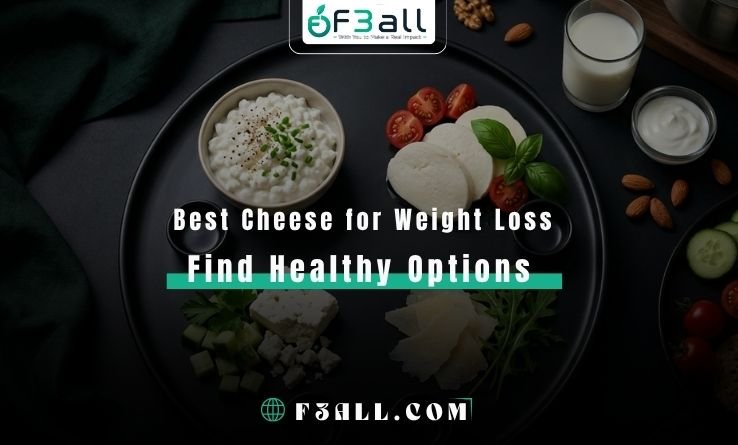
Best Cheese for Weight Loss is not one universal product because calories, protein, fat, sodium, serving size, taste, and meal context all matter. Cheese can add satisfying flavor, calcium, and protein, yet some varieties are easy to overeat or high in saturated fat and sodium. This guide compares cottage cheese, mozzarella, ricotta, feta, hard cheeses, low-fat choices, portions, labels, dietary patterns, and practical ways to enjoy cheese while managing weight.
Best Cheese for Weight Loss
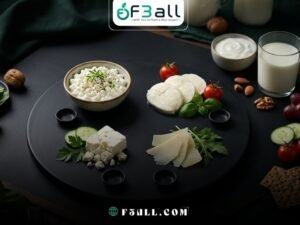
The Best Cheese for Weight Loss is the one that delivers useful protein and flavor in a portion that fits your calorie, saturated-fat, and sodium targets. For many people, low-fat cottage cheese, part-skim mozzarella, and measured portions of stronger cheese are practical choices.
No variety burns fat. Cheese helps only when it improves meal satisfaction or replaces a less suitable food without pushing average energy intake above your needs. Explore F3all’s weight-loss guidance while planning the complete approach.
Best Cheese for Weight Loss: The Honest Answer
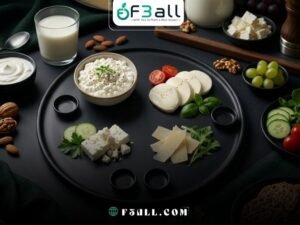
The Best Cheese for Weight Loss changes with the job it must perform. Cottage cheese may suit a high-protein breakfast, part-skim mozzarella can create a portion-controlled snack, Parmesan adds strong flavor in a small amount, and feta can brighten vegetables. Each has different sodium, fat, and serving considerations.
Research does not support treating extra dairy as an independent weight-loss treatment. Energy restriction and sustainable behavior remain central. Cheese can contribute protein and calcium, but it can also be energy dense. The useful question is whether the chosen type and quantity improve the complete eating pattern.
Best Cheese for Weight Loss: Practical Selection Scorecard
Compare cheese across several dimensions instead of chasing one winner.
| Factor | What to look for |
| Calories | Amount in the portion you will actually eat |
| Protein | More protein for a similar calorie level |
| Saturated fat | Lower Percent Daily Value when this is a priority |
| Sodium | Lower milligrams and Percent Daily Value when possible |
| Portion control | Sticks, cups, slices, or weighed servings |
| Flavor | Enough intensity to feel satisfied with a measured amount |
| Tolerance | Lactose, allergy, texture, and digestive response |
The best option balances these factors with taste, budget, availability, and medical needs.
The answer to Best Cheese for Weight Loss depends on this complete scorecard.
Best Cheese for Weight Loss: Cheese Nutrition Facts
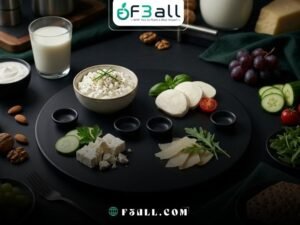
Cheese nutrition facts vary widely because moisture, milk fat, aging, processing, and serving size differ. Most traditional cheese provides protein, fat, calcium, phosphorus, vitamin B12, and sodium, with little carbohydrate. Cottage cheese and ricotta retain more moisture, so their usual serving volumes differ from hard cheese.
USDA FoodData Central provides generic reference values, but branded formulations can change. Check the package for calories, protein, saturated fat, sodium, calcium, serving weight, and ingredients. Compare products by the amount you plan to eat rather than by a misleading visual volume.
Best Cheese for Weight Loss: Calories and Serving Size
Low calorie cheese is meaningful only when serving sizes are comparable. One ounce of sliced cheese, one-half cup of cottage cheese, one-quarter cup of ricotta, and one tablespoon of Parmesan are different portions. A product may display fewer calories simply because its labeled serving is smaller.
Weigh block cheese until an ounce becomes familiar, count slices and sticks, and use a measuring cup for soft varieties. Restaurant portions and handfuls of shredded cheese are hard to estimate. The FDA notes that label serving size reflects typical consumption, not a personalized recommendation.
The answer to Best Cheese for Weight Loss improves with accurate serving awareness.
Read more about:Are Rice Cakes Good for Weight Loss Build Better Snacks
Best Cheese for Weight Loss: High Protein Cheese
High protein cheese can improve meal balance, especially when it replaces a lower-protein topping. Cottage cheese, mozzarella, Swiss, Parmesan, and several reduced-fat varieties can provide meaningful protein, but the exact protein-to-calorie ratio differs.
Protein supports lean tissue during weight loss when overall nutrition and resistance training are appropriate. It may also improve short-term satiety, although no single serving guarantees appetite control. Compare grams of protein for the calories, then consider sodium, saturated fat, taste, and portion. Protein rich foods should come from varied dairy, eggs, seafood, meat, legumes, and soy.
Best Cheese for Weight Loss: Cottage Cheese
Cottage cheese for weight loss is popular because many low-fat versions provide substantial protein for a moderate calorie level. A half-cup serving can work at breakfast, as a snack, or as a creamy topping. Exact calories, protein, fat, and sodium vary significantly across brands.
Choose plain versions, compare sodium, and measure the bowl. Add berries and cinnamon for sweetness or cucumber, tomato, herbs, and pepper for a savory meal. Whipped cottage cheese can replace richer dips, but large portions and sweetened varieties still count toward total intake.
The answer to Best Cheese for Weight Loss often favors measured cottage cheese.
Best Cheese for Weight Loss: Part-Skim Mozzarella
Part-skim mozzarella is a practical option because one measured ounce or string-cheese stick usually provides protein in a portable portion. Its mild flavor works with fruit, tomatoes, salad, eggs, or whole-grain crackers. Label values vary by moisture and brand.
String cheese can slow eating because it is individually wrapped, but packaging does not make multiple sticks free. Compare sodium and saturated fat, and distinguish fresh mozzarella from low-moisture part-skim products. Fresh mozzarella may look lighter yet comes in balls of different sizes, so weigh the portion.
The answer to Best Cheese for Weight Loss may favor part-skim mozzarella.
Read more about:Are Rice Cakes Good for Weight Loss Build Better Snacks
Best Cheese for Weight Loss: Ricotta
Part-skim ricotta adds creaminess to breakfast bowls, toast, pasta, and vegetable dishes. It can provide protein and calcium, but it is usually less protein-dense than cottage cheese. Whole-milk and part-skim varieties also differ in calories and saturated fat.
Measure ricotta rather than spreading from the container. Mix it with lemon, pepper, and herbs for savory meals or berries and cinnamon for a planned sweet snack. When a recipe uses a full tub, calculate the complete dish and divide by the true number of servings.
Best Cheese for Weight Loss: Feta
Feta provides tangy flavor, allowing a small crumble to influence an entire salad, egg dish, or roasted vegetable plate. That flavor efficiency may help portion control. However, feta can contain substantial sodium, so compare brands and use a measured amount.
Do not assume crumbles are low calorie because they look airy. Weigh or measure them, and account for olives, dressing, nuts, and oil in the same meal. Healthy cheese options may include lower-sodium products, while those with medical sodium restrictions need personalized advice.
The answer to Best Cheese for Weight Loss changes with feta portions and sodium.
Best Cheese for Weight Loss: Cheddar
Cheddar offers protein, calcium, and strong flavor, but regular varieties are energy dense and contain saturated fat. A measured ounce can fit many calorie-controlled diets. Reduced-fat cheddar may lower calories or fat, although texture, sodium, and ingredient differences should be checked.
Use a thin slice in a sandwich, grate a small amount over vegetables, or pair a portioned cube with fruit. Avoid eating directly from a block or adding cheese automatically to already rich meals. Strong aged cheddar may deliver enough flavor in a smaller quantity.
The answer to Best Cheese for Weight Loss can include carefully portioned cheddar.
Best Cheese for Weight Loss: Parmesan
Parmesan can add intense savory flavor with a small measured spoonful, which makes it useful for soups, vegetables, salads, eggs, and pasta. It also provides protein and calcium in concentrated form. Sodium can be high, particularly when several spoonfuls are added.
Measure grated Parmesan instead of shaking the container until the surface disappears. Compare real Parmesan with shelf-stable grated blends because ingredients and serving sizes differ. Its advantage comes from flavor efficiency, not a unique effect on metabolism.
Best Cheese for Weight Loss: Low-Fat Cheese
Low fat cheese may reduce calories and saturated fat while retaining protein, but lower fat does not automatically mean lower sodium or better taste. Some products use added starches or gums to improve texture. Read the complete label.
Choose a version you actually enjoy because dissatisfaction can lead to larger portions or extra toppings. Reduced-fat cottage cheese, mozzarella, ricotta, cheddar, and spreadable products vary considerably. Compare them with the regular version using equal serving weights, then decide whether the nutritional difference supports your priorities.
Best Cheese for Weight Loss: Saturated Fat
Cheese can be a significant source of saturated fat. The FDA Daily Value is 20 grams on a 2,000-calorie diet, and public-health guidance recommends limiting saturated fat within a healthy pattern. Check grams and Percent Daily Value per actual serving.
Balance cheese with vegetables, fruit, legumes, whole grains, fish, and plant oils rather than combining it routinely with fatty meats, butter, cream, and fried foods. Lower-fat dairy may be useful for people trying to reduce saturated fat. Medical targets should reflect cardiovascular risk and clinician advice.
The answer to Best Cheese for Weight Loss must consider saturated fat.
Best Cheese for Weight Loss: Sodium
Sodium varies dramatically among cottage cheese, feta, Parmesan, processed slices, mozzarella, Swiss, and reduced-sodium products. Taste alone cannot reliably identify the amount. The FDA considers 5% Daily Value or less per serving low and 20% or more high.
Multiply the label value by the servings eaten and include bread, deli meat, sauces, olives, and packaged snacks. Compare brands within the same cheese type because meaningful differences exist. People with hypertension, kidney disease, heart failure, or prescribed restrictions should follow individualized guidance.
The answer to Best Cheese for Weight Loss must also consider sodium.
Read more about:Are Rice Cakes Good for Weight Loss Build Better Snacks
Best Cheese for Weight Loss: Portion Control
Visual estimates become inaccurate with shredded, crumbled, melted, or spreadable cheese. Use this practical system:
| Cheese form | Portion method |
| Block cheese | Weigh before slicing |
| Pre-sliced cheese | Count slices and confirm label weight |
| Shredded cheese | Measure or weigh before sprinkling |
| Cottage cheese | Use a measuring cup or scale |
| Ricotta | Measure before spreading |
| Parmesan | Use a tablespoon rather than free-pouring |
| String cheese | Count each stick as its labeled serving |
F3all’s weight-loss diet plans provide more portion-planning ideas.
Best Cheese for Weight Loss: Breakfast Ideas
Build breakfast around protein and produce rather than cheese alone. Combine cottage cheese with berries and cinnamon, add part-skim mozzarella to eggs and vegetables, or spread measured ricotta on whole-grain toast with fruit.
Count butter, oil, bread, pastries, processed meat, and sweetened coffee. Cheese may improve satisfaction, but adding it to an already complete breakfast increases calories. When appetite is small, choose one measured cheese serving rather than creating a large board. Best dairy foods for dieting should make the meal more practical and balanced.
Read more about:Are Rice Cakes Good for Weight Loss Build Better Snacks
Best Cheese for Weight Loss: Snack Ideas
Portioned cheese works well with an apple, pear, berries, cucumber, tomatoes, carrots, or peppers. Try string cheese with fruit, cottage cheese with vegetables, or a measured cheddar slice with an apple. These combinations add volume or fiber to the protein.
Crackers, nuts, dried fruit, and dips can be nutritious but energy dense, so select amounts deliberately. Plate the snack instead of eating beside an open refrigerator. Healthy diet foods are useful when they control hunger and fit total needs, not merely because they contain cheese.
The answer to Best Cheese for Weight Loss depends on the full snack.
Best Cheese for Weight Loss: Lunch and Salad Ideas
Add a measured feta crumble to a large vegetable-and-bean salad, use cottage cheese beside soup, place mozzarella with tomato and grilled chicken, or add a thin cheddar slice to a lean sandwich. The cheese should support the plate rather than become its entire foundation.
Salad calories often come from cheese, oil, nuts, croutons, avocado, and creamy dressing together. Choose one or two rich elements, measure them, and include protein and vegetables. Explore F3all’s delicious diet recipes for balanced combinations.
Best Cheese for Weight Loss: Cooking and Melting
Grating cheese finely spreads flavor across vegetables, eggs, soup, potatoes, or pasta. Strong cheeses such as Parmesan, aged cheddar, feta, or blue cheese may deliver more flavor in a smaller amount. Add cheese near the end of cooking and measure before it melts.
Do not treat cheese as the protein source if the portion contributes only a few grams. Add beans, chicken, fish, eggs, tofu, or another suitable protein. Calculate the entire casserole, pizza, or sauce because cheese, oil, cream, crust, and meat can accumulate quickly.
The answer to Best Cheese for Weight Loss changes with the complete recipe.
Best Cheese for Weight Loss: Keto Cheese Options
Keto cheese options include many low-carbohydrate varieties, but low carbohydrate does not mean low calorie. Cheddar, cream cheese, Brie, Gouda, Parmesan, mozzarella, and blue cheese can contain substantial fat and saturated fat. A ketogenic label does not create unlimited portions.
People following ketogenic diets still need nutrient variety, fiber planning, adequate protein, and medical suitability. Cheese-heavy meals may crowd out vegetables and other foods. Compare F3all’s types of diets and consult a clinician when diabetes medicines, kidney disease, pregnancy, or other conditions affect carbohydrate choices.
Best Cheese for Weight Loss: Lactose Intolerance
Lactose intolerance causes digestive symptoms after consuming lactose, but tolerance varies. NIDDK notes that many people can handle some lactose, and hard cheeses such as cheddar or Swiss are often lower in lactose than milk. Cottage cheese and fresh varieties may affect people differently.
Introduce a small portion with a meal and track symptoms, or choose verified lactose-free products. Lactose intolerance is not the same as milk allergy. Persistent pain, vomiting, bleeding, severe diarrhea, or unexplained weight loss needs medical assessment rather than self-diagnosis.
Read more about:Are Rice Cakes Good for Weight Loss Build Better Snacks
Best Cheese for Weight Loss: Milk Allergy and Alternatives
A milk allergy is an immune reaction and requires avoidance based on professional advice; lactose-free dairy still contains milk proteins. Read ingredient and allergen statements, prevent cross-contact, and carry prescribed emergency treatment when applicable.
Plant-based cheese alternatives vary widely. Some provide little protein and rely on coconut oil, starch, and sodium, while fortified products may add calcium or vitamin B12. Vegan labeling does not guarantee lower calories or saturated fat. Compare the Nutrition Facts panel and use tofu, beans, lentils, or fortified soy foods when more protein is needed.
Best Cheese for Weight Loss: Food Safety
Buy refrigerated cheese from a reliable source, check dates and packaging, return it to refrigeration promptly, and use clean utensils. Follow package storage instructions and discard products with unexpected mold, odor, swelling, or contamination concerns. Some intentionally mold-ripened cheeses are different, so follow product-specific guidance.
Pregnant people, adults over 65, and anyone with weakened immunity face greater risk from Listeria. FDA guidance emphasizes pasteurized dairy and specific cautions for soft and queso fresco-type cheeses. High-risk individuals should follow current clinical and food-safety advice rather than general recipe guidance.
Best Cheese for Weight Loss: Reading the Label
Start with serving size, servings per container, and calories. Then compare protein, saturated fat, sodium, calcium, carbohydrate, added sugar when present, and ingredients. For cottage cheese, check whether the label serving matches the bowl you pour. For slices, confirm how many constitute one serving.
Use Percent Daily Value to compare nutrients you want more or less of. Claims such as light, reduced fat, natural, keto, organic, or high protein do not describe the complete nutritional profile. Compare products within the same category using equal weights and actual portions.
The answer to Best Cheese for Weight Loss starts with label comparison.
Best Cheese for Weight Loss: Common Mistakes
Common errors include eating from the block, free-pouring shreds, ignoring cheese during cooking, stacking several dairy foods in one meal, and overlooking sodium. Restaurant salads, pizzas, sandwiches, omelets, and snack boards may contain multiple portions.
Another mistake is choosing fat-free cheese, disliking it, then compensating with sauces or larger servings. Measure the version you enjoy, balance the plate, and track accurately for a short period. Cheese is not a free protein food, and protein content does not cancel its energy.
Best Cheese for Weight Loss: Seven-Day Plan
This example shows varied uses rather than prescribing cheese daily.
| Day | Balanced cheese idea |
| Monday | Cottage cheese, berries, cinnamon |
| Tuesday | String cheese, apple |
| Wednesday | Feta, bean-and-vegetable salad |
| Thursday | Yogurt or a fortified dairy alternative |
| Friday | Mozzarella, tomato, egg plate |
| Saturday | Ricotta, fruit, whole-grain toast |
| Sunday | Parmesan over vegetables and lentil pasta |
Adjust servings for calorie needs, health, culture, and appetite. Include cheese-free meals so dairy does not crowd out other protein and calcium sources.
Read more about:Are Rice Cakes Good for Weight Loss Build Better Snacks
Best Cheese for Weight Loss: Dessert and Drinks
Whipped cottage cheese or ricotta with berries, cocoa, vanilla, or cinnamon can create a planned sweet option. Sweetened cheese cups, cheesecake, cream-cheese frosting, syrups, and chocolate coatings differ greatly from plain cheese. Count the entire recipe.
Use F3all’s healthy diet dessert recipes for measured sweets and healthy drinks for beverage ideas. Sugary coffee, juice, and alcohol can raise meal calories without providing the same fullness as solid foods.
Best Cheese for Weight Loss: Sustainable Habits
The Best Cheese for Weight Loss becomes easier to choose when the overall routine is stable. Plan meals, include varied protein foods, vegetables, fruit, whole grains, and healthy fats, measure energy-dense additions, move regularly, sleep adequately, and manage stress.
Daily scale changes often reflect fluid, sodium, carbohydrate storage, hormones, and digestion rather than immediate fat change. Use multiweek trends and behavior records. Visit the F3all homepage for practical education that supports consistent, flexible weight management.
Best Cheese for Weight Loss: When Progress Slows
A plateau does not prove cheese caused it. Review portions, oils, dressings, beverages, restaurant meals, weekends, activity, sleep, and medicines. Cheese may contribute hidden calories when grated or melted, so measure it during a short, accurate review.
Make one reasonable adjustment and observe the trend rather than banning every dairy food. Replace cheese only if another option provides better satisfaction or nutrition for your needs. Seek professional evaluation for rapid unexplained weight change, swelling, severe fatigue, or other concerning symptoms.
Best Cheese for Weight Loss: Final Decision Framework
Before choosing, identify the meal’s purpose, desired protein, calorie budget, saturated-fat and sodium priorities, lactose tolerance, and realistic portion. Compare labels within the same cheese style.
The Best Cheese for Weight Loss depends on context. Low-fat cottage cheese may win for a high-protein bowl, part-skim mozzarella for portability, Parmesan for concentrated flavor, and a measured regular cheddar serving for satisfaction.
Judge the complete outcome. If the cheese makes vegetables or protein-rich meals enjoyable and the portion fits, it can stay. If it triggers unplanned grazing or displaces more nutritious foods, change the type, package, or environment. No ordinary cheese must be perfect or forbidden.
The answer to Best Cheese for Weight Loss remains personal and contextual.
Read more about:Are Rice Cakes Good for Weight Loss Build Better Snacks
Best Cheese for Weight Loss: Why F3all Is Your Best Choice

At F3all, we compare calories, protein, fat, sodium, serving sizes, and real meal uses without selling a miracle cheese diet. Readers receive practical recipes, honest tradeoffs, responsible safety cautions, and flexible strategies that can fit daily life.
Learn more about F3all. Educational content supports informed choices but cannot diagnose lactose intolerance, milk allergy, cardiovascular disease, or kidney disease. It also cannot replace individualized care from a physician or registered dietitian.
Frequently Asked Questions About Best Cheese for Weight Loss
1. What is the Best Cheese for Weight Loss every day?
The Best Cheese for Weight Loss every day may be low-fat cottage cheese, part-skim mozzarella, or another measured option fitting calorie, protein, saturated-fat, and sodium goals. Daily cheese is unnecessary. Rotate dairy with eggs, fish, legumes, tofu, and other proteins.
2. Is cottage cheese good for losing weight?
Cottage cheese can provide substantial protein for moderate calories, but it does not burn fat. Compare sodium and serving size, choose plain versions, and add produce. Measure the bowl and calorie-dense toppings.
3. Is mozzarella better than cheddar for dieting?
Part-skim mozzarella may provide fewer calories or less saturated fat, while cheddar can deliver stronger flavor. Compare equal weights, protein, saturated fat, sodium, and satisfaction. Choose the portion supporting the complete meal.
4. Is low-fat cheese always the Best Cheese for Weight Loss?
Low-fat cheese may reduce calories and saturated fat, but it is not always the Best Cheese for Weight Loss. Sodium, protein, ingredients, taste, and portion matter too. Compare labels and choose the satisfying measured option.
5. How much cheese can I eat while losing weight?
There is no universal amount. Begin with the labeled serving, measure it, and assess daily calories, saturated fat, sodium, and protein. A dietitian can personalize portions for medical conditions or specific targets.
6. Is feta the Best Cheese for Weight Loss?
Feta’s tangy flavor can influence a dish in a small portion, but sodium may be substantial. Measure crumbles and count dressing, olives, oil, and nuts. It is one option, not a fat-burning food or universal winner.
7. What cheese has the most protein for the calories?
Low-fat cottage cheese and some reduced-fat mozzarella products often provide strong protein-to-calorie ratios. Compare equal servings for protein, calories, sodium, saturated fat, taste, price, and intended use.
8. Can I eat cheese on a low-carbohydrate diet?
Many cheeses contain little carbohydrate, making them common keto cheese options. Low carbohydrate does not mean low calorie, sodium, or saturated fat. Measure portions, include fiber and varied proteins, and obtain medical guidance when needed.
9. Is the Best Cheese for Weight Loss safe with lactose intolerance?
The Best Cheese for Weight Loss with lactose intolerance depends on tolerance. Hard cheeses such as cheddar and Swiss are often lower in lactose, and lactose-free products are available. Milk allergy is different and needs separate guidance.
10. Can cheese help me feel full?
Cheese provides protein and fat that may support satisfaction, but responses differ. Research does not guarantee reduced appetite or weight loss. Pair a measured portion with produce or whole grains and assess real hunger.
In the End
The Best Cheese for Weight Loss is not magical. Cottage cheese may offer protein efficiency, part-skim mozzarella convenient portions, and feta or Parmesan strong flavor. Cheddar and ricotta can also fit when measured.
Compare calories, protein, saturated fat, sodium, calcium, ingredients, and taste. Use cheese to improve balanced meals alongside produce, whole grains, legumes, and varied proteins.
The strongest plan creates an appropriate calorie deficit while remaining satisfying. At F3all, practical evidence matters more than low-fat or keto labels.
Use the label, measure the serving before eating, and notice whether the meal remains satisfying. A suitable choice should complement vegetables, fruit, whole grains, or lean protein without hiding excessive calories in oil, sauces, bread, or processed meat. Consistency across weeks matters more than one perfect selection.
References