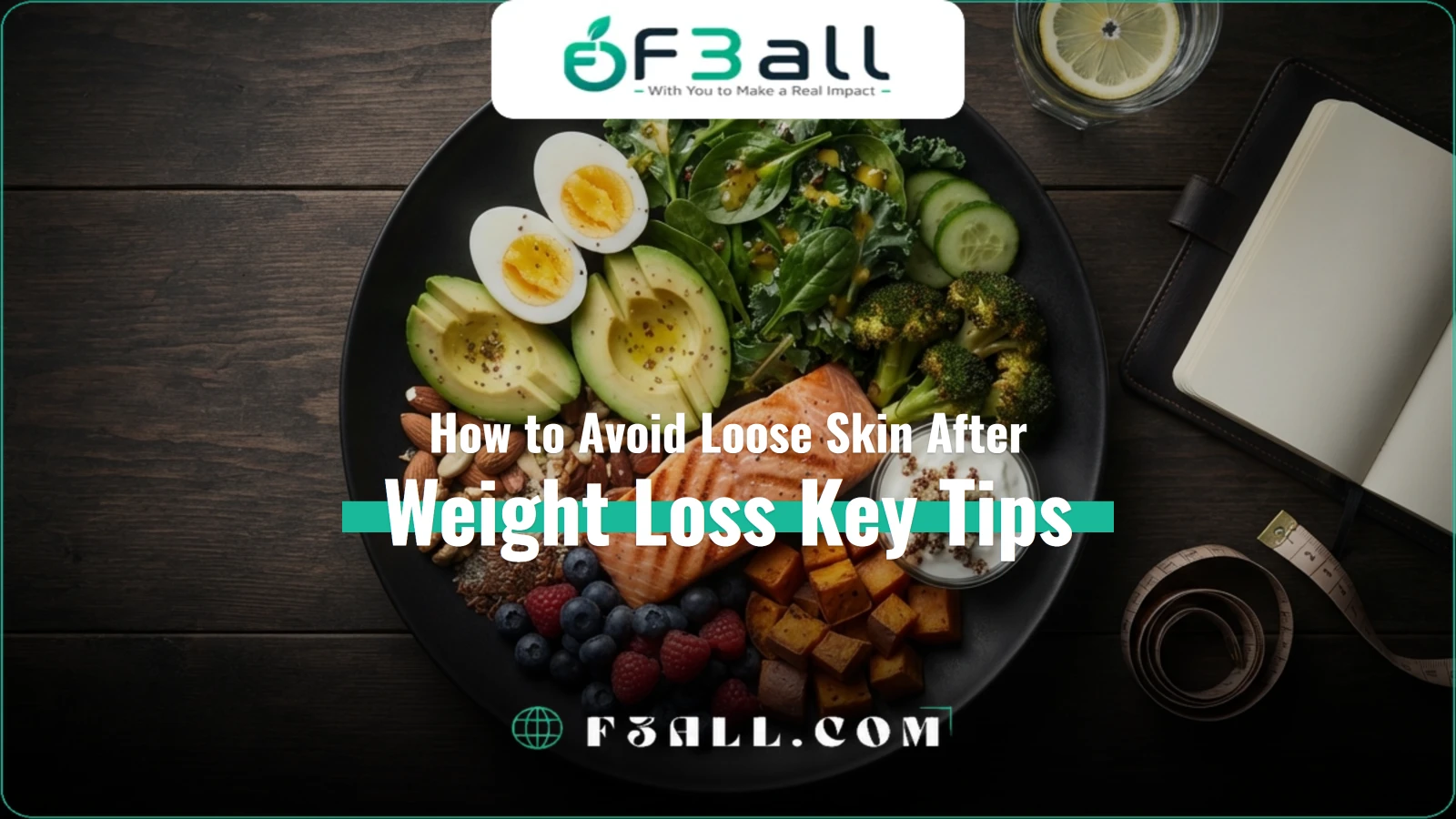
How to Avoid Loose Skin After Weight Loss | Key Tips
How to Avoid Loose Skin After Weight Loss is a common concern, especially when someone expects to lose a substantial amount of body weight. Skin can stretch as body size increases, but it does not always contract completely after the underlying fat decreases. Age, genetics, the amount of weight lost, how long the skin remained stretched, smoking, sun exposure, pregnancy, and individual skin elasticity can all influence the final result.
No food, exercise, cream, supplement, or specific weight-loss speed can guarantee that excess skin will be prevented. A practical approach focuses instead on sustainable weight reduction, adequate nutrition, resistance training, avoiding smoking, protecting the skin from excessive sun exposure, and maintaining realistic expectations about what lifestyle changes can and cannot accomplish.
How to Avoid Loose Skin After Weight Loss

The most important thing to understand about How to Avoid Loose Skin After Weight Loss is that prevention is not completely within your control. Someone who loses a smaller amount of weight may experience almost no sagging, while another person undergoing major weight loss may have excess skin despite doing everything carefully.
The goal should therefore be to minimize avoidable factors while protecting muscle, nutrition, and general skin health throughout the process.
| Factor | What You Can Do | Can It Guarantee No Loose Skin? |
| Weight-loss pace | Use a sustainable approach | No |
| Protein intake | Eat adequate protein | No |
| Strength training | Maintain or build muscle | No |
| Hydration | Stay normally hydrated | No |
| Smoking | Avoid or stop smoking | No |
| Sun exposure | Protect skin from excessive UV | No |
| Healthy diet | Meet nutritional needs | No |
| Genetics and age | Cannot be changed | No |
A Practical Prevention Framework
Focus on:
- Losing weight at a sustainable pace.
- Eating enough protein.
- Maintaining resistance training.
- Avoiding crash diets.
- Staying normally hydrated.
- Eating a varied, nutrient-dense diet.
- Avoiding smoking.
- Protecting skin from excessive UV exposure.
- Maintaining your weight after reaching your target.
- Giving your body time before judging the final skin appearance.
How to Avoid Loose Skin After Weight Loss is therefore better approached as risk reduction rather than a promise that loose skin can always be prevented.
Why Loose Skin Happens During Weight Loss

Skin stretches to accommodate changes in body size. After significant fat loss, the skin may not completely contract around the smaller body underneath it.
The larger and longer-lasting the previous stretch, the greater the chance that some excess skin will remain.
| Factor | Potential Effect on Loose Skin |
| Large amount of weight lost | Greater chance of excess skin |
| Many years at a higher weight | Skin has been stretched longer |
| Older age | Skin elasticity naturally changes |
| Genetics | Elasticity differs between individuals |
| Pregnancy | Can increase abdominal skin stretching |
| Smoking | Can negatively affect skin quality |
| Extensive sun exposure | Can contribute to skin aging |
| Repeated weight cycling | Repeated stretching may affect appearance |
The abdomen, upper arms, inner thighs, chest, breasts, and buttocks are common areas where loose skin may become visible after significant weight loss.
Understanding these factors prevents How to Avoid Loose Skin After Weight Loss from becoming an unrealistic search for one miracle method.
Slow Weight Loss and Loose Skin

Slow weight loss and loose skin are frequently discussed together, but gradual weight loss does not guarantee tight skin. Someone who loses a large amount of weight slowly can still have substantial excess skin.
A sustainable pace is useful for other important reasons. It may make it easier to maintain adequate nutrition, exercise consistently, preserve muscle, and establish habits that continue after the diet ends.
| Weight-Loss Approach | Main Concern | Better Perspective |
| Extreme crash dieting | Hard to sustain and nutritionally restrictive | Use a structured plan |
| Rapid uncontrolled loss | May compromise nutrition and muscle | Seek appropriate guidance |
| Gradual sustainable loss | Easier to build lasting habits | Often more practical |
| Repeated dieting cycles | Weight repeatedly rises and falls | Build maintainable habits |
What Gradual Weight Loss Can Help With
A sustainable approach may make it easier to:
- Consume adequate protein.
- Eat enough vegetables and fruit.
- Continue strength training.
- Protect lean body mass.
- Avoid severe dietary restriction.
- Maintain the result afterward.
For structured approaches, explore Weight Loss Diet Plans.
How to Avoid Loose Skin After Weight Loss should never become a reason to deliberately make healthy progress unnecessarily slow, but extreme crash dieting is not the answer either.
Protein for Skin After Weight Loss
Protein is important during weight loss because it provides amino acids used throughout the body and helps support muscle retention when combined with appropriate exercise.
However, protein does not directly shrink excess skin. Eating enormous amounts of protein will not make hanging skin disappear.
A practical diet can include a range of protein-rich foods.
| Protein Food | Weight | Carbs | Calories From Carbs | Protein | Total Calories |
| Chicken breast, cooked | 120 g | 0 g | 0 kcal | About 37 g | About 198 kcal |
| Tuna in water | 100 g | 0 g | 0 kcal | About 25.5 g | About 116 kcal |
| Greek yogurt, nonfat | 170 g | About 6 g | 24 kcal | About 17 g | About 100 kcal |
| Eggs | 100 g | About 0.7 g | 3 kcal | About 12.6 g | About 143 kcal |
| Lentils, cooked | 150 g | About 30.2 g | 121 kcal | About 13.5 g | About 174 kcal |
| Firm tofu | 100 g | About 2.8 g | 11 kcal | About 17 g | About 144 kcal |
Calories From Carbs are estimated using approximately 4 calories per gram of carbohydrate. Exact food values can vary according to brand and preparation.
Including useful protein portions makes How to Avoid Loose Skin After Weight Loss more focused on preserving body composition rather than simply making the scale fall as quickly as possible.
Build Balanced Meals During Weight Loss
Prevent loose skin during weight loss advice sometimes becomes so focused on collagen or supplements that basic nutrition is forgotten. A balanced diet matters more than any single “skin food.”
Meals can combine protein, vegetables, a measured carbohydrate source, and a controlled fat portion.
| Ingredient | Weight | Carbs | Calories From Carbs | Protein | Total Calories |
| Chicken breast | 120 g | 0 g | 0 kcal | About 37 g | About 198 kcal |
| Brown rice, cooked | 100 g | 25.6 g | 102 kcal | About 2.7 g | About 123 kcal |
| Broccoli | 150 g | About 10.8 g | 43 kcal | About 3.6 g | About 53 kcal |
| Bell pepper | 100 g | About 6 g | 24 kcal | About 1 g | About 31 kcal |
| Olive oil | 5 g | 0 g | 0 kcal | 0 g | About 44 kcal |
| Total | 475 g | About 42.4 g | 170 kcal | About 44 g | About 449 kcal |
A Good Meal Building Order Is
- Choose your main protein.
- Add 200–300 g vegetables when appropriate.
- Add a measured whole-food carbohydrate.
- Measure cooking oil and other fats.
- Add fruit, yogurt, or another food according to the meal.
Readers looking for practical combinations can explore Delicious Diet Recipes.
How to Avoid Loose Skin After Weight Loss should never require nutritional deprivation when balanced meals can support a more sustainable reduction in body weight.
Read more about: Discover How to Avoid Flabby Skin After Weight Loss | F3all
Strength Training for Loose Skin
Strength training for loose skin is useful, but its effect needs to be understood correctly. Resistance exercise can maintain or increase muscle underneath the skin, improving body shape and helping prevent unnecessary muscle loss during dieting.
It cannot remove excess skin.
| Strength-Training Benefit | Realistic Effect |
| Preserves muscle | Helps maintain lean tissue |
| Builds muscle | May improve body contours |
| Improves strength | Supports function |
| Improves body composition | May create a firmer appearance |
| Removes excess skin | No |
| Replaces skin-removal surgery | No |
What Strength Training Can and Cannot Do
Strength training can:
- Maintain muscle during weight loss.
- Build shoulders, arms, legs, and glutes.
- Improve overall body composition.
- Make some areas look fuller beneath the skin.
- Support long-term weight management.
Strength training cannot:
- Remove large abdominal skin folds.
- Restore severely stretched skin completely.
- Spot-tighten the skin around one body part.
- Guarantee that sagging will not develop.
This distinction makes strength training one of the most practical parts of How to Avoid Loose Skin After Weight Loss without overstating what exercise can accomplish.
A Simple Strength Training Structure
You do not need to train every day. A consistent resistance program that covers the major muscle groups can be more useful than extreme exercise sessions that are impossible to maintain.
| Training Area | Example Movements |
| Legs | Squats, leg press, lunges |
| Hips | Hip thrusts, deadlift variations |
| Back | Rows, pulldowns |
| Chest | Presses, push-ups |
| Shoulders | Shoulder presses |
| Arms | Curls, extensions |
| Core | Bracing and controlled trunk exercises |
A practical routine may include two or three full-body strength sessions per week depending on experience, recovery, and health status.
Combined with sufficient protein and sustainable calorie control, resistance training supports the body underneath the skin even though it cannot eliminate genuine excess tissue.
Hydration and Loose Skin
Hydration and loose skin are often linked by exaggerated claims. Normal hydration supports healthy body function and can affect how dry or hydrated the skin appears, but drinking several extra liters of water will not force excess skin to shrink.
| Hydration Claim | Realistic Answer |
| Water supports normal hydration | Yes |
| Dehydration can make skin appear dry | Yes |
| Extra water removes excess skin | No |
| Water restores lost elasticity completely | No |
| Drinking more water prevents all sagging | No |
A Better Hydration Approach
- Drink regularly throughout the day.
- Increase fluids when exercise, heat, or personal needs justify it.
- Use water as a main beverage.
- Avoid relying heavily on sugary drinks for hydration.
- Do not force excessive water intake hoping to tighten skin.
How to Avoid Loose Skin After Weight Loss includes adequate hydration because it supports health, not because water acts as a skin-tightening treatment.
Healthy Fats and Skin Nutrition
Dietary fat is necessary for normal nutrition, and foods such as olive oil, nuts, seeds, avocado, and fish can fit into a healthy diet.
However, healthy fat is still calorie-dense, which matters during weight loss.
| Food | Weight | Carbs | Calories From Carbs | Total Calories |
| Olive oil | 5 g | 0 g | 0 kcal | About 44 kcal |
| Olive oil | 15 g | 0 g | 0 kcal | About 133 kcal |
| Avocado | 50 g | About 4.3 g | 17 kcal | About 80 kcal |
| Almonds | 20 g | About 4.3 g | 17 kcal | About 116 kcal |
| Chia seeds | 10 g | About 4.2 g | 17 kcal | About 49 kcal |
| Salmon, cooked | 100 g | 0 g | 0 kcal | About 206 kcal |
A nutrient-dense diet can support general skin health, but no amount of olive oil, nuts, or avocado can guarantee the prevention of loose skin.
How to Avoid Loose Skin After Weight Loss works best when nutrient quality and calorie awareness remain balanced.
Vitamin-Rich Foods and Skin Health
Fruit and vegetables provide vitamin C, carotenoids, folate, potassium, fiber, and many other nutrients. A varied diet makes more sense than searching for one food advertised as a “skin-tightening” ingredient.
| Food | Weight | Carbs | Calories From Carbs | Total Calories |
| Strawberries | 150 g | 11.6 g | 46 kcal | 48 kcal |
| Orange | 150 g | About 17.7 g | 71 kcal | About 71 kcal |
| Red bell pepper | 100 g | About 6 g | 24 kcal | About 31 kcal |
| Broccoli | 150 g | About 10.8 g | 43 kcal | About 53 kcal |
| Kiwi | 100 g | About 14.7 g | 59 kcal | About 61 kcal |
A Practical Nutrition Pattern Includes
- Lean and plant-based protein sources.
- Several types of vegetables.
- Whole fruit.
- Whole grains or legumes when appropriate.
- Measured healthy fats.
- Adequate total food intake.
Nutrition supports tissue health, but it should not be marketed as a guaranteed method for How to Avoid Loose Skin After Weight Loss.
Smoking and Skin Elasticity
Smoking is one modifiable factor worth addressing because it can contribute to premature skin aging and changes in skin firmness.
If you smoke, stopping can benefit far more than appearance alone.
| Habit | Better Direction |
| Smoking | Work toward stopping |
| Excessive sun exposure | Use protection |
| Indoor tanning | Avoid |
| Poor diet | Increase nutrient variety |
| Repeated crash diets | Use sustainable habits |
If stopping smoking is difficult, professional cessation support can make the process more manageable.
How to Avoid Loose Skin After Weight Loss should prioritize habits that improve overall health even when they cannot guarantee the final appearance of the skin.
Read more about: How Much Weight Loss Causes Loose Skin | Full Guide
Sun Protection and Skin Elasticity
Excessive ultraviolet exposure contributes to skin aging. Protecting skin from the sun is therefore a reasonable long-term skin-health habit during and after weight loss.
Useful habits include:
- Avoiding intentional tanning.
- Using protective clothing when appropriate.
- Seeking shade during intense sun exposure.
- Using appropriate broad-spectrum sunscreen.
- Avoiding tanning beds.
Sun protection will not tighten already stretched abdominal skin, but it helps protect the skin you have from additional avoidable damage.
This makes sun protection a sensible part of How to Avoid Loose Skin After Weight Loss without turning sunscreen into a weight-loss treatment.
Collagen After Weight Loss
Collagen after weight loss has become heavily marketed. Some research has examined collagen peptides and certain measures of skin hydration or elasticity, but this should not be confused with evidence that collagen supplements prevent or remove major excess skin following substantial weight reduction.
Someone with large folds of skin after losing a major amount of weight should not expect collagen powder to make that tissue disappear.
Be Careful With Claims Such As
- Prevents all loose skin.
- Tightens major abdominal folds.
- Restores stretched skin in weeks.
- Replaces body-contouring procedures.
- Guarantees elasticity after losing weight.
If you choose to use collagen, view it as an optional dietary supplement rather than the foundation of How to Avoid Loose Skin After Weight Loss.
Do Skin-Tightening Creams Prevent Sagging?
Moisturizers and skin-care products can improve surface hydration, dryness, and how the skin feels. They cannot remove large quantities of genuine excess skin.
| Product or Habit | What It May Help | What It Cannot Reliably Do |
| Moisturizer | Dryness and surface feel | Remove excess skin |
| Sunscreen | Protect from UV damage | Tighten major folds |
| Retinoid-type skin care | Certain skin-aging concerns | Remove hanging body skin |
| Massage | Temporary feel or comfort | Shrink excess tissue |
| Firming creams | Temporary cosmetic appearance | Replace surgery |
Skin care still has value, but realistic expectations are essential.
How to Avoid Loose Skin After Weight Loss becomes much less confusing once skin care and actual excess-skin removal are treated as different issues.
Avoid Repeated Crash Diets
Weight cycling means repeatedly losing and regaining weight. Although individual skin responses vary, repeatedly stretching the body in different directions is not an ideal strategy for body composition or long-term weight management.
A better plan focuses on achieving a maintainable weight and then keeping your routine reasonably stable.
Long-Term Weight Habits Include
- Consistent meal structure.
- Regular protein intake.
- Vegetables and whole foods.
- Measured calorie-dense ingredients.
- Regular physical activity.
- Strength training.
- Sleep consistency.
- Monitoring major weight regain early.
Readers can explore broader strategies through Weight Loss.
Preventing repeated large regain is a more practical long-term goal than repeatedly asking How to Avoid Loose Skin After Weight Loss after every new dieting cycle.
Give Your Skin Time After Weight Loss
Do not assume the appearance you see immediately after reaching your target weight is necessarily the final appearance.
Some mild looseness may look different after weight has remained stable for a period of time, particularly after smaller losses and in people with better elasticity.
| Situation | What to Expect |
| Small amount of loose skin | May improve somewhat |
| Younger age | Often better natural elasticity |
| Major hanging skin | Less likely to disappear completely |
| Weight still changing | Final appearance unclear |
| Stable weight | Easier to assess true excess skin |
Weight stability is particularly important before considering invasive body-contouring procedures.
Patience is therefore an often-overlooked part of How to Avoid Loose Skin After Weight Loss, even though time cannot guarantee complete skin tightening.
Loose Skin or Remaining Body Fat?
Sometimes what appears to be loose skin is actually a combination of skin and remaining subcutaneous fat.
Loose skin is generally thinner and more easily folded, while tissue containing substantial fat tends to feel thicker.
| Feature | Loose Skin | Remaining Fat |
| Thickness | Often thin | Usually thicker |
| Texture | May look wrinkled | Usually fuller |
| Folding | Thin folds possible | More tissue inside fold |
| Further fat loss | May remain | Can decrease |
It is common to have both at the same time.
If distinguishing between them would affect treatment decisions, a qualified healthcare professional can provide a more reliable assessment.
Read more about: Tighten Skin After Weight Loss Complete Practical Guide
When Loose Skin Needs Medical Attention
Loose skin is often an appearance concern, but substantial folds can sometimes create physical problems.
These may include:
- Chafing.
- Recurrent rashes.
- Moisture trapped in folds.
- Skin infections.
- Difficulty exercising comfortably.
- Difficulty finding comfortable clothing.
- Skin breakdown.
Persistent irritation, infection, pain, or skin breakdown deserves medical assessment.
How to Avoid Loose Skin After Weight Loss cannot always prevent these problems when major excess tissue is already present.
When Body Contouring May Be Considered
If significant excess skin remains after major weight loss, lifestyle changes may not be able to remove it. Body-contouring procedures can physically remove excess skin in selected patients.
Areas commonly treated include:
- Abdomen.
- Upper arms.
- Thighs.
- Chest or breasts.
- Buttocks.
- Lower body.
An Evaluation May Be Considered When
- Significant weight loss is complete.
- Body weight has become relatively stable.
- Excess skin causes recurring irritation.
- Large folds affect comfort or movement.
- The person understands surgical risks and scarring.
- Lifestyle methods cannot address the excess tissue.
A qualified plastic surgeon can explain appropriate options and realistic expectations.
Surgery is not part of preventing loose skin during weight loss, but it can be relevant when How to Avoid Loose Skin After Weight Loss has reached the limits of what lifestyle measures can achieve.
Common Mistakes When Trying to Prevent Loose Skin
Advice about minimizing loose skin after weight loss is full of exaggerated claims. Avoiding these mistakes can save money and prevent unnecessary dietary restrictions.
Common Mistakes Include
- Believing slow weight loss guarantees tight skin.
- Drinking excessive amounts of water to tighten skin.
- Taking very high protein amounts specifically to shrink skin.
- Relying on collagen powder as a treatment.
- Buying expensive tightening creams expecting major results.
- Avoiding necessary weight loss because of skin concerns.
- Doing endless abdominal exercises to remove abdominal skin.
- Ignoring resistance training.
- Smoking while spending heavily on skin supplements.
- Judging the final result before body weight stabilizes.
The most useful How to Avoid Loose Skin After Weight Loss strategy separates reasonable health habits from promises that biology cannot guarantee.
A Simple Weight-Loss Skin Support Plan
A structured plan can keep the major priorities easy to remember.
| Area | Practical Action |
| Weight loss | Choose a sustainable approach |
| Protein | Include reliable sources regularly |
| Vegetables and fruit | Eat a varied selection |
| Strength | Train consistently |
| Movement | Stay physically active |
| Hydration | Meet normal fluid needs |
| Smoking | Avoid or seek support to stop |
| Sun | Protect skin from excessive UV |
| Maintenance | Avoid substantial regain |
| Expectations | Accept that some factors cannot be controlled |
Weekly Checklist
Ask yourself:
- Did I follow a sustainable eating plan?
- Did I include protein in my main meals?
- Did I complete my planned strength sessions?
- Did I eat a variety of vegetables and fruit?
- Did I remain normally hydrated?
- Did I avoid crash-diet behavior?
- Am I protecting my long-term health rather than chasing a quick visual result?
This kind of routine makes How to Avoid Loose Skin After Weight Loss practical rather than dependent on one supplement, cream, or food.
Why F3all Is Your Best Choice

At F3all, How to Avoid Loose Skin After Weight Loss is approached through realistic nutrition, sustainable weight reduction, muscle preservation, and evidence-based expectations rather than miracle skin-tightening promises.
F3all focuses on:
- Sustainable weight-loss habits.
- Practical food portions.
- Protein and muscle preservation.
- Strength training.
- Balanced nutrition.
- Long-term weight maintenance.
- Realistic skin expectations.
- Clear explanations without exaggerated claims.
Readers can explore additional guidance through Weight Loss, Weight Loss Diet Plans, Delicious Diet Recipes, and Healthy Drinks.
The goal is to make How to Avoid Loose Skin After Weight Loss easier to understand while keeping the priority on health, body composition, and sustainable progress.
Frequently Asked Questions
Can you completely prevent loose skin after weight loss?
No method can guarantee complete prevention.
How to Avoid Loose Skin After Weight Loss depends partly on factors you cannot control, including genetics, age, previous body size, and how long the skin was stretched.
Sustainable weight loss, good nutrition, strength training, smoking avoidance, and skin protection are reasonable strategies, but they cannot guarantee tight skin.
Does slow weight loss prevent loose skin?
Slow or gradual weight loss does not guarantee that loose skin will be prevented.
It can make it easier to maintain adequate nutrition, preserve muscle, exercise consistently, and establish sustainable habits, which are valuable independently of skin appearance.
Does protein prevent loose skin after weight loss?
Protein supports normal tissue maintenance and helps preserve muscle during weight loss, especially when combined with resistance training.
However, eating more protein cannot physically remove or guarantee prevention of excess skin.
Protein should be part of How to Avoid Loose Skin After Weight Loss for overall nutrition and body composition, not treated as a skin-tightening treatment.
Does strength training tighten loose skin?
Strength training cannot directly tighten or remove excess skin.
It can build and preserve muscle underneath the skin, which may improve body shape and make some areas appear firmer.
Resistance exercise is therefore useful even though it cannot eliminate significant excess tissue.
Does drinking water prevent sagging skin?
Adequate hydration supports normal skin and body function, but extra water does not prevent or remove major loose skin.
Drink according to normal hydration needs rather than forcing excessive water intake for skin tightening.
Does collagen prevent loose skin after weight loss?
Collagen supplements should not be expected to prevent all loose skin or remove significant excess tissue.
Some research has examined collagen supplements for certain skin characteristics, but that is very different from proving that they prevent excess skin after major weight loss.
Can creams prevent loose skin while losing weight?
Creams and moisturizers can improve skin hydration and surface appearance, but they cannot guarantee prevention of sagging or remove large skin folds.
Skin care can complement How to Avoid Loose Skin After Weight Loss but should not replace realistic expectations.
Does rapid weight loss always cause loose skin?
No. Rapid weight loss does not automatically mean someone will develop significant excess skin.
The amount of weight lost, age, genetics, duration of obesity, previous stretching, and other factors also matter.
Weight-loss speed should be chosen primarily for safety, nutrition, and sustainability.
Can loose skin tighten naturally after weight loss?
Some mild looseness may improve after weight stabilizes, particularly after smaller losses and in people with good skin elasticity.
Large folds after major weight loss are less likely to disappear completely on their own.
When should I see a doctor about loose skin?
Seek medical advice if excess skin causes persistent rashes, infection, skin breakdown, pain, difficulty exercising, or other physical problems.
You may also consider a professional consultation after major weight loss if substantial excess skin remains and you want to understand treatment options.
In the End
How to Avoid Loose Skin After Weight Loss does not have a guaranteed formula. Sustainable weight reduction, adequate protein, balanced nutrition, resistance training, normal hydration, smoking avoidance, sun protection, and stable long-term habits can support your health and body composition, but genetics, age, previous skin stretching, and the amount of weight lost still influence the final result.
Approach How to Avoid Loose Skin After Weight Loss by protecting the body during the weight-loss process rather than chasing miracle treatments. Build muscle, eat adequately, avoid crash dieting, maintain your result, and allow time after reaching a stable weight. If substantial excess skin remains or causes medical problems, professional evaluation can provide options that lifestyle changes cannot.
References