Is Peanut Butter Good for Weight Loss | Portion Guide
Is Peanut Butter Good for Weight Loss depends on something much less exciting than whether peanut butter is labeled healthy: the amount on your spoon. Peanut butter provides protein, mostly unsaturated fats, and several useful micronutrients, but it packs a considerable number of calories into a very small serving. A generous spoonful can easily contain twice the calories you thought you were eating.
That does not mean peanut butter belongs on a forbidden-food list. A measured 10–20 g serving can add flavor and satisfaction to oatmeal, yogurt, fruit, or toast while remaining compatible with a calorie deficit. The key is treating peanut butter as a calorie-dense ingredient rather than an unlimited protein food.
Is Peanut Butter Good for Weight Loss
Yes, peanut butter can be part of an effective weight-loss diet. It does not directly cause fat loss, but its combination of fat, protein, and flavor can make certain meals more enjoyable and easier to maintain.
The main challenge is calorie density.
| Peanut Butter Portion | Carbs | Calories From Carbs | Protein | Fat | Total Calories |
| 5 g | About 1 g | 4 kcal | About 1.3 g | About 2.5 g | About 29 kcal |
| 10 g | About 2 g | 8 kcal | About 2.5 g | About 5 g | About 59 kcal |
| 15 g | About 3 g | 12 kcal | About 3.8 g | About 7.5 g | About 88 kcal |
| 20 g | About 4 g | 16 kcal | About 5 g | About 10 g | About 118 kcal |
| 30 g | About 6 g | 24 kcal | About 7.5 g | About 15 g | About 176 kcal |
Calories From Carbs are estimated using approximately 4 calories per gram of carbohydrate. Exact values vary between brands and formulations.
The difference between 10 g and 30 g is only a few spoonfuls visually, yet it adds well over 100 extra calories.
That serving-size issue is central to understanding Is Peanut Butter Good for Weight Loss.
The Peanut Butter Portion Reality Check
Peanut butter is one of those foods where using a kitchen scale can be surprisingly educational.
A teaspoon scraped thinly across toast may contain around 5–7 g. A rounded tablespoon may contain 20 g or more. A large spoon eaten directly from the jar can easily approach 30–40 g.
| What the Portion Looks Like | Approx. Weight | Approx. Calories |
| Thin teaspoon | 5 g | 29 kcal |
| Level small spoon | 10 g | 59 kcal |
| Measured tablespoon-style portion | 15 g | 88 kcal |
| Generous spoonful | 25 g | About 147 kcal |
| 2 generous spoonfuls | 40 g | About 235 kcal |
Someone planning for 90 calories but eating 30–40 g may unintentionally consume an additional 90–145 calories.
Over time, those small differences can matter more than whether the peanut butter is marketed as natural, organic, or high protein.
Peanut Butter Protein Is Useful but Easy to Overestimate
Peanut butter protein is often one of the main reasons people choose it during weight loss. Peanut butter does contain protein, but it is not especially protein-dense compared with foods such as Greek yogurt, chicken, tuna, cottage cheese, or egg whites.
Compare roughly similar calorie amounts.
| Food | Portion | Protein | Total Calories |
| Peanut butter | 30 g | About 7.5 g | About 176 kcal |
| Nonfat Greek yogurt | 170 g | About 17 g | About 100 kcal |
| Tuna in water | 100 g | About 25.5 g | About 116 kcal |
| Egg whites | 100 g | About 10.9 g | About 52 kcal |
| Cottage cheese, low fat | 150 g | About 18 g | About 123 kcal |
Peanut butter can contribute to daily protein intake, but it should usually be viewed primarily as a fat-rich food with some protein rather than a dedicated protein source.
Use Peanut Butter to Complement Protein
A stronger combination would be:
- Greek yogurt plus 10–15 g peanut butter.
- Cottage cheese plus peanut butter and fruit.
- Oatmeal plus yogurt and 10 g peanut butter.
- Toast plus eggs with a thin layer of peanut butter on the side.
This approach allows peanut butter to improve flavor without forcing it to provide all the meal’s protein.
Peanut Butter Healthy Fats Still Have Calories
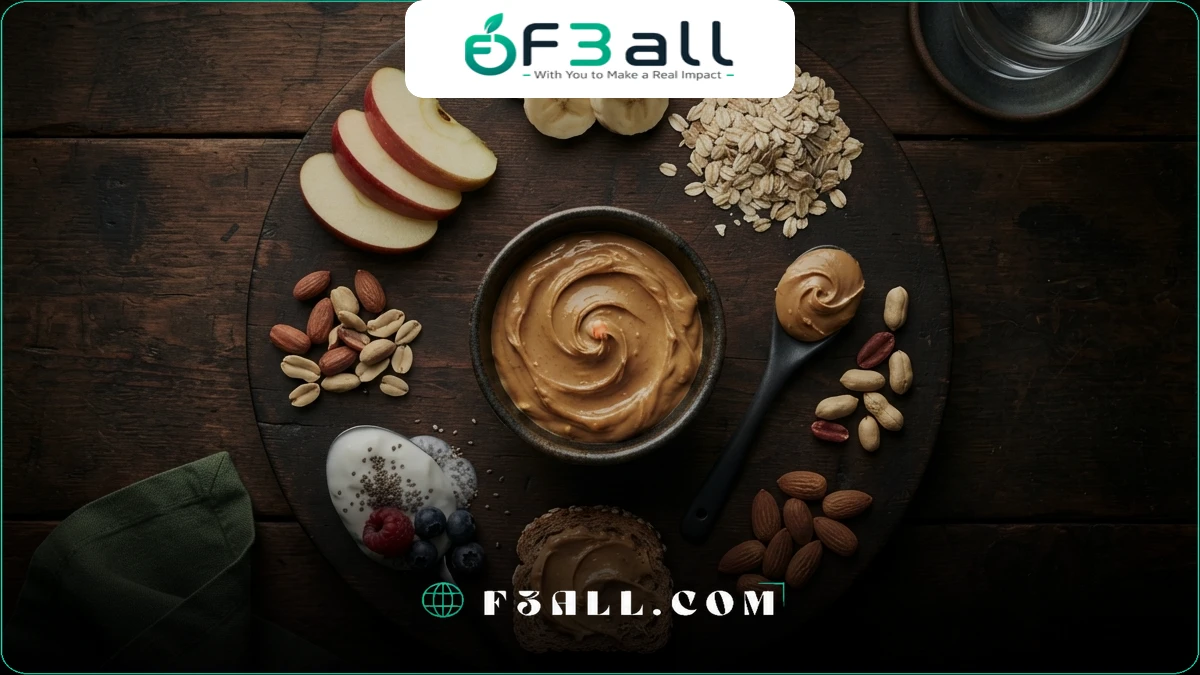
Most of the calories in peanut butter come from fat. Much of that fat is unsaturated, which can fit comfortably into a balanced diet.
However, healthy fats are still energy-dense.
Fat provides approximately 9 calories per gram, which is more than twice the energy density of protein or carbohydrate.
This explains why a fairly small peanut butter portion can contain close to 200 calories.
| Food | Portion | Approx. Fat | Approx. Calories |
| Peanut butter | 15 g | 7.5 g | 88 kcal |
| Peanut butter | 30 g | 15 g | 176 kcal |
| Almonds | 30 g | About 15 g | 174 kcal |
| Avocado | 50 g | About 7.4 g | 80 kcal |
| Olive oil | 15 g | 15 g | 133 kcal |
These foods can all fit into weight loss. They simply need more deliberate portions than low-calorie vegetables or fruit.
This is why Is Peanut Butter Good for Weight Loss is better answered with grams than with labels such as healthy or unhealthy.
Read more about: Is Honey Good for Weight Loss | Smart Portion Guide
Peanut Butter in a Calorie Deficit
Peanut butter in calorie deficit eating works when you budget for it.
Imagine that your breakfast normally contains yogurt, fruit, and oats. Adding 10 g peanut butter adds about 59 calories. Adding 30 g adds roughly 176 calories.
Both versions can potentially fit, but they create very different meals.
| Breakfast Ingredient | Weight | Approx. Calories |
| Greek yogurt | 170 g | 100 kcal |
| Strawberries | 100 g | 32 kcal |
| Dry oats | 30 g | 114 kcal |
| Peanut butter | 10 g | 59 kcal |
| Total | 310 g | About 305 kcal |
Now increase the peanut butter to 30 g:
| Breakfast Ingredient | Weight | Approx. Calories |
| Greek yogurt | 170 g | 100 kcal |
| Strawberries | 100 g | 32 kcal |
| Dry oats | 30 g | 114 kcal |
| Peanut butter | 30 g | 176 kcal |
| Total | 330 g | About 422 kcal |
The meal is still nutritious, but it is now more than 100 calories higher.
Readers building a structured calorie deficit can explore Weight Loss Diet Plans.
For Is Peanut Butter Good for Weight Loss, the important question is whether the portion fits your calorie budget without displacing more filling foods.
Best Peanut Butter for Weight Loss
The best peanut butter for weight loss does not need a complicated ingredient list or a special fat-burning claim.
A simple product may contain:
- Peanuts.
- Possibly a small amount of salt.
Some products also include:
- Added sugar.
- Palm oil.
- Hydrogenated oils.
- Flavorings.
- Chocolate.
- Syrups.
These additions do not automatically make a peanut butter unusable, but they can change calories, sugar content, texture, and portion control.
Check These Four Things on the Label
- Serving size in grams.
- Calories per serving.
- Added sugar.
- Ingredient list.
A product with peanuts as the main ingredient and a nutrition profile you can fit into your diet is usually a straightforward choice.
Do not assume a product labeled fitness, protein, keto, or natural is automatically lower in calories.
Natural Peanut Butter for Weight Loss
Natural peanut butter often contains peanuts with little or nothing added. Oil may separate at the top because stabilizers are absent.
From a weight-loss perspective, natural peanut butter still contains roughly the same calorie-dense peanut fat.
A common mistake is believing that natural peanut butter can be eaten in much larger servings.
| Peanut Butter Type | Typical Calories per 30–32 g | Main Difference |
| Natural peanut butter | About 180–200 kcal | Usually simpler ingredients |
| Regular peanut butter | About 180–200 kcal | May contain added oils or sugar |
| Sweetened flavored peanut butter | Often 180–220 kcal | More added ingredients |
| Powdered peanut product | Often lower per prepared serving | Much of the fat removed |
Natural peanut butter can be an excellent choice, but natural does not mean low calorie.
For Is Peanut Butter Good for Weight Loss, portion size remains important regardless of the label.
Peanut Butter Breakfast for Weight Loss
Peanut butter breakfast weight loss meals work best when the peanut butter is one component rather than the centerpiece.
A simple breakfast can balance protein, carbohydrate, fruit, and a modest peanut butter portion.
Peanut Butter Berry Oats
| Ingredient | Weight | Carbs | Calories From Carbs | Protein | Total Calories |
| Dry oats | 30 g | About 20.3 g | 81 kcal | About 5 g | About 114 kcal |
| Greek yogurt | 150 g | About 5.3 g | 21 kcal | About 15 g | About 88 kcal |
| Strawberries | 100 g | 7.7 g | 31 kcal | About 0.7 g | 32 kcal |
| Peanut butter | 10 g | About 2 g | 8 kcal | About 2.5 g | 59 kcal |
| Total | 290 g | About 35.3 g | 141 kcal | About 23.2 g | About 293 kcal |
This breakfast provides significantly more protein than peanut butter toast alone while keeping the peanut butter flavor.
More meal combinations can be found in Delicious Diet Recipes.
A smaller peanut butter serving can work particularly well when protein and food volume come from other ingredients.
Peanut Butter With Fruit
Pairing fruit with peanut butter can create a convenient snack, but the ratio matters.
Fruit adds volume, water, carbohydrate, and fiber. Peanut butter adds fat, flavor, and some protein.
| Snack | Approx. Calories |
| 150 g apple | 78 kcal |
| 150 g apple + 10 g peanut butter | About 137 kcal |
| 150 g apple + 15 g peanut butter | About 166 kcal |
| 150 g apple + 30 g peanut butter | About 254 kcal |
The 10–15 g versions can provide peanut butter flavor without turning the snack into a 250-calorie portion.
For a More Filling Snack
Try:
- Apple with 10 g peanut butter and Greek yogurt.
- Strawberries with yogurt and 10 g peanut butter.
- Banana slices with 10–15 g peanut butter.
- Cottage cheese with fruit and a small peanut butter drizzle.
Adding a true protein source can make the snack more substantial than simply increasing peanut butter.
Read more about: Is Peanut Butter Healthy for Weight Loss Complete Guide
Peanut Butter and Weight Gain
Peanut butter and weight gain are often linked because peanut butter is calorie-dense, but the food itself does not automatically cause fat gain.
Weight gain develops when total energy intake repeatedly exceeds energy expenditure.
The practical problem is that peanut butter makes adding calories extremely easy.
For example:
- 10 g provides about 59 calories.
- 20 g provides about 118 calories.
- 30 g provides about 176 calories.
- 50 g provides close to 294 calories.
- 100 g can exceed 580 calories.
Eating several spoonfuls directly from the jar can therefore add hundreds of calories without creating a meal that looks particularly large.
That is why portion awareness matters more than fear of peanut butter itself.
How Much Peanut Butter per Day
There is no universal daily peanut butter requirement for weight loss.
For many calorie-controlled diets, around 10–20 g at a time is a practical portion. Some people can comfortably fit 30 g or more, while others may prefer using those calories for foods that provide more protein or volume.
| Daily Peanut Butter | Approx. Calories | Practical Context |
| 5 g | 29 kcal | Small flavor addition |
| 10 g | 59 kcal | Light portion |
| 15 g | 88 kcal | Moderate portion |
| 20 g | 118 kcal | Substantial addition |
| 30 g | 176 kcal | Needs more calorie planning |
| 50 g | 294 kcal | Large portion for dieting |
The right amount depends on:
- Daily calorie needs.
- Hunger.
- Protein intake.
- Other fat sources.
- Meal structure.
- Personal preference.
There is no nutritional advantage to forcing yourself to eat peanut butter every day if you would rather spend those calories elsewhere.
Peanut Butter Versus Other Spreads
Comparing spreads can help put peanut butter calories into perspective.
| Spread | Portion | Approx. Calories | Protein |
| Peanut butter | 15 g | 88 kcal | About 3.8 g |
| Almond butter | 15 g | About 92 kcal | About 3.2 g |
| Chocolate hazelnut spread | 15 g | About 80–85 kcal | About 1 g |
| Cream cheese | 15 g | About 50 kcal | About 1 g |
| Hummus | 30 g | About 70 kcal | About 2–3 g |
No spread automatically guarantees better weight loss.
Peanut butter provides more protein than many sweet spreads, but that advantage does not remove the need for portion control.
Powdered Peanut Butter Can Be an Alternative
Powdered peanut products are made after much of the peanut fat has been removed. As a result, many powdered versions provide fewer calories than traditional peanut butter when prepared according to the label.
They can work well in:
- Yogurt.
- Smoothies.
- Oatmeal.
- Sauces.
- Baking.
However, nutrition varies significantly by brand, particularly when sugar or flavoring is added.
Traditional peanut butter may be more satisfying for some people because it retains the natural fat.
The best choice for Is Peanut Butter Good for Weight Loss depends on whether you value lower calories, texture, flavor, or satiety more.
Peanut Butter in Smoothies
Smoothies are one of the easiest places to accidentally overuse peanut butter.
A smoothie containing banana, oats, milk, protein powder, and 30 g peanut butter can become a substantial meal rather than a light drink.
A lighter version could use:
| Ingredient | Weight | Approx. Calories |
| Greek yogurt | 170 g | 100 kcal |
| Banana | 60 g | 53 kcal |
| Peanut butter | 10 g | 59 kcal |
| Water and ice | As needed | 0 kcal |
| Total | About 240 g plus water | About 212 kcal |
For more beverage-based ideas, explore Healthy Drinks.
Using 10 g rather than 30 g peanut butter saves more than 100 calories while keeping much of the flavor.
Read more about: Is Maize Good for Weight Loss | Corn Nutrition Guide
Three Smart Ways to Fit Peanut Butter Into a Diet
Instead of increasing the serving, use a smaller amount where the flavor has the greatest impact.
Yogurt Swirl
Mix 10 g peanut butter into 170 g plain Greek yogurt and add berries.
Approximate calories: 190–200 depending on fruit.
Apple Dip
Use 10 g peanut butter with 150 g sliced apple.
Approximate calories: 137.
Peanut Butter Oatmeal
Add 10 g peanut butter to 30 g oats and include a protein source such as Greek yogurt.
Approximate calories depend on the complete recipe but can remain around 250–320.
These examples show that Is Peanut Butter Good for Weight Loss does not require removing peanut butter. It requires controlling the part that is easiest to overeat.
Common Peanut Butter Mistakes
Peanut butter is easy to underestimate because the serving is small, sticky, and difficult to judge by sight.
Common Mistakes Include
- Eating directly from the jar.
- Assuming one spoon always equals 15 g.
- Calling peanut butter a high-protein food and ignoring the fat calories.
- Adding peanut butter to an already calorie-dense smoothie.
- Combining peanut butter with large amounts of nuts and seeds.
- Choosing natural peanut butter and doubling the portion.
- Forgetting peanut butter used in sauces.
- Using peanut butter as an unlimited keto food.
- Eating it automatically rather than because you are hungry.
- Assuming healthy fats cannot contribute to weight gain.
Measuring the portion for several days can quickly reveal whether peanut butter is helping your diet or quietly reducing your calorie deficit.
When Peanut Butter May Not Be the Best Choice
Peanut butter is nutritious, but there are situations where another food may work better.
You may prefer an alternative if:
- A small serving does not satisfy you.
- You find it difficult to stop after one portion.
- Your calorie target is relatively low.
- You need more protein for the same calories.
- You already consume several fat-rich foods daily.
- You have a peanut allergy.
A successful diet does not require peanut butter.
Readers can explore other approaches through Types of Diets.
The best weight-loss foods are ultimately the foods that help you maintain a nutritionally adequate plan consistently.
Why F3all Is Your Best Choice

At F3all, Is Peanut Butter Good for Weight Loss is explained using actual serving weights, calories, carbohydrates, protein, and realistic meal combinations instead of simply calling peanut butter healthy.
F3all focuses on:
- Peanut butter portions in grams.
- Calories per serving.
- Calories From Carbs.
- Protein comparisons.
- Healthy fat portions.
- Breakfast combinations.
- Calorie-deficit strategies.
- Sustainable eating habits.
Explore additional guidance through Weight Loss, Weight Loss Diet Plans, Healthy Diet Dessert Recipes, and Delicious Diet Recipes.
The aim is to help you use peanut butter deliberately instead of turning a nutritious food into an unnoticed source of several hundred extra calories.
Frequently Asked Questions
Is Peanut Butter Good for Weight Loss?
Yes. Peanut butter can fit into a weight-loss diet when the serving is measured and included within your overall calorie intake.
A 15 g portion provides roughly 88 calories, while 30 g provides about 176 calories, so serving size makes a significant difference.
How much peanut butter should I eat for weight loss?
Around 10–20 g is a practical serving for many calorie-controlled meals.
There is no universal requirement, and larger portions can still fit when your overall calorie needs allow them.
Is peanut butter high in calories?
Yes. Peanut butter is calorie-dense because it contains substantial fat.
Approximately 30 g can provide around 175–180 calories, even though the physical serving looks quite small.
Is peanut butter high in protein?
Peanut butter contains protein, but it is not particularly protein-dense relative to its calories.
Thirty grams provides roughly 7–8 g protein, while foods such as Greek yogurt, tuna, chicken, and cottage cheese provide substantially more protein for similar or fewer calories.
What is the best peanut butter for weight loss?
A simple product containing primarily peanuts and possibly salt is an easy choice.
Check calories, serving size, added sugar, and ingredients rather than relying on marketing terms such as natural or fitness.
Does peanut butter cause weight gain?
Peanut butter can contribute to weight gain when large servings push total calorie intake above energy needs.
A controlled serving does not automatically cause weight gain.
Can I eat peanut butter in a calorie deficit?
Yes.
A 10–15 g portion adds approximately 59–88 calories and can fit easily into many calorie-controlled breakfasts or snacks.
The rest of the day’s intake determines whether you remain in a calorie deficit.
Is natural peanut butter better for weight loss?
Natural peanut butter may contain fewer added ingredients, but its calorie content is usually similar to regular peanut butter.
It can be a good choice, but portion control remains necessary.
Is peanut butter good for breakfast during weight loss?
Yes, particularly when paired with a substantial protein source and fruit or whole grains.
Try 10 g peanut butter with Greek yogurt, berries, and oats instead of making several tablespoons of peanut butter the main part of breakfast.
Can I eat peanut butter every day while losing weight?
Yes, if it fits your calorie and nutritional needs.
There is no requirement to eat it daily, however. Rotating peanut butter with other sources of protein and healthy fats can provide greater dietary variety.
In the End
Is Peanut Butter Good for Weight Loss has less to do with avoiding peanuts and more to do with measuring the spoon. Peanut butter provides useful fats, some protein, and plenty of flavor, but 30 g can contribute around 176 calories while offering only about 7–8 g protein.
Use approximately 10–20 g when a smaller portion satisfies you, combine it with higher-protein foods and fruit, and count it within your calorie deficit. Peanut butter can absolutely stay in a weight-loss diet, but its benefits are easiest to enjoy when the portion is intentional rather than estimated directly from the jar.
References