Peanut Butter Is It Good for Weight Loss | Guide
Peanut Butter Is It Good for Weight Loss is mainly a portion-control question. Peanut butter provides protein, unsaturated fats, minerals, and plenty of flavor, but it is also calorie-dense. A small 15 g serving contains roughly 88 calories, while 30 g provides around 176 calories.
That means peanut butter can fit comfortably into a weight loss diet when you measure it instead of estimating a spoonful. It can make toast, fruit, oatmeal, and yogurt more satisfying, but larger portions can quickly reduce your calorie deficit.
Peanut Butter Is It Good for Weight Loss
Yes. Peanut butter can be included in a calorie-controlled diet, but it does not directly burn fat.
Its main strengths are flavor, some protein, and healthy fats. Its main weakness is that a lot of calories fit into a very small serving.
| Peanut Butter | Approx. Calories | Protein | Fat | Carbs |
| 5 g | 29 kcal | 1.3 g | 2.5 g | 1 g |
| 10 g | 59 kcal | 2.5 g | 5 g | 2 g |
| 15 g | 88 kcal | 3.8 g | 7.5 g | 3 g |
| 20 g | 118 kcal | 5 g | 10 g | 4 g |
| 30 g | 176 kcal | 7.5 g | 15 g | 6 g |
Values vary slightly by brand.
For many people, 10 to 20 g gives enough peanut butter flavor without using too many calories.
Why Portion Size Matters More Than the Brand
Peanut butter portion size is one of the easiest things to underestimate.
A level serving and a large spoonful can look similar but differ by more than 100 calories.
| Portion Style | Approx. Weight | Approx. Calories |
| Thin spread | 5 g | 29 kcal |
| Light serving | 10 g | 59 kcal |
| Moderate serving | 15 g | 88 kcal |
| Generous serving | 25 g | 147 kcal |
| Large serving | 40 g | 235 kcal |
If you are trying to lose weight, weighing peanut butter for a few days can help you learn what a realistic serving looks like.
Does Peanut Butter Help Weight Loss
Peanut butter does not cause weight loss on its own.
It may help indirectly when a measured serving makes a meal more satisfying and helps you stick to your diet.
A useful serving can:
- Add flavor to otherwise plain foods.
- Contribute some protein.
- Provide mostly unsaturated fat.
- Make fruit or oatmeal more enjoyable.
- Help reduce feelings of restriction.
The benefit disappears when several spoonfuls are added without accounting for the calories.
Read more about: Is Peanut Butter Good for Weight Loss | Portion Guide
Peanut Butter Protein for Weight Loss
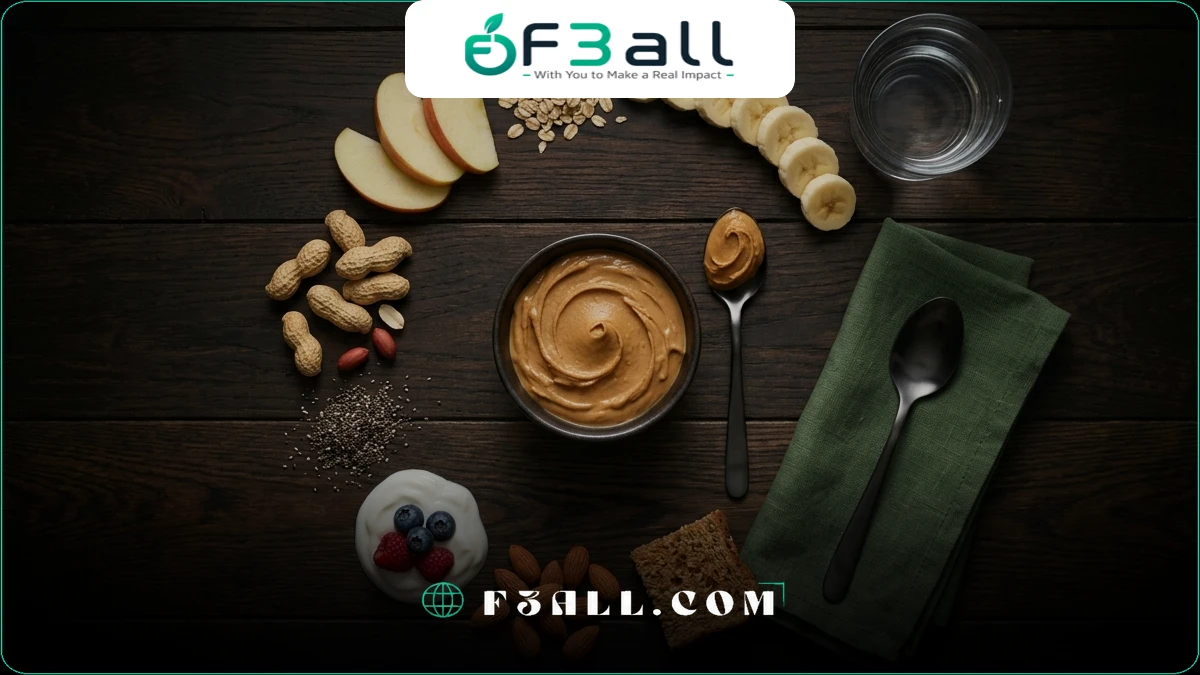
Peanut butter contains protein, but it should not be treated as a high-protein food in the same way as tuna, chicken, Greek yogurt, or shrimp.
| Food | Portion | Protein | Approx. Calories |
| Peanut butter | 30 g | 7.5 g | 176 kcal |
| Greek yogurt | 170 g | 17 g | 100 kcal |
| Tuna in water | 100 g | 25.5 g | 116 kcal |
| Shrimp | 100 g | 24 g | 99 kcal |
| Chicken breast | 100 g | 31 g | 165 kcal |
Peanut butter is better viewed as a healthy fat source that also contributes some protein.
For higher-protein meal ideas, explore Delicious Diet Recipes.
Peanut Butter Healthy Fat Still Counts
Much of the energy in peanut butter comes from fat.
Fat provides more calories per gram than protein or carbohydrate, which explains why even a relatively small peanut butter portion contains substantial calories.
Healthy fat is useful nutritionally, but healthy does not mean unlimited.
A practical approach is to choose one main fat source in a meal rather than combining large amounts of peanut butter, nuts, seeds, avocado, and oil together.
Natural Peanut Butter Calories
Natural peanut butter usually contains peanuts and possibly salt.
It may have a simpler ingredient list than some conventional products, but natural peanut butter calories are generally similar to standard peanut butter.
| Type | Typical 30 g Calories | Main Difference |
| Natural peanut butter | 175 to 190 kcal | Usually simple ingredients |
| Regular peanut butter | 175 to 190 kcal | May contain sugar or added oils |
| Flavored peanut butter | 180 to 220 kcal | May contain extra sugar |
| Powdered peanut product | Usually lower | Much of the fat removed |
Natural peanut butter for weight loss can be a good choice, but it still requires portion control.
Read more about: Is Peanut Butter Healthy for Weight Loss Complete Guide
How to Choose Healthy Peanut Butter for Weight Loss
You do not need a special diet peanut butter.
Check four things:
| Label Detail | What to Look For |
| Ingredients | Peanuts as the main ingredient |
| Serving size | Check grams, not just tablespoons |
| Calories | Compare equal serving weights |
| Added sugar | Lower amounts are generally easier to fit |
Products labeled natural, protein, fitness, or keto are not automatically better for weight loss.
The best peanut butter is one you enjoy and can portion consistently.
Peanut Butter Toast for Weight Loss
Peanut butter toast can fit breakfast easily when the serving is controlled and the meal contains enough protein.
| Ingredient | Portion | Approx. Calories |
| Whole grain toast | 40 g | 100 kcal |
| Peanut butter | 10 g | 59 kcal |
| Strawberries | 100 g | 32 kcal |
| Greek yogurt | 170 g | 100 kcal |
| Total | 320 g | About 291 kcal |
This creates a more balanced breakfast than using several tablespoons of peanut butter on multiple slices of toast.
For more structured meal ideas, explore Weight Loss Diet Plans.
Peanut Butter Snacks for Weight Loss
Peanut butter works particularly well as a small flavor addition to foods that provide more volume.
| Snack | Peanut Butter | Approx. Calories |
| Apple 150 g | 10 g | About 137 kcal |
| Strawberries 150 g | 10 g | About 107 kcal |
| Greek yogurt 170 g | 10 g | About 159 kcal |
| Banana 60 g | 10 g | About 112 kcal |
| Cottage cheese 150 g | 10 g | About 182 kcal |
These combinations use peanut butter without allowing it to dominate the calorie total.
Peanut Butter in a Weight Loss Diet
Peanut butter in a weight loss diet works best when you decide the serving before eating.
A simple approach is:
| Situation | Practical Portion |
| Flavor in oatmeal | 5 to 10 g |
| Fruit snack | 10 g |
| Toast | 10 to 15 g |
| Yogurt bowl | 10 to 15 g |
| Larger meal | Up to 20 g if calories allow |
There is no requirement to eat peanut butter every day.
The ideal portion depends on your total calories, other fat sources, hunger, and personal preference.
Read more about: Juices Good for Weight Loss | Smart Juice Guide
When Peanut Butter Can Slow Weight Loss
Peanut butter becomes less useful when portion size is repeatedly underestimated.
Common examples include:
| Problem | Why It Matters |
| Eating directly from the jar | Portions become difficult to track |
| Large spoonfuls | Calories rise quickly |
| Adding it to high-calorie smoothies | The drink can become a large meal |
| Combining with nuts and seeds | Several fat sources accumulate |
| Assuming natural means low calorie | Calories remain similar |
| Using it as the main protein source | Protein density is relatively low |
If Peanut Butter Is It Good for Weight Loss feels difficult to answer in your own diet, measuring the serving is usually the first useful step.
Peanut Butter and Weight Gain
Peanut butter does not automatically cause weight gain.
Body fat increases when overall calorie intake consistently exceeds energy needs.
However, peanut butter makes excess calories easy to consume because it is concentrated.
| Daily Extra Peanut Butter | Approx. Extra Calories |
| 10 g | 59 kcal |
| 20 g | 118 kcal |
| 30 g | 176 kcal |
| 50 g | 294 kcal |
These calories can fit when planned. They become a problem when they are added without adjusting the rest of the diet.
A Simple Peanut Butter Diet Strategy
A peanut butter diet does not need to mean eating peanut butter at every meal.
A better strategy is to use it once during the day when it adds the most satisfaction.
For example:
| Meal | Example |
| Breakfast | Yogurt, oats, berries, 10 g peanut butter |
| Lunch | Chicken, vegetables, rice |
| Snack | Whole fruit |
| Dinner | Fish, potatoes, vegetables |
This keeps peanut butter in the diet while allowing other foods to provide protein, fiber, and meal volume.
For broader guidance, visit Weight Loss.
Why F3all Is Your Best Choice

At F3all, Peanut Butter Is It Good for Weight Loss is approached through real portion sizes, calories, protein, healthy fats, and practical meal combinations.
The goal is not to label peanut butter as either a perfect diet food or something that must be avoided. A measured serving can fit comfortably into sustainable weight management.
Frequently Asked Questions
Peanut Butter Is It Good for Weight Loss?
Yes. Peanut butter can fit a weight loss diet when portions are controlled and total calorie intake supports fat loss.
How much peanut butter should I eat for weight loss?
Around 10 to 20 g is a practical serving for many meals and snacks, although individual calorie needs vary.
Does peanut butter help weight loss?
Peanut butter does not directly cause fat loss. It may help make meals more satisfying when used in measured portions.
How many calories are in peanut butter?
Around 15 g provides approximately 88 calories, while 30 g provides around 176 calories.
Is natural peanut butter better for weight loss?
Natural peanut butter often has a simpler ingredient list, but its calories are generally similar to regular peanut butter.
Is peanut butter high in protein?
Peanut butter contains protein, but it is more calorie-dense than many dedicated protein foods.
Is peanut butter toast good for weight loss?
Yes. Use a measured peanut butter serving and combine toast with fruit or a stronger protein source.
Can peanut butter cause weight gain?
It can contribute to weight gain if large servings create a consistent calorie surplus.
Can I eat peanut butter every day?
Yes, if it fits your calorie and nutrition needs. Daily peanut butter is optional rather than necessary.
What is the healthiest way to eat peanut butter?
Use a measured serving with whole foods such as fruit, oatmeal, whole grain toast, or Greek yogurt.
In the End
Peanut Butter Is It Good for Weight Loss has a simple answer: yes, but portion size matters. Peanut butter provides healthy fats and some protein, yet just 30 g can contain around 176 calories.
A 10 to 20 g serving is easier to fit into many weight loss meals. Pair it with higher-protein or high-volume foods, measure rather than guess, and include it within your overall calorie target.
References