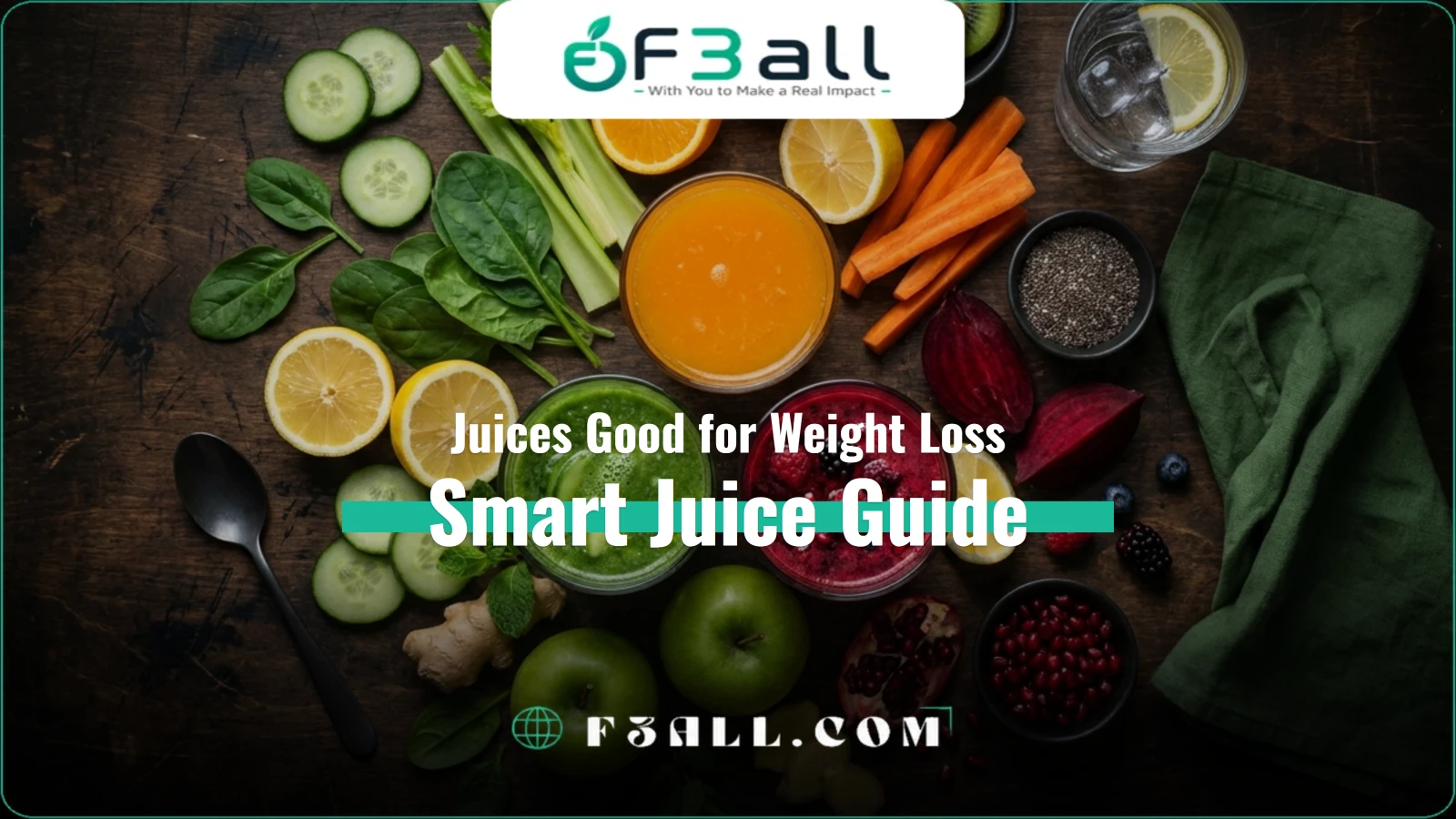
Juices Good for Weight Loss | Smart Juice Guide
Juices Good for Weight Loss can fit into a calorie-controlled diet when the drink is mainly vegetables, moderate in portion size, and free from unnecessary added sugar. Juice can provide hydration and useful micronutrients, but it does not burn body fat or create weight loss by itself.
The main issue is concentration. A large fruit juice may contain the calories of several pieces of fruit while providing less fiber than eating the fruit whole. For weight management, vegetable-heavy juices and smaller fruit portions are usually easier to fit into a calorie deficit.
Are Juices Good for Weight Loss
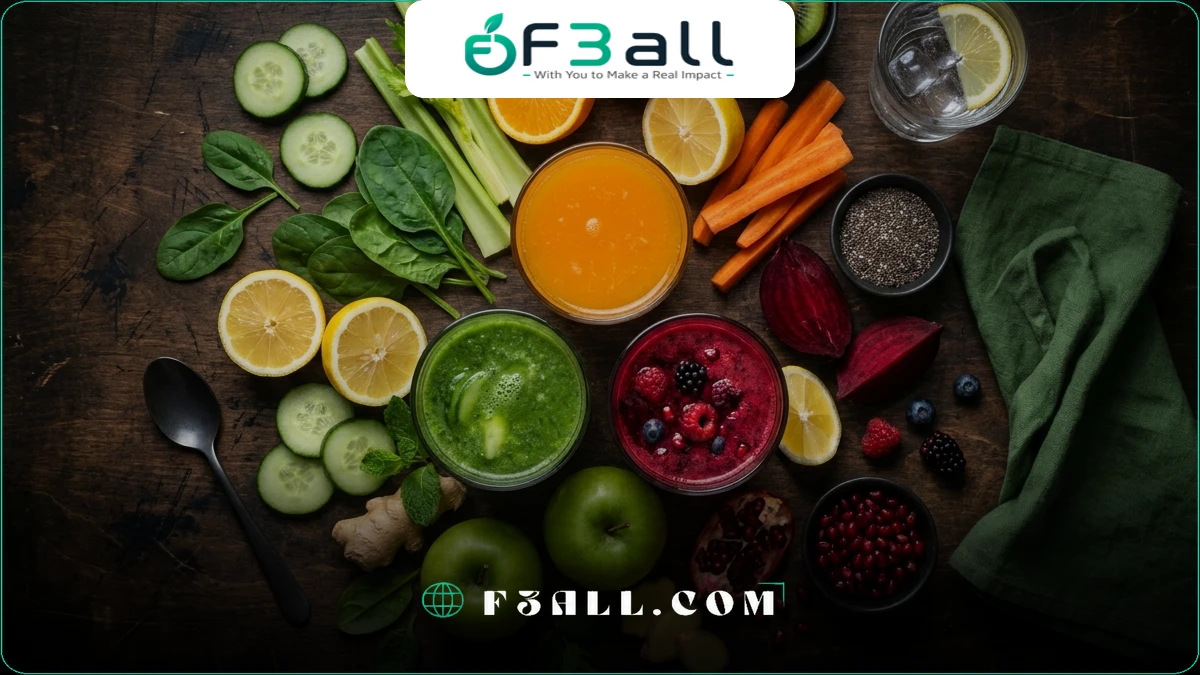
Yes, some Juices Good for Weight Loss can be useful, particularly when they replace higher-calorie drinks.
The strongest choices usually have three characteristics:
- Moderate calories.
- Mostly vegetables.
- No added sugar.
| Juice Type | Approx. Calories per 200 ml | Weight-Loss Use |
| Cucumber and celery juice | 35–50 kcal | Excellent |
| Tomato vegetable juice | 40–60 kcal | Excellent |
| Green vegetable juice | 40–70 kcal | Very good |
| Carrot juice | 70–90 kcal | Moderate |
| Orange juice | 85–95 kcal | Portion carefully |
| Apple juice | 90–100 kcal | Portion carefully |
| Grape juice | 120–140 kcal | More calorie-dense |
Exact calories depend on the ingredients and quantities used.
Best Juices for Weight Loss
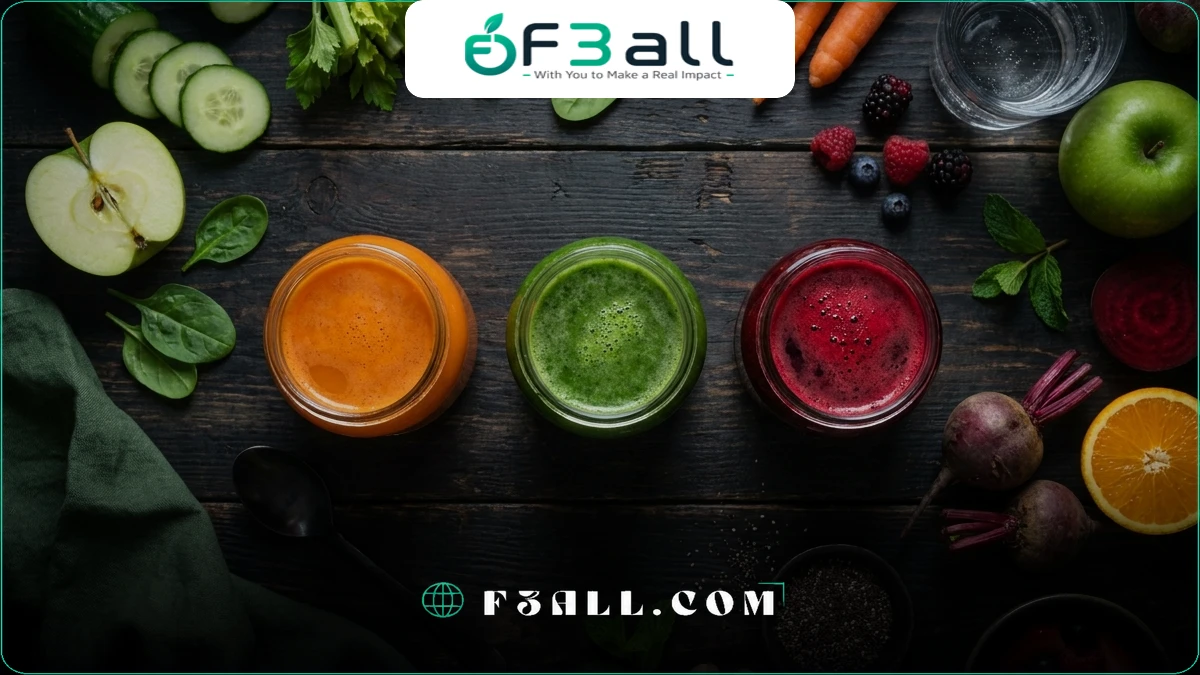
The best juices for weight loss are not special detox drinks. They are simply drinks that provide flavor and nutrients without adding too many calories.
| Juice | Main Ingredients | Approx. Calories |
| Green juice | Cucumber, celery, spinach, lemon | 40–55 kcal |
| Tomato juice | Tomato, celery, lemon, herbs | 45–60 kcal |
| Cucumber mint juice | Cucumber, mint, lime | 30–45 kcal |
| Carrot citrus juice | Carrot, small orange portion, lemon | 70–90 kcal |
| Light beet juice | Beet, cucumber, celery, lemon | 60–80 kcal |
These Juices Good for Weight Loss are most useful when servings remain around 100–200 ml.
For more drink ideas, explore Healthy Drinks.
Green Juice for Weight Loss
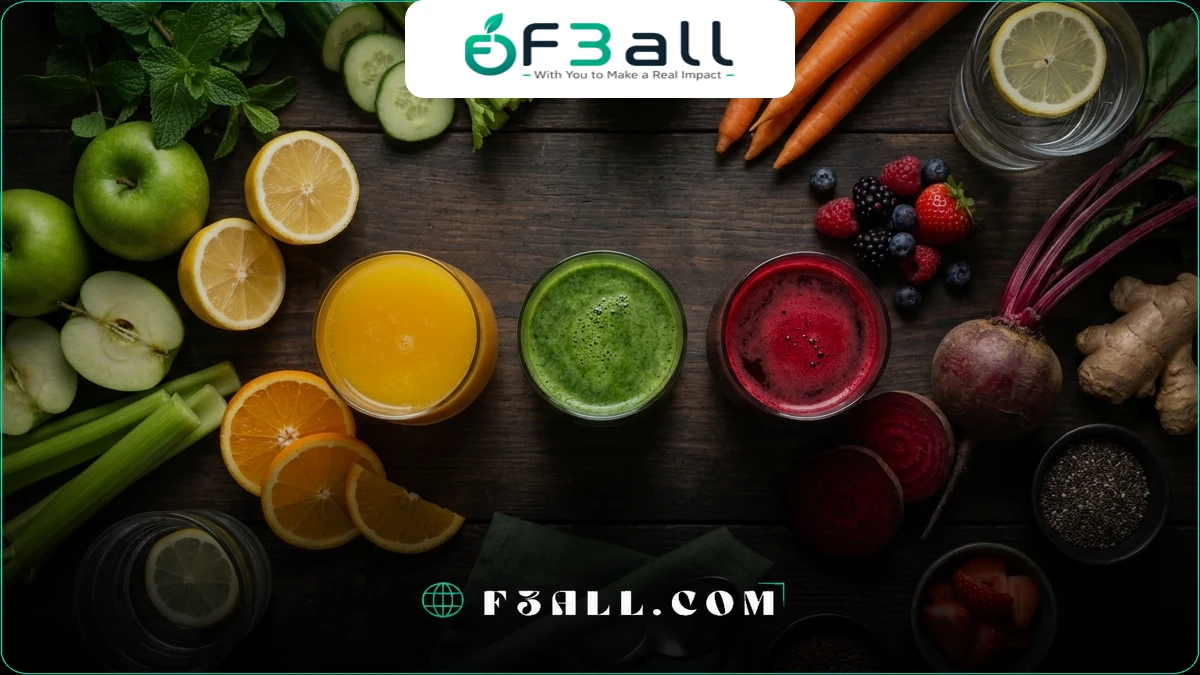
Green juice for weight loss can be particularly useful because ingredients such as cucumber, celery, spinach, and leafy vegetables are relatively low in calories.
A simple version might look like this:
| Ingredient | Amount |
| Cucumber | 150 g |
| Celery | 100 g |
| Spinach | 50 g |
| Lemon | 20 g |
| Ginger | Small piece |
This type of juice may remain around 40–60 calories depending on yield.
The calorie total changes considerably when several apples, pineapple, mango, or honey are added.
Read more about: Green Juice Recipe for Weight Loss | Easy Morning Drink
Vegetable Juice for Weight Loss
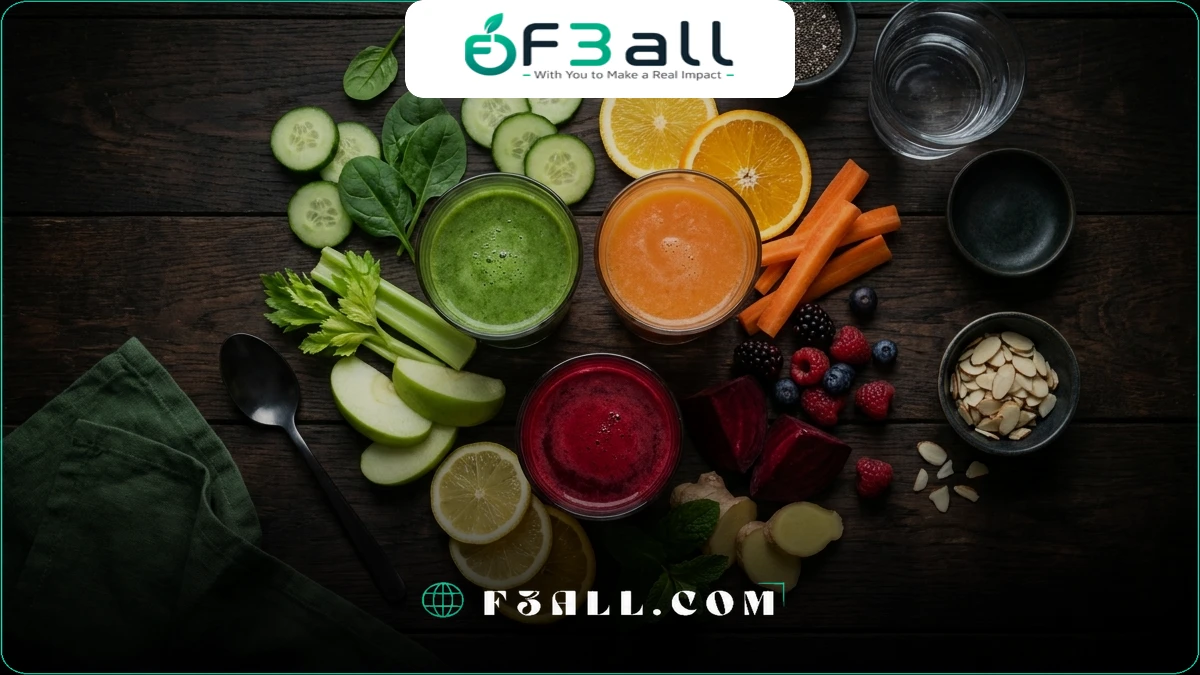
Vegetable juice for weight loss is generally easier to control than fruit-heavy juice.
Useful ingredients include:
| Vegetable | Approx. Calories per 100 g |
| Cucumber | 15 kcal |
| Tomato | 18 kcal |
| Celery | 14 kcal |
| Spinach | 23 kcal |
| Bell pepper | 31 kcal |
| Carrot | 41 kcal |
| Beet | 43 kcal |
Using mostly lower-calorie vegetables creates a drink with useful volume without consuming a large percentage of your daily calorie target.
Vegetable juice can accompany breakfast or lunch, but it should not replace protein-rich meals.
Fruit Juice for Weight Loss
Fruit juice for weight loss requires more portion control because fruit naturally contains more carbohydrate and calories.
| Fruit Juice | 100 ml | 200 ml |
| Orange juice | About 45 kcal | About 90 kcal |
| Apple juice | About 47 kcal | About 94 kcal |
| Pineapple juice | About 50 kcal | About 100 kcal |
| Grape juice | About 65 kcal | About 130 kcal |
A 400 ml glass of fruit juice could therefore provide around 180–260 calories.
That can still fit a diet, but it is very different from a 40-calorie vegetable juice.
A Practical Rule
When making fruit juice for weight loss:
- Keep the serving near 100–150 ml.
- Use one fruit source rather than several.
- Add vegetables where appropriate.
- Avoid sugar, syrup, and unnecessary honey.
Whole Fruit Is Usually More Filling
Whole fruit generally has an advantage over fruit juice during weight loss because it retains more fiber and requires chewing.
| Whole Fruit | Juice |
| More fiber | Less fiber |
| Requires chewing | Easy to drink quickly |
| More filling volume | More concentrated |
| Easier portion awareness | Easy to consume several fruits |
This does not make juice unhealthy.
It simply means Juices Good for Weight Loss should usually complement whole fruit rather than replace it completely.
Homemade Weight Loss Juice
Homemade weight loss juice gives you control over ingredients, serving size, and added sweeteners.
A few simple combinations can provide variety without creating unnecessarily complicated recipes.
| Recipe | Ingredients | Approx. Calories |
| Cooling Green | Cucumber, celery, spinach, lemon | 40–55 kcal |
| Tomato Herb | Tomato, celery, parsley, lemon | 45–60 kcal |
| Light Apple Green | Cucumber, spinach, half an apple, lemon | 60–80 kcal |
| Carrot Citrus | Carrot, small orange portion, ginger | 70–90 kcal |
| Beet Fresh | Small beet, cucumber, celery, lemon | 60–80 kcal |
For more practical recipes, visit Delicious Diet Recipes.
Morning Juice for Weight Loss
Morning juice for weight loss does not have a special fat-burning effect.
The time of day is much less important than total daily calorie intake.
A better breakfast uses juice alongside protein.
| Breakfast Component | Example |
| Juice | 100–150 ml vegetable juice |
| Protein | Eggs or Greek yogurt |
| Carbohydrate | Oats or whole grain toast |
| Produce | Fruit or vegetables |
This structure is generally more filling than drinking juice alone.
Read more about: Green Juice for Weight Loss Build a Smarter Glass Today
Juice Is Not a High-Protein Meal
Most juice contains very little protein.
| Food or Drink | Approx. Protein |
| Vegetable juice, 200 ml | 1–3 g |
| Greek yogurt, 170 g | About 17 g |
| Tuna, 100 g | About 25.5 g |
| Shrimp, 100 g | About 24 g |
| Two eggs | About 12–13 g |
A juice-only breakfast or repeated juice-only meals can therefore make it harder to meet protein needs.
Juices Good for Weight Loss should usually be treated as beverages, not complete meals.
Low Calorie Juice Works Best as a Swap
Low calorie juice becomes especially useful when it replaces a higher-calorie drink.
| Drink | Typical Calories |
| Water | 0 kcal |
| Unsweetened tea | Near 0 kcal |
| Vegetable juice | 40–60 kcal |
| Fruit juice | 90–130 kcal |
| Regular soft drink | 130–200 kcal |
| Sweetened coffee drink | 200–400 kcal |
| Milkshake | 400–700 kcal |
Replacing a 300-calorie drink with a 50-calorie vegetable juice can create a useful calorie reduction.
Replacing water with juice does the opposite.
Context matters.
Detox Juice Recipes and Weight Loss
Detox juice recipes do not directly remove body fat or detox the body in a special way.
A short juice cleanse may produce rapid scale changes because of:
- Lower calorie intake.
- Lower glycogen.
- Reduced digestive contents.
- Changes in body water.
That is not the same as losing several kilograms of body fat.
A more effective long-term strategy includes:
- Controlled calories.
- Adequate protein.
- Vegetables.
- Whole fruit.
- Fiber.
- Regular activity.
- Sufficient sleep.
Explore broader strategies through Weight Loss.
Juice Versus Smoothies for Weight Loss
Juice and smoothies are not nutritionally identical.
| Feature | Juice | Smoothie |
| Fiber | Usually lower | Usually higher |
| Texture | Thin | Thick |
| Protein additions | Less common | Easy to add |
| Satiety | Often lower | Can be higher |
| Fruit concentration | Easy to overdo | More visible |
A smoothie containing Greek yogurt and whole fruit may work better as a small meal.
A juice is usually more appropriate as a beverage alongside food.
How Much Juice Should You Drink
There is no required amount of juice for weight loss.
A practical serving is often:
| Serving | Use |
| 100 ml | Small portion |
| 150 ml | Moderate portion |
| 200 ml | Standard glass |
| 300 ml | Calories become more important |
| 500 ml | Often unnecessarily large |
For fruit juice, 100–150 ml is often easier to fit into a calorie deficit.
Vegetable-heavy juice can sometimes be slightly larger because it may contain fewer calories.
Read more about: Is Honey Good for Weight Loss | Smart Portion Guide
Common Juice Mistakes
| Mistake | Better Approach |
| Using several fruits in one drink | Limit fruit quantity |
| Adding honey to sweet juice | Skip added sweeteners |
| Drinking large bottles | Use a measured glass |
| Replacing meals with juice | Keep protein-rich meals |
| Assuming green means low calorie | Check ingredients |
| Doing juice-only cleanses | Use a balanced diet |
| Ignoring commercial serving sizes | Read nutrition labels |
Most problems come from portion size and ingredient concentration rather than juice itself.
A Simple Daily Juice Strategy
Juices Good for Weight Loss can fit into a normal diet without becoming the focus of the entire day.
A simple pattern could be:
| Time | Example |
| Breakfast | Eggs, toast, 150 ml green juice |
| Lunch | Chicken, quinoa, vegetables |
| Snack | Greek yogurt and fruit |
| Dinner | Fish, potato, vegetables |
| Drinks | Water, tea, optional vegetable juice |
This keeps juice in the diet while maintaining protein, fiber, and whole foods.
For structured meal planning, explore Weight Loss Diet Plans.
Why F3all Is Your Best Choice

At F3all, Juices Good for Weight Loss are approached through calories, realistic portions, vegetable-to-fruit balance, and complete diet quality.
You can also explore Healthy Drinks, Weight Loss, and Delicious Diet Recipes for practical ideas.
The goal is to make juice useful without presenting it as a miracle fat-loss solution.
Frequently Asked Questions
What are the best juices for weight loss?
Vegetable-heavy juices made from cucumber, celery, tomato, spinach, lemon, and herbs are among the easiest options to keep low in calories.
Is green juice good for weight loss?
Yes, when it is low in calories and mostly vegetables. Green juice does not directly burn fat.
Is vegetable juice good for weight loss?
Yes. Vegetable juice can provide nutrients and flavor for relatively few calories when portions are controlled.
Can fruit juice fit a weight-loss diet?
Yes, but fruit juice is more calorie-dense than most vegetable juices, so smaller servings are generally easier to manage.
How much juice should I drink for weight loss?
Around 100–200 ml is a practical range for many people, depending on the juice and the rest of the diet.
Is homemade juice better?
Homemade juice makes ingredient and portion control easier, but it can still be high in calories if made with several fruits or added sweeteners.
Does detox juice burn belly fat?
No. Detox juice cannot specifically target belly fat.
Is morning juice better for weight loss?
No special time of day makes juice burn more fat. Total calorie intake matters more.
Is juice better than whole fruit?
Whole fruit generally provides more fiber and greater satiety, making it a stronger everyday choice for many weight-loss diets.
Can I drink juice every day?
Yes, if the serving fits your calorie and nutrition needs. Juice is optional and does not need to be consumed daily.
In the End
Juices Good for Weight Loss are most useful when they are vegetable-heavy, moderate in portion size, and free from unnecessary added sugar. Green juice and vegetable juice can fit comfortably into a calorie deficit, while fruit juice usually needs tighter portion control.
Keep whole fruit in your diet, eat enough protein and fiber, and treat juice as a beverage rather than a meal replacement. That approach makes juice easier to enjoy without allowing liquid calories to slow your weight-loss progress.
References