Red Light Therapy Weight Loss | Evidence and Results
Red Light Therapy Weight Loss is often promoted as a non-invasive way to reduce fat without surgery, strict dieting, or intense exercise. Red and near-infrared light treatments are used in some body-contouring devices, but the evidence does not support treating them as a replacement for conventional fat loss.
Some studies have reported modest reductions in body circumference after specific light-based treatments. That is different from substantial weight loss on the scale. Results depend on the device, treatment schedule, body area, and individual response, while long-term evidence remains more limited than it is for established weight-management strategies.
Does Red Light Therapy Help Weight Loss?
Red light therapy may contribute to small changes in body contour or circumference in some people, but it has not been shown to produce major body-weight reduction.
| Outcome | What to Expect |
| Scale weight | Usually little or no major change |
| Waist circumference | Small reductions may occur |
| Local body contour | May improve modestly |
| Large fat loss | Not established |
| Belly fat specifically | No guaranteed targeted reduction |
| Long-term weight control | Requires nutrition and activity |
This distinction is essential when evaluating Red Light Therapy Weight Loss claims.
A person can lose a small amount of circumference without losing a meaningful amount of total body weight.
What Is Red Light Body Contouring?
Red light body contouring uses specific wavelengths of visible red or near-infrared light directed at selected body areas.
This approach is sometimes described as:
- Photobiomodulation.
- Low-level light therapy.
- Low-level laser therapy.
- LED body contouring.
These terms can describe different devices and technologies, so they should not automatically be treated as identical.
Some devices are designed primarily for temporary circumference reduction or cosmetic body contouring rather than obesity treatment.
What the Research Actually Suggests
Studies of red light therapy fat loss have produced some positive findings, but the results need context.
The evidence generally shows a more modest picture than advertisements may suggest.
| Research Finding | Practical Meaning |
| Small circumference reductions reported | Possible cosmetic change |
| Short treatment periods common | Long-term durability is less certain |
| Small study populations occur frequently | Results need cautious interpretation |
| Different wavelengths and devices used | One study cannot validate every device |
| Weight may remain similar | Contouring is not the same as weight loss |
Red Light Therapy Weight Loss should therefore be viewed as a possible cosmetic adjunct rather than a primary obesity treatment.
Read more about: Peptide Therapy for Weight Loss | Benefits and Risks
Red Light Therapy Belly Fat Claims
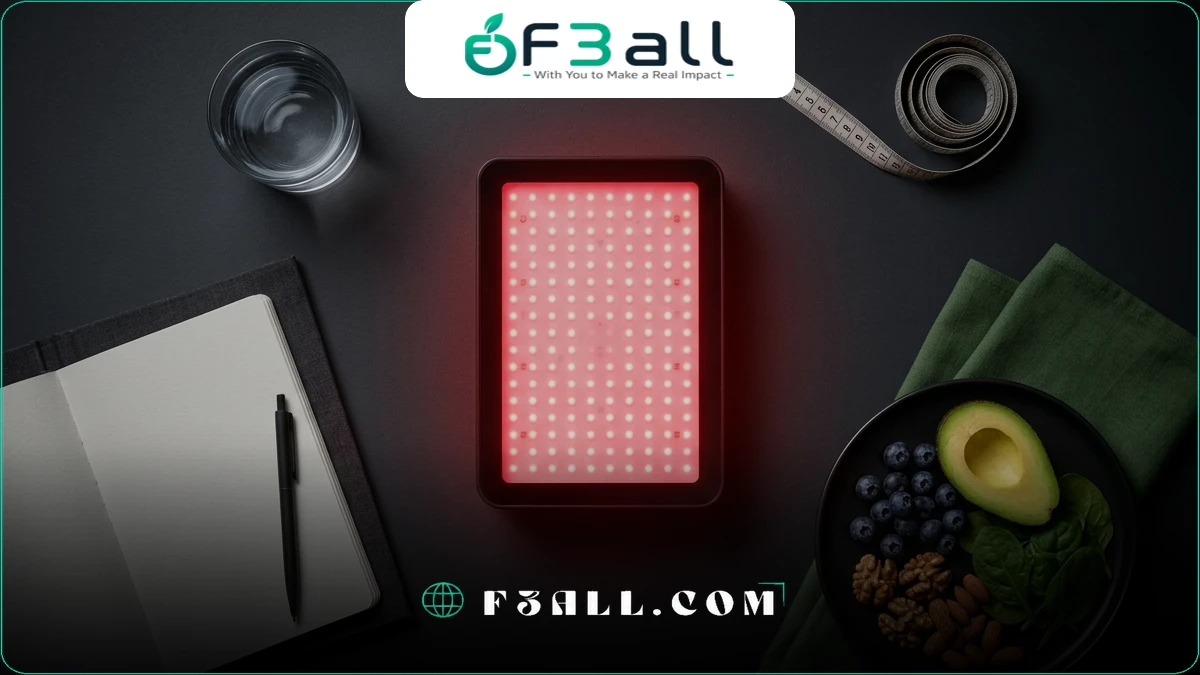
Red light therapy belly fat treatments are among the most heavily marketed uses.
The abdomen may be treated with light-based body-contouring devices, and some people may notice changes in waist measurements.
However, this does not mean the treatment can selectively eliminate harmful abdominal fat.
There are two broad types of abdominal fat:
| Type | Location |
| Subcutaneous fat | Under the skin |
| Visceral fat | Deeper around internal organs |
Non-invasive body-contouring treatments primarily target superficial body areas. They should not be assumed to reduce visceral fat or the health risks associated with it.
Reducing overall body fat through sustainable weight management remains much more important for improving visceral fat.
Red Light Therapy Weight Loss Results
Before and after photos can make results appear dramatic, but photographs are not enough to determine treatment effectiveness.
Changes can be influenced by:
- Lighting.
- Posture.
- Camera angle.
- Hydration.
- Clothing position.
- Abdominal tension.
- Time of day.
Better ways to evaluate results include standardized measurements.
| Measure | Useful for Tracking |
| Body weight | Overall weight trend |
| Waist circumference | Abdominal size |
| Hip circumference | Lower-body contour |
| Standardized photos | Visual change |
| Body composition | Fat and lean mass estimates |
A meaningful Red Light Therapy Weight Loss result should be assessed consistently rather than relying on one photograph.
How Much Fat Can Red Light Therapy Remove?
There is no reliable number of kilograms or pounds that everyone should expect to lose from red light therapy.
Most research focuses more on circumference than major weight reduction.
Claims promising dramatic fat loss after a few sessions should be treated cautiously.
A More Realistic Expectation
Red light therapy may offer:
- Modest contour changes.
- Small circumference reductions.
- A non-invasive treatment experience.
- No surgical incision or recovery period.
It should not be expected to produce:
- Large-scale weight loss.
- Guaranteed belly-fat removal.
- Permanent fat reduction without lifestyle changes.
- The same results for every person.
Red Light Therapy Versus Traditional Weight Loss
The difference becomes clearer when the goals are compared.
| Method | Main Goal | Effect on Body Weight |
| Calorie deficit | Reduce body fat | Meaningful over time |
| Physical activity | Support health and energy expenditure | Can support weight loss |
| Resistance training | Preserve or build muscle | Improves body composition |
| Medical obesity treatment | Treat excess weight medically | Can produce substantial loss |
| Red light body contouring | Cosmetic contour changes | Usually limited |
If your main goal is losing a substantial amount of weight, Weight Loss strategies should remain the foundation.
Red light therapy is better considered an optional addition rather than the central treatment.
Does LED Therapy Burn Calories?
LED therapy for body fat does not burn a meaningful number of calories in the way exercise does.
Sitting under a red light panel is not equivalent to:
- Walking.
- Cycling.
- Running.
- Swimming.
- Resistance training.
The treatment does not create the large energy expenditure required for significant fat loss.
This is another reason Red Light Therapy Weight Loss should not be interpreted as effortless calorie burning.
Read more about: Farxiga Weight Loss Results Benefits and Safety Guide
Can Red Light Therapy Target Specific Areas?
Body-contouring treatments can be applied to selected areas such as:
| Common Treatment Area | Typical Goal |
| Abdomen | Waist contour |
| Thighs | Local contour |
| Hips | Shape improvement |
| Arms | Cosmetic contour |
| Back | Localized treatment |
Treating a specific area does not mean the body is undergoing traditional spot reduction through exercise or dieting.
Local cosmetic changes and systemic fat loss are different outcomes.
Red Light Therapy Before and After Expectations
Before beginning treatment, it is useful to establish realistic baseline measurements.
A simple tracking approach includes:
| Before Treatment | Follow-Up |
| Body weight | Same scale |
| Waist measurement | Same location |
| Hip measurement | Same location |
| Standard photo | Same lighting |
| Treatment dates | Record sessions |
Avoid measuring immediately after every treatment and interpreting small daily fluctuations as fat loss.
Weight and circumference can naturally change due to food intake, hydration, digestion, and menstrual cycle changes.
Is Red Light Therapy Safe?
Red light therapy is generally considered non-invasive, but safety depends on the specific device, wavelength, intensity, treatment duration, and medical history.
Possible issues can include:
- Temporary redness.
- Skin warmth.
- Mild irritation.
- Eye discomfort if protection is inadequate.
Device instructions should always be followed.
Extra Caution May Be Needed With
| Situation | Why Review Matters |
| Photosensitizing medications | Light sensitivity may increase |
| Certain skin conditions | Treatment may irritate skin |
| Pregnancy | Cosmetic treatment may be postponed |
| Cancer in treatment area | Medical assessment is important |
| Eye conditions | Appropriate eye protection matters |
Anyone receiving treatment in a clinic should ask which exact device is being used and what it is cleared or intended to treat.
Home Devices Versus Clinic Treatments
Home red light panels and professional body-contouring systems should not be assumed to produce the same results.
| Feature | Home Device | Professional Device |
| Power | Usually lower or variable | Device-specific |
| Treatment area | Often smaller | Can cover larger areas |
| Protocol | User controlled | Professionally administered |
| Body-contouring evidence | Often limited | Depends on exact device |
| Cost | Lower initial cost | Higher per treatment |
A general red light wellness panel may not have the same specifications as a device designed and evaluated for body contouring.
Always judge claims based on the exact product rather than red light therapy as one broad category.
Read more about: Creatine and Weight Loss Guide to Smarter Lean Results!
How to Use Red Light Therapy With a Weight Loss Plan
If someone chooses Red Light Therapy Weight Loss as an additional cosmetic treatment, it should sit on top of a sound weight-management plan.
| Priority | Practical Focus |
| Calories | Maintain an appropriate deficit |
| Protein | Support muscle preservation |
| Vegetables | Increase meal volume |
| Activity | Move regularly |
| Strength training | Support body composition |
| Sleep | Maintain consistency |
| Light therapy | Optional body-contouring addition |
Readers building a structured nutrition plan can explore Weight Loss Diet Plans.
The lifestyle plan should still work even if red light therapy produces no measurable change.
Common Red Light Therapy Weight Loss Mistakes
| Mistake | Better Approach |
| Expecting major scale loss | Focus on realistic contour changes |
| Believing belly fat can be erased | Track overall fat-loss progress |
| Trusting before and after photos alone | Use standardized measurements |
| Assuming every red light device is identical | Check the exact device |
| Replacing exercise with light therapy | Keep regular activity |
| Ignoring nutrition | Maintain appropriate calorie intake |
| Buying based on dramatic claims | Look for credible evidence |
The treatment is easiest to evaluate when expectations are specific and measurable.
Why F3all Is Your Best Choice

At F3all, Red Light Therapy Weight Loss is discussed as a body-contouring option rather than a miracle fat-burning treatment.
The focus is on separating circumference changes from true weight loss, setting realistic expectations, and keeping proven nutrition and activity strategies at the center of long-term body-fat management.
Frequently Asked Questions
Does red light therapy help weight loss?
It may produce modest body-contouring or circumference changes in some people, but evidence does not support major weight loss from red light therapy alone.
Does red light therapy burn belly fat?
It cannot guarantee targeted belly-fat loss. Some devices may affect superficial abdominal contour, but this is different from reducing deeper visceral fat.
How much weight can you lose with red light therapy?
There is no reliable amount of body weight that everyone can expect to lose. Studies often focus on circumference rather than significant scale-weight reduction.
Is red light therapy fat loss permanent?
Long-term durability is uncertain and varies by treatment and individual. Maintaining body composition still depends heavily on nutrition, physical activity, and weight stability.
Does red light therapy burn calories?
Not in a meaningful way comparable with physical activity.
How many sessions are needed?
Treatment schedules vary by device and protocol. Follow the instructions associated with the specific device rather than using a universal session number.
Is red light therapy safe?
It is generally non-invasive, but safety depends on the device and individual health factors. Eye protection and correct treatment protocols are important.
Is red light therapy better than exercise?
No. Exercise provides cardiovascular, metabolic, muscular, and overall health benefits that red light body contouring cannot replace.
Can I use red light therapy during a calorie deficit?
Yes, if medically appropriate. A calorie deficit remains the primary driver of body-fat reduction.
Are red light therapy before and after photos reliable?
They can be useful only when lighting, posture, camera position, and timing are standardized. Measurements provide additional context.
In the End
Red Light Therapy Weight Loss may provide modest cosmetic body-contouring benefits for some people, particularly changes in circumference, but it should not be marketed or understood as a substitute for genuine fat loss.
If your goal is significant weight reduction, nutrition, physical activity, resistance training, and appropriate medical care remain the stronger evidence-based strategies. Red light therapy can be considered an optional cosmetic addition when expectations are realistic and the device is used appropriately.
References