KB Exercises Weight Loss | Get Your Kettlebell Workout Plan
KB Exercises Weight Loss is a popular fitness topic for people who want to burn calories, strengthen muscles, and improve conditioning without spending hours in the gym. KB stands for kettlebell, a compact weight with a handle that supports strength exercises, controlled swings, carries, and full-body workout circuits. Unlike traditional cardio routines, kettlebell training can challenge muscular strength and cardiovascular fitness within the same session.
Whether you are new to resistance training or want a structured kettlebell workout plan, choosing suitable exercises and progressing gradually can help you build an effective routine. This guide covers kettlebell exercises for weight loss, calorie estimates, beginner workouts, a 30-day challenge, home training, and realistic expectations for long-term results.
KB Exercises Weight Loss and How They Work
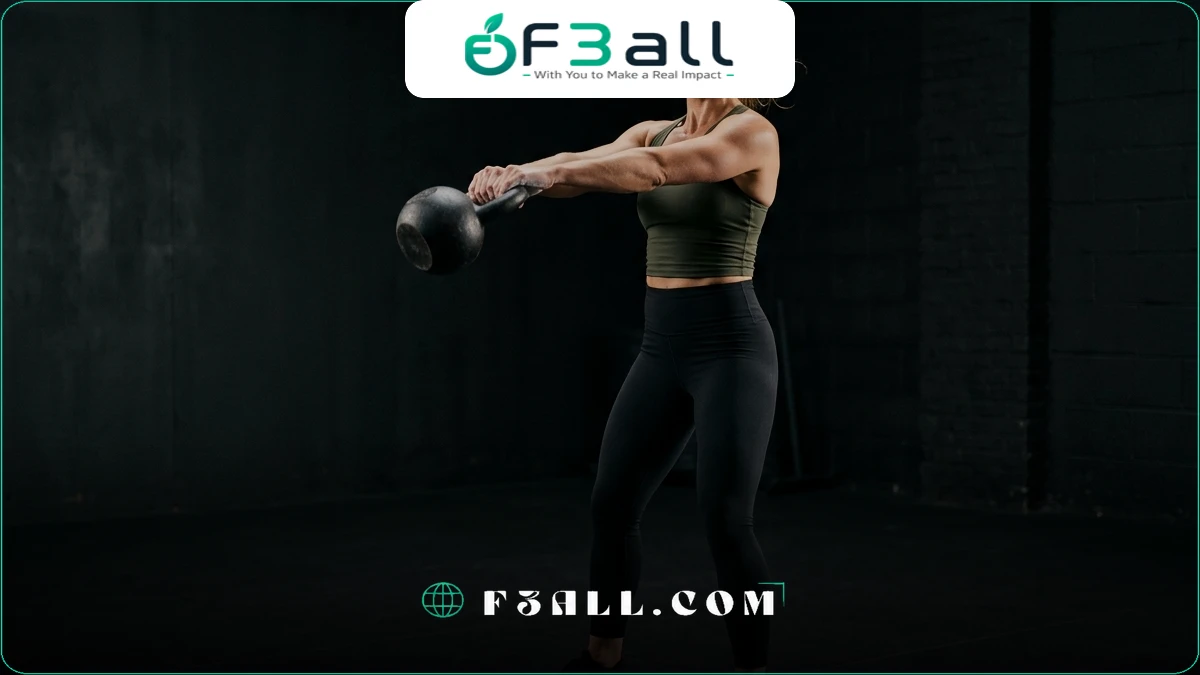
KB Exercises Weight Loss refers to using kettlebell training as part of a structured exercise routine designed to increase energy expenditure, improve fitness, and support weight management.
Kettlebell workouts can combine resistance exercises with cardiovascular conditioning.
For example, a workout may include kettlebell deadlifts, squats, rows, and carries, performed in a circuit with short recovery periods.
These movements engage multiple muscle groups and can increase heart rate.
Kettlebell exercises for weight loss work best when you:
- Choose an appropriate kettlebell weight.
- Learn correct movement technique.
- Train consistently throughout the week.
- Progress gradually as strength improves.
- Combine strength exercises with aerobic activity.
- Maintain a suitable calorie-controlled diet.
- Allow enough recovery between demanding sessions.
- Track improvements in strength and endurance.
Kettlebell training can increase calorie expenditure, but it does not guarantee weight loss independently of nutrition.
A person who consistently consumes more calories than they expend may not lose weight despite exercising regularly.
For additional guidance on combining exercise with nutrition, explore Weight Loss.
KB Exercises Weight Loss is most effective when kettlebell training supports a sustainable combination of resistance exercise, physical activity, and balanced eating.
Kettlebell Exercises Benefits for Weight Loss
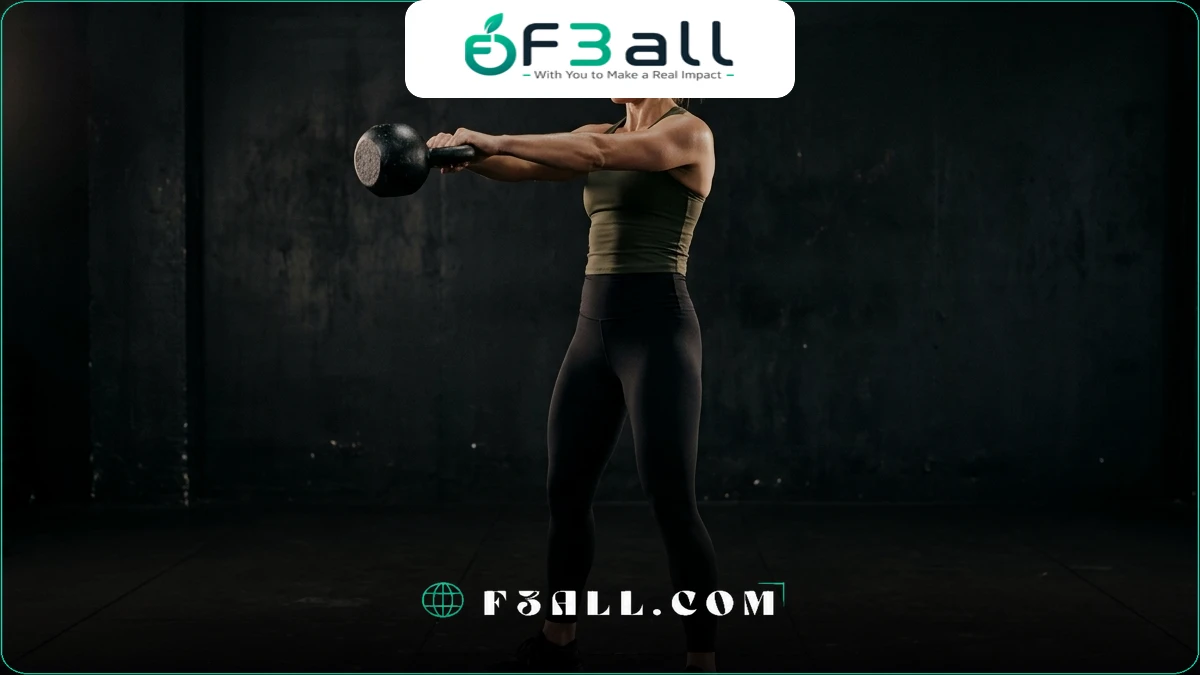
Kettlebell exercises benefits extend beyond calorie burning.
A well-designed program can develop strength, muscular endurance, coordination, and cardiovascular conditioning.
Full-Body Muscle Engagement
Many kettlebell exercises recruit several muscle groups simultaneously.
For example, kettlebell deadlifts engage the glutes, hamstrings, and back muscles.
Goblet squats emphasize the legs and require trunk stability.
Carries challenge grip strength and postural control.
Supports Muscular Strength
Resistance training can help maintain muscle mass during weight loss.
This is particularly important when calorie intake is reduced.
However, preserving muscle also depends on adequate protein, appropriate training progression, and recovery.
Increases Energy Expenditure
Kettlebell workouts require muscular effort.
Circuit-style sessions may also create a cardiovascular challenge, especially when exercises are performed continuously.
Calorie expenditure varies according to intensity, body weight, and workout structure.
Improves Functional Movement
Exercises such as squats, hinges, and carries resemble movement patterns used in everyday activities.
Practicing these movements with suitable resistance can improve strength and control.
Convenient for Home Training
One kettlebell can support numerous exercises.
This makes kettlebell training practical for people with limited workout space.
Allows Progressive Training
Kettlebell routines can become more challenging by adjusting:
- Weight.
- Repetitions.
- Sets.
- Rest periods.
- Exercise complexity.
- Total workout duration.
Progression should be gradual to preserve technique.
The main kettlebell exercises benefits for weight loss come from improving physical fitness while contributing to overall energy expenditure.
Kettlebell Exercises Calories Burned
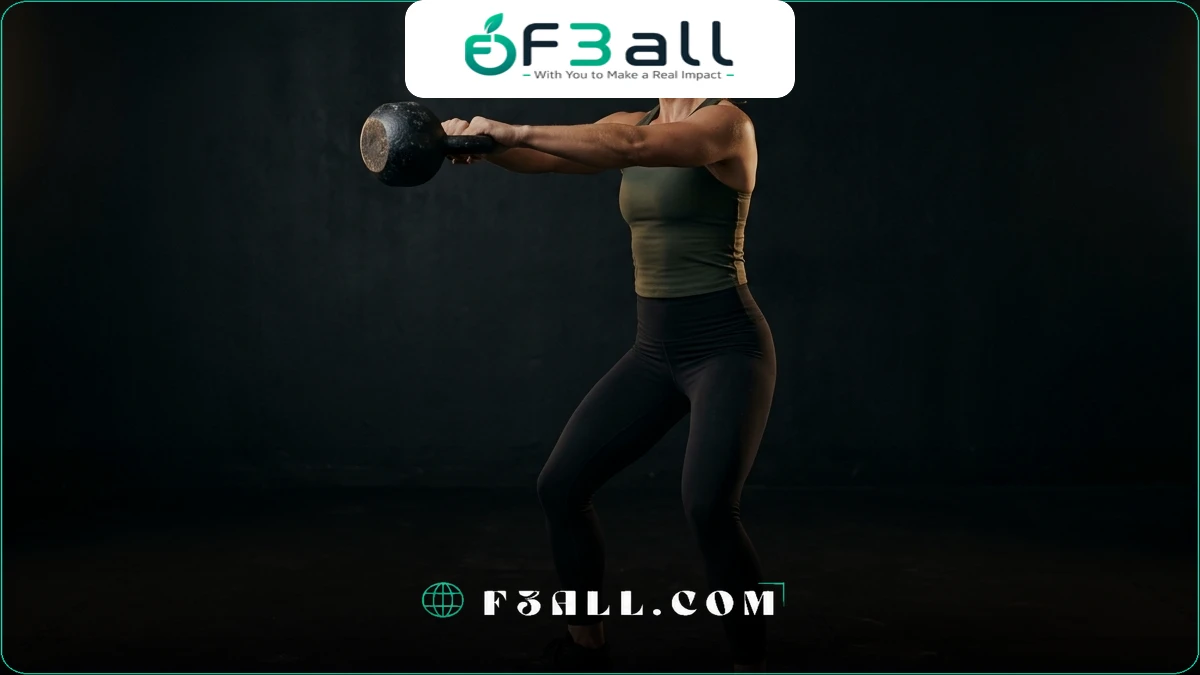
Kettlebell exercises calories burned depend on body weight, workout intensity, exercise selection, and session duration.
A light strength-focused session may expend fewer calories than a demanding kettlebell circuit.
The following estimates use approximately 6 METs as an illustrative intensity for a moderately demanding kettlebell workout.
| Body Weight | 15 Minutes | 30 Minutes | 45 Minutes | 60 Minutes |
| 55 kg | 87 kcal | 173 kcal | 260 kcal | 347 kcal |
| 65 kg | 102 kcal | 205 kcal | 307 kcal | 410 kcal |
| 75 kg | 118 kcal | 236 kcal | 354 kcal | 473 kcal |
| 85 kg | 134 kcal | 268 kcal | 402 kcal | 536 kcal |
| 95 kg | 150 kcal | 299 kcal | 449 kcal | 599 kcal |
These figures are illustrative estimates, not measured values for a specific kettlebell routine.
A session with substantial rest periods may have a lower average energy expenditure.
A vigorous continuous workout may have a higher energy demand.
Factors Affecting Kettlebell Calorie Burn
- Body Weight: Larger bodies generally expend more energy during comparable activities.
- Kettlebell Weight: Heavier resistance may increase muscular effort.
- Exercise Selection: Full-body movements can involve more muscle mass.
- Workout Duration: Longer sessions generally increase total energy expenditure.
- Rest Periods: Longer rests reduce average workout intensity.
- Movement Speed: Faster movement may increase demand but should never compromise technique.
- Training Experience: Fitness and movement efficiency influence exercise performance.
A kettlebell workout does not need to produce the highest possible calorie burn to be useful.
Strength development and long-term exercise consistency are also important.
Kettlebell calories burned should be treated as approximate planning information rather than a guaranteed measure of fat loss.
Best Kettlebell Exercises for Weight Loss
The best kettlebell exercises for weight loss are movements that can be performed safely, progressed appropriately, and combined into a balanced workout.
For beginners, foundational strength exercises are generally more important than advanced movements.
| Exercise | Main Muscles | Difficulty | Main Benefit |
| Kettlebell Deadlift | Glutes, hamstrings, back | Beginner | Hip-hinge strength |
| Goblet Squat | Quadriceps, glutes, core | Beginner | Lower-body strength |
| Kettlebell Row | Back, arms | Beginner | Upper-body pulling |
| Kettlebell Carry | Grip, core, shoulders | Beginner | Stability and endurance |
| Kettlebell Floor Press | Chest, shoulders, triceps | Beginner | Upper-body pushing |
| Kettlebell Swing | Glutes, hamstrings, core | Intermediate | Explosive hip extension |
| Kettlebell Reverse Lunge | Legs, glutes, core | Intermediate | Single-leg strength |
| Kettlebell Clean | Hips, back, shoulders | Advanced | Power and coordination |
| Kettlebell Snatch | Full body | Advanced | Power and conditioning |
The best starting exercises depend on your movement ability and training experience.
Kettlebell Deadlift
The kettlebell deadlift is a foundational movement that teaches hip-hinge mechanics.
How to perform it:
- Place the kettlebell between your feet.
- Stand with feet approximately hip-width apart.
- Bend at the hips and knees to reach the handle.
- Keep your back in a comfortable neutral position.
- Stand by extending the hips and knees.
- Lower the kettlebell under control.
Suggested beginner volume: 2 sets of 8–10 repetitions.
Avoid rounding your back excessively or jerking the weight upward.
Goblet Squat
The goblet squat strengthens the legs and challenges core stability.
How to perform it:
- Hold the kettlebell close to your chest.
- Stand with feet comfortably apart.
- Bend your hips and knees.
- Lower into a comfortable squat.
- Keep your feet grounded.
- Return to standing.
Suggested beginner volume: 2 sets of 8–10 repetitions.
Squat depth should match your mobility and comfort.
Kettlebell Bent-Over Row
The kettlebell row develops upper-back and arm strength.
How to perform it:
- Hold a kettlebell in one hand.
- Hinge at the hips.
- Support yourself with the opposite hand if needed.
- Pull the kettlebell toward your torso.
- Lower the weight slowly.
- Repeat on the other side.
Suggested beginner volume: 2 sets of 8 repetitions per arm.
Avoid twisting the torso excessively.
Kettlebell Farmer Carry
Farmer carries challenge grip strength, trunk stability, and posture.
How to perform it:
- Hold a kettlebell securely at your side.
- Stand tall.
- Walk slowly with controlled steps.
- Keep your shoulders level.
- Avoid leaning excessively.
- Set the weight down carefully.
Suggested beginner volume: 2–3 carries of 20–30 seconds.
Kettlebell Floor Press
The floor press provides an upper-body pushing movement.
How to perform it:
- Lie on your back with knees bent.
- Hold the kettlebell securely with your wrist aligned.
- Keep your upper arm in a comfortable position.
- Press the weight upward.
- Lower it slowly until the upper arm reaches the floor.
- Repeat with control.
Suggested beginner volume: 2 sets of 8 repetitions per arm.
Use a weight that can be controlled throughout the movement.
The best kettlebell exercises for weight loss build foundational strength and allow consistent progression without sacrificing technique.
Read more about: Trampoline Weight Loss | Get Your 30-Day Workout Plan
Kettlebell Swings for Weight Loss
Kettlebell swings are one of the most recognizable kettlebell exercises.
They involve an explosive hip-hinge movement rather than lifting the weight primarily with the arms.
Swings engage the posterior chain, including the glutes and hamstrings.
They can also increase cardiovascular demand when performed in repeated sets.
However, swings require proper technique and are not always the best first exercise for beginners.
Basic Swing Technique
- Stand with feet comfortably apart.
- Position the kettlebell slightly in front of you.
- Hinge at the hips while keeping the back controlled.
- Grip the handle securely.
- Hike the kettlebell backward between the legs.
- Extend the hips powerfully.
- Allow the kettlebell to rise naturally.
- Guide it back into the next hip hinge.
The movement should be driven primarily by the hips rather than the shoulders.
Beginners should master kettlebell deadlifts before progressing to swings.
A qualified instructor can help identify technique problems.
Kettlebell swings can provide effective conditioning, but correct hip-hinge mechanics are more important than performing high repetitions.
Kettlebell Exercises for Beginners
Kettlebell exercises for beginners should prioritize movement quality, suitable resistance, and manageable workout volume.
You do not need to begin with advanced swings, snatches, or heavy weights.
A simple routine can use four or five foundational exercises.
Beginner Kettlebell Workout
| Exercise | Sets | Repetitions |
| Kettlebell Deadlift | 2 | 10 |
| Goblet Squat | 2 | 8 |
| One-Arm Row | 2 | 8 per arm |
| Kettlebell Floor Press | 2 | 8 per arm |
| Farmer Carry | 2 | 20 seconds |
Rest approximately 60–90 seconds between sets, adjusting as needed.
Begin with a five-minute warm-up and finish with a short cool-down.
Choosing Your First Kettlebell
There is no single correct starting weight for everyone.
A suitable weight depends on:
- Current strength.
- Exercise technique.
- Previous resistance-training experience.
- The specific movement.
- Joint comfort.
- Ability to control the kettlebell.
A weight suitable for deadlifts may be too heavy for floor presses or overhead movements.
Use a lighter weight when learning unfamiliar exercises.
Kettlebell exercises for beginners should build confidence and technique before increasing workout difficulty.
Kettlebell Exercises How Long Per Day
Kettlebell exercises how long per day depends on fitness level, workout intensity, and recovery requirements.
Beginners may benefit from sessions lasting approximately 15–25 minutes.
More experienced participants may perform 30–45-minute workouts.
However, kettlebell training does not need to be performed intensely every day.
| Workout Duration | Suitable Use | Experience Level |
| 10 minutes | Short technique session | Beginner |
| 15 minutes | Introductory strength workout | Beginner |
| 20 minutes | Full-body basic routine | Beginner |
| 30 minutes | Structured strength circuit | Beginner to intermediate |
| 40 minutes | Longer resistance session | Intermediate |
| 45 minutes | Strength and conditioning | Experienced |
Weekly Training Frequency
For many beginners, two or three kettlebell sessions per week can be a practical starting point.
Recovery days allow muscles and connective tissues to adapt to training.
On other days, walking, cycling, or other moderate physical activity can contribute to weekly aerobic exercise goals.
The best kettlebell workout duration is one that allows proper technique, sufficient training volume, and adequate recovery.
Kettlebell Exercises Workout Plan
A kettlebell exercises workout plan should include lower-body movements, upper-body pushing and pulling, core stability, and recovery.
The following seven-day schedule combines kettlebell strength training with aerobic activity.
| Day | Workout | Duration | Focus |
| Monday | Full-Body Kettlebell Workout | 25 minutes | Strength |
| Tuesday | Brisk Walking | 30 minutes | Cardio |
| Wednesday | Kettlebell Workout | 25 minutes | Strength |
| Thursday | Recovery or Mobility | 20 minutes | Recovery |
| Friday | Full-Body Kettlebell Workout | 30 minutes | Strength |
| Saturday | Walking or Cycling | 40 minutes | Cardio |
| Sunday | Rest | Optional | Recovery |
Monday – Full-Body Strength
- Deadlift: 2 × 10.
- Goblet squat: 2 × 8.
- One-arm row: 2 × 8 per side.
- Farmer carry: 2 × 20 seconds.
Wednesday – Upper and Lower Body
- Goblet squat: 2 × 10.
- Floor press: 2 × 8 per side.
- Deadlift: 2 × 10.
- One-arm row: 2 × 8 per side.
Friday – Full-Body Circuit
Complete two or three rounds:
- Eight kettlebell deadlifts.
- Eight goblet squats.
- Eight rows per arm.
- Eight floor presses per arm.
- Twenty seconds of farmer carries.
Rest between exercises as needed.
The routine should feel challenging but manageable.
For balanced meal-planning support, explore Weight Loss Diet Plans.
A structured kettlebell workout plan helps develop strength and consistency while leaving time for aerobic exercise and recovery.
Kettlebell Exercises at Home
Kettlebell exercises at home are convenient because one or two kettlebells can support a wide range of workouts.
You do not need a large gym or multiple exercise machines.
However, the workout area should provide enough space for safe movement.
Home Workout Equipment
| Equipment | Purpose | Essential |
| Kettlebell | Resistance training | Yes |
| Exercise Mat | Floor exercises | Optional |
| Supportive Shoes | Stability | Recommended |
| Water Bottle | Hydration | Recommended |
| Timer | Tracks intervals | Optional |
| Additional Kettlebell | Progression | Optional |
Preparing Your Home Workout Space
- Clear the floor of obstacles.
- Keep children and pets away from the training area.
- Avoid slippery surfaces.
- Maintain enough space around the kettlebell.
- Use a stable floor.
- Check the kettlebell handle before training.
- Avoid swinging near furniture or fragile objects.
Simple 20-Minute Home Workout
Warm-Up – 5 Minutes
- Marching in place.
- Hip-hinge practice.
- Bodyweight squats.
- Shoulder mobility.
Strength Circuit – 12 Minutes
Perform two rounds:
- 10 kettlebell deadlifts.
- 8 goblet squats.
- 8 rows per arm.
- 20-second farmer carry.
Rest as needed.
Cool-Down – 3 Minutes
- Gentle walking.
- Comfortable stretching.
- Controlled breathing.
Kettlebell exercises at home can provide a practical strength-training option when sufficient space and appropriate technique are maintained.
Read more about: Skipping and Weight Loss | Get Your 30-Day Workout Plan
Kettlebell Exercises 30 Day Challenge
A kettlebell exercises 30 day challenge can help establish a consistent strength-training routine.
However, a challenge should include recovery rather than requiring demanding kettlebell workouts every day.
The following program gradually increases training volume over four weeks.
Week 1 – Learn Fundamental Movements
| Day | Activity |
| 1 | 15-minute kettlebell basics |
| 2 | 20-minute walk |
| 3 | Rest |
| 4 | 20-minute beginner kettlebell workout |
| 5 | Gentle mobility |
| 6 | 20-minute kettlebell workout |
| 7 | Rest |
Focus on deadlifts, squats, rows, and carries.
Week 2 – Build Consistency
| Day | Activity |
| 8 | 20-minute kettlebell workout |
| 9 | 25-minute walk |
| 10 | Rest |
| 11 | 25-minute kettlebell workout |
| 12 | Gentle mobility |
| 13 | 25-minute kettlebell workout |
| 14 | Rest |
Increase repetitions only when movement quality remains consistent.
Week 3 – Improve Strength and Endurance
| Day | Activity |
| 15 | 25-minute full-body kettlebell workout |
| 16 | 30-minute walk |
| 17 | Rest |
| 18 | 30-minute kettlebell workout |
| 19 | Mobility or easy cycling |
| 20 | 30-minute kettlebell workout |
| 21 | Rest |
At this stage, you may add a third set to selected exercises if recovery and technique allow.
Week 4 – Strengthen the Routine
| Day | Activity |
| 22 | 30-minute kettlebell workout |
| 23 | 30-minute walk |
| 24 | Rest |
| 25 | 30-minute kettlebell workout |
| 26 | Gentle mobility |
| 27 | 35-minute kettlebell workout |
| 28 | Rest |
| 29 | 25-minute preferred routine |
| 30 | Recovery and progress review |
Tracking Your Challenge
Useful progress indicators include:
- Completed workouts.
- Improved exercise technique.
- Increased repetitions with good form.
- Greater muscular endurance.
- Better movement confidence.
- Improved walking or cycling endurance.
- Changes in body measurements over time.
- Long-term body-weight trends.
A kettlebell 30 day challenge is most valuable when it creates sustainable strength-training habits rather than promising rapid body transformations.
Kettlebell Exercises for Belly Fat
Kettlebell exercises can support overall fat loss when combined with an appropriate calorie deficit.
However, no kettlebell movement specifically burns belly fat.
Core exercises can strengthen abdominal muscles, but they do not selectively remove fat from the stomach.
A balanced approach includes:
- Consistent kettlebell training.
- Regular aerobic exercise.
- Adequate protein intake.
- Balanced calorie-controlled meals.
- Sufficient sleep.
- Gradual training progression.
- Appropriate recovery.
Kettlebell swings, squats, and carries can contribute to overall physical activity and strength.
However, changes in abdominal fat depend on total body fat reduction and individual factors.
Kettlebell exercises can strengthen the core and support overall weight management, but they cannot guarantee targeted belly-fat reduction.
Kettlebell Exercises Weight Loss Results
Kettlebell exercises weight loss results depend on workout consistency, intensity, total calorie intake, and individual factors.
There is no reliable evidence that kettlebell training produces a guaranteed amount of weight loss within a specific timeframe.
However, regular sessions can contribute to weekly energy expenditure.
For example, a 75-kilogram person performing a 30-minute kettlebell session at an illustrative intensity of 6 METs may expend approximately 236 calories.
Three comparable sessions would represent approximately 709 calories of gross activity expenditure.
This does not equal a guaranteed calorie deficit because the body would expend some energy at rest and food intake may change.
| Weekly Routine | Illustrative Gross Exercise Calories |
| 20 minutes, 2 days | 315 kcal |
| 20 minutes, 3 days | 473 kcal |
| 30 minutes, 3 days | 709 kcal |
| 30 minutes, 4 days | 945 kcal |
| 45 minutes, 4 days | 1,418 kcal |
These estimates assume a 75-kilogram person exercising at approximately 6 METs.
Actual expenditure may vary considerably.
Factors Influencing Results
- Daily calorie intake.
- Workout frequency.
- Training intensity.
- Kettlebell weight.
- Rest periods.
- Overall physical activity.
- Sleep quality.
- Body composition.
- Medical conditions.
- Long-term consistency.
Kettlebell exercises weight loss results should be evaluated through long-term progress rather than expecting predictable changes from a fixed number of workouts.
Kettlebell Exercises Before and After
Kettlebell exercises before and after comparisons often emphasize changes in appearance.
However, strength and fitness improvements may occur before visible body composition changes.
A beginner may notice improved movement technique, stronger grip, and greater muscular endurance.
Possible Progress Timeline
| Period | Potential Progress |
| First Week | Learning fundamental movements |
| Weeks 2–3 | Improved exercise confidence |
| Week 4 | Better movement control and endurance |
| Weeks 5–8 | Continued strength improvements |
| Beyond 8 Weeks | Further progress depending on training and nutrition |
This is an illustrative progression rather than a guaranteed timeline.
Useful Progress Measurements
Instead of relying only on photographs, consider:
- Tracking completed workouts.
- Recording kettlebell weights used.
- Monitoring repetitions.
- Assessing exercise technique.
- Measuring walking or cycling endurance.
- Following body-weight trends.
- Tracking waist measurements if relevant.
Strength can improve even when body weight remains relatively stable.
Kettlebell before and after progress is more meaningful when strength, endurance, and consistency are considered alongside physical appearance.
Kettlebell Exercises vs Dumbbells for Weight Loss
Kettlebells and dumbbells are both effective resistance-training tools.
The main differences involve weight distribution, grip design, and exercise selection.
| Feature | Kettlebells | Dumbbells |
| Weight Distribution | Offset from handle | Usually balanced |
| Swing Movements | Common | Less common |
| Traditional Strength Exercises | Suitable | Suitable |
| Grip Training | Often emphasized | Depends on exercise |
| Home Convenience | High | High |
| Weight-Loss Potential | Supports activity | Supports activity |
Kettlebells are particularly useful for swings, carries, and certain full-body movements.
Dumbbells are convenient for presses, rows, curls, and many traditional strength exercises.
Neither automatically produces greater fat loss.
The better training tool is the one that supports safe progression, appropriate resistance, and consistent workouts.
Read more about: Pilates and Weight Loss | Get Your 30-Day Workout Plan
Kettlebell Exercises vs Cardio for Weight Loss
Traditional cardio activities such as brisk walking, cycling, and running primarily emphasize sustained aerobic effort.
Kettlebell training emphasizes muscular strength and can also provide cardiovascular conditioning.
| Feature | Kettlebell Training | Traditional Cardio |
| Strength Development | Strong emphasis | Usually less emphasis |
| Cardiovascular Fitness | Depends on workout | Main emphasis |
| Muscle Engagement | Full body | Activity-dependent |
| Calorie Expenditure | Depends on intensity | Depends on intensity |
| Recovery Needs | May be higher after heavy sessions | Varies |
| Weight-Loss Role | Supports energy expenditure and muscle maintenance | Supports energy expenditure |
Combining both can provide a more complete fitness routine.
For example, three kettlebell sessions and several brisk walks each week can support strength and aerobic fitness.
Kettlebell training and cardio are complementary rather than competing approaches to weight management.
Kettlebell Exercises and Diet for Weight Loss
Kettlebell workouts can support weight management, but nutrition remains important.
A person may become stronger without losing weight if total calorie intake consistently matches or exceeds energy expenditure.
A balanced eating pattern should include:
- Adequate protein.
- Fruits and vegetables.
- Whole grains.
- Healthy fats.
- Sufficient fluids.
- Appropriate total calorie intake.
Example of a Balanced Kettlebell Training Day
| Meal | Food Example |
| Breakfast | Eggs, whole-grain toast, and fruit |
| Morning Snack | Greek yogurt |
| Lunch | Grilled chicken, brown rice, and vegetables |
| Pre-Workout Snack | Banana or another suitable carbohydrate source |
| Dinner | Baked fish, sweet potato, and salad |
| Optional Snack | Cottage cheese or plain yogurt |
This is an example of meal composition rather than a personalized calorie prescription.
Actual food quantities should reflect individual needs.
For more practical meal ideas, explore Delicious Diet Recipes.
Kettlebell training and balanced nutrition work together more effectively than relying on exercise alone.
Common Kettlebell Exercises Weight Loss Mistakes
Several mistakes can reduce training quality or increase the likelihood of discomfort and injury.
| Common Mistake | Better Approach |
| Starting with heavy weights | Choose manageable resistance |
| Performing swings without learning the hip hinge | Master deadlifts first |
| Using poor lifting technique | Prioritize controlled movement |
| Training intensely every day | Include recovery days |
| Ignoring nutrition | Consider overall calorie balance |
| Rushing repetitions | Maintain proper form |
| Skipping warm-ups | Prepare joints and muscles |
| Expecting immediate weight loss | Track long-term progress |
| Overestimating calories burned | Use conservative estimates |
| Avoiding aerobic exercise | Include cardiovascular activity |
For example, increasing kettlebell weight before mastering a deadlift may create unnecessary difficulty without improving the quality of training.
Similarly, performing exhausting circuits every day may interfere with recovery.
Avoiding common mistakes makes kettlebell workouts safer, more productive, and easier to maintain.
Why F3all Is Your Best Choice

At F3all, KB Exercises Weight Loss is explained through practical exercise guidance, beginner workouts, calorie estimates, structured training plans, and realistic expectations. Instead of promising rapid transformations, F3all focuses on sustainable exercise habits and balanced nutrition.
- Clear Kettlebell Calorie Information: Understand how workout duration, intensity, and body weight influence energy expenditure.
- Practical Beginner Guidance: Learn foundational movements before attempting advanced exercises.
- Structured Workout Plans: Explore weekly routines and a gradual 30-day challenge.
- Realistic Weight-Loss Expectations: Understand why training results depend on overall calorie balance.
- Home Workout Guidance: Learn how to exercise with minimal equipment and suitable space.
- Useful Exercise Comparisons: Compare kettlebells with dumbbells and traditional cardio.
- Additional Nutrition Resources: Explore Weight Loss, Weight Loss Diet Plans, and Delicious Diet Recipes for more practical guidance.
F3all makes kettlebell training for weight loss easier to understand by combining realistic workout planning with sustainable nutrition and lifestyle habits.
Frequently Asked Questions
Are Kettlebell Exercises Good for Weight Loss?
Yes, kettlebell exercises can support weight loss by increasing energy expenditure and developing muscular strength. Results depend on overall calorie balance, workout consistency, and individual factors.
How Many Calories Does a 30-Minute Kettlebell Workout Burn?
A 75-kilogram person performing a kettlebell workout at an illustrative intensity of 6 METs may expend approximately 236 calories in 30 minutes. Actual calorie expenditure varies.
What Are the Best Kettlebell Exercises for Beginners?
Kettlebell deadlifts, goblet squats, rows, floor presses, and farmer carries are useful foundational exercises. Beginners should prioritize technique and manageable resistance.
Can Kettlebell Exercises Reduce Belly Fat?
Kettlebell exercises can support overall fat loss but do not specifically target belly fat. Abdominal fat reduction depends on overall body fat changes.
How Long Should I Do Kettlebell Exercises Each Day?
Beginners may start with 15–25-minute sessions two or three times weekly. More experienced participants may use longer workouts depending on intensity and recovery.
Can I Do Kettlebell Exercises at Home?
Yes, kettlebell exercises can be performed at home with suitable equipment and enough space. Correct technique and a clear training area are important.
Is a 30-Day Kettlebell Challenge Effective?
A 30-day challenge can improve workout consistency, strength, and muscular endurance. Weight loss and visible changes vary and cannot be guaranteed.
Are Kettlebells Better Than Dumbbells for Weight Loss?
Neither is automatically better. Both support resistance training, and results depend on exercise selection, progression, consistency, and overall calorie intake.
Can I Use Kettlebells Every Day?
Gentle technique practice may be suitable on some consecutive days, but demanding strength workouts require appropriate recovery. Beginners generally benefit from nonconsecutive training days.
How Long Does It Take to See Kettlebell Weight Loss Results?
There is no guaranteed timeframe. Strength and endurance may improve over several weeks, while weight changes depend on nutrition, activity, and individual factors.
In the End
KB Exercises Weight Loss can be an effective part of a balanced fitness routine because kettlebell training develops strength, muscular endurance, coordination, and cardiovascular conditioning. Exercises such as deadlifts, goblet squats, rows, carries, and appropriately taught swings can contribute to energy expenditure while strengthening major muscle groups.
However, kettlebell workouts do not directly burn belly fat or guarantee rapid weight loss. Results depend on total calorie intake, workout consistency, training progression, and adequate recovery.
Beginners should start with manageable weights and foundational movements before progressing to more demanding exercises.
Combine kettlebell training with regular aerobic activity, balanced meals, sufficient protein, and sustainable habits to support long-term fitness and weight management.
References