Good Carbs for Weight Loss | Choose Better Carbs
Good Carbs for Weight Loss can make a calorie-controlled diet easier to follow because the quality and quantity of carbohydrate both matter. Oats, lentils, beans, whole grains, fruit, and potatoes provide energy while also contributing different amounts of fiber, vitamins, minerals, and plant protein.
Instead of cutting carbohydrates completely, a more useful approach is to know exactly how much food you are eating, how many grams of carbohydrate that portion provides, and approximately how many calories those carbs represent. This makes Good Carbs for Weight Loss much easier to use intelligently rather than relying on vague “good carb” and “bad carb” labels.
Good Carbs for Weight Loss
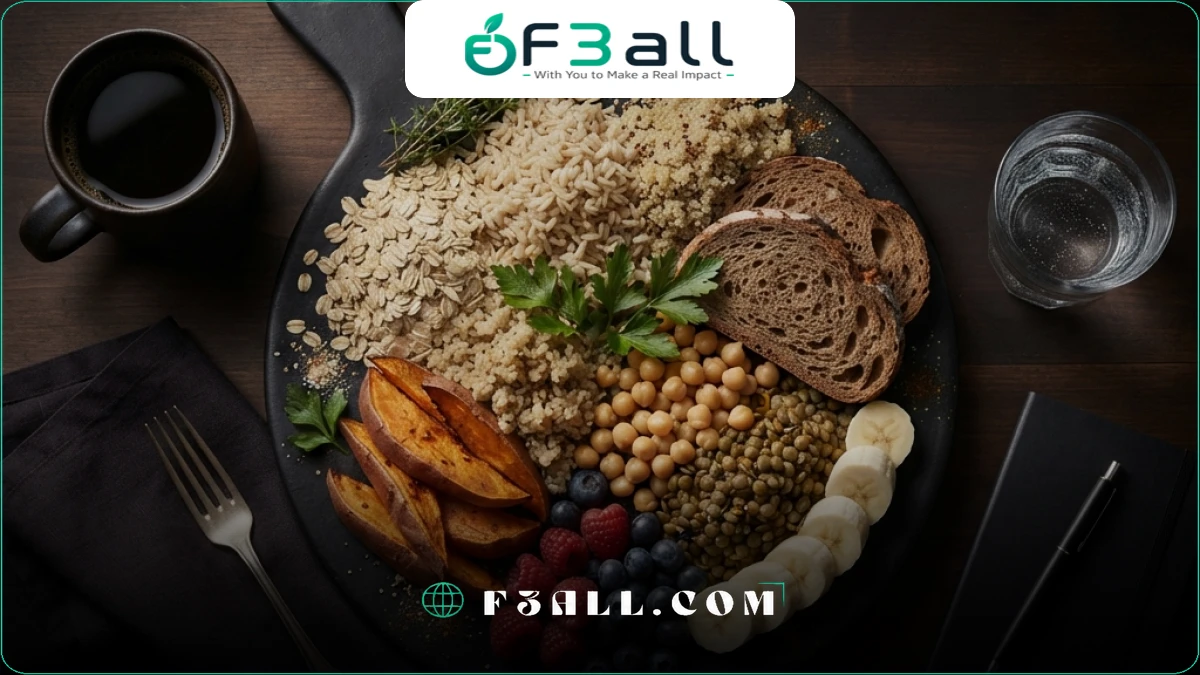
Good Carbs for Weight Loss are generally whole or minimally processed carbohydrate foods that provide useful nutrition beyond carbohydrate alone. Fiber, water content, food volume, and protein can all influence how useful a food feels within a weight-loss meal.
For the tables below, 1 gram of carbohydrate is estimated as approximately 4 calories. Total food calories can differ because foods also contain protein, fat, fiber, and varying amounts of water.
| Carb Source | Food | Serving Weight | Carbs | Calories From Carbs* | Fiber | Total Calories |
|---|---|---|---|---|---|---|
| Whole grain | Cooked oatmeal | 150 g | 18 g | 72 kcal | 2.5 g | 106 kcal |
| Whole grain | Brown rice, cooked | 150 g | 38.4 g | 154 kcal | 2.4 g | 184 kcal |
| Whole grain | Quinoa, cooked | 150 g | 32 g | 128 kcal | 4.2 g | 180 kcal |
| Whole grain | Barley, cooked | 150 g | 42.3 g | 169 kcal | 5.7 g | 184 kcal |
| Legume | Lentils, cooked | 150 g | 30.2 g | 121 kcal | 11.9 g | 174 kcal |
| Legume | Chickpeas, cooked | 100 g | 27.4 g | 110 kcal | 7.6 g | 164 kcal |
| Legume | Black beans, cooked | 100 g | 23.7 g | 95 kcal | 8.7 g | 132 kcal |
| Fruit | Apple | 180 g | 24.8 g | 99 kcal | 4.3 g | 95 kcal |
| Fruit | Strawberries | 150 g | 11.6 g | 46 kcal | 3 g | 48 kcal |
| Starchy vegetable | Baked potato | 180 g | 38.2 g | 153 kcal | 4 g | 167 kcal |
| Starchy vegetable | Sweet potato | 180 g | 37.3 g | 149 kcal | 5.9 g | 162 kcal |
*Carbohydrate calories are a simple estimate using carbs × 4. Because fiber is included within total carbohydrate on food labels, this number should not be treated as the exact metabolizable calorie contribution of every food.
The strongest Good Carbs for Weight Loss are not necessarily the foods with the fewest carb grams; they are the choices that provide enough nutrition and fullness for the portion you eat. Next, it helps to understand what actually makes one carbohydrate source more useful than another.
What Makes a Carb Better for Weight Loss?
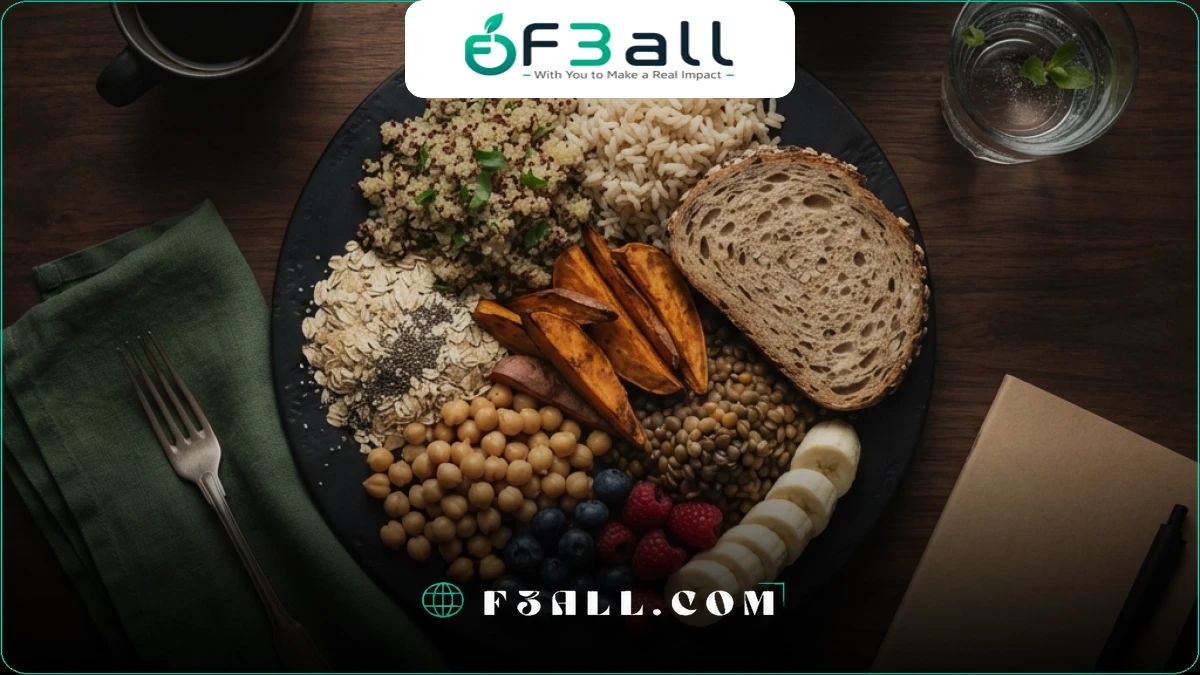
A carbohydrate should not be judged by carb grams alone. A 30 g carbohydrate serving from lentils is very different nutritionally from 30 g of carbohydrate coming mainly from added sugar.
Good Carbs for Weight Loss tend to provide one or more of the following:
- Fiber.
- Water.
- Plant protein.
- Whole-food structure.
- Vitamins and minerals.
- Greater food volume.
- Minimal added sugar.
| Carb Source | Example Portion | Weight | Carbs | Carb Calories | Why It Can Fit |
|---|---|---|---|---|---|
| Whole grain | Oatmeal | 150 g | 18 g | 72 kcal | Whole grain + fiber |
| Legume | Lentils | 150 g | 30.2 g | 121 kcal | High fiber + protein |
| Fruit | Strawberries | 150 g | 11.6 g | 46 kcal | High water volume |
| Starchy vegetable | Potato | 150 g | 31.8 g | 127 kcal | Filling whole food |
| Whole grain | Quinoa | 100 g | 21.3 g | 85 kcal | Fiber + some protein |
Food quality and portion size work together, so Good Carbs for Weight Loss should help you build a satisfying meal rather than simply chase the lowest carbohydrate number.
Whole-Grain Carbs for Weight Loss
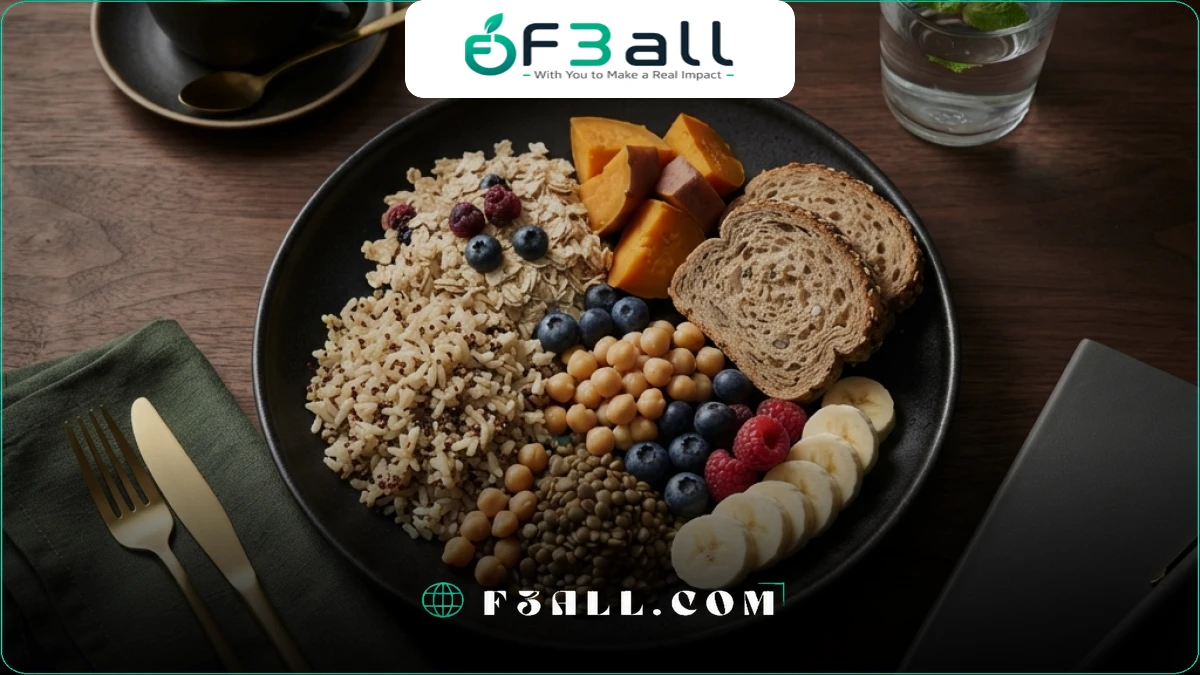
Whole grain carbs for weight loss can be valuable because they retain more of the original grain than heavily refined alternatives. They can provide fiber, minerals, and useful carbohydrate energy while still fitting comfortably into a calorie-controlled plan.
The key is weighing the cooked portion rather than filling the plate by eye.
| Whole Grain | Cooked Weight | Carbs | Carb Calories | Fiber | Total Calories |
|---|---|---|---|---|---|
| Oatmeal | 100 g | 12 g | 48 kcal | 1.7 g | 71 kcal |
| Oatmeal | 150 g | 18 g | 72 kcal | 2.5 g | 106 kcal |
| Brown rice | 100 g | 25.6 g | 102 kcal | 1.6 g | 123 kcal |
| Brown rice | 150 g | 38.4 g | 154 kcal | 2.4 g | 184 kcal |
| Quinoa | 100 g | 21.3 g | 85 kcal | 2.8 g | 120 kcal |
| Quinoa | 150 g | 32 g | 128 kcal | 4.2 g | 180 kcal |
| Barley | 100 g | 28.2 g | 113 kcal | 3.8 g | 123 kcal |
| Barley | 150 g | 42.3 g | 169 kcal | 5.7 g | 184 kcal |
A practical serving for many meals may fall around 100–150 g cooked, but the right amount still depends on your calorie needs, activity, and the rest of the plate.
You can use these Good Carbs for Weight Loss in meal ideas from Delicious Diet Recipes while keeping the cooked serving measured.
Whole grains give you useful options, but legumes can provide considerably more fiber per serving, which makes the next group especially worth comparing.
Read more about: Are Rice Cakes Good for Weight Loss Build Better Snacks
High-Fiber Carbs from Legumes
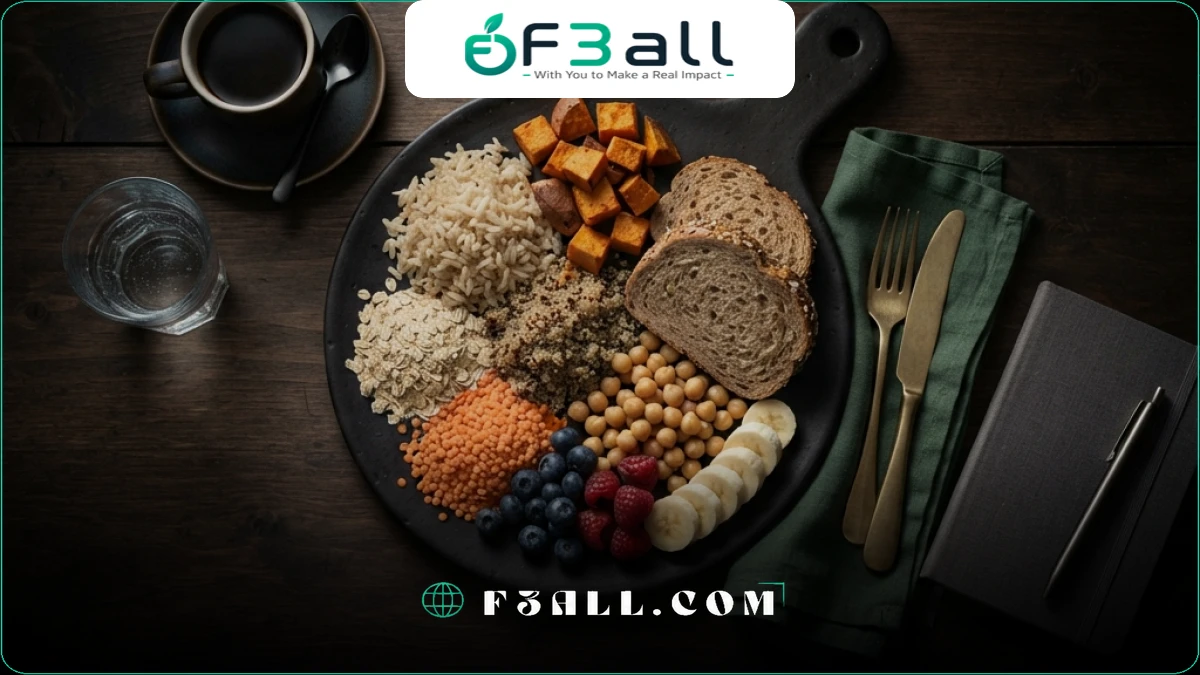
High fiber carbs for weight loss deserve special attention because fiber adds bulk while beans and lentils also contribute plant protein.
This is one reason a bowl containing 150 g of lentils can feel very different from a similar amount of refined grain, even if both provide carbohydrate.
| Legume | Cooked Weight | Carbs | Carb Calories | Fiber | Total Calories |
|---|---|---|---|---|---|
| Lentils | 100 g | 20.1 g | 80 kcal | 7.9 g | 116 kcal |
| Lentils | 150 g | 30.2 g | 121 kcal | 11.9 g | 174 kcal |
| Chickpeas | 100 g | 27.4 g | 110 kcal | 7.6 g | 164 kcal |
| Chickpeas | 150 g | 41.1 g | 164 kcal | 11.4 g | 246 kcal |
| Black beans | 100 g | 23.7 g | 95 kcal | 8.7 g | 132 kcal |
| Black beans | 150 g | 35.6 g | 142 kcal | 13.1 g | 198 kcal |
For example, 150 g cooked lentils provides about 30 g of total carbohydrate, which equals roughly 121 calories when calculated at 4 kcal per gram, while the whole portion contains about 174 calories.
Useful combinations include:
- 150 g lentils + vegetables + lean protein.
- 100 g chickpeas + large salad.
- 100 g black beans + 100 g brown rice + vegetables.
- 150 g lentils in a vegetable soup.
Good Carbs for Weight Loss from legumes give you carbohydrate, fiber, and protein in the same food, making them particularly useful when hunger control matters.
Fruit as a Healthy Carb Source
Whole fruit belongs comfortably among healthy carbs for weight loss because fruit combines carbohydrate with water, fiber, and micronutrients. The weight of the food also matters: some fruits provide a large portion for relatively few calories.
This is why judging fruit only by its natural sugar content can be misleading.
| Fruit | Serving Weight | Carbs | Carb Calories | Fiber | Total Calories |
|---|---|---|---|---|---|
| Strawberries | 150 g | 11.6 g | 46 kcal | 3 g | 48 kcal |
| Strawberries | 200 g | 15.4 g | 62 kcal | 4 g | 64 kcal |
| Orange | 140 g | 16.5 g | 66 kcal | 3.4 g | 66 kcal |
| Apple | 150 g | 20.7 g | 83 kcal | 3.6 g | 78 kcal |
| Apple | 180 g | 24.8 g | 99 kcal | 4.3 g | 95 kcal |
| Banana | 118 g | 26.9 g | 108 kcal | 3.1 g | 105 kcal |
A 150 g serving of strawberries provides only about 12 g of carbohydrate, while a medium banana around 118 g provides about 27 g. Neither is automatically better; they simply provide different amounts of energy and food volume.
Whole fruit is therefore one of the easiest Good Carbs for Weight Loss to use for breakfast, snacks, or dessert without eliminating naturally sweet foods.
Potatoes and Sweet Potatoes
Potatoes are often treated as “bad carbs,” but preparation and portion size usually matter more than the fact that the food contains starch.
A plain baked or boiled potato is very different from a potato deep-fried in oil or covered with butter, cheese, and creamy sauces.
| Carb Source | Cooked Weight | Carbs | Carb Calories | Fiber | Total Calories |
|---|---|---|---|---|---|
| Baked potato | 100 g | 21.2 g | 85 kcal | 2.2 g | 93 kcal |
| Baked potato | 150 g | 31.8 g | 127 kcal | 3.3 g | 140 kcal |
| Baked potato | 180 g | 38.2 g | 153 kcal | 4 g | 167 kcal |
| Sweet potato | 100 g | 20.7 g | 83 kcal | 3.3 g | 90 kcal |
| Sweet potato | 150 g | 31.1 g | 124 kcal | 5 g | 135 kcal |
| Sweet potato | 180 g | 37.3 g | 149 kcal | 5.9 g | 162 kcal |
Better preparation methods include:
- Boiling.
- Baking.
- Roasting with measured oil.
- Air-frying with controlled oil.
A 180 g baked potato contains about 38 g carbohydrate, equal to roughly 153 carbohydrate calories, before toppings are added.
That makes potatoes perfectly reasonable Good Carbs for Weight Loss when you control both the serving and what goes on top of it.
Low-Calorie Carbs for Larger Portions
Low calorie carbs can be especially helpful when someone prefers a larger amount of food on the plate. Water-rich fruit and some cooked foods allow you to eat more grams of food without consuming as many calories as dense snack products.
This is where looking at food weight per calorie becomes valuable.
| Food | Food Weight | Carbs | Carb Calories | Total Calories |
|---|---|---|---|---|
| Strawberries | 200 g | 15.4 g | 62 kcal | 64 kcal |
| Orange | 140 g | 16.5 g | 66 kcal | 66 kcal |
| Apple | 150 g | 20.7 g | 83 kcal | 78 kcal |
| Cooked oatmeal | 150 g | 18 g | 72 kcal | 106 kcal |
| Baked potato | 150 g | 31.8 g | 127 kcal | 140 kcal |
For comparison, 200 g of strawberries provides about 15 g of carbohydrate, while only 100 g of cooked brown rice provides around 26 g. The rice is not “bad”; it is simply a denser carbohydrate source.
Understanding food weight is one of the simplest ways to make Good Carbs for Weight Loss work with your appetite rather than against it.
How Carb Grams Translate Into Calories
Knowing what carbohydrate grams mean in calories makes meal planning much more precise.
As a practical nutrition estimate:
1 g carbohydrate ≈ 4 calories
| Carbohydrate Amount | Approx. Calories From Carbs |
|---|---|
| 5 g | 20 kcal |
| 10 g | 40 kcal |
| 15 g | 60 kcal |
| 20 g | 80 kcal |
| 25 g | 100 kcal |
| 30 g | 120 kcal |
| 40 g | 160 kcal |
| 50 g | 200 kcal |
| 60 g | 240 kcal |
| 75 g | 300 kcal |
| 100 g | 400 kcal |
Remember that total carbohydrate includes fiber, so multiplying total carbohydrate by four is a useful simple estimate rather than an exact calculation of the food’s metabolizable energy.
Once you can translate grams into approximate energy, Good Carbs for Weight Loss become far easier to compare and portion intelligently.
Read more about: Is Cycling Good for Weight Loss Build a Better Ride Now
How Much Carb to Serve at a Meal
There is no single carbohydrate portion suitable for every person. Someone training regularly may need a very different amount from someone who is smaller, less active, or following a lower-calorie plan.
A practical method is to weigh the carbohydrate source and build the rest of the plate around protein and vegetables.
| Carb Source | Practical Portion | Carbs | Carb Calories | Total Calories |
|---|---|---|---|---|
| Oatmeal | 150 g cooked | 18 g | 72 kcal | 106 kcal |
| Brown rice | 100 g cooked | 25.6 g | 102 kcal | 123 kcal |
| Quinoa | 100 g cooked | 21.3 g | 85 kcal | 120 kcal |
| Lentils | 150 g cooked | 30.2 g | 121 kcal | 174 kcal |
| Potato | 150 g cooked | 31.8 g | 127 kcal | 140 kcal |
| Apple | 150 g | 20.7 g | 83 kcal | 78 kcal |
A simple meal structure can include:
- 100–150 g cooked grain or legume.
- A measured lean protein serving.
- A generous amount of non-starchy vegetables.
- A controlled serving of healthy fat.
For more structured approaches, explore Weight Loss Diet Plans.
Good Carbs for Weight Loss work best when the serving matches your actual needs, so the next step is pairing that portion with foods that improve the whole meal.
Pair Carbs With Protein
A good carbohydrate serving becomes much more useful when the rest of the meal is planned well. Pairing carbs with a clear protein source and vegetables makes the meal more nutritionally complete.
Instead of eating a large bowl of rice alone, consider how much carbohydrate you need and what protein will accompany it.
| Carb Food | Carb Weight | Carbs | Carb Calories | Suggested Protein Pair |
|---|---|---|---|---|
| Oatmeal | 150 g | 18 g | 72 kcal | Greek yogurt or eggs |
| Brown rice | 120 g | 30.7 g | 123 kcal | Chicken or fish |
| Quinoa | 120 g | 25.6 g | 102 kcal | Chicken, fish, or tofu |
| Lentils | 150 g | 30.2 g | 121 kcal | Yogurt, fish, or eggs |
| Potato | 180 g | 38.2 g | 153 kcal | Tuna or chicken |
| Whole-grain bread | 56 g | ~24 g | ~96 kcal | Eggs or cottage cheese |
Simple combinations include:
- 150 g oatmeal + yogurt + berries.
- 120 g brown rice + chicken + vegetables.
- 150 g lentils + salad + protein.
- 180 g potato + tuna + vegetables.
- 56 g whole-grain bread + eggs.
Good Carbs for Weight Loss are easier to manage when the carbohydrate is one part of the plate rather than the entire meal.
Slow-Digesting Carbs
Slow digesting carbs is a practical term often used for less-refined foods that contain fiber and retain more of their natural food structure.
Examples include legumes, oats, barley, and several whole grains.
| Slow-Digesting Carb | Weight | Carbs | Fiber | Carb Calories | Total Calories |
|---|---|---|---|---|---|
| Lentils | 150 g | 30.2 g | 11.9 g | 121 kcal | 174 kcal |
| Black beans | 100 g | 23.7 g | 8.7 g | 95 kcal | 132 kcal |
| Oatmeal | 150 g | 18 g | 2.5 g | 72 kcal | 106 kcal |
| Barley | 150 g | 42.3 g | 5.7 g | 169 kcal | 184 kcal |
| Chickpeas | 100 g | 27.4 g | 7.6 g | 110 kcal | 164 kcal |
Slow digestion does not mean a food can be eaten without limits. Barley, for example, still provides around 42 g carbohydrate in a 150 g cooked serving.
The advantage of these Good Carbs for Weight Loss is their overall nutritional package, not a magical ability to prevent calorie storage.
Good Carbs List for Weight Loss
A useful good carbs list for weight loss should include several categories so you can rotate foods according to your meals, appetite, and activity.
| Category | Carb Sources | Useful Portion Range |
|---|---|---|
| Whole grains | Oats, quinoa, barley | 100–150 g cooked |
| Rice | Brown rice | 100–150 g cooked |
| Legumes | Lentils, beans, chickpeas | 100–150 g cooked |
| Fruit | Apples, berries, oranges | 100–200 g |
| Starchy vegetables | Potato, sweet potato | 100–200 g |
| Whole-grain bread | Whole-wheat bread | 28–56 g |
A practical shopping list can include:
- Rolled oats.
- Brown rice.
- Quinoa.
- Barley.
- Lentils.
- Chickpeas.
- Black beans.
- Potatoes.
- Sweet potatoes.
- Whole-grain bread.
- Apples.
- Oranges.
- Berries.
You can build these foods into Delicious Diet Recipes without needing to follow one repetitive menu every day.
Variety is what makes Good Carbs for Weight Loss realistic enough to use for months rather than only for a short diet phase.
Read more about: Colon Cleanse Good for Weight Loss Myths and Risks
Carbs to Choose Less Often
A sustainable diet does not require permanently banning refined carbohydrates, but certain foods are easier to overconsume and often provide less fiber for their calories.
The goal is to choose minimally processed options more often rather than label every refined food as completely forbidden.
| Choose More Often | Portion Example | Choose Less Often |
|---|---|---|
| Oats | 150 g cooked | Sugary breakfast cereal |
| Whole fruit | 150–200 g | Sweetened juice |
| Brown rice | 100–150 g | Highly refined snack foods |
| Whole-grain bread | 28–56 g | Pastries |
| Baked potato | 150–180 g | Large fried potato serving |
| Beans or lentils | 100–150 g | Sugary snack bars |
Foods to limit more often include:
- Sugary drinks.
- Pastries.
- Candy.
- Sweetened cereals.
- Large bakery desserts.
- Refined snack foods.
- Sweetened fruit drinks.
The point of Good Carbs for Weight Loss is better everyday choices, not dietary perfection.
Common Carb Mistakes During Weight Loss
Even healthy carbohydrates can become difficult to manage if portions or additions are ignored.
A 150 g portion of oats is not nutritionally the same meal once several tablespoons of honey, nut butter, and chocolate are added.
| Base Carb | Serving | Base Calories | Common Addition | Why It Matters |
|---|---|---|---|---|
| Oatmeal | 150 g | ~106 kcal | Honey + nut butter | Can add hundreds of calories |
| Potato | 180 g | ~167 kcal | Butter + cheese | Raises fat and calories |
| Brown rice | 150 g | ~184 kcal | Large oil serving | Increases energy density |
| Fruit | 150 g | ~50–100 kcal | Syrup or cream | Adds sugar and fat |
| Whole-grain bread | 56 g | ~140 kcal | Heavy spread | Portion becomes much denser |
Other common mistakes include:
- Assuming “whole grain” means unlimited portions.
- Drinking most fruit as juice.
- Removing all carbs and struggling to maintain the diet.
- Ignoring calories from cooking oil.
- Focusing on carb grams while forgetting the total meal.
- Avoiding fruit simply because it contains natural sugar.
Good Carbs for Weight Loss still require portion awareness, but they should make dieting more flexible rather than more restrictive.
A 7-Day Carb Rotation
Rotating healthy carbohydrates for dieting can give you different fiber levels, flavors, textures, and meal options throughout the week.
This is an example of carbohydrate portions, not a fixed meal plan.
| Day | Carb Source | Weight | Carbs | Carb Calories | Total Calories |
|---|---|---|---|---|---|
| Monday | Oatmeal | 150 g | 18 g | 72 kcal | 106 kcal |
| Tuesday | Brown rice | 150 g | 38.4 g | 154 kcal | 184 kcal |
| Wednesday | Lentils | 150 g | 30.2 g | 121 kcal | 174 kcal |
| Thursday | Sweet potato | 180 g | 37.3 g | 149 kcal | 162 kcal |
| Friday | Quinoa | 150 g | 32 g | 128 kcal | 180 kcal |
| Saturday | Chickpeas | 100 g | 27.4 g | 110 kcal | 164 kcal |
| Sunday | Potato | 180 g | 38.2 g | 153 kcal | 167 kcal |
Different eating approaches are available through Types of Diets, but knowing the gram weight of your food remains useful whichever approach you choose.
Good Carbs for Weight Loss become much easier to personalize when you stop guessing portions and start understanding what each serving actually provides.
Why F3all Is Your Best Choice

F3all explains Good Carbs for Weight Loss through realistic portions, measurable serving weights, practical nutrition, and sustainable weight-management habits rather than extreme rules about carbohydrates.
F3all focuses on:
- Serving weights in grams.
- Clear carbohydrate amounts.
- Practical calorie calculations.
- High-fiber food choices.
- Whole-food carbohydrate sources.
- Realistic portion control.
- Balanced meal planning.
- Sustainable weight-management habits.
Readers can explore more practical guidance through Weight Loss, Weight Loss Diet Plans, and Delicious Diet Recipes.
The goal is to make Good Carbs for Weight Loss easier to measure, compare, and use without turning carbohydrates into something you need to fear.
Frequently Asked Questions
What are the best carbs for weight loss?
Good Carbs for Weight Loss include oats, lentils, beans, quinoa, barley, brown rice, potatoes, sweet potatoes, and whole fruit.
For example, 150 g cooked lentils contains about 30.2 g carbohydrate, equal to roughly 121 carbohydrate calories, while the whole serving contains around 174 calories.
The best choice depends on portion size, fiber, food quality, and what else you eat with it.
How many calories are in one gram of carbohydrate?
One gram of carbohydrate provides approximately 4 calories as a simple nutrition calculation.
That means:
- 10 g carbs ≈ 40 calories.
- 20 g carbs ≈ 80 calories.
- 30 g carbs ≈ 120 calories.
- 40 g carbs ≈ 160 calories.
- 50 g carbs ≈ 200 calories.
Because fiber is included in total carbohydrate, the calculation should be treated as an estimate rather than the exact energy absorbed from every whole food.
What are the best high-fiber carbs for weight loss?
Lentils, black beans, chickpeas, barley, oats, berries, and other whole foods provide useful fiber.
For example, 150 g cooked lentils contains approximately 11.9 g fiber, while 100 g black beans contains around 8.7 g.
These Good Carbs for Weight Loss provide much more than carbohydrate alone.
Is brown rice good for weight loss?
Yes. A measured serving of brown rice can fit into a weight-loss diet.
About 100 g cooked brown rice contains 25.6 g carbs and roughly 123 total calories, while 150 g provides about 38.4 g carbs and 184 calories.
Pair the rice with protein and vegetables rather than relying on a very large rice serving.
Are potatoes good carbs for weight loss?
Yes, particularly when baked or boiled and served without excessive high-calorie toppings.
A 180 g baked potato provides around 38.2 g carbohydrate, which equals about 153 carbohydrate calories, with roughly 167 total calories in the plain potato.
Preparation method makes a major difference.
Are oats good for weight loss?
Oats are one of the more practical whole grain carbs for weight loss.
Around 150 g cooked oatmeal provides approximately 18 g carbohydrate, equal to about 72 carbohydrate calories, and roughly 106 total calories before toppings.
Watch the calories added through honey, sugar, nut butter, or other extras.
Which fruits are lower in carbs?
Berries can provide a large food portion for relatively few carbohydrate grams.
For example, 150 g strawberries contains about 11.6 g carbs and 48 total calories, compared with around 26.9 g carbs in a 118 g banana.
Both can fit among Good Carbs for Weight Loss; they simply serve different energy needs.
What are slow digesting carbs?
Slow digesting carbs commonly include legumes, oats, barley, and other less-refined, fiber-containing carbohydrate foods.
For example, 100 g black beans contains approximately 23.7 g carbohydrate and 8.7 g fiber, while 150 g cooked barley contains about 42.3 g carbohydrate and 5.7 g fiber.
These foods can be useful, but their portions still matter.
Can I eat carbs at night and still lose weight?
Yes. Eating a measured carbohydrate portion at dinner does not automatically prevent fat loss.
For example, 150 g baked potato or 100 g cooked rice can be included with protein and vegetables if the entire meal fits your nutrition needs.
Good Carbs for Weight Loss can be eaten at different times of day rather than being restricted to breakfast or lunch.
How much carbohydrate should I eat for weight loss?
There is no single carbohydrate target for everyone. Body size, activity, calorie needs, health status, training, and personal preference all affect the appropriate amount.
Start by weighing your usual carbohydrate portion and understanding exactly how many grams and calories it provides before making large reductions.
Good Carbs for Weight Loss work best when the amount is individualized rather than copied from a generic diet rule.
In the End
Good Carbs for Weight Loss include whole grains, legumes, fruit, potatoes, and other minimally processed foods that provide useful nutrition alongside carbohydrate energy. Knowing the actual serving weight, carb grams, fiber, and approximate calories gives you far more control than simply removing carbohydrates.
Use Good Carbs for Weight Loss in measured portions, pair them with protein and vegetables, and adjust the amount to your own calorie and activity needs. Once you understand the numbers, choosing carbohydrates becomes much simpler.