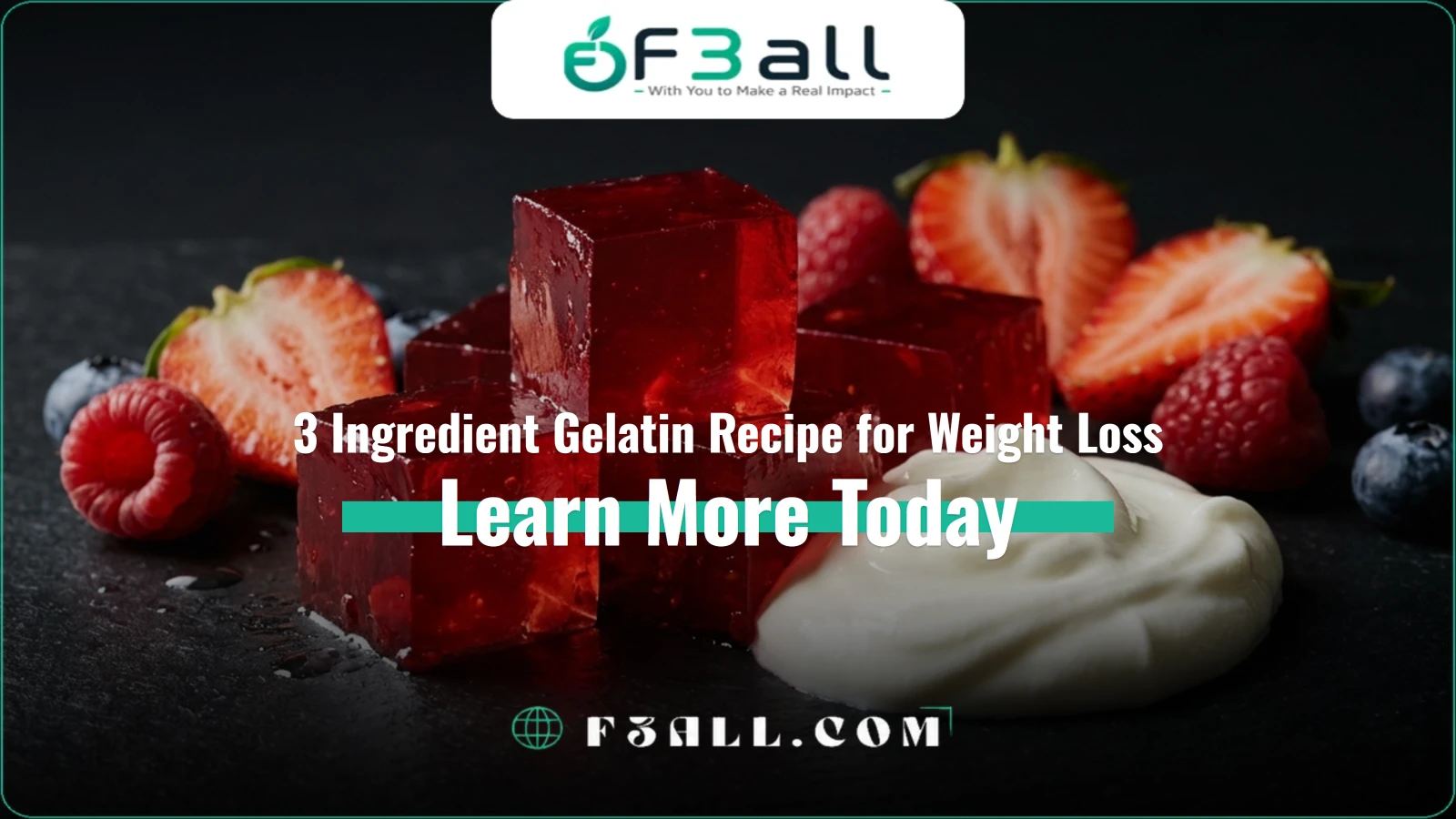
3 Ingredient Gelatin Recipe for Weight Loss | Make Now!
The 3 Ingredient Gelatin Recipe for Weight Loss is a simple, refreshing snack made with unflavored gelatin, water, and a small amount of fruit juice. It is easy to prepare, requires no baking, and can be adapted to fit different calorie needs. Although gelatin does not directly burn body fat, a homemade, portion-controlled gelatin snack may help replace higher-calorie desserts as part of a balanced eating plan.
In this guide, you will learn the exact ingredients, preparation steps, calories, nutritional benefits, sugar-free alternatives, meal-preparation methods, and a practical seven-day snack plan.
What Is the 3 Ingredient Gelatin Recipe for Weight Loss?
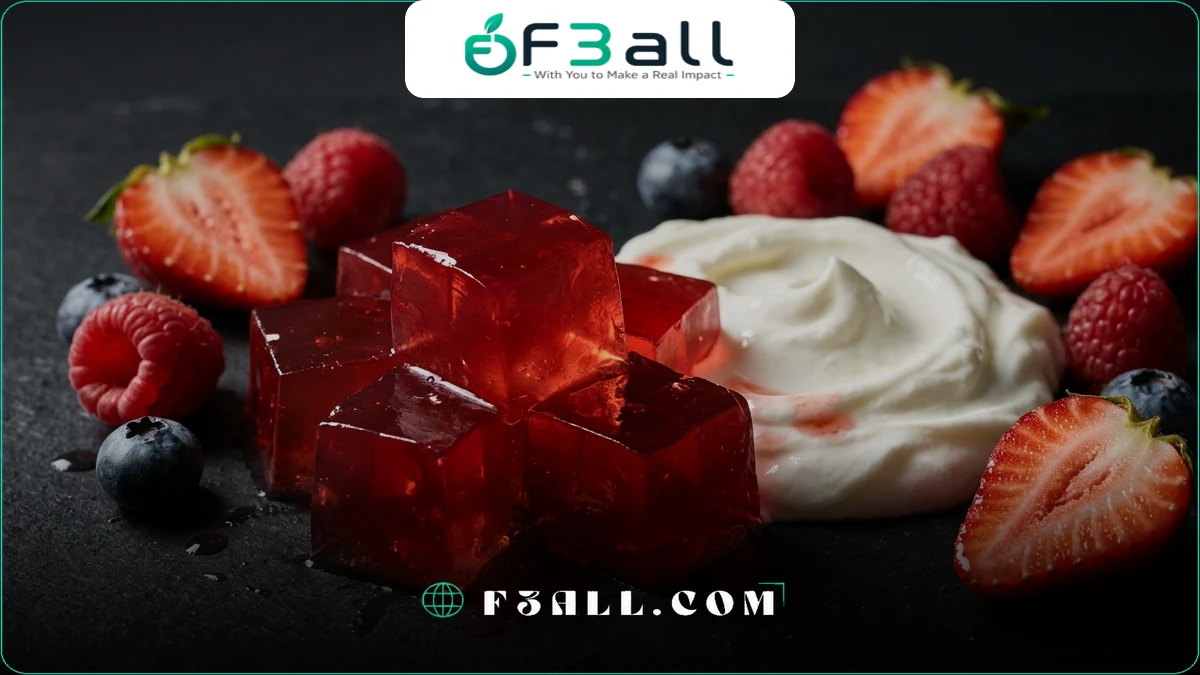
The 3 Ingredient Gelatin Recipe for Weight Loss is a homemade gelatin dessert prepared with three basic ingredients.
Unlike commercial gelatin desserts that may contain added sugar, artificial flavors, or other ingredients, this version allows you to control the sweetness and portion size.
The recipe uses unflavored gelatin to create a firm, jelly-like texture, water for hydration and volume, and a small amount of fruit juice for flavor.
The Three Essential Ingredients
| Ingredient | Quantity | Purpose |
| Unflavored gelatin powder | 2 teaspoons (about 6 g) | Creates the gelatin texture |
| Water | 1 cup (240 ml), divided | Dissolves and hydrates gelatin |
| 100% fruit juice | ½ cup (120 ml) | Adds natural flavor and sweetness |
Yield: Approximately 3 servings.
Preparation time: 5–10 minutes.
Refrigeration time: Approximately 3–4 hours.
Estimated calories: Approximately 30–40 calories per serving, depending on the juice and gelatin brand.
Why This Recipe Is Popular
The recipe appeals to people who want:
- A low-calorie homemade dessert.
- A simple snack requiring minimal preparation.
- A customizable alternative to sugary gelatin cups.
- A make-ahead option for busy days.
- A refreshing treat without baking.
- A snack with clearly measured ingredients.
Does Gelatin Cause Weight Loss?
Gelatin does not directly cause fat loss.
Weight management generally depends on overall energy intake, physical activity, sleep, and other health factors.
However, replacing a higher-calorie dessert with a smaller gelatin serving may help reduce overall calorie intake.
The main advantage of this recipe is its simplicity and portion control, not a special fat-burning effect.
How to Make the 3 Ingredient Gelatin Recipe for Weight Loss
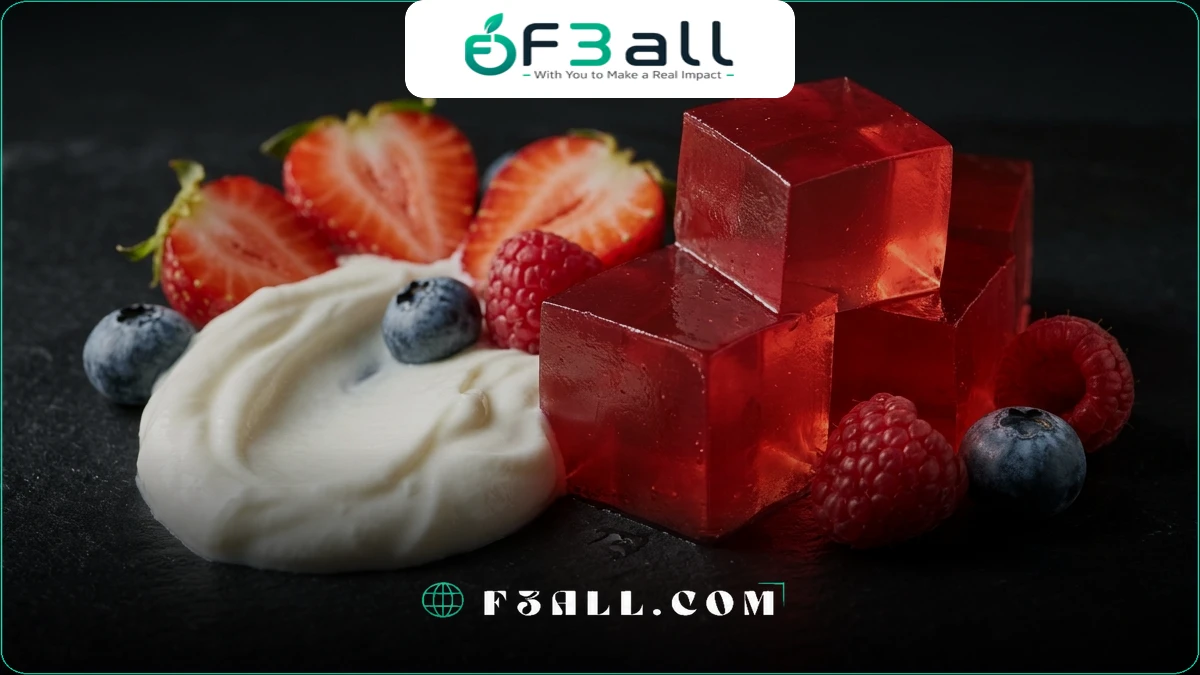
This 3 Ingredient Gelatin Recipe for Weight Loss uses a straightforward preparation method that produces a smooth texture without requiring specialized equipment.
Ingredients
- 2 teaspoons unflavored gelatin powder, approximately 6 g.
- 1 cup water, divided into ¼ cup cold water and ¾ cup hot water.
- ½ cup unsweetened 100% fruit juice.
Step-by-Step Instructions
Step 1 – Bloom the Gelatin
Pour ¼ cup of cold water into a small bowl.
Sprinkle the gelatin evenly over the surface.
Allow it to sit for approximately five minutes.
The gelatin will absorb the water and become soft.
Step 2 – Add Hot Water
Heat the remaining ¾ cup of water until hot but not necessarily boiling.
Add it to the bloomed gelatin.
Stir until the gelatin dissolves completely.
Step 3 – Add Fruit Juice
Pour in ½ cup of fruit juice.
Stir gently until the mixture is evenly combined.
Step 4 – Divide Into Servings
Pour the mixture into three small cups or silicone molds.
Using individual containers makes portion control easier.
Step 5 – Refrigerate
Place the containers in the refrigerator for approximately three to four hours, or until fully set.
Step 6 – Serve
Enjoy chilled as a light snack or dessert.
Recipe Summary
| Detail | Information |
| Difficulty | Easy |
| Ingredients | 3 |
| Active Preparation | 5–10 minutes |
| Setting Time | 3–4 hours |
| Servings | 3 |
| Cooking Method | No baking |
| Storage | Refrigerated |
| Estimated Calories | 30–40 per serving |
Tips for a Smooth Texture
- Sprinkle gelatin over cold water instead of adding it directly to hot liquid.
- Allow enough time for the gelatin to bloom.
- Stir until fully dissolved.
- Avoid adding large amounts of extra liquid.
- Refrigerate until completely firm.
- Keep the finished dessert chilled.
Important Ingredient Note
Fresh pineapple, kiwi, papaya, and some other fruits contain enzymes that can interfere with gelatin setting.
If using these fruits, heating or processing may be needed to deactivate the relevant enzymes. Canned or pasteurized alternatives may work better.
Following the blooming and dissolving steps carefully is the easiest way to achieve a consistent homemade gelatin texture.
3 Ingredient Gelatin Ingredients for Weight Loss
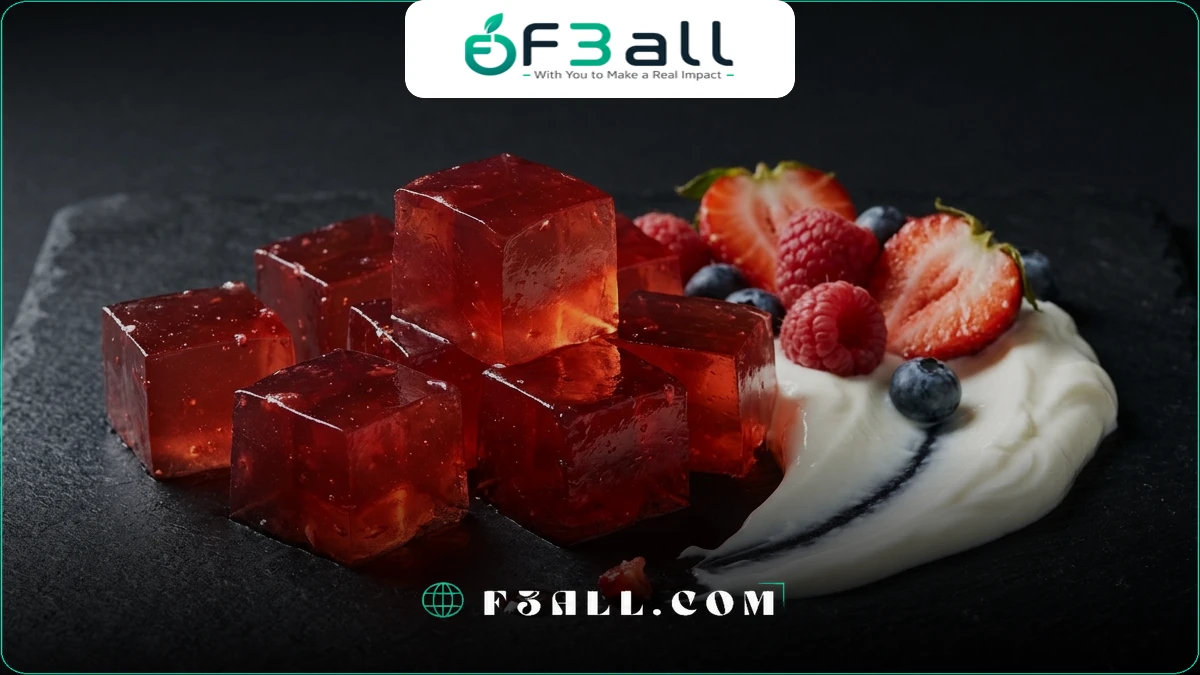
Choosing the right ingredients can help keep the recipe simple, affordable, and suitable for different dietary preferences.
The three ingredients serve different functions, and understanding each one makes it easier to adjust the recipe.
Unflavored Gelatin
Gelatin is a protein derived from collagen, usually obtained from animal sources.
It creates the structure of the dessert when dissolved and chilled.
Gelatin contains protein, but it is not a complete protein because it lacks sufficient amounts of certain essential amino acids.
Water
Water provides most of the dessert’s volume without adding calories.
It also helps hydrate and dissolve the gelatin.
Fruit Juice
Fruit juice provides flavor and natural sweetness.
Even 100% fruit juice contains naturally occurring sugars and calories.
For a lower-calorie version, use a smaller amount of juice and replace the remaining liquid with water, adjusting the total liquid volume as needed.
Ingredient Comparison
| Ingredient | Nutritional Contribution | Weight-Management Consideration |
| Gelatin | Small amount of protein | Does not directly burn fat |
| Water | Hydration and volume | Adds no calories |
| Fruit Juice | Flavor, carbohydrates | Portion size affects calories |
Choosing the Best Juice
Suitable options may include:
- Unsweetened cranberry juice.
- Apple juice.
- Grape juice.
- Pomegranate juice.
- Mixed berry juice.
Calories and sugar content vary substantially between juices.
Can You Use Flavored Gelatin Powder?
Yes, but that creates a different recipe.
Flavored gelatin mixes may contain sugar, sweeteners, colors, and other ingredients.
Always check the nutrition label.
Is Gelatin Suitable for Vegetarians?
No.
Traditional gelatin is animal-derived.
Vegetarian alternatives such as agar-agar can create a similar dessert, but they behave differently and require different preparation methods.
The best ingredient choices are those that produce a pleasant flavor while keeping portions and total calories appropriate for your needs.
Read more about: Weight Loss Gelatin Recipe | Get the Easy Recipe
3 Ingredient Gelatin Calories and Nutrition Facts
The calorie content of the 3 Ingredient Gelatin Recipe for Weight Loss depends mainly on the amount of gelatin and the type of fruit juice used.
Water contributes no calories.
Estimated Nutrition for the Full Recipe
Assuming approximately 6 g of unflavored gelatin and 120 ml of apple juice:
| Nutrient | Approximate Amount |
| Calories | 75–90 kcal |
| Protein | 5–6 g |
| Carbohydrates | 14–17 g |
| Fat | 0 g |
| Fiber | 0 g |
| Added Sugar | 0 g if using juice without added sugar |
Values are estimates and vary by product.
Estimated Nutrition Per Serving
When divided into three portions:
| Nutrient | Approximate Amount |
| Calories | 25–30 kcal |
| Protein | 1.7–2 g |
| Carbohydrates | 4.5–5.7 g |
| Fat | 0 g |
| Fiber | 0 g |
Some juices contain more calories, so a practical estimate is approximately 30–40 calories per serving.
Comparison With Common Desserts
| Dessert | Approximate Calories Per Serving |
| Homemade 3-Ingredient Gelatin | 30–40 |
| Small Fruit Yogurt | 100–160 |
| Small Scoop of Ice Cream | 130–180 |
| Chocolate Pudding Cup | 120–180 |
| Small Slice of Cheesecake | 250–400 |
These are illustrative ranges. Actual values depend on brand, recipe, and portion size.
Does Low Calorie Mean Healthy?
Not automatically.
A food can be low in calories without providing substantial vitamins, minerals, fiber, or complete protein.
This gelatin recipe works better as an occasional snack or dessert than as a replacement for balanced meals.
How to Calculate Recipe Calories
Use the following formula:
Total Recipe Calories = Gelatin Calories + Juice Calories
Then divide by the number of portions.
For example:
- Gelatin: 22 calories.
- Fruit juice: 60 calories.
- Water: 0 calories.
Total: 82 calories.
Divided into three servings: approximately 27 calories per serving.
Understanding the actual ingredients and serving size is more useful than relying on a generic low-calorie label.
Healthy 3 Ingredient Gelatin Recipe Benefits
A healthy 3 Ingredient Gelatin Recipe may offer practical benefits when used as part of an overall balanced eating pattern.
However, claims that gelatin automatically reduces appetite, accelerates metabolism, or melts abdominal fat are not established.
Benefit 1 – Portion-Controlled Dessert
Preparing gelatin in individual cups makes it easier to know how much you are eating.
Benefit 2 – Lower-Calorie Alternative
The recipe may contain fewer calories than many pastries, ice creams, or creamy desserts.
Benefit 3 – Simple Preparation
Only three ingredients are required.
Benefit 4 – Flexible Flavor Options
Changing the juice creates different flavors without changing the basic preparation method.
Benefit 5 – Convenient Meal Preparation
The dessert can be prepared in advance and refrigerated.
Benefit 6 – Small Protein Contribution
Gelatin supplies a modest amount of protein.
However, the amount per serving is relatively small and should not replace complete protein sources.
Benefits Overview
| Potential Benefit | Explanation | Limitation |
| Portion Control | Individual serving cups | Still requires overall dietary balance |
| Lower Calories | May replace richer desserts | Depends on ingredients |
| Convenience | Easy to prepare | Requires refrigeration |
| Flavor Variety | Different juice choices | Some juices contain more sugar |
| Protein | Gelatin contains amino acids | Not a complete protein |
| Meal Preparation | Can be made ahead | Limited refrigerated shelf life |
What About Collagen Benefits?
Gelatin is derived from collagen, but eating gelatin does not guarantee improved skin firmness or reduced body fat.
Evidence on specific collagen supplements should not automatically be applied to homemade gelatin desserts.
Does Gelatin Increase Fullness?
Protein can influence satiety, and some research has examined gelatin-containing meals.
However, a small gelatin cup containing approximately two grams of protein has not been established as a reliable appetite suppressant.
The most realistic benefits are convenience, portion control, and the opportunity to replace a more calorie-dense dessert.
3 Ingredient Gelatin Without Sugar
A 3 Ingredient Gelatin Without Sugar variation can be useful for people who want to reduce the amount of sugar in their desserts.
However, there is an important distinction between no added sugar and sugar-free.
Fruit juice naturally contains sugars even when no sugar is added.
No-Added-Sugar Version
Use:
- 2 teaspoons unflavored gelatin.
- 1 cup water.
- ½ cup 100% fruit juice with no added sugar.
This version contains naturally occurring fruit sugars.
Lower-Sugar Alternative
Use:
- 2 teaspoons unflavored gelatin.
- 1¼ cups water.
- ¼ cup 100% fruit juice.
This provides less juice-derived sugar than the original version.
The texture may vary slightly.
Sugar-Free Variation
For a version without sugar from fruit juice, use:
- 2 teaspoons unflavored gelatin.
- 1¼ cups water.
- ¼ cup prepared sugar-free flavored beverage.
Check the beverage label for calories, sweeteners, and compatibility with your dietary needs.
Comparison of Variations
| Version | Sweetness Source | Main Advantage |
| Original | 100% fruit juice | Natural fruit flavor |
| Reduced-Juice | Smaller juice quantity | Less sugar |
| Sugar-Free Beverage | Non-sugar sweeteners | Potentially fewer calories |
| Unsweetened Herbal Tea | No added sweetness | Minimal sugar |
Can You Use Stevia?
Stevia-based sweeteners may be used in suitable recipes.
However, adding stevia as a separate ingredient would make the recipe a four-ingredient version unless it is already included in a flavored beverage.
Is Sugar-Free Always Better?
Not necessarily.
The best choice depends on individual preferences, nutritional needs, and the overall eating pattern.
A lower-sugar gelatin recipe can be useful, but reducing sugar alone does not guarantee weight loss.
Best 3 Ingredient Gelatin for Weight Loss
The best 3 Ingredient Gelatin for Weight Loss is the version that fits your calorie needs, tastes good, and is easy to prepare consistently.
There is no evidence that a particular gelatin flavor produces superior fat loss.
Best for Low Calories
Use unflavored gelatin, water, and a small amount of lower-calorie juice.
Best for Convenience
Use a familiar juice that requires no additional preparation.
Best for Less Sugar
Choose a sugar-free beverage or reduce the amount of fruit juice.
Best for Meal Preparation
Prepare several individual cups and refrigerate them.
Best for Flavor Variety
Rotate between apple, cranberry, grape, or berry flavors.
Recipe Comparison
| Recipe Style | Main Feature | Best Use |
| Classic Fruit Gelatin | Simple flavor | Everyday dessert |
| Reduced-Juice Gelatin | Less fruit sugar | Lower-sugar preference |
| Sugar-Free Beverage Gelatin | Potentially very low calories | Sugar reduction |
| Berry-Flavored Gelatin | Tart flavor | Refreshing snack |
| Apple Gelatin | Mild sweetness | Family-friendly dessert |
Choosing Unflavored Gelatin
Look for:
- Clear ingredient labeling.
- Reliable manufacturer information.
- Appropriate food-grade gelatin.
- Storage instructions.
- Suitable dietary certification when required.
Powder vs Sheets
Both powdered gelatin and gelatin sheets can set liquids.
However, their strengths and preparation methods differ.
The recipe in this guide is designed for powdered gelatin.
The best version is not the one with the most dramatic marketing claim, but the one that supports a practical, balanced eating routine.
3 Ingredient Gelatin Meal Prep and Storage
Preparing several portions in advance can make healthy snacking more convenient.
Gelatin is especially suitable for meal preparation because it requires minimal active cooking.
How to Meal Prep
- Prepare the recipe using the standard instructions.
- Divide it into individual containers.
- Allow it to cool slightly.
- Refrigerate promptly.
- Cover the containers once appropriate.
- Label them with the preparation date.
How Long Does Homemade Gelatin Last?
For best quality, use homemade gelatin within approximately three to four days when stored properly in the refrigerator.
Keep it at or below 40°F (4°C).
If the recipe contains additional perishable ingredients, follow the storage requirements of those ingredients.
Can You Freeze Gelatin?
Freezing is generally not recommended for this recipe.
The texture may become watery or grainy after thawing.
Meal Prep Schedule
| Preparation Day | Suggested Use |
| Sunday | Prepare servings for Monday–Wednesday |
| Wednesday | Prepare servings for Thursday–Saturday |
| Saturday | Prepare a fresh batch if needed |
Storage Tips
- Use clean containers.
- Refrigerate promptly.
- Avoid leaving gelatin at room temperature for extended periods.
- Discard portions showing unusual odor, mold, or other spoilage signs.
- Keep servings covered.
Why Individual Portions Help
Individual containers make it easier to:
- Control serving sizes.
- Pack snacks.
- Reduce food waste.
- Track ingredients.
- Avoid repeatedly handling the entire batch.
Simple meal preparation makes the recipe more convenient while supporting food safety and portion awareness.
Read more about: Weight Loss Drink Recipe | Get 7 Easy Recipes Now
3 Ingredient Gelatin 7 Day Plan
A 3 Ingredient Gelatin 7 Day Plan can provide variety without turning gelatin into a restrictive diet.
The following schedule uses gelatin as an optional snack or dessert alongside balanced meals.
It is not a seven-day gelatin-only diet.
Seven-Day Gelatin Snack Schedule
| Day | Gelatin Variation | Suggested Use |
| Monday | Classic apple gelatin | Afternoon snack |
| Tuesday | Cranberry gelatin | After lunch |
| Wednesday | Reduced-juice gelatin | Evening dessert |
| Thursday | Berry gelatin | Afternoon snack |
| Friday | Sugar-free beverage gelatin | After dinner |
| Saturday | Apple gelatin | Optional snack |
| Sunday | Favorite variation | Flexible dessert |
Day 1 – Start With the Classic Recipe
Prepare the standard three-ingredient version.
Serve one portion after a balanced meal.
Day 2 – Try a Tart Flavor
Use cranberry juice for a less sweet flavor.
Day 3 – Reduce the Juice
Try the lower-juice variation to compare sweetness.
Day 4 – Experiment With Berry Flavor
Choose a suitable berry juice.
Day 5 – Try a Sugar-Free Option
Use a prepared sugar-free beverage instead of fruit juice.
Day 6 – Repeat Your Favorite
Choose the version you enjoyed most.
Day 7 – Review Your Preferences
Decide whether gelatin is a convenient dessert worth keeping in your routine.
Important Nutrition Reminder
During the seven days, continue eating balanced meals that provide:
- Adequate protein.
- Vegetables.
- Fruit.
- Whole grains.
- Healthy fats.
- Sufficient energy.
Why a Gelatin-Only Diet Is Not Recommended
Gelatin lacks sufficient amounts of many essential nutrients.
Using it as a primary food source can result in inadequate energy, fiber, vitamins, minerals, and complete protein.
The seven-day plan is intended to add variety to snacks, not replace meals or promise rapid weight loss.
3 Ingredient Gelatin Weight Loss Results
People searching for 3 Ingredient Gelatin Weight Loss Results often want to know whether the recipe can reduce body weight within days or weeks.
There is no reliable clinical evidence that this particular three-ingredient recipe independently causes meaningful fat loss.
What Results Are Realistic?
Possible outcomes include:
- Replacing a higher-calorie dessert.
- Improving portion awareness.
- Reducing calories from some snacks.
- Developing a convenient meal-preparation habit.
- Enjoying a light dessert without excessive added sugar.
What Results Are Not Established?
- Rapid belly-fat burning.
- Guaranteed weight loss.
- Accelerated metabolism.
- Detoxification-related fat loss.
- A specific number of pounds lost in seven days.
- Permanent appetite suppression.
Example of Calorie Replacement
Suppose someone normally eats a 250-calorie dessert.
They replace it with a 35-calorie gelatin serving.
The difference is:
250 − 35 = 215 calories.
If the substitution reduces overall calorie intake rather than being offset elsewhere, it may contribute to an energy deficit.
However, this does not guarantee a particular weight change.
Expected Results Comparison
| Claim | Evidence-Based Interpretation |
| Lower-Calorie Dessert | Possible |
| Easier Portion Control | Possible |
| Reduced Dessert Calories | Possible |
| Direct Fat Burning | Not established |
| Guaranteed Seven-Day Loss | Not supported |
| Targeted Belly-Fat Reduction | Not supported |
| Improved Overall Diet Quality | Depends on the complete diet |
Why Scale Changes Vary
Body weight fluctuates because of:
- Hydration.
- Food intake.
- Sodium consumption.
- Digestive contents.
- Hormonal changes.
- Physical activity.
Short-term changes should not automatically be attributed to gelatin.
The most credible result is replacing a more calorie-dense snack with a lighter option, not a guaranteed transformation.
Does the Gelatin Recipe Help Reduce Belly Fat?
The idea that gelatin can specifically melt abdominal fat is not supported by strong clinical evidence.
Fat loss occurs through broader physiological processes rather than targeting a single body area through one food.
Understanding Belly Fat
Abdominal fat includes subcutaneous fat beneath the skin and visceral fat around internal organs.
Changes in abdominal fat are influenced by overall energy balance, genetics, hormones, and health.
Can Gelatin Reduce Belly Fat Directly?
No convincing evidence shows that eating gelatin selectively reduces belly fat.
What Can Help With Overall Fat Loss?
- An appropriate calorie deficit.
- Balanced nutrition.
- Regular aerobic activity.
- Resistance training.
- Adequate sleep.
- Sustainable eating habits.
Belly-Fat Claims Comparison
| Claim | Scientific Interpretation |
| Gelatin Melts Belly Fat | Not established |
| Gelatin Speeds Metabolism | Not established |
| Low-Calorie Snacks May Help Calorie Control | Possible |
| Resistance Training Supports Body Composition | Supported |
| Overall Weight Loss May Reduce Abdominal Fat | Supported |
| Spot Reduction Through Specific Foods | Not supported |
What About Bloating?
A lighter dessert may feel different from a heavy meal, but gelatin is not an established treatment for bloating.
Persistent digestive symptoms should be evaluated rather than treated with unproven food remedies.
The recipe may fit a calorie-conscious diet, but it cannot selectively eliminate abdominal fat.
When Is the Best Time to Eat Gelatin for Weight Loss?
There is no scientifically established best time to eat gelatin for weight loss.
The most useful timing depends on when a small snack or dessert fits naturally into your eating routine.
After Lunch
A gelatin cup may serve as a light dessert.
In the Afternoon
It can be an alternative to a more calorie-dense snack.
After Dinner
A small portion may satisfy a preference for something sweet.
Before Meals
There is insufficient evidence that this particular recipe reliably reduces subsequent calorie intake when eaten before a meal.
Timing Comparison
| Time | Potential Use | Important Consideration |
| Morning | Optional snack | Not a breakfast replacement |
| After Lunch | Light dessert | Overall intake matters |
| Afternoon | Snack alternative | May be low in protein and fiber |
| After Dinner | Sweet treat | Portion size matters |
| Before Meals | Personal preference | Appetite-suppression effect not established |
Does Eating Gelatin at Night Cause Weight Gain?
Eating gelatin at night does not automatically cause weight gain.
Long-term energy balance and overall dietary habits matter more than a single snack time.
Should You Eat Gelatin on an Empty Stomach?
There is no proven weight-loss advantage to consuming this recipe on an empty stomach.
Choose a time that makes the recipe enjoyable and practical rather than following unsupported timing rules.
Read more about: Salt and Ice Weight Loss Recipe | Get the Recipe
3 Ingredient Gelatin vs Other Weight-Loss Snacks
A homemade gelatin cup is only one of many possible snacks.
Other foods may provide more protein, fiber, or essential nutrients.
Gelatin vs Greek Yogurt
Greek yogurt generally provides substantially more complete protein per serving.
Gelatin vs Fruit
Whole fruit provides fiber and various micronutrients.
Gelatin vs Nuts
Nuts provide healthy fats, protein, and minerals but are more calorie-dense.
Gelatin vs Protein Pudding
Protein pudding may provide more complete protein, depending on the ingredients.
Snack Comparison
| Snack | Approximate Calories | Main Nutritional Feature |
| Homemade Gelatin Cup | 30–40 | Low calorie |
| Medium Apple | 95 | Fiber |
| Plain Greek Yogurt, 170 g | 95–150 | Complete protein |
| Almonds, 28 g | 160–170 | Healthy fats |
| Cottage Cheese, 100 g | 80–110 | Protein |
| Berries, 100 g | 40–60 | Fiber and micronutrients |
Actual calories vary.
Which Snack Is Best?
The best choice depends on the situation.
A gelatin cup may work well when you want a light dessert.
Greek yogurt may be more useful when you need a protein-rich snack.
Fruit may be preferable when you want fiber.
Why Variety Matters
No single snack supplies all essential nutrients.
A varied eating pattern is more important than relying on one low-calorie recipe.
Gelatin can be a convenient dessert option, but more nutrient-dense snacks may be preferable when hunger or nutritional needs are the priority.
Common Mistakes When Making the 3 Ingredient Gelatin Recipe
Several simple preparation mistakes can affect the recipe’s texture, taste, or nutritional value.
Mistake 1 – Adding Gelatin Directly to Hot Water
This may create clumps.
Better Approach: Bloom the powder in cold water first.
Mistake 2 – Using Too Much Liquid
Excess liquid can prevent the dessert from setting firmly.
Better Approach: Follow the recipe measurements.
Mistake 3 – Using Fresh Enzyme-Rich Fruit
Fresh pineapple, kiwi, or papaya may interfere with gelatin setting.
Better Approach: Use compatible juices or appropriately heat-treated ingredients.
Mistake 4 – Adding Excess Sugar
Extra sugar increases calories.
Better Approach: Use measured juice and avoid unnecessary sweeteners.
Mistake 5 – Replacing Meals With Gelatin
Gelatin does not provide complete nutrition.
Better Approach: Use it as a snack or dessert.
Mistake 6 – Expecting Rapid Fat Loss
The recipe has no proven direct fat-burning effect.
Better Approach: Focus on overall eating habits.
Mistake 7 – Improper Storage
Poor refrigeration can affect food safety.
Better Approach: Store in clean, covered containers in the refrigerator.
Troubleshooting Table
| Problem | Likely Cause | Solution |
| Gelatin Does Not Set | Too much liquid | Check measurements |
| Lumpy Texture | Poor blooming | Bloom in cold water |
| Weak Flavor | Too little juice | Adjust juice proportion |
| Excessively Sweet | Too much sweetened liquid | Use unsweetened options |
| Rubbery Texture | Too much gelatin | Measure accurately |
| Watery After Freezing | Texture damage | Refrigerate instead |
Accurate measurements and proper preparation make the recipe easier to repeat successfully.
Is the 3 Ingredient Gelatin Recipe Safe for Everyone?
The recipe is generally a simple food preparation, but it may not suit every person.
Gelatin Allergies
Although uncommon, allergic reactions to gelatin can occur.
People with known gelatin allergies should avoid it.
Animal-Derived Ingredients
Traditional gelatin is derived from animal collagen.
People following vegetarian, vegan, or specific religious dietary requirements should check the source and certification.
Diabetes
Fruit juice contains carbohydrates and naturally occurring sugars.
People managing diabetes should consider the carbohydrate content and their individualized dietary plan.
Swallowing Difficulties
People with swallowing disorders may need modified food textures and should follow professional guidance.
Children
The recipe should not replace balanced meals or essential nutrition.
Food texture and serving suitability should be considered according to age.
Safety Considerations
| Situation | Practical Advice |
| Gelatin Allergy | Avoid gelatin |
| Vegetarian or Vegan Diet | Use a suitable alternative |
| Diabetes | Review juice carbohydrates |
| Food Intolerance | Check all ingredients |
| Swallowing Difficulty | Seek individualized guidance |
| Restrictive Dieting | Avoid meal replacement |
| Medical Weight-Loss Treatment | Follow professional advice |
When to Seek Professional Advice
Consult a healthcare professional if you have complex dietary restrictions, unexplained weight loss, persistent digestive symptoms, or a history of disordered eating.
The recipe is best treated as an optional dessert within a nutritionally complete eating pattern.
Why F3all Is Your Best Choice

At F3all, the 3 Ingredient Gelatin Recipe for Weight Loss is presented with clear preparation instructions, realistic nutrition information, and practical tips for everyday use.
The goal is to help readers enjoy simple recipes without relying on exaggerated weight-loss claims.
- Simple Ingredients: Only three basic ingredients.
- Easy Instructions: Clear steps for preparation.
- Calorie Awareness: Practical nutritional estimates.
- Flexible Variations: Lower-sugar and different flavor options.
- Meal Prep Guidance: Convenient storage and serving tips.
- Seven-Day Plan: Simple ideas for incorporating gelatin as a snack.
- Realistic Expectations: No unsupported fat-burning promises.
- Balanced Nutrition: Guidance on using gelatin alongside complete meals.
Explore more healthy eating ideas and nutrition resources through F3all.
F3all helps readers make practical food choices by combining simple recipes with realistic, evidence-based nutrition guidance.
Frequently Asked Questions
What Is the 3 Ingredient Gelatin Recipe for Weight Loss?
It is a simple homemade dessert made with unflavored gelatin, water, and fruit juice. It can be a low-calorie snack but is not a proven fat-burning treatment.
Does the 3 Ingredient Gelatin Recipe Help You Lose Weight?
It may help reduce overall calorie intake when it replaces a higher-calorie dessert, but gelatin itself has not been shown to cause meaningful weight loss.
How Many Calories Are in 3 Ingredient Gelatin?
The recipe in this guide contains approximately 30–40 calories per serving, depending on the ingredients and portion size.
Can I Make 3 Ingredient Gelatin Without Sugar?
Yes. You can use a sugar-free flavored beverage instead of fruit juice. Remember that 100% fruit juice contains naturally occurring sugars.
What Is the Best Gelatin to Use for Weight Loss?
Plain, unflavored food-grade gelatin works well for this recipe. No particular gelatin brand or type has been proven to produce superior weight-loss results.
How Long Does Homemade Gelatin Take to Set?
It generally requires approximately three to four hours in the refrigerator, depending on the recipe, container size, and refrigerator temperature.
Can I Eat Gelatin Every Day for Weight Loss?
A small gelatin dessert may fit into a balanced diet, but it should not replace nutritious meals or be relied upon as a weight-loss treatment.
Does Gelatin Burn Belly Fat?
No. There is no convincing evidence that gelatin selectively burns abdominal fat.
Can I Prepare Gelatin for Seven Days?
It is better to prepare smaller batches throughout the week. For best quality, use properly refrigerated homemade gelatin within approximately three to four days.
Is Gelatin Better Than Greek Yogurt for Weight Loss?
Neither food automatically causes weight loss. Gelatin is often lower in calories, while Greek yogurt generally provides more complete protein and may be more nutritious as a snack.
In the End
The 3 Ingredient Gelatin Recipe for Weight Loss is an easy homemade dessert that requires only unflavored gelatin, water, and fruit juice.
It can be prepared in minutes, refrigerated in individual portions, and adapted with different flavors or lower-sugar ingredients.
With approximately 30–40 calories per serving, the recipe may be a practical alternative to higher-calorie desserts.
However, gelatin does not directly burn fat, accelerate metabolism, or guarantee weight loss.
The most useful approach is to enjoy this recipe as an occasional snack while maintaining balanced meals, adequate protein and fiber, regular physical activity, and sustainable eating habits.
Try the recipe, choose your favorite variation, and use it as one simple part of a healthy, enjoyable eating routine.
References