Weight Loss Gelatin Recipe | Get the Easy Recipe
A Weight Loss Gelatin Recipe is a simple way to prepare a light, refreshing dessert using gelatin, water, fruit, and optional sweeteners. Gelatin desserts are popular among people looking for lower-calorie alternatives to cakes, ice cream, and other sweet treats. Their appeal comes from easy preparation, flexible flavors, and the ability to control added sugar.
However, gelatin does not directly burn body fat, and eating gelatin before meals is not a proven weight-loss treatment. Its potential value lies in helping create satisfying, portion-controlled desserts that fit into a balanced eating plan.
This guide explains how to make a homemade gelatin recipe, compare calories, choose suitable ingredients, prepare sugar-free variations, and organize a seven-day gelatin dessert plan.
Best Weight Loss Gelatin Recipe to Make at Home
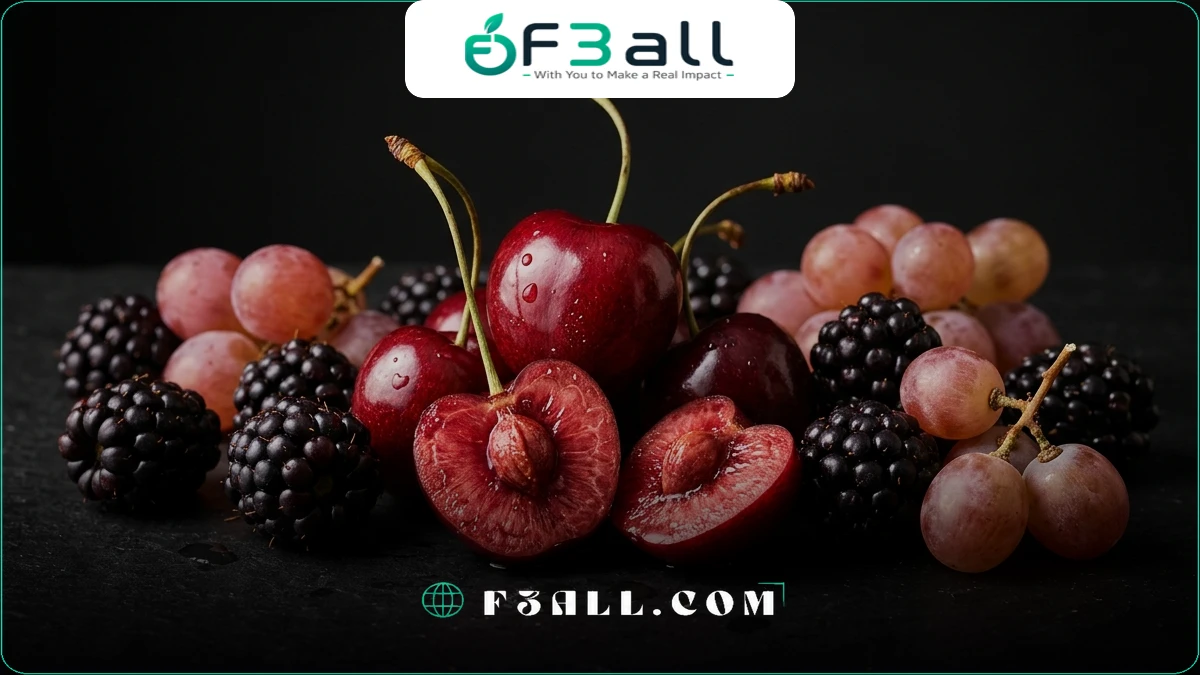
The best Weight Loss Gelatin Recipe combines a short ingredient list, simple preparation, and a flavor you enjoy.
For a basic homemade version, unflavored gelatin can be combined with water, lemon juice, and a small amount of fruit.
This approach gives you control over sweetness, portion size, and total calories.
Classic Lemon and Berry Gelatin Recipe
Ingredients
- 2 teaspoons (approximately 6 g) unflavored powdered gelatin.
- 250 ml cold water.
- 250 ml hot water, not boiling.
- 2 tablespoons fresh lemon juice.
- 80 g mixed berries.
- Optional non-sugar sweetener, according to product instructions.
Step-by-Step Preparation
- Pour 60 ml of the cold water into a small bowl.
- Sprinkle the gelatin evenly over the surface.
- Allow it to bloom for approximately 5 minutes.
- Add the hot water and stir until the gelatin dissolves completely.
- Add the remaining cold water and lemon juice.
- Taste and add an appropriate amount of optional sweetener.
- Divide the berries among four small dessert cups.
- Pour the gelatin mixture over the berries.
- Refrigerate for approximately 3–4 hours or until fully set.
- Serve chilled.
Estimated Nutrition per Serving
| Nutrient | Approximate Amount |
| Calories | 15–25 kcal |
| Protein | 1.5–2 g |
| Carbohydrates | 2–4 g |
| Fat | 0 g |
| Added Sugar | 0 g if unsweetened |
| Servings | 4 |
Nutrition varies with fruit quantities, gelatin brand, and sweetener choice.
Why This Recipe Works as a Light Dessert
The gelatin creates structure without requiring cream, butter, or large quantities of sugar.
Berries add flavor, color, and small amounts of fiber.
The recipe can replace a more calorie-dense dessert, but it does not independently cause weight loss.
This Weight Loss Gelatin Recipe is a convenient, portion-controlled dessert rather than a fat-burning remedy.
How Gelatin Fits Into a Weight Loss Diet
Gelatin is a protein produced from collagen, usually obtained from animal connective tissues.
It is widely used in desserts, confectionery, and other foods because it forms a gel when dissolved and cooled.
What Makes Gelatin Different?
Gelatin contains amino acids but is not a complete protein.
It lacks sufficient amounts of certain essential amino acids and should not replace nutritionally complete protein sources.
Gelatin and Satiety
Some research has examined gelatin and protein-related effects on appetite.
However, evidence does not establish that a small serving of gelatin dessert produces meaningful or sustained weight loss.
Calorie Control
A homemade gelatin dessert can contain relatively few calories when prepared without large amounts of sugar, cream, or syrup.
Replacing a high-calorie dessert with a lower-calorie alternative may reduce total energy intake.
What Gelatin Can and Cannot Do
| Claim | Evidence-Based Explanation |
| Creates Low-Calorie Desserts | Yes, depending on ingredients |
| Contains Protein | Yes |
| Provides Complete Protein | No |
| Directly Burns Belly Fat | No |
| Guarantees Weight Loss | No |
| Supports Portion Control | Can be useful |
| Replaces Balanced Meals | No |
| Provides Collagen-Derived Amino Acids | Yes |
Gelatin vs Collagen Peptides
Gelatin and collagen peptides both originate from collagen, but they behave differently in recipes.
| Feature | Gelatin | Collagen Peptides |
| Forms a Firm Gel | Yes | Usually no |
| Dissolves in Liquids | Yes, with proper preparation | Usually readily |
| Suitable for Jelly Desserts | Yes | Not as a direct setting substitute |
| Complete Protein | No | No |
| Direct Fat-Loss Effect | Not established | Not established |
Gelatin is useful primarily for creating a light dessert texture, not for producing a special metabolic effect.
Weight Loss Gelatin Recipe Ingredients for Weight Loss
The ingredients used in a Weight Loss Gelatin Recipe determine its flavor, calories, sugar content, and nutritional characteristics.
A simple recipe can use only gelatin, water, and a flavoring ingredient.
More elaborate versions may contain fruit, yogurt, or milk.
Essential Ingredients
Unflavored Gelatin
Creates the gel structure.
Water
Provides most of the dessert’s volume.
Fruit or Citrus
Adds flavor and color.
Optional Sweetener
Can improve sweetness without requiring large amounts of sugar.
Ingredient Calorie Comparison
| Ingredient | Example Amount | Approximate Calories |
| Unflavored Gelatin | 6 g | 20–22 |
| Water | 250 ml | 0 |
| Lemon Juice | 1 tablespoon | 3–4 |
| Strawberries | 100 g | 32 |
| Blueberries | 100 g | 57 |
| Raspberries | 100 g | 52 |
| Plain Nonfat Greek Yogurt | 100 g | 59 |
| Honey | 1 tablespoon | 64 |
| Granulated Sugar | 1 tablespoon | 49 |
| Unsweetened Almond Milk | 240 ml | 30–40 |
Values are approximate and may vary by product.
Ingredients That Can Increase Calories
- Honey.
- Sugar.
- Sweetened fruit juice.
- Condensed milk.
- Cream.
- Sweetened yogurt.
- Chocolate sauces.
- Large amounts of dried fruit.
Choosing Fruit
Berries are convenient because they provide flavor and color without requiring large portions.
Other options include oranges, peaches, and cooked apples.
Fresh pineapple, kiwi, papaya, and some other fruits contain enzymes that can interfere with gelatin setting unless the enzymes are inactivated by heating.
Canned or properly heated versions may work better.
Choosing the Right Gelatin
Look for unflavored gelatin without added sugar.
Follow the manufacturer’s recommended liquid-to-gelatin ratio because setting strength varies between products.
The best gelatin recipe ingredients provide enjoyable flavor and manageable calories without relying on exaggerated fat-loss claims.
Read more about: Salt and Ice Weight Loss Recipe | Get the Recipe
Low Calorie Weight Loss Gelatin Recipe Variations
A Low Calorie Weight Loss Gelatin Recipe can be prepared in different flavors without dramatically changing the basic method.
The following variations use small amounts of fruit and minimal added sugar.
Strawberry Lemon Gelatin
<AsyncImage query=”small clear glass cups strawberry lemon gelatin dessert fresh sliced strawberries light pink translucent jelly professional food photography” aspectRatio=”16:9″/>
Ingredients for Four Servings
- 6 g unflavored gelatin.
- 500 ml water.
- 100 g strawberries.
- 1 tablespoon lemon juice.
- Optional non-sugar sweetener.
Instructions
- Bloom gelatin in a portion of cold water.
- Dissolve it using hot water.
- Add the remaining water and lemon juice.
- Place chopped strawberries into four cups.
- Pour in the mixture.
- Refrigerate until set.
Estimated Calories: 15–20 per serving.
The strawberry flavor makes this version suitable as a refreshing afternoon dessert.
Green Tea and Lime Gelatin
<AsyncImage query=”pale green tea lime gelatin jelly in elegant small dessert glass lime slices minimalist healthy dessert food photography” aspectRatio=”16:9″/>
Ingredients for Four Servings
- 6 g unflavored gelatin.
- 500 ml brewed green tea.
- 2 tablespoons lime juice.
- Optional non-sugar sweetener.
Instructions
- Brew the tea and allow it to cool slightly.
- Bloom gelatin separately in a small amount of cold liquid.
- Dissolve it in warm tea.
- Add lime juice.
- Divide into cups.
- Refrigerate until firm.
Estimated Calories: 5–10 per serving.
Green tea contributes flavor, but this dessert should not be treated as a metabolism-boosting treatment.
Choose decaffeinated tea when appropriate.
Orange and Ginger Gelatin
Ingredients for Four Servings
- 6 g unflavored gelatin.
- 400 ml water.
- 100 ml unsweetened orange juice.
- A small amount of grated ginger.
Instructions
- Bloom gelatin in cold water.
- Dissolve using warm liquid.
- Add orange juice and ginger.
- Mix thoroughly.
- Divide into cups.
- Refrigerate until set.
Estimated Calories: 15–20 per serving.
This version contains naturally occurring sugars from orange juice.
Low-Calorie Recipe Comparison
| Recipe | Estimated Calories per Serving | Added Sugar |
| Classic Lemon Berry | 15–25 | 0 g |
| Strawberry Lemon | 15–20 | 0 g |
| Green Tea Lime | 5–10 | 0 g |
| Orange Ginger | 15–20 | 0 g |
Low-calorie gelatin variations make it easier to enjoy different dessert flavors while keeping portion sizes manageable.
Healthy Weight Loss Gelatin Recipe With Yogurt
A Healthy Weight Loss Gelatin Recipe can include Greek yogurt to provide additional protein and a creamier texture.
Unlike clear fruit gelatin, yogurt gelatin contains more calories but can offer greater nutritional value.
Creamy Berry Yogurt Gelatin
Ingredients for Four Servings
- 6 g unflavored gelatin.
- 300 g plain nonfat Greek yogurt.
- 150 g strawberries.
- 100 ml water.
- Optional non-sugar sweetener.
Preparation
- Bloom gelatin in 50 ml cold water.
- Warm the remaining water.
- Dissolve the bloomed gelatin in the warm water.
- Blend the strawberries until smooth.
- Stir the fruit puree into the yogurt.
- Allow the gelatin mixture to cool until warm, not hot.
- Gradually whisk it into the yogurt mixture.
- Divide into four serving cups.
- Refrigerate until set.
Estimated Nutrition per Serving
| Nutrient | Approximate Amount |
| Calories | 60–75 kcal |
| Protein | 8–10 g |
| Carbohydrates | 5–7 g |
| Fat | 0–1 g |
| Added Sugar | 0 g |
Why Greek Yogurt Is Useful
Greek yogurt contributes protein and calcium.
Protein can support normal tissue maintenance and may contribute to fullness.
However, gelatin and yogurt desserts should not be expected to produce automatic fat loss.
Suitable Substitutions
- Lactose-free Greek yogurt.
- Plain skyr.
- An appropriate high-protein dairy alternative.
The setting texture may change with substitutions.
When to Serve
This dessert can be included as:
- An afternoon snack.
- A small dessert after lunch.
- A protein-containing evening snack.
- A make-ahead portion-controlled treat.
A yogurt-based gelatin recipe offers a more substantial snack option while remaining relatively low in calories.
Weight Loss Gelatin Recipe Without Sugar
A Weight Loss Gelatin Recipe Without Sugar can be made using unflavored gelatin, water, and sugar-free flavoring ingredients.
It is important to distinguish between no added sugar and zero total sugar.
Fruit and dairy ingredients naturally contain sugars.
Basic No-Added-Sugar Gelatin
Ingredients
- 6 g unflavored gelatin.
- 500 ml water.
- 1 tablespoon lemon juice.
- A suitable non-sugar sweetener, optional.
Method
- Bloom gelatin in cold water.
- Dissolve with warm water.
- Add lemon juice.
- Add sweetener if desired.
- Refrigerate until set.
Estimated Calories: Approximately 5–10 per serving.
Sweetener Options
| Sweetener | Adds Calories? | Consideration |
| No Sweetener | No | Tart or neutral flavor |
| Stevia-Based Product | Usually minimal | Taste varies |
| Sucralose-Based Product | Usually minimal | Follow product directions |
| Monk Fruit Sweetener | Depends on formulation | Check blended ingredients |
| Honey | Yes | Adds sugar |
| Maple Syrup | Yes | Adds sugar |
| Granulated Sugar | Yes | Adds sugar |
Can Sugar-Free Gelatin Help With Weight Management?
A sugar-free gelatin dessert may contain fewer calories than a traditional sugar-sweetened dessert.
That can be useful when it replaces a higher-calorie option.
However, the World Health Organization does not recommend relying on non-sugar sweeteners specifically as a long-term weight-control strategy for the general population.
Practical Ways to Reduce Sugar
- Choose unflavored gelatin.
- Use water instead of sweetened juice.
- Add citrus for flavor.
- Include modest amounts of whole fruit.
- Measure sweeteners.
- Check labels on flavored gelatin mixes.
A sugar-free gelatin recipe can reduce added sugar, but its contribution to weight management depends on the overall diet.
Weight Loss Gelatin Recipe Calories
Weight Loss Gelatin Recipe Calories vary considerably depending on ingredients.
Plain gelatin itself contains calories because it is a protein source.
However, only a small amount is typically needed to set a dessert.
Calorie Breakdown of the Featured Recipe
| Ingredient | Total Recipe Calories |
| 6 g Unflavored Gelatin | 20–22 |
| 500 ml Water | 0 |
| 2 tbsp Lemon Juice | 6–8 |
| 80 g Mixed Berries | 30–45 |
| Optional Zero-Calorie Sweetener | Approximately 0 |
| Estimated Total | 56–75 |
| Per Serving (4 Servings) | 14–19 |
Actual values depend on the berries and products used.
Comparing Gelatin Desserts
| Dessert | Approximate Calories per Serving |
| Unsweetened Lemon Gelatin | 5–10 |
| Berry Gelatin | 15–25 |
| Orange Gelatin | 15–20 |
| Yogurt Berry Gelatin | 60–75 |
| Traditional Sugar-Sweetened Gelatin | Varies by mix and serving |
| Gelatin With Whipped Cream | Higher, depending on topping |
How to Calculate Calories
Use the following formula:
Calories per Serving = Total Ingredient Calories ÷ Number of Servings
For example:
Total Recipe Calories = 120.
Servings = 4.
120 ÷ 4 = 30 calories per serving.
Why Portion Size Matters
A recipe that contains 100 calories in total provides:
- 25 calories when divided into four servings.
- 50 calories when divided into two servings.
- 100 calories when eaten as one serving.
Common Calorie Calculation Mistakes
- Ignoring added honey.
- Forgetting fruit juice calories.
- Using sweetened yogurt without checking labels.
- Adding large amounts of toppings.
- Dividing the recipe into larger portions than planned.
Accurate gelatin recipe calorie calculations depend on ingredient quantities and actual serving sizes.
Read more about: Vegetarian Weight Loss Plan | Get Your 7-Day Meal Plan
Weight Loss Gelatin Recipe Meal Prep
Weight Loss Gelatin Recipe Meal Prep is convenient because gelatin desserts require refrigeration and can be prepared in individual containers.
Preparing several servings at once can simplify snack planning.
Basic Meal Prep Method
- Choose one or two gelatin flavors.
- Measure all ingredients.
- Prepare gelatin according to package instructions.
- Divide into clean individual containers.
- Refrigerate promptly.
- Cover after cooling.
- Label with the preparation date.
- Keep refrigerated until serving.
Refrigeration and Food Safety
Keep gelatin desserts refrigerated at 4°C (40°F) or below.
For homemade gelatin containing fresh fruit or dairy, a conservative approach is to consume it within 3–4 days when properly refrigerated.
Discard desserts that develop unusual odors, visible mold, or other signs of spoilage.
Meal Prep Equipment
- Measuring spoons.
- Measuring cups.
- Small saucepan or heatproof bowl.
- Whisk.
- Individual dessert cups.
- Airtight containers.
- Refrigerator.
Weekly Preparation Example
| Day | Preparation Task |
| Sunday | Prepare Monday–Wednesday servings |
| Wednesday | Prepare Thursday–Saturday servings |
| Saturday | Prepare fresh Sunday dessert |
Can Gelatin Be Frozen?
Freezing and thawing can alter gelatin texture and cause liquid separation.
Refrigeration is generally preferable for traditional gelatin desserts.
Meal Prep Flavor Ideas
- Lemon and mint.
- Strawberry and lime.
- Orange and ginger.
- Berry yogurt.
- Green tea and citrus.
Preparing gelatin desserts in individual portions can make healthy snack planning easier while reducing the temptation to rely on larger, calorie-dense desserts.
Weight Loss Gelatin Recipe 7 Day Plan
A Weight Loss Gelatin Recipe 7 Day Plan can introduce different flavors throughout the week.
The plan below uses gelatin as an optional dessert or snack rather than a meal replacement.
It should be combined with balanced meals containing sufficient protein, fiber, healthy fats, and other nutrients.
Seven-Day Gelatin Dessert Plan
| Day | Gelatin Recipe | Approximate Calories | Suggested Use |
| Monday | Lemon Berry Gelatin | 15–25 | Afternoon Dessert |
| Tuesday | Strawberry Lemon Gelatin | 15–20 | After Lunch |
| Wednesday | Green Tea Lime Gelatin | 5–10 | Light Dessert |
| Thursday | Yogurt Berry Gelatin | 60–75 | Protein-Rich Snack |
| Friday | Orange Ginger Gelatin | 15–20 | After Dinner |
| Saturday | Sugar-Free Lemon Gelatin | 5–10 | Light Dessert |
| Sunday | Yogurt Berry Gelatin | 60–75 | Afternoon Snack |
Monday: Start With a Classic Recipe
Prepare lemon and berry gelatin.
This introduces a simple dessert with minimal added sugar.
Tuesday: Add Strawberry Flavor
Use chopped strawberries and lemon juice for a refreshing variation.
Wednesday: Try Green Tea Gelatin
Choose decaffeinated green tea if caffeine is a concern.
Thursday: Include a Creamier Option
Greek yogurt gelatin provides more protein than plain gelatin.
Friday: Use Citrus and Ginger
Orange and ginger create a different flavor profile.
Saturday: Keep Ingredients Minimal
Prepare a basic no-added-sugar gelatin dessert.
Sunday: Repeat a Favorite
Choose the yogurt berry recipe or another variation you enjoyed.
How to Use the Plan
- Keep portions consistent.
- Avoid replacing balanced meals with gelatin.
- Adjust recipes for allergies and dietary preferences.
- Prepare fresh batches during the week.
- Include dessert calories in overall intake when relevant.
A seven-day gelatin plan can provide dessert variety without relying on extreme dieting or unrealistic weight-loss promises.
Gelatin Recipe for Weight Loss Before Meals
One popular claim is that consuming gelatin before a meal can reduce appetite and lead to weight loss.
However, there is insufficient evidence that a small gelatin dessert before meals reliably causes meaningful long-term weight reduction.
Why the Idea Became Popular
Gelatin contains protein and forms a gel-like texture.
Protein can contribute to satiety, but gelatin is not nutritionally equivalent to complete protein sources.
Does Gelatin Make You Feel Full?
Some individuals may feel temporarily satisfied after eating a gelatin dessert.
However, responses vary according to portion size, overall meal composition, and individual appetite.
Gelatin vs Other Snacks
| Snack | Main Nutritional Characteristic |
| Plain Gelatin | Low-calorie dessert, small amount of incomplete protein |
| Greek Yogurt | Complete protein |
| Apple | Fiber and carbohydrates |
| Nuts | Healthy fats and some protein |
| Oatmeal | Fiber and carbohydrates |
| Cottage Cheese | Complete protein |
Is Gelatin a Meal Replacement?
No.
A basic gelatin dessert lacks the complete nutritional profile needed to replace balanced meals.
Better Approach to Fullness
A balanced meal containing protein, fiber-rich foods, and appropriate portions of healthy fats is generally more useful than relying on gelatin alone.
Eating gelatin before meals should not be treated as a proven appetite-control or weight-loss strategy.
Weight Loss Gelatin Recipe Weight Loss Results
Weight Loss Gelatin Recipe Weight Loss Results depend on overall eating habits rather than gelatin itself.
A low-calorie dessert may help reduce calorie intake when it replaces a higher-calorie option.
However, this does not guarantee a specific amount of weight loss.
Example Calorie Replacement
Suppose someone replaces a 250-calorie dessert with a 25-calorie gelatin serving.
The difference is:
250 − 25 = 225 calories.
If this substitution occurs four times per week:
225 × 4 = 900 fewer dessert calories per week.
This is a theoretical difference in food intake, not a prediction of weight loss.
What Results Are Realistic?
Possible outcomes include:
- Reduced intake of added sugar.
- Better portion control.
- More consistent dessert planning.
- Increased use of homemade foods.
- Lower calorie intake when substitutions are maintained.
What Gelatin Cannot Guarantee
- Rapid weight loss.
- Reduced belly fat.
- Increased metabolic rate.
- Elimination of cravings.
- Permanent appetite suppression.
- Improved collagen levels from a small dessert serving.
Progress Tracking
| Measure | What It Shows |
| Dessert Portion Size | Consistency |
| Added Sugar Intake | Dietary changes |
| Total Energy Intake | Overall calorie pattern |
| Protein Intake | Nutritional adequacy |
| Weight Trend | Longer-term body weight changes |
| Satisfaction | Sustainability of food choices |
Before-and-After Claims
Before-and-after photographs cannot demonstrate that gelatin caused weight loss.
Changes may result from dietary adjustments, exercise, medications, or other factors.
Weight loss gelatin recipe results should be evaluated through sustainable food substitutions rather than dramatic transformation claims.
Gelatin vs Chia Pudding vs Greek Yogurt
Gelatin is not the only option for a lighter homemade dessert.
Chia pudding and Greek yogurt are alternatives that provide different nutritional benefits.
Nutritional Comparison
| Dessert | Protein | Fiber | Typical Texture |
| Plain Gelatin | Small amount, incomplete | Minimal | Firm and translucent |
| Chia Pudding | Moderate | Higher | Thick and textured |
| Greek Yogurt | Higher, complete | Minimal unless fruit added | Creamy |
| Yogurt Gelatin | Moderate to higher | Depends on ingredients | Creamy and set |
Gelatin
Useful for creating low-calorie desserts with a firm texture.
Chia Pudding
Provides fiber and unsaturated fats.
It generally contains more calories than plain gelatin because chia seeds are energy-dense.
Greek Yogurt
Provides complete protein and calcium.
Yogurt Gelatin
Combines the structure of gelatin with the protein content of yogurt.
Choosing the Right Dessert
Choose according to:
- Nutritional needs.
- Calorie goals.
- Food allergies.
- Taste preferences.
- Digestive tolerance.
- Convenience.
Gelatin is one useful dessert ingredient, but alternatives such as yogurt and chia pudding may provide additional nutrients.
Is Gelatin Safe for Everyone?
Gelatin is commonly used in foods, but it may not suit every person.
Food Allergies
Gelatin allergies are uncommon but possible.
Anyone with a known gelatin allergy should avoid it.
Vegetarian and Vegan Diets
Traditional gelatin is animal-derived.
It is not suitable for vegetarian or vegan diets.
Religious and Dietary Requirements
Gelatin may originate from different animal sources.
People with specific dietary requirements should check product labeling and certification.
Swallowing Difficulties
Gelatin texture and consistency may need consideration for people with swallowing disorders.
Pregnancy
Ordinary food amounts of gelatin are generally different from concentrated supplement use.
Pregnant individuals should discuss unusual supplements or restrictive diets with a healthcare professional.
Children
Gelatin desserts should not replace balanced meals.
Age-appropriate texture and choking safety should be considered.
Safety Comparison
| Situation | Consideration |
| Gelatin Allergy | Avoid gelatin |
| Vegetarian Diet | Use a plant-based alternative |
| Vegan Diet | Traditional gelatin is unsuitable |
| Religious Dietary Rules | Verify gelatin source |
| Pregnancy | Avoid unnecessary supplements and restrictive diets |
| Swallowing Disorders | Seek individualized texture guidance |
| Diabetes | Consider sugar content |
| Weight Management | Maintain balanced nutrition |
Plant-Based Alternatives
Agar-agar and certain other gelling agents can produce plant-based desserts.
However, they behave differently from gelatin and require their own preparation instructions.
Gelatin desserts can fit many eating patterns, but ingredient sourcing and individual dietary needs should be considered.
Common Mistakes When Making Weight Loss Gelatin Recipes
Several mistakes can affect the texture, calories, and usefulness of homemade gelatin desserts.
Mistake 1: Adding Too Much Sugar
Large amounts of sugar increase calories.
Better Approach: Use fruit and measured sweeteners.
Mistake 2: Using Too Much Gelatin
Excess gelatin can produce an overly firm or rubbery texture.
Better Approach: Follow the recommended gelatin-to-liquid ratio.
Mistake 3: Not Blooming Gelatin
Adding dry gelatin directly to unsuitable liquid may cause lumps.
Better Approach: Bloom according to package instructions.
Mistake 4: Using Fresh Pineapple Without Heating
Certain enzymes can prevent gelatin from setting properly.
Better Approach: Use cooked or canned fruit when necessary.
Mistake 5: Replacing Meals With Gelatin
Plain gelatin desserts are not nutritionally complete.
Better Approach: Use gelatin as a dessert or snack.
Mistake 6: Assuming Gelatin Burns Fat
There is no convincing evidence that gelatin directly causes fat loss.
Better Approach: Focus on overall nutrition and activity.
Mistake 7: Ignoring Storage Safety
Improper refrigeration can increase spoilage risk.
Better Approach: Store prepared desserts safely.
Mistake Comparison
| Mistake | Better Strategy |
| Excess Sugar | Control sweeteners |
| Too Much Gelatin | Measure accurately |
| Poor Blooming | Follow preparation instructions |
| Enzyme-Rich Fresh Fruit | Heat or use suitable alternatives |
| Meal Replacement | Maintain balanced meals |
| Fat-Burning Expectations | Use realistic goals |
| Improper Storage | Refrigerate promptly |
Avoiding these mistakes helps create gelatin desserts with better texture, controlled calories, and more reliable results.
Why F3all Is Your Best Choice

At F3all, the Weight Loss Gelatin Recipe guide focuses on practical homemade desserts, clear ingredient measurements, calorie comparisons, and realistic nutritional guidance.
The aim is to help readers prepare enjoyable gelatin recipes without relying on unsupported fat-burning claims.
- Easy Recipes: Make gelatin desserts using common ingredients.
- Clear Instructions: Follow step-by-step preparation methods.
- Calorie Comparisons: Understand how ingredients affect nutrition.
- Sugar-Free Options: Explore recipes without added sugar.
- Protein Variations: Add Greek yogurt for a more substantial snack.
- Meal Prep Guidance: Prepare desserts safely in advance.
- Seven-Day Plan: Organize different gelatin flavors throughout the week.
- Realistic Expectations: Understand what gelatin can and cannot do for weight management.
Explore more recipe ideas through F3all, including Weight Loss Drink Recipe, Smoothies Recipes for Weight Loss, and Recipes with Apple Cider Vinegar for Weight Loss.
F3all helps readers create convenient, portion-controlled desserts that can fit into balanced eating habits.
Frequently Asked Questions
What Is the Best Weight Loss Gelatin Recipe?
A simple recipe made with unflavored gelatin, water, lemon juice, and berries can provide a light dessert with relatively few calories.
Does Gelatin Help You Lose Weight?
Gelatin does not directly cause weight loss. A low-calorie gelatin dessert may help reduce energy intake when it replaces a higher-calorie dessert.
How Many Calories Are in Homemade Gelatin?
Calories depend on ingredients. A simple unsweetened gelatin dessert may contain approximately 5–25 calories per serving.
Can I Make Gelatin Without Sugar?
Yes. Use unflavored gelatin, water, citrus, and optional non-sugar sweeteners.
Is Gelatin Good for Belly Fat Loss?
There is no reliable evidence that gelatin selectively reduces abdominal fat.
Can I Eat Gelatin Every Day?
Gelatin can be included as part of a varied diet, but it should not replace nutritionally balanced meals or essential protein sources.
How Long Does Homemade Gelatin Take to Set?
Many gelatin desserts require approximately 3–4 hours in the refrigerator, although timing varies with the recipe and gelatin concentration.
Can I Prepare Gelatin Desserts for the Week?
You can prepare several servings in advance, but refrigerated homemade gelatin containing fruit or dairy is best made in smaller batches and consumed promptly.
Is Gelatin a Complete Protein?
No. Gelatin is derived from collagen and does not provide a complete essential amino acid profile.
How Soon Can I See Weight Loss Results From Gelatin?
There is no guaranteed timeline. Any weight change depends on overall energy intake, activity, and individual health rather than gelatin alone.
In the End
A Weight Loss Gelatin Recipe can be a convenient, inexpensive way to enjoy a light dessert while controlling added sugar and portion size.
Recipes made with lemon, berries, green tea, or yogurt provide different flavors and nutritional profiles.
Plain gelatin desserts may contain very few calories, while yogurt-based variations can provide additional protein.
However, gelatin is not a complete protein, does not directly burn fat, and should not replace balanced meals.
Use the seven-day plan for variety, prepare recipes safely, and adjust ingredients according to your nutritional needs.
The most useful role of gelatin in weight management is as an enjoyable alternative to more calorie-dense desserts within a sustainable eating pattern.
References