Macro Ratio for Weight Loss | Calculate Your Macros Now
Choosing the right Macro Ratio for Weight Loss can make healthy eating easier by helping you understand how much protein, carbohydrates, and fat your body needs. Rather than eliminating entire food groups, macro tracking helps organize meals around nutritional targets and calorie intake. However, no single ratio guarantees fat loss. Your ideal balance depends on body weight, activity, muscle mass, health, and food preferences. This guide explains how to calculate macros, build meal plans, and adjust your targets for sustainable results.
Macro Ratio for Weight Loss – Understanding the Basics
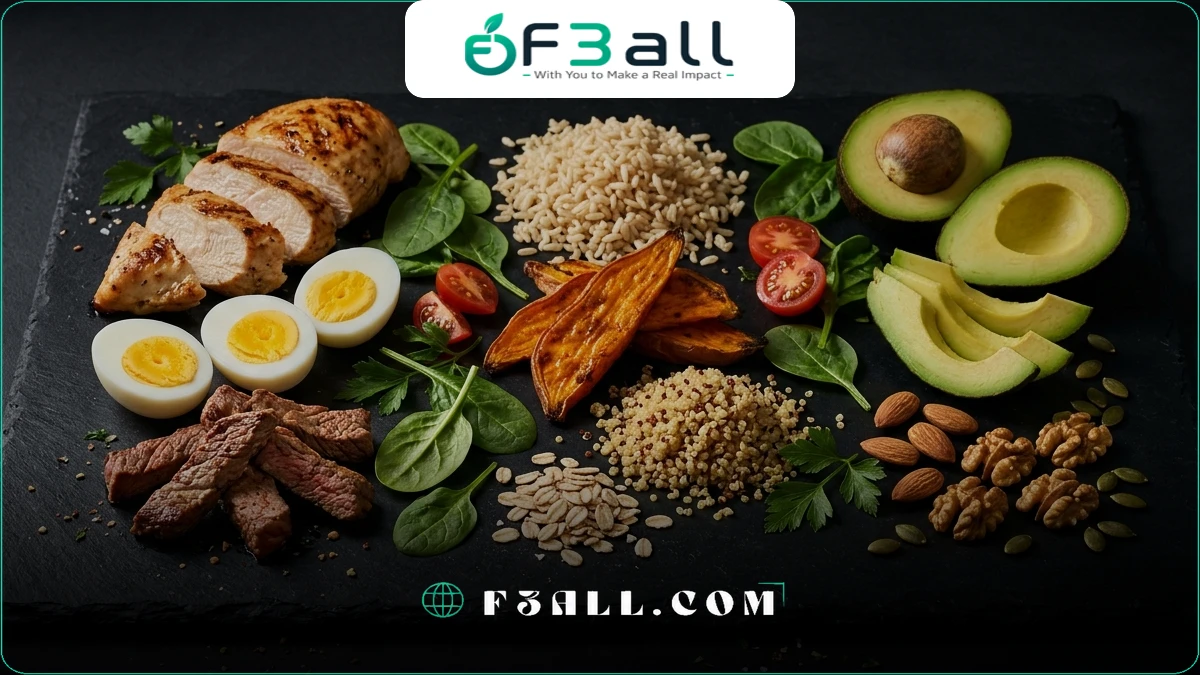
A macro ratio represents the percentage of daily calories supplied by protein, carbohydrates, and fats.
These nutrients perform different functions, and all three can contribute to a healthy eating pattern.
- Protein: Supports muscle maintenance, tissue repair, and normal physiological functions.
- Carbohydrates: Provide energy for daily activities, exercise, and brain function.
- Fat: Supports cell membranes, essential fatty acid intake, and absorption of fat-soluble vitamins.
Calories in Each Macronutrient
| Macronutrient | Calories per Gram | Common Food Sources |
| Protein | 4 | Chicken, Fish, Eggs, Tofu |
| Carbohydrates | 4 | Oats, Rice, Fruit, Potatoes |
| Fat | 9 | Olive Oil, Nuts, Avocado |
For example, a meal containing 30 grams of protein, 40 grams of carbohydrates, and 15 grams of fat provides approximately 415 calories.
The calculation is:
- Protein: 30 × 4 = 120 calories.
- Carbohydrates: 40 × 4 = 160 calories.
- Fat: 15 × 9 = 135 calories.
Total: 415 calories.
Nutrition-label totals may differ slightly because of rounding and fiber calculations.
Popular Macro Ratios
| Eating Approach | Protein | Carbohydrates | Fat |
| Balanced | 30% | 40% | 30% |
| Higher Protein | 35% | 35% | 30% |
| Higher Carbohydrate | 25% | 50% | 25% |
| Moderate Carbohydrate | 30% | 35% | 35% |
These are examples, not universally recommended distributions.
The best macro ratio is one that provides adequate nutrition, fits your calorie requirements, and can be maintained over time.
Macro Ratio for Weight Loss Calories and Macros – Calculate Energy First
Before selecting percentages, estimate how many calories you need.
Your calorie requirements depend on factors including age, body size, activity, body composition, and health.
Step 1 – Estimate Maintenance Calories
Maintenance calories represent the approximate energy required to maintain your current weight.
An established calculator, such as the NIDDK Body Weight Planner, can help estimate energy needs.
However, calculators provide estimates rather than exact measurements.
Step 2 – Determine an Appropriate Energy Deficit
Weight loss generally requires consuming fewer calories than your body expends over time.
The appropriate deficit depends on your circumstances.
Excessive restriction may increase fatigue, impair exercise recovery, and make adequate nutrition difficult.
Step 3 – Choose Protein Intake
Protein is particularly important during weight reduction because it contributes to muscle maintenance.
The amount needed depends on body weight, physical activity, and health.
Step 4 – Allocate Carbohydrates and Fats
After establishing an appropriate calorie and protein target, distribute the remaining calories between carbohydrates and fats.
Example at 1,800 Calories
| Macro | Percentage | Calories | Grams |
| Protein | 30% | 540 | 135 g |
| Carbohydrates | 40% | 720 | 180 g |
| Fat | 30% | 540 | 60 g |
| Total | 100% | 1,800 | — |
This example demonstrates the calculation. It is not a calorie prescription.
Calculate your energy requirements before choosing macro percentages so your targets reflect your overall nutritional needs.
Macro Ratio for Weight Loss Calculator – How to Calculate Your Macros
A Macro Ratio for Weight Loss Calculator converts percentages into grams.
You can perform the calculation manually using three formulas.
Protein Formula
Protein grams = Daily calories × Protein percentage ÷ 100 ÷ 4
Carbohydrate Formula
Carbohydrate grams = Daily calories × Carbohydrate percentage ÷ 100 ÷ 4
Fat Formula
Fat grams = Daily calories × Fat percentage ÷ 100 ÷ 9
Example Using 2,000 Calories
Suppose your selected distribution is:
- Protein: 30%.
- Carbohydrates: 40%.
- Fat: 30%.
Your approximate daily targets become:
| Macro | Calculation | Daily Target |
| Protein | 2,000 × 0.30 ÷ 4 | 150 g |
| Carbohydrates | 2,000 × 0.40 ÷ 4 | 200 g |
| Fat | 2,000 × 0.30 ÷ 9 | 67 g |
Quick Macro Calculator Table
| Daily Calories | Protein 30% | Carbs 40% | Fat 30% |
| 1,600 | 120 g | 160 g | 53 g |
| 1,800 | 135 g | 180 g | 60 g |
| 2,000 | 150 g | 200 g | 67 g |
| 2,200 | 165 g | 220 g | 73 g |
| 2,400 | 180 g | 240 g | 80 g |
Why Percentage Calculators Have Limitations
A percentage-based calculator does not determine whether the resulting protein intake is appropriate for your body weight.
For example, the same percentage may produce unnecessarily high protein intake for one person and insufficient intake for another.
Therefore, individual protein needs should be considered separately from percentages.
Use macro calculations as planning estimates rather than rigid requirements that must be achieved exactly every day.
Read more about: Weight Loss Calculator Percentage | Calculate Now
Macro Ratio for Weight Loss Beginners – A Simple Starting Method
Macro Ratio for Weight Loss Beginners should focus on understanding food composition and building sustainable habits.
You do not need to calculate every ingredient perfectly to benefit from nutritional awareness.
Begin With Five Practical Habits
- Include a protein source in your main meals.
- Choose fiber-rich carbohydrates regularly.
- Use moderate portions of unsaturated fats.
- Include vegetables and fruit.
- Monitor portions and overall calorie intake.
Beginner-Friendly Food Categories
| Category | Examples | Nutritional Contribution |
| Protein | Eggs, Fish, Chicken, Tofu | Protein |
| Carbohydrates | Oats, Rice, Potatoes | Energy |
| Healthy Fats | Olive Oil, Nuts | Unsaturated Fats |
| Vegetables | Broccoli, Spinach | Fiber and Micronutrients |
| Fruit | Apples, Berries | Fiber and Vitamins |
| Legumes | Lentils, Beans | Protein and Fiber |
Should Beginners Weigh Their Food?
A kitchen scale may help improve portion estimates, but it is not essential for everyone.
Measuring cups, nutrition labels, and consistent serving sizes can also be useful.
Do You Need a Macro Tracking App?
No.
Tracking applications can simplify calculations, but they are optional.
Some people prefer using a food diary or following balanced meal patterns without numerical tracking.
Avoid Common Beginner Mistakes
- Copying another person’s macro targets.
- Ignoring total calories.
- Removing entire food groups unnecessarily.
- Eating insufficient fiber.
- Focusing only on protein.
- Changing targets every few days.
Start with nutritional consistency before trying to achieve highly precise daily macro totals.
Macro Ratio for Weight Loss for Women – Individual Requirements
Macro Ratio for Weight Loss for Women should account for individual energy needs rather than relying on a universal female-specific percentage.
Body size, physical activity, muscle mass, age, and physiological circumstances influence nutritional requirements.
Example at 1,700 Calories
Using a 30/40/30 distribution:
| Macronutrient | Percentage | Approximate Daily Amount |
| Protein | 30% | 128 g |
| Carbohydrates | 40% | 170 g |
| Fat | 30% | 57 g |
This is a calculation example, not a recommendation that every woman should consume 1,700 calories.
Important Considerations
Protein: Adequate protein can support muscle maintenance during weight loss, particularly alongside resistance training.
Carbohydrates: Carbohydrate needs depend partly on activity and exercise demands.
Fats: Adequate dietary fat contributes to normal physiological functions.
Micronutrients: Iron, calcium, vitamin D, and other nutrients remain important regardless of macro percentages.
Pregnancy and Breastfeeding
Pregnancy and breastfeeding involve additional nutritional requirements.
Intentional weight-loss diets and major changes in macronutrient intake should be discussed with a qualified healthcare professional.
Is a Higher-Protein Diet Better for Every Woman?
No.
Some individuals may benefit from higher protein intake, while others may not need it.
A useful macro plan should reflect personal nutritional requirements rather than a fixed ratio based only on sex.
Macro Ratio for Weight Loss for Men – Supporting Muscle and Energy Needs
Macro Ratio for Weight Loss for Men is influenced by body size, activity, body composition, and health.
Some men have higher energy requirements because of greater average body size or lean mass, but individual variation is substantial.
Example at 2,200 Calories
| Macronutrient | Percentage | Approximate Daily Amount |
| Protein | 30% | 165 g |
| Carbohydrates | 40% | 220 g |
| Fat | 30% | 73 g |
Again, this is an illustrative calculation rather than a prescribed target.
Protein and Strength Training
Resistance training can help maintain or develop muscle.
Adequate protein supports normal muscle repair and adaptation.
Carbohydrates and Exercise Performance
Carbohydrates provide fuel for physical activity, particularly demanding exercise.
People with higher training volumes may prefer greater carbohydrate intake.
Dietary Fat and Overall Health
Fats contribute essential fatty acids and support normal physiological functions.
A healthy eating pattern should not eliminate dietary fat.
Should Men Use a 40% Protein Ratio?
Not automatically.
A 40% protein ratio may produce more protein than some individuals require.
Macro targets should be based on body size, training demands, and health rather than assumptions about male-specific nutritional needs.
Protein Requirements During Weight Loss
Protein deserves particular attention because it helps maintain lean body mass during energy restriction.
However, higher protein is not always better.
General Protein Reference
The adult Recommended Dietary Allowance is approximately 0.8 grams per kilogram of body weight per day.
Some physically active adults may benefit from higher intake depending on their circumstances.
Protein Calculation Examples
| Body Weight | 0.8 g/kg | 1.2 g/kg | 1.6 g/kg |
| 60 kg | 48 g | 72 g | 96 g |
| 70 kg | 56 g | 84 g | 112 g |
| 80 kg | 64 g | 96 g | 128 g |
| 90 kg | 72 g | 108 g | 144 g |
| 100 kg | 80 g | 120 g | 160 g |
These are illustrative calculations, not individualized recommendations.
Protein-Rich Food Examples
| Food | Typical Protein Contribution |
| Cooked Chicken Breast, 100 g | Approximately 31 g |
| Nonfat Greek Yogurt, 170 g | Approximately 16–18 g |
| Cooked Lentils, 100 g | Approximately 9 g |
| Large Egg | Approximately 6 g |
| Firm Tofu, 100 g | Varies by Product |
| Cooked Salmon, 100 g | Approximately 22–25 g |
Can Protein Needs Be Too High?
Excessive protein intake may displace other important nutrients.
People with kidney disease or conditions affecting protein metabolism should seek individualized medical guidance.
Determine a suitable protein target before adjusting the remaining carbohydrate and fat distribution.
Macro Ratio for Weight Loss Examples – Four Practical Approaches
Macro Ratio for Weight Loss Examples show how different eating patterns can fit the same calorie total.
For comparison, each example uses 2,000 calories.
Example 1 – Balanced Approach
30% protein / 40% carbohydrates / 30% fat
- Protein: 150 g.
- Carbohydrates: 200 g.
- Fat: approximately 67 g.
This approach provides moderate amounts of all three macronutrients.
Example 2 – Higher-Protein Approach
35% protein / 35% carbohydrates / 30% fat
- Protein: 175 g.
- Carbohydrates: 175 g.
- Fat: approximately 67 g.
This may suit some active adults, but 175 grams of protein is not necessary for everyone.
Example 3 – Higher-Carbohydrate Approach
25% protein / 50% carbohydrates / 25% fat
- Protein: 125 g.
- Carbohydrates: 250 g.
- Fat: approximately 56 g.
This may appeal to individuals who prefer carbohydrate-rich foods or perform substantial endurance exercise.
Example 4 – Moderate-Carbohydrate Approach
30% protein / 35% carbohydrates / 35% fat
- Protein: 150 g.
- Carbohydrates: 175 g.
- Fat: approximately 78 g.
This distribution allocates slightly more energy to dietary fat.
Macro Comparison
| Approach | Protein | Carbs | Fat |
| Balanced | 30% | 40% | 30% |
| Higher Protein | 35% | 35% | 30% |
| Higher Carbohydrate | 25% | 50% | 25% |
| Moderate Carbohydrate | 30% | 35% | 35% |
Which Approach Is Best for Fat Loss?
No single distribution consistently guarantees superior long-term weight loss.
Dietary adherence, calorie intake, food quality, and personal preferences are important.
Choose a macro distribution that supports nutritional adequacy and can be maintained comfortably over time.
Read more about: Low Impact Exercises for Weight Loss | Get the Plan Now
Macro Ratio for Weight Loss Meal Plan – Turning Numbers Into Meals
A Macro Ratio for Weight Loss Meal Plan translates nutritional targets into everyday food choices.
The goal is not to make every meal contain identical percentages.
Instead, aim for an appropriate overall daily balance.
Example Daily Eating Pattern
| Meal | Food Choices | Illustrative Calories |
| Breakfast | Greek Yogurt, Oats, Berries | 400 |
| Lunch | Chicken, Rice, Vegetables | 500 |
| Snack | Cottage Cheese and Fruit | 200 |
| Dinner | Salmon, Potatoes, Broccoli | 550 |
| Evening Snack | Fruit and Nuts | 150 |
| Total | 1,800 |
The exact macro totals depend on ingredient quantities and product labels.
Breakfast Ideas
- Eggs with whole-grain toast.
- Greek yogurt with oats.
- Tofu scramble with vegetables.
- Cottage cheese with fruit.
Lunch Ideas
- Chicken and quinoa salad.
- Tuna with whole-grain bread.
- Lentil and vegetable bowl.
- Turkey and brown rice.
Dinner Ideas
- Salmon with roasted vegetables.
- Lean beef with potatoes.
- Chicken and broccoli stir-fry.
- Tofu with rice and vegetables.
Snack Ideas
- Greek yogurt.
- Fruit and nuts.
- Cottage cheese.
- Hummus and vegetables.
Example Protein Distribution
Someone targeting 120 grams of protein might distribute it as follows:
| Meal | Protein |
| Breakfast | 30 g |
| Lunch | 35 g |
| Snack | 20 g |
| Dinner | 35 g |
| Total | 120 g |
Meal planning should make nutrition more convenient rather than require every meal to match a precise percentage.
Macro Ratio for Weight Loss 7 Day Plan – A Flexible Weekly Schedule
A Macro Ratio for Weight Loss 7 Day Plan can reduce daily decision-making and improve consistency.
The following schedule uses familiar foods and a variety of protein, carbohydrate, and fat sources.
Portions should be adjusted according to individual energy and macro requirements.
Seven-Day Meal Plan
| Day | Breakfast | Lunch | Dinner | Snack |
| Monday | Greek Yogurt and Oats | Chicken Rice Bowl | Salmon and Potatoes | Cottage Cheese |
| Tuesday | Eggs and Toast | Turkey Wrap | Tofu Stir-Fry | Apple and Almonds |
| Wednesday | Protein Oatmeal | Tuna Quinoa Salad | Lean Beef and Vegetables | Greek Yogurt |
| Thursday | Cottage Cheese and Fruit | Chicken Lentil Bowl | Cod and Brown Rice | Hummus and Carrots |
| Friday | Vegetable Omelet | Chickpea Chicken Salad | Turkey Meatballs and Pasta | Yogurt |
| Saturday | Overnight Oats | Salmon Grain Bowl | Tofu Vegetable Curry | Nuts and Fruit |
| Sunday | Yogurt Smoothie Bowl | Lean Beef Rice Bowl | Chicken and Roasted Vegetables | Cottage Cheese |
Monday – Establish Consistency
Use familiar protein sources such as yogurt, chicken, and salmon.
Tuesday – Include Plant Protein
A tofu dinner adds variety and helps diversify protein sources.
Wednesday – Simplify Preparation
Protein oatmeal and tuna salad can be convenient options for busy schedules.
Thursday – Include Legumes
Lentils and hummus contribute fiber and plant protein.
Friday – Keep Meals Enjoyable
Turkey meatballs and pasta can fit into macro targets when portions are appropriate.
Saturday – Emphasize Variety
Include fish, grains, vegetables, and plant-based protein.
Sunday – Prepare for the Next Week
Choose simple meals that can be prepared in batches.
Adjusting the Weekly Plan
If your protein intake is below your target, review the size and type of protein portions.
If you need more carbohydrates, adjust appropriate servings of oats, rice, potatoes, or fruit.
If your dietary fat intake is low, consider measured portions of olive oil, nuts, or avocado.
A weekly meal plan should provide structure while remaining flexible enough for individual preferences and changing schedules.
Macro Ratio for Weight Loss Grocery List – Shop by Macronutrient
A Macro Ratio for Weight Loss Grocery List can make meal preparation easier and reduce unnecessary purchases.
Organizing groceries by food category helps ensure a variety of nutrients.
Protein Foods
- Chicken breast.
- Turkey.
- Salmon.
- Tuna.
- Eggs.
- Greek yogurt.
- Cottage cheese.
- Tofu.
- Beans.
- Lentils.
- Lean beef.
Carbohydrate Foods
- Oats.
- Brown rice.
- Quinoa.
- Potatoes.
- Sweet potatoes.
- Whole-grain bread.
- Whole-wheat pasta.
- Apples.
- Berries.
- Bananas.
Healthy Fat Sources
- Olive oil.
- Avocado.
- Almonds.
- Walnuts.
- Chia seeds.
- Pumpkin seeds.
Vegetables
- Broccoli.
- Spinach.
- Carrots.
- Zucchini.
- Tomatoes.
- Cucumbers.
- Bell peppers.
- Leafy greens.
Grocery Comparison
| Category | Examples | Main Contribution |
| Lean Protein | Chicken, Turkey | Protein |
| Fish | Salmon, Tuna | Protein and Other Nutrients |
| Whole Grains | Oats, Rice | Carbohydrates and Fiber |
| Legumes | Lentils, Beans | Protein and Fiber |
| Healthy Fats | Nuts, Olive Oil | Unsaturated Fats |
| Vegetables | Broccoli, Spinach | Fiber and Micronutrients |
| Fruit | Berries, Apples | Fiber and Vitamins |
Budget-Friendly Grocery Tips
Frozen vegetables, canned beans, eggs, oats, and bulk grains can be economical choices.
Compare prices per serving and select foods that can be used in multiple recipes.
Do You Need Protein Powder?
Not necessarily.
Many adults can obtain adequate protein through ordinary foods.
A useful grocery list supports balanced meals rather than focusing exclusively on numerical macro targets.
How to Track Macros Accurately Without Overcomplicating Eating
Tracking macros can improve awareness of portions and food composition.
However, exact daily precision is neither realistic nor necessary for everyone.
Read Nutrition Labels
Check calories, protein, carbohydrates, fats, and serving sizes.
Distinguish Raw and Cooked Foods
Cooking can change food weight.
For example, dry rice and cooked rice have different nutrient concentrations per 100 grams because of water absorption.
Measure Added Oils
Olive oil and other cooking fats can meaningfully affect calorie totals.
Include Drinks and Sauces
Sweetened drinks, dressings, and sauces contribute energy.
Focus on Consistent Habits
Tracking should support practical decisions rather than create anxiety around food.
Common Tracking Errors
| Error | Better Practice |
| Ignoring Cooking Oil | Include Added Fats |
| Mixing Raw and Cooked Entries | Use Matching Food Data |
| Forgetting Drinks | Track Caloric Beverages |
| Incorrect Serving Size | Check Product Labels |
| Ignoring Fiber | Include Fiber-Rich Foods |
| Overly Rigid Tracking | Allow Normal Variation |
When Tracking May Be Unhelpful
Detailed macro counting may not be appropriate for people with a history of eating disorders or significant food-related anxiety.
Alternative approaches can focus on meal balance and food variety.
Use tracking as an optional tool for understanding nutrition, not as a requirement for healthy weight management.
Read more about: Low Carb Dinner Recipes for Weight Loss | Try Meals Now
Macro Ratio for Weight Loss Results – What to Expect
Macro Ratio for Weight Loss Results depend on overall energy balance, dietary consistency, activity, sleep, and individual health.
The ratio itself does not guarantee a particular amount of weight loss.
After Seven Days
You may develop greater awareness of portions and food composition.
After 30 Days
Weight reduction may occur if your overall eating pattern produces a sustained calorie deficit.
After 60 Days
Consistent nutrition and exercise may support improvements in fitness and body composition.
After 90 Days
Longer-term outcomes depend on maintaining sustainable habits.
Results Timeline
| Timeframe | Possible Improvement |
| Week 1 | Greater Nutrition Awareness |
| Week 2 | More Consistent Meals |
| Week 4 | Possible Weight Changes |
| Week 8 | Improved Routine |
| Week 12 | Potential Body-Composition Changes |
These are illustrative possibilities rather than guaranteed milestones.
Does Higher Protein Mean Faster Weight Loss?
Not automatically.
Protein may support satiety and muscle maintenance, but overall energy intake remains important.
Does Lower-Carb Eating Cause Faster Fat Loss?
Reducing carbohydrates may produce early water-weight changes because of changes in glycogen stores.
That does not guarantee greater long-term fat loss.
What If the Scale Stops Moving?
Weight-loss plateaus can occur because of changes in energy requirements, activity, and dietary intake.
Review longer-term trends before making adjustments.
Measure progress through sustainable eating habits, physical function, and overall health rather than expecting immediate changes from a macro ratio.
Adjusting Macros for Exercise, Rest Days, and Weight Changes
Macro requirements may change as activity levels and body composition change.
However, daily adjustments are not necessary for everyone.
Resistance Training Days
People who perform strength training should ensure adequate protein and overall energy intake.
Endurance Exercise Days
Longer aerobic sessions may increase carbohydrate and energy requirements.
Rest Days
Rest days still require adequate nutrition for recovery.
After Significant Weight Changes
Energy requirements may change as body weight changes.
Adjustment Guide
| Situation | Possible Consideration |
| Increased Training | Review Energy and Carbohydrate Intake |
| Reduced Activity | Reassess Calorie Requirements |
| Poor Recovery | Review Protein and Energy |
| Persistent Hunger | Evaluate Meal Composition |
| Weight Plateau | Assess Longer-Term Intake Trends |
| Dietary Fatigue | Increase Meal Variety |
Should You Change Your Ratio Every Week?
Usually not.
Frequent adjustments can make it difficult to evaluate whether a plan is working.
Is Macro Cycling Necessary?
No.
Some athletes use different carbohydrate targets across training days, but this approach is not required for general weight loss.
Adjust your targets when meaningful changes occur rather than reacting to normal daily fluctuations.
Common Macro Ratio Mistakes and How to Avoid Them
Macro tracking can become less effective when percentages receive more attention than nutritional quality.
Mistake 1 – Ignoring Total Calories
A perfect macro percentage does not guarantee an energy deficit.
Mistake 2 – Eating Too Little Protein
Inadequate protein may make it harder to support muscle maintenance during weight reduction.
Mistake 3 – Eliminating Carbohydrates
Carbohydrate-rich foods can provide energy, fiber, and important micronutrients.
Mistake 4 – Avoiding Dietary Fat
Fat is necessary for normal physiological function.
Mistake 5 – Ignoring Food Quality
Matching macros does not automatically guarantee sufficient vitamins, minerals, or fiber.
Mistake 6 – Copying Someone Else’s Targets
Individual energy and nutritional requirements vary.
Mistake 7 – Making Extreme Calorie Reductions
Aggressive restriction may compromise nutritional adequacy and long-term adherence.
Mistake Prevention Table
| Mistake | Better Strategy |
| Ignoring Calories | Review Overall Energy Intake |
| Low Protein | Assess Individual Requirements |
| Excessive Carb Restriction | Include Appropriate Carbohydrates |
| Avoiding Fats | Choose Unsaturated Fat Sources |
| Low Fiber | Include Fruit, Vegetables, and Legumes |
| Poor Food Quality | Prioritize Nutrient-Dense Foods |
| Copying Another Plan | Individualize Targets |
| Extreme Restriction | Choose Sustainable Adjustments |
Who Should Seek Professional Guidance?
People with diabetes, kidney disease, pregnancy-related nutritional needs, or other relevant medical conditions should seek individualized guidance before making substantial dietary changes.
A registered dietitian can help establish appropriate energy and macronutrient targets.
The most useful macro plan is nutritionally adequate, realistic, and flexible enough to maintain over time.
Why F3all Is Your Best Choice

At F3all, our Macro Ratio for Weight Loss guide focuses on practical calculations, balanced meal planning, and realistic nutritional expectations.
We explain how protein, carbohydrates, and fats contribute to a healthy eating pattern without promoting extreme restrictions or unsupported weight-loss guarantees.
- Clear Macro Calculations: Convert percentages into daily grams.
- Calorie Guidance: Understand how energy balance affects weight management.
- Beginner Strategies: Learn practical nutrition fundamentals.
- Examples for Women and Men: Explore individual requirements.
- Meal Planning: Build balanced meals and snacks.
- Seven-Day Schedule: Organize your weekly eating routine.
- Grocery List: Choose protein, carbohydrates, healthy fats, and vegetables.
- Realistic Results: Understand what macro tracking can and cannot achieve.
- Practical Adjustments: Review targets as your needs change.
Explore additional nutrition and weight-management resources at F3all.
F3all helps readers develop informed eating habits through accessible, evidence-based nutritional guidance.
Frequently Asked Questions
What Is the Best Macro Ratio for Weight Loss?
There is no universal best ratio. A 30% protein, 40% carbohydrate, and 30% fat distribution is one example, but individual needs vary.
Is a 40/30/30 Macro Ratio Good for Weight Loss?
A distribution of 40% carbohydrates, 30% protein, and 30% fat can fit into a weight-loss eating pattern when calorie intake and nutritional needs are appropriate.
How Do I Calculate My Macros for Weight Loss?
Estimate an appropriate calorie target, select a suitable macro distribution, and convert percentages into grams using 4 calories per gram for protein and carbohydrates and 9 for fat.
How Much Protein Should I Eat During Weight Loss?
Protein requirements depend on body weight, activity, training, and health. Some active adults may benefit from higher intakes than the general adult RDA.
Should Women and Men Have Different Macro Ratios?
Not necessarily. Body size, activity, nutritional needs, and health are more useful considerations than sex alone.
Can I Lose Weight Without Tracking Macros?
Yes. Balanced meal planning, portion control, and other sustainable eating approaches can also support weight management.
Is a High-Protein Diet Better Than a Low-Carb Diet?
Neither approach is universally superior. Long-term adherence, overall calorie intake, and nutritional quality are important.
Do I Need to Hit My Macros Exactly Every Day?
No. Small variations are normal, and tracking should not become unnecessarily restrictive.
How Often Should I Adjust My Macro Targets?
Reassess targets when body weight, activity, health, or nutritional needs change meaningfully.
How Much Weight Can I Lose in 30 Days by Counting Macros?
No specific amount can be guaranteed. Results depend on total energy intake, activity, health, and individual circumstances.
In the End
Macro Ratio for Weight Loss can provide a practical framework for balancing protein, carbohydrates, and fats while managing overall calorie intake.
Distributions such as 30/40/30 or 35/35/30 may suit some adults, but no single ratio guarantees superior results.
For sustainable progress, begin with appropriate energy requirements, obtain adequate protein, include fiber-rich carbohydrates and unsaturated fats, and prioritize nutritious foods.
Use macro tracking as a flexible guide rather than a rigid set of rules, and adjust your targets when nutritional requirements or activity levels change.
Choose a balanced macro approach that supports your health, fits your preferences, and makes long-term weight management easier to maintain.
References