What Fruit Is Best for Weight Loss | Low Calorie Guide
What Fruit Is Best for Weight Loss depends on more than choosing the fruit with the least sugar. The strongest choices combine relatively low calories with water, fiber, volume, and enough sweetness to make a calorie-controlled diet easier to maintain.
Berries, watermelon, oranges, apples, grapefruit, peaches, and pears are all useful options. Whole fruit is usually a better everyday choice than juice because it retains more fiber and requires chewing. No fruit burns belly fat directly, but well-portioned fruit can replace higher-calorie snacks and support an overall calorie deficit.
Best Fruits for Weight Loss
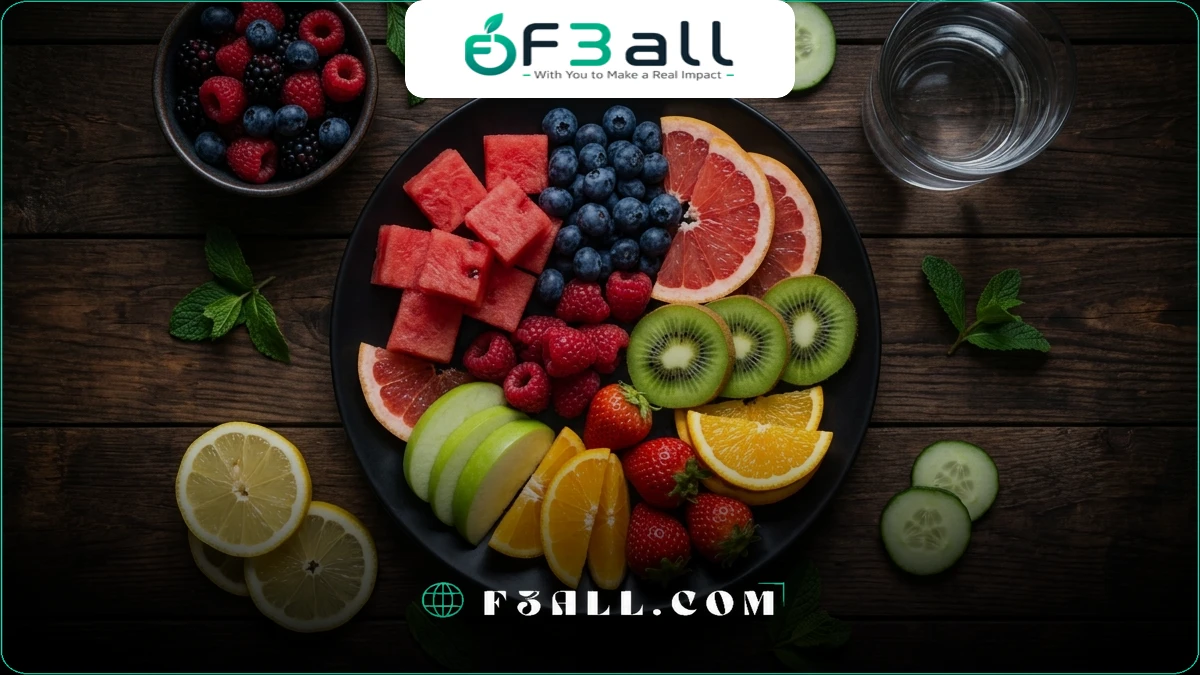
There is no single fruit everyone must eat. The best fruits for weight loss are those that offer good volume and fiber for a manageable number of calories.
| Fruit | Portion | Approx. Calories | Fiber | Best Use |
| Strawberries | 150 g | 48 kcal | About 3 g | Large low-calorie snack |
| Watermelon | 200 g | 60 kcal | About 0.8 g | High-volume option |
| Peach | 150 g | About 59 kcal | About 2.3 g | Light snack |
| Orange | 150 g | About 71 kcal | About 3.6 g | Filling whole fruit |
| Apple | 150 g | About 78 kcal | About 3.6 g | Portable snack |
| Grapefruit | 200 g | About 84 kcal | About 3.2 g | Breakfast or snack |
| Pear | 170 g | About 97 kcal | About 5 g | High-fiber option |
| Blueberries | 150 g | About 86 kcal | About 3.6 g | Yogurt or oatmeal |
If you are asking What Fruit Is Best for Weight Loss, strawberries, oranges, apples, pears, and watermelon are excellent starting points because they are easy to portion and work in many meals.
Low Calorie Fruits Give You More Volume
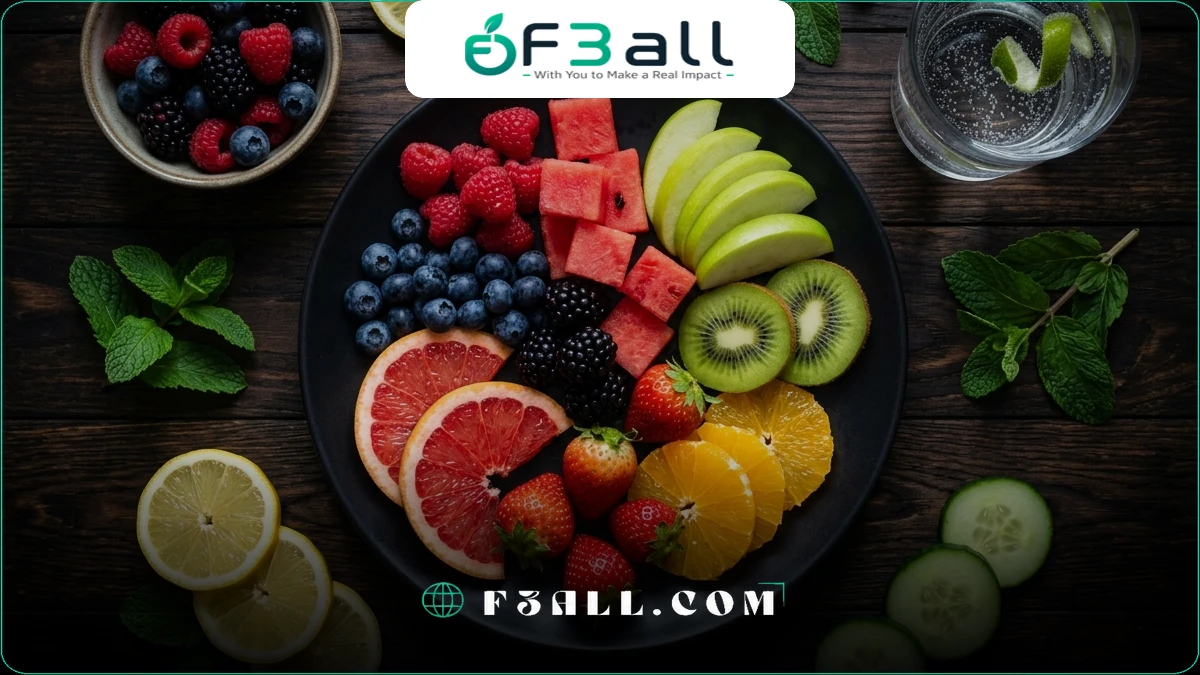
Low calorie fruits can help when you prefer physically larger snacks.
A 200 g portion of watermelon provides around 60 calories, while 200 g strawberries provides roughly 64 calories.
That amount of food can feel much more substantial than a small calorie-dense snack.
Strong High-Volume Choices
| Fruit | Approx. Calories per 100 g |
| Watermelon | 30 kcal |
| Strawberries | 32 kcal |
| Peach | 39 kcal |
| Grapefruit | About 42 kcal |
| Orange | 47 kcal |
| Apple | 52 kcal |
| Blueberries | 57 kcal |
| Pear | 57 kcal |
Low calorie does not automatically mean better, but it can make portion control easier.
High Fiber Fruits for Weight Loss
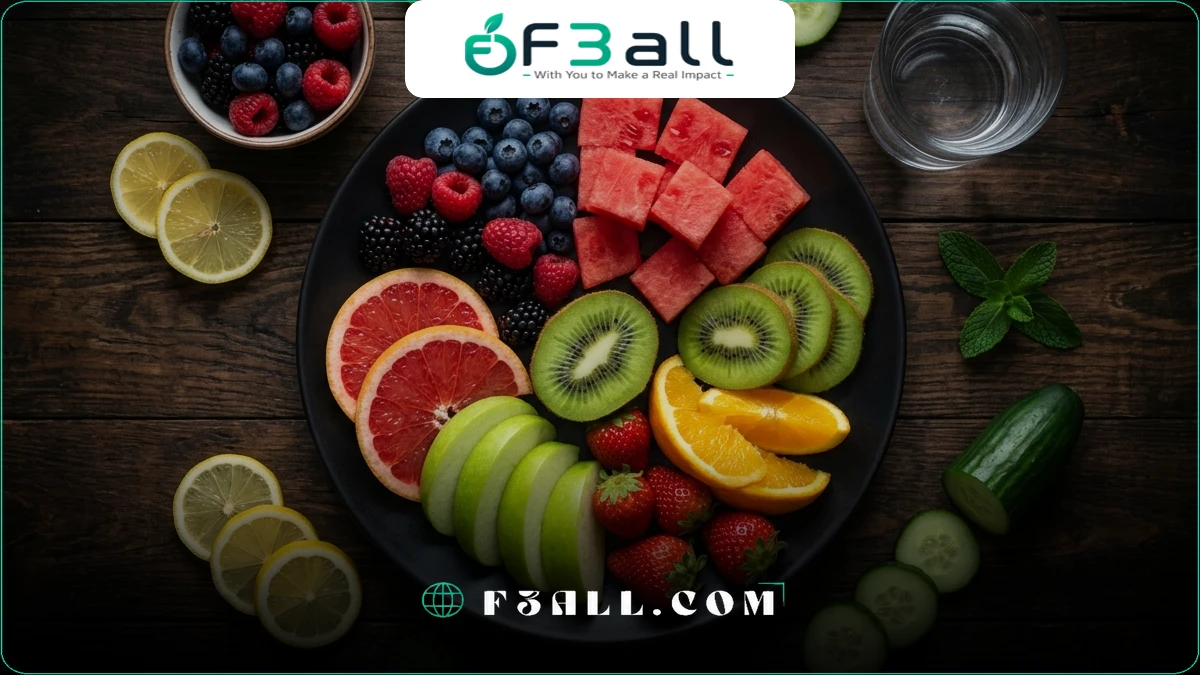
Fiber can help make fruit more filling and supports normal digestive health.
Some fruits provide significantly more fiber than others.
| Fruit | Typical Serving | Approx. Fiber |
| Pear | 1 medium | About 5 to 6 g |
| Apple with skin | 1 medium | About 4 g |
| Raspberries | 100 g | About 6.5 g |
| Blackberries | 100 g | About 5 g |
| Orange | 1 medium | About 3 g |
| Strawberries | 150 g | About 3 g |
If hunger control is your priority, high fiber fruits for weight loss may be more useful than choosing fruit only by sugar content.
Read more about: Fruit Diet for Weight Loss in 7 Days Healthy Guide
Are Low Sugar Fruits Better
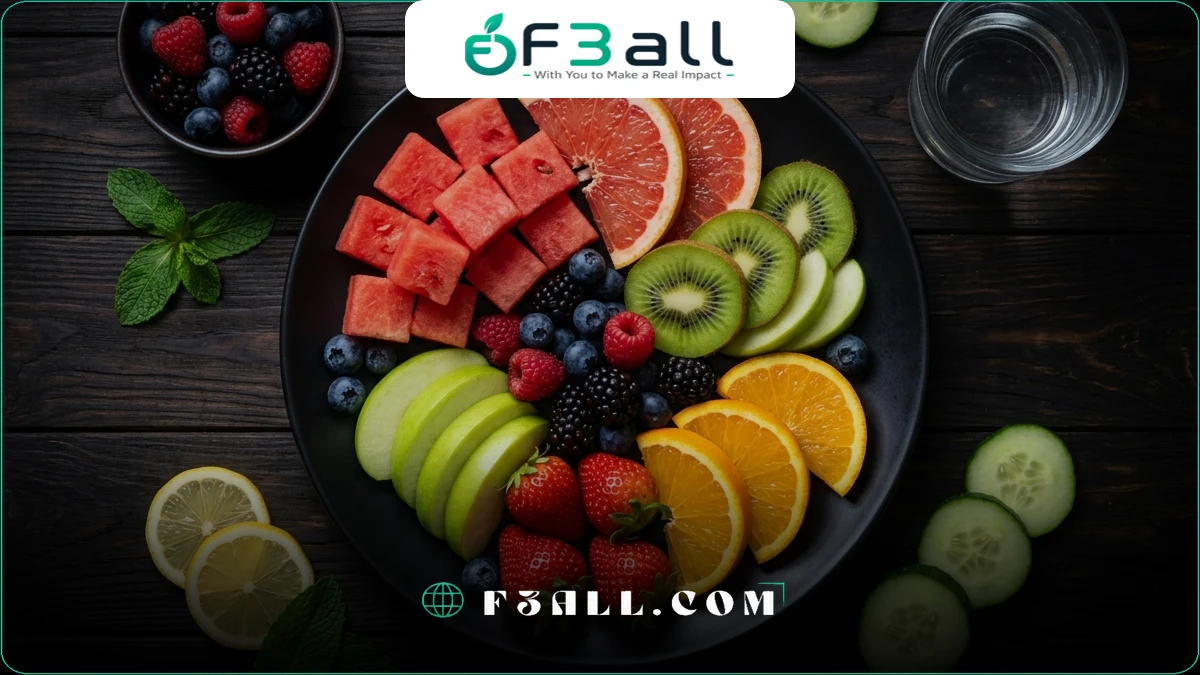
Low sugar fruits can be useful, but total calories, fiber, portion size, and overall diet matter more than sugar alone.
Fruit contains naturally occurring sugars along with water, vitamins, minerals, and fiber.
| Fruit | Approx. Carbs per 100 g | Approx. Calories |
| Strawberries | 7.7 g | 32 kcal |
| Watermelon | 7.6 g | 30 kcal |
| Peach | 9.5 g | 39 kcal |
| Orange | 11.8 g | 47 kcal |
| Apple | 13.8 g | 52 kcal |
| Blueberries | 14.5 g | 57 kcal |
| Grapes | 18.1 g | 69 kcal |
You do not need to avoid apples or grapes simply because they contain more carbohydrate than strawberries.
The better approach is to control the serving.
Filling Fruits for Weight Loss
The most filling fruit is often one that combines water, fiber, chewing, and a portion large enough to feel satisfying.
Useful choices include:
- Apples.
- Pears.
- Oranges.
- Berries.
- Grapefruit.
Whole fruit generally works better for fullness than drinking the same fruit as juice.
For more structured eating approaches, explore Weight Loss Diet Plans.
Best Fruit Snacks for Weight Loss
Fruit becomes more satisfying when paired with protein rather than eaten alone every time.
| Snack | Approx. Calories | Main Benefit |
| Apple 150 g and Greek yogurt 170 g | About 178 kcal | Protein and fiber |
| Strawberries 150 g and Greek yogurt 170 g | About 148 kcal | High volume |
| Peach 150 g and cottage cheese 100 g | About 140 to 160 kcal | Protein-rich |
| Banana 60 g and peanut butter 10 g | About 112 kcal | Controlled sweet snack |
| Orange and 15 g almonds | About 155 kcal | Portable option |
For additional ideas, visit Delicious Diet Recipes.
This approach can make What Fruit Is Best for Weight Loss less important than how the fruit fits into the complete snack.
Fruit for Breakfast
Fruit can fit breakfast easily, but fruit alone may not provide enough protein for a satisfying meal.
A stronger breakfast includes:
| Component | Example |
| Fruit | Berries, apple, orange, or banana |
| Protein | Eggs, Greek yogurt, cottage cheese |
| Carbohydrate | Oats or whole grain toast |
| Optional fat | Small portion of nuts or peanut butter |
Fruit adds sweetness and volume while the protein provides more meal structure.
Read more about: Low Calorie Fruits for Weight Loss Practical Food Guide
Whole Fruit Versus Fruit Juice
For dieting, whole fruit usually has the advantage.
| Whole Fruit | Fruit Juice |
| More fiber | Less fiber |
| Requires chewing | Easy to drink quickly |
| Greater fullness | Usually less filling |
| Easier to portion | Easy to drink several servings |
| Lower calorie concentration | More concentrated |
A glass of juice can contain several fruits that would take much longer to eat whole.
Explore Healthy Drinks for lower-calorie beverage options.
Dried Fruit Needs Smaller Portions
Dried fruit is still fruit, but removing water makes the calories much more concentrated.
| Food | Portion | Approx. Calories |
| Fresh grapes | 100 g | 69 kcal |
| Raisins | 100 g | About 300 kcal |
| Fresh apricot | 100 g | About 48 kcal |
| Dried apricot | 100 g | About 240 kcal |
Dried fruit can fit a weight loss diet, but the serving should generally be much smaller than the serving of fresh fruit.
Does Fruit Help Belly Fat
No specific fruit targets abdominal fat.
Fruit for belly fat claims are usually overstated.
Belly fat decreases when overall body fat decreases through a sustained calorie deficit. Fruit can support that process when it replaces higher-calorie foods and helps make the diet easier to maintain.
What Fruit Is Best for Weight Loss therefore matters less than your total daily eating pattern.
How Much Fruit Should You Eat
There is no universal fruit portion specifically for weight loss.
A practical serving often falls around 100 to 200 g depending on the fruit.
| Fruit | Practical Portion |
| Berries | 100 to 200 g |
| Apple | 1 medium |
| Orange | 1 medium |
| Pear | 1 medium |
| Watermelon | 150 to 250 g |
| Grapes | 80 to 120 g |
| Banana | Half to 1 medium |
People with different calorie needs may require different amounts.
Fruit does not need to be eliminated from a calorie deficit.
Can You Eat Fruit Every Day While Losing Weight
Yes. Whole fruit can be eaten daily during weight loss.
A varied approach is preferable to relying on one so-called fat-burning fruit.
For example:
| Day | Fruit Choice |
| Monday | Strawberries |
| Tuesday | Apple |
| Wednesday | Orange |
| Thursday | Pear |
| Friday | Watermelon |
| Saturday | Blueberries |
| Sunday | Peach |
Variety provides different flavors and nutrient profiles without making the diet complicated.
Read more about: High Protein Low Carb Recipes for Weight Loss | Try Now
A Simple Fruit Diet Strategy
A fruit diet for weight loss should not mean eating fruit at every meal while excluding important protein, fats, vegetables, and other foods.
A better daily structure is:
| Meal | Practical Fruit Use |
| Breakfast | Berries with yogurt |
| Lunch | Whole fruit after the meal if desired |
| Snack | Apple with protein |
| Dinner | No fruit required |
| Dessert | Fruit can replace a higher-calorie sweet |
This keeps fruit useful without turning it into the entire diet.
Explore Types of Diets for different approaches to weight management.
Common Fruit Mistakes
| Mistake | Better Approach |
| Drinking most fruit as juice | Choose whole fruit |
| Eating dried fruit in fresh-fruit portions | Use smaller amounts |
| Adding honey to fruit bowls | Fruit is often sweet enough |
| Avoiding all bananas or grapes | Control the portion |
| Eating huge fruit bowls after meals | Count them within daily intake |
| Expecting fruit to burn belly fat | Focus on total calorie balance |
Healthy foods still contribute calories, but fruit is generally easy to fit into a balanced calorie-controlled plan.
Why F3all Is Your Best Choice

At F3all, What Fruit Is Best for Weight Loss is approached through calories, fiber, portion size, fullness, and realistic meal planning instead of promoting one miracle fruit.
Readers can also explore Weight Loss, Weight Loss Diet Plans, and Delicious Diet Recipes for practical weight-management ideas.
Frequently Asked Questions
What Fruit Is Best for Weight Loss?
Berries, apples, pears, oranges, grapefruit, peaches, and watermelon are all useful choices.
The best option depends on the portion, calorie needs, and personal preference.
What is the lowest calorie fruit?
Watermelon and strawberries are among the lower-calorie commonly eaten fruits, providing around 30 to 32 calories per 100 g.
Which fruit has the most fiber for weight loss?
Raspberries, blackberries, pears, and apples are useful high-fiber choices.
Are bananas good for weight loss?
Yes. Bananas can fit a calorie-controlled diet when portions are appropriate.
A medium banana simply contains more calories than the same weight of berries.
Are apples good for weight loss?
Yes. Apples provide water and fiber and are easy to use as a portable snack.
Is watermelon good for weight loss?
Yes. Watermelon is relatively low in calories and high in water, making it useful for a high-volume snack.
Should I avoid fruit sugar during weight loss?
Most people do not need to avoid whole fruit because of its natural sugar.
Portion size and total calorie intake matter more.
Is fruit juice good for weight loss?
It can fit in small amounts, but whole fruit generally provides more fiber and is usually more filling.
Can fruit reduce belly fat?
No individual fruit specifically reduces belly fat. Overall fat loss requires a sustained calorie deficit.
How many servings of fruit can I eat while dieting?
The appropriate amount depends on your calorie needs and overall diet. Whole fruit can usually be included daily in sensible portions.
In the End
What Fruit Is Best for Weight Loss has no single winner. Strawberries and watermelon provide excellent volume for few calories, while apples, pears, berries, and oranges offer a useful combination of fiber and fullness.
Choose mostly whole fruit, control calorie-dense dried fruit and juice, and pair fruit with protein when you need a more satisfying snack. The best fruit is ultimately one that helps you maintain a balanced calorie deficit consistently.
References