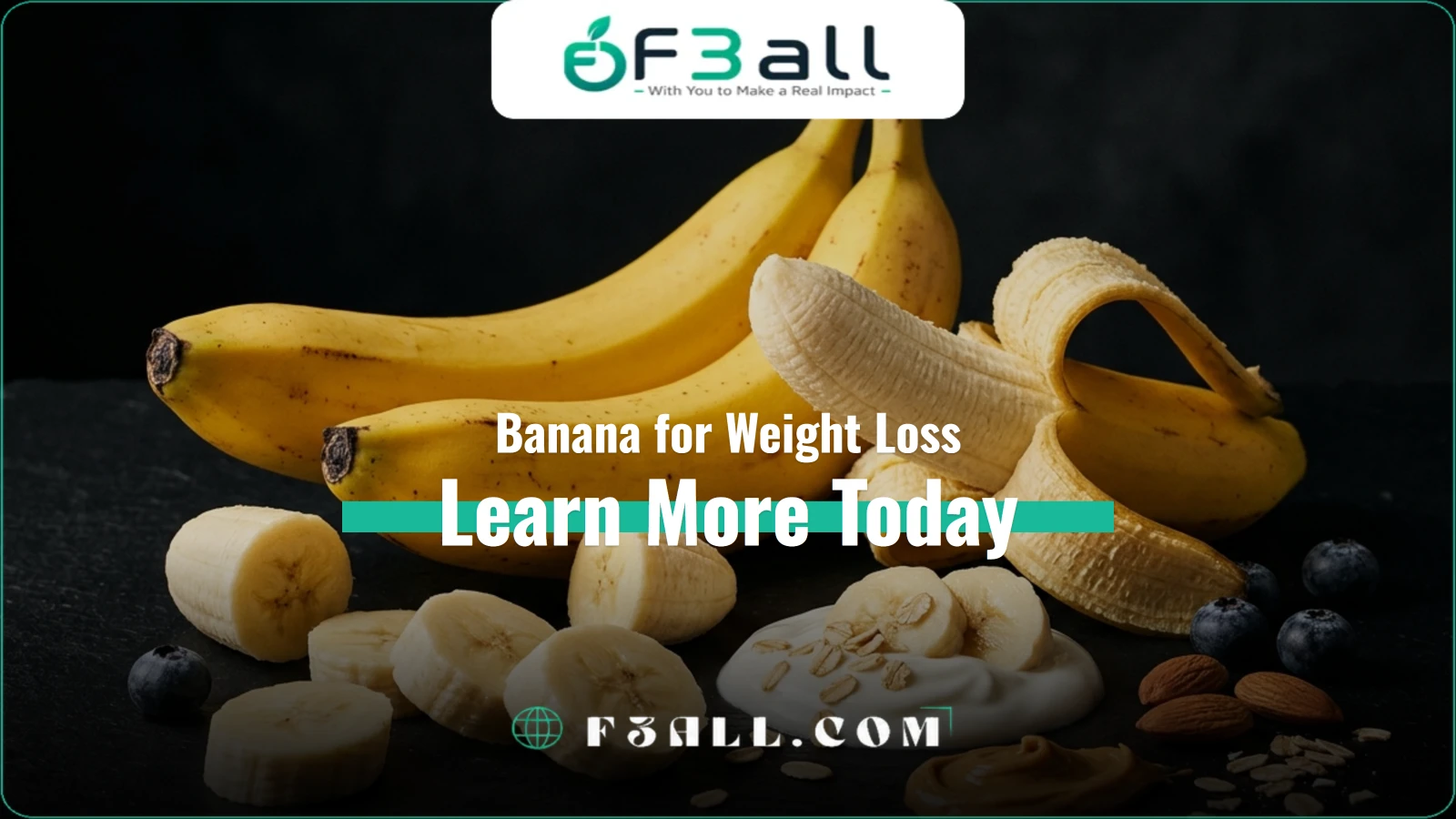
Banana for Weight Loss | See Benefits and Calorie Tips!
Banana for Weight Loss is a popular nutrition topic because bananas are naturally sweet, convenient, and rich in carbohydrates, potassium, and dietary fiber. Some people avoid bananas when trying to lose weight because they contain more calories than certain other fruits. However, bananas can fit comfortably into a balanced weight-loss diet when portions and overall energy intake are considered. Their nutritional value, versatility, and convenience make them useful for breakfast, snacks, and meals.
This guide explains banana calories, nutritional benefits, serving sizes, ripeness, healthy recipes, a seven-day meal plan, belly-fat claims, and realistic weight-loss expectations.
Is Banana Good for Weight Loss?
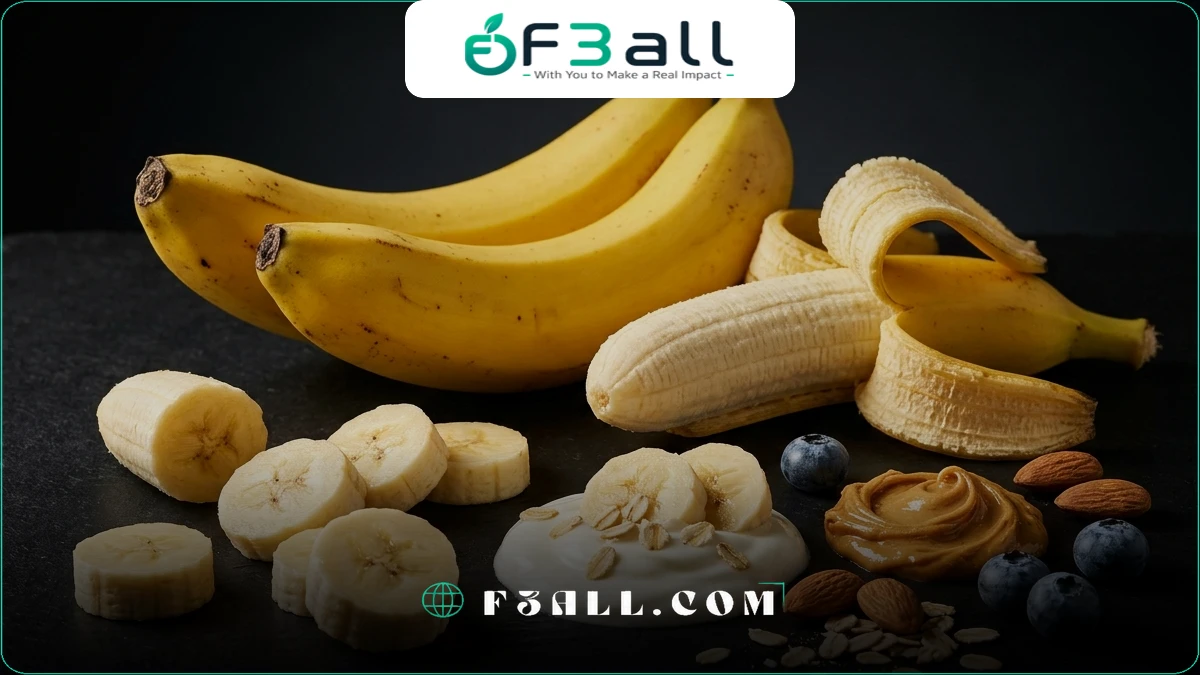
Yes, bananas can be included in a healthy weight-loss diet.
A medium banana provides approximately 105 calories, along with carbohydrates, dietary fiber, potassium, and vitamin B6.
Although bananas contain more calories than some water-rich fruits, they are not inherently fattening.
Weight management depends on overall energy intake, nutritional quality, physical activity, and individual health factors.
Why Bananas Can Fit Into a Weight-Loss Diet
Bananas offer several practical advantages:
- Convenient portions: Most bananas can be eaten without preparation.
- Dietary fiber: Fiber contributes to digestive health and may support fullness.
- Natural sweetness: Bananas can add sweetness to meals without added sugar.
- Carbohydrates: They provide energy for everyday activities and exercise.
- Potassium: Bananas contribute an important mineral involved in normal muscle and nerve function.
- Versatility: They work in oatmeal, smoothies, yogurt bowls, and homemade snacks.
Do Bananas Cause Weight Gain?
No individual food automatically causes weight gain.
Body weight changes are influenced by overall energy balance over time.
Eating bananas within an appropriate calorie intake does not prevent weight loss.
Banana Weight-Loss Facts
| Common Claim | Evidence-Based Explanation |
| Bananas Are Too High in Calories | A medium banana contains about 105 calories |
| Bananas Automatically Cause Weight Gain | No |
| Bananas Can Be Part of a Balanced Diet | Yes |
| Bananas Burn Belly Fat | Not established |
| Banana Fiber May Support Fullness | Yes |
| Eating Bananas Guarantees Weight Loss | No |
Are Bananas Better Than Processed Snacks?
Bananas can provide a nutritious alternative to some processed snacks.
For example, a medium banana may contain fewer calories than a large pastry or candy bar while contributing fiber and micronutrients.
However, the best snack depends on hunger, nutritional needs, and the overall diet.
Bananas can support a healthy eating pattern, but their usefulness for weight loss comes from how they fit into balanced meals and snacks.
Banana Calories for Weight Loss
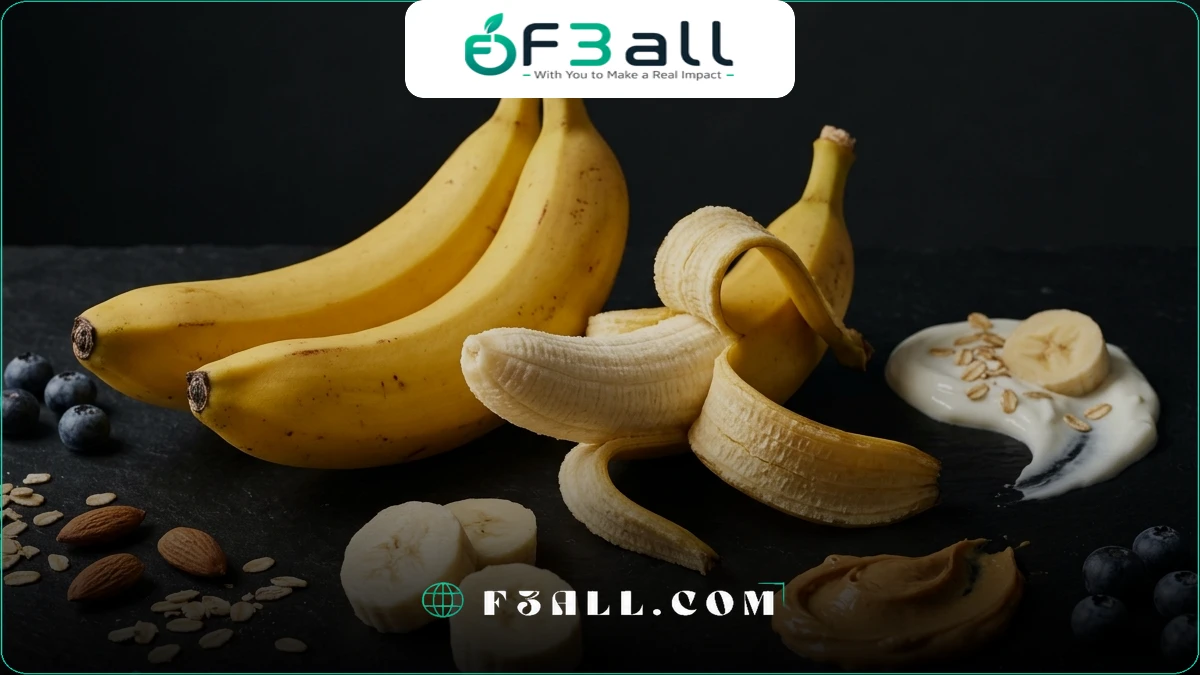
Understanding Banana Calories for Weight Loss helps clarify why bananas can fit into a calorie-conscious eating plan.
Bananas provide approximately 89 calories per 100 grams of edible fruit.
Their calorie content increases with size.
Calories by Banana Size
| Banana Size | Approximate Edible Weight | Calories |
| Extra Small | Under 81 g | About 72 |
| Small | 101 g | 90 |
| Medium | 118 g | 105 |
| Large | 136 g | 121 |
| Extra Large | 152 g | 135 |
| 100 g Banana | 100 g | 89 |
| 1 Cup Sliced Banana | 150 g | 134 |
Values are approximate and vary by banana size and variety.
How Many Calories Are in Two Bananas?
Two medium bananas provide approximately 210 calories.
Whether this amount fits your eating plan depends on your total daily nutritional needs.
Do Ripe Bananas Have More Calories?
As bananas ripen, some starch converts into sugars.
However, ripening does not create a major increase in total calories within the same banana.
The carbohydrate composition changes more noticeably than the overall energy content.
Banana Calories With Common Toppings
| Food Combination | Approximate Calories |
| 1 Medium Banana | 105 |
| Banana + 1 Tbsp Peanut Butter | 200 |
| Banana + 170 g Nonfat Greek Yogurt | 205 |
| Banana + 1 Tbsp Honey | 169 |
| Banana + 28 g Almonds | 269 |
| Banana + ½ Cup Rolled Oats, Dry | 255 |
These are estimates based on typical ingredients.
Are Banana Smoothies Higher in Calories?
A banana smoothie may contain more calories than a plain banana because of added ingredients.
For example, milk, yogurt, peanut butter, oats, and sweeteners contribute additional energy.
This is not necessarily undesirable, but it should be considered when planning portions.
Bananas are moderate-calorie fruits, and their energy content can be managed easily by considering size and additional ingredients.
Banana Nutrition for Weight Loss
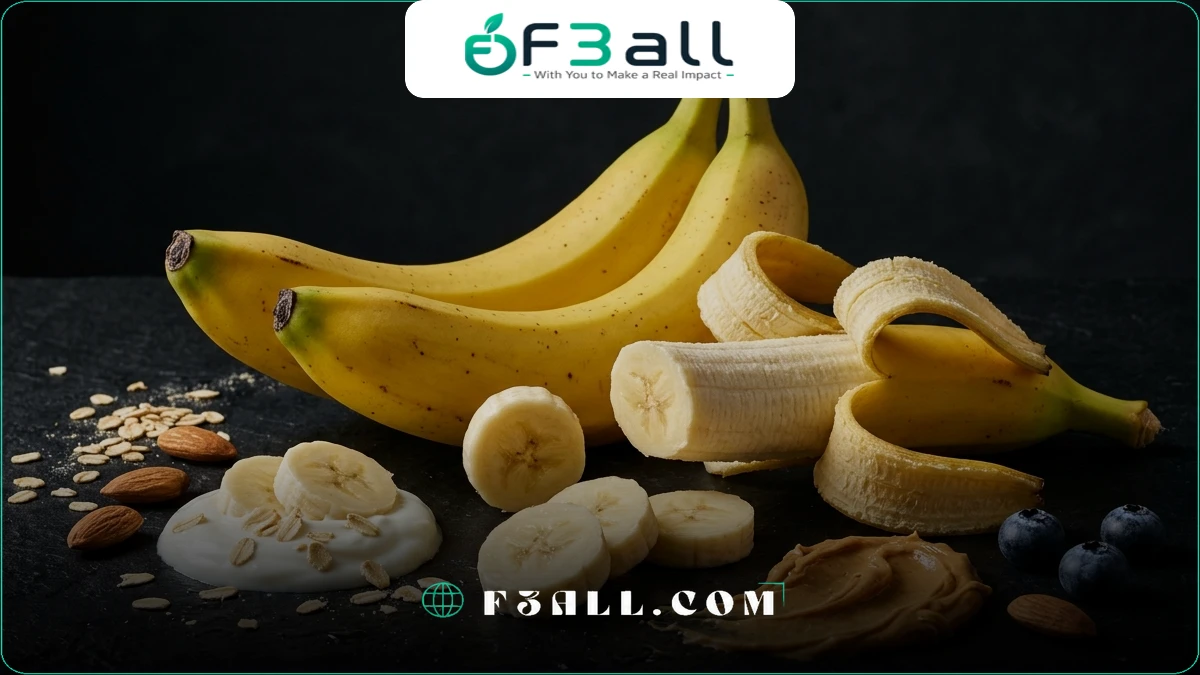
Banana Nutrition for Weight Loss extends beyond calories.
Bananas provide carbohydrates, fiber, potassium, vitamin B6, vitamin C, and several other nutrients.
Banana Nutrition Facts Per 100 Grams
| Nutrient | Approximate Amount |
| Calories | 89 kcal |
| Carbohydrates | 22.8 g |
| Dietary Fiber | 2.6 g |
| Total Sugars | 12.2 g |
| Protein | 1.1 g |
| Total Fat | 0.3 g |
| Potassium | 358 mg |
| Vitamin B6 | 0.37 mg |
| Vitamin C | 8.7 mg |
| Magnesium | 27 mg |
| Water | 74.9 g |
Values are based on typical USDA food-composition data.
Carbohydrates
Bananas contain carbohydrates that provide energy.
The amount and type of carbohydrates vary with ripeness.
Dietary Fiber
Fiber contributes to digestive health and may help support satiety.
A medium banana provides approximately 3 grams of fiber.
Potassium
Potassium is important for:
- Normal muscle function.
- Nerve signaling.
- Fluid balance.
- Healthy blood pressure regulation.
Vitamin B6
Vitamin B6 participates in amino acid metabolism and other essential processes.
Vitamin C
Vitamin C contributes to immune function, collagen formation, and antioxidant protection.
Resistant Starch
Less-ripe bananas contain more resistant starch than ripe bananas.
Resistant starch is not digested in the same way as rapidly available starch and may contribute to digestive and metabolic effects.
However, eating green bananas has not been established as a reliable independent weight-loss treatment.
Nutritional Strengths and Limitations
| Nutritional Feature | Banana Contribution | Practical Consideration |
| Carbohydrates | Provides energy | Portions matter |
| Fiber | Supports digestion | Moderate amount |
| Potassium | Supports normal function | Individual restrictions may apply |
| Vitamin B6 | Essential nutrient | Not a fat burner |
| Natural Sugars | Provides sweetness | Changes with ripeness |
| Protein | Low | Pair with protein-rich foods |
| Fat | Very low | Balanced meals need healthy fats |
Bananas provide useful nutrients, but they are most satisfying as part of meals that also include adequate protein and other nutrient-rich foods.
Banana Benefits for Weight Loss
Banana Benefits for Weight Loss relate primarily to convenience, fiber, nutritional value, and their ability to replace certain less nutritious foods.
They are not a substitute for balanced eating or appropriate energy intake.
1. May Support Fullness
Bananas contain fiber and provide food volume.
These characteristics may help contribute to satiety, particularly when combined with protein.
2. Offer Convenient Energy
Bananas provide carbohydrates that can support physical activity.
They are commonly used as snacks before or after exercise.
3. Provide Natural Sweetness
Mashed bananas can add sweetness to oatmeal, pancakes, and baked recipes.
4. Contribute Potassium
Potassium is important for normal muscle and nerve function.
5. Support Dietary Variety
Bananas can be combined with berries, oats, yogurt, nuts, and other foods.
6. Are Easy to Portion
A single banana is a convenient serving without requiring a scale.
7. Are Widely Available
Bananas are available throughout the year in many locations.
Benefits and Limitations
| Benefit | Practical Value | Limitation |
| Fiber | May contribute to fullness | Not a complete fiber source |
| Carbohydrates | Provides energy | Not inherently fat-burning |
| Natural Sweetness | Useful in recipes | Calories still count |
| Potassium | Supports normal function | Not a weight-loss treatment |
| Convenience | Portable snack | May not provide enough protein alone |
| Versatility | Easy meal ingredient | Added toppings affect calories |
Can Bananas Reduce Hunger?
Bananas may help satisfy hunger, but individual responses vary.
Pairing a banana with Greek yogurt, cottage cheese, or another protein source can create a more substantial snack.
Can Bananas Improve Metabolism?
Bananas provide nutrients involved in normal metabolic function.
However, there is no convincing evidence that eating bananas significantly increases metabolic rate or directly burns body fat.
The main advantage of bananas is that they make nutritious eating convenient and enjoyable rather than producing a special metabolic effect.
Read more about: Are Carbs Bad for Weight Loss | See the Facts and Tips.
Banana Serving Size for Weight Loss
Banana Serving Size for Weight Loss depends on appetite, calorie needs, physical activity, and the role of the banana in the meal.
There is no scientifically established number of bananas that guarantees weight reduction.
Practical Banana Portions
| Serving | Approximate Calories | Possible Use |
| ½ Medium Banana | 53 | Oatmeal topping |
| 1 Small Banana | 90 | Light snack |
| 1 Medium Banana | 105 | Standard snack |
| 1 Large Banana | 121 | Substantial fruit serving |
| 2 Medium Bananas | 210 | Larger fruit portion |
Is One Banana a Day Good for Weight Loss?
One banana daily can fit into a balanced diet.
However, eating a banana every day is not necessary for weight loss.
Can You Eat Two Bananas Daily?
Yes, two bananas can fit into some eating plans.
The appropriate amount depends on total food intake and individual nutritional needs.
Is Half a Banana Enough?
Half a banana may be suitable when adding fruit to a larger meal.
For example, it can be combined with oats, yogurt, or other fruit.
Can You Eat Too Many Bananas?
Very large amounts may contribute unnecessary calories or digestive discomfort.
Relying heavily on bananas can also reduce dietary variety.
Example Balanced Banana Snack
- 1 small banana: approximately 90 calories.
- 100 g plain nonfat Greek yogurt: approximately 60 calories.
- Cinnamon: negligible calories.
Estimated total: Approximately 150 calories.
The yogurt adds protein, making the snack more nutritionally balanced.
Choose banana portions based on the complete meal and your daily needs rather than following rigid rules about how many bananas are allowed.
Green vs Yellow vs Ripe Bananas for Weight Loss
Banana ripeness changes the composition of its carbohydrates.
This is an important consideration when comparing green and ripe bananas.
Green Bananas
Less-ripe bananas generally contain more starch, including resistant starch.
They are firmer and less sweet.
Yellow Bananas
Yellow bananas contain a mixture of starches and sugars.
They are commonly eaten as snacks.
Very Ripe Bananas
As bananas ripen further, more starch converts into sugars.
They become softer and sweeter.
Ripeness Comparison
| Feature | Green Banana | Yellow Banana | Very Ripe Banana |
| Sweetness | Lower | Moderate | Higher |
| Texture | Firm | Soft | Very soft |
| Resistant Starch | Generally higher | Lower | Lower |
| Sugar Content | Lower | Higher | Generally higher |
| Typical Use | Cooking | Snacking | Smoothies and baking |
| Direct Fat-Burning Effect | Not established | Not established | Not established |
Are Green Bananas Better for Weight Loss?
Not necessarily.
Although resistant starch has been studied for its possible effects on satiety and metabolism, the evidence does not establish that green bananas consistently produce greater weight loss.
Do Ripe Bananas Cause Weight Gain?
No.
Ripe bananas can fit into a calorie-appropriate diet.
Which Ripeness Is Best?
Choose according to taste, digestive tolerance, and intended use.
Some people find less-ripe bananas harder to digest.
Can Overripe Bananas Be Used in Healthy Recipes?
Yes.
Very ripe bananas can add sweetness to pancakes, oatmeal, and baked foods.
Ripeness changes banana texture and carbohydrate composition, but it does not determine whether a banana supports or prevents weight loss.
Banana vs Apple for Weight Loss
Bananas and apples are both nutritious fruits, but they differ in calories, water content, and nutrient composition.
Neither is universally superior for weight management.
Banana Nutrition
Bananas provide:
- Potassium.
- Vitamin B6.
- Carbohydrates.
- Dietary fiber.
Apple Nutrition
Apples provide:
- Dietary fiber.
- Water.
- Vitamin C.
- Plant compounds.
Nutrition Comparison Per 100 Grams
| Nutrient | Banana | Apple With Skin |
| Calories | 89 | 52 |
| Carbohydrates | 22.8 g | 13.8 g |
| Fiber | 2.6 g | 2.4 g |
| Total Sugars | 12.2 g | 10.4 g |
| Potassium | 358 mg | 107 mg |
| Water | 74.9 g | 85.6 g |
Which Fruit Has Fewer Calories?
Apples contain fewer calories per 100 grams.
However, the calories in a whole piece of fruit depend on its size.
Which Is Better Before Exercise?
Bananas are convenient carbohydrate sources.
However, apples can also provide energy.
Which Is More Filling?
Fullness depends on portion size, chewing, fiber, water content, and individual appetite responses.
Can You Eat Both?
Yes.
Eating different fruits contributes to dietary variety.
Both bananas and apples can fit into a weight-loss diet, so choose portions and combinations that match your needs.
Banana vs Alternatives for Weight Loss
Banana vs Alternatives for Weight Loss helps explain how bananas compare with other common fruits.
Although bananas contain more calories per 100 grams than some fruits, they also provide useful nutrients and carbohydrates.
Fruit Nutrition Comparison
| Fruit | Calories Per 100 g | Fiber Per 100 g | Main Feature |
| Banana | 89 | 2.6 g | Potassium and carbohydrates |
| Apple | 52 | 2.4 g | Fiber and water |
| Orange | 47 | 2.4 g | Vitamin C |
| Strawberries | 32 | 2.0 g | Vitamin C |
| Blueberries | 57 | 2.4 g | Anthocyanins |
| Grapes | 69 | 0.9 g | Natural carbohydrates |
| Mango | 60 | 1.6 g | Vitamin C and carotenoids |
| Watermelon | 30 | 0.4 g | High water content |
| Avocado | 160 | 6.7 g | Unsaturated fats and fiber |
Banana vs Strawberries
Strawberries contain fewer calories per 100 grams and more water.
Bananas provide more carbohydrates and potassium.
Banana vs Orange
Oranges contain fewer calories per 100 grams and provide substantial vitamin C.
Bananas offer more carbohydrates.
Banana vs Mango
Both fruits provide carbohydrates and vitamins.
Mango contains fewer calories per 100 grams than banana, but portions still matter.
Banana vs Avocado
Avocado contains more fat and calories per 100 grams.
It also provides unsaturated fats and fiber.
Which Fruit Is Best for Weight Loss?
No single fruit is universally best.
Different fruits offer different nutrients, textures, and flavors.
Bananas are a nutritious option among many, and eating a variety of whole fruits is more valuable than avoiding one fruit because of its calorie content.
Banana Recipes for Weight Loss
Banana Recipes for Weight Loss can provide convenient ways to enjoy fruit while maintaining balanced meals and snacks.
Bananas are especially useful because their natural sweetness can reduce the need for added sugar in some recipes.
The following recipes use familiar ingredients and provide approximate calorie estimates.
Recipe 1 – Banana Greek Yogurt Bowl
Ingredients
- 1 small banana.
- 170 g plain nonfat Greek yogurt.
- 1 teaspoon chia seeds.
- Cinnamon.
Instructions
- Add Greek yogurt to a bowl.
- Slice the banana.
- Arrange the banana over the yogurt.
- Sprinkle with chia seeds.
- Add cinnamon.
- Serve immediately.
Estimated calories: 205–225 kcal.
Nutritional benefit: Provides protein, fruit, and fiber.
Recipe 2 – Banana Oat Pancakes
Ingredients
- 1 medium banana.
- 2 large eggs.
- ½ cup rolled oats.
- ½ teaspoon baking powder.
- Cinnamon.
Instructions
- Mash the banana in a bowl.
- Add eggs and mix.
- Stir in oats, baking powder, and cinnamon.
- Heat a nonstick pan.
- Pour small portions of batter.
- Cook until fully set on both sides.
- Serve with fresh fruit.
Estimated calories: Approximately 390–420 kcal for the full recipe.
Servings: 2.
Estimated calories per serving: 195–210 kcal.
Recipe 3 – Banana Protein Smoothie
Ingredients
- 1 medium banana.
- 170 g plain nonfat Greek yogurt.
- ½ cup skim milk.
- Ice.
- Cinnamon.
Instructions
- Add milk to a blender.
- Add banana and yogurt.
- Blend until smooth.
- Add ice and cinnamon.
- Blend again.
- Serve immediately.
Estimated calories: 245–275 kcal.
Nutritional benefit: Combines carbohydrates and protein.
Recipe 4 – Banana Overnight Oats
Ingredients
- ½ cup rolled oats.
- ½ medium banana.
- ½ cup skim milk.
- 100 g plain Greek yogurt.
- 1 teaspoon chia seeds.
- Vanilla extract.
Instructions
- Combine oats, milk, and yogurt.
- Mash half the banana.
- Stir it into the oat mixture.
- Add chia seeds and vanilla.
- Refrigerate overnight.
- Serve chilled.
Estimated calories: 320–365 kcal.
Nutritional benefit: Provides fiber and protein.
Recipe 5 – Frozen Banana Yogurt Bites
Ingredients
- 1 medium banana.
- 100 g plain Greek yogurt.
- Cinnamon.
- 1 teaspoon unsweetened cocoa powder.
Instructions
- Slice the banana into rounds.
- Mix yogurt with cocoa and cinnamon.
- Add a small amount of yogurt to each banana slice.
- Arrange on a lined tray.
- Freeze until firm.
- Store frozen in a suitable container.
Estimated calories: 165–185 kcal for the full recipe.
Servings: 3.
Estimated calories per serving: 55–62 kcal.
Recipe 6 – Banana Peanut Butter Toast
Ingredients
- 1 slice whole-grain bread.
- ½ medium banana.
- 1 teaspoon peanut butter.
- Cinnamon.
Instructions
- Toast the bread.
- Spread peanut butter over it.
- Slice the banana.
- Arrange banana slices on top.
- Sprinkle with cinnamon.
Estimated calories: 180–220 kcal.
Nutritional benefit: Provides carbohydrates, fiber, and some healthy fats.
Recipe 7 – Banana Chia Pudding
Ingredients
- ½ medium banana.
- 2 tablespoons chia seeds.
- ¾ cup unsweetened almond milk.
- Vanilla extract.
- Cinnamon.
Instructions
- Mix chia seeds with almond milk.
- Add vanilla and cinnamon.
- Refrigerate until thickened.
- Mash the banana.
- Add it to the pudding.
- Serve chilled.
Estimated calories: 175–205 kcal.
Nutritional benefit: Provides fiber and unsaturated fats.
Recipe Comparison
| Recipe | Estimated Calories | Main Nutritional Feature |
| Banana Yogurt Bowl | 205–225 | Protein and fruit |
| Banana Oat Pancakes | 195–210 per serving | Protein and oats |
| Banana Protein Smoothie | 245–275 | Protein and carbohydrates |
| Banana Overnight Oats | 320–365 | Fiber-rich breakfast |
| Frozen Banana Bites | 55–62 per serving | Portion-controlled dessert |
| Banana Peanut Butter Toast | 180–220 | Carbohydrates and fats |
| Banana Chia Pudding | 175–205 | Fiber and healthy fats |
Tips for Healthier Banana Recipes
- Use unsweetened yogurt.
- Measure peanut butter and nuts.
- Avoid adding sugar automatically.
- Include protein when preparing a meal.
- Choose whole-grain ingredients when appropriate.
- Consider the calories in all recipe components.
Banana recipes can make nutritious eating more enjoyable when ingredients and portions are chosen thoughtfully.
Read more about: Are Baked Potatoes Good for Weight Loss | See the Facts
Banana Diet Plan for Weight Loss
A Banana Diet Plan should not involve eating only bananas or replacing all meals with fruit.
Instead, bananas can be included in a varied diet containing protein, vegetables, whole grains, healthy fats, and other fruits.
The following seven-day example demonstrates different ways to incorporate bananas.
It is not an individualized calorie prescription.
Seven-Day Banana Meal Plan
| Day | Breakfast | Lunch | Dinner | Optional Snack |
| Monday | Banana overnight oats | Chicken quinoa salad | Salmon with vegetables | Greek yogurt |
| Tuesday | Eggs and whole-grain toast | Lentil soup | Chicken with brown rice | Small banana |
| Wednesday | Banana yogurt bowl | Tuna salad wrap | Tofu with roasted vegetables | Nuts |
| Thursday | Oatmeal with berries | Chickpea grain bowl | Fish with baked potato | Banana peanut butter toast |
| Friday | Banana oat pancakes | Chicken vegetable soup | Turkey with quinoa | Cottage cheese |
| Saturday | Greek yogurt with fruit | Lentil salad | Salmon with brown rice | Small banana |
| Sunday | Eggs with spinach | Chicken rice bowl | Tofu stir-fry | Frozen banana yogurt bites |
Why This Plan Includes Different Fruits
Bananas provide useful nutrients, but other fruits contribute different vitamins, minerals, and plant compounds.
Can You Eat Bananas Every Morning?
Yes, if they fit your dietary preferences and needs.
However, breakfast should contain adequate protein and other nutrients.
Are Bananas Enough for Dinner?
No.
Bananas alone do not provide the protein, essential fats, and overall nutritional balance of a complete meal.
How to Adjust the Plan
You can:
- Use different protein sources.
- Rotate whole grains.
- Replace bananas with other fruit occasionally.
- Include additional vegetables.
- Adjust portions to energy needs.
- Choose suitable snacks according to hunger.
Balanced Meal Planning Priorities
| Priority | Practical Strategy |
| Protein | Include across meals |
| Fruit | Choose different varieties |
| Vegetables | Include regularly |
| Whole Grains | Use suitable portions |
| Healthy Fats | Include appropriate amounts |
| Hydration | Drink sufficient fluids |
| Sustainability | Choose enjoyable meals |
A useful banana diet plan incorporates bananas into balanced meals rather than relying on restrictive fruit-only eating.
Banana for Belly Fat – What the Evidence Says
Banana for Belly Fat is a common search topic because some diet trends claim that bananas either increase abdominal fat or help eliminate it.
Neither claim is supported as a general rule.
Understanding Belly Fat
Abdominal fat includes:
- Subcutaneous fat: Located beneath the skin.
- Visceral fat: Located around internal organs.
Visceral fat is associated with increased cardiometabolic risk.
Do Bananas Cause Belly Fat?
No.
Eating bananas does not specifically cause fat accumulation around the abdomen.
Do Bananas Burn Belly Fat?
No.
There is no convincing evidence that bananas selectively burn abdominal fat.
Can Bananas Support Overall Fat Loss?
Potentially.
If a banana replaces a more calorie-dense snack and contributes to lower overall energy intake, it may support a calorie deficit.
However, this depends on the complete diet.
Belly-Fat Claims Comparison
| Claim | Evidence-Based Explanation |
| Bananas Automatically Cause Belly Fat | Unsupported |
| Bananas Melt Abdominal Fat | Unsupported |
| Bananas Provide Fiber | Yes |
| Bananas Can Replace Some Snacks | Yes |
| Overall Energy Balance Matters | Yes |
| One Fruit Targets Visceral Fat | No |
What Actually Helps Reduce Abdominal Fat?
Approaches supported by evidence include:
- Appropriate energy intake.
- Balanced nutrition.
- Regular aerobic activity.
- Resistance training.
- Adequate sleep.
- Individualized medical care when needed.
Does Eating Bananas at Night Cause Belly Fat?
No.
The timing of banana consumption does not automatically determine where fat is stored.
Bananas can fit into a healthy eating pattern, but abdominal fat reduction depends on broader dietary and lifestyle factors.
Banana Best Time to Eat for Weight Loss
Banana Best Time to Eat is a popular question because some diets recommend bananas only in the morning or before exercise.
However, there is no established time of day when eating a banana produces greater fat loss.
Bananas at Breakfast
Bananas can be combined with oatmeal, yogurt, eggs, or whole-grain toast.
Bananas Before Exercise
Bananas provide carbohydrates that may be useful before physical activity.
Some people find them convenient and easy to digest.
Bananas After Exercise
Bananas can contribute carbohydrates to a recovery meal.
Pairing them with protein may be useful after exercise.
Bananas Between Meals
A banana can serve as a portable snack.
Bananas Before Bed
Eating a banana at night does not automatically cause weight gain.
Timing Comparison
| Time | Potential Use | Special Fat-Loss Advantage |
| Breakfast | Adds fruit and carbohydrates | Not established |
| Mid-Morning | Convenient snack | Not established |
| Before Exercise | Provides energy | No direct fat-burning effect |
| After Exercise | Provides carbohydrates | No direct fat-burning effect |
| Afternoon | Snack | Not established |
| Before Bed | Optional snack | Not established |
Should You Eat a Banana on an Empty Stomach?
There is no established weight-loss advantage to eating bananas on an empty stomach.
Is a Banana Better Before or After a Workout?
Either can be appropriate.
The best timing depends on workout intensity, meal timing, and digestive comfort.
Do Bananas at Night Turn Into Fat?
No.
The body does not automatically convert bananas into fat because they are eaten after a particular hour.
The best time to eat a banana is whenever it fits your appetite, activity level, and overall eating routine.
Banana Weight Loss Results – What to Expect
Banana Weight Loss Results depend on the overall dietary pattern rather than banana consumption alone.
There is no established amount of weight reduction caused by eating bananas.
Potential Benefits of Including Bananas
Bananas may help someone:
- Increase fruit intake.
- Add fiber to meals.
- Meet some potassium needs.
- Prepare convenient snacks.
- Add natural sweetness to recipes.
- Support carbohydrate intake around exercise.
Example Calorie Substitution
Suppose someone replaces a 300-calorie pastry with a medium banana containing approximately 105 calories.
The difference is approximately 195 calories.
If the substitution lowers total daily energy intake without being offset elsewhere, it may contribute to a calorie deficit.
However, the result is not guaranteed.
Weight-Loss Claims Comparison
| Claim | Evidence-Based Interpretation |
| Bananas Guarantee Weight Loss | No |
| Bananas Can Replace Some Higher-Calorie Snacks | Yes |
| Bananas Burn Fat | Not established |
| Bananas Provide Potassium | Yes |
| Bananas Cause Automatic Weight Gain | No |
| Overall Eating Habits Determine Results | Important |
How Quickly Can Weight Loss Occur?
Weight change varies according to:
- Energy intake.
- Physical activity.
- Sleep.
- Medical conditions.
- Medications.
- Individual physiology.
For many adults who would benefit from weight reduction, gradual weight loss of approximately one to two pounds per week is commonly recommended.
This is not an appropriate target for everyone.
Why Scale Weight Fluctuates
Short-term changes may reflect:
- Water balance.
- Sodium intake.
- Glycogen storage.
- Digestive contents.
- Hormonal changes.
- Actual changes in body tissue.
Better Ways to Evaluate Progress
Consider:
- Dietary consistency.
- Fruit and vegetable intake.
- Physical strength.
- Activity levels.
- Energy.
- Weight trends when appropriate.
- Relevant health measurements.
The most realistic benefit of bananas is that they can make nutritious meals and snacks easier to maintain consistently.
Banana Smoothies vs Whole Bananas for Weight Loss
Banana smoothies are popular because they are quick to prepare and can contain protein, fruit, and other nutrients.
However, smoothies and whole bananas may differ in satiety and calorie content.
Whole Bananas
Whole bananas require chewing and provide a convenient single-fruit portion.
Banana Smoothies
Smoothies can combine bananas with milk, yogurt, oats, nuts, or other ingredients.
Their calorie content depends on the recipe.
Whole Banana vs Smoothie
| Feature | Whole Banana | Banana Smoothie |
| Preparation | Minimal | Requires blending |
| Chewing | Yes | Little |
| Fiber | Retained | Generally retained when whole fruit is blended |
| Calories | Based on banana size | Depends on all ingredients |
| Protein | Low | Can be increased |
| Convenience | Highly portable | Depends on storage |
Can Banana Smoothies Cause Weight Gain?
Not automatically.
However, large smoothies containing nut butter, sweetened milk, ice cream, and syrups can be calorie-dense.
Example Balanced Banana Smoothie
Ingredients
- 1 small banana.
- 170 g plain nonfat Greek yogurt.
- ½ cup unsweetened almond milk.
- Cinnamon.
- Ice.
Blend until smooth.
Estimated calories: Approximately 200–230 kcal.
Is a Smoothie Better Than a Whole Banana?
Neither is universally better.
A smoothie may be useful when it provides additional protein or serves as part of a balanced meal.
A whole banana may be more convenient as a snack.
Choose the format that suits your needs while considering all ingredients and total portion size.
Can You Eat Bananas for Weight Loss With Diabetes?
Bananas can fit into individualized diabetes meal plans.
However, their carbohydrate content should be considered because carbohydrates influence blood glucose.
Carbohydrates in a Medium Banana
A medium banana contains approximately:
- 27 grams of total carbohydrates.
- 3 grams of dietary fiber.
- 14 grams of total sugars.
Does Ripeness Affect Blood Glucose?
Ripening changes starch into sugars and may influence the glycemic response.
However, the actual effect varies with portion size, individual glucose regulation, and other foods consumed.
Are Green Bananas Better for Diabetes?
Less-ripe bananas contain more resistant starch.
They may produce a different glycemic response than ripe bananas, but they are not automatically the best choice for every person.
Practical Considerations
| Factor | Suggested Approach |
| Portion Size | Account for carbohydrates |
| Ripeness | Consider individual response |
| Protein Pairing | Combine with suitable protein |
| Overall Meal | Evaluate total carbohydrate intake |
| Blood Glucose | Follow individualized monitoring |
| Medical Treatment | Follow professional guidance |
Can People With Diabetes Eat Bananas Daily?
Many can include bananas in appropriate portions.
However, dietary requirements vary depending on medication, glucose management, and individual health needs.
Should Bananas Be Avoided Completely?
Not generally.
A qualified healthcare professional or registered dietitian can help determine appropriate portions.
For people with diabetes, banana portions and total carbohydrate intake are more important than labeling bananas as universally good or bad.
Read more about: Apron Belly After Weight Loss | See Your Options Today.
Common Mistakes When Eating Bananas for Weight Loss
Several misconceptions can lead to unnecessary restrictions or unrealistic expectations.
Mistake 1 – Avoiding Bananas Because They Contain Sugar
Bananas contain natural sugars alongside fiber and nutrients.
Better Approach: Consider the complete nutritional profile.
Mistake 2 – Eating Only Bananas
Bananas do not provide adequate protein or essential fats to form a complete diet.
Better Approach: Maintain balanced meals.
Mistake 3 – Ignoring Smoothie Ingredients
Large amounts of peanut butter, sweeteners, or ice cream can substantially increase calories.
Better Approach: Measure ingredients.
Mistake 4 – Expecting Belly-Fat Reduction
Bananas do not specifically burn abdominal fat.
Better Approach: Focus on overall energy balance and activity.
Mistake 5 – Assuming Green Bananas Guarantee Faster Weight Loss
Resistant starch does not make green bananas a proven weight-loss treatment.
Better Approach: Choose ripeness based on preference and tolerance.
Mistake 6 – Replacing Protein-Rich Meals With Fruit
Bananas provide very little protein.
Better Approach: Pair them with protein-containing foods.
Mistake 7 – Ignoring Portion Size
Banana sizes vary.
Better Approach: Consider whether the serving fits your needs.
Mistake Summary
| Mistake | Better Strategy |
| Fear of Natural Sugar | Evaluate whole-food nutrition |
| Banana-Only Diet | Eat balanced meals |
| High-Calorie Smoothies | Measure ingredients |
| Belly-Fat Expectations | Use realistic goals |
| Green Banana Claims | Follow evidence |
| Low-Protein Meals | Include protein |
| Unplanned Portions | Consider banana size |
Avoiding these mistakes helps make bananas a flexible part of healthy eating rather than a food surrounded by unnecessary rules.
How to Meal Prep Bananas for Weight Loss
Bananas are convenient because they require little preparation.
However, proper storage can reduce waste and make healthy recipes easier to prepare.
Step 1 – Choose Bananas at Different Ripeness Levels
Buying a mix of green and yellow bananas can help spread consumption throughout the week.
Step 2 – Store Whole Bananas Appropriately
Bananas generally ripen best at room temperature.
Step 3 – Refrigerate Ripe Bananas
Refrigeration can slow further ripening.
The peel may darken while the flesh remains usable.
Step 4 – Freeze Extra Bananas
Peel and slice ripe bananas before freezing.
Store them in freezer-safe containers.
Step 5 – Prepare Recipe Portions
Freeze individual portions for smoothies or baked recipes.
Step 6 – Combine With Other Ingredients
Prepare yogurt bowls, oatmeal, or smoothies using balanced ingredients.
Weekly Banana Meal Prep Example
| Day | Preparation |
| Sunday | Purchase bananas at varied ripeness |
| Monday | Add banana to oatmeal |
| Tuesday | Prepare banana yogurt bowl |
| Wednesday | Freeze extra ripe bananas |
| Thursday | Make banana smoothie |
| Friday | Prepare banana oat pancakes |
| Saturday | Enjoy banana with peanut butter toast |
| Sunday | Review supplies and plan again |
Can You Freeze Bananas With the Peel?
It is possible, but peeling before freezing is generally more convenient.
How Long Do Frozen Bananas Last?
Frozen bananas can maintain good quality for several months when properly packaged and kept frozen.
Are Brown Bananas Safe to Eat?
Brown spots often indicate ripening.
However, bananas with mold, unusual odors, or other signs of spoilage should be discarded.
Simple banana meal preparation can make fruit-based snacks more convenient while reducing food waste.
How to Include Bananas in a Sustainable Weight-Loss Routine
Bananas are one part of a balanced dietary pattern.
Long-term weight management depends on overall nutrition, physical activity, sleep, and individual health needs.
Build Balanced Meals
Include a variety of:
- Vegetables.
- Whole fruits.
- Whole grains.
- Protein-rich foods.
- Legumes.
- Healthy fats.
Maintain Appropriate Energy Intake
Weight reduction generally requires an energy deficit over time.
The appropriate amount varies by individual.
Include Regular Physical Activity
For most adults, general recommendations include at least 150 minutes of moderate-intensity aerobic activity per week and muscle-strengthening activities on at least two days.
Include Adequate Protein
Protein supports muscle maintenance and normal body function.
Prioritize Sleep
Adequate sleep contributes to overall health and may influence appetite regulation.
Maintain Dietary Flexibility
A sustainable eating pattern should include foods you enjoy.
Sustainable Habits Comparison
| Habit | Potential Benefit |
| Eating Bananas | Adds fruit and potassium |
| Eating Different Fruits | Improves nutritional variety |
| Including Vegetables | Provides fiber and micronutrients |
| Adequate Protein | Supports muscle maintenance |
| Whole Grains | Provides energy and fiber |
| Regular Exercise | Supports fitness |
| Adequate Sleep | Supports general health |
| Balanced Portions | Helps manage energy intake |
Do You Need Bananas to Lose Weight?
No.
Weight loss can occur with many different dietary patterns.
Bananas are simply one nutritious fruit option.
The most useful approach is to include bananas when you enjoy them while maintaining a varied and balanced eating routine.
Why F3all Is Your Best Choice

At F3all, the Banana for Weight Loss guide focuses on practical nutrition information, realistic calorie estimates, and balanced meal-planning strategies.
The goal is to help readers understand how bananas can fit into a healthy diet without exaggerated fat-burning claims.
- Clear Nutrition Facts: Understand banana calories, fiber, potassium, and carbohydrates.
- Serving Size Guidance: Compare small, medium, and large banana portions.
- Healthy Recipes: Explore smoothies, oatmeal, pancakes, and snacks.
- Food Comparisons: Compare bananas with apples, berries, and other fruits.
- Meal Planning: Discover a flexible seven-day schedule.
- Realistic Results: Understand what bananas can and cannot do for weight loss.
- Ripeness Guidance: Learn the differences between green and ripe bananas.
- Balanced Eating Tips: Combine bananas with protein, whole grains, and healthy fats.
Explore more nutrition information, healthy recipes, and weight-management resources through F3all.
F3all helps readers make informed food choices through practical recipes and evidence-based nutrition guidance.
Frequently Asked Questions
Is Banana Good for Weight Loss?
Yes. Bananas can fit into a balanced weight-loss diet because they provide fiber, potassium, carbohydrates, and other nutrients. They do not directly burn fat.
How Many Calories Are in One Banana?
A medium banana contains approximately 105 calories. Smaller bananas contain fewer calories, while larger bananas contain more.
How Many Bananas Should I Eat Daily for Weight Loss?
There is no required number. One banana can be a convenient serving, but appropriate intake depends on overall nutrition and individual needs.
Do Bananas Burn Belly Fat?
No. There is no convincing evidence that bananas specifically burn abdominal fat.
Are Green Bananas Better for Weight Loss?
Green bananas contain more resistant starch than ripe bananas, but they have not been established as a superior weight-loss treatment.
Can I Eat Bananas at Night and Still Lose Weight?
Yes. Eating bananas at night does not automatically cause weight gain. Overall energy intake matters more than the time of day.
Are Bananas Better Than Apples for Weight Loss?
Neither is universally better. Apples contain fewer calories per 100 grams, while bananas provide more potassium and carbohydrates.
Can I Eat Two Bananas Every Day?
Two bananas can fit into some balanced diets. The appropriate amount depends on calorie needs, activity, and dietary variety.
Are Banana Smoothies Good for Weight Loss?
They can be, depending on ingredients and portions. Smoothies made with banana, plain yogurt, and unsweetened milk may provide a balanced snack.
Can Eating Too Many Bananas Cause Weight Gain?
Consuming more calories than needed over time can contribute to weight gain, regardless of the food source. Bananas do not automatically cause weight gain.
In the End
Banana for Weight Loss can be a practical and nutritious part of a balanced eating plan.
A medium banana provides approximately 105 calories, along with dietary fiber, potassium, vitamin B6, and carbohydrates that support normal body function and physical activity.
Bananas can be enjoyed as snacks, added to oatmeal, blended into smoothies, or used in healthy recipes.
However, they do not directly burn body fat, and there is no evidence that they specifically eliminate belly fat.
The most effective approach is to combine bananas with protein-rich foods, vegetables, whole grains, healthy fats, and other fruits.
Weight-management results depend on the overall dietary pattern, activity level, sleep, and individual health factors.
Enjoy bananas in portions that suit your needs, experiment with nutritious recipes, and focus on sustainable habits that support your long-term health goals.
References