100 LB Weight Loss | Safe Timeline and Practical Plan
A 100 LB Weight Loss is a major body-weight change that usually requires months or years of consistent nutrition, physical activity, behavioral changes, and sometimes medical treatment. Trying to lose 100 pounds as quickly as possible can increase the risk of muscle loss, nutrient deficiencies, fatigue, gallstones, and difficulty maintaining the result.
A better 100 pound weight loss journey focuses on smaller milestones. Rather than thinking about all 100 pounds every day, work through the first 5 percent, then 10 percent, and continue adjusting the plan as body weight, fitness, hunger, and calorie needs change.
How Long Does a 100 LB Weight Loss Take
There is no exact 100 pound weight loss timeline that applies to everyone.
For many adults, gradual weight loss around 1 to 2 pounds per week is commonly used as a general reference, although individual recommendations can differ.
| Average Rate | Approx. Time for 100 LB |
| 0.5 LB per week | About 200 weeks |
| 1 LB per week | About 100 weeks |
| 1.5 LB per week | About 67 weeks |
| 2 LB per week | About 50 weeks |
Real weight loss is rarely perfectly linear.
Periods of faster loss may occur early, followed by slower progress as body weight decreases.
A realistic 100 LB Weight Loss may therefore take approximately 12 to 24 months or longer depending on the individual.
Start With Smaller Weight Loss Milestones
Thinking only about losing 100 pounds can make progress feel slow even when meaningful health improvements are already occurring.
Use smaller checkpoints.
| Milestone | Progress From 100 LB Goal |
| First 10 LB | 10 percent |
| 25 LB lost | 25 percent |
| 50 LB lost | Halfway |
| 75 LB lost | 75 percent |
| 100 LB lost | Full goal |
Health improvements can occur before the full 100 pounds are lost.
The first goal should therefore be building habits that can continue long enough to reach the later milestones.
Diet Plan to Lose 100 Pounds

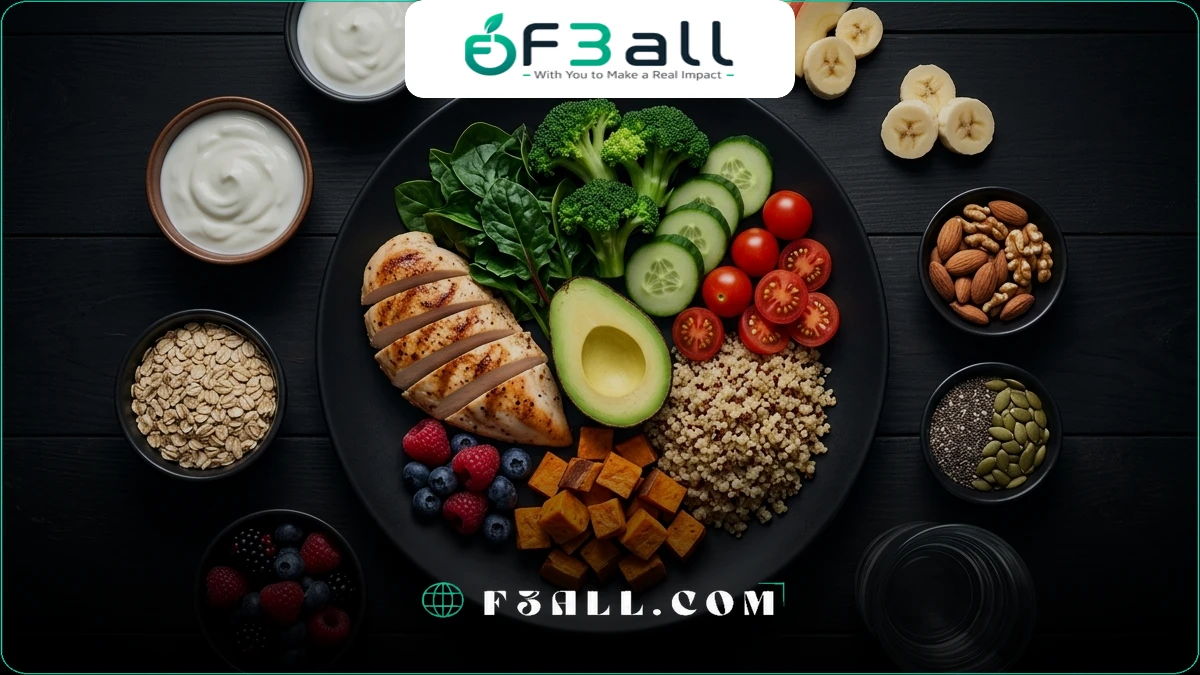
A diet plan to lose 100 pounds should create a manageable calorie deficit while still providing enough protein, fiber, vitamins, minerals, and dietary fat.
Extreme restriction is difficult to maintain for the amount of time required for major weight loss.
A simple meal structure can look like this:
| Meal Component | Practical Choice |
| Protein | Chicken, fish, eggs, Greek yogurt, tofu, legumes |
| Vegetables | Large varied serving |
| Carbohydrate | Potatoes, oats, rice, quinoa, whole grains |
| Dietary fat | Measured oil, avocado, nuts |
| Fruit | Whole fruit in appropriate portions |
For structured meal ideas, explore Weight Loss Diet Plans.
The calorie target may need adjustment as body weight changes because a lighter body often requires fewer calories than the starting body weight.
Read more about: Carb Cycling for Weight Loss: Practical Meal Plan Guide
Protein Matters During Major Weight Loss

When losing a large amount of weight, the goal is not simply making the scale smaller.
Preserving as much lean mass as possible is also important.
| Protein Food | Portion | Approx. Protein |
| Chicken breast | 120 g | About 37 g |
| Tuna | 100 g | About 25.5 g |
| Shrimp | 100 g | About 24 g |
| Greek yogurt | 170 g | About 17 g |
| Lentils | 150 g | About 13.5 g |
| Eggs | 2 large | About 12 to 13 g |
Individual protein requirements vary according to body size, activity, health conditions, and medical needs.
A healthcare professional or dietitian can help determine an appropriate target during a major weight loss journey.
Fiber Can Make the Diet Easier
Fiber-rich foods can increase meal volume and support digestive health.
Useful choices include:
- Vegetables.
- Whole fruit.
- Beans.
- Lentils.
- Oats.
- Whole grains.
- Potatoes with skin when appropriate.
For recipe ideas, explore Delicious Diet Recipes.
Increase fiber gradually if your previous diet contained very little, especially if digestive discomfort occurs.
Exercise Plan to Lose 100 Pounds
Exercise supports a 100 LB Weight Loss, but the routine does not need to begin with intense daily workouts.
Walking and strength training can create a strong foundation.
| Day | Activity |
| Monday | Full-body strength |
| Tuesday | Walking or moderate cardio |
| Wednesday | Easy movement |
| Thursday | Full-body strength |
| Friday | Walking or cardio |
| Saturday | Optional strength or longer walk |
| Sunday | Recovery |
Beginners may start with fewer sessions and build gradually.
The goal is to create a routine that can still be followed six months later.
Strength Training During a 100 Pound Weight Loss Journey
Strength training becomes especially useful during major weight loss because calorie restriction can result in some loss of lean tissue.
A simple full-body workout might include:
| Exercise | Sets | Repetitions |
| Squat or leg press | 2 to 3 | 8 to 12 |
| Chest press | 2 to 3 | 8 to 12 |
| Row | 2 to 3 | 8 to 12 |
| Hip hinge | 2 to 3 | 8 to 12 |
| Shoulder press | 2 | 8 to 12 |
| Core exercise | 2 to 3 | Controlled reps |
Resistance should increase gradually as strength improves.
People with joint pain, mobility limitations, cardiovascular conditions, or significant obesity may need a modified program.
Read more about: Workout Plan for Weight Loss Female | Weekly Guide
Walking Is a Practical Starting Point
Walking has several advantages during a major weight loss journey.
It is accessible, easy to scale, and creates less recovery demand than very intense exercise.
| Starting Level | Practical Progression |
| Very inactive | Add 10 minutes daily |
| Some activity | Add another short walk |
| Comfortable walking | Increase duration gradually |
| Higher fitness | Add pace, hills, or longer walks |
There is no mandatory daily step target required to lose 100 pounds.
Increasing movement from your current baseline is more important than immediately chasing an arbitrary number.
Expect Weight Loss to Slow
Someone may lose weight relatively quickly at the beginning and then notice the rate slowing months later.
This does not automatically mean the plan has stopped working.
As body weight falls:
- Energy needs may decrease.
- Daily movement can change.
- Hunger may increase.
- The same calorie intake may create a smaller deficit.
- Water fluctuations can hide short-term fat loss.
If progress stalls for several weeks, review the overall plan rather than immediately cutting calories aggressively.
Explore broader strategies through Weight Loss.
Track More Than the Scale
A 100 LB Weight Loss before and after comparison should include more than one photograph or scale number.
| Progress Measure | Useful Frequency |
| Body-weight trend | Regularly |
| Waist circumference | Every few weeks |
| Clothing fit | Ongoing |
| Strength | Every workout |
| Walking fitness | Monthly |
| Standardized photos | Monthly |
| Health markers | During medical follow-up |
Body weight can temporarily change because of water, sodium, digestion, menstrual cycles, and carbohydrate intake.
Look at the longer trend.
Loose Skin After Losing 100 Pounds
Loose skin after losing 100 pounds is possible, particularly when the body was at a higher weight for a long period.
The amount varies considerably.
| Factor | Influence on Loose Skin |
| Total weight lost | Larger losses can increase likelihood |
| Age | Elasticity generally declines over time |
| Genetics | Strong individual influence |
| Duration at higher weight | Longer stretching may matter |
| Pregnancy history | Can affect abdominal skin |
| Smoking | Can damage collagen |
| Sun exposure | Can reduce skin quality |
Losing weight slowly cannot guarantee that loose skin will be prevented.
Resistance training may improve body contour by adding muscle, but it cannot physically remove large amounts of excess skin.
Major excess skin may eventually require evaluation by a qualified plastic surgeon.
Avoid Crash Diets During a Major Weight Loss Journey
Trying to compress a long-term 100 LB Weight Loss into a few months can create unnecessary health risks.
Aggressive restriction can increase the likelihood of:
| Problem | Why It Matters |
| Muscle loss | Reduces lean tissue |
| Fatigue | Makes activity harder |
| Nutrient deficiency | Can affect overall health |
| Hair shedding | May occur after rapid loss |
| Gallstones | Risk can rise during rapid weight loss |
| Rebound eating | Makes maintenance harder |
A plan that feels slower but is sustainable is often more useful than repeatedly losing and regaining weight.
Medical Weight Loss May Be Appropriate
Some people trying to lose 100 pounds may qualify for medical obesity treatment.
Depending on health status, options can include:
- Structured clinical weight management.
- Prescription obesity medications.
- Bariatric surgery.
- Dietitian support.
- Behavioral therapy.
These options are not failures or shortcuts.
Obesity is a chronic medical condition, and some people benefit from combining lifestyle treatment with medical care.
A clinician can assess whether additional treatment is appropriate based on body weight, medical history, previous attempts, and weight-related conditions.
Read more about: Is Wegovy Safe for Weight Loss | Complete Safety Guide
What Happens After the 100 Pounds Are Lost
Maintenance needs to begin before the goal weight is reached.
A plan based entirely on temporary restriction becomes difficult to maintain once dieting stops.
Focus on Maintaining
| Area | Long-Term Goal |
| Protein | Continue regular intake |
| Strength training | Maintain muscle |
| Daily movement | Keep activity consistent |
| Portions | Adjust for maintenance calories |
| Body weight | Monitor trends |
| Sleep | Maintain a regular schedule |
| Meal planning | Keep useful routines |
Small weight fluctuations after reaching the goal are normal.
The goal is maintaining the overall result rather than keeping the scale at exactly the same number every morning.
Common 100 LB Weight Loss Mistakes
| Mistake | Better Approach |
| Trying to lose 100 LB immediately | Use smaller milestones |
| Extremely low calorie intake | Use a manageable deficit |
| Doing only cardio | Include strength training |
| Ignoring protein | Prioritize protein-rich meals |
| Expecting weekly linear loss | Track longer trends |
| Changing diets constantly | Give consistent habits time |
| Comparing before and after photos | Compare your own progress |
| Ignoring medical conditions | Use appropriate healthcare support |
| Stopping all habits at goal weight | Plan maintenance early |
A major weight loss journey is easier when progress is treated as a long-term process rather than a short challenge.
Why F3all Is Your Best Choice

At F3all, a 100 LB Weight Loss is approached through realistic timelines, structured nutrition, strength training, daily movement, loose-skin expectations, and long-term weight maintenance.
The goal is to help readers pursue major weight loss without extreme diets, unrealistic promises, or unnecessary pressure to reach the final number as quickly as possible.
Frequently Asked Questions
How long does it take to lose 100 pounds?
For many people, losing 100 pounds may take approximately one to two years or longer.
The timeline varies according to starting weight, calorie needs, health conditions, activity, and treatment approach.
Can you safely lose 100 pounds in one year?
Some people may lose 100 pounds within a year under appropriate circumstances, while for others that rate would be unrealistic or inappropriate.
Individual targets should prioritize health and sustainability.
How many calories should I eat to lose 100 pounds?
There is no single calorie target.
Calorie needs depend on body size, age, sex, activity, health conditions, and other factors. A dietitian or clinician can help establish an individualized target.
Do I need exercise to lose 100 pounds?
Weight loss can occur through changes in calorie intake, but exercise provides important benefits for cardiovascular health, fitness, muscle preservation, and long-term maintenance.
Is walking enough to start?
Yes. Walking can be an excellent starting activity, particularly for beginners or people returning to exercise after a long period of inactivity.
Will I have loose skin after losing 100 pounds?
Possibly.
Risk depends on age, genetics, duration at higher weight, total loss, pregnancy history, smoking, and other factors.
Can strength training prevent loose skin?
No. Strength training can improve body contour and build muscle but cannot guarantee that loose skin will be prevented.
Can I lose 100 pounds without surgery?
Many people lose substantial amounts of weight without surgery, while others benefit from medication or bariatric treatment.
The appropriate approach depends on individual medical circumstances.
What should I do if my weight loss stops?
Review calorie intake, activity, portion sizes, adherence, sleep, and weight trends over several weeks.
Persistent difficulty may benefit from professional assessment.
How do I keep 100 pounds off?
Long-term maintenance usually requires continued attention to food portions, protein, physical activity, strength training, weight monitoring, sleep, and the habits developed during weight loss.
In the End
A 100 LB Weight Loss is a major long-term project rather than a short diet. Breaking the goal into smaller milestones, using a manageable calorie deficit, prioritizing protein, strength training, walking, and adjusting the plan as body weight decreases can make the journey more sustainable.
Do not measure success only by how quickly 100 pounds disappear. Preserving health, muscle, fitness, and habits that remain useful after the weight is lost is what makes a major weight loss journey successful long term.
References