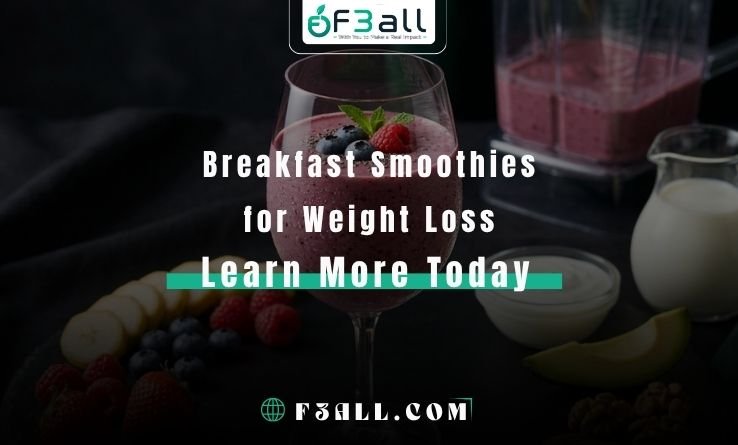
Breakfast Smoothies for Weight Loss Build Better Blends
Breakfast Smoothies for Weight Loss can provide a quick, balanced meal when ingredients and portions are chosen carefully. Blending fruit with protein, fiber, vegetables, and an appropriate liquid may support fullness and make busy mornings easier. However, oversized smoothies containing juice, sweetened yogurt, syrups, and excessive nut butter can exceed breakfast calorie needs. This guide explains Breakfast Smoothies for Weight Loss, practical formulas, ingredient choices, recipes, safety, and realistic results.
Breakfast Smoothies for Weight Loss: What Makes Them Effective
Breakfast Smoothies for Weight Loss can support an energy-controlled eating plan, but they do not burn fat directly. Their value comes from convenience, portion planning, protein, fiber, and the possibility of replacing a less nutritious or more calorie-dense breakfast.
A useful smoothie usually contains:
- A meaningful protein source.
- Whole fruit or vegetables.
- Fiber-rich ingredients.
- A measured portion of unsaturated fat when desired.
- An unsweetened liquid base.
- A portion that fits the person’s total energy needs.
The drink must have a defined role. A smoothie that replaces breakfast may help structure intake. The same smoothie consumed beside a complete breakfast may simply add hundreds of calories.
Balanced Smoothie Formula
| Component | Examples | Main Role |
| Protein | Greek yogurt, cottage cheese, milk, soy milk, tofu, protein powder | Supports fullness and lean tissue |
| Fruit | Berries, banana, apple, mango, peach, kiwi | Flavor, fiber, vitamins, and minerals |
| Vegetables | Spinach, kale, cucumber, cauliflower, carrot | Nutrient variety and volume |
| Fiber-rich addition | Oats, chia, ground flaxseed | Texture and fullness |
| Unsaturated fat | Nuts, seeds, measured nut butter | Flavor and satisfaction |
| Liquid | Water, milk, unsweetened fortified alternative | Controls consistency and nutrients |
Breakfast Smoothies for Weight Loss work best as part of a sustainable calorie deficit, regular activity, adequate sleep, and an overall nutritious diet.
Breakfast Is Optional for Weight Loss
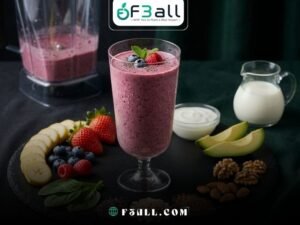
Eating breakfast is not a requirement for losing weight, and skipping breakfast does not automatically cause weight gain. A systematic review and meta-analysis of randomized trials found that adding breakfast was not a reliable weight-loss strategy. The authors also noted that the available studies were short and generally low quality.
This means Breakfast Smoothies for Weight Loss should be chosen because they fit hunger, schedule, culture, medication, and personal preference—not because breakfast supposedly activates metabolism.
Different patterns can work:
- Some people feel and perform better after breakfast.
- Some prefer eating their first meal later.
- Some need breakfast with medication.
- Athletes may plan food around early training.
- People with diabetes may require individualized timing.
- Children, pregnant people, and those with medical conditions have different needs.
The best schedule is one that supports nutrition and can be maintained without causing excessive hunger, fatigue, or recurrent overeating.
Do Breakfast Smoothies Burn Fat
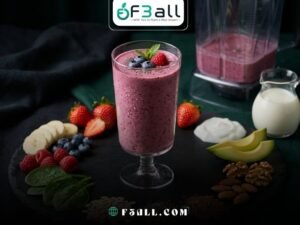
No. Breakfast Smoothies for Weight Loss cannot directly melt stored fat, target abdominal fat, or create a special metabolic state. Fat loss occurs when energy expenditure exceeds energy intake over time.
A smoothie can make that process easier when it:
- Replaces a higher-calorie breakfast.
- Helps control a planned portion.
- Supplies protein and fiber.
- Reduces reliance on sugary café drinks.
- Is convenient enough to prevent an unplanned food choice.
It can make the process harder when it:
- Is added to an existing breakfast.
- Contains several portions of fruit.
- Uses juice as the main liquid.
- Includes unmeasured nut butter.
- Contains sweetened yogurt and syrup.
- Is served in an oversized cup.
No ingredient can override total intake. Spinach, chia, protein powder, ginger, cinnamon, or green tea does not transform an excessive smoothie into a fat-burning meal.
For broader guidance, readers can explore the F3all Weight Loss section.
Calories in Breakfast Smoothies for Weight Loss
Calories can accumulate quickly because nutritious ingredients still contain energy. A large banana, several spoonfuls of nut butter, oats, avocado, full-fat yogurt, milk, dates, honey, and protein powder may all be reasonable foods, but combining them in one drink can create a very large meal.
Calorie needs vary according to:
- Body size.
- Age.
- Sex.
- Activity.
- Health.
- Weight-management goal.
- Other meals and snacks.
There is no universal calorie target for Breakfast Smoothies for Weight Loss. A small adult with a sedentary routine may need a different breakfast from an athlete training in the morning.
Instead of labeling ingredients as good or bad, measure calorie-dense items and evaluate the whole recipe. The quantity poured into the blender is the quantity eventually consumed, even if the final drink looks compact.
Protein in Breakfast Smoothies for Weight Loss
Protein can make Breakfast Smoothies for Weight Loss more nutritionally complete and may support fullness and lean-mass preservation during an energy deficit. The appropriate amount depends on total daily needs, health, and how the smoothie is used.
Food-based sources include:
- Plain Greek yogurt.
- Cottage cheese.
- Dairy milk.
- Unsweetened fortified soy milk.
- Silken tofu.
- Kefir.
- Skyr or another high-protein cultured dairy product.
Protein powder is optional. A smoothie can supply protein without it, particularly when yogurt, milk, soy, tofu, or cottage cheese is included.
People with kidney disease, liver disease, metabolic disorders, or medically prescribed protein limits should not follow generic high-protein advice. A dietitian can determine an appropriate intake.
Read more about:Discover Beverages That Help Weight Loss Naturally
Choosing Protein Powder for Breakfast Smoothies for Weight Loss
Protein powder can make Breakfast Smoothies for Weight Loss convenient, but quality and ingredients vary. Products may contain whey, casein, soy, pea, rice, egg, or blended proteins.
Check the label for:
- Protein per serving.
- Total calories.
- Added sugar.
- Serving size.
- Allergens.
- Sweeteners.
- Caffeine or stimulants.
- Herbal ingredients.
- Vitamins and minerals.
- Credible independent quality testing.
Dietary supplements are regulated differently from conventional foods and medicines. FDA does not approve dietary supplements for safety and effectiveness before they are marketed.
Avoid powders that promise rapid fat loss or contain undisclosed proprietary blends. A plain protein powder usually provides more flexibility than a product containing stimulants and many “metabolism” ingredients.
Fiber in Breakfast Smoothies for Weight Loss
Fiber-rich ingredients can increase the nutritional value and texture of Breakfast Smoothies for Weight Loss. Options include:
- Berries.
- Whole fruit.
- Vegetables.
- Oats.
- Chia seeds.
- Ground flaxseed.
- Psyllium when medically appropriate.
Increase fiber gradually if current intake is low. A sudden large amount can cause gas, bloating, abdominal discomfort, constipation, or diarrhea. Adequate fluid intake also matters.
Whole fruit generally offers more structure and chewing than a smoothie. Blending usually retains fiber, unlike juicing, but the blended meal can be consumed quickly. Slow down and give the body time to register satisfaction.
People with bowel narrowing, severe gastroparesis, swallowing disorders, or prescribed low-fiber diets need individualized advice before adding concentrated fiber.
Fruit in Breakfast Smoothies for Weight Loss
Fruit contributes flavor, fiber, vitamins, minerals, and plant compounds. Natural fruit sugar is not the same as added table sugar, but fruit still contributes carbohydrate and calories.
Useful choices include:
- Strawberries.
- Blueberries.
- Raspberries.
- Blackberries.
- Banana.
- Apple or pear.
- Peach.
- Mango.
- Pineapple.
- Kiwi.
Frozen fruit can create a thick texture without ice cream. Choose unsweetened frozen fruit rather than fruit packaged in syrup.
Using several bananas, mango, dates, juice, and honey in one recipe can produce a high-sugar, high-calorie drink. Breakfast Smoothies for Weight Loss generally need a measured fruit portion, not every available fruit.
People managing diabetes can still eat fruit, but carbohydrate amount, medication, glucose response, and meal composition may need personalization.
Whole Fruit in Breakfast Smoothies for Weight Loss
Whole fruit is generally preferred to juice because it retains more fiber and is often more filling. The CDC advises choosing whole fruit over fruit drinks and juice for weight management.
Using juice as the main base can make Breakfast Smoothies for Weight Loss easier to drink quickly and increase total carbohydrate without adding much protein or intact fiber.
Better liquid bases may include:
- Water.
- Dairy milk.
- Unsweetened fortified soy milk.
- Another unsweetened plant beverage.
- Plain kefir.
- A mixture of water and milk.
A small amount of juice can be used for flavor, but it should be counted as part of the recipe rather than treated as calorie-free hydration.
Fruit drinks, cocktails, nectars, and concentrates may also contain added sugar. Read the nutrition label.
Vegetables in Breakfast Smoothies for Weight Loss
Vegetables can add nutrients, color, and volume. Common options include:
- Spinach.
- Kale.
- Cucumber.
- Cooked or frozen cauliflower.
- Carrot.
- Beet in a measured portion.
- Zucchini.
Adding vegetables does not require using a large amount that ruins flavor or digestion. Start with a small portion and adjust.
Green Breakfast Smoothies for Weight Loss are not automatically healthier than fruit-based smoothies. A green drink containing fruit juice, sweetened yogurt, honey, and a large avocado can be more calorie dense than a simple berry-yogurt smoothie.
Vegetables in a smoothie should complement, not replace, vegetables eaten in varied meals. Chewing, textures, cooking methods, and different plant foods all contribute to a sustainable diet.
Liquid Bases for Breakfast Smoothies for Weight Loss
The liquid base changes protein, calories, sweetness, texture, and micronutrients.
Water
Water adds no calories but also adds no protein or micronutrients.
Dairy Milk
Milk supplies protein and may provide calcium, vitamin D, vitamin B12, and other nutrients. Calorie content varies by fat level.
Fortified Soy Milk
Unsweetened fortified soy milk often supplies more protein than many other plant beverages. Check calcium, vitamin D, sugar, and allergens.
Almond, Oat, Rice, and Coconut Beverages
These vary widely in calories, added sugar, protein, and fortification. “Plant-based” does not automatically mean high protein or low calorie.
Kefir
Plain kefir supplies protein and fermented dairy cultures but may not suit everyone with dairy intolerance.
Choose the base that makes Breakfast Smoothies for Weight Loss nutritionally balanced rather than selecting only the option with the fewest calories.
Read more about:Discover Beverages That Help Weight Loss Naturally
Healthy Fats in Breakfast Smoothies for Weight Loss
Nuts, seeds, avocado, and nut butter can add unsaturated fats, flavor, and texture. They are also calorie dense.
Common additions include:
- Chia seeds.
- Ground flaxseed.
- Walnuts.
- Almonds.
- Peanut or almond butter.
- Avocado.
Measure these ingredients until familiar with portions. Pouring nut butter directly from the jar can add much more than expected.
Breakfast Smoothies for Weight Loss do not require a separate portion of chia, flaxseed, avocado, nuts, and nut butter in the same recipe. Choose one or two additions according to the meal’s calorie and nutrient targets.
Anyone with nut, seed, milk, soy, or other food allergies must review every ingredient and shared-equipment warning.
Oats in Breakfast Smoothies for Weight Loss
Oats can thicken Breakfast Smoothies for Weight Loss and add carbohydrate and fiber. They may be useful before activity or when the smoothie is intended to serve as a complete breakfast.
Other carbohydrate sources may include fruit, milk, yogurt, and seeds. There is no need to add oats automatically if the recipe already contains enough energy and carbohydrate.
Raw oats may cause digestive discomfort for some people. Soaking them or blending thoroughly can improve texture.
Avoid turning the smoothie into a dessert by combining oats with sweetened granola, cookies, flavored cereal, syrups, and honey. Healthy-sounding ingredients can still create an excessive total.
The Delicious Diet Recipes collection offers more ways to combine nutrition with realistic portions.
Added Sugar in Breakfast Smoothies for Weight Loss
Fruit usually provides enough sweetness for Breakfast Smoothies for Weight Loss. Added sugars may appear as:
- Honey.
- Maple syrup.
- Agave.
- Flavored syrup.
- Sweetened yogurt.
- Sweetened plant milk.
- Sweetened protein powder.
- Fruit juice concentrate.
- Dates used in large amounts.
Honey and maple syrup are still added sugars even when described as natural. If more sweetness is needed, begin with less and adjust after blending.
Non-sugar sweeteners can reduce calories, but they are not necessary. Some people prefer cinnamon, vanilla, cocoa, or naturally sweet fruit.
The goal is not to make the smoothie unpleasant. It is to avoid using a health label to disguise a milkshake-style breakfast.
Read more about:Discover Beverages That Help Weight Loss Naturally
Green Breakfast Smoothies for Weight Loss
A balanced green smoothie might combine leafy vegetables with fruit, protein, and an unsweetened base.
Example formula:
- One handful of spinach.
- One measured portion of berries or another fruit.
- Plain Greek yogurt or silken tofu.
- Water or unsweetened milk.
- A small portion of chia or ground flaxseed.
Kale and spinach contain potassium and other nutrients that may require limits in certain kidney conditions. People taking warfarin should keep vitamin K intake consistent and follow their anticoagulation team’s advice rather than suddenly consuming large amounts of leafy greens.
Green Breakfast Smoothies for Weight Loss should never replace prescribed treatment or a medically required diet.
Meal-Replacement Breakfast Smoothies for Weight Loss
A meal-replacement smoothie needs more than fruit and water. It should provide enough protein, fiber, energy, and nutrient variety to function as a meal.
Ask:
- Is there a substantial protein source?
- Is whole fruit or a vegetable included?
- Is there enough energy to prevent immediate hunger?
- Does the recipe fit total daily intake?
- Is it satisfying enough to repeat?
- Does it contain excessive added sugar?
Commercial meal replacements differ from ordinary protein shakes. A protein powder may supply protein without the vitamins, minerals, fiber, carbohydrate, or fat expected from a meal.
Using liquid meal replacements for every meal can reduce food variety and social flexibility. Medical meal-replacement programs should be supervised appropriately.
Breakfast Smoothies for Weight Loss and Fullness
Breakfast Smoothies for Weight Loss may support fullness when they contain protein, fiber, and sufficient energy. However, liquids and blended foods can be consumed faster than solid breakfasts.
Strategies that may help include:
- Use a thicker texture.
- Sip rather than drink rapidly.
- Include protein.
- Keep some fruit or nuts on the side for chewing.
- Avoid drinking directly from an oversized blender cup.
- Pause before deciding whether more food is needed.
Individual responses differ. One study comparing a fruit smoothie with the same fruit presented in other forms found that the smoothie could be satiating, showing that liquid form does not automatically mean zero fullness. Still, recipe composition and behavior matter.
If a smoothie leaves you hungry within an hour, revise the protein, fiber, portion, or meal format.
Breakfast Smoothies for Weight Loss Versus Solid Breakfasts
Smoothies are not universally better than eggs, oatmeal, yogurt bowls, or whole-grain toast. Each option has advantages.
| Breakfast | Potential Advantage | Possible Limitation |
| Balanced smoothie | Portable and quick | Easy to drink rapidly |
| Oatmeal with yogurt | Fiber and protein | Toppings can add calories |
| Eggs and vegetables | Protein and chewing | Requires preparation |
| Greek yogurt bowl | Protein with visible portions | Sweetened products add sugar |
| Whole-grain toast with protein | Flexible and balanced | Portion and toppings matter |
Choose Breakfast Smoothies for Weight Loss when they are genuinely more practical or enjoyable, not because blending makes ingredients metabolically superior.
Read more about:Discover Beverages That Help Weight Loss Naturally
Common Breakfast Smoothies for Weight Loss Mistakes
Mistakes that can undermine Breakfast Smoothies for Weight Loss include:
- Using fruit juice as the primary liquid.
- Adding multiple large fruit portions.
- Choosing sweetened yogurt and milk.
- Pouring nut butter without measuring.
- Adding honey to an already sweet recipe.
- Forgetting a protein source.
- Drinking a smoothie beside a full breakfast.
- Assuming every green smoothie is low calorie.
- Using fat-burning supplement powders.
- Preparing oversized portions.
Another mistake is copying an influencer’s smoothie without checking personal calorie, allergy, medication, or medical needs.
The best recipe is not the one with the longest ingredient list. It is the one that provides appropriate nutrition and can be repeated safely.
Reading Labels on Breakfast Smoothies for Weight Loss
Premade Breakfast Smoothies for Weight Loss require the same label review as other packaged foods.
Check:
- Serving size.
- Servings per bottle.
- Total calories.
- Protein.
- Dietary fiber.
- Added sugars.
- Sodium.
- Saturated fat.
- Allergens.
- Full ingredient list.
A bottle may contain more than one serving. “No added sugar” also does not mean calorie-free because fruit and dairy contain naturally occurring sugars.
Words such as natural, organic, cold-pressed, detox, superfood, keto, or high protein do not prove that a product supports weight loss.
Compare several products and decide whether the drink serves as a meal, snack, or beverage.
Food Safety for Breakfast Smoothies for Weight Loss
Smoothies can contain raw produce, dairy, plant beverages, and powders that require safe handling.
Use these practices:
- Wash hands and preparation surfaces.
- Rinse fresh produce under safe running water.
- Use pasteurized dairy and juice.
- Check frozen fruit for recalls or cooking instructions.
- Keep perishable ingredients refrigerated.
- Clean blender blades and seals thoroughly.
- Refrigerate leftovers promptly.
- Discard a smoothie with unusual smell, appearance, or storage history.
Pregnant people, older adults, young children, and people with weakened immune systems need additional food-safety care.
Do not assume frozen fruit is sterile. Follow package instructions and official recall notices.
Read more about:Discover Beverages That Help Weight Loss Naturally
Six Breakfast Smoothies for Weight Loss
The following templates can be adjusted for allergies, preferences, and calorie needs. Brand and portion differences change nutrition values.
Berry Yogurt Smoothie
- Plain Greek yogurt.
- Frozen mixed berries.
- Water or milk.
- Ground flaxseed.
- Cinnamon.
This recipe combines protein with fruit and fiber without requiring added sugar.
Green Banana Smoothie
- Spinach.
- Half or one small banana according to needs.
- Unsweetened soy milk.
- Plain yogurt or silken tofu.
- Chia seeds.
The banana provides sweetness while the protein source makes the drink more complete.
Apple Cinnamon Oat Smoothie
- Chopped apple.
- Plain Greek yogurt.
- A measured portion of oats.
- Milk or water.
- Cinnamon.
- Ice.
Use whole apple rather than apple juice to retain more fiber.
Chocolate Peanut Smoothie
- Unsweetened cocoa.
- Milk or fortified soy milk.
- Plain protein source.
- A measured spoon of peanut butter.
- Banana or berries.
Measure peanut butter because it is calorie dense.
Peach Cottage Cheese Smoothie
- Cottage cheese.
- Frozen unsweetened peach.
- Water or milk.
- Vanilla.
- Ground flaxseed if desired.
Blend thoroughly for a smooth texture and check sodium if medically relevant.
Vegan Berry Tofu Smoothie
- Silken tofu.
- Frozen berries.
- Unsweetened fortified soy milk.
- Chia seeds.
- Vanilla.
Check soy suitability and avoid assuming every vegan product is automatically low calorie.
These Breakfast Smoothies for Weight Loss can be adapted rather than followed as rigid prescriptions.
Preparing Breakfast Smoothies for Weight Loss in Advance
Meal preparation can make Breakfast Smoothies for Weight Loss easier on busy mornings.
Options include:
- Pre-portion frozen fruit.
- Wash and prepare suitable produce safely.
- Measure oats or seeds into containers.
- Keep protein ingredients refrigerated.
- Store powders in their original labelled containers.
- Add liquid only when blending.
Freezer packs should contain one planned serving. Avoid filling a large bag and estimating each morning.
A blended smoothie may change texture during storage and should be refrigerated promptly. Follow food-safety guidance for perishable ingredients.
Do not leave dairy- or soy-based smoothies in a warm car or on a desk for hours.
Breakfast Smoothies for Weight Loss Around Exercise
Breakfast Smoothies for Weight Loss can be useful around early exercise because texture and portion can be adjusted.
Before exercise, some people prefer:
- A smaller volume.
- Easily tolerated carbohydrate.
- Moderate protein.
- Limited fat or fiber if these cause discomfort.
After exercise, the smoothie may include:
- Protein.
- Carbohydrate.
- Fluid.
- Nutrient-rich fruit or vegetables.
The exact plan depends on exercise duration, intensity, goals, digestive tolerance, and the timing of the next meal.
A recreational walk does not require an oversized recovery shake. Athletes with high training volumes may need substantially more energy than a typical weight-loss recipe.
Read more about:Discover Beverages That Help Weight Loss Naturally
Breakfast Smoothies for Weight Loss With Diabetes
People with diabetes can include Breakfast Smoothies for Weight Loss, but carbohydrate amount and glucose response matter.
Helpful considerations include:
- Use whole fruit rather than juice.
- Include protein.
- Measure fruit and oats.
- Avoid added sugar.
- Choose an unsweetened liquid.
- Monitor glucose as advised.
- Do not change medication without the prescriber.
Blending may change how quickly a meal is consumed. Individual glucose responses can differ even when ingredients appear healthy.
Symptoms of low or high glucose require the person’s established medical plan. A smoothie should not replace diabetes education or prescribed treatment.
Breakfast Smoothies for Weight Loss and Digestive Conditions
Breakfast Smoothies for Weight Loss may be easier for some people to tolerate and worse for others.
Potential triggers include:
- Lactose.
- Large fiber amounts.
- Sugar alcohols.
- High-fat ingredients.
- Very cold temperature.
- Acidic fruits.
- Large volume.
- FODMAP-rich ingredients.
People with reflux, irritable bowel syndrome, inflammatory bowel disease, gastroparesis, dumping syndrome, or previous gastrointestinal surgery need individualized advice.
Do not add multiple “gut health” powders at once. Introduce changes gradually so symptoms can be linked to a specific ingredient.
Breakfast Smoothies for Weight Loss With Kidney or Heart Conditions
Ingredients commonly promoted as healthy may be high in potassium, phosphorus, sodium, protein, or fluid. Examples include bananas, oranges, avocado, dairy, protein powder, spinach, and certain plant beverages.
People with kidney disease, dialysis, heart failure, or prescribed fluid restrictions should not use generic Breakfast Smoothies for Weight Loss.
A renal dietitian can adjust:
- Fruit and vegetable choices.
- Liquid volume.
- Protein.
- Sodium.
- Potassium.
- Phosphorus additives.
The right recipe depends on laboratory results, treatment, urine output, medicines, and disease stage.
Building a Sustainable Morning Routine
Breakfast Smoothies for Weight Loss are one option within a larger routine. Long-term progress also depends on:
- Total food and beverage intake.
- Regular physical activity.
- Sleep.
- Stress management.
- Medication and medical conditions.
- Meal planning.
- Maintenance habits.
Readers who want additional structure can explore Weight Loss Diet Plans and compare Types of Diets.
Prepare a smoothie because it solves a real problem, such as limited time or difficulty obtaining protein in the morning. If a solid breakfast is more satisfying, there is no reason to force a liquid meal.
Read more about:Discover Beverages That Help Weight Loss Naturally
Why F3all Is a Helpful Starting Point

At F3all, we explain Breakfast Smoothies for Weight Loss as flexible meals rather than miracle drinks. A balanced recipe can provide convenience and nutrition, while an oversized sweetened recipe may work against a calorie deficit.
F3all focuses on:
- Evidence-based weight-management education.
- Practical smoothie formulas.
- Realistic portion guidance.
- Protein, fiber, and added-sugar awareness.
- Medical and food-safety considerations.
- Sustainable routines rather than restrictive trends.
Readers can find more ideas in the Healthy Drinks section and Healthy Diet Dessert Recipes, or learn more on the About F3all page.
Frequently Asked Questions
1. Are Breakfast Smoothies for Weight Loss Effective?
Breakfast Smoothies for Weight Loss can help when they replace a higher-calorie meal, fit an energy deficit, and contain protein, fiber, and appropriate portions. They do not burn fat directly. A smoothie added to a complete breakfast may increase calories rather than support weight loss.
2. What Should a Weight-Loss Smoothie Contain?
A useful formula includes a protein source, measured fruit, optional vegetables, a fiber-rich ingredient, and an unsweetened liquid. A small portion of nuts, seeds, or nut butter may be included. Total amounts should match personal energy and medical needs.
3. Can I Drink a Breakfast Smoothie Every Day?
Yes, if the recipe is balanced, safe, varied, and appropriate for your health. Rotate fruit, vegetables, and protein sources when possible. Breakfast Smoothies for Weight Loss should not crowd out all solid foods or create an overly repetitive diet.
4. Are Smoothies Better Than Skipping Breakfast?
Not necessarily. Research does not show that adding breakfast reliably causes weight loss. Some people feel better eating breakfast, while others prefer their first meal later. Choose Breakfast Smoothies for Weight Loss when they fit hunger, schedule, medication, and total intake.
5. Which Fruits Are Best in Breakfast Smoothies?
Berries, banana, apple, pear, peach, kiwi, mango, and pineapple can all fit. There is no single fat-burning fruit. Use a measured portion and combine fruit with protein. Whole or frozen fruit is generally preferable to using juice as the primary liquid.
6. Do I Need Protein Powder?
No. Greek yogurt, cottage cheese, milk, unsweetened soy milk, kefir, or silken tofu can supply protein. Protein powder is a convenience option. Review calories, sugar, allergens, stimulants, and third-party quality information before use.
7. Are Green Breakfast Smoothies for Weight Loss Better?
Not automatically. Adding spinach or kale can increase vegetable intake, but total ingredients still matter. A green smoothie containing juice, honey, sweetened yogurt, and large avocado portions may be calorie dense. Color alone does not determine nutritional quality.
8. Can Smoothies Cause Weight Gain?
Yes. Oversized Breakfast Smoothies for Weight Loss may contain more calories than expected, especially when made with juice, several fruits, nut butter, oats, avocado, sweetened yogurt, honey, and protein powder together. Determine whether the smoothie replaces a meal or adds to one.
9. Are Meal-Replacement Smoothies Safe?
A meal-replacement smoothie should provide adequate protein, fiber, energy, and nutrient variety. Replacing every meal with homemade drinks may create nutritional gaps. People with medical conditions, pregnancy, eating disorders, or significant weight-loss goals should obtain individualized guidance.
10. How Can I Make a Smoothie More Filling?
Include protein, whole fruit or vegetables, and an appropriate fiber source. Use a thicker texture, drink slowly, and consider keeping a small solid component for chewing. If Breakfast Smoothies for Weight Loss consistently leave you hungry, revise the recipe or choose a solid breakfast.
In the End
Breakfast Smoothies for Weight Loss can provide a quick and nutritious meal, but their effect depends on recipe, portion, and role within the complete diet. They do not activate metabolism or burn fat merely because they contain green vegetables or protein powder.
Build a balanced smoothie from protein, measured whole fruit, optional vegetables, fiber, and an unsweetened liquid. Use calorie-dense ingredients such as oats, avocado, seeds, and nut butter in deliberate portions rather than adding all of them automatically.
Breakfast itself is optional for weight loss. Choose Breakfast Smoothies for Weight Loss when they suit hunger, schedule, activity, and medical needs. A solid breakfast or a later first meal may work equally well for someone else.
Combine the smoothie routine with a sustainable calorie deficit, regular activity, adequate sleep, food safety, and appropriate healthcare. The best recipe is one that provides useful nutrition, supports satisfaction, and remains realistic over time.
References