Is Chicken and Rice Good for Weight Loss | Learn More
Is Chicken and Rice Good for Weight Loss? Yes, chicken and rice can be an effective combination within a balanced weight-loss diet because chicken provides high-quality protein while rice supplies carbohydrates for energy. When prepared with moderate amounts of oil and paired with vegetables, this familiar meal can support fullness, muscle maintenance, and consistent eating habits. However, chicken and rice do not automatically burn fat, and the calories in each meal depend on portion sizes, cooking methods, and additional ingredients.
This guide explains chicken and rice nutrition, calorie comparisons, serving sizes, meal preparation, healthy recipes, and a seven-day eating plan. You’ll also learn whether brown rice is better than white rice, how meal timing affects weight management, and what results are realistic.
Is Chicken and Rice Good for Weight Loss – Understanding the Basics
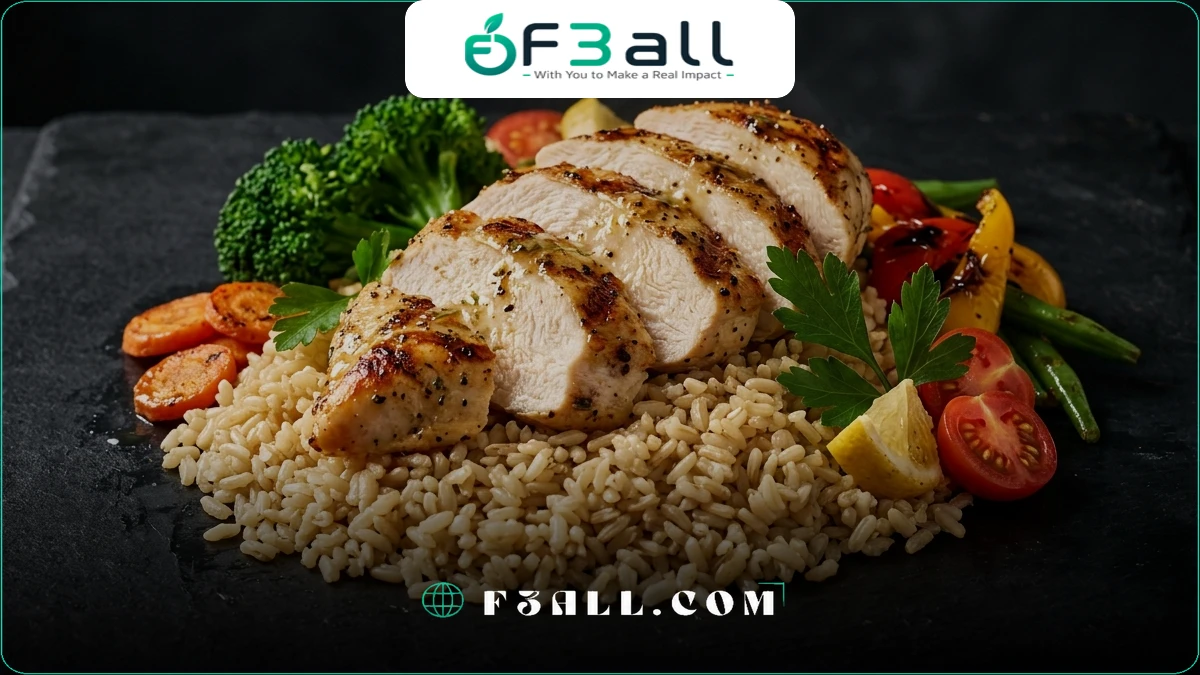
Chicken and rice is a popular meal among people trying to manage body weight, improve fitness, or simplify meal preparation.
Its appeal comes from combining two accessible foods that provide different nutrients.
Chicken contributes protein, while rice provides carbohydrates.
However, a balanced meal generally benefits from vegetables, appropriate amounts of healthy fats, and dietary variety.
Why Chicken and Rice Can Support Weight Management
- Protein: Chicken provides protein that supports muscle maintenance.
- Carbohydrates: Rice supplies energy for daily activities and exercise.
- Portion flexibility: Both foods are easy to measure.
- Meal preparation: Chicken and rice can be prepared in advance.
- Versatility: Different vegetables, herbs, and seasonings create variety.
- Convenience: Ingredients are widely available and relatively simple to cook.
Does Chicken and Rice Automatically Cause Weight Loss?
No.
Weight reduction generally requires a sustained energy deficit, although individual outcomes are influenced by health, medications, physical activity, and other factors.
Chicken and Rice Facts vs Myths
| Claim | Evidence-Based Explanation |
| Chicken Provides Protein | True |
| Rice Contains Carbohydrates | True |
| Chicken and Rice Burn Belly Fat | Unsupported |
| Brown Rice Always Causes More Weight Loss | Not Established |
| Portion Sizes Matter | True |
| Chicken and Rice Can Fit a Calorie Deficit | True |
| Eating Chicken and Rice Guarantees Results | False |
Chicken and rice can be useful because it is practical and nutritionally flexible, not because the combination has special fat-burning properties.
Chicken and Rice Calories for Weight Loss – Understanding Your Meal
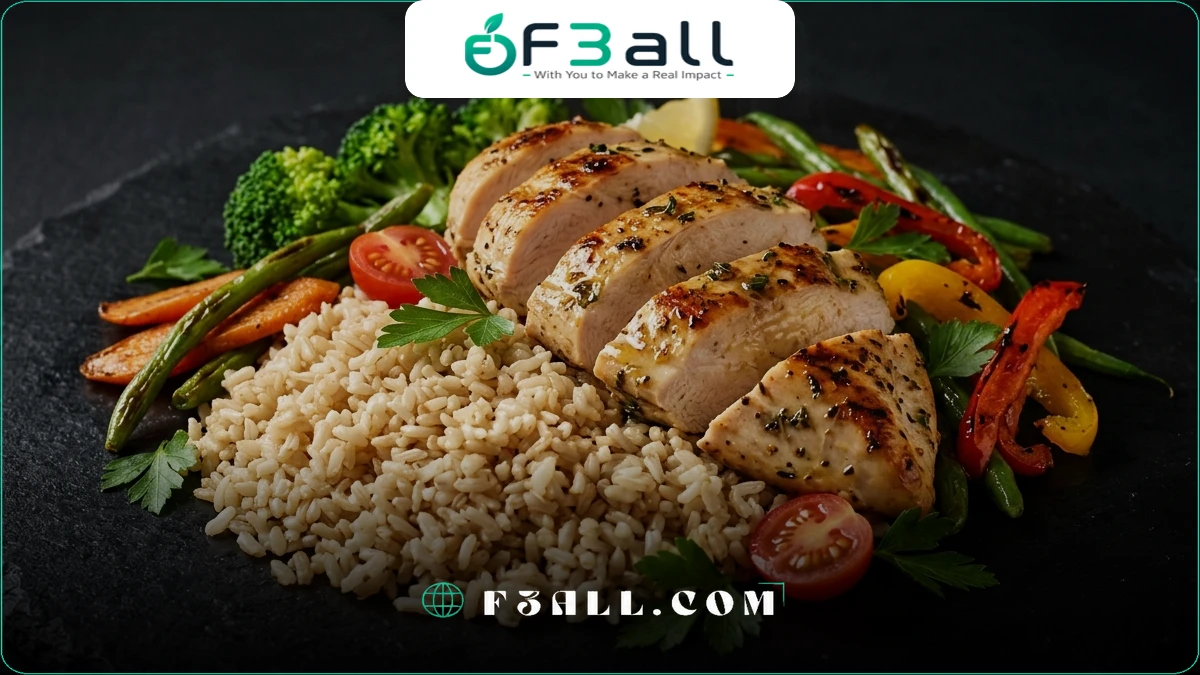
Chicken and Rice Calories for Weight Loss depend on the chicken cut, rice quantity, cooking method, and added ingredients.
Skinless chicken breast is generally leaner than chicken thighs with skin.
Likewise, plain cooked rice contains fewer calories than rice prepared with substantial butter or oil.
Calories in Common Ingredients
| Food | Portion | Approximate Calories |
| Cooked Skinless Chicken Breast | 100 g | 165 |
| Cooked Skinless Chicken Thigh | 100 g | 209 |
| Cooked White Rice | 100 g | 130 |
| Cooked Brown Rice | 100 g | 110–125 |
| Steamed Broccoli | 100 g | 35 |
| Cooked Carrots | 100 g | 35 |
| Olive Oil | 1 Teaspoon | 40 |
| Olive Oil | 1 Tablespoon | 119 |
Values are approximate. Cooking methods, moisture content, and product varieties affect actual values.
Example Chicken and Rice Meals
| Meal | Ingredients | Estimated Calories |
| Light Meal | 100 g Chicken + 100 g Rice + Vegetables | 330–380 |
| Moderate Meal | 150 g Chicken + 150 g Rice + Vegetables | 480–550 |
| Larger Meal | 200 g Chicken + 200 g Rice + Vegetables | 650–730 |
| Chicken Thigh Meal | 150 g Thigh + 150 g Rice + Vegetables | 550–630 |
These estimates assume modest or no added cooking fat.
How Cooking Oil Changes Calories
One tablespoon of olive oil adds approximately 119 calories.
Using multiple tablespoons can significantly increase the energy content of a meal.
Is Chicken and Rice a Low-Calorie Meal?
It can be, depending on portions.
A smaller meal with lean chicken, moderate rice, and vegetables may contain relatively few calories.
A large restaurant portion with creamy sauce or fried chicken can contain substantially more.
Calculate the complete meal rather than considering chicken and rice automatically low in calories.
Chicken and Rice Nutrition for Weight Loss – Protein, Carbs, and Fiber
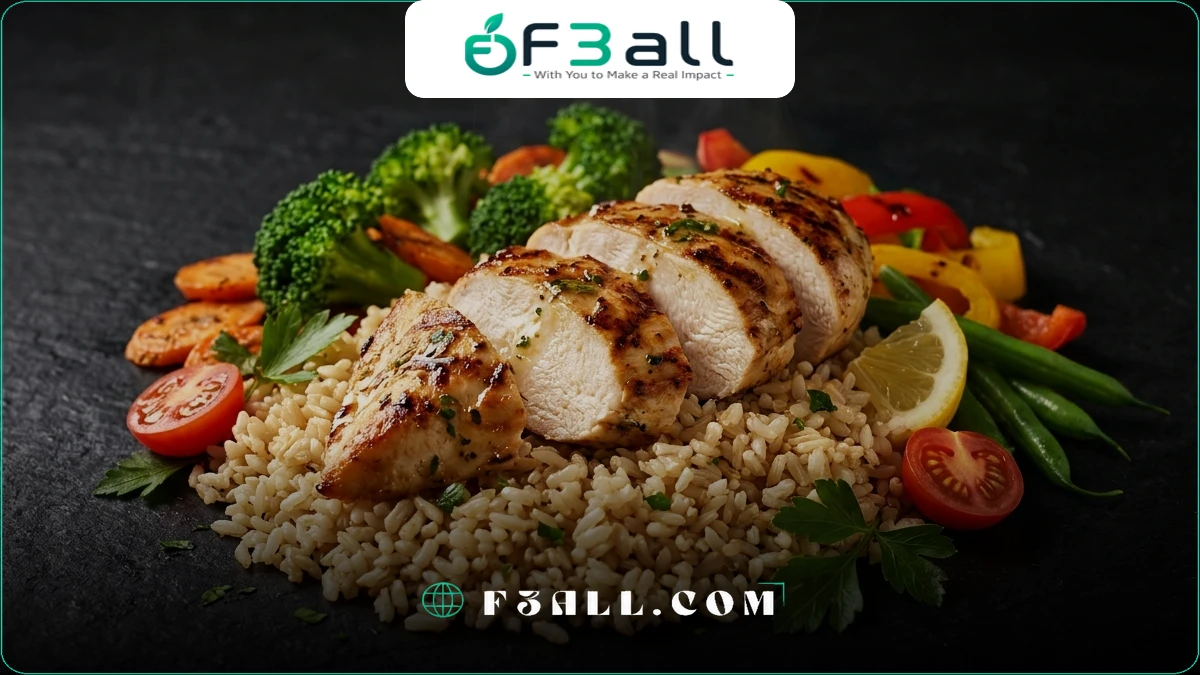
Chicken and Rice Nutrition for Weight Loss involves balancing macronutrients and adding foods that supply fiber and micronutrients.
Chicken and rice alone provide protein and carbohydrates, but vegetables improve the meal’s nutritional variety.
Nutrition in a Sample Meal
Consider:
- 150 g cooked skinless chicken breast.
- 150 g cooked white rice.
- 100 g steamed broccoli.
- 1 teaspoon olive oil.
| Nutrient | Approximate Amount |
| Calories | 515–525 kcal |
| Protein | 52–54 g |
| Carbohydrates | 49–51 g |
| Fat | 10–12 g |
| Fiber | 3–4 g |
Calculated estimates; actual values depend on ingredients and preparation.
Protein
Chicken breast is rich in complete protein, supplying essential amino acids.
Adequate protein intake is important during weight reduction, especially for people performing resistance training.
Carbohydrates
Rice provides carbohydrates that support normal energy needs.
Carbohydrates are not inherently incompatible with weight loss.
Dietary Fiber
White rice provides relatively little fiber.
Brown rice generally contains more fiber, while vegetables and legumes can increase the meal’s total fiber content.
Vitamins and Minerals
Chicken provides nutrients such as niacin, vitamin B6, phosphorus, and selenium.
Rice contributes varying amounts of minerals and B vitamins depending on variety and enrichment.
How to Improve Nutritional Balance
| Nutritional Goal | Practical Addition |
| More Fiber | Broccoli, Beans, or Brown Rice |
| More Vegetables | Spinach, Peppers, or Carrots |
| Unsaturated Fats | Modest Olive Oil |
| Additional Protein Variety | Beans or Tofu |
| More Micronutrients | Mixed Vegetables |
A balanced chicken and rice meal includes vegetables and appropriate fats rather than relying on protein and carbohydrates alone.
Read more about: Is Sleep Apnea Reversible with Weight Loss | Learn More
Chicken and Rice Benefits for Weight Loss – Why the Combination Is Popular
Chicken and Rice Benefits for Weight Loss relate to satiety, meal planning, nutrient balance, and ease of preparation.
These advantages can help people maintain consistent dietary habits.
1. High-Quality Protein
Chicken provides complete protein, which supports normal tissue maintenance and muscle function.
2. Convenient Meal Preparation
Chicken and rice can be cooked in batches, helping reduce reliance on unplanned meals.
3. Flexible Calorie Content
Portions can be adjusted without changing the basic recipe.
4. Exercise Support
Rice provides carbohydrates, while chicken contributes protein needed for recovery and muscle maintenance.
5. Ingredient Availability
Both ingredients are accessible in many regions and can be prepared using familiar cooking methods.
6. Recipe Versatility
Different vegetables, seasonings, and sauces can create distinct meals.
Benefits Compared With Limitations
| Benefit | Example | Limitation |
| Protein | Grilled Chicken | Cut and Portion Matter |
| Convenient Meal Prep | Batch Cooking | Requires Food Safety |
| Carbohydrate Energy | Cooked Rice | Portions Affect Calories |
| Flexible Recipes | Different Seasonings | Sauces May Add Calories |
| Budget Planning | Bulk Ingredients | Dietary Variety Still Needed |
Does Chicken and Rice Keep You Full?
Protein may support satiety, and adding vegetables can increase meal volume and fiber.
However, fullness depends on the person and total meal composition.
Is It Better Than Skipping Meals?
A balanced meal can support nutritional adequacy, while routinely skipping meals may be unsuitable for some people.
The main advantage of chicken and rice is that it provides a simple foundation for balanced, repeatable meals.
Chicken and Rice Serving Size for Weight Loss – Finding the Right Portions
Chicken and Rice Serving Size for Weight Loss depends on individual energy needs, physical activity, body size, and meal frequency.
There is no universal serving size that guarantees weight reduction.
Example Serving Combinations
| Meal Size | Cooked Chicken | Cooked Rice | Vegetables |
| Smaller | 100 g | 100 g | 150 g |
| Moderate | 150 g | 150 g | 150 g |
| Larger | 200 g | 200 g | 200 g |
| Higher-Protein | 180 g | 100 g | 200 g |
These are examples rather than individualized prescriptions.
Should You Weigh Rice Cooked or Uncooked?
Use the measurement method specified by your nutrition source.
Rice absorbs water during cooking, so cooked and dry weights are not interchangeable.
For example, 100 grams of dry rice contains considerably more calories than 100 grams of cooked rice.
Should You Weigh Chicken Raw or Cooked?
Cooking changes chicken’s water content and weight.
Use raw nutrition values with raw weights and cooked nutrition values with cooked weights.
Can You Eat Too Much Chicken?
Yes.
Even lean protein contributes calories, and eating very large portions can reduce dietary variety.
What Is the Plate Method?
A practical approach is to fill approximately half the plate with non-starchy vegetables, one quarter with protein, and one quarter with grains or other carbohydrate foods.
Individual needs may differ.
Consistent measurement methods and balanced plate proportions are more useful than following rigid chicken-to-rice ratios.
White Rice vs Brown Rice for Weight Loss
One of the most common questions about chicken and rice concerns which rice variety is more suitable.
Both white and brown rice can fit into a balanced diet.
Nutritional Differences
Brown rice retains the bran and germ, generally providing more fiber and certain nutrients.
White rice has the bran and germ removed, although enriched varieties contain added nutrients.
Comparison per 100 Grams Cooked
| Nutrient | White Rice | Brown Rice |
| Calories | About 130 | About 110–125 |
| Carbohydrates | About 28 g | About 23–26 g |
| Protein | About 2.5–3 g | About 2.5–3 g |
| Fiber | About 0.4 g | About 1.5–2 g |
Approximate values vary by rice type and preparation.
Does Brown Rice Cause Faster Weight Loss?
Not automatically.
Brown rice may support higher fiber intake, but weight changes depend on the overall eating pattern.
Is White Rice Bad for Weight Loss?
No.
White rice can fit into a calorie-appropriate diet, especially when paired with protein and vegetables.
What About Basmati and Jasmine Rice?
Both can be included in balanced meals.
Their nutritional values and glycemic responses vary by variety, processing, cooking, and portion size.
Which Should You Choose?
Brown rice may be useful when increasing whole-grain and fiber intake.
White rice may be preferred for taste, digestibility, or cultural food preferences.
The best rice choice is one that fits your nutritional needs and can be eaten consistently as part of a varied diet.
Chicken and Rice Recipes for Weight Loss – Eight Healthy Meals
Chicken and Rice Recipes for Weight Loss can be prepared with simple ingredients and different seasonings.
The following recipes use cooked ingredient weights unless otherwise stated.
Calorie estimates are approximate and depend on exact portions and cooking methods.
Recipe 1 – Lemon Garlic Chicken and Rice
Ingredients
- 150 g cooked chicken breast.
- 120 g cooked brown rice.
- 150 g broccoli.
- 1 teaspoon olive oil.
- Lemon juice.
- Garlic and black pepper.
Instructions
- Cook chicken thoroughly with garlic and pepper.
- Prepare brown rice according to package directions.
- Steam broccoli until tender.
- Combine the ingredients.
- Finish with olive oil and lemon juice.
Estimated calories: 480–520.
This meal provides protein, carbohydrates, and vegetables.
Recipe 2 – Mediterranean Chicken Rice Bowl
Ingredients
- 130 g cooked chicken breast.
- 130 g cooked white rice.
- 100 g cucumber.
- 100 g tomatoes.
- 40 g plain Greek yogurt.
- Lemon juice and oregano.
Instructions
- Cook the chicken with oregano.
- Prepare rice.
- Chop cucumber and tomatoes.
- Mix yogurt with lemon.
- Assemble the bowl and add yogurt dressing.
Estimated calories: 450–500.
Fresh vegetables add volume and variety.
Recipe 3 – Chicken and Vegetable Fried Rice
Ingredients
- 120 g cooked chicken breast.
- 150 g cooked rice.
- 150 g mixed vegetables.
- 1 egg.
- 1 teaspoon oil.
- A small amount of reduced-sodium soy sauce.
Instructions
- Heat oil in a nonstick pan.
- Cook the egg thoroughly.
- Add vegetables and heat until tender.
- Add chicken and properly stored cooked rice.
- Stir until steaming hot and season lightly.
Estimated calories: 510–570.
Use safe handling practices for cooked rice and leftovers.
Recipe 4 – Spicy Chicken Brown Rice Bowl
Ingredients
- 150 g cooked chicken breast.
- 120 g cooked brown rice.
- 100 g bell peppers.
- 100 g zucchini.
- 1 teaspoon olive oil.
- Paprika, cumin, and chili powder.
Instructions
- Season chicken with spices.
- Cook chicken thoroughly.
- Sauté vegetables using measured oil.
- Prepare brown rice.
- Assemble and serve.
Estimated calories: 490–540.
Spices add flavor without requiring creamy sauces.
Recipe 5 – Chicken Rice Soup
Ingredients
- 100 g cooked chicken breast.
- 100 g cooked rice.
- 150 g carrots and celery.
- 350 ml low-sodium chicken broth.
- Parsley and black pepper.
Instructions
- Heat broth in a saucepan.
- Add vegetables and simmer until tender.
- Add fully cooked chicken.
- Stir in cooked rice.
- Heat thoroughly and garnish with parsley.
Estimated calories: 330–400.
Soup provides a lighter meal option with fluid and vegetables.
Recipe 6 – Teriyaki-Style Chicken and Rice
Ingredients
- 150 g cooked chicken breast.
- 130 g cooked rice.
- 150 g broccoli.
- 1 teaspoon sesame oil.
- Reduced-sodium soy sauce.
- Ginger and garlic.
Instructions
- Cook chicken with ginger and garlic.
- Prepare rice.
- Steam broccoli.
- Mix a small amount of soy sauce with water.
- Combine ingredients and finish with sesame oil.
Estimated calories: 490–550.
Measure sauces to manage sodium and added sugar.
Recipe 7 – Chicken Rice and Black Bean Bowl
Ingredients
- 120 g cooked chicken breast.
- 100 g cooked brown rice.
- 80 g cooked black beans.
- 100 g tomatoes.
- 50 g lettuce.
- Lime juice and cumin.
Instructions
- Prepare the chicken and rice.
- Warm black beans thoroughly.
- Chop vegetables.
- Arrange ingredients in a bowl.
- Add lime juice and cumin.
Estimated calories: 480–530.
Beans add fiber and plant protein.
Recipe 8 – Herb Chicken and Cauliflower Rice Mix
Ingredients
- 150 g cooked chicken breast.
- 80 g cooked white rice.
- 150 g cauliflower rice.
- 100 g spinach.
- 1 teaspoon olive oil.
- Garlic and herbs.
Instructions
- Cook chicken thoroughly with herbs.
- Heat cauliflower rice and spinach.
- Prepare the regular rice.
- Combine all ingredients.
- Finish with olive oil.
Estimated calories: 430–480.
Combining cauliflower rice with regular rice can increase vegetable content while retaining a familiar texture.
Recipe Comparison
| Recipe | Estimated Calories | Main Feature |
| Lemon Garlic Chicken | 480–520 | Balanced Meal |
| Mediterranean Bowl | 450–500 | Fresh Vegetables |
| Vegetable Fried Rice | 510–570 | Protein and Vegetables |
| Spicy Brown Rice Bowl | 490–540 | Fiber |
| Chicken Rice Soup | 330–400 | Lighter Meal |
| Teriyaki-Style Chicken | 490–550 | Savory Flavor |
| Chicken and Black Beans | 480–530 | Fiber and Protein |
| Cauliflower Rice Mix | 430–480 | More Vegetables |
Rotate recipes and seasonings to maintain variety rather than eating the same chicken and rice meal every day.
Read more about: Is Pasta Good for Weight Loss | Smart Eating Guide Now!
Chicken and Rice Diet Plan – A Seven-Day Meal Schedule
A Chicken and Rice Diet Plan can simplify meal preparation, but it should include different vegetables, fruits, fats, and protein sources.
The following seven-day schedule uses chicken and rice for selected meals rather than every meal.
Seven-Day Chicken and Rice Plan
| Day | Chicken and Rice Meal | Other Nutrition Focus |
| Monday | Lemon Garlic Chicken and Brown Rice | Fruit and Yogurt |
| Tuesday | Mediterranean Chicken Rice Bowl | Beans and Vegetables |
| Wednesday | Chicken Vegetable Fried Rice | Whole-Grain Breakfast |
| Thursday | Spicy Chicken Brown Rice Bowl | Fish and Leafy Greens |
| Friday | Chicken Rice Soup | Eggs and Fruit |
| Saturday | Chicken Black Bean Rice Bowl | Nuts and Vegetables |
| Sunday | Herb Chicken Cauliflower Rice Mix | Lentils and Whole Grains |
How to Use the Plan
- Adjust portions to individual energy needs.
- Include vegetables in main meals.
- Rotate chicken with fish, legumes, eggs, or tofu.
- Choose different fruits throughout the week.
- Use moderate amounts of cooking oil.
- Maintain appropriate hydration.
- Follow safe food storage practices.
Can You Eat Chicken and Rice Every Day?
It is possible, but relying on the same foods daily can reduce dietary variety.
Different protein sources, vegetables, and grains provide a broader range of nutrients.
Should You Eat Chicken and Rice for Lunch and Dinner?
That depends on your overall diet.
Eating identical meals twice daily is not necessary for weight reduction.
Is a Chicken and Rice-Only Diet Healthy?
A diet consisting exclusively of chicken and rice would lack adequate nutritional variety and important nutrients.
A useful seven-day plan should make balanced eating easier without creating unnecessary food restrictions.
Chicken and Rice Meal Prep – Storage and Food Safety
Chicken and rice are popular for meal preparation because they can be cooked in batches.
However, both ingredients require careful handling.
Cooked rice deserves particular attention because Bacillus cereus spores may survive cooking and grow if rice is held at unsafe temperatures.
Safe Meal Preparation Steps
- Cook chicken to an internal temperature of 165°F (74°C).
- Cook rice according to package instructions.
- Divide prepared food into shallow containers.
- Refrigerate promptly.
- Keep refrigerated food at 40°F (4°C) or below.
- Reheat leftovers thoroughly.
- Freeze portions that will not be used within the recommended storage period.
Storage Guidance
| Food | General Refrigerated Storage |
| Cooked Chicken | 3–4 Days |
| Cooked Chicken and Rice Meals | Use Promptly Within Safe Leftover Guidance |
| Frozen Prepared Meals | Longer Storage When Properly Frozen |
USDA generally recommends using refrigerated cooked leftovers within three to four days. Rice should be cooled promptly and handled conservatively because unsafe holding temperatures can allow bacterial growth.
Can You Leave Rice at Room Temperature?
Do not leave cooked rice sitting at room temperature for extended periods.
Refrigerate promptly rather than allowing it to cool slowly on the counter.
Is Reheating Rice Always Safe?
Reheating cannot reliably correct unsafe storage because certain bacterial toxins may remain.
Safe cooling, refrigeration, and reheating are essential parts of chicken and rice meal preparation.
Chicken and Rice Best Time to Eat – Does Timing Matter?
Chicken and Rice Best Time to Eat depends on appetite, activity, meal scheduling, and personal preferences.
There is no established hour when eating chicken and rice produces greater fat loss.
Chicken and Rice for Lunch
A balanced chicken and rice lunch can provide protein and carbohydrates for the afternoon.
Chicken and Rice for Dinner
Chicken and rice can fit into an evening meal.
Eating carbohydrates at night does not automatically cause weight gain.
Chicken and Rice Before Exercise
Rice provides carbohydrates that may support exercise performance.
The ideal portion and timing depend on activity intensity and digestive comfort.
Chicken and Rice After Exercise
Chicken supplies protein, while rice provides carbohydrates.
Together, they can form part of a recovery meal.
Meal Timing Comparison
| Time | Main Benefit | Consideration |
| Lunch | Balanced Midday Meal | Portion Size |
| Dinner | Convenient Main Meal | Overall Daily Intake |
| Before Exercise | Carbohydrate Energy | Digestive Comfort |
| After Exercise | Protein and Carbohydrates | Recovery Needs |
| Meal Prep | Consistent Planning | Food Safety |
Does Eating Rice After 7 PM Cause Weight Gain?
Not independently.
Long-term weight changes depend more on total energy balance than a specific evening cutoff.
Choose meal timing that supports your schedule, exercise routine, and consistent nutrition.
Chicken and Rice for Belly Fat – Can It Reduce Abdominal Fat?
Chicken and Rice for Belly Fat is a popular topic because people often want to reduce waist size.
However, no specific meal selectively removes fat from the abdomen.
Understanding Abdominal Fat
Subcutaneous fat is stored beneath the skin.
Visceral fat surrounds internal organs and is associated with increased cardiometabolic risk when present in excess.
Does Chicken Burn Belly Fat?
No.
Chicken provides protein but does not directly target abdominal fat.
Does Rice Increase Belly Fat?
Rice does not automatically cause abdominal-fat accumulation.
Its effect on total calorie intake depends on portions, preparation, and overall eating habits.
Common Claims Compared
| Claim | Evidence-Based Assessment |
| Chicken and Rice Melt Belly Fat | Unsupported |
| Protein Supports Muscle Maintenance | Supported |
| Rice Automatically Causes Belly Fat | False |
| A Calorie Deficit Can Support Fat Loss | True |
| Resistance Training Supports Body Composition | True |
| Spot Reduction Is Guaranteed | False |
What Supports Abdominal-Fat Management?
Balanced nutrition, regular physical activity, resistance training, adequate sleep, and appropriate medical care can support overall body-fat management.
Chicken and rice can be part of a healthy routine, but abdominal-fat reduction depends on broader lifestyle factors.
Read more about: Is Ground Beef Good for Weight Loss | Smart Eating Tips
Chicken and Rice Weight Loss Results – What to Expect
Chicken and Rice Weight Loss Results depend on total calorie intake, activity, health, and consistency.
Eating chicken and rice does not guarantee a specific rate of weight reduction.
Results After Seven Days
Meal preparation may improve consistency and reduce reliance on unplanned food choices.
Results After 30 Days
If portions and overall dietary changes create a sustainable calorie deficit, weight reduction may occur.
Results After 90 Days
Longer-term results depend on continued habits, activity, and individual physiology.
Example Calorie Comparison
Suppose someone replaces a 750-calorie takeaway meal with a 500-calorie chicken and rice meal.
The difference is 250 calories.
| Number of Substitutions | Illustrative Calorie Difference |
| One | 250 |
| Five | 1,250 |
| Ten | 2,500 |
| Twenty | 5,000 |
These are mathematical calorie differences, not guaranteed weight-loss predictions.
Why Results Vary
Factors include:
- Starting body weight.
- Total energy intake.
- Physical activity.
- Sleep patterns.
- Medications.
- Medical conditions.
- Portion accuracy.
- Long-term adherence.
What Should You Track?
Consider consistent weight trends, waist measurements when appropriate, strength, energy, dietary quality, and relevant clinical health markers.
Chicken and rice can support predictable meal planning, but results depend on the complete weight-management approach.
Chicken and Rice vs Alternatives for Weight Loss
Chicken and Rice vs Alternatives for Weight Loss involves comparing the meal with other protein-and-carbohydrate combinations.
Different meals can support similar goals while providing greater nutritional variety.
Meal Comparison
| Meal | Main Nutritional Advantage | Consideration |
| Chicken and Rice | Protein and Carbohydrates | Add Vegetables |
| Chicken and Quinoa | Protein and Fiber | Portion Size |
| Salmon and Potatoes | Omega-3 Fats and Protein | Preparation Method |
| Turkey and Sweet Potato | Lean Protein and Carbohydrates | Cooking Oil |
| Tofu and Brown Rice | Plant-Based Protein | Protein Portion |
| Lentils and Rice | Plant Protein and Fiber | Complete Meal Balance |
| Eggs and Whole-Grain Toast | Protein and Carbohydrates | Add Produce |
Chicken and Rice vs Chicken and Quinoa
Quinoa generally contains more protein and fiber than white rice when compared on a cooked-weight basis.
However, both can fit into balanced meals.
Chicken and Rice vs Salmon and Potatoes
Salmon provides omega-3 fatty acids and protein.
Potatoes contribute carbohydrates, potassium, and other nutrients.
Chicken and Rice vs Lentils and Rice
Lentils provide plant protein and dietary fiber.
This combination can be a useful alternative for increasing legume intake.
Chicken and Rice vs Chicken and Vegetables
Removing rice reduces the meal’s carbohydrate content, but it is not automatically necessary for weight loss.
Chicken and Rice vs Cauliflower Rice
Cauliflower rice contains fewer calories and carbohydrates per 100 grams than cooked rice.
However, it provides a different nutritional profile and may not satisfy the same energy needs.
The best meal is one that provides appropriate nutrition, fits your preferences, and supports consistent eating habits.
Common Mistakes When Eating Chicken and Rice for Weight Loss
Chicken and rice can be a nutritious meal, but several preparation and planning mistakes can increase calories or reduce dietary quality.
Mistakes to Avoid
- Using excessive oil: Cooking fats can substantially increase calories.
- Ignoring rice portions: Large servings contribute additional energy.
- Choosing breaded or fried chicken: Preparation changes fat and calorie content.
- Skipping vegetables: This reduces fiber and micronutrient variety.
- Eating only chicken and rice: Restrictive diets can lack important nutrients.
- Confusing raw and cooked weights: This can distort calorie calculations.
- Using high-calorie sauces: Creamy dressings and sugary glazes add energy.
- Improper food storage: Chicken and rice require safe refrigeration.
Practical Improvements
| Common Mistake | Better Approach |
| Excessive Oil | Measure Cooking Fat |
| Oversized Rice Portions | Use Consistent Cooked Weights |
| Fried Chicken | Grill, Bake, or Poach |
| Low Vegetable Intake | Fill More of the Plate With Produce |
| Repetitive Meals | Rotate Ingredients |
| High-Calorie Sauces | Use Herbs, Lemon, and Measured Sauces |
| Unsafe Meal Prep | Refrigerate Promptly |
Is Chicken and Rice Suitable for Everyone?
People with diabetes may need individualized carbohydrate planning.
Those with kidney disease or specific protein restrictions should follow medical guidance.
Food allergies, intolerances, and personal dietary requirements also matter.
A healthy chicken and rice meal should be tailored to nutritional needs rather than following a universal bodybuilding-style diet.
Why F3all Is Your Best Choice

At F3all, our Is Chicken and Rice Good for Weight Loss guide focuses on practical nutrition, realistic expectations, and easy meal preparation.
We help readers understand how chicken and rice can fit into balanced eating without exaggerated claims about rapid fat loss.
- Calorie Comparisons: Understand chicken, rice, and cooking-oil calories.
- Nutrition Guidance: Explore protein, carbohydrates, and fiber.
- Serving Size Examples: Plan appropriate meal portions.
- Healthy Recipes: Prepare eight different chicken and rice meals.
- Seven-Day Planning: Organize balanced meals throughout the week.
- Food Safety: Learn essential chicken and rice storage practices.
- Meal Alternatives: Compare different protein and carbohydrate combinations.
Explore additional healthy eating resources at F3all.
F3all helps readers build sustainable eating habits through practical, evidence-based nutrition information.
Frequently Asked Questions
Is Chicken and Rice Good for Weight Loss?
Yes. Chicken and rice can fit into a balanced weight-loss diet when portions and overall calorie intake are appropriate.
How Many Calories Are in Chicken and Rice?
A moderate meal with 150 grams of cooked chicken breast, 150 grams of cooked rice, and vegetables may contain approximately 480–550 calories, depending on preparation.
Is Brown Rice Better Than White Rice for Weight Loss?
Brown rice generally provides more fiber, but neither variety guarantees superior weight loss. Both can fit into balanced meals.
Can I Eat Chicken and Rice Every Day?
You can include it regularly, but dietary variety is important for obtaining different nutrients.
How Much Chicken and Rice Should I Eat for Weight Loss?
The appropriate amount depends on energy needs and activity. A sample meal might contain 100–150 grams of cooked chicken, 100–150 grams of cooked rice, and vegetables.
Does Chicken and Rice Burn Belly Fat?
No. Chicken and rice do not selectively reduce abdominal fat.
Is Chicken and Rice Good After Exercise?
Yes. Chicken provides protein and rice supplies carbohydrates, making them useful components of a post-exercise meal.
Can I Eat Chicken and Rice at Night?
Yes. Eating chicken and rice in the evening does not automatically cause weight gain.
Is Chicken and Rice Better Than Pasta for Weight Loss?
Neither is universally better. Portion sizes, preparation, protein, vegetables, and total dietary intake matter more.
How Much Weight Can I Lose in 30 Days Eating Chicken and Rice?
No specific amount can be guaranteed. Weight changes depend on overall calorie intake, activity, health, and individual circumstances.
In the End
Is Chicken and Rice Good for Weight Loss? Yes, chicken and rice can form the foundation of a nutritious, convenient meal when prepared with appropriate portions and balanced with vegetables and healthy fats.
Chicken provides high-quality protein, while rice supplies carbohydrates needed for normal activity and exercise.
However, neither food directly burns fat, and eating the same meal repeatedly does not guarantee weight reduction.
For sustainable progress, monitor portions when useful, vary protein and grain sources, prepare meals safely, and maintain a balanced overall diet.
Enjoy chicken and rice as a practical meal option while focusing on consistent habits that support long-term health and weight management.
References