Cottage Cheese Weight Loss High Protein Meal Plan Guide
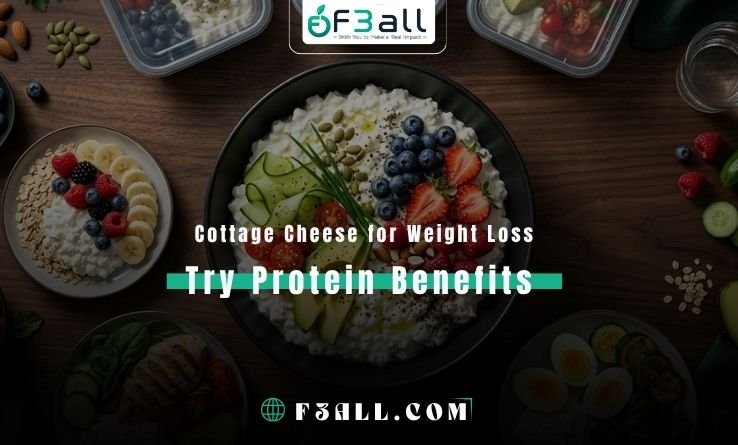
Cottage Cheese Weight Loss is popular because this fresh dairy food can provide substantial protein for relatively moderate calories. It may support fullness, simplify meal preparation, and help preserve lean muscle when it replaces a less balanced choice. However, cottage cheese does not directly burn body fat. Portions, toppings, sodium, total calories, activity, sleep, medical conditions, and individual tolerance still determine whether it supports a sustainable weight-management plan.
Cottage Cheese Weight Loss

Cottage Cheese Weight Loss can be a practical strategy when a measured portion replaces a snack or meal component that provides more calories and less protein. Cottage cheese is made from milk curds and has a mild flavor that works with fruit, vegetables, herbs, whole grains, eggs, and numerous savory or sweet recipes.
The food itself does not create fat loss. Body weight generally decreases when total energy intake remains below energy expenditure over time. Protein may improve fullness and support lean-muscle preservation, but an oversized bowl containing honey, granola, dried fruit, chocolate, and nut butter can still exceed an individual’s calorie needs.
Explore the weight-loss resources from F3all to combine cottage cheese with the broader nutrition, exercise, sleep, and lifestyle habits required for sustainable progress.
Quick Answer About Cottage Cheese Weight Loss
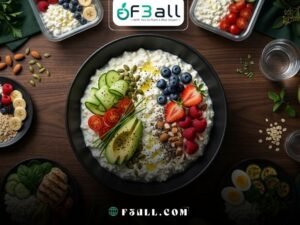
The practical verdict is that cottage cheese can support a calorie-controlled eating pattern, but it is neither essential nor uniquely slimming. Its main advantages are protein, convenience, versatility, and the ability to replace less nutritious options.
| Common question | Evidence-based answer | Practical recommendation |
|---|---|---|
| Does cottage cheese burn body fat | No food directly melts stored fat | Create a sustainable calorie deficit |
| Is cottage cheese high in protein | Many varieties provide substantial protein | Compare products by serving size |
| Is low-fat always the best choice | It is often lower in calories, but preferences differ | Select a satisfying measured portion |
| Can cottage cheese contain considerable sodium | Yes, sodium varies significantly between products | Check labels and compare brands |
| Can it replace every meal | No, dietary variety remains important | Add vegetables, fruit, and quality carbohydrates |
| Is it suitable for everyone | No, allergies and individual tolerance matter | Choose an appropriate alternative |
Cottage Cheese Weight Loss works through meal structure, substitution, portion control, and improved protein intake rather than a special fat-burning mechanism.
How Cottage Cheese May Support Weight Loss
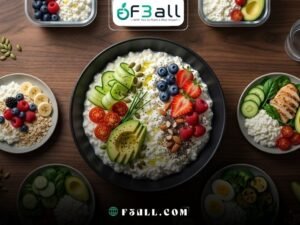
Protein generally requires more time to digest than many refined snacks and may improve satiety for some people. Cottage cheese also requires little preparation, which can make choosing a planned meal easier when time is limited.
The most realistic ways cottage cheese may help include:
- Replacing pastries or sugary desserts with a protein-rich option.
- Adding protein to fruit, toast, vegetables, or whole grains.
- Preparing a measured snack before hunger becomes intense.
- Supporting lean muscle alongside resistance training.
- Creating creamy sauces without using large quantities of cream.
- Making breakfast more substantial and satisfying.
- Reducing dependence on heavily processed snack foods.
These benefits depend on context. Adding cottage cheese to an unchanged eating pattern may simply increase total calorie intake. Cottage Cheese Weight Loss is most useful when the serving has a clear role and replaces another food rather than becoming an automatic addition.
Read more about:Compound Exercises for Weight Loss Workout Plan Guide
Evidence About Protein and Weight Management
Research suggests that eating patterns containing more protein may improve fullness and offer modest benefits for body weight and fat mass during calorie restriction. However, results vary between studies, and the ability to maintain the complete eating plan remains essential.
Protein also supports muscle-protein turnover. During intentional weight loss, adequate protein combined with resistance exercise may help protect lean tissue. More protein is not automatically better, and individual requirements vary with body size, age, activity, pregnancy, medical conditions, and overall goals.
| Evidence area | What research suggests | Important limitation |
|---|---|---|
| Fullness | Protein may reduce short-term appetite | Individual responses differ |
| Body weight | Higher-protein plans may offer modest benefits | Calories and adherence still matter |
| Lean muscle | Protein and resistance training support muscle | Training quality and total intake matter |
| Weight maintenance | Satisfying meals may improve adherence | Long-term evidence is not identical |
| Dairy foods | Can fit balanced eating patterns | Product type and complete diet matter |
| Metabolism | Protein digestion requires energy | It does not override total calorie intake |
Cottage Cheese Weight Loss is one way to distribute protein throughout the day. The evidence supports complete dietary patterns rather than the claim that one type of cheese has a unique ability to burn fat.
Cottage Cheese Protein Content
Cottage cheese contains dairy proteins, including casein. Many products provide approximately 11 to 14 grams of protein in a half-cup serving, but the exact amount varies by brand, moisture level, fat percentage, curd size, and serving definition.
Always read the Nutrition Facts label on the product you purchase. One manufacturer may define a serving as half a cup, while another may use a different weight. Comparing equal gram amounts provides a more accurate comparison.
For a balanced Cottage Cheese Weight Loss meal, combine cottage cheese with fiber-rich produce or quality carbohydrates. Protein alone does not supply every nutrient required for a complete diet.
Read more about:Compound Exercises for Weight Loss Workout Plan Guide
Nutrition Facts and Product Types
The following figures are approximate ranges rather than guaranteed values. Product labels should remain the primary guide.
| Product type, approximately ½ cup | Approximate calories | Approximate protein | Main consideration |
|---|---|---|---|
| Fat-free cottage cheese | 70–100 | 11–14 grams | Lower calorie range, but texture varies |
| Low-fat cottage cheese | 80–120 | 11–14 grams | Balanced option for many people |
| Full-fat cottage cheese | 100–140 | 10–14 grams | Richer taste and more calories |
| Reduced-sodium cottage cheese | Varies | Usually similar | Compare sodium and calories |
| Lactose-free cottage cheese | Varies | Usually similar | Suitable for some intolerant people |
| Flavored cottage cheese | Often higher | Varies | Check added sugar and ingredients |
Cottage Cheese Weight Loss portions should be based on the actual product. Sodium may vary more dramatically between brands than calories or protein.
How to Read a Cottage Cheese Label
Front-label claims such as low fat, high protein, or natural do not provide the complete nutritional picture. The Nutrition Facts panel makes product comparisons more accurate.
| Label information | Why it matters | What to compare |
|---|---|---|
| Serving size | Determines every listed nutritional value | Compare the same gram amount |
| Calories | Contribute to the daily energy total | Include toppings in the calculation |
| Protein | Supports fullness and lean tissue | Review grams per serving |
| Sodium | Can be relatively high in cottage cheese | Compare different brands |
| Saturated fat | Varies according to milk-fat percentage | Consider the complete daily pattern |
| Added sugar | May appear in flavored products | Plain products offer more flexibility |
| Ingredients | Shows flavors, thickeners, and allergens | Choose according to health needs |
A lower-calorie product is not automatically the best choice if it is unsatisfying or contains substantially more sodium. The most appropriate option fits the complete meal and can be consumed in a controlled portion.
Portion Control for Cottage Cheese Weight Loss
Half a cup is a practical starting portion for many people, but the ideal amount depends on appetite, energy requirements, protein needs, and whether cottage cheese is being used as a snack or meal foundation.
Measure the bowl at least once so you learn how the serving looks. Remember that toppings such as nuts, seeds, granola, honey, olive oil, avocado, chocolate, and dried fruit can add significant calories.
| Meal purpose | Suggested cottage cheese portion | Helpful pairing | What to monitor |
|---|---|---|---|
| Light snack | ⅓–½ cup | Whole fruit or vegetables | Sweet sauces |
| Breakfast protein | ½–1 cup | Oats, fruit, or toast | Large granola servings |
| Lunch bowl | ½–1 cup | Salad and whole grains | Oil, crackers, and sauces |
| Post-workout meal | Based on total protein needs | Fruit, oats, or bread | Assuming more is always better |
| Dessert alternative | ½ cup | Berries, cocoa, and vanilla | Honey, chocolate, and nut butter |
Cottage Cheese Weight Loss succeeds through a repeatable portion that supports the overall eating plan, not through consuming the largest possible amount of protein.
Benefits of Cottage Cheese
Cottage cheese can provide protein, calcium, phosphorus, vitamin B12, and other nutrients, although the amounts differ between products. Some varieties may be fortified, while others are not.
Practical benefits include:
- Minimal preparation.
- Sweet and savory versatility.
- A soft and adaptable texture.
- A favorable protein-to-calorie ratio in many products.
- Easy pairing with fruit and vegetables.
- Availability in individual containers.
- Convenient use in sauces, dips, and smoothies.
- Suitability for breakfast, snacks, lunch, or dinner.
These qualities make Cottage Cheese Weight Loss convenient, but they do not prove that cottage cheese is superior to yogurt, eggs, fish, poultry, beans, lentils, or tofu in every situation.
Read more about:Compound Exercises for Weight Loss Workout Plan Guide
Cottage Cheese Compared With Other Protein Foods
Dietary variety reduces dependence on one food and provides a wider range of nutrients.
| Protein food | Main advantage | Important consideration | Suitable use |
|---|---|---|---|
| Cottage cheese | Convenient dairy protein | Sodium and lactose | Meals, snacks, dips, and sauces |
| Greek yogurt | Protein and cultured texture | Added sugar varies | Breakfast, snacks, and desserts |
| Eggs | Complete protein and versatility | Cooking method and portions | Breakfast and main meals |
| Fish or chicken | High protein per serving | Requires preparation and storage | Lunch and dinner |
| Beans and lentils | Fiber, protein, and minerals | May cause digestive symptoms initially | Soups, salads, and main meals |
| Tofu or tempeh | Plant-based protein | Flavoring and preparation matter | Bowls, stir-fries, and sandwiches |
| Nuts and seeds | Protein and unsaturated fat | Calorie-dense portions | Measured toppings and snacks |
Cottage Cheese Weight Loss should be part of a rotation of protein-rich foods rather than the entire foundation of the diet.
Problems With a Restrictive Cottage Cheese Diet
Some cottage cheese diet plans promise rapid weight loss by centering almost every meal on one food. Restrictive versions may reduce calorie intake temporarily, but they can become monotonous, nutritionally limited, and difficult to maintain.
Possible problems include:
- Insufficient fiber when vegetables, fruits, legumes, and grains are limited.
- Excessive sodium from several daily servings.
- Digestive discomfort in lactose-sensitive people.
- Inadequate dietary variety.
- Limited intake of beneficial plant compounds.
- Difficulty eating socially.
- Boredom and food cravings.
- Rebound eating after the restrictive period ends.
A flexible Cottage Cheese Weight Loss plan uses cottage cheese in selected meals while maintaining vegetables, fruits, whole grains, legumes, healthy fats, and other protein sources.
Creating a Balanced High-Protein Plan
A balanced protein plan distributes protein across different meals without eliminating carbohydrates or relying on one food. Cottage cheese can be used for one breakfast or snack, while fish, poultry, eggs, beans, lentils, tofu, or yogurt provide variety throughout the day.
A balanced meal generally combines:
- A suitable protein source.
- Vegetables or whole fruit.
- A fiber-rich carbohydrate.
- A measured source of healthy fat.
- Water or another suitable beverage.
- A portion that matches individual energy needs.
The weight-loss diet plans from F3all can help organize cottage cheese within a realistic weekly structure.
Read more about:Compound Exercises for Weight Loss Workout Plan Guide
Cottage Cheese Breakfast Ideas
Cottage cheese works well at breakfast because it can be prepared quickly. Combining protein with fiber and suitable carbohydrates generally creates a more complete meal.
| Breakfast idea | Main ingredients | Portion adjustment |
|---|---|---|
| Berry oat bowl | Cottage cheese, berries, oats, and cinnamon | Measure oats and toppings |
| Apple crunch bowl | Cottage cheese, apple, walnuts, and cinnamon | Use a small walnut portion |
| Savory toast | Whole-grain toast, cottage cheese, and tomato | Choose lower-sodium seasoning |
| Egg and vegetable plate | Eggs, cottage cheese, and vegetables | Adjust the total protein portion |
| Tropical bowl | Cottage cheese, pineapple, and chia | Avoid fruit packed in heavy syrup |
| Blended cocoa bowl | Cottage cheese, cocoa, banana, and vanilla | Taste before adding sweetener |
These cottage cheese meal ideas are more balanced than eating a large bowl of cheese without fiber-rich foods.
Savory Cottage Cheese Recipes
Cottage cheese does not need to be served as a sweet breakfast or dessert. It can be blended into a creamy dip, added to eggs, spread on toast, or used as a protein-rich sauce.
Practical savory combinations include:
- Cottage cheese with cucumber, tomato, dill, and black pepper.
- Whole-grain toast with cottage cheese, tomato, and herbs.
- Cottage cheese mixed with beans, corn, tomato, and lime.
- Chopped spinach and cottage cheese folded into scrambled eggs.
- A baked potato topped with cottage cheese and chives.
- Whole-grain crackers with cottage cheese and sliced radish.
- Blended cottage cheese with garlic, herbs, and lemon.
- A salad bowl containing vegetables, grains, and cottage cheese.
Browse the delicious diet recipes from F3all for more ways to include cottage cheese without repeating the same meal.
Sweet Cottage Cheese Recipes
Blending cottage cheese produces a smoother texture that can resemble a creamy dessert. Fruit, cinnamon, vanilla, lemon zest, or unsweetened cocoa may provide enough flavor without requiring large amounts of sugar.
Cocoa Berry Cottage Cheese Bowl
| Ingredient | Suggested amount | Purpose |
|---|---|---|
| Cottage cheese | ½ cup | Protein and creamy base |
| Berries | ½ cup | Fruit, fiber, and sweetness |
| Unsweetened cocoa | 1 teaspoon | Chocolate flavor |
| Vanilla | A small amount | Additional flavor |
| Cinnamon | To taste | Sweetness without sugar |
| Chopped nuts | 1 teaspoon | Optional texture |
Blend the cottage cheese with cocoa and vanilla if a smooth texture is preferred, then add berries and cinnamon. Use nuts as a measured topping rather than pouring them directly from the package.
Explore more healthy diet dessert recipes from F3all for alternatives that fit a balanced eating plan.
Read more about:Compound Exercises for Weight Loss Workout Plan Guide
Healthy Cottage Cheese Snacks
Healthy snacks should address genuine hunger or a long gap between meals. Adding a snack when you are not hungry may make maintaining a calorie deficit more difficult.
| Snack | Why it may work | Portion caution |
|---|---|---|
| Cottage cheese and berries | Protein with whole fruit | Avoid fruit syrup |
| Cottage cheese and cucumber | Protein and food volume | Check sodium |
| Cottage cheese on toast | Protein and whole grains | Include bread and spreads in total calories |
| Cottage cheese with pear | Sweetness and fiber | Measure nuts if added |
| Cottage cheese herb dip | Works with raw vegetables | Limit crackers |
| Blended cocoa cup | Dessert-style protein | Limit honey and chocolate |
The snack should replace a less satisfying option rather than becoming an automatic addition to every day.
Lunch and Dinner Meal Ideas
Cottage cheese can serve as one protein component at lunch or dinner. It does not need to replace every traditional protein source.
Suitable ideas include:
- A grain bowl with vegetables, beans, and cottage cheese.
- A baked potato topped with cottage cheese and served with salad.
- A vegetable omelet with cottage cheese on the side.
- Whole-grain pasta with a blended cottage cheese and herb sauce.
- Roasted vegetables with cottage cheese and a controlled bread portion.
- A tomato and cucumber salad with cottage cheese and chickpeas.
- Cottage cheese spread inside a whole-grain vegetable wrap.
Cottage Cheese Weight Loss meals are more complete when they contain color, texture, vegetables, and fiber. Cottage cheese alone provides protein but does not provide enough dietary variety.
Seven-Day Cottage Cheese Meal Plan
This plan includes cottage cheese once on most days and intentionally provides one day without it.
| Day | Cottage cheese meal | Other nutrition focus |
|---|---|---|
| Monday | Berry breakfast bowl | Lentils, vegetables, and rice |
| Tuesday | Savory cottage cheese toast | Fish or tofu at dinner |
| Wednesday | Cottage cheese and fruit snack | Eggs and bean salad |
| Thursday | Herb dip with vegetables | Chicken or tempeh bowl |
| Friday | Blended cocoa dessert | Whole grains and vegetables |
| Saturday | Baked potato topping | Bean soup and salad |
| Sunday | No cottage cheese required | Rotate other protein foods |
Adjust quantities according to energy needs, activity, medical conditions, cultural preferences, and appetite. Cottage Cheese Weight Loss should remain flexible rather than becoming a rigid diet.
Read more about:Compound Exercises for Weight Loss Workout Plan Guide
Cottage Cheese in Smoothies
Blended cottage cheese can add protein and creaminess to a smoothie. Start with a measured portion of cottage cheese, whole fruit, and water or milk. Spinach, cinnamon, cocoa, vanilla, or ice can add flavor and texture.
Avoid combining juice, sweetened yogurt, honey, dates, nut butter, avocado, granola, and several fruits in one smoothie unless the entire recipe fits your meal plan. Liquid meals can be consumed quickly and may feel less satisfying than solid meals for some people.
Explore the healthy drinks collection from F3all for additional smoothie and beverage ideas.
Sodium in Cottage Cheese
Sodium is an important consideration because salt is commonly used during cottage cheese production. Reduced-sodium products may contain substantially less sodium than standard versions, but availability and flavor differ.
Useful strategies include:
- Comparing equal serving weights across brands.
- Choosing reduced-sodium varieties when available.
- Pairing cottage cheese with unsalted fruit or vegetables.
- Avoiding salty crackers, processed meats, and sauces in the same meal.
- Measuring the portion.
- Considering sodium across the entire day.
People with hypertension, heart failure, kidney disease, or a prescribed sodium restriction should seek individualized nutritional advice rather than relying only on general internet recommendations.
Read more about:Compound Exercises for Weight Loss Workout Plan Guide
Lactose Intolerance and Cottage Cheese
Lactose intolerance can cause bloating, gas, abdominal pain, nausea, or diarrhea after dairy consumption. Tolerance differs considerably, and many people with lactose intolerance can consume some lactose without symptoms.
Possible options include:
- Starting with a smaller serving.
- Eating cottage cheese as part of a complete meal.
- Choosing a lactose-free product.
- Using lactase products according to their instructions.
- Selecting another protein source if symptoms continue.
Cottage Cheese Weight Loss should not require repeated digestive discomfort. Persistent symptoms may have another cause and should be evaluated appropriately.
Lactose Intolerance Versus Milk Allergy
Lactose intolerance is a digestive problem involving difficulty digesting lactose, the natural sugar in dairy foods. Milk allergy is an immune reaction to milk proteins and can cause serious or potentially life-threatening symptoms.
Lactose-free cottage cheese still contains milk proteins and is not safe for someone who must avoid milk because of an allergy.
Possible milk-allergy symptoms include:
- Hives or itching.
- Facial or lip swelling.
- Vomiting.
- Wheezing.
- Breathing difficulty.
- Dizziness or collapse.
Breathing difficulty, significant swelling, or symptoms of anaphylaxis require emergency medical care.
Kidney Disease and High-Protein Plans
People with chronic kidney disease may need individualized guidance concerning protein, sodium, potassium, phosphorus, and fluid intake. Cottage cheese contributes protein, sodium, and phosphorus, making the appropriate serving dependent on kidney function and the complete treatment plan.
Do not begin a very high-protein diet based solely on an online calculator if kidney function is impaired. A renal dietitian can recommend suitable portions according to laboratory results, disease stage, dialysis status, medications, and other medical factors.
Cottage Cheese Weight Loss is optional. Kidney safety and the medical nutrition plan always take priority over reaching a generic protein target.
Food Safety and Storage
Cottage cheese is a perishable dairy product. Keep it refrigerated, follow the package instructions, use clean utensils, and avoid leaving it at room temperature for extended periods.
Discard the product if it has:
- Visible mold.
- A strongly unusual odor.
- Major discoloration.
- A swollen or damaged container.
- An unexpected texture change accompanied by spoilage signs.
- Been stored improperly.
Do not taste questionable cottage cheese to decide whether it is safe. Pregnant people and others at higher risk of foodborne illness should select pasteurized dairy products and follow their clinician’s recommendations.
Read more about:Compound Exercises for Weight Loss Workout Plan Guide
Common Cottage Cheese Weight Loss Mistakes
Avoid these frequent mistakes:
- Treating cottage cheese as a fat-burning food.
- Eating directly from a large container without measuring.
- Ignoring sodium on the label.
- Adding several calorie-dense toppings simultaneously.
- Choosing flavored products without checking added sugar.
- Replacing vegetables, fruits, and whole grains with additional dairy.
- Continuing dairy consumption despite allergy or significant intolerance.
- Assuming a high-protein label guarantees weight loss.
- Adding snacks without genuine hunger.
- Relying on cottage cheese as the only protein source.
- Doubling portions when weight loss slows.
Cottage Cheese Weight Loss works best when it simplifies balanced eating rather than creating restrictive or complicated food rules.
Tracking Cottage Cheese Weight Loss Results
Evaluate the complete routine rather than giving one food credit for every result.
| What to track | Review period | Helpful outcome |
|---|---|---|
| Body-weight trend | Several weeks | Gradual movement toward a suitable goal |
| Hunger | Daily notes | Better satisfaction between meals |
| Protein distribution | Weekly review | Protein appears across several meals |
| Sodium intake | Label and meal review | Intake fits professional guidance |
| Digestion | After servings | No persistent symptoms |
| Food variety | Weekly | Multiple protein and produce sources |
| Adherence | Monthly | The plan remains practical and enjoyable |
| Strength and fitness | Several weeks | Stable or improving performance |
Early scale changes often reflect sodium, body water, carbohydrate storage, hormones, digestion, and weighing time. A salty cottage cheese meal may temporarily increase water weight without causing immediate body-fat gain.
Judge progress across several weeks. If results slow, review total portions, beverages, snacks, activity, sleep, and medications rather than automatically increasing the cottage cheese serving.
Building a Sustainable Meal Plan
Cottage Cheese Weight Loss should fit an eating routine containing vegetables, whole fruits, legumes, whole grains, appropriate fats, and several protein sources. Regular physical activity, resistance training, adequate sleep, and stress management also contribute to long-term success.
Compare the different types of diets explained by F3all without assuming cottage cheese belongs in every approach. Vegan diets and milk-allergy plans require different protein sources.
Use the F3all homepage to connect meal planning with exercise, hydration, and long-term health. A food is useful when it improves the complete routine you can maintain.
Read more about:Compound Exercises for Weight Loss Workout Plan Guide
Why F3all Is Your Best Choice
F3all explains Cottage Cheese Weight Loss through realistic nutrition rather than miracle-food claims. Our content helps readers understand portions, protein, labels, sodium, recipes, digestive tolerance, and sustainable meal planning.
Why readers choose F3all:
- Evidence-based weight-management education.
- Practical meal and snack tables.
- Protein guidance without extreme dieting.
- Clear portion-control recommendations.
- Sodium and lactose considerations.
- Sweet and savory recipe ideas.
- Flexible alternatives for different diets.
- Realistic expectations about fat loss.
- Long-term nutrition and wellness strategies.
- References from trusted scientific and medical sources.
Learn more about F3all and decide whether cottage cheese genuinely improves your eating routine, appetite control, and meal preparation.
Frequently Asked Questions About Cottage Cheese Weight Loss
1. Does Cottage Cheese Weight Loss burn body fat
No. Cottage cheese may support a calorie deficit by providing protein and improving fullness, but it does not directly burn body fat. Results depend on total calorie intake, activity, sleep, medical conditions, and consistency.
2. How much cottage cheese should I eat
Half a cup is a practical starting portion, although individual needs vary. Check the serving weight, calories, protein, sodium, and toppings. Larger portions are not automatically more effective for weight loss.
3. Is full-fat cottage cheese suitable for weight loss
Yes. A measured full-fat serving can fit some eating plans. It usually provides more calories than lower-fat cottage cheese but may feel more satisfying. Consider the complete meal rather than fat level alone.
4. Can I eat cottage cheese every day
Many people can eat cottage cheese regularly, but daily consumption is unnecessary. Rotate different protein foods and monitor sodium, lactose tolerance, meal variety, and total calorie intake.
5. Is cottage cheese better than Greek yogurt
Neither is universally better. Protein, calories, sodium, sugar, lactose, texture, and price differ between products. Compare the labels and choose the option that suits your recipes and preferences.
6. What are the best cottage cheese toppings
Whole fruits, vegetables, herbs, cinnamon, vanilla, cocoa, or a measured amount of nuts can work well. Choose toppings that add flavor and nutrients without creating an oversized meal.
7. Can people with lactose intolerance eat cottage cheese
Tolerance varies. Some people can manage a small portion, while others need lactose-free cottage cheese or a non-dairy protein. Stop using it if it repeatedly causes digestive symptoms.
8. Is cottage cheese suitable after exercise
Yes. Cottage cheese provides protein and can be paired with fruit, oats, bread, or another carbohydrate after training. It remains one option among many suitable post-workout foods.
9. Is cottage cheese high in sodium
Many products contain considerable sodium, and the amount differs significantly between brands. Compare equal serving weights and consider sodium intake across the entire day.
10. What can replace cottage cheese
Greek yogurt, eggs, tofu, beans, lentils, fish, poultry, or other suitable protein foods can replace cottage cheese. Select foods that match your allergies, culture, budget, availability, and preferences.
In the End
Cottage Cheese Weight Loss can support a healthy eating plan by providing convenient protein for moderate calories, but it is not a fat-burning shortcut. Select a product by reviewing its calories, protein, sodium, saturated fat, added sugar, ingredients, price, and personal tolerance. Measure calorie-dense toppings as carefully as the cottage cheese itself.
Use cottage cheese in selected breakfasts, snacks, savory bowls, sauces, smoothies, or desserts while maintaining vegetables, fruits, whole grains, legumes, appropriate fats, and protein variety. Combine balanced nutrition with physical activity, resistance training, sleep, and a sustainable calorie deficit. People with milk allergy, lactose intolerance, kidney disease, sodium restrictions, or persistent digestive symptoms may need alternatives or professional guidance.
References
- USDA — FoodData Central
- USDA — FoodData Central Food Search
- FDA — How to Understand and Use the Nutrition Facts Label
- FDA — Sodium in Your Diet
- NIDDK — Definition and Facts for Lactose Intolerance
- NIDDK — Symptoms and Causes of Lactose Intolerance
- NIDDK — Eating and Nutrition for Lactose Intolerance
- NIDDK — Treatment for Lactose Intolerance
- PubMed — The Role of Protein in Weight Loss and Maintenance
- PubMed — Higher Protein Intake and Lean-Mass Preservation
- PubMed — High-Protein Diets and Body-Weight Management
- PubMed — Increased Protein and Muscle Preservation During Weight Loss