Is Sourdough Bread Good for Weight Loss | Portion Guide
Is Sourdough Bread Good for Weight Loss depends less on the word sourdough and more on the flour, slice size, toppings, and total calories in the meal. Traditional sourdough can fit comfortably into a weight-loss diet, but it is still bread and still provides carbohydrates and calories. Fermentation does not transform a large serving into a calorie-free food.
The strongest choice is usually a whole grain sourdough with a simple ingredient list and enough fiber to make the bread more useful nutritionally. Keep portions visible, pair the bread with protein, and be careful with butter, cheese, avocado, nut butter, and spreads that can add more calories than the bread itself.
The Short Answer on Sourdough for Weight Loss
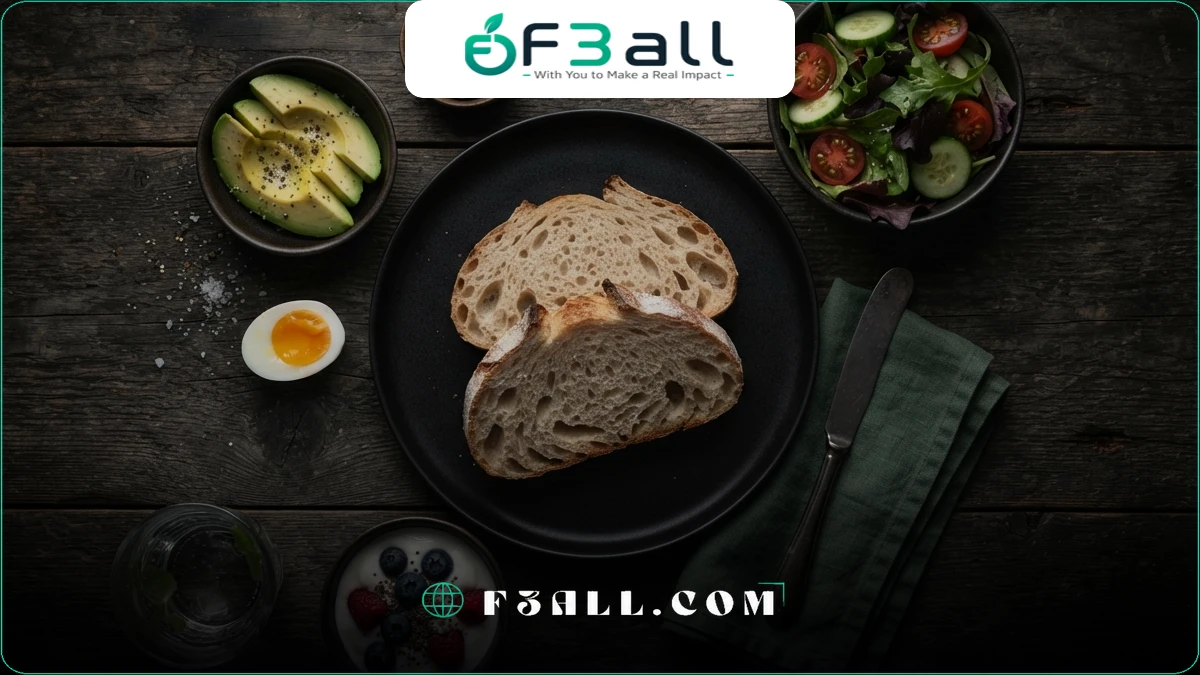
Sourdough bread for weight loss can work well when one or two appropriately sized slices fit your calorie target.
A typical slice may weigh anywhere from 30 to 60 g, so comparing bread by slice alone can be misleading.
| Sourdough Portion | Carbs | Calories From Carbs | Protein | Fiber | Approx. Calories |
| 30 g | 14–16 g | 56–64 kcal | 2–3 g | 1–2 g | 75–85 kcal |
| 40 g | 19–21 g | 76–84 kcal | 3–4 g | 1–3 g | 95–110 kcal |
| 50 g | 24–27 g | 96–108 kcal | 4–5 g | 2–4 g | 120–140 kcal |
| 60 g | 29–32 g | 116–128 kcal | 5–6 g | 2–5 g | 145–165 kcal |
Calories From Carbs are estimated using roughly 4 calories per gram of carbohydrate. Exact values vary considerably between recipes and commercial loaves.
This is why weighing a slice once or checking the package can be more useful than assuming every slice contains 80 calories.
Sourdough Calories Can Vary More Than You Think
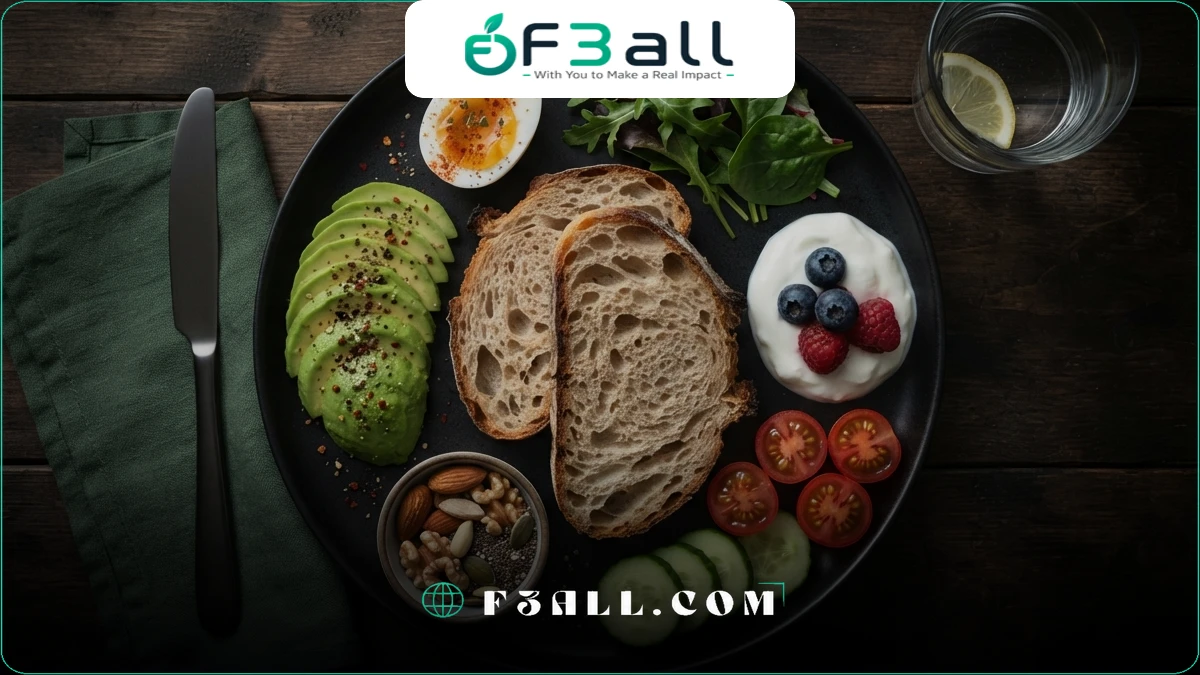
Sourdough calories depend heavily on the recipe and slice thickness.
A thin supermarket slice and a thick artisan bakery slice may look like the same food but contribute very different calorie amounts.
Check These Numbers First
Before choosing a bread, look for:
- Serving weight in grams.
- Calories per serving.
- Fiber.
- Protein.
- Whole grain content.
- Added fats or sweeteners.
A bread labeled artisan, natural, fermented, or traditional is not automatically lower in calories.
For Is Sourdough Bread Good for Weight Loss, the nutrition label often tells you more than the marketing on the front of the package.
White Sourdough and Whole Grain Sourdough Are Not Identical
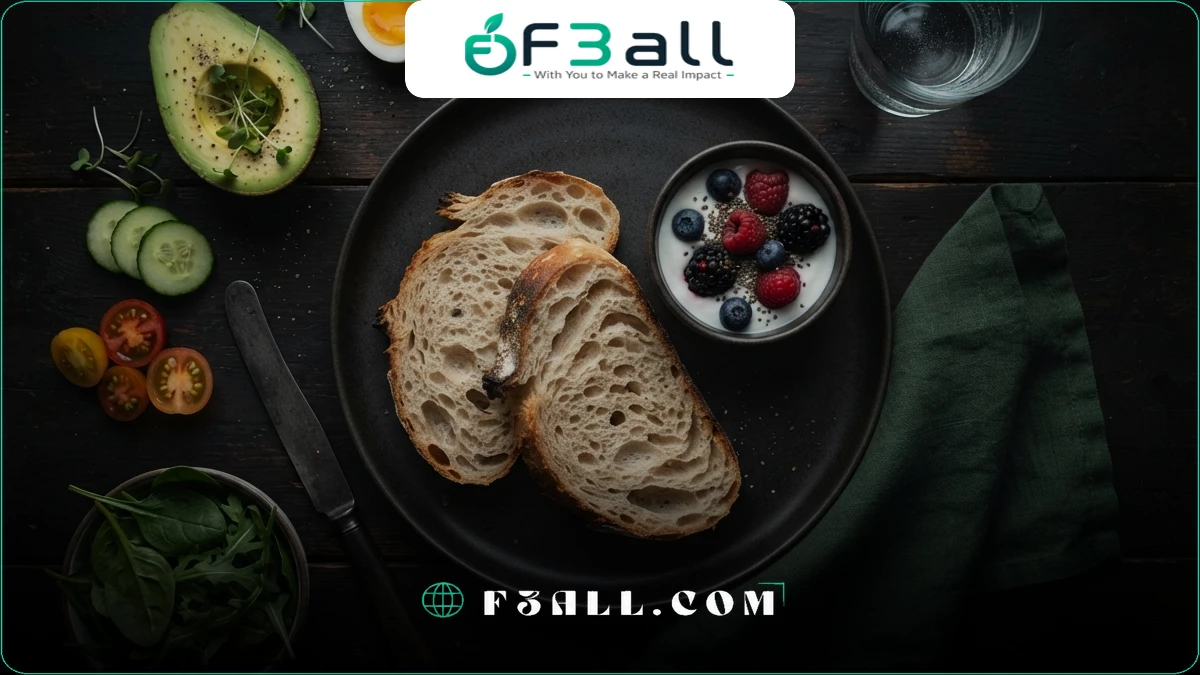
Traditional fermentation can be used with refined white flour or whole grain flour.
Whole grain sourdough generally provides more fiber and retains more of the grain than bread made mainly from refined flour.
| Bread Style | Typical Fiber Level | Weight-Loss Perspective |
| White sourdough | Lower | Can fit, but less fiber |
| Whole wheat sourdough | Higher | Often more useful for fiber |
| Whole grain sourdough | Higher | Strong everyday option |
| Seeded sourdough | Can be high | Seeds may raise calories |
| Cheese sourdough | Variable | Added fat raises calories |
| Sweet sourdough loaf | Variable | Added sugar may raise calories |
The word sourdough describes fermentation, not necessarily the nutritional quality of the flour.
If fiber is a priority, whole grain sourdough is usually a stronger starting point than highly refined white sourdough.
Sourdough vs Whole Wheat Bread for Weight Loss
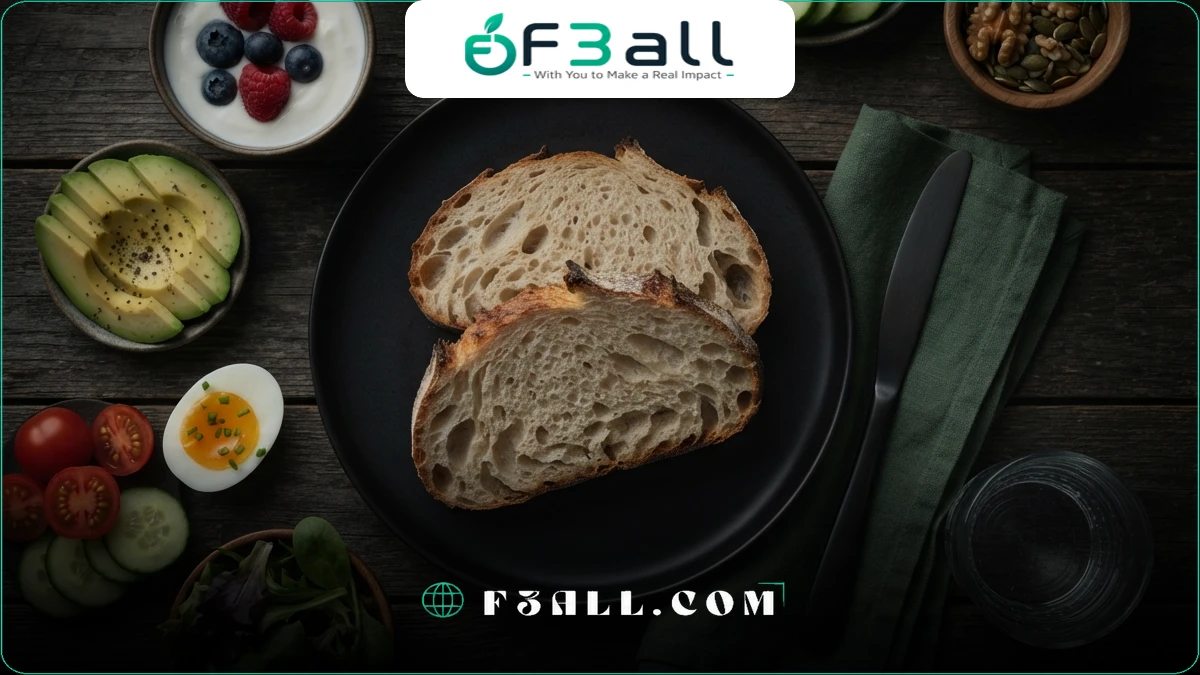
Sourdough vs whole wheat bread is not always a fair comparison because sourdough can itself be made from whole wheat.
A better comparison is white sourdough versus whole wheat bread versus whole grain sourdough.
| Bread | Approx. Calories per 40 g | Fiber | Main Strength |
| White sourdough | 95–110 kcal | Often 1–2 g | Flavor and fermentation |
| Whole wheat bread | 90–110 kcal | Often 2–4 g | Higher whole grain content |
| Whole grain sourdough | 95–115 kcal | Often 2–4 g | Whole grain plus fermentation |
| White sandwich bread | 100–110 kcal | Often 1–2 g | Convenience |
The calorie differences are usually modest.
If one bread keeps you satisfied and helps you maintain appropriate portions, that may matter more than choosing the bread with five fewer calories.
Readers comparing carbohydrate options can explore Types of Diets.
Read more about: Is Quinoa Good for Weight Loss | Portion Nutrition
Does Fermentation Make Sourdough Better for Dieting
Sourdough fermentation changes the dough through the activity of naturally occurring microorganisms. It can affect flavor, texture, acidity, and certain characteristics of the finished bread.
Research has also examined differences in post-meal blood glucose responses between sourdough and other breads, but the result depends on the flour, fermentation process, recipe, and individual response.
Fermentation does not mean:
- Calories disappear.
- Carbohydrates no longer count.
- The bread automatically causes fat loss.
- Unlimited servings become appropriate.
- Belly fat is specifically targeted.
The most dependable advantage remains choosing a bread you enjoy, measuring the serving, and using it within a balanced meal.
Bread Portions for Weight Loss
Bread portions for weight loss should be based on the complete meal.
A person eating eggs, vegetables, and bread may need a different amount than someone eating bread with soup or using it for a large sandwich.
Practical Portion Examples
One 40 g slice:
Around 100 calories and useful for a lighter breakfast.
Two 40 g slices:
Around 200 calories and suitable for many sandwiches.
One thick 70 g artisan slice:
Can approach 170–200 calories depending on the loaf.
Three thick slices:
Can easily provide 450–600 calories before toppings.
The problem is not bread existing in the diet. The problem is when portion size becomes invisible.
Build a Better Sourdough Breakfast
Sourdough bread breakfast weight loss meals become more satisfying when protein carries the meal rather than relying on toast alone.
Egg and Sourdough Breakfast
| Ingredient | Weight | Protein | Carbs | Approx. Calories |
| Sourdough | 40 g | About 4 g | About 20 g | About 105 kcal |
| Whole eggs | 100 g | About 12.6 g | About 0.7 g | About 143 kcal |
| Tomato | 100 g | About 0.9 g | About 3.9 g | About 18 kcal |
| Spinach | 50 g | About 1.5 g | About 1.8 g | About 12 kcal |
| Total | 290 g | About 19 g | About 26 g | About 278 kcal |
Add herbs, pepper, or chili for flavor without requiring a heavy sauce.
This type of breakfast provides more protein and food volume than two or three slices of toast covered with butter.
Sourdough Toast Toppings Can Change Everything
A slice of sourdough may contain around 100 calories. The topping can easily contribute much more.
| Topping | Portion | Approx. Added Calories |
| Tomato | 100 g | 18 kcal |
| Cottage cheese | 50 g | About 40–45 kcal |
| Greek yogurt spread | 50 g | About 30 kcal |
| Peanut butter | 15 g | About 88 kcal |
| Avocado | 50 g | About 80 kcal |
| Butter | 15 g | About 108 kcal |
| Olive oil | 15 g | About 133 kcal |
A 100-calorie piece of bread with butter, avocado, and cheese can become a 300-calorie piece of toast very quickly.
Better Topping Strategy
Choose one main calorie-dense topping rather than stacking several.
For example:
- Sourdough plus eggs and tomato.
- Sourdough plus cottage cheese and cucumber.
- Sourdough plus tuna and lettuce.
- Sourdough plus 10 g peanut butter and strawberries.
- Sourdough plus measured avocado and egg whites.
The bread usually is not the largest calorie problem once toppings become generous.
Sourdough Sandwich for Weight Loss
A sandwich can be a complete meal if the ingredients are designed deliberately.
Here is a practical example.
| Ingredient | Weight | Approx. Calories |
| Sourdough bread | 80 g | About 210 kcal |
| Turkey breast | 100 g | About 135 kcal |
| Lettuce | 40 g | About 6 kcal |
| Tomato | 100 g | About 18 kcal |
| Cucumber | 80 g | About 12 kcal |
| Mustard | 10 g | About 6 kcal |
| Total | 410 g | About 387 kcal |
That creates a sizeable sandwich for under roughly 400 calories.
Compare it with the same sandwich containing mayonnaise, cheese, avocado, and oil, which could easily exceed 600 calories.
For additional meal combinations, explore Delicious Diet Recipes.
Read more about: Is Peanut Butter Good for Weight Loss | Portion Guide
Is Sourdough Filling
Sourdough can be satisfying, particularly when made with whole grains and combined with protein.
But bread alone is not particularly high in protein.
For example, 80 g sourdough might provide around:
- 200–220 calories.
- 38–42 g carbohydrates.
- 6–8 g protein.
- Fiber depending on the flour.
Adding 100 g turkey or tuna may provide another 25–30 g protein for relatively modest calories.
That is why meal composition often matters more than searching for the perfect bread.
Sourdough in a Calorie Deficit
Sourdough in calorie deficit eating is straightforward.
If your total intake supports weight loss, bread can remain part of the plan.
A simple way to allocate it is:
Breakfast:
40 g sourdough with eggs.
Lunch:
80 g sourdough in a protein-rich sandwich.
Dinner:
Choose another carbohydrate source instead of automatically adding more bread.
This is only an example, not a required pattern.
The useful principle is to decide where bread contributes most to satisfaction rather than eating it automatically alongside every meal.
Readers can explore more complete strategies through Weight Loss.
Sourdough and Belly Fat
Sourdough bread and belly fat do not have a special direct relationship.
Bread does not selectively create abdominal fat, and sourdough fermentation does not selectively remove it.
Changes in belly fat depend on broader factors including:
- Total body-fat change.
- Long-term calorie balance.
- Physical activity.
- Genetics.
- Age.
- Hormonal factors.
- Sleep.
- Overall dietary pattern.
If sourdough fits a calorie deficit, it can remain in a diet while abdominal fat decreases as part of overall fat loss.
Removing bread is not automatically necessary.
Best Bread for Weight Loss
The best bread for weight loss is not necessarily the loaf with the lowest calorie number.
A useful bread should ideally provide a combination of reasonable calories, fiber, good taste, and a portion you can control consistently.
Use This Bread Checklist
Look for a bread that:
- Contains whole grains when possible.
- Provides useful fiber.
- Has a clear serving weight.
- Fits your calorie budget.
- Does not require heavy toppings to taste good.
- Has a texture you actually enjoy.
- Works with protein-rich meals.
Whole grain sourdough can meet these criteria very well.
However, a regular whole wheat bread can also be an excellent choice if you prefer it.
Healthy bread for dieting should support adherence, not create another unnecessary food rule.
Watch the Difference Between Dry Weight and Finished Bread
Bread contains water, so comparing products per 100 g can sometimes create confusing impressions.
One bread may be denser and contain less water, while another may produce a larger slice for the same weight.
Always compare:
- Calories per 100 g.
- Calories per actual serving.
- Slice weight.
- Fiber per serving.
A large rustic slice can easily weigh twice as much as a standard sandwich slice.
This matters because people often track one slice without checking whether that slice weighs 30 g or 70 g.
Three Different Sourdough Meals
Sourdough does not have to mean toast every morning.
Savory Breakfast
40 g sourdough
2 eggs
Tomato
Spinach
Approximate calories: 270–300.
Tuna Lunch
80 g sourdough
100 g tuna
Cucumber
Tomato
Mustard
Approximate calories: 350–400.
Light Open Sandwich
40 g sourdough
80 g cottage cheese
100 g tomato
Herbs
Approximate calories: 190–230.
These meals use bread in different portions according to its role rather than automatically using two thick slices every time.
Whole Grain Sourdough Salad Croutons
Sourdough can even be used as part of a salad rather than as a side.
Cut 40 g bread into cubes and toast them without large amounts of oil.
Add:
- 120 g chicken.
- 250 g mixed vegetables.
- Lemon-based dressing.
- 40 g toasted sourdough cubes.
This can provide crunch and carbohydrates without turning the salad into a bread-heavy meal.
Using bread creatively can sometimes make a smaller portion feel more substantial.
Read more about: Is Honey Good for Weight Loss | Smart Portion Guide
When Sourdough May Not Be the Best Choice
Sourdough is not necessary for successful weight loss.
Another bread may be preferable if:
- The sourdough slices available to you are extremely large.
- You dislike the taste.
- The loaf contains very little whole grain.
- The product is loaded with added cheese or oil.
- Another bread provides more fiber for similar calories.
- You need to avoid gluten because of celiac disease or another medically diagnosed condition.
Traditional wheat sourdough still contains gluten and is not appropriate for someone with celiac disease simply because it is fermented.
Common Sourdough Diet Mistakes
Sourdough often gets a health halo that encourages people to stop paying attention to portions.
Common Mistakes Include
- Assuming sourdough has very few calories.
- Eating thick bakery slices without checking weight.
- Adding butter and olive oil without measuring.
- Calling white sourdough a whole grain bread.
- Eating bread alongside another large starch serving automatically.
- Assuming fermentation means carbohydrates do not count.
- Loading avocado toast with several calorie-dense toppings.
- Ignoring cheese and spreads in sandwiches.
- Removing all bread unnecessarily after one weight-loss plateau.
- Expecting sourdough to reduce belly fat directly.
Most of these problems disappear once the slice is measured and the complete meal is considered.
A Simple Sourdough Decision Guide
Use this quick framework when choosing how much sourdough belongs in a meal.
| Situation | Practical Approach |
| Light breakfast | 30–50 g bread plus protein |
| Full sandwich | 60–90 g bread plus lean filling |
| Bread with soup | 30–50 g may be enough |
| Bread plus another starch | Reduce one or both portions |
| High-calorie toppings | Use less bread or fewer toppings |
| Whole grain loaf | Prefer when fiber is higher |
| Very thick bakery slice | Weigh before estimating calories |
There is no magic slice count.
The right bread portion is the amount that helps the meal fit your calorie and nutrition needs.
Why F3all Is Your Best Choice

At F3all, Is Sourdough Bread Good for Weight Loss is approached through actual bread weights, calorie comparisons, fiber, meal construction, and realistic portion control rather than simple claims that sourdough is a special diet bread.
F3all focuses on:
- Slice weights in grams.
- Sourdough calories.
- Carbohydrate values.
- Calories From Carbs.
- Whole grain comparisons.
- Protein-rich toppings.
- Practical bread portions.
- Sustainable calorie control.
Readers can explore Weight Loss, Weight Loss Diet Plans, Types of Diets, and Delicious Diet Recipes for additional weight-management guidance.
The goal is to make bread easier to include intelligently instead of treating it as either a forbidden food or a weight-loss superfood.
Frequently Asked Questions
Is Sourdough Bread Good for Weight Loss
Yes. Sourdough can fit comfortably into a calorie-controlled diet when the portion matches your overall energy needs.
A typical 40 g slice may provide around 95–110 calories, but artisan slices can be considerably larger.
How many slices of sourdough can I eat while losing weight
There is no universal number.
One or two appropriately sized slices can fit many meals, but weighing the bread in grams is more accurate because slice size varies dramatically between loaves.
How many calories are in sourdough bread
Many sourdough breads provide around 240–280 calories per 100 g.
A 40 g slice may therefore contain approximately 95–110 calories, depending on the recipe.
Is whole grain sourdough better for weight loss
Whole grain sourdough often provides more fiber than refined white sourdough.
That can make it a stronger nutritional choice, although calories and serving size should still be checked.
Is sourdough better than whole wheat bread
Not automatically.
Whole wheat bread may provide similar calories and plenty of fiber. Whole grain sourdough combines sourdough fermentation with whole grain flour and can be an excellent option.
The best choice depends on nutrition, portion, and preference.
Does sourdough bread cause belly fat
No single food specifically creates belly fat.
Consistent calorie excess can increase body fat, while a calorie deficit can reduce overall body fat. Sourdough can fit either pattern depending on the complete diet.
Can I eat sourdough every day during weight loss
Yes, if the portions fit your calorie and nutritional needs.
There is no requirement to avoid daily bread during weight loss when the overall eating pattern remains appropriate.
Is sourdough low carb
No.
Sourdough is still a carbohydrate-rich bread. Around 40 g may provide roughly 19–21 g carbohydrates depending on the recipe.
People following very low-carbohydrate diets may need smaller portions.
What should I put on sourdough for weight loss
Useful combinations include eggs, tuna, turkey, cottage cheese, Greek yogurt-based spreads, tomato, cucumber, and measured avocado.
Protein-rich toppings can create a more balanced meal than bread with butter alone.
What is the best sourdough for dieting
A whole grain sourdough with useful fiber, a straightforward ingredient list, and clearly labeled serving sizes is a strong choice.
The best loaf is ultimately one that fits your calorie needs and helps you maintain sensible portions.
In the End
Is Sourdough Bread Good for Weight Loss comes down to the loaf, the slice, and everything you put on it. A 40 g serving may provide roughly 100 calories, while a large artisan slice can contain nearly twice that amount. Whole grain sourdough can provide useful fiber and can fit easily into a balanced diet.
Keep bread portions visible, pair sourdough with protein and vegetables, and measure calorie-dense toppings such as butter, oil, avocado, cheese, and nut butter. Sourdough does not need to disappear during weight loss, but its fermented reputation should not make portion control disappear either.
References