Fat Burning Smoothies for Weight Loss | Recipes to Try
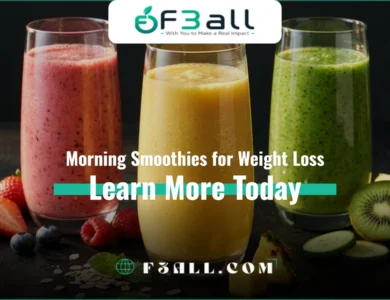
Fat Burning Smoothies for Weight Loss are popular among people looking for convenient, nutritious drinks that can fit into a calorie-conscious eating plan. By blending fruit, vegetables, protein-rich ingredients, and measured portions of healthy fats, smoothies can provide fiber, vitamins, and other essential nutrients. However, no smoothie can selectively burn body fat or guarantee rapid weight loss. Their usefulness depends on ingredients, serving sizes, total calories, and how they fit into your overall diet.
This guide explores smoothie nutrition, calorie comparisons, practical ingredients, homemade recipes, sugar-free options, meal preparation, and realistic results. You’ll also discover a seven-day smoothie plan and learn how to choose filling beverages without relying on exaggerated fat-burning claims.
Fat Burning Smoothies for Weight Loss – How Do They Actually Work?
Fat Burning Smoothies for Weight Loss are generally blended drinks made with ingredients selected for nutritional value, convenience, and calorie control.
Common ingredients include berries, spinach, Greek yogurt, milk, oats, chia seeds, and protein-rich foods.
The phrase fat burning is often used in marketing, but it does not describe a special property of smoothies.
What Makes a Smoothie Suitable for Weight Management?
A well-planned smoothie may contain:
- Protein to support muscle maintenance and fullness.
- Fiber to support digestive health.
- Fruit and vegetables for vitamins and minerals.
- Measured healthy fats.
- Appropriate total calories.
- Little or no added sugar.
- A serving size that fits individual energy needs.
How Smoothies Can Support Weight Loss
Smoothies may be useful when they replace a higher-calorie food or beverage without leading to compensatory eating later.
For example, a balanced homemade smoothie may be a convenient breakfast option for someone who otherwise chooses a large sweetened café drink and pastry.
However, replacing a complete meal with a low-protein fruit drink may leave some people hungry.
What Smoothies Can and Cannot Do
| Popular Claim | Evidence-Based Explanation |
| Smoothies Can Provide Fiber | Yes, when fiber-containing ingredients are included |
| Smoothies Can Provide Protein | Yes, depending on ingredients |
| Smoothies Automatically Burn Fat | No |
| Smoothies Can Replace High-Calorie Drinks | Yes |
| Smoothies Melt Belly Fat | Unsupported |
| Smoothies Can Be Part of Balanced Meals | Yes |
| Every Green Smoothie Is Low Calorie | No |
| Drinking More Smoothies Guarantees Weight Loss | No |
Are Smoothies Better Than Whole Fruit?
Not necessarily.
Whole fruit requires chewing and may be more satisfying for some people.
Blending whole fruit generally retains much of its fiber, unlike juicing, but texture and drinking speed can affect fullness.
Should You Drink Smoothies Every Day?
You can, but they are not necessary for weight loss.
A varied diet containing whole foods is equally capable of supporting healthy weight management.
The main advantage of smoothies is convenience and nutritional flexibility, not a unique ability to burn stored body fat.
Fat Burning Smoothies for Calories – Understanding the Numbers
Fat Burning Smoothies for Calories is one of the most important topics because a smoothie can contain fewer than 150 calories or more than 700 calories.
The difference depends on portion sizes and ingredients.
A small berry smoothie made with water may be low in calories but contain little protein.
A smoothie with yogurt, oats, banana, and peanut butter may be more filling but substantially higher in calories.
Neither option is automatically better for everyone.
Calories in Common Smoothie Ingredients
| Ingredient | Typical Amount | Approximate Calories |
| Strawberries | 100 g | 32 |
| Blueberries | 100 g | 57 |
| Raspberries | 100 g | 52 |
| Banana | 1 Medium | 105 |
| Spinach | 30 g | 7 |
| Kale | 30 g | 10 |
| Cucumber | 100 g | 15 |
| Unsweetened Almond Milk | 200 ml | 25–40 |
| Skim Milk | 200 ml | 70 |
| Plain Nonfat Greek Yogurt | 150 g | 85–100 |
| Rolled Oats | 30 g | 115 |
| Chia Seeds | 1 Tablespoon | 58–60 |
| Peanut Butter | 1 Tablespoon | 90–100 |
| Ground Flaxseed | 1 Tablespoon | 35–40 |
| Plain Protein Powder | 20 g | 75–90 |
Values are approximate. Product formulation, ripeness, brand, and portion size affect actual calories.
Example Low-Calorie Smoothie
Consider a smoothie containing:
- 100 g strawberries: 32 calories.
- 30 g spinach: 7 calories.
- 150 ml unsweetened almond milk: approximately 23 calories.
- Ice and water: zero calories.
Estimated total: 62 calories.
This is a light beverage, not a nutritionally complete meal.
Example Balanced Protein Smoothie
Consider a smoothie containing:
- 100 g blueberries: 57 calories.
- 150 g nonfat Greek yogurt: 90 calories.
- 100 ml skim milk: 35 calories.
- 15 g oats: 58 calories.
- 1 teaspoon chia seeds: approximately 20 calories.
Estimated total: 260 calories.
This version provides more protein and fiber and may be more appropriate as part of breakfast.
How Added Ingredients Change Calories
| Addition | Approximate Extra Calories |
| 1 Tablespoon Peanut Butter | 95 |
| 1 Tablespoon Honey | 64 |
| 1 Medium Banana | 105 |
| 30 g Oats | 115 |
| 1 Tablespoon Chia Seeds | 60 |
| 100 ml Whole Milk | 62 |
| 100 ml Orange Juice | 45 |
| 1 Scoop Protein Powder | 100–130, depending on product |
Is a 100-Calorie Smoothie Better Than a 300-Calorie Smoothie?
Not always.
A 100-calorie smoothie may work as a snack, while a 300-calorie smoothie containing protein, fiber, and healthy fats may be more suitable as part of a meal.
Do Smoothie Calories Count?
Yes.
Calories from liquids contribute to total energy intake.
Can Smoothies Cause Weight Gain?
They can contribute to weight gain when overall calorie intake consistently exceeds energy expenditure.
Evaluate smoothie calories together with protein, fiber, serving size, and intended meal role rather than choosing the lowest number automatically.
Fat Burning Smoothies for Ingredients for Weight Loss – What to Include
Fat Burning Smoothies for Ingredients for Weight Loss should focus on nutrient density, flavor, and appropriate portions.
A useful smoothie does not need exotic powders, expensive supplements, or ingredients marketed as metabolism boosters.
Berries
Strawberries, blueberries, raspberries, and blackberries provide vitamins, fiber, and naturally occurring plant compounds.
Leafy Greens
Spinach and kale can add nutrients without substantially increasing calories.
Greek Yogurt
Plain Greek yogurt provides protein and can improve texture.
Cottage Cheese
Blended cottage cheese adds protein and creaminess.
Milk or Unsweetened Milk Alternatives
These provide the liquid base.
Their calorie and protein content vary.
Oats
Oats add carbohydrates and fiber, making a smoothie more substantial.
Chia Seeds
Chia seeds provide fiber, fat, and plant-based omega-3 fatty acids.
Ground Flaxseed
Ground flaxseed contributes fiber and fats.
Nut Butter
Nut butter adds flavor and unsaturated fats but is energy-dense.
Ingredient Comparison
| Ingredient | Main Nutritional Role | Practical Benefit |
| Berries | Fiber and micronutrients | Fruit flavor |
| Spinach | Vitamins and minerals | Adds vegetables |
| Greek Yogurt | Protein | Creaminess |
| Cottage Cheese | Protein | Thick texture |
| Skim Milk | Protein and calcium | Liquid base |
| Soy Milk | Plant protein | Dairy-free option |
| Oats | Carbohydrates and fiber | More substantial smoothie |
| Chia Seeds | Fiber and fats | Adds texture |
| Flaxseed | Fiber and fats | Nutty flavor |
| Peanut Butter | Unsaturated fats | Rich flavor |
| Banana | Carbohydrates and potassium | Natural sweetness |
Should You Add Ginger?
Ginger adds flavor and has been studied for various health effects.
However, adding ginger to a smoothie does not create a proven fat-burning drink.
Does Cinnamon Increase Fat Loss?
Cinnamon is useful as a flavoring, but it is not an established weight-loss treatment.
Should You Add Protein Powder?
Protein powder can be convenient for some people, particularly when food-based protein sources are impractical.
However, it is not essential, and products vary in quality and nutritional content.
Are Detox Powders Necessary?
No.
The body already has organs responsible for processing and eliminating waste products.
There is no need to add a detox supplement to make a smoothie nutritious.
Choose ingredients for their nutritional contribution and taste rather than promises of accelerated metabolism.
Read more about: Smoothies Recipes for Weight Loss | Get Healthy Recipes
Healthy Fat Burning Smoothies for Recipe – Building a Balanced Smoothie
A Healthy Fat Burning Smoothies for Recipe works best when the ingredients are selected according to the smoothie’s intended purpose.
A snack smoothie and a meal-sized smoothie should not necessarily contain the same amount of energy.
The Balanced Smoothie Formula
A practical starting formula is:
Fruit or Vegetables + Protein Source + Liquid + Optional Fiber-Rich Ingredient + Measured Healthy Fat
Example Formula for a Light Snack
- 100 g berries.
- 100 g plain nonfat Greek yogurt.
- Water or ice.
- Optional cinnamon.
This provides fruit and protein in a relatively small serving.
Example Formula for a More Substantial Breakfast
- 100 g berries.
- 170 g plain Greek yogurt.
- 20 g oats.
- 1 teaspoon chia seeds.
- 100 ml milk or water.
This provides a combination of protein, carbohydrates, and fiber.
How to Improve Smoothie Texture
- Use frozen fruit.
- Add liquid gradually.
- Blend leafy greens thoroughly.
- Use yogurt for creaminess.
- Avoid adding too much ice.
- Adjust thickness according to preference.
Smoothie Formula Comparison
| Component | Light Smoothie | More Substantial Smoothie |
| Fruit | 75–100 g | 100–150 g |
| Vegetables | Optional | Optional |
| Protein | Yogurt or Milk | Yogurt, Cottage Cheese, or Protein Source |
| Fiber | Fruit | Fruit, Oats, or Seeds |
| Healthy Fat | Optional | Small Measured Portion |
| Liquid | Water or Unsweetened Milk | Milk or Unsweetened Alternative |
| Intended Use | Snack | Part of a Meal |
Should Smoothies Be Thick or Thin?
Texture is a personal preference.
A thicker smoothie may encourage slower consumption, but thickness alone does not guarantee better appetite control.
Is Frozen Fruit as Nutritious as Fresh Fruit?
Frozen fruit can be a nutritious and convenient option.
Choose products without unnecessary added sugar.
Is a Blender Better Than a Juicer?
For fiber retention, blending whole fruit generally has an advantage over juicing and discarding the pulp.
A balanced smoothie formula makes it easier to create recipes suited to your nutritional needs instead of relying on a fixed “fat-burning” ingredient list.
Fat Burning Smoothies for Recipe for Weight Loss – Ten Easy Recipes
These homemade smoothies use familiar ingredients and measured portions.
Calorie estimates are approximate and assume unsweetened ingredients.
Recipe 1 – Strawberry Greek Yogurt Smoothie
Ingredients
- 150 g strawberries.
- 150 g plain nonfat Greek yogurt.
- 100 ml unsweetened almond milk.
- Ice cubes.
Instructions
- Wash and prepare strawberries.
- Add yogurt to a blender.
- Add strawberries and almond milk.
- Blend until smooth.
- Add ice if desired.
- Serve immediately.
Estimated calories: 155–175.
Main advantage: Fruit flavor with protein from yogurt.
Recipe 2 – Blueberry Oat Smoothie
Ingredients
- 100 g blueberries.
- 150 g plain nonfat Greek yogurt.
- 20 g rolled oats.
- 100 ml water.
- Cinnamon.
Instructions
- Add blueberries to a blender.
- Add yogurt and oats.
- Pour in water.
- Sprinkle cinnamon.
- Blend until smooth.
Estimated calories: 215–235.
Main advantage: Combines protein with fiber-containing oats.
Recipe 3 – Green Spinach and Banana Smoothie
Ingredients
- ½ medium banana.
- 50 g spinach.
- 150 g plain nonfat Greek yogurt.
- 100 ml water.
- Ice cubes.
Instructions
- Wash spinach thoroughly.
- Add spinach and banana to a blender.
- Add yogurt and water.
- Blend until smooth.
- Serve chilled.
Estimated calories: 145–165.
Main advantage: Combines leafy greens, fruit, and protein.
Recipe 4 – Raspberry Chia Smoothie
Ingredients
- 100 g raspberries.
- 150 g plain nonfat Greek yogurt.
- 1 teaspoon chia seeds.
- 100 ml unsweetened almond milk.
Instructions
- Add raspberries to the blender.
- Add yogurt and milk.
- Sprinkle in chia seeds.
- Blend thoroughly.
- Serve fresh.
Estimated calories: 170–190.
Main advantage: Provides fruit fiber and additional nutrients from chia.
Recipe 5 – Chocolate Banana Protein Smoothie
Ingredients
- ½ medium banana.
- 150 ml skim milk.
- 15 g plain protein powder.
- 1 teaspoon unsweetened cocoa.
- Ice cubes.
Instructions
- Add milk to a blender.
- Add banana.
- Add protein powder and cocoa.
- Blend until smooth.
- Serve over ice.
Estimated calories: 165–190.
Main advantage: Chocolate flavor with additional protein.
Recipe 6 – Mango Cottage Cheese Smoothie
Ingredients
- 100 g mango.
- 120 g low-fat cottage cheese.
- 100 ml water.
- Ice cubes.
Instructions
- Cut mango into small pieces.
- Add cottage cheese to a blender.
- Add mango and water.
- Blend until creamy.
- Serve cold.
Estimated calories: 150–185.
Main advantage: Creamy texture with protein.
Recipe 7 – Apple Cinnamon Oat Smoothie
Ingredients
- 100 g apple.
- 150 g plain nonfat Greek yogurt.
- 15 g oats.
- 100 ml water.
- Cinnamon.
Instructions
- Wash and core the apple.
- Cut into small pieces.
- Add all ingredients to a blender.
- Blend thoroughly.
- Serve immediately.
Estimated calories: 195–215.
Main advantage: Familiar apple-and-cinnamon flavor.
Recipe 8 – Pineapple Spinach Smoothie
Ingredients
- 100 g pineapple.
- 40 g spinach.
- 150 g plain nonfat Greek yogurt.
- 100 ml water.
Instructions
- Wash spinach.
- Cut pineapple into chunks.
- Add yogurt and water to the blender.
- Add fruit and greens.
- Blend until smooth.
Estimated calories: 145–165.
Main advantage: Tropical flavor with leafy greens.
Recipe 9 – Peanut Butter Berry Smoothie
Ingredients
- 100 g strawberries.
- 150 g plain nonfat Greek yogurt.
- 1 tablespoon peanut butter.
- 100 ml water.
Instructions
- Add strawberries to the blender.
- Add yogurt and peanut butter.
- Pour in water.
- Blend until creamy.
- Serve fresh.
Estimated calories: 210–240.
Main advantage: Protein and measured unsaturated fats.
Recipe 10 – Mixed Berry Flaxseed Smoothie
Ingredients
- 120 g mixed berries.
- 150 g plain nonfat Greek yogurt.
- 1 tablespoon ground flaxseed.
- 100 ml unsweetened almond milk.
Instructions
- Add berries to the blender.
- Add yogurt and almond milk.
- Sprinkle in ground flaxseed.
- Blend thoroughly.
- Serve chilled.
Estimated calories: 185–215.
Main advantage: Combines protein, berries, and flaxseed.
Smoothie Recipe Comparison
| Recipe | Approx. Calories | Main Nutritional Feature |
| Strawberry Greek Yogurt | 155–175 | Protein |
| Blueberry Oat | 215–235 | Protein and fiber |
| Spinach Banana | 145–165 | Greens and protein |
| Raspberry Chia | 170–190 | Fruit fiber |
| Chocolate Banana Protein | 165–190 | Additional protein |
| Mango Cottage Cheese | 150–185 | Dairy protein |
| Apple Cinnamon Oat | 195–215 | Oats and fruit |
| Pineapple Spinach | 145–165 | Fruit and greens |
| Peanut Butter Berry | 210–240 | Protein and healthy fats |
| Mixed Berry Flaxseed | 185–215 | Fiber and fats |
These recipes are generally light snacks or components of a meal. Some may need additional food to provide sufficient energy and nutrients for a complete breakfast or lunch.
The most useful smoothie recipes combine enjoyable flavors with appropriate portions, protein, and fiber rather than claiming to melt fat.
<WritingBlock id=”61939″ variant=”document”>## Fat Burning Smoothies for Without Sugar – Natural Sweetness Without Syrups
Fat Burning Smoothies for Without Sugar are easy to prepare using whole fruit, unsweetened dairy products, and simple flavorings.
The goal is usually to reduce added sugar, not to eliminate all naturally occurring sugars from fruit and milk.
Choose Whole Fruit Instead of Juice
Whole berries, bananas, apples, and mangoes provide natural sweetness alongside fiber and other nutrients.
Fruit juice generally contains less fiber than whole fruit and can increase smoothie calories quickly.
Use Plain Yogurt
Flavored yogurt may contain added sugar.
Plain Greek yogurt provides protein while allowing you to control sweetness.
Choose Unsweetened Milk Alternatives
Check the ingredient list and nutrition label.
Some plant-based milks contain added sugar even when marketed as healthy beverages.
Use Spices for Flavor
Useful options include:
- Cinnamon.
- Vanilla.
- Unsweetened cocoa.
- Ginger.
- Nutmeg.
- Mint.
Use Ripe Fruit
Ripe bananas and mangoes often provide enough sweetness without honey or syrup.
Sugar-Free Smoothie Flavor Combinations
| Flavor | Main Ingredients | Added Sugar |
| Strawberry Vanilla | Strawberries, Yogurt, Vanilla | None |
| Chocolate Banana | Banana, Cocoa, Milk | None |
| Apple Cinnamon | Apple, Yogurt, Cinnamon | None |
| Tropical Green | Pineapple, Spinach, Yogurt | None |
| Mixed Berry | Berries, Milk, Flaxseed | None |
| Mango Cream | Mango, Cottage Cheese | None |
| Raspberry Chocolate | Raspberries, Cocoa, Yogurt | None |
Does Honey Count as Added Sugar?
Yes.
Honey contributes sugars and calories even though it is naturally produced.
Are Dates Better Than Sugar?
Dates contain fiber and other nutrients, but they also contribute energy.
They can be included in measured amounts without assuming they promote fat burning.
Should You Avoid Bananas?
No.
Bananas can fit into a balanced diet. Portion size and the complete smoothie matter more than excluding one fruit.
Using naturally sweet ingredients can make smoothies enjoyable without relying on syrups or large quantities of added sugar.
Fat Burning Smoothies for Meal Prep – Preparing a Week of Ingredients
Fat Burning Smoothies for Meal Prep can simplify breakfast and snack preparation.
The most practical method is often preparing individual freezer packs rather than blending several days of smoothies at once.
Step 1 – Choose Your Recipes
Select three or four smoothie combinations for the week.
This creates variety without requiring a different shopping list every day.
Step 2 – Measure Fruit
Divide fruit into individual portions.
Step 3 – Prepare Vegetables
Wash and prepare spinach, kale, or other vegetables.
Step 4 – Create Freezer Packs
Combine suitable frozen ingredients in food-safe containers or freezer bags.
Step 5 – Keep Protein Ingredients Separate
Store yogurt, milk, and cottage cheese according to their refrigeration instructions.
Step 6 – Label Each Pack
Include:
- Recipe name.
- Preparation date.
- Ingredients.
- Required liquid.
- Optional additions.
Step 7 – Blend When Needed
Add the frozen ingredients, protein source, and liquid to a blender.
Blend until smooth.
Five-Day Smoothie Preparation Schedule
| Day | Freezer Pack | Add When Blending |
| Monday | Strawberries and Spinach | Greek Yogurt and Water |
| Tuesday | Blueberries and Banana | Milk and Oats |
| Wednesday | Mango and Pineapple | Cottage Cheese |
| Thursday | Raspberries and Strawberries | Yogurt and Chia |
| Friday | Banana and Spinach | Soy Milk and Cocoa |
Can You Prepare Smoothies the Night Before?
Yes, provided they are prepared hygienically and refrigerated promptly.
However, texture and flavor may change.
Can You Freeze a Finished Smoothie?
Yes.
Freezing may change texture, and the smoothie may require stirring or blending after thawing.
Should You Add Chia Seeds Before Freezing?
Chia can be portioned separately and added during blending.
This provides greater control over texture.
Meal Prep Storage Checklist
| Item | Storage Recommendation |
| Frozen Fruit | Keep Frozen Until Needed |
| Fresh Leafy Greens | Refrigerate or Freeze Appropriately |
| Yogurt | Refrigerate |
| Milk | Follow Package Instructions |
| Dry Oats | Store in a Dry Container |
| Chia Seeds | Keep Dry and Sealed |
| Protein Powder | Follow Product Instructions |
| Finished Smoothie | Refrigerate Promptly |
Preparing measured ingredients ahead of time makes smoothies more convenient while helping prevent oversized portions.
Fat Burning Smoothies for 7 Day Plan – A Balanced Weekly Menu
A Fat Burning Smoothies for 7 Day Plan should include nutritious meals rather than relying entirely on blended drinks.
The following schedule demonstrates how smoothies can fit into a varied eating pattern.
It is an example, not a personalized calorie prescription.
Seven-Day Smoothie Meal Plan
| Day | Smoothie | Breakfast or Accompaniment | Lunch | Dinner |
| Monday | Strawberry Greek Yogurt | Whole-Grain Toast if Needed | Chicken Rice Bowl | Salmon and Broccoli |
| Tuesday | Blueberry Oat | Eggs if Additional Protein Is Needed | Lentil Soup | Turkey and Sweet Potato |
| Wednesday | Spinach Banana | Whole-Grain Toast | Chickpea Salad | Fish and Quinoa |
| Thursday | Raspberry Chia | Oatmeal if Needed | Chicken Vegetable Wrap | Tofu and Brown Rice |
| Friday | Chocolate Banana Protein | Fruit or Toast if Needed | Tuna Salad | Chicken and Potatoes |
| Saturday | Mango Cottage Cheese | Eggs or Whole Grains if Needed | Lentil Bowl | Salmon and Vegetables |
| Sunday | Mixed Berry Flaxseed | Oatmeal if Needed | Quinoa and Chickpeas | Turkey and Broccoli |
How to Use the Plan
- Select a smoothie that fits your nutritional needs.
- Decide whether it is a snack or part of a meal.
- Add solid foods when the smoothie does not provide enough energy or protein.
- Include a variety of whole foods throughout the day.
- Drink water regularly.
- Adjust portions according to activity level and individual requirements.
- Avoid relying exclusively on smoothies for nutrition.
Is One Smoothie Daily Necessary?
No.
Smoothies are optional.
Whole-fruit snacks, yogurt bowls, oatmeal, eggs, and other foods can serve similar nutritional purposes.
Can You Replace Dinner With a Smoothie?
A sufficiently balanced smoothie may sometimes replace a meal.
However, a small fruit smoothie alone is unlikely to provide adequate nutrition for dinner.
Is a Seven-Day Smoothie Detox Recommended?
No.
Restrictive smoothie-only diets can provide inadequate nutrients and may be difficult to sustain.
What Should a Meal-Sized Smoothie Include?
| Component | Example |
| Protein | Greek Yogurt, Tofu, or Cottage Cheese |
| Carbohydrates | Fruit and Oats |
| Fiber | Berries, Oats, or Seeds |
| Healthy Fat | Measured Nuts or Seeds |
| Liquid | Milk, Soy Milk, or Water |
| Vegetables | Spinach or Kale |
A balanced seven-day smoothie plan emphasizes dietary variety rather than replacing every meal with a blended drink.
Read more about: Green Smoothies for Weight Loss | Easy Recipes
Best Fat Burning Smoothies for for Weight Loss – Choosing the Right Recipe
The Best Fat Burning Smoothies for for Weight Loss are those that match your nutritional requirements and fit your daily routine.
No single recipe has been proven to produce superior fat loss.
Best for a Light Snack
A strawberry and Greek yogurt smoothie can provide protein and fruit without excessive calories.
Best for Breakfast
A blueberry oat smoothie offers carbohydrates, protein, and fiber.
Best for Additional Protein
A chocolate banana protein smoothie may be convenient after exercise or when protein intake is otherwise difficult.
Best for Dairy-Free Diets
A smoothie made with unsweetened soy milk and silken tofu can provide plant-based protein.
Best for Higher Fiber
A raspberry smoothie containing a measured amount of chia or ground flaxseed can contribute dietary fiber.
Best for Creamy Texture
Blended cottage cheese or Greek yogurt can create a thick smoothie without ice cream.
Best Smoothie by Goal
| Goal | Suggested Smoothie | Main Advantage |
| Light Snack | Strawberry Greek Yogurt | Protein and fruit |
| Breakfast | Blueberry Oat | Carbohydrates and fiber |
| Post-Workout | Chocolate Banana Protein | Protein |
| Dairy-Free | Soy Milk and Tofu Berry | Plant protein |
| Higher Fiber | Raspberry Chia | Fiber |
| Creamy Texture | Mango Cottage Cheese | Dairy protein |
| Green Vegetables | Spinach Banana | Leafy greens |
| Dessert Alternative | Cocoa Berry Yogurt | Chocolate flavor |
Are Green Smoothies Better?
Not automatically.
Green smoothies may contain vegetables, but calories and nutritional value depend on the complete recipe.
Are Protein Smoothies Better?
Protein-rich smoothies may be more appropriate for certain meals or exercise routines.
However, additional protein does not guarantee fat loss.
Are Fruit Smoothies Too High in Sugar?
Whole fruit contains naturally occurring sugars alongside fiber and nutrients.
A reasonable fruit portion can fit into a balanced diet.
Should You Buy Ready-Made Smoothies?
Ready-made smoothies can be convenient, but compare:
- Calories.
- Serving size.
- Protein.
- Fiber.
- Added sugar.
- Ingredients.
For additional recipe inspiration, read <Link url={turn863960search0.url.uri} title=”Smoothies for Weight Loss Recipes”/> and <Link url={turn863960search1.url.uri} title=”Smoothies for Weight Loss”/>.
The best smoothie is the one that provides the right nutrition for its purpose and is enjoyable enough to include consistently.
Fat Burning Smoothies for Weight Loss Results – What to Expect
Fat Burning Smoothies for Weight Loss Results depend on the role smoothies play in the complete diet.
Replacing a high-calorie breakfast with a balanced, lower-calorie smoothie may reduce daily energy intake.
Adding a smoothie on top of unchanged meals may have the opposite effect.
Results After Seven Days
Possible changes include:
- More consistent meal preparation.
- Increased fruit and vegetable intake.
- Better awareness of portion sizes.
- Reduced reliance on some sweetened beverages.
There is no guaranteed amount of weight loss.
Results After 30 Days
If smoothie substitutions contribute to an appropriate, sustained calorie deficit, weight reduction may occur.
However, the amount depends on the entire eating pattern.
Results After 90 Days
Long-term outcomes depend on dietary consistency, physical activity, sleep, medical conditions, medications, and individual physiology.
Illustrative Meal Substitution
Suppose someone regularly chooses a breakfast containing 550 calories.
They replace it with a balanced breakfast containing a 300-calorie smoothie.
The difference is:
550 − 300 = 250 calories
| Time Frame | Illustrative Reduction in Breakfast Calories |
| 1 Day | 250 |
| 7 Days | 1,750 |
| 14 Days | 3,500 |
| 30 Days | 7,500 |
| 60 Days | 15,000 |
| 90 Days | 22,500 |
These numbers describe potential reductions in food calories, not guaranteed changes in body fat.
Actual weight changes depend on total energy balance and individual factors.
Can Smoothies Reduce Belly Fat?
No smoothie selectively burns abdominal fat.
Overall weight reduction may reduce abdominal fat, but the distribution of fat loss varies.
Do Before-and-After Photos Prove Results?
No.
Photographs cannot isolate the effect of smoothies from other changes in diet, activity, hydration, or body position.
What Should You Track?
| Metric | Why It Matters |
| Smoothie Calories | Helps manage portions |
| Protein Intake | Supports nutritional adequacy |
| Dietary Fiber | Supports digestive health |
| Added Sugar | Helps evaluate ingredients |
| Hunger and Fullness | Assesses satisfaction |
| Meal Consistency | Supports sustainable habits |
| Physical Activity | Supports fitness |
| Weight Trends, if Appropriate | Evaluates longer-term changes |
Realistic results depend on whether smoothies improve your overall eating habits rather than on the presence of supposedly fat-burning ingredients.
Smoothies for Belly Fat – Understanding the Limits
Smoothies containing spinach, lemon, ginger, pineapple, or berries are sometimes marketed as belly-fat-burning drinks.
However, no combination of these ingredients has been shown to selectively remove abdominal fat.
Types of Abdominal Fat
- Subcutaneous fat: Located beneath the skin.
- Visceral fat: Located around internal organs.
Excess visceral fat is associated with increased cardiometabolic risk.
Does Pineapple Burn Belly Fat?
No.
Pineapple contains nutrients and bromelain, but eating or blending pineapple has not been established as a method for targeted abdominal-fat reduction.
Does Ginger Burn Fat?
Ginger has been studied for various effects, but adding it to a smoothie does not guarantee meaningful fat loss.
Does Spinach Increase Metabolism?
Spinach provides nutrients but does not activate a special metabolic process that melts fat.
Belly-Fat Claims Compared
| Claim | Evidence-Based Assessment |
| Green Smoothies Melt Belly Fat | Unsupported |
| Pineapple Smoothies Target Waist Fat | Unsupported |
| Ginger Smoothies Burn Stored Fat | Unsupported |
| Protein Supports Muscle Maintenance | Yes |
| Fiber Can Support Digestive Health | Yes |
| Overall Weight Loss May Reduce Abdominal Fat | Yes |
| One Drink Determines Fat-Loss Location | No |
What Supports Healthier Body Composition?
Useful strategies include:
- Balanced calorie intake.
- Adequate protein.
- Fiber-rich foods.
- Regular aerobic activity.
- Resistance training.
- Sufficient sleep.
- Individualized medical care when appropriate.
Smoothies can support nutritious eating, but they cannot control where the body loses fat.
Smoothies vs Juices, Protein Shakes, and Whole-Food Meals
Smoothies are often compared with juices and protein shakes.
Although all three can be convenient, their nutritional profiles differ.
Smoothies vs Juices
Smoothies made with whole fruit generally retain more fiber than strained juices.
Juice can provide vitamins but may be less filling for some people.
Smoothies vs Protein Shakes
Protein shakes often emphasize protein content.
Smoothies may contain a broader combination of fruit, vegetables, carbohydrates, and fiber.
Smoothies vs Whole Fruit
Whole fruit requires chewing and may support fullness differently from blended fruit.
Smoothies vs Meal Replacement Drinks
Commercial meal replacement products are formulated differently.
Some contain added vitamins, minerals, and protein, but quality and nutritional completeness vary.
Smoothies vs Yogurt Bowls
A yogurt bowl can provide similar ingredients in a solid form.
Some people prefer eating rather than drinking their meals.
Comparison Table
| Option | Fiber | Protein | Typical Purpose |
| Whole-Fruit Smoothie | Often Present | Depends on Ingredients | Snack or Meal Component |
| Strained Fruit Juice | Usually Lower | Usually Low | Beverage |
| Protein Shake | Varies | Often High | Protein Supplement |
| Whole Fruit | Present | Usually Low | Snack |
| Greek Yogurt Bowl | Depends on Toppings | Often High | Breakfast or Snack |
| Meal Replacement Drink | Product-Dependent | Product-Dependent | Structured Meal Alternative |
Which Option Is Best for Weight Loss?
There is no universal winner.
The best choice depends on nutritional needs, calorie content, satisfaction, and personal preferences.
Choose between smoothies and alternatives based on the complete nutritional profile rather than assuming blended food is automatically superior.
Read more about: Detoxifying Water for Weight Loss | Explore Recipes Now
Common Mistakes When Making Weight-Loss Smoothies
Even nutritious ingredients can create a high-calorie smoothie when portions are not measured.
Mistake 1 – Adding Too Much Nut Butter
Nut butter contributes healthy fats but is energy-dense.
Better approach: Measure servings.
Mistake 2 – Using Fruit Juice as the Base
Juice can add substantial calories and sugar.
Better approach: Use water or unsweetened milk when appropriate.
Mistake 3 – Skipping Protein
A fruit-only smoothie may not provide sufficient protein for a meal.
Better approach: Add yogurt, tofu, cottage cheese, or another suitable protein source.
Mistake 4 – Adding Multiple Sweeteners
Honey, syrup, dates, and sweetened yogurt can increase calories.
Better approach: Use measured whole fruit for sweetness.
Mistake 5 – Making Oversized Portions
A large blender container can hold several servings.
Better approach: Divide the recipe into measured portions.
Mistake 6 – Replacing Every Meal
A smoothie-only diet can reduce nutritional variety.
Better approach: Include balanced whole-food meals.
Mistake 7 – Expecting Instant Fat Loss
Smoothies do not automatically burn fat.
Better approach: Focus on sustainable eating habits.
Mistake 8 – Ignoring Food Safety
Dairy and cut produce are perishable.
Better approach: Refrigerate prepared smoothies promptly.
Mistake Comparison
| Mistake | Better Strategy |
| Excess Nut Butter | Measure Portions |
| Juice-Based Smoothies | Choose Suitable Unsweetened Liquids |
| Too Little Protein | Add a Protein Source |
| Excess Sweeteners | Use Whole Fruit |
| Oversized Drinks | Define Serving Size |
| Smoothie-Only Diet | Maintain Variety |
| Fat-Burning Expectations | Focus on Overall Energy Balance |
| Poor Storage | Follow Food-Safety Guidance |
Avoiding these mistakes helps smoothies remain nutritious, convenient, and appropriate for your goals.
Special Dietary Considerations for Smoothies
Smoothies can be adapted for many dietary preferences, but certain medical conditions require individualized guidance.
Dairy-Free Diets
Use soy milk, tofu, or suitable dairy-free products.
Check protein content because many plant-based milks provide little protein.
Lactose Intolerance
Lactose-free milk or yogurt may be suitable.
Diabetes
Consider total carbohydrates, portion sizes, and the effects of blended fruit on blood glucose.
People using glucose-lowering medication may need individualized meal planning.
Kidney Disease
Protein, potassium, phosphorus, and fluid requirements may need adjustment.
Food Allergies
Check ingredients carefully, particularly milk, soy, nuts, and protein powders.
Pregnancy
Use pasteurized dairy products, wash produce thoroughly, and avoid unverified supplements.
Digestive Sensitivity
Large amounts of fiber, seeds, or certain fruits may cause discomfort.
Introduce changes gradually.
Dietary Adaptation Table
| Dietary Need | Possible Adaptation |
| Dairy-Free | Soy Milk and Tofu |
| Lactose Intolerance | Lactose-Free Yogurt |
| Nut Allergy | Avoid Nut Milks and Nut Butter |
| Higher Protein | Greek Yogurt or Suitable Protein Source |
| Lower Added Sugar | Plain Yogurt and Whole Fruit |
| Gluten-Free | Verify Oats and Packaged Ingredients |
| Sensitive Digestion | Moderate Fiber Portions |
Individual health needs should guide smoothie ingredients, particularly when medical conditions affect protein, carbohydrate, potassium, or fluid intake.
Why F3all Is Your Best Choice
At F3all, our Fat Burning Smoothies for Weight Loss guide focuses on practical recipes, realistic nutrition, and sustainable eating habits.
We help readers understand how smoothies can support balanced meals without relying on exaggerated fat-burning claims.
- Calorie Comparisons: Understand how ingredients and portions affect total calories.
- Protein Guidance: Choose ingredients that support nutritional adequacy.
- Fiber Information: Learn how fruit, oats, and seeds contribute to fiber intake.
- Homemade Recipes: Discover practical smoothies for different preferences.
- Meal Preparation: Save time with measured freezer packs.
- Seven-Day Planning: Include smoothies alongside balanced meals.
- Realistic Results: Understand the difference between calorie substitution and guaranteed weight loss.
- Dietary Flexibility: Adapt recipes to individual needs.
Explore more recipes and nutritional guidance through F3all.
F3all helps readers make informed food choices based on nutrition, convenience, and long-term consistency.
Frequently Asked Questions
Do Fat Burning Smoothies for Weight Loss Really Work?
Smoothies can support weight management when they fit into an appropriate calorie intake. However, no smoothie independently burns fat or guarantees weight reduction.
What Is the Best Smoothie for Weight Loss?
A smoothie containing measured fruit, a suitable protein source, fiber, and an unsweetened liquid is a practical option. The best recipe depends on individual nutritional needs.
How Many Calories Should a Weight-Loss Smoothie Have?
There is no universal calorie target. A snack smoothie generally requires less energy than a meal-sized smoothie, and appropriate portions vary between individuals.
Can Smoothies Burn Belly Fat?
No. Smoothies cannot selectively burn abdominal fat. Overall weight management and other lifestyle factors influence body composition.
Are Green Smoothies Better Than Fruit Smoothies?
Not necessarily. The nutritional value depends on ingredients, serving sizes, protein, fiber, and added sugar rather than smoothie color.
Can I Drink Smoothies Every Day?
Yes, if they fit your nutritional needs and you maintain dietary variety. Daily smoothies are optional rather than necessary.
Can I Make Weight-Loss Smoothies Without Sugar?
Yes. Whole fruit, plain yogurt, cinnamon, and unsweetened milk can create flavorful smoothies without added sugar.
Are Protein Smoothies Better for Weight Loss?
Protein-rich smoothies may support fullness and muscle maintenance, but extra protein does not automatically produce greater fat loss.
Can I Prepare Smoothies the Night Before?
Yes, when prepared hygienically and refrigerated promptly. However, flavor and texture may change, so freezer ingredient packs are often convenient.
How Much Weight Can I Lose in 30 Days by Drinking Smoothies?
There is no reliable amount attributable to smoothies alone. Weight changes depend on overall calorie intake, physical activity, health conditions, and individual factors.
In the End
Fat Burning Smoothies for Weight Loss can be a convenient way to include fruit, vegetables, protein, and fiber in a balanced eating plan.
Homemade smoothies allow you to control ingredients, portion sizes, and added sugar while experimenting with different flavors.
However, smoothies do not automatically burn stored fat, selectively reduce belly fat, or guarantee rapid weight loss.
For sustainable progress, choose recipes appropriate for their intended purpose, include adequate protein, measure calorie-dense ingredients, and maintain variety across meals.
Enjoy smoothies as a practical nutritional option, and focus on consistent healthy habits rather than promises of instant fat burning.
References