Are Baked Potatoes Good for Weight Loss | See the Facts
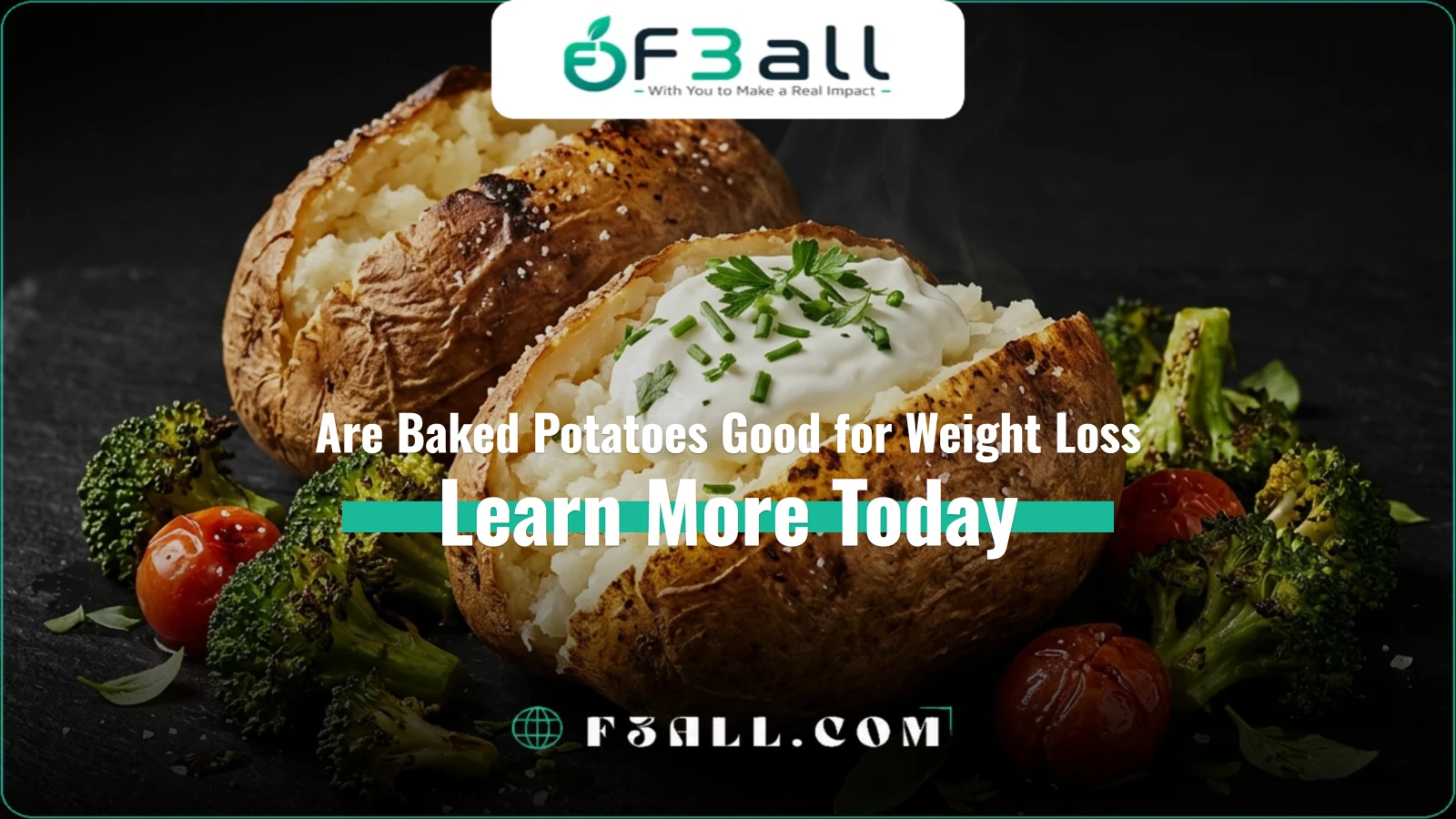
Are Baked Potatoes Good for Weight Loss? Yes, baked potatoes can be part of a healthy weight-loss diet when prepared without excessive added fats and served in appropriate portions. Despite their reputation as a carbohydrate-rich food, potatoes provide fiber, potassium, vitamin C, and satisfying carbohydrates. The key is understanding how preparation methods, toppings, serving sizes, and overall calorie intake influence their nutritional value and role in weight management.
This guide explores baked potato calories, nutritional benefits, ideal portions, healthy recipes, meal-planning strategies, belly-fat myths, and comparisons with other popular carbohydrate sources.
Are Baked Potatoes Good for Weight Loss?
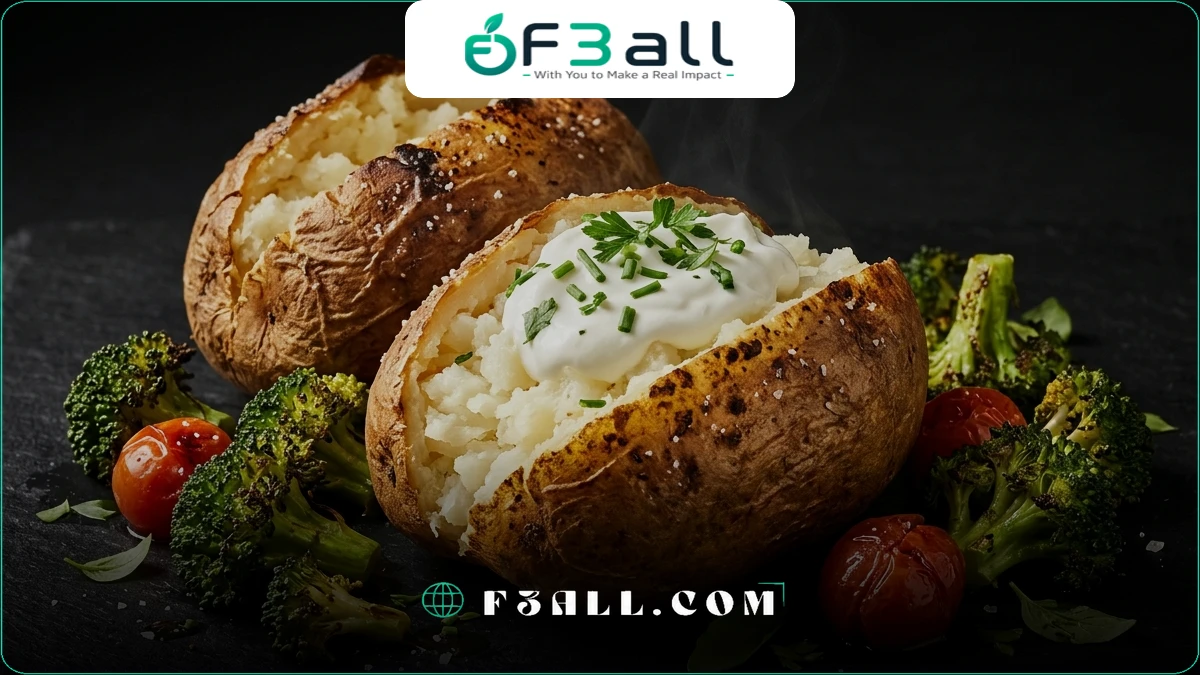
Baked potatoes can support a weight-management plan because they provide carbohydrates, essential nutrients, and dietary fiber while containing relatively little fat when prepared without oil or butter.
However, eating baked potatoes does not automatically cause weight loss.
Weight management depends on overall energy balance, dietary quality, physical activity, and individual health factors.
Why Baked Potatoes Can Fit a Weight-Loss Diet
Several characteristics make baked potatoes a practical food choice:
- Moderate calorie density: Plain baked potatoes provide fewer calories per gram than many fried or heavily processed potato dishes.
- Dietary fiber: Eating the skin adds fiber, which supports digestive health.
- Potassium: Potatoes provide this essential mineral.
- Vitamin C: Potatoes contribute vitamin C, although amounts vary with preparation and storage.
- Naturally low fat: Plain potatoes contain very little fat.
- Versatility: They can be paired with vegetables, lean protein, and other nutritious foods.
What Makes a Baked Potato Less Suitable for Weight Loss?
The potato itself is not necessarily the problem.
Large amounts of butter, cheese, sour cream, bacon, or oil can substantially increase the calorie content.
For example, a plain baked potato and a loaded baked potato may have very different nutritional profiles.
Plain vs Loaded Baked Potato
| Feature | Plain Baked Potato | Heavily Loaded Baked Potato |
| Main Ingredients | Potato | Potato plus several toppings |
| Fat Content | Naturally low | Often higher |
| Calories | Moderate | Can be substantially higher |
| Fiber | Present, especially with skin | Depends on toppings |
| Protein | Modest | May increase with toppings |
| Weight-Loss Suitability | Easy to incorporate | Depends on portions |
The Most Important Principle
A baked potato can be a useful carbohydrate source within a balanced meal.
Pairing it with vegetables and protein often produces a more nutritionally complete meal than eating the potato alone.
Baked potatoes can fit a weight-loss diet, but their overall contribution depends on portion size, preparation, toppings, and the rest of your eating pattern.
Baked Potatoes Calories for Weight Loss
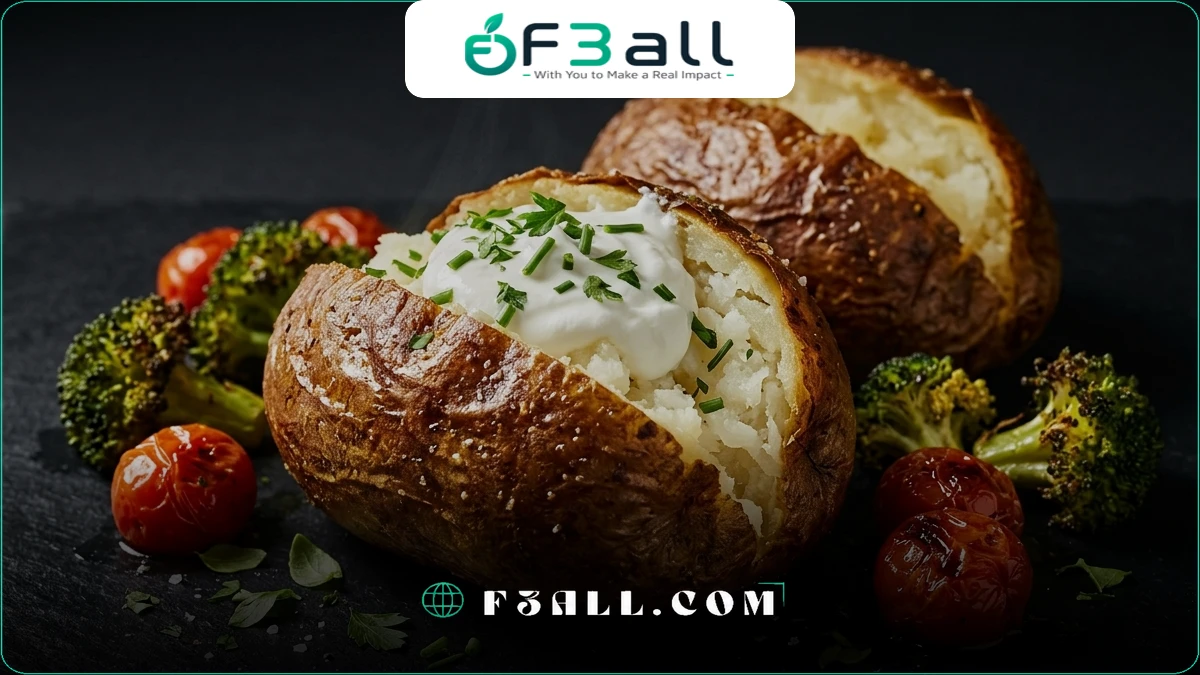
Understanding baked potato calories is important when planning meals.
The calorie content depends primarily on the potato’s size and any ingredients added during preparation.
Calories in Different Potato Sizes
The following values are approximate for plain baked potatoes with skin and no added oil.
| Potato Size | Approximate Cooked Weight | Estimated Calories |
| Small | 100 g | 90–100 |
| Medium | 160–175 g | 145–165 |
| Large | 250–300 g | 230–280 |
| Extra Large | 350 g | 320–340 |
Actual values vary by potato variety, moisture content, and cooking method.
Calories Per 100 Grams
A plain baked potato with skin provides approximately 90–95 calories per 100 grams.
This makes it relatively moderate in calorie density compared with many fried potato products.
How Toppings Change the Calories
| Topping | Example Portion | Approximate Added Calories |
| Butter | 1 tablespoon | 100 |
| Olive Oil | 1 tablespoon | 120 |
| Cheddar Cheese | 30 g | 120 |
| Plain Nonfat Greek Yogurt | 2 tablespoons | 20 |
| Sour Cream | 2 tablespoons | 60 |
| Salsa | 2 tablespoons | 10 |
| Steamed Broccoli | ½ cup | 15 |
| Cooked Black Beans | ½ cup | 110 |
These are typical estimates, not exact values for every brand.
Example Calorie Calculation
Consider a medium baked potato with the following toppings:
- Medium baked potato: 160 calories.
- Two tablespoons of plain Greek yogurt: 20 calories.
- Half a cup of steamed broccoli: 15 calories.
- Two tablespoons of salsa: 10 calories.
Estimated total: 205 calories.
This provides a different nutritional profile from a potato topped with large amounts of butter and cheese.
Are Large Baked Potatoes Too High in Calories?
Not necessarily.
A larger potato may fit into the daily energy needs of an active person or someone eating it as part of a substantial meal.
The appropriate serving depends on the individual.
Knowing the cooked weight and toppings is more useful than assuming every baked potato contains the same number of calories.
Baked Potatoes Nutrition for Weight Loss
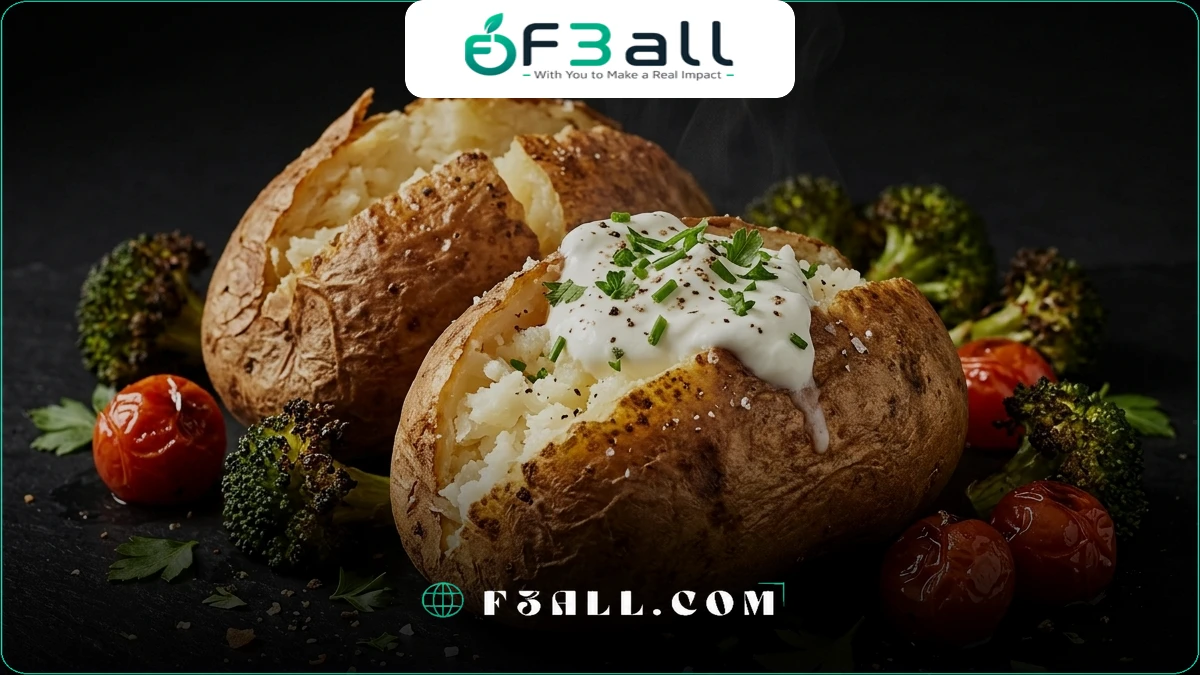
Baked potatoes provide more than carbohydrates.
They contain several nutrients that contribute to normal physiological function.
Nutrition Facts for a Medium Baked Potato
A medium baked potato with skin, weighing approximately 170 grams, provides roughly:
| Nutrient | Approximate Amount |
| Calories | 160 kcal |
| Carbohydrates | 36–37 g |
| Protein | 4 g |
| Fat | 0.2 g |
| Fiber | 3.5–4 g |
| Potassium | 900 mg |
| Vitamin C | Varies with preparation |
| Sodium | Very low without added salt |
Values are estimates based on typical food-composition data.
Carbohydrates
Potatoes are primarily a carbohydrate source.
Carbohydrates provide energy for daily activity and exercise.
They do not automatically cause weight gain.
Dietary Fiber
Potato skin contributes fiber.
Fiber supports digestive health and may contribute to fullness.
Potassium
Potassium plays an important role in nerve function, muscle contraction, and fluid balance.
People with kidney disease or those taking certain medications may need individualized potassium guidance.
Vitamin C
Potatoes contribute vitamin C, which supports normal immune function and collagen formation.
Vitamin C content varies depending on storage and cooking conditions.
Protein
A baked potato contains a modest amount of protein.
However, it is not a high-protein food.
Adding beans, Greek yogurt, cottage cheese, tofu, chicken, or another suitable protein source can create a more balanced meal.
Does Baking Destroy Nutrients?
Cooking changes the nutritional composition of foods.
Some heat-sensitive vitamins may decrease during cooking, while many minerals remain present.
Baking with the skin helps retain the edible skin and its fiber.
The nutritional value of baked potatoes makes them a useful food choice, particularly when combined with protein and vegetables.
Baked Potatoes Benefits for Weight Loss
The potential benefits of baked potatoes are primarily related to their nutrient content, versatility, and ability to form part of satisfying meals.
No individual food guarantees weight loss.
1. May Support Fullness
Potatoes have been studied for their effects on satiety.
Some research suggests that certain potato preparations can be highly filling compared with other carbohydrate-rich foods.
However, results from boiled potatoes should not automatically be applied to every baked potato recipe.
2. Naturally Low in Fat
Plain potatoes contain very little fat.
This makes it possible to control the amount of added fat during preparation.
3. Provide Dietary Fiber
Eating the skin contributes fiber to the meal.
4. Supply Energy for Physical Activity
Carbohydrates provide fuel for exercise and everyday movement.
5. Work With Protein-Rich Foods
A baked potato can be paired with chicken, fish, beans, tofu, or Greek yogurt.
6. Affordable and Accessible
Potatoes are widely available and generally inexpensive compared with many specialty diet foods.
7. Easy to Prepare
They require minimal ingredients and can be cooked in an oven, microwave, or air fryer.
Benefits Comparison
| Benefit | Why It Matters | Limitation |
| Fullness | May help create satisfying meals | Depends on the whole meal |
| Fiber | Supports digestive health | Amount varies with size and skin |
| Low Natural Fat | Allows control over added fats | Toppings can change this |
| Potassium | Supports normal body functions | Some people need potassium restrictions |
| Carbohydrates | Provide energy | Portions still matter |
| Convenience | Easy meal preparation | Food safety is important |
Can Baked Potatoes Help Reduce Snacking?
A satisfying meal may help some people manage hunger between meals.
However, the effect depends on the complete meal, individual appetite, and daily eating habits.
The greatest benefit of baked potatoes is their ability to provide affordable, nutritious carbohydrates within balanced meals.
Read more about: Apron Belly After Weight Loss | See Your Options Today.
Baked Potatoes Serving Size for Weight Loss
Choosing a suitable portion can help make baked potatoes fit into an individualized eating plan.
There is no universal serving size that guarantees weight loss.
Energy needs vary according to age, body size, activity, health status, and other factors.
Common Portion Examples
| Portion | Approximate Weight | Estimated Calories |
| Small Side Portion | 100 g | 90–100 |
| Medium Portion | 150 g | 135–145 |
| Standard Medium Potato | 170 g | 155–165 |
| Larger Meal Portion | 250 g | 225–240 |
How to Choose Your Portion
Consider the role of the potato in your meal.
If it is one of several carbohydrate sources, a smaller portion may be sufficient.
If it is the main carbohydrate source in a meal with vegetables and lean protein, a larger portion may be appropriate.
The Balanced Plate Approach
A practical meal might include:
- Approximately half the plate filled with non-starchy vegetables.
- Approximately one-quarter with protein-rich foods.
- Approximately one-quarter with a starchy food such as a baked potato.
This is a general meal-planning illustration, not a rigid requirement.
Example Balanced Plate
| Component | Food |
| Protein | Grilled chicken breast |
| Carbohydrate | Medium baked potato |
| Vegetables | Broccoli and carrots |
| Flavor | Herbs and plain yogurt |
Should You Weigh Potatoes Before or After Baking?
Both methods can work, but nutrition values must match the measurement method.
A potato loses water during cooking, so its cooked weight may differ from its raw weight.
Use food-composition information that corresponds to whether you measured it raw or cooked.
Does Eating Two Potatoes Cause Weight Gain?
Not automatically.
Two potatoes contribute more calories than one, but weight change depends on overall energy balance over time.
The most practical portion is one that contributes to a satisfying meal while fitting your overall nutritional needs.
Healthy Baked Potatoes Recipes for Weight Loss
Healthy baked potato recipes can be flavorful without relying on excessive butter, oil, or high-calorie toppings.
The following recipes combine potatoes with ingredients that improve nutritional balance.
Calorie values are estimates and vary with brands and exact measurements.
Recipe 1 – Greek Yogurt and Broccoli Baked Potato
Ingredients
- 1 medium baked potato, approximately 170 g.
- ½ cup steamed broccoli.
- 2 tablespoons plain nonfat Greek yogurt.
- Chopped chives.
- Black pepper.
Instructions
- Bake the potato until tender.
- Steam the broccoli.
- Cut the potato open.
- Add broccoli and Greek yogurt.
- Sprinkle with chives and pepper.
Estimated calories: 195–220 kcal.
Why It Works: Broccoli adds vegetables, while Greek yogurt contributes some protein.
Recipe 2 – Chicken-Stuffed Baked Potato
Ingredients
- 1 medium baked potato.
- 90 g cooked skinless chicken breast.
- 2 tablespoons salsa.
- ¼ cup diced bell peppers.
- Fresh parsley.
Instructions
- Bake the potato until fully cooked.
- Cook the chicken thoroughly.
- Dice the chicken into small pieces.
- Split the potato.
- Add chicken, peppers, and salsa.
- Garnish with parsley.
Estimated calories: 320–360 kcal.
Why It Works: Chicken adds substantial protein, making this more suitable as a complete meal.
Recipe 3 – Black Bean and Salsa Baked Potato
Ingredients
- 1 medium baked potato.
- ½ cup cooked black beans.
- 2 tablespoons salsa.
- ¼ cup diced tomatoes.
- Fresh cilantro.
Instructions
- Bake the potato.
- Warm the beans.
- Cut the potato open.
- Add beans and tomatoes.
- Finish with salsa and cilantro.
Estimated calories: 290–330 kcal.
Why It Works: Black beans contribute plant protein and fiber.
Recipe 4 – Cottage Cheese Baked Potato
Ingredients
- 1 medium baked potato.
- ½ cup low-fat cottage cheese.
- ¼ cup chopped cucumber.
- Fresh dill.
- Black pepper.
Instructions
- Bake the potato until tender.
- Mix cottage cheese with cucumber and dill.
- Split the potato.
- Add the cottage cheese mixture.
- Serve warm.
Estimated calories: 250–300 kcal.
Why It Works: Cottage cheese adds protein without requiring large quantities of butter or cheese sauce.
Recipe 5 – Mediterranean Baked Potato
Ingredients
- 1 medium baked potato.
- ¼ cup cooked chickpeas.
- ½ cup chopped tomatoes and cucumber.
- 1 tablespoon plain Greek yogurt.
- Lemon zest.
- Parsley.
Instructions
- Bake the potato.
- Combine chickpeas and vegetables.
- Split the potato.
- Add the chickpea mixture.
- Finish with yogurt, lemon zest, and parsley.
Estimated calories: 260–300 kcal.
Why It Works: Chickpeas and vegetables provide fiber and nutritional variety.
Healthy Recipe Comparison
| Recipe | Estimated Calories | Main Nutritional Feature |
| Greek Yogurt and Broccoli | 195–220 | Vegetables and moderate protein |
| Chicken-Stuffed | 320–360 | Higher protein |
| Black Bean and Salsa | 290–330 | Plant protein and fiber |
| Cottage Cheese | 250–300 | Protein |
| Mediterranean Chickpea | 260–300 | Fiber and vegetables |
Recipe Preparation Tips
- Keep the potato skin when suitable.
- Use measured quantities of calorie-dense toppings.
- Add vegetables for volume and nutrients.
- Choose protein-rich ingredients.
- Season with herbs and spices.
- Avoid relying on heavy sauces for flavor.
A baked potato becomes a more complete meal when its toppings provide protein, vegetables, and complementary nutrients.
Baked Potatoes Diet Plan for Weight Loss
A Baked Potatoes Diet Plan does not need to involve eating potatoes at every meal.
A more practical approach includes baked potatoes several times during the week alongside a variety of nutritious foods.
The following plan uses potatoes as one carbohydrate option rather than the foundation of a restrictive diet.
Seven-Day Meal Plan
| Day | Breakfast | Lunch | Dinner |
| Monday | Greek yogurt, berries, oats | Chicken-stuffed baked potato | Baked fish with vegetables |
| Tuesday | Eggs and whole-grain toast | Lentil and vegetable soup | Turkey with roasted vegetables |
| Wednesday | Cottage cheese and fruit | Black bean baked potato | Grilled chicken and salad |
| Thursday | Oatmeal with nuts | Tuna and vegetable wrap | Salmon with a medium baked potato |
| Friday | Plain yogurt and banana | Chickpea salad | Chicken with brown rice and broccoli |
| Saturday | Eggs with spinach | Cottage cheese baked potato | Tofu stir-fry |
| Sunday | Overnight oats | Mediterranean baked potato | Fish with vegetables and quinoa |
Why This Plan Includes Other Carbohydrates
Dietary variety helps provide different nutrients and makes meal planning more flexible.
Whole grains, legumes, fruit, and potatoes can all fit into a balanced diet.
Are Potatoes Required Every Day?
No.
There is no evidence that eating baked potatoes daily produces superior weight-loss results.
Can You Eat Potatoes for Dinner?
Yes.
Eating carbohydrates in the evening does not automatically cause weight gain.
What About Snacks?
Suitable snacks may include:
- Whole fruit.
- Plain yogurt.
- Nuts in appropriate portions.
- Cottage cheese.
- Vegetables with hummus.
Meal Planning Priorities
| Priority | Practical Approach |
| Protein | Include a source at meals |
| Vegetables | Eat a variety daily |
| Carbohydrates | Choose suitable portions |
| Fiber | Include vegetables, legumes, and whole grains |
| Healthy Fats | Use appropriate amounts |
| Hydration | Drink sufficient fluids |
| Flexibility | Rotate foods throughout the week |
A useful baked potato diet plan is balanced, flexible, and nutritionally adequate rather than centered on one food.
Are Baked Potatoes Good for Belly Fat Loss?
Baked Potatoes for Belly Fat is a common search topic because many people associate carbohydrates with abdominal weight gain.
However, baked potatoes do not specifically burn or increase belly fat independently of overall dietary intake.
Understanding Abdominal Fat
Abdominal fat includes subcutaneous fat beneath the skin and visceral fat surrounding internal organs.
Body-fat distribution is influenced by genetics, hormones, age, and other factors.
Do Potatoes Cause Belly Fat?
No single food automatically causes abdominal fat accumulation.
Consistently consuming more energy than the body expends can contribute to weight gain over time.
Can Potatoes Help Reduce Belly Fat?
Potatoes may fit into a calorie-controlled eating pattern that supports overall fat loss.
However, they do not target abdominal fat directly.
Belly-Fat Claims Comparison
| Claim | Evidence-Based Explanation |
| Baked Potatoes Burn Belly Fat | Not supported |
| Carbohydrates Automatically Cause Belly Fat | Incorrect |
| Portion Size Matters | Yes |
| Overall Energy Balance Matters | Yes |
| Exercise Supports Body Composition | Yes |
| One Food Targets Abdominal Fat | Not established |
What Helps With Overall Fat Reduction?
- Appropriate calorie intake.
- Balanced nutrition.
- Regular aerobic exercise.
- Resistance training.
- Adequate sleep.
- Sustainable habits.
Should You Avoid Potatoes to Lose Belly Fat?
Not necessarily.
Avoiding potatoes is not required for abdominal fat reduction.
Baked potatoes can be part of a healthy eating pattern, but changes in belly fat depend on broader lifestyle and physiological factors.
Read more about: 20 LB Weight Loss Before and After | See Results Today!
Baked Potatoes vs Alternatives for Weight Loss
Comparing baked potatoes with other carbohydrate-rich foods can help clarify their nutritional role.
The best choice depends on the complete meal, portion size, and individual dietary needs.
Baked Potatoes vs White Rice
Both provide carbohydrates.
Baked potatoes with skin provide fiber, potassium, and vitamin C, while white rice has a different nutrient profile.
Baked Potatoes vs Brown Rice
Brown rice contains fiber and certain minerals.
Baked potatoes provide potassium and vitamin C.
Baked Potatoes vs Sweet Potatoes
Both can be nutritious.
Sweet potatoes are especially known for their beta-carotene content, while white potatoes provide potassium and other nutrients.
Baked Potatoes vs French Fries
French fries typically contain more fat and calories per 100 grams because of added oil.
Baked Potatoes vs Pasta
Pasta provides carbohydrates and may contain more protein per 100 grams, depending on the type.
Whole-grain pasta also contributes fiber.
Nutritional Comparison Per 100 Grams
Approximate values for commonly prepared foods:
| Food | Calories | Carbohydrates | Fiber |
| Baked Potato With Skin | 93 | 21 g | 2.2 g |
| Cooked White Rice | 130 | 28 g | 0.4 g |
| Cooked Brown Rice | 123 | 26 g | 1.6 g |
| Baked Sweet Potato | 90 | 21 g | 3.3 g |
| Cooked Pasta | 155 | 31 g | 1.8 g |
| French Fries | 300–320 | 40–42 g | 3–4 g |
Actual nutrition varies with variety, preparation, and added ingredients.
Which Option Is Lowest in Calories?
Per 100 grams, plain baked potatoes are generally lower in calories than cooked rice, cooked pasta, and French fries.
However, comparing equal weights does not necessarily mean the foods provide equal satiety or nutritional value.
Which Is Best for Weight Loss?
There is no universally superior carbohydrate source.
Different foods can fit into a healthy eating plan.
Baked potatoes are a competitive carbohydrate option because they offer useful nutrients with relatively moderate calories when prepared simply.
Baked Potatoes vs Boiled Potatoes for Weight Loss
Baking and boiling are both common methods of preparing potatoes without requiring substantial added fat.
The main differences involve moisture content, texture, and cooking conditions.
Baked Potatoes
Baking removes some moisture and produces a drier texture.
The skin may become crisp.
Boiled Potatoes
Boiling generally retains more water.
Boiled potatoes have been studied in relation to satiety, although findings should not be interpreted as a guarantee of weight loss.
Comparison
| Feature | Baked Potatoes | Boiled Potatoes |
| Cooking Method | Dry heat | Water |
| Added Oil Required | No | No |
| Texture | Fluffy interior | Moist |
| Skin | Can remain edible | Can remain edible |
| Calorie Density | Affected by moisture loss | Often lower per cooked gram |
| Weight-Loss Suitability | Can fit | Can fit |
Does Baking Add Calories?
Baking itself does not add calories.
However, moisture loss can increase the number of calories per 100 grams of the finished food.
Adding oil or butter increases total calories.
Which Preparation Is Better?
Both can be suitable.
Choose the preparation you enjoy and consider what you add to the potato.
Preparation methods matter, but toppings and overall portion sizes often make a greater practical difference.
Baked Potatoes vs Sweet Potatoes for Weight Loss
White potatoes and sweet potatoes are often compared in weight-loss discussions.
Both can be nutritious, and neither is automatically better for fat loss.
White Potato Nutrition
White potatoes provide:
- Carbohydrates.
- Potassium.
- Vitamin C.
- Dietary fiber when eaten with skin.
Sweet Potato Nutrition
Sweet potatoes provide:
- Carbohydrates.
- Fiber.
- Potassium.
- Beta-carotene, especially in orange-fleshed varieties.
Side-by-Side Comparison
| Feature | White Baked Potato | Baked Sweet Potato |
| Calories | Similar | Similar |
| Carbohydrates | Present | Present |
| Fiber | Present | Present |
| Potassium | Good source | Contains potassium |
| Beta-Carotene | Generally low | High in orange varieties |
| Weight-Loss Advantage | No proven superiority | No proven superiority |
Does Sweet Potato Have Less Sugar?
Sweet potatoes generally have a sweeter taste and may contain more naturally occurring sugars.
However, sugar content alone does not determine whether a food is suitable for weight loss.
Can You Alternate Between Both?
Yes.
Alternating between white and sweet potatoes provides dietary variety.
Both white potatoes and sweet potatoes can be included in a balanced weight-management plan.
Best Time to Eat Baked Potatoes for Weight Loss
Baked Potatoes Best Time to Eat is a common question because some diets recommend avoiding carbohydrates after a particular hour.
However, there is no established universal time when eating baked potatoes produces greater fat loss.
Eating Baked Potatoes at Lunch
A baked potato can provide carbohydrates for an afternoon meal.
Pair it with protein and vegetables.
Eating Baked Potatoes at Dinner
Potatoes can fit into an evening meal.
The timing alone does not determine weight gain.
Eating Potatoes Before Exercise
Carbohydrate-rich foods may contribute energy for physical activity.
Meal timing should consider personal digestion and exercise intensity.
Eating Potatoes After Exercise
Potatoes can provide carbohydrates that help replenish glycogen stores.
Including protein supports recovery and muscle maintenance.
Timing Comparison
| Time | Potential Use | Main Consideration |
| Breakfast | Carbohydrate source | Combine with protein |
| Lunch | Balanced meal | Include vegetables |
| Dinner | Regular meal | Overall intake matters |
| Before Exercise | Energy | Digestive comfort |
| After Exercise | Carbohydrate replenishment | Add protein |
Do Potatoes at Night Cause Weight Gain?
Not automatically.
Long-term energy balance matters more than the clock time of one food.
Is Eating Potatoes on an Empty Stomach Better?
There is no established weight-loss advantage.
Eat baked potatoes when they fit your meals, activity schedule, and personal preferences.
Can People With Diabetes Eat Baked Potatoes?
People with diabetes can sometimes include potatoes in an individualized eating plan, but portion size and carbohydrate content are important.
Potatoes contain starch that is digested into glucose.
The effect on blood glucose varies with the amount eaten, preparation, and the rest of the meal.
Factors Affecting Blood Glucose Response
- Potato variety.
- Portion size.
- Cooking method.
- Cooling and reheating.
- Protein and fat eaten alongside the potato.
- Individual glucose regulation.
Does Cooling Potatoes Reduce Their Glycemic Effect?
Cooling cooked potatoes can increase some resistant starch through starch retrogradation.
However, the extent of the effect varies, and cooling does not eliminate their carbohydrate content.
Balanced Potato Meal Example
A person might combine:
- A measured portion of baked potato.
- Grilled chicken or tofu.
- Non-starchy vegetables.
- A suitable amount of healthy fat.
Diabetes Meal Planning Considerations
| Factor | Practical Consideration |
| Carbohydrate Quantity | Count the potato portion |
| Protein | Include an appropriate source |
| Vegetables | Add non-starchy vegetables |
| Blood Glucose | Follow individualized monitoring advice |
| Medication | Consider treatment-related needs |
| Meal Timing | Follow personal care plan |
Should People With Diabetes Avoid Potatoes Completely?
Not necessarily.
A registered dietitian or diabetes care professional can help determine appropriate portions.
For diabetes management, the total carbohydrate amount and individual glucose response are more important than labeling potatoes as universally good or bad.
Read more about: Mounjaro Weight Loss Before and After | See Results
Baked Potatoes Weight Loss Results
People searching for Baked Potatoes Weight Loss Results often want to know whether adding potatoes to their diet can produce measurable weight reduction.
There is no reliable amount of weight loss attributable to eating baked potatoes alone.
What Results Are Realistic?
A person may experience benefits from:
- Replacing fried potatoes with baked potatoes.
- Using measured portions.
- Reducing calorie-dense toppings.
- Adding vegetables to meals.
- Choosing balanced meals with adequate protein.
- Improving overall dietary consistency.
Example of a Food Substitution
Suppose a person replaces a 450-calorie portion of fries with a 160-calorie baked potato.
The difference is approximately 290 calories.
If the substitution reduces overall calorie intake without being offset by other foods, it may contribute to an energy deficit.
However, the result depends on the rest of the diet.
Results Comparison
| Claim | Evidence-Based Interpretation |
| Baked Potatoes Automatically Cause Weight Loss | No |
| Replacing Fries May Reduce Calories | Possible |
| Potatoes Can Be Filling | Yes, depending on preparation |
| Potatoes Target Belly Fat | No |
| Balanced Meals Support Nutrition | Yes |
| Weight Loss Depends on Overall Energy Balance | Yes |
How Long Does Weight Loss Take?
Weight change depends on many factors.
For many adults who would benefit from losing weight, a gradual rate of approximately one to two pounds per week is commonly recommended.
This is not an appropriate target for everyone, and results vary.
How to Evaluate Progress
Useful measures may include:
- Dietary consistency.
- Overall energy intake.
- Physical activity.
- Strength and fitness.
- Weight trends over time, when appropriate.
- Relevant health markers.
Baked potatoes can contribute to a sustainable eating plan, but they are not a stand-alone weight-loss treatment.
Common Mistakes When Eating Baked Potatoes for Weight Loss
Several common habits can make baked potato meals less balanced or more calorie-dense than intended.
Mistake 1 – Adding Excess Butter
Butter can substantially increase the calorie content.
Better Approach: Measure butter or use alternative toppings such as plain Greek yogurt.
Mistake 2 – Using Too Much Cheese
Cheese contributes protein and calcium but can add substantial calories.
Better Approach: Use a measured portion.
Mistake 3 – Eating Only Potatoes
A potato-only meal may provide insufficient protein and other nutrients.
Better Approach: Include a protein source and vegetables.
Mistake 4 – Ignoring Portion Size
Very large potatoes contain more calories than smaller ones.
Better Approach: Consider the potato’s cooked weight.
Mistake 5 – Removing the Skin Automatically
Removing the skin reduces some dietary fiber.
Better Approach: Keep the skin when appropriate and wash the potato thoroughly.
Mistake 6 – Assuming Potatoes Burn Fat
Potatoes do not have a special fat-burning effect.
Better Approach: Focus on the overall diet.
Mistake 7 – Improper Food Storage
Cooked potatoes can become unsafe when stored improperly.
Better Approach: Refrigerate promptly and follow food-safety guidance.
Mistake Summary
| Mistake | Better Strategy |
| Excess Butter | Measure toppings |
| Too Much Cheese | Use appropriate portions |
| Potato-Only Meals | Add protein and vegetables |
| Oversized Portions | Consider cooked weight |
| Removing Skin | Keep it when suitable |
| Fat-Burning Expectations | Focus on energy balance |
| Poor Storage | Refrigerate safely |
Avoiding these mistakes can make baked potato meals more nutritious and practical for everyday eating.
How to Meal Prep Baked Potatoes for Weight Loss
Baked potatoes can be prepared in advance for convenient lunches and dinners.
Proper storage is important because cooked potatoes are perishable.
Step 1 – Wash the Potatoes
Scrub the skin under running water.
Step 2 – Bake Thoroughly
Cook until the interior is tender.
Step 3 – Cool Safely
Do not leave cooked potatoes at room temperature for extended periods.
Step 4 – Refrigerate Promptly
Store cooked potatoes in suitable containers in the refrigerator.
If baked in aluminum foil, remove or loosen the foil before cooling and refrigeration to reduce food-safety concerns.
Step 5 – Store Toppings Separately
Keep yogurt, cooked meat, beans, and vegetables in appropriate containers.
Step 6 – Reheat Properly
Reheat until thoroughly hot and follow relevant food-safety guidance.
Example Meal Prep Schedule
| Day | Preparation |
| Sunday | Bake potatoes for early-week meals |
| Monday | Chicken-stuffed potato |
| Tuesday | Broccoli and yogurt potato |
| Wednesday | Prepare another batch |
| Thursday | Black bean potato |
| Friday | Cottage cheese potato |
| Weekend | Prepare fresh as needed |
How Long Do Cooked Potatoes Last?
Properly refrigerated cooked leftovers are generally best used within three to four days.
Store at 40°F (4°C) or below.
Can You Freeze Baked Potatoes?
Yes, but freezing and thawing may affect texture.
Freezing portions without dairy-based toppings often works better.
Best Meal Prep Toppings
- Cooked chicken.
- Black beans.
- Steamed broccoli.
- Plain Greek yogurt.
- Cottage cheese.
- Salsa.
- Chopped herbs.
Preparing potatoes and toppings separately makes it easier to control portions and assemble balanced meals throughout the week.
Why F3all Is Your Best Choice
At F3all, the guide to Are Baked Potatoes Good for Weight Loss focuses on practical nutrition information, realistic calorie estimates, and balanced meal ideas.
The goal is to help readers make informed dietary choices without unnecessarily eliminating nutritious foods.
- Clear Nutrition Facts: Understand potato calories, carbohydrates, fiber, and essential nutrients.
- Portion Guidance: Learn how serving size affects calorie intake.
- Healthy Recipes: Discover easy baked potato meal ideas.
- Food Comparisons: Compare potatoes with rice, pasta, sweet potatoes, and fries.
- Meal Planning: Explore a practical seven-day eating schedule.
- Weight-Loss Expectations: Understand realistic results without exaggerated claims.
- Meal Prep Tips: Prepare and store potatoes safely.
- Balanced Eating Advice: Combine carbohydrates with protein, vegetables, and healthy fats.
Explore more nutrition, healthy eating, and weight-management resources through F3all.
F3all helps readers build practical eating habits through clear, evidence-based nutrition guidance.
Frequently Asked Questions
Are Baked Potatoes Good for Weight Loss?
Yes. Plain baked potatoes can fit into a weight-loss diet because they provide carbohydrates, fiber, potassium, and relatively moderate calories. Portion sizes and toppings are important.
How Many Calories Are in a Baked Potato?
A medium baked potato with skin contains approximately 150–165 calories, depending on its size and cooked weight.
Can I Eat Baked Potatoes Every Day and Lose Weight?
You can include baked potatoes regularly in a balanced diet. However, eating them daily does not guarantee weight loss, and dietary variety remains important.
Are Baked Potatoes Better Than Rice for Weight Loss?
Plain baked potatoes generally contain fewer calories per 100 grams than cooked white rice, but both can fit into a balanced eating plan.
Do Baked Potatoes Cause Belly Fat?
No single food automatically causes belly-fat gain. Overall energy intake and other lifestyle factors are more important.
What Is the Best Baked Potato Serving Size for Weight Loss?
There is no universal ideal serving. A medium potato of approximately 150–175 grams may be a practical starting point, but individual needs vary.
Are Baked Potatoes Better Than French Fries?
Plain baked potatoes generally contain less fat and fewer calories than French fries because they do not require added frying oil.
Can I Eat Baked Potatoes at Night?
Yes. Eating baked potatoes at night does not automatically cause weight gain. Overall energy balance matters more than meal timing.
What Are the Healthiest Toppings for Baked Potatoes?
Useful options include plain Greek yogurt, broccoli, beans, salsa, cottage cheese, lean chicken, and fresh herbs.
Are Sweet Potatoes Better Than White Potatoes for Weight Loss?
Neither is universally better. Both provide useful nutrients and can fit into a balanced diet. Portion size, preparation, and overall dietary intake are more important.
In the End
Are Baked Potatoes Good for Weight Loss? Yes, they can be a nutritious and satisfying carbohydrate source when prepared simply and eaten in suitable portions.
A medium baked potato provides approximately 150–165 calories, along with carbohydrates, dietary fiber, potassium, and other nutrients.
The biggest differences often come from toppings and meal composition rather than the potato itself.
Pairing baked potatoes with lean protein, vegetables, and measured amounts of healthy fats can help create balanced meals that support long-term dietary goals.
There is no need to eliminate potatoes solely because they contain carbohydrates, and there is no evidence that they directly burn belly fat.
Enjoy baked potatoes as part of a varied, balanced eating plan, choose toppings thoughtfully, and focus on sustainable habits rather than restrictive food rules.
References