Best Fiber Supplement Weight Loss | Explore Top Picks
Choosing the Best Fiber Supplement Weight Loss option involves understanding how different types of dietary fiber affect fullness, digestion, and appetite. Psyllium husk, glucomannan, inulin, and methylcellulose are commonly discussed, but they differ significantly in their properties, research evidence, and tolerability. Some fiber supplements may modestly support weight management when combined with balanced nutrition, while others are more useful for digestive regularity. No supplement guarantees fat loss, and the appropriate choice depends on individual health needs, product quality, dosage, and safety.
This guide compares popular fiber supplements, examines clinical studies, explains realistic weight-loss results, and provides practical information about dosage, timing, side effects, product selection, and safer long-term strategies.
Best Fiber Supplement Weight Loss – Which Types Are Worth Considering?
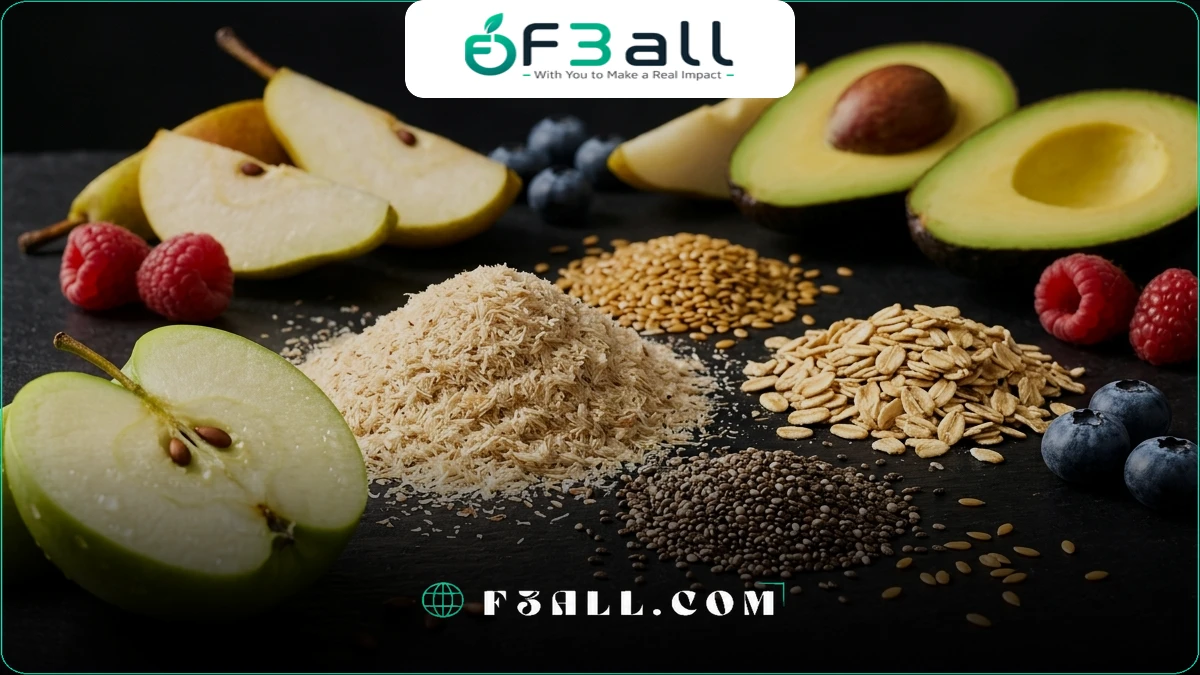
Fiber supplements contain isolated or concentrated forms of dietary fiber.
They are commonly available as powders, capsules, tablets, gummies, and chewable products.
Different fibers behave differently in the digestive tract.
Some absorb water and form a gel, while others are fermented by intestinal bacteria.
These differences influence their effects on fullness, bowel movements, cholesterol, and digestive comfort.
Top Fiber Supplements Compared
| Fiber Type | Main Property | Potential Benefit | Weight-Loss Evidence |
| Psyllium Husk | Viscous, gel-forming fiber | Fullness, regularity, cholesterol support | Some supportive evidence |
| Glucomannan | Highly viscous soluble fiber | Fullness and digestive effects | Mixed findings |
| Inulin | Fermentable prebiotic fiber | Supports gut bacteria | Limited and mixed |
| Methylcellulose | Bulk-forming, minimally fermented fiber | Bowel regularity | Limited direct evidence |
| Wheat Dextrin | Soluble fiber | Increases fiber intake | Limited direct evidence |
| Partially Hydrolyzed Guar Gum | Soluble, fermentable fiber | Digestive support | Limited direct evidence |
| Acacia Fiber | Soluble, fermentable fiber | Fiber intake and gut health | Limited direct evidence |
Best Overall Option to Investigate – Psyllium Husk
Psyllium is one of the most extensively studied fiber supplements.
It absorbs water and forms a viscous gel.
Research supports certain digestive and cholesterol-related benefits, while weight-management findings suggest possible modest benefits rather than dramatic results.
Best Known for High Viscosity – Glucomannan
Glucomannan comes from the konjac plant.
It absorbs substantial amounts of water.
However, clinical weight-loss findings are inconsistent, and products require careful attention to choking and obstruction risks.
Best for Prebiotic Fiber – Inulin
Inulin is fermented by intestinal bacteria.
It may influence gut microbiota composition, but it is not an established stand-alone weight-loss treatment.
Best for Some People Sensitive to Fermentation – Methylcellulose
Methylcellulose is generally less fermentable than inulin.
It may be useful for bowel regularity, although individual responses vary.
Best for Gentle Fiber Supplementation – Partially Hydrolyzed Guar Gum
This form of guar gum is soluble and commonly used to increase fiber intake.
Its direct weight-loss benefits remain uncertain.
Psyllium is a reasonable first option to discuss with a healthcare professional when weight management and digestive health are both priorities, but no fiber supplement is universally best.
How Fiber Supplements May Support Weight Loss
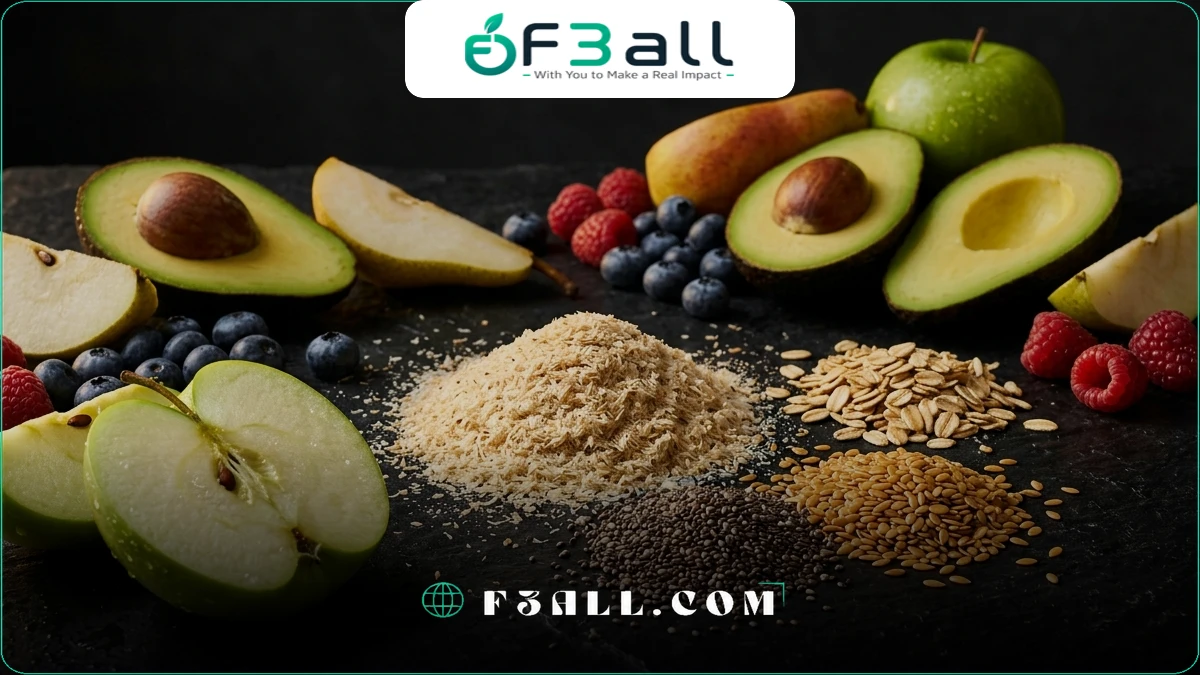
Fiber supplements do not directly dissolve body fat.
Their possible contribution to weight management is mainly related to appetite, meal satisfaction, digestive processes, and overall energy intake.
1. Increased Fullness
Certain soluble fibers absorb water and become viscous.
This may contribute to a feeling of fullness.
However, not all fibers have the same effect.
2. Changes in Gastric Emptying
Some viscous fibers can slow the movement of food from the stomach into the small intestine.
The effect depends on the fiber type, amount, and meal composition.
3. Effects on Appetite
Some studies suggest that particular fibers may influence appetite ratings or subsequent food intake.
Results are not consistent across all supplements.
4. Improved Dietary Fiber Intake
Many adults consume less fiber than recommended.
Supplements can help fill specific gaps, although whole foods should remain the foundation of fiber intake.
5. Digestive Regularity
Some fiber supplements help maintain normal bowel movements.
However, changes in bowel movements should not be confused with loss of body fat.
6. Potential Metabolic Benefits
Certain soluble fibers have demonstrated benefits for cholesterol management and, in some contexts, post-meal glucose responses.
These benefits are distinct from weight reduction.
Mechanisms Compared
| Mechanism | Possible Effect | Important Limitation |
| Water Absorption | Increases fiber volume | Requires adequate fluid |
| Gel Formation | May support fullness | Varies by fiber |
| Slower Gastric Emptying | May influence appetite | Not universal |
| Fermentation | Supports gut microbial activity | Can cause gas |
| Bowel Regularity | Improves stool consistency | Not fat loss |
| Reduced Food Intake | Possible in some studies | Not guaranteed |
Do Fiber Supplements Burn Belly Fat?
No fiber supplement has been established as a product that selectively burns abdominal fat.
Any reduction in abdominal fat would generally occur through broader changes in body composition.
Can Fiber Supplements Replace a Healthy Diet?
No.
Fiber supplements do not provide the full combination of vitamins, minerals, protein, and other nutrients found in balanced meals.
Fiber supplements may provide modest support for weight management, but their effects depend on the type of fiber and the overall eating pattern.
Psyllium Husk vs Glucomannan vs Inulin – Detailed Comparison
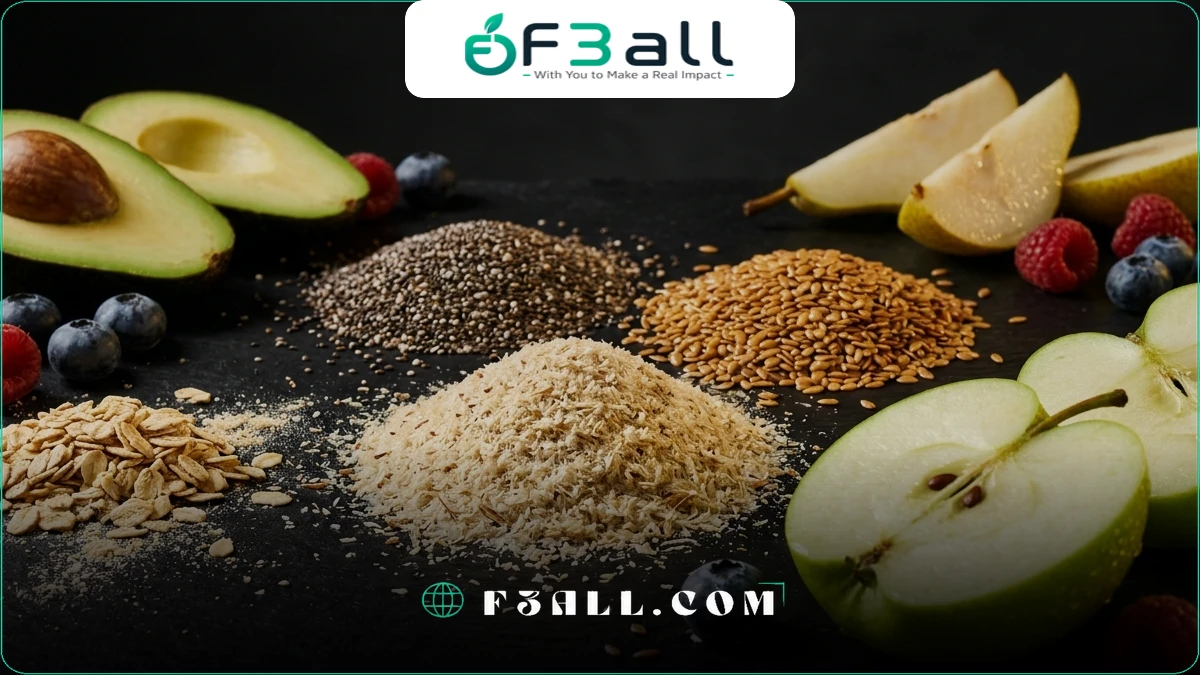
These three fibers are frequently promoted for weight management, yet their properties and research evidence differ.
Understanding the differences can help prevent unrealistic expectations.
Psyllium Husk
Psyllium is derived from the husks of Plantago ovata seeds.
It is a soluble, gel-forming fiber.
Potential uses include:
- Supporting bowel regularity.
- Increasing dietary fiber intake.
- Helping lower cholesterol in appropriate contexts.
- Potentially improving meal satisfaction.
Weight-loss research suggests possible modest effects, but study results vary.
Glucomannan
Glucomannan is a water-soluble fiber extracted from konjac.
Its high viscosity has led to research into appetite and body weight.
However, evidence for meaningful weight loss is inconsistent.
Products that swell rapidly can present choking or obstruction risks if used incorrectly.
Inulin
Inulin is a fermentable carbohydrate found naturally in foods such as chicory root, onions, and certain vegetables.
It is frequently used as a prebiotic ingredient.
Some studies investigate its effects on gut microbiota, appetite, and metabolic health.
However, weight-loss outcomes remain uncertain.
Direct Comparison
| Feature | Psyllium | Glucomannan | Inulin |
| Main Source | Plantago ovata | Konjac root | Chicory and other plants |
| Solubility | Soluble | Soluble | Soluble |
| Gel Formation | Strong | Very strong | Limited |
| Fermentation | Relatively limited | Varies | High |
| Digestive Regularity | Established use | Possible benefit | Depends on tolerance |
| Weight-Loss Evidence | Some supportive studies | Mixed | Limited and mixed |
| Common Concern | Bloating, obstruction if improperly taken | Choking and obstruction | Gas and bloating |
| Main Consideration | Water and medication timing | Swelling and safe administration | Digestive tolerance |
Which Has the Strongest Weight-Loss Evidence?
There is no definitive winner across all populations and study designs.
Psyllium has a relatively substantial research base and may offer modest weight-related benefits.
Glucomannan results have been inconsistent.
Inulin research is more focused on fermentation and gut health.
Which Is Easier to Tolerate?
Tolerance is highly individual.
Some people experience more gas with fermentable fibers such as inulin.
Others may find gel-forming fibers uncomfortable.
Choose fiber according to evidence, digestive tolerance, medical conditions, and product instructions rather than marketing claims about rapid weight loss.
Best Fiber Supplement Weight Loss Studies – What Research Shows
Best Fiber Supplement Weight Loss Studies are essential for separating marketing claims from clinically meaningful results.
Research has examined isolated fibers, fiber-rich diets, and combinations of dietary interventions.
However, these should not be treated as equivalent.
Research on Psyllium
Some randomized trials and meta-analyses suggest that psyllium supplementation may be associated with modest reductions in body weight or waist circumference in certain populations.
Results depend on study duration, baseline weight, fiber amount, and other factors.
Not every trial demonstrates a meaningful effect.
Research on Glucomannan
Glucomannan has been studied as an appetite and weight-management supplement.
Some earlier studies suggested benefits, but other controlled trials and systematic reviews found little or no meaningful weight reduction.
Research on Inulin
Inulin and inulin-type fructans have been investigated for effects on gut microbiota and metabolic health.
Some trials report changes in appetite-related outcomes or body measurements.
However, findings are inconsistent and do not establish a reliable stand-alone weight-loss treatment.
Research on Dietary Fiber Overall
Higher dietary fiber intake is associated with several favorable health outcomes.
However, evidence from whole-food dietary patterns should not automatically be applied to every isolated fiber supplement.
Evidence Comparison
| Research Topic | General Findings | Main Limitation |
| Psyllium and Body Weight | Possible modest benefit | Heterogeneous studies |
| Glucomannan and Body Weight | Mixed or limited effects | Inconsistent results |
| Inulin and Body Weight | Uncertain | Often small studies |
| Fiber and Satiety | Some supportive evidence | Depends on fiber type |
| Fiber and Cholesterol | Established benefits for certain fibers | Not equivalent to weight loss |
| Fiber and Gut Microbiota | Effects vary by fermentability | Clinical outcomes vary |
| Fiber and Belly Fat | No proven targeted effect | Limited direct evidence |
What Makes a Weight-Loss Study Reliable?
Useful features include:
- Randomized assignment.
- An appropriate comparison group.
- Adequate sample size.
- Sufficient study duration.
- Objective weight measurements.
- Monitoring of side effects.
- Transparent reporting of other dietary changes.
Why Study Duration Matters
A short-term change in appetite does not necessarily translate into long-term weight reduction.
Sustainable results require outcomes measured over longer periods.
Can Research Results Be Applied to Everyone?
Not necessarily.
Studies may involve specific populations, such as adults with overweight, obesity, diabetes, or elevated cholesterol.
Results may not apply equally to every person.
Scientific evidence suggests that certain fibers may provide modest weight-management benefits, but no supplement consistently produces large or guaranteed weight loss.
Read more about: Best Cottage Cheese for Weight Loss | Compare Top Picks
Best Fiber Supplement Weight Loss Benefits
Best Fiber Supplement Weight Loss Benefits extend beyond potential changes in body weight.
Different fibers may support digestive function, cholesterol management, and dietary fiber intake.
However, benefits should be matched to the specific supplement.
Potential Benefit 1 – Better Bowel Regularity
Bulk-forming fibers can help improve stool consistency and bowel movement regularity.
Potential Benefit 2 – Increased Satiety
Some viscous fibers may improve fullness.
This can be useful when combined with balanced meals.
Potential Benefit 3 – Cholesterol Support
Psyllium and certain other soluble fibers have evidence supporting reductions in LDL cholesterol.
Potential Benefit 4 – More Consistent Fiber Intake
Supplements can help people who struggle to meet fiber needs through food alone.
Potential Benefit 5 – Prebiotic Effects
Fermentable fibers such as inulin can be used by intestinal bacteria.
Potential Benefit 6 – Support for Blood Glucose Management
Certain viscous fibers may influence post-meal glucose responses.
People using diabetes medications should seek individualized guidance.
Benefits by Fiber Type
| Fiber | Digestive Regularity | Cholesterol Support | Prebiotic Activity | Weight Management |
| Psyllium | Yes | Supported | Limited fermentation | Possible modest benefit |
| Glucomannan | Possible | Some evidence | Varies | Mixed |
| Inulin | Varies | Limited direct role | Strong | Uncertain |
| Methylcellulose | Yes | Limited | Minimal | Limited evidence |
| Wheat Dextrin | Varies | Product-dependent | Some fermentation | Limited evidence |
| Partially Hydrolyzed Guar Gum | Possible | Varies | Fermentable | Limited evidence |
Does More Fiber Always Mean Better Results?
No.
Taking excessive amounts may cause gastrointestinal symptoms and can interfere with normal eating or medication administration.
Can Fiber Supplements Improve Gut Health?
Some can influence stool consistency or gut microbial activity.
However, gut health is influenced by the entire diet, medications, health conditions, and other factors.
The most reliable benefits of fiber supplements often involve digestive function and specific metabolic outcomes rather than dramatic weight loss.
Best Fiber Supplement Weight Loss Dosage – How Much Is Appropriate?
Best Fiber Supplement Weight Loss Dosage is an important safety topic because different fibers have different recommended amounts and preparation requirements.
There is no universal dose that guarantees weight reduction.
The appropriate amount depends on the product, its intended use, individual tolerance, and medical history.
Daily Fiber Intake Recommendations
General dietary guidance commonly recommends approximately 14 grams of total dietary fiber per 1,000 calories consumed.
This corresponds to roughly:
- 25 grams daily at 1,800 calories.
- 28 grams daily at 2,000 calories.
- 34 grams daily at 2,400 calories.
These are total dietary fiber targets, not supplement doses.
Why Supplement Dosage Is Different
A fiber product may contain:
- A measured amount of psyllium husk.
- A smaller amount of concentrated glucomannan.
- Inulin powder.
- A mixture of several fibers.
- Added sweeteners or other ingredients.
The weight of the powder does not always equal the amount of dietary fiber.
Dosage Considerations
| Fiber Type | Dosage Consideration | Important Safety Point |
| Psyllium | Follow the specific product label or clinician guidance | Take with sufficient water |
| Glucomannan | Do not improvise weight-loss dosing | Choking and obstruction risk |
| Inulin | Begin cautiously if advised | Gas and bloating |
| Methylcellulose | Follow labeled directions | Adequate fluid is important |
| Wheat Dextrin | Check fiber content per serving | Product formulations vary |
| Guar Gum Derivatives | Follow product-specific instructions | Digestive tolerance varies |
Should You Start With a Full Serving?
People who are new to fiber supplements may experience discomfort when increasing fiber too quickly.
Starting with a smaller amount may be appropriate when consistent with product instructions or professional advice.
Can You Take Multiple Fiber Supplements Together?
Combining products can increase total fiber intake and side-effect risks.
There is no established weight-loss advantage to stacking several fiber supplements.
Can You Take Too Much Fiber?
Yes.
Excessive supplemental fiber may cause:
- Bloating.
- Gas.
- Abdominal discomfort.
- Constipation.
- Diarrhea.
- Problems related to inadequate fluid intake.
Is There a Special Dose for Belly Fat?
No.
There is no validated fiber supplement dose that selectively reduces abdominal fat.
Follow product-specific instructions and individualized medical advice rather than using high doses in pursuit of faster weight loss.
Best Fiber Supplement Weight Loss Best Time to Take
Best Fiber Supplement Weight Loss Best Time to Take is commonly discussed because some products are marketed for use before meals.
However, there is no universally established time that produces the greatest fat loss.
Timing should consider product directions, medication interactions, and digestive tolerance.
Before Meals
Some research protocols have investigated certain viscous fibers before meals.
The goal is generally to evaluate fullness or subsequent food intake.
However, these protocols do not establish a universal recommendation.
With Meals
Some people prefer taking fiber with food.
Suitability depends on the supplement and product instructions.
In the Morning
Morning supplementation may be convenient for people who want a consistent routine.
However, morning use does not automatically increase fat burning.
In the Evening
Some people take fiber later in the day.
Digestive comfort and medication timing remain important.
Before Bed
There is no convincing evidence that taking fiber before bed causes greater overnight fat loss.
Timing Comparison
| Timing | Possible Reason | Proven Special Weight-Loss Advantage |
| Before Breakfast | Routine consistency | No universal advantage |
| Before Lunch | Studied for fullness in some protocols | Not established for all fibers |
| With Meals | Convenience | Not established |
| After Meals | Individual preference | Not established |
| Evening | Routine consistency | Not established |
| Before Bed | Convenience | No proven overnight fat-burning effect |
Medication Timing Matters
Fiber supplements may affect the absorption of certain oral medications.
The required separation depends on the medication and supplement.
A pharmacist or healthcare professional can provide specific guidance.
Should Fiber Supplements Be Taken Every Day?
Some products are intended for regular use.
However, daily supplementation should be appropriate for the person’s needs and medical circumstances.
The best timing is the one that follows product directions, avoids medication interactions, and supports consistent use when supplementation is appropriate.
Best Fiber Supplement Weight Loss How to Use
Best Fiber Supplement Weight Loss How to Use depends on the product’s formulation.
Powders, capsules, and gummies have different preparation requirements.
The most important principle is to follow the exact product instructions.
Fiber Powders
Powders are commonly mixed into liquids or foods.
Some fibers thicken quickly.
Fiber Capsules
Capsules may be convenient but can require multiple capsules to provide a meaningful amount of fiber.
They must be taken with the amount of fluid specified on the label.
Fiber Gummies
Gummies are easy to consume, but the amount of fiber per serving varies.
Some contain added sugar or sugar alcohols.
Fiber Tablets
Tablets vary in fiber type and amount.
Certain products require particular precautions because of swelling.
Product Form Comparison
| Form | Advantage | Main Consideration |
| Powder | Flexible serving preparation | Texture and fluid requirements |
| Capsules | Portable | May require several capsules |
| Gummies | Convenient | Fiber amount and added ingredients |
| Tablets | Easy storage | Swelling and swallowing precautions |
| Fiber-Fortified Foods | Can increase intake | Overall nutrition varies |
Practical Use Checklist
- Identify the fiber type.
- Read the product label.
- Check the amount of dietary fiber per serving.
- Review fluid requirements.
- Consider medication timing.
- Assess digestive tolerance.
- Avoid exceeding recommended amounts.
- Seek medical guidance when necessary.
Can You Mix Fiber Powder Into Smoothies?
Some products can be mixed into smoothies.
However, preparation instructions vary, and certain fibers thicken rapidly.
Follow the product label.
Can You Mix Fiber Into Yogurt?
Some fiber products are suitable for mixing with foods.
However, this is not appropriate for every formulation, particularly products requiring immediate consumption with a full glass of liquid.
Can You Take Fiber Without Water?
Do not take swelling or bulk-forming fiber products dry.
Inadequate fluid can create choking or obstruction risks.
Correct preparation and sufficient fluid are essential safety considerations when using fiber supplements.
Best Fiber Supplement Weight Loss Results – What to Expect
Best Fiber Supplement Weight Loss Results are usually more modest than advertisements suggest.
Some people may experience changes in fullness or bowel regularity before noticing any changes in body weight.
However, these outcomes should not be confused.
Early Changes
Possible early effects include:
- Increased fullness.
- Changes in bowel movements.
- Temporary bloating.
- Gas.
- Changes in digestive comfort.
These effects vary by fiber type and individual.
Weight Changes
Some clinical studies report modest weight-related benefits from particular fibers.
Other studies show little or no meaningful difference compared with control groups.
Can Fiber Cause Rapid Weight Loss?
Fiber supplements are not established as rapid weight-loss treatments.
What About Water Weight?
Changes in digestive contents and hydration can affect scale weight.
These changes do not necessarily represent fat loss.
Results Comparison
| Claimed Result | Evidence-Based Interpretation |
| Increased Fullness | Possible with certain fibers |
| Improved Regularity | Supported for certain products |
| Lower Cholesterol | Supported for certain soluble fibers |
| Rapid Fat Burning | Unsupported |
| Guaranteed Weight Loss | No |
| Targeted Belly-Fat Reduction | Not established |
| Improved Long-Term Weight Control | Possible modest contribution |
| Major Weight Loss Without Lifestyle Changes | Not established |
How Long Before Results Appear?
Digestive effects may appear relatively quickly, while meaningful weight-management outcomes require longer observation.
There is no universal timeline.
How Should Progress Be Evaluated?
Consider:
- Digestive comfort.
- Fiber intake.
- Dietary consistency.
- Appetite patterns.
- Weight trends when appropriate.
- Relevant medical indicators.
Why Results Differ
Responses may depend on:
- Fiber type.
- Product amount.
- Overall diet.
- Physical activity.
- Individual physiology.
- Medication use.
- Digestive health.
Expect fiber supplements to provide specific digestive or nutritional benefits rather than dramatic changes in body weight.
Best Fiber Supplement Weight Loss Before and After Claims
Best Fiber Supplement Weight Loss Before and After images frequently appear in advertisements and testimonials.
However, photographs cannot establish that a supplement caused weight loss.
Why Before-and-After Images Are Limited
Appearance can change because of:
- Lighting.
- Camera angle.
- Clothing.
- Posture.
- Hydration.
- Digestive bloating.
- Changes in diet.
- Exercise.
- Other treatments.
The Problem With Missing Context
Testimonials often do not disclose whether the person:
- Reduced calorie intake.
- Increased physical activity.
- Used prescription medication.
- Changed other supplements.
- Followed a structured program.
- Experienced temporary weight fluctuations.
Evidence Checklist
| Feature | Why It Matters |
| Duration | Shows how long the change took |
| Weight Measurements | Provides objective information |
| Body Composition | Helps distinguish fat from other changes |
| Diet Changes | May explain results |
| Exercise Changes | May explain results |
| Medication Use | Important confounder |
| Safety Monitoring | Identifies possible harms |
Can Fiber Supplements Transform Body Shape?
There is no convincing evidence that fiber supplements alone produce dramatic body transformations.
What About Waist Measurements?
Some studies have evaluated waist circumference.
However, any observed changes must be interpreted in the context of study design and other interventions.
Before-and-after photographs are not reliable proof of a fiber supplement’s effectiveness or safety.
Read more about: Best Beans for Weight Loss | Compare Top Choices Today.
Best Fiber Supplement Weight Loss Reviews – How to Evaluate Them
Best Fiber Supplement Weight Loss Reviews can provide information about taste, texture, convenience, and tolerability.
However, reviews are not a substitute for clinical evidence.
What Positive Reviews Often Mention
Common themes include:
- Improved bowel regularity.
- Feeling fuller.
- Easier fiber intake.
- Convenient packaging.
- Satisfaction with taste or texture.
What Negative Reviews Often Mention
Common concerns include:
- Gas.
- Bloating.
- Thick or unpleasant texture.
- Difficulty swallowing.
- No noticeable weight loss.
- Product cost.
- Unpleasant aftertaste.
Review Evaluation Table
| Review Feature | Useful Question |
| Fiber Type | Which ingredient is being reviewed? |
| Serving Size | Is the amount clearly stated? |
| Duration | How long was it used? |
| Weight Claim | Was the outcome objectively measured? |
| Other Changes | Were diet or activity changed? |
| Side Effects | Were problems reported? |
| Product Quality | Is labeling transparent? |
Are Five-Star Reviews Proof of Effectiveness?
No.
Ratings may reflect customer satisfaction rather than measurable weight-loss outcomes.
Are Influencer Recommendations Reliable?
Influencer content may involve sponsorship or affiliate relationships.
Scientific evidence and product labeling should carry more weight than promotional claims.
What Makes a Review Useful?
Reviews can help evaluate practical considerations such as:
- Flavor.
- Mixability.
- Texture.
- Packaging.
- Convenience.
- Digestive tolerance.
Use reviews to understand the user experience, but rely on credible evidence and professional guidance for health-related claims.
Best Fiber Supplement Weight Loss Side Effects
Best Fiber Supplement Weight Loss Side Effects vary according to the fiber type, amount, preparation, and individual digestive health.
Even products marketed as natural can cause unwanted effects.
Gas and Bloating
Fermentable fibers can produce gas when intestinal bacteria break them down.
Inulin is a common example.
Abdominal Discomfort
Increasing fiber too quickly may cause cramps or discomfort.
Constipation
Some bulk-forming fibers may worsen constipation if taken without adequate fluid.
Diarrhea
Certain fibers or added ingredients may cause loose stools.
Choking and Obstruction
Some swelling fiber products can cause choking or gastrointestinal obstruction if taken incorrectly.
This is particularly important for people with swallowing difficulties or certain gastrointestinal disorders.
Medication Interactions
Fiber supplements may alter the absorption of certain medications.
Side Effects by Fiber
| Fiber Type | Common Concern | Important Precaution |
| Psyllium | Bloating, gas | Adequate water |
| Glucomannan | Digestive symptoms | Swelling and choking risks |
| Inulin | Gas and bloating | Gradual introduction |
| Methylcellulose | Abdominal discomfort | Follow fluid instructions |
| Wheat Dextrin | Gas or discomfort | Assess tolerance |
| Guar Gum Derivatives | Bloating | Follow product directions |
When to Stop and Seek Medical Advice
Stop using the product and seek medical assessment if you experience:
- Significant abdominal pain.
- Persistent vomiting.
- Difficulty swallowing.
- Severe constipation.
- Rectal bleeding.
- Symptoms of an allergic reaction.
Seek emergency medical care for choking, breathing difficulty, or symptoms suggesting a serious obstruction.
Are Side Effects Always Temporary?
Mild digestive symptoms may improve with adjustments, but persistent or severe symptoms require medical evaluation.
Fiber supplements should be used carefully, especially when they swell in water or when digestive or swallowing conditions are present.
Best Fiber Supplement Weight Loss Safety – Who Should Be Careful?
Best Fiber Supplement Weight Loss Safety is especially important for people with underlying medical conditions or those taking regular medications.
Not every fiber product is suitable for everyone.
People With Swallowing Difficulties
Bulk-forming or rapidly swelling fibers may pose choking risks.
People With Intestinal Narrowing or Obstruction
Certain fiber products may be inappropriate.
People With Digestive Disorders
Individuals with irritable bowel syndrome, inflammatory bowel disease, or other gastrointestinal conditions may require tailored guidance.
People Taking Medications
Fiber may affect medication absorption.
The timing and significance depend on the specific medication.
People With Diabetes
Some fibers may affect post-meal glucose responses.
People using glucose-lowering medications should monitor according to their healthcare plan.
Pregnant or Breastfeeding Individuals
Supplement use should be discussed with a qualified healthcare professional when appropriate.
Children
Children should not use fiber supplements for weight loss without appropriate medical guidance.
Safety Comparison
| Group | Main Consideration |
| Swallowing Disorders | Choking risk |
| Intestinal Obstruction | Potential worsening |
| Digestive Disorders | Tolerance and suitability |
| Medication Users | Absorption interactions |
| Diabetes | Glucose monitoring |
| Pregnancy | Individualized guidance |
| Children | Avoid weight-loss supplementation |
| Older Adults | Hydration and medication considerations |
Does Natural Mean Safe?
No.
Natural ingredients can still cause adverse effects or interact with medications.
Are Fiber Supplements Regulated Like Prescription Drugs?
In the United States, dietary supplements are regulated differently from prescription medications.
Manufacturers are generally responsible for ensuring their products meet applicable requirements, but dietary supplements are not routinely approved by the FDA for effectiveness before marketing.
Should You Consult a Healthcare Professional?
Professional guidance is particularly useful if you have chronic conditions, take medications, or are considering supplements specifically for weight loss.
Safety, appropriate preparation, and individual medical needs should take priority over promotional weight-loss claims.
How to Choose a Quality Fiber Supplement
A good fiber supplement should clearly identify its ingredients, fiber content, serving size, and preparation instructions.
Marketing terms such as detox, fat burner, or metabolism booster do not establish effectiveness.
Step 1 – Identify the Fiber
Look for a clearly named ingredient, such as:
- Psyllium husk.
- Glucomannan.
- Inulin.
- Methylcellulose.
- Partially hydrolyzed guar gum.
Step 2 – Check the Fiber Amount
The amount of powder or capsule material is not always identical to the amount of dietary fiber.
Step 3 – Review Added Ingredients
Some products contain:
- Added sugar.
- Sugar alcohols.
- Flavorings.
- Sweeteners.
- Other supplements.
Step 4 – Read Safety Instructions
Check fluid requirements and swallowing precautions.
Step 5 – Compare Cost per Serving
A large container is not necessarily better value if it contains very little fiber per serving.
Step 6 – Consider Independent Quality Testing
Independent verification programs may help assess certain quality characteristics.
However, testing does not establish weight-loss effectiveness.
Product Evaluation Checklist
| Feature | What to Look For |
| Fiber Type | Clearly identified |
| Fiber per Serving | Transparent labeling |
| Preparation | Specific instructions |
| Water Requirement | Clearly stated |
| Added Ingredients | Suitable for your needs |
| Medication Warnings | Relevant precautions |
| Quality Information | Credible manufacturer |
| Cost | Compare actual servings |
| Weight-Loss Claims | Avoid exaggerated promises |
Should You Choose Capsules or Powder?
Powders may provide more fiber per serving, but capsules may be more convenient.
The best choice depends on the product and individual needs.
Are Sugar-Free Fiber Gummies Better?
Not automatically.
Sugar-free products may contain sugar alcohols that cause digestive discomfort.
Choose products based on transparent labeling, safety, tolerability, and realistic expectations rather than advertising claims.
Fiber Supplements vs Fiber-Rich Foods for Weight Loss
Whole foods provide dietary fiber along with vitamins, minerals, water, and other nutrients.
Supplements can help fill specific gaps but should not automatically replace fiber-rich foods.
Fiber-Rich Food Examples
| Food | Typical Serving | Approximate Fiber |
| Cooked Lentils | ½ Cup | 7.8 g |
| Cooked Black Beans | ½ Cup | 7.5 g |
| Raspberries | 1 Cup | 8.0 g |
| Pear With Skin | 1 Medium | 5.5 g |
| Chia Seeds | 1 Tbsp | 4.1 g |
| Cooked Oatmeal | 1 Cup | 4.0 g |
| Broccoli, Cooked | 1 Cup | 5.1 g |
| Almonds | 1 Ounce | 3.5 g |
Values are approximate.
Benefits of Whole-Food Fiber
Whole foods can provide:
- Dietary fiber.
- Vitamins.
- Minerals.
- Protein in some cases.
- Water.
- Beneficial plant compounds.
- Meal variety.
Benefits of Supplements
Supplements may be useful when:
- Fiber intake is consistently low.
- A clinician recommends a specific fiber.
- A person needs a convenient way to increase intake.
- Certain digestive or cholesterol-related goals are being addressed.
Whole Foods vs Supplements
| Feature | Fiber-Rich Foods | Fiber Supplements |
| Fiber | Yes | Yes |
| Vitamins and Minerals | Often substantial | Usually limited |
| Protein | Some foods | Usually minimal |
| Meal Satisfaction | Often useful | Depends on fiber |
| Convenience | Requires food choices | Often portable |
| Specific Therapeutic Use | Depends on food | Certain fibers have established uses |
| Weight-Loss Guarantee | No | No |
Can You Combine Both?
Yes, when appropriate.
However, total fiber intake and digestive tolerance should be considered.
Which Is Better for Long-Term Weight Management?
A varied eating pattern rich in vegetables, fruits, legumes, and whole grains provides broader nutritional benefits.
Whole foods should remain the foundation of fiber intake, with supplements used selectively when they offer a clear practical or medical benefit.
Seven-Day High-Fiber Eating Plan
A high-fiber eating plan can support nutritional adequacy and digestive health without relying on a supplement as the primary strategy.
The following example includes fiber-rich foods throughout the week.
It is not an individualized calorie prescription.
Seven-Day Meal Plan
| Day | Breakfast | Lunch | Dinner | Optional Snack |
| Monday | Oatmeal with raspberries | Lentil vegetable soup | Salmon with quinoa and broccoli | Pear |
| Tuesday | Greek yogurt with chia seeds | Black bean salad | Chicken with brown rice and vegetables | Apple |
| Wednesday | Whole-grain toast and eggs | Chickpea grain bowl | Tofu with roasted vegetables | Almonds |
| Thursday | Overnight oats with berries | Lentil salad | Fish with sweet potato and broccoli | Orange |
| Friday | Oatmeal with banana | Black bean vegetable wrap | Chicken with quinoa | Raspberries |
| Saturday | Yogurt with fruit and oats | Chickpea salad | Salmon with vegetables | Nuts |
| Sunday | Whole-grain toast with avocado | Lentil soup | Tofu stir-fry with brown rice | Pear |
Why the Plan Uses Different Fiber Sources
Different foods provide different combinations of soluble and insoluble fiber.
Variety also contributes vitamins, minerals, and other nutrients.
How to Increase Fiber Gradually
If your current intake is low:
- Add one fiber-rich food at a time.
- Increase portions gradually.
- Drink adequate fluids.
- Monitor digestive comfort.
- Adjust based on individual needs.
Practical Fiber-Building Habits
| Habit | Example |
| Choose Whole Grains | Oats instead of refined cereal |
| Add Legumes | Lentils in soup |
| Eat Whole Fruit | Pear instead of juice |
| Include Vegetables | Broccoli with dinner |
| Add Seeds | Chia in yogurt |
| Rotate Foods | Different beans and grains |
Is a Fiber Supplement Necessary With This Plan?
Not necessarily.
Some people can meet their fiber needs through food alone.
A varied high-fiber diet provides broader nutritional benefits than relying exclusively on a fiber powder or capsule.
Read more about: Vitamins for PCOS Weight Loss | Explore Your Options
Best Fiber Supplement Weight Loss for Belly Fat
Fiber supplements are sometimes marketed as belly-fat solutions.
However, there is no convincing evidence that a specific supplement selectively burns abdominal fat.
Understanding Abdominal Fat
Abdominal fat includes:
- Subcutaneous fat: Located beneath the skin.
- Visceral fat: Located around internal organs.
Visceral fat is associated with increased cardiometabolic risk.
Does Psyllium Burn Belly Fat?
Psyllium does not directly target abdominal fat.
Some research has evaluated waist circumference, but results do not establish a unique belly-fat-burning effect.
Does Glucomannan Target Visceral Fat?
No reliable evidence establishes glucomannan as a targeted visceral-fat treatment.
Can Fiber Support Overall Fat Loss?
Potentially.
Certain fibers may support fullness and help some people manage overall energy intake.
However, the effect varies.
Belly-Fat Claims Comparison
| Claim | Scientific Assessment |
| Psyllium Melts Belly Fat | Unsupported |
| Glucomannan Targets Visceral Fat | Not established |
| Inulin Burns Abdominal Fat | Unsupported |
| Fiber Can Support Fullness | Yes, depending on type |
| Overall Energy Balance Matters | Yes |
| Exercise Supports Weight Management | Yes |
What Helps Reduce Abdominal Fat?
Evidence-based approaches include:
- Appropriate energy intake.
- Balanced nutrition.
- Regular aerobic activity.
- Resistance training.
- Adequate sleep.
- Medical care when indicated.
Fiber supplements may support certain aspects of weight management, but they do not offer targeted abdominal-fat reduction.
Common Mistakes With Fiber Supplements for Weight Loss
Several mistakes can reduce tolerability or create unnecessary risks.
Mistake 1 – Expecting Rapid Fat Loss
Fiber supplements do not produce guaranteed rapid weight reduction.
Better Approach: Maintain realistic expectations.
Mistake 2 – Taking Fiber Without Enough Water
Some fibers swell and require adequate fluid.
Better Approach: Follow the exact product instructions.
Mistake 3 – Increasing Dosage Too Quickly
Large increases may cause gas, bloating, or abdominal discomfort.
Better Approach: Increase cautiously when appropriate.
Mistake 4 – Ignoring Medication Interactions
Certain fiber products may affect medication absorption.
Better Approach: Consult a pharmacist.
Mistake 5 – Combining Several Fiber Supplements
Stacking products can increase total fiber intake and digestive side effects.
Better Approach: Avoid unnecessary combinations.
Mistake 6 – Replacing Meals With Fiber
Fiber supplements do not provide complete nutrition.
Better Approach: Maintain balanced meals.
Mistake 7 – Trusting Before-and-After Photos
Photographs cannot establish that a supplement caused fat loss.
Better Approach: Prioritize clinical evidence.
Mistake 8 – Ignoring Digestive Conditions
Certain gastrointestinal disorders may make specific fibers inappropriate.
Better Approach: Seek individualized guidance.
Mistake Summary
| Mistake | Better Strategy |
| Rapid Weight-Loss Expectations | Use realistic goals |
| Inadequate Water | Follow fluid instructions |
| Excessive Dosage | Follow product guidance |
| Medication Interactions | Check with a pharmacist |
| Supplement Stacking | Avoid unnecessary combinations |
| Meal Replacement | Eat balanced meals |
| Testimonial-Based Decisions | Review scientific evidence |
| Ignoring Medical Conditions | Seek professional advice |
Avoiding these mistakes helps reduce unnecessary risks and keeps fiber supplementation focused on appropriate health goals.
Sustainable Weight Management Beyond Fiber Supplements
Fiber is only one component of a healthy eating pattern.
Long-term weight management depends on nutritional adequacy, appropriate energy intake, physical activity, sleep, and individual medical needs.
Prioritize Fiber-Rich Foods
Include:
- Vegetables.
- Fruits.
- Legumes.
- Whole grains.
- Nuts.
- Seeds.
Include Adequate Protein
Protein supports muscle maintenance and normal body function.
Maintain Appropriate Energy Intake
Weight reduction generally requires an energy deficit over time.
Individual requirements vary.
Exercise Regularly
For most adults, general recommendations include at least 150 minutes of moderate-intensity aerobic activity weekly and muscle-strengthening activities on at least two days.
Prioritize Sleep
Adequate sleep supports overall health and may influence appetite regulation.
Consider Medical Support When Needed
People with obesity-related health concerns may benefit from individualized medical treatment.
Sustainable Habit Comparison
| Habit | Potential Benefit |
| Fiber-Rich Foods | Supports digestion and fullness |
| Adequate Protein | Supports muscle maintenance |
| Balanced Portions | Helps manage energy intake |
| Regular Exercise | Supports fitness |
| Resistance Training | Supports strength |
| Adequate Sleep | Supports general health |
| Medical Guidance | Addresses individual needs |
| Appropriate Supplements | Helps fill specific gaps |
Do You Need a Fiber Supplement to Lose Weight?
No.
Many people can manage their weight through balanced eating patterns without using a fiber supplement.
Supplements are most useful when they address a specific nutritional or medical need rather than replace healthy daily habits.
Why F3all Is Your Best Choice

At F3all, the Best Fiber Supplement Weight Loss guide focuses on practical comparisons, scientific evidence, realistic results, and responsible supplement use.
The goal is to help readers understand the differences between popular fiber products without exaggerated fat-burning claims.
- Clear Supplement Comparisons: Understand psyllium, glucomannan, inulin, and other fibers.
- Research-Based Information: Review what clinical studies suggest about weight management.
- Dosage Awareness: Understand why product-specific instructions matter.
- Safety Guidance: Learn about fluid requirements, digestive side effects, and medication interactions.
- Realistic Results: Separate fullness and digestive changes from actual fat loss.
- Product Selection Tips: Compare labels, ingredients, and fiber content.
- Nutrition Alternatives: Explore fiber-rich foods and balanced meals.
- Sustainable Habits: Focus on long-term dietary and lifestyle strategies.
Explore additional nutrition, supplement, and weight-management resources through F3all.
F3all helps readers make informed decisions by comparing scientific evidence, product characteristics, and practical health considerations.
Frequently Asked Questions
What Is the Best Fiber Supplement Weight Loss Option?
Psyllium is a commonly studied option that may provide modest weight-management support alongside digestive and cholesterol-related benefits. However, the best choice depends on individual needs, tolerability, and medical considerations.
Does Psyllium Husk Help With Weight Loss?
Some studies suggest modest benefits, but results vary. Psyllium does not guarantee weight loss and should not replace balanced nutrition.
Is Glucomannan Better Than Psyllium for Weight Loss?
Not necessarily. Glucomannan research has produced mixed findings, while psyllium has evidence for several digestive and metabolic benefits. Safety and tolerability also differ.
How Much Fiber Supplement Should I Take for Weight Loss?
There is no universal effective dose. Follow the specific product instructions and seek professional guidance when appropriate, particularly if you take medications or have medical conditions.
What Is the Best Time to Take Fiber Supplements for Weight Loss?
There is no universally proven best time. Some products are studied before meals, but appropriate timing depends on product directions, medication use, and digestive tolerance.
How Long Does a Fiber Supplement Take to Work for Weight Loss?
Digestive effects may occur before any weight changes. There is no reliable timeline for fat loss, and many users may not experience meaningful weight reduction from supplementation alone.
Can Fiber Supplements Burn Belly Fat?
No. Fiber supplements do not selectively burn abdominal fat or target visceral fat.
What Are the Side Effects of Fiber Supplements?
Possible side effects include gas, bloating, abdominal discomfort, constipation, and diarrhea. Certain swelling fibers can also cause choking or obstruction if taken incorrectly.
Are Fiber Gummies Effective for Weight Loss?
Fiber gummies can contribute to dietary fiber intake, but their weight-loss effectiveness depends on the type and amount of fiber. They are not established as reliable fat-loss products.
Can I Take Fiber Supplements Every Day?
Some products are suitable for regular use when taken according to their instructions. However, daily use should reflect individual needs, medication considerations, fluid requirements, and medical advice when necessary.
In the End
The Best Fiber Supplement Weight Loss option depends on the specific fiber, its evidence base, digestive tolerance, product quality, and individual health needs.
Psyllium is among the most extensively studied fiber supplements and may offer modest weight-management benefits alongside established digestive and cholesterol-related effects.
Glucomannan has been investigated for appetite and weight reduction, but clinical findings are inconsistent and its swelling properties require particular safety precautions.
Inulin and other fermentable fibers may support aspects of gut health, although their direct effects on body weight remain uncertain.
No fiber supplement has been proven to selectively burn belly fat or guarantee significant weight loss.
For long-term results, prioritize fiber-rich foods, balanced nutrition, adequate protein, regular physical activity, sufficient sleep, and individualized medical guidance when needed.
Choose fiber supplements based on credible evidence and safety, and focus on sustainable habits rather than promises of rapid weight loss.
References