Best Beans for Weight Loss | Compare Top Choices Today.
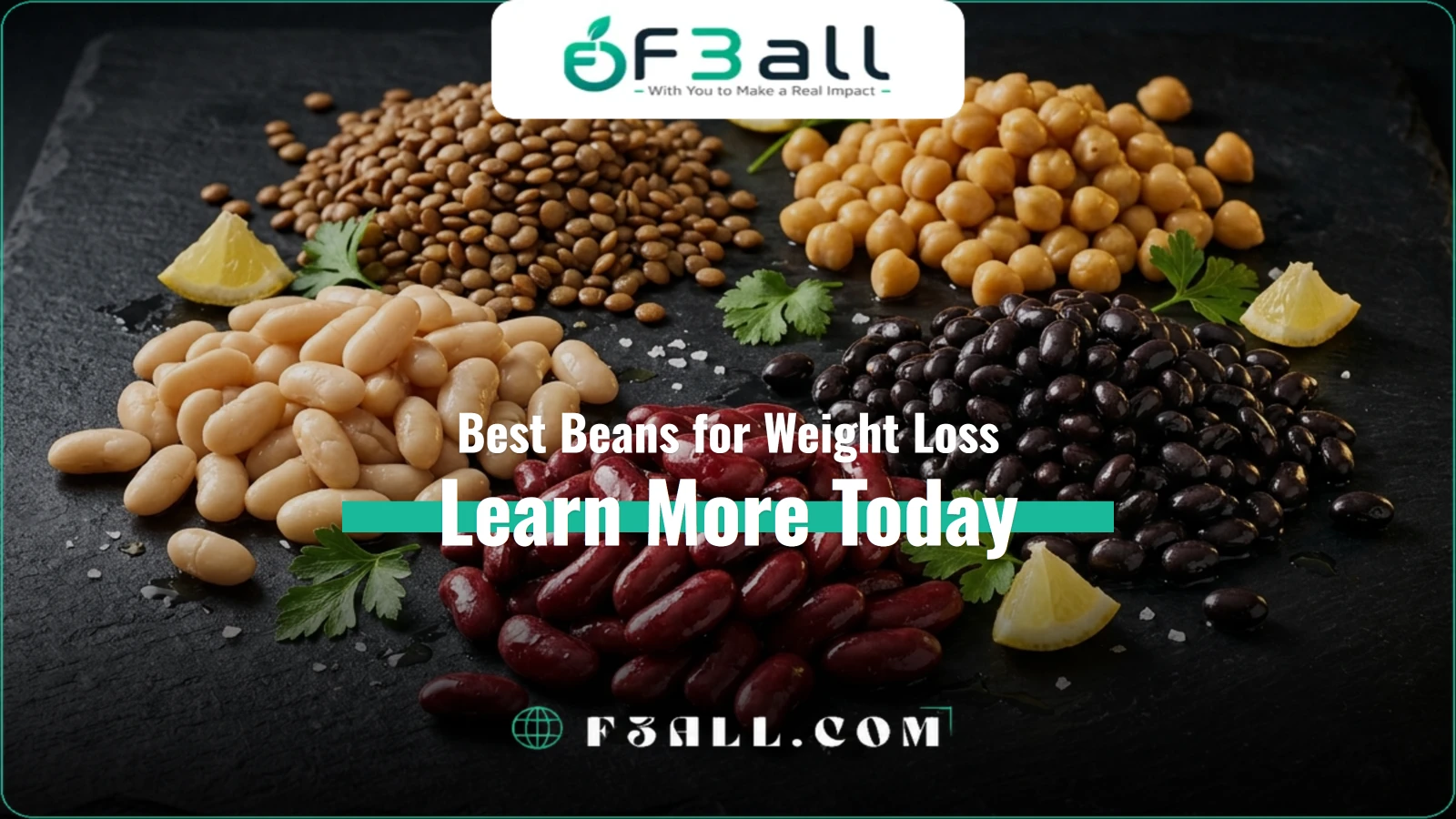
The Best Beans for Weight Loss are those that provide a satisfying combination of protein, dietary fiber, complex carbohydrates, and essential nutrients without adding excessive calories to your meals. Black beans, kidney beans, chickpeas, lentils, and other legumes can all contribute to a balanced weight-management plan. Their fiber and protein content may help improve fullness, while their versatility makes them suitable for salads, soups, bowls, and main dishes. However, no single bean variety automatically burns fat or guarantees weight loss.
This guide compares popular beans, explains serving sizes and nutritional benefits, and provides practical recipes, a seven-day meal plan, and realistic weight-loss expectations.
Which Beans Are Best for Weight Loss?
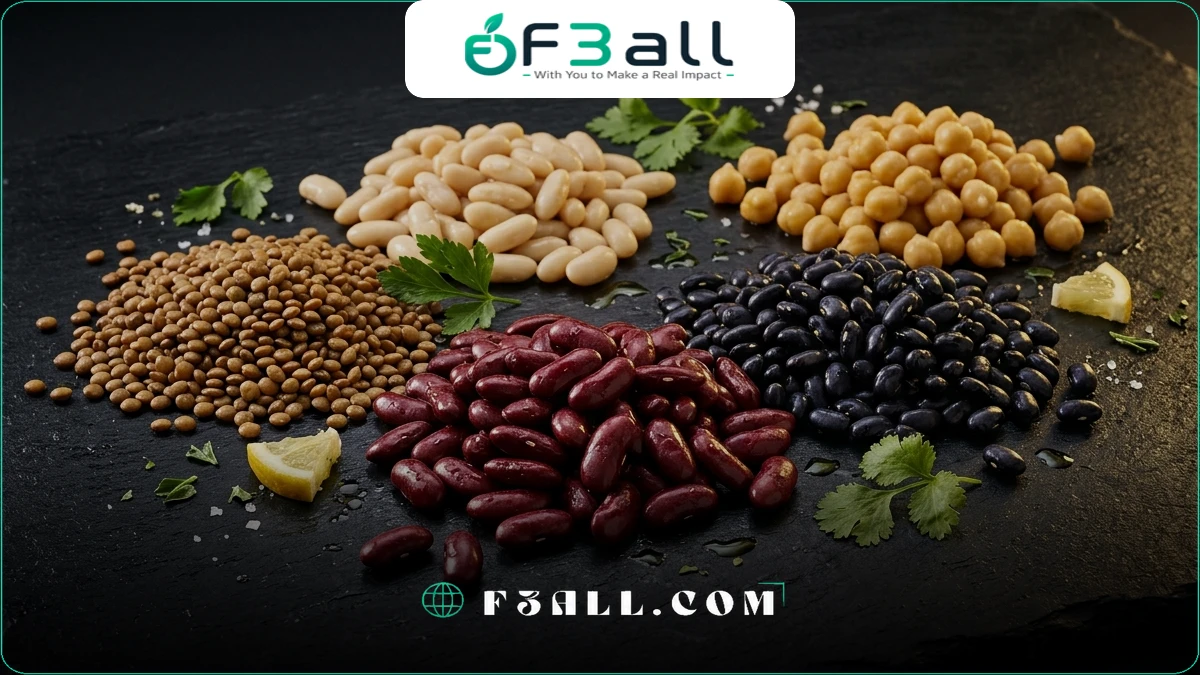
Beans are among the most versatile plant-based foods available. They provide a combination of carbohydrates, protein, fiber, vitamins, and minerals.
Different varieties offer slightly different nutritional advantages, but most can fit into a calorie-conscious eating plan.
Rather than identifying one universally superior bean, it is more useful to compare their nutritional profiles and practical uses.
Top Beans and Legumes for Weight Loss
| Bean or Legume | Calories per 100 g Cooked | Protein | Fiber | Main Advantage |
| Black Beans | 132 | 8.9 g | 8.7 g | Protein and fiber |
| Kidney Beans | 127 | 8.7 g | 6.4 g | Versatile and satisfying |
| Chickpeas | 164 | 8.9 g | 7.6 g | Useful in salads and hummus |
| Lentils | 116 | 9.0 g | 7.9 g | Relatively low calories |
| Pinto Beans | 143 | 9.0 g | 9.0 g | High fiber |
| Navy Beans | 140 | 8.2 g | 10.5 g | Particularly fiber-rich |
| Cannellini Beans | Approximately 115–140 | Approximately 8–10 g | Varies | Creamy texture |
| Edamame | 121 | 11.9 g | 5.2 g | Higher protein |
| Green Peas | 84 | 5.4 g | 5.5 g | Lower calorie density |
Values are approximate USDA-based estimates for cooked foods. Preparation, variety, and whether the food is canned can change nutritional values. Lentils, peas, chickpeas, and edamame are included as related legumes for practical comparison.
Best Overall Choice – Black Beans
Black beans provide a useful balance of protein, fiber, and carbohydrates.
They work well in:
- Grain bowls.
- Salads.
- Soups.
- Vegetable wraps.
- Homemade bean burgers.
Best Lower-Calorie Option – Lentils
Cooked lentils contain approximately 116 calories per 100 grams.
They also provide protein, fiber, iron, and folate.
Best High-Fiber Option – Navy Beans
Navy beans are particularly rich in fiber, making them useful for increasing overall dietary fiber intake.
Best Protein-Rich Option – Edamame
Edamame provides more protein per 100 grams than many common cooked beans.
It can be enjoyed as a snack or added to salads and bowls.
Best for Versatile Recipes – Chickpeas
Chickpeas are convenient for hummus, salads, curries, and roasted snacks.
However, their calorie content and added ingredients should be considered.
The best beans for weight loss are the varieties you enjoy and can incorporate consistently into balanced meals.
Best Beans Calories for Weight Loss
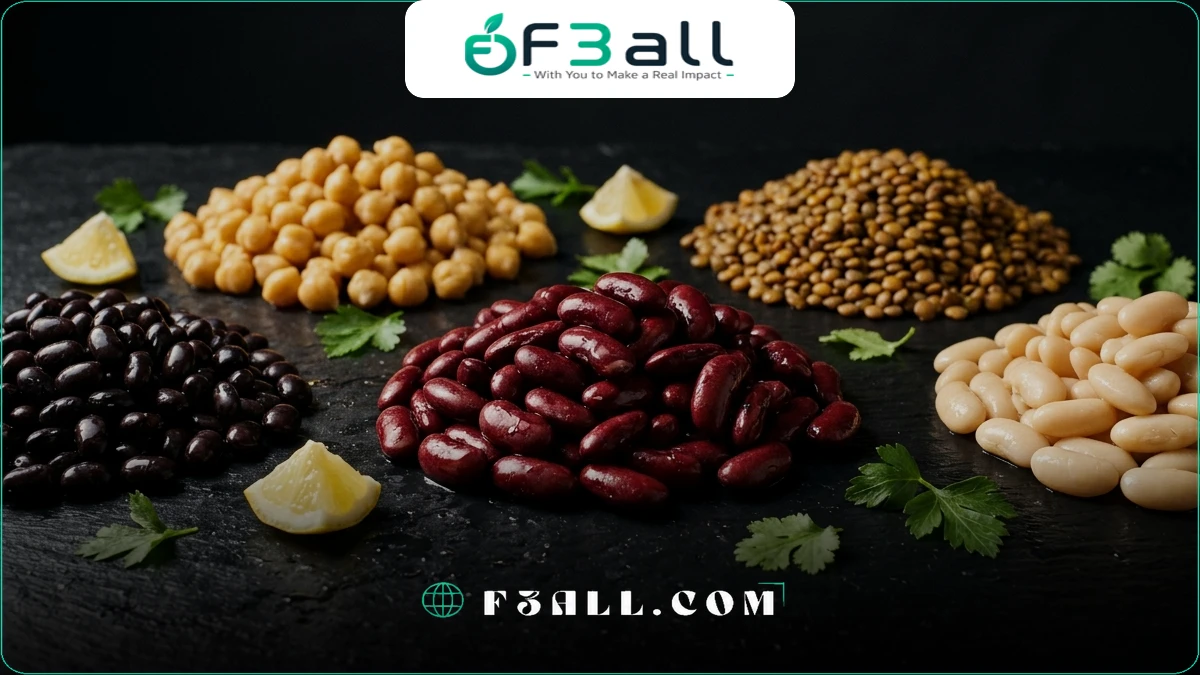
Understanding Best Beans Calories for Weight Loss is important because beans are nutritious but not calorie-free.
Their energy content varies by variety, preparation, and serving size.
Beans contain carbohydrates and protein, with relatively little fat in most varieties.
Calories in Common Bean Portions
| Bean | ½ Cup Cooked | 1 Cup Cooked |
| Black Beans | Approximately 114 | 227 |
| Kidney Beans | Approximately 112 | 225 |
| Chickpeas | Approximately 135 | 269 |
| Lentils | Approximately 115 | 230 |
| Pinto Beans | Approximately 123 | 245 |
| Navy Beans | Approximately 128 | 255 |
| Edamame, Shelled | Approximately 94 | 188 |
Portion weights differ, so these are approximate values rather than direct equal-weight comparisons.
Which Beans Have the Fewest Calories?
Lentils and some white bean varieties provide relatively modest calories per 100 grams.
However, the difference between common cooked beans is usually less important than portion size and preparation.
Are Chickpeas Too High in Calories?
No.
Chickpeas contain more calories per 100 grams than lentils, but they also provide protein, fiber, and important nutrients.
Do Canned Beans Have More Calories?
Canned beans can have nutritional values similar to cooked dried beans.
Differences may arise from added sauces, sugars, oils, or other ingredients.
Bean Calories With Common Additions
| Meal Component | Estimated Calories |
| ½ Cup Black Beans | 114 |
| ½ Cup Black Beans + 1 Tsp Olive Oil | 154 |
| ½ Cup Chickpeas + Vegetables | 170–200 |
| ½ Cup Lentils + ½ Cup Brown Rice | 225 |
| ½ Cup Pinto Beans + 30 g Cheese | 230–250 |
Why Cooking Methods Matter
Boiling beans in water generally does not add significant calories.
However, frying beans in oil or preparing them with cheese, cream, fatty meats, or sugary sauces can substantially increase a dish’s calorie content.
Bean calories should be evaluated in the context of the complete meal, not used as a reason to avoid these nutrient-rich foods.
Best Beans Nutrition for Weight Loss
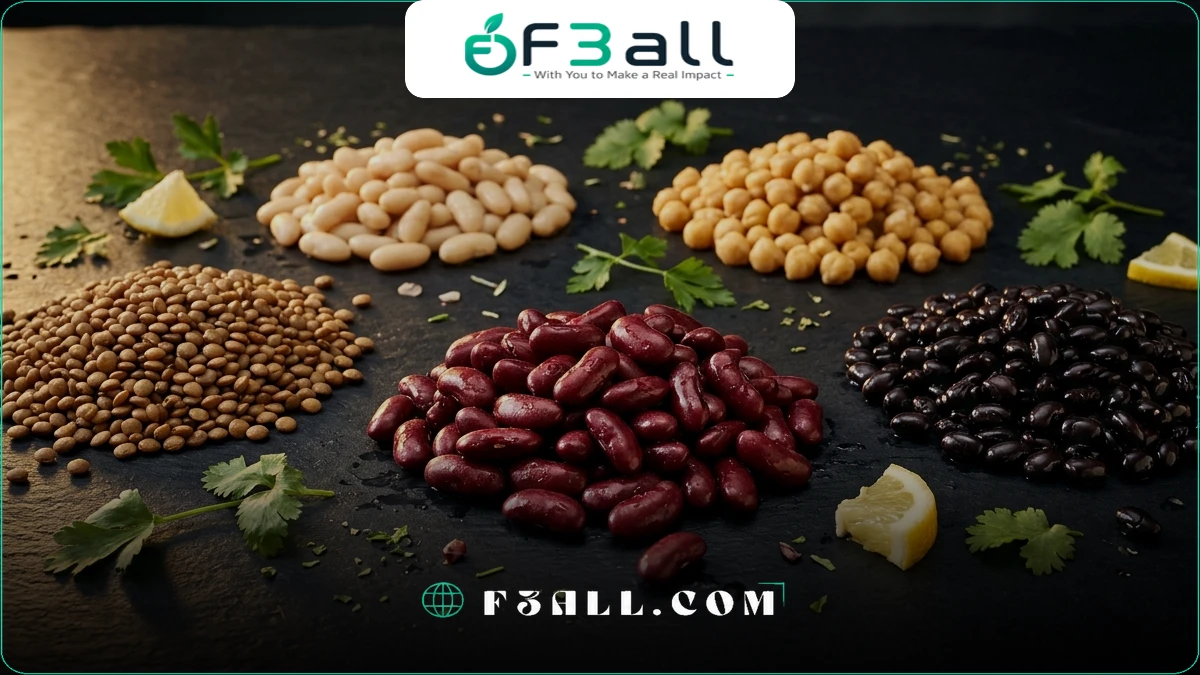
Best Beans Nutrition for Weight Loss centers on three important characteristics: dietary fiber, plant protein, and nutrient density.
Beans also supply several vitamins and minerals that support normal body functions.
1. Dietary Fiber
Beans are excellent sources of dietary fiber.
Fiber can contribute to:
- Digestive health.
- Regular bowel movements.
- Fullness after meals.
- Healthy dietary patterns.
- Cholesterol management.
2. Plant-Based Protein
Protein is important for maintaining muscle during weight reduction.
Beans contribute protein, although their amino acid composition differs from that of many animal-derived proteins.
Combining a variety of plant foods across the day can support adequate protein intake.
3. Complex Carbohydrates
Beans provide carbohydrates, including starch and fiber.
Their nutritional composition makes them different from highly refined carbohydrate foods.
4. Iron
Many beans contain iron.
The iron in plant foods is non-heme iron, which is generally less readily absorbed than heme iron.
Pairing beans with vitamin C-rich foods can help improve non-heme iron absorption.
5. Folate
Beans and lentils are useful sources of folate, a vitamin important for DNA synthesis and normal cell function.
6. Potassium and Magnesium
Many beans contribute potassium and magnesium, minerals involved in normal muscle, nerve, and cardiovascular function.
Nutritional Features
| Nutrient | Function | Weight-Management Relevance |
| Fiber | Supports digestion | May improve fullness |
| Protein | Supports muscle maintenance | Useful during calorie restriction |
| Carbohydrates | Provides energy | Supports daily activity |
| Iron | Supports oxygen transport | Important for nutritional adequacy |
| Folate | Supports cell function | Essential nutrient |
| Potassium | Supports normal fluid and muscle function | General health |
| Magnesium | Supports many metabolic processes | General health |
Are Beans Complete Proteins?
Most common beans are not considered complete proteins in the same sense as soy foods.
However, a varied diet containing legumes, grains, nuts, seeds, and other protein sources can meet essential amino acid needs.
Do Beans Contain Fat?
Most cooked beans are naturally low in fat.
Soybeans and certain soy foods contain more fat than common beans, including beneficial unsaturated fats.
Beans offer a valuable nutritional combination that can support balanced meals without requiring restrictive dieting.
Best Beans Benefits for Weight Loss
Best Beans Benefits for Weight Loss are associated with their fiber, protein, nutrient content, and usefulness as substitutes for some more calorie-dense foods.
They do not directly melt body fat.
May Help Improve Fullness
Fiber and protein can contribute to satiety.
This may help some people feel satisfied after meals.
Support Muscle Maintenance
Protein is important for preserving muscle during weight reduction.
Beans contribute to daily protein intake, particularly in plant-based eating patterns.
Support Digestive Health
The fiber in beans contributes to normal digestive function.
Some bean carbohydrates are fermented by gut bacteria.
Provide Affordable Nutrition
Dried and canned beans are often economical sources of protein and fiber.
Encourage Balanced Meal Preparation
Beans can replace some refined grains or higher-calorie ingredients in certain dishes.
Provide Long-Lasting Meal Satisfaction
A meal containing beans, vegetables, and a suitable protein source may be more satisfying than a snack containing mostly refined carbohydrates.
Benefits Comparison
| Benefit | Practical Value | Important Limitation |
| High Fiber | Supports fullness | Can cause gas if increased quickly |
| Plant Protein | Supports nutrition | Protein needs vary |
| Nutrient Density | Supplies vitamins and minerals | Does not guarantee weight loss |
| Versatility | Works in many meals | Preparation affects calories |
| Affordability | Useful for regular meal planning | Prices vary |
| Complex Carbohydrates | Provides energy | Portions still matter |
Can Beans Suppress Appetite?
Beans may help improve fullness, but they are not appetite-suppressing medications.
Individual responses depend on meal composition, portion size, and other factors.
Do Beans Increase Metabolism?
Beans provide nutrients necessary for normal metabolism, but there is no convincing evidence that eating beans produces a major direct increase in metabolic rate.
The main weight-management advantage of beans is their ability to contribute fiber and protein to satisfying meals.
Read more about: Is Cheese Good for Weight Loss | Best Choices
Best Beans Serving Size for Weight Loss
Best Beans Serving Size for Weight Loss depends on individual energy requirements, digestive tolerance, protein needs, and the rest of the meal.
There is no universally required portion.
Common Serving Sizes
| Serving | Approximate Quantity | Typical Use |
| ¼ Cup Cooked | 40–50 g | Salad topping |
| ½ Cup Cooked | 80–100 g | Side dish |
| ¾ Cup Cooked | 130–150 g | Grain bowl |
| 1 Cup Cooked | 170–200 g | Main meal component |
Is Half a Cup of Beans Enough?
Half a cup is a practical serving for many meals.
It can provide a meaningful amount of fiber and protein.
Can You Eat One Cup of Beans Daily?
One cup may fit into a balanced diet, depending on individual needs.
However, eating beans daily is not mandatory for weight loss.
Are Two Cups Too Much?
Two cups can contribute substantial fiber, protein, carbohydrates, and calories.
Whether this is appropriate depends on the person and the rest of the diet.
Example Balanced Bean Plate
A meal might include:
- ½ cup cooked black beans.
- ½ cup cooked brown rice.
- 1 cup mixed vegetables.
- 100 g grilled chicken or tofu.
- Lemon juice and herbs.
The beans contribute fiber and plant protein while the other foods provide complementary nutrients.
How to Increase Bean Intake Comfortably
If you are not accustomed to eating beans regularly:
- Begin with smaller portions.
- Increase intake gradually.
- Drink adequate fluids.
- Cook dried beans thoroughly.
- Rinse canned beans.
- Try different varieties.
Choose bean portions based on the complete meal and your nutritional needs rather than assuming larger servings always produce better results.
Black Beans vs Kidney Beans vs Chickpeas vs Lentils
Four legumes frequently appear in weight-loss meal plans: black beans, kidney beans, chickpeas, and lentils.
They share many nutritional qualities but differ in taste, texture, and cooking characteristics.
Black Beans
Black beans have a firm texture and earthy flavor.
They are particularly useful in Mexican-inspired bowls, soups, and salads.
Kidney Beans
Kidney beans have a substantial texture and work well in chili and stews.
Dried kidney beans must be cooked thoroughly because raw or undercooked kidney beans contain potentially harmful lectins.
Chickpeas
Chickpeas have a nutty flavor and firmer texture.
They are useful for hummus, curries, salads, and roasted snacks.
Lentils
Lentils generally cook faster than many dried beans and work well in soups, stews, and salads.
Practical Comparison
| Variety | Texture | Suitable Recipes | Main Consideration |
| Black Beans | Firm, creamy | Bowls and soups | High fiber |
| Kidney Beans | Firm | Chili and stews | Thorough cooking essential |
| Chickpeas | Nutty, firm | Hummus and salads | Toppings affect calories |
| Lentils | Soft to firm | Soups and curries | Quick preparation |
Which Is Best for High-Protein Meals?
All four contribute plant protein.
Edamame and other soy foods may provide more protein per 100 grams.
Which Is Best for Soups?
Lentils, kidney beans, and navy beans are excellent choices.
Which Is Best for Salads?
Chickpeas, black beans, and lentils work particularly well.
Rotating different beans provides more culinary variety and makes regular legume consumption easier to maintain.
Best Beans vs Alternatives for Weight Loss
Best Beans vs Alternatives for Weight Loss is a useful comparison because beans can replace or complement several common foods.
However, comparisons should account for protein, fiber, calorie content, and the purpose of the meal.
Beans vs White Rice
Cooked white rice provides carbohydrates but relatively little fiber.
Beans generally contain more protein and fiber per comparable cooked portion.
Beans vs Brown Rice
Brown rice provides whole-grain carbohydrates and some fiber.
Beans typically contain more protein and fiber.
Beans vs Potatoes
Boiled potatoes can be satisfying and relatively low in calories per 100 grams.
Beans provide more protein and often more fiber.
Beans vs Chicken Breast
Chicken breast contains substantially more protein per 100 grams than most beans.
However, beans provide dietary fiber, which chicken does not.
Beans vs Tofu
Tofu provides soy protein and can be a useful alternative in plant-based meals.
Its nutritional composition varies by firmness and manufacturer.
Food Comparison Per 100 Grams
| Food | Approximate Calories | Protein | Fiber |
| Cooked Black Beans | 132 | 8.9 g | 8.7 g |
| Cooked Lentils | 116 | 9.0 g | 7.9 g |
| Cooked White Rice | 130 | 2.7 g | 0.4 g |
| Cooked Brown Rice | 123 | 2.7 g | 1.6 g |
| Boiled Potato | 87 | 1.9 g | 1.8 g |
| Cooked Chicken Breast | 165 | 31 g | 0 g |
| Firm Tofu | Varies | Varies | Varies |
Are Beans Better Than Rice for Weight Loss?
Beans often provide more fiber and protein than rice.
However, both can fit into a balanced eating pattern.
Can Beans Replace Meat?
Beans can replace meat in some recipes, but nutritional differences should be considered.
People following plant-based diets should pay attention to overall protein, vitamin B12, iron, and other nutrients.
Beans are useful because they can complement or replace different foods depending on the meal’s nutritional goals.
Best Beans Recipes for Weight Loss
Best Beans Recipes for Weight Loss should emphasize balanced ingredients, reasonable portions, and enjoyable flavors.
Beans are versatile enough to be used in breakfasts, lunches, dinners, and snacks.
The following recipes use commonly available ingredients and provide approximate calorie estimates.
Recipe 1 – Black Bean Vegetable Bowl
Ingredients
- ½ cup cooked black beans.
- ½ cup cooked brown rice.
- ½ cup chopped tomatoes.
- ½ cup chopped cucumber.
- ¼ avocado.
- Lime juice.
- Fresh cilantro.
Instructions
- Cook the brown rice.
- Rinse and drain canned beans if using.
- Add rice to a bowl.
- Top with black beans.
- Add tomatoes, cucumber, and avocado.
- Finish with lime juice and cilantro.
Estimated calories: 350–390 kcal.
Nutritional highlight: Fiber, plant protein, and vegetables.
Recipe 2 – Lentil Vegetable Soup
Ingredients
- ½ cup dry lentils.
- 1 carrot.
- 1 celery stalk.
- ½ onion.
- 1 teaspoon olive oil.
- 2 cups low-sodium vegetable broth.
- Garlic, cumin, and black pepper.
Instructions
- Rinse lentils.
- Chop the vegetables.
- Heat olive oil in a saucepan.
- Cook onion, carrot, and celery briefly.
- Add lentils, broth, and seasonings.
- Simmer until the lentils are fully cooked.
- Adjust consistency with water if necessary.
Estimated calories: 360–410 kcal for the full recipe.
Servings: 2.
Estimated calories per serving: 180–205 kcal.
Recipe 3 – Chickpea Mediterranean Salad
Ingredients
- ¾ cup cooked chickpeas.
- ½ cucumber.
- 1 tomato.
- ¼ red onion.
- 1 teaspoon olive oil.
- Lemon juice.
- Parsley.
Instructions
- Rinse chickpeas.
- Chop cucumber, tomato, and onion.
- Combine all ingredients.
- Add olive oil and lemon juice.
- Sprinkle with parsley.
- Toss and serve.
Estimated calories: 280–330 kcal.
Nutritional highlight: Fiber, plant protein, and vegetables.
Recipe 4 – Kidney Bean Chili
Ingredients
- 1 cup cooked kidney beans.
- 1 cup crushed tomatoes.
- ½ onion.
- 1 bell pepper.
- 1 teaspoon olive oil.
- Chili powder.
- Cumin.
- Garlic.
Instructions
- Use fully cooked kidney beans.
- Heat olive oil in a saucepan.
- Add onion and bell pepper.
- Cook until softened.
- Add tomatoes, beans, and seasonings.
- Simmer until flavors combine.
- Serve warm.
Estimated calories: 360–420 kcal for the full recipe.
Servings: 2.
Estimated calories per serving: 180–210 kcal.
Recipe 5 – White Bean Spinach Skillet
Ingredients
- ¾ cup cooked cannellini beans.
- 2 cups spinach.
- 1 teaspoon olive oil.
- 1 garlic clove.
- Lemon juice.
- Black pepper.
Instructions
- Heat olive oil in a skillet.
- Add garlic.
- Stir in cooked beans.
- Add spinach.
- Cook until spinach wilts.
- Finish with lemon juice and pepper.
Estimated calories: 230–280 kcal.
Nutritional highlight: Plant protein, fiber, and leafy greens.
Recipe 6 – Edamame Cucumber Salad
Ingredients
- ¾ cup cooked shelled edamame.
- ½ cucumber.
- 1 small carrot.
- 1 teaspoon sesame oil.
- Rice vinegar.
- Fresh ginger.
Instructions
- Cook edamame according to package directions.
- Allow it to cool.
- Chop cucumber and carrot.
- Combine vegetables and edamame.
- Add sesame oil, vinegar, and ginger.
- Toss before serving.
Estimated calories: 210–250 kcal.
Nutritional highlight: Protein, fiber, and vegetables.
Recipe 7 – Pinto Bean Breakfast Wrap
Ingredients
- ½ cup cooked pinto beans.
- 1 small whole-wheat tortilla.
- 1 egg.
- ¼ cup salsa.
- Spinach.
- Black pepper.
Instructions
- Warm the beans.
- Cook the egg thoroughly.
- Place beans and egg in the tortilla.
- Add spinach and salsa.
- Season with black pepper.
- Fold and serve.
Estimated calories: 330–390 kcal.
Nutritional highlight: Protein, fiber, and whole grains.
Recipe Comparison
| Recipe | Estimated Calories | Main Advantage |
| Black Bean Vegetable Bowl | 350–390 | Balanced main meal |
| Lentil Vegetable Soup | 180–205 per serving | Fiber-rich soup |
| Chickpea Mediterranean Salad | 280–330 | Convenient lunch |
| Kidney Bean Chili | 180–210 per serving | Meal preparation |
| White Bean Spinach Skillet | 230–280 | Vegetables and fiber |
| Edamame Cucumber Salad | 210–250 | Higher plant protein |
| Pinto Bean Breakfast Wrap | 330–390 | Satisfying breakfast |
How to Keep Bean Recipes Balanced
- Use appropriate portions of oil.
- Choose low-sodium canned beans when convenient.
- Include vegetables.
- Add protein sources as needed.
- Measure cheese and creamy toppings.
- Use herbs and spices for flavor.
- Consider the calories in the complete dish.
Bean recipes can provide satisfying meals without requiring complicated ingredients or restrictive preparation methods.
Seven-Day Best Beans Diet Plan
A Best Beans Diet Plan can incorporate legumes into different meals throughout the week.
The goal is to provide nutritional variety while avoiding a repetitive or overly restrictive eating pattern.
This sample plan is illustrative and should be adjusted to individual energy and nutritional requirements.
Seven-Day Bean Meal Plan
| Day | Breakfast | Lunch | Dinner | Optional Snack |
| Monday | Greek yogurt, berries, and oats | Black bean vegetable bowl | Grilled salmon with vegetables | Apple |
| Tuesday | Eggs and whole-grain toast | Lentil vegetable soup | Chicken with brown rice | Plain yogurt |
| Wednesday | Oatmeal with banana | Chickpea Mediterranean salad | Tofu with roasted vegetables | Nuts |
| Thursday | Eggs with spinach | White bean vegetable soup | Fish with baked potato | Fresh fruit |
| Friday | Greek yogurt with fruit | Kidney bean chili | Chicken quinoa bowl | Cottage cheese |
| Saturday | Pinto bean breakfast wrap | Chicken vegetable salad | Salmon with brown rice | Berries |
| Sunday | Oatmeal and milk | Edamame cucumber salad with whole grains | Lentil curry with vegetables | Plain yogurt |
Why the Plan Rotates Different Beans
Different legumes offer different textures, flavors, and nutritional profiles.
Variety also helps prevent meal fatigue.
Can You Eat Beans Every Day?
Yes, many people can eat beans daily as part of a balanced diet.
However, people with digestive conditions or specific dietary restrictions may need individualized advice.
Do You Need Beans at Every Meal?
No.
Beans can be included several times per week or daily according to preference.
How to Personalize the Plan
Adjust:
- Bean varieties.
- Portion sizes.
- Protein sources.
- Vegetable quantities.
- Whole-grain choices.
- Snacks.
- Meal timing.
Important Meal-Planning Principles
| Priority | Practical Strategy |
| Protein | Include sufficient sources |
| Fiber | Increase gradually |
| Vegetables | Include regularly |
| Whole Grains | Choose suitable portions |
| Healthy Fats | Use appropriate amounts |
| Hydration | Drink sufficient fluids |
| Variety | Rotate foods |
| Sustainability | Choose enjoyable meals |
A useful bean diet plan incorporates legumes into varied meals rather than relying on beans as the only food source.
Read more about: Berries for Weight Loss | See Benefits and Recipe Ideas
Best Beans for Belly Fat – What the Evidence Says
Best Beans for Belly Fat is a popular search because high-fiber foods are frequently promoted as abdominal-fat-burning foods.
However, beans do not selectively target belly fat.
Understanding Abdominal Fat
Abdominal fat includes:
- Subcutaneous fat: Located beneath the skin.
- Visceral fat: Located around internal organs.
Visceral fat is associated with increased cardiometabolic risk.
Can Beans Burn Belly Fat?
No individual bean variety has been established to directly burn abdominal fat.
Can Beans Support Overall Fat Loss?
Potentially.
If beans help create satisfying meals that support appropriate energy intake, they may contribute to a broader weight-management plan.
Does Fiber Reduce Visceral Fat?
Higher-fiber dietary patterns have been associated with favorable weight and metabolic outcomes in some research.
However, this does not prove that eating beans alone causes targeted visceral-fat reduction.
Belly-Fat Claims Comparison
| Claim | Evidence-Based Interpretation |
| Black Beans Burn Belly Fat | Unsupported |
| Lentils Melt Abdominal Fat | Unsupported |
| Beans Provide Fiber | Yes |
| Beans Can Support Fullness | Yes |
| Beans Directly Target Visceral Fat | Not established |
| Overall Energy Balance Matters | Yes |
What Helps Reduce Abdominal Fat?
Evidence-based approaches include:
- Appropriate energy intake.
- Balanced nutrition.
- Regular aerobic activity.
- Resistance training.
- Adequate sleep.
- Individualized medical care when needed.
Do Beans Cause Belly Bloating?
Beans may cause gas or temporary bloating, especially when intake increases suddenly.
Bloating is not the same as gaining abdominal fat.
Beans can support a nutritious eating pattern, but reducing abdominal fat requires broader lifestyle and dietary strategies.
Best Beans Best Time to Eat for Weight Loss
Best Beans Best Time to Eat is commonly discussed in meal-planning advice.
However, there is no established time of day when beans produce greater fat loss.
Beans at Breakfast
Beans can be included in:
- Breakfast wraps.
- Egg dishes.
- Savory grain bowls.
- Toast toppings.
Beans at Lunch
Beans work well in salads, soups, and grain bowls.
Beans at Dinner
Beans can serve as a main ingredient or side dish.
Beans Before Exercise
Beans contain carbohydrates and protein, but their fiber content may cause digestive discomfort if eaten too close to intense exercise.
Beans After Exercise
Beans can contribute carbohydrates and protein to a recovery meal.
However, overall protein and energy intake should be considered.
Beans Before Bed
Eating beans at night does not automatically cause weight gain.
Some people may prefer smaller portions if beans cause nighttime digestive discomfort.
Timing Comparison
| Timing | Practical Use | Proven Fat-Loss Advantage |
| Breakfast | Protein and fiber | No special advantage |
| Lunch | Satisfying meal | Not established |
| Dinner | Balanced main dish | Not established |
| Before Exercise | Provides carbohydrates | No direct fat-burning effect |
| After Exercise | Adds protein and carbohydrates | No direct fat-burning effect |
| Before Bed | Optional food | Not established |
Should You Eat Beans on an Empty Stomach?
There is no established weight-loss advantage to eating beans on an empty stomach.
Are Beans Better at Lunch or Dinner?
Either can be appropriate.
Choose based on appetite, meal planning, and digestive comfort.
The best time to eat beans is whenever they fit your routine and can be enjoyed comfortably as part of a balanced meal.
Best Beans Weight Loss Results – Realistic Expectations
Best Beans Weight Loss Results depend on overall dietary intake and lifestyle habits.
Beans can contribute to a balanced weight-loss plan, but they do not guarantee a specific amount of weight reduction.
What Research Suggests
Research on pulses, including beans, peas, chickpeas, and lentils, has examined their effects on body weight, satiety, and metabolic health.
Some controlled research suggests that incorporating pulses into the diet may support modest improvements in weight-management outcomes.
However, results vary, and the effects should not be interpreted as proof that beans independently cause substantial fat loss.
Example Meal Substitution
Imagine replacing a meal containing:
- A large portion of refined grains.
- A calorie-dense sauce.
- Minimal vegetables.
With a meal containing:
- ½ cup black beans.
- Vegetables.
- A moderate portion of whole grains.
- A suitable protein source.
The second meal may provide more fiber and improve fullness.
However, whether it contains fewer calories depends on the actual ingredients and portions.
Potential Outcomes
| Outcome | Realistic Expectation |
| Increased Fiber Intake | Likely when beans replace low-fiber foods |
| Increased Plant Protein | Possible |
| Improved Fullness | Possible |
| Better Dietary Variety | Likely |
| Automatic Fat Burning | No |
| Guaranteed Weight Loss | No |
| Reduced Belly Fat From Beans Alone | Not established |
How Quickly Can Weight Loss Occur?
Weight change depends on:
- Energy intake.
- Physical activity.
- Sleep.
- Medical conditions.
- Medication use.
- Individual physiology.
For many adults who would benefit from weight reduction, gradual weight loss of approximately one to two pounds per week is commonly recommended.
This target is not suitable for everyone.
Why the Scale May Fluctuate
Short-term changes can reflect:
- Water balance.
- Digestive contents.
- Sodium intake.
- Glycogen storage.
- Hormonal changes.
- Actual changes in body tissue.
Better Ways to Evaluate Progress
Consider:
- Dietary consistency.
- Fiber intake.
- Protein adequacy.
- Physical strength.
- Fitness.
- Weight trends when appropriate.
- Relevant health measurements.
Beans may support sustainable weight management by making meals more nutritious and satisfying, but results depend on the overall eating pattern.
Canned vs Dried Beans for Weight Loss
Canned and dried beans can both be nutritious options.
The main differences involve convenience, preparation time, cost, sodium content, and texture.
Canned Beans
Canned beans are usually already cooked and ready to use after draining.
They are convenient for quick meals.
Dried Beans
Dried beans require soaking or other preparation and thorough cooking.
They can be economical and allow greater control over added salt.
Canned vs Dried Comparison
| Feature | Canned Beans | Dried Beans |
| Convenience | High | Requires preparation |
| Cooking Time | Usually minimal | Longer |
| Sodium | May be added | Controlled during cooking |
| Cost | Often affordable | Often economical |
| Fiber | Generally retained | Retained |
| Protein | Generally retained | Retained |
| Weight-Loss Advantage | No inherent advantage | No inherent advantage |
Does Rinsing Canned Beans Help?
Draining and rinsing canned beans can reduce some of the sodium from the packing liquid.
Are Low-Sodium Beans Better?
Low-sodium varieties can be useful for people monitoring sodium intake.
Are Refried Beans Good for Weight Loss?
They can fit into a balanced diet.
However, recipes vary, and some contain substantial added fat or sodium.
What About Baked Beans?
Commercial baked beans may contain added sugar and sodium.
Check nutrition labels and serving sizes.
Choose canned or dried beans based on convenience, ingredients, cost, and your overall nutritional needs.
How to Cook Beans Safely and Reduce Bloating
Proper preparation is important for both food safety and digestive comfort.
Beans contain naturally occurring compounds that can affect digestion, and some dried beans require particular care during cooking.
Step 1 – Sort Dried Beans
Remove stones, debris, or damaged beans.
Step 2 – Rinse Thoroughly
Rinse dried beans before cooking.
Step 3 – Soak When Appropriate
Soaking can reduce cooking time for many dried beans.
Lentils generally require less preparation.
Step 4 – Cook Thoroughly
Follow reliable cooking instructions for the specific variety.
Dried red kidney beans require thorough boiling before consumption because undercooked beans can contain harmful phytohaemagglutinin.
Slow cookers alone may not reach a sufficiently high temperature to make inadequately prepared kidney beans safe.
Step 5 – Increase Fiber Gradually
Suddenly eating large amounts of beans may cause gas or bloating.
Step 6 – Maintain Adequate Hydration
Adequate fluid intake supports normal digestive function.
Step 7 – Experiment With Different Varieties
Some people tolerate lentils or certain canned beans better than others.
Cooking and Digestive Tips
| Concern | Practical Approach |
| Long Cooking Time | Soak when appropriate |
| Excess Sodium | Choose low-sodium canned beans |
| Gas | Increase intake gradually |
| Bloating | Start with smaller portions |
| Kidney Bean Safety | Follow proper boiling guidance |
| Meal Preparation | Cook and refrigerate promptly |
| Food Storage | Freeze extra portions |
Can Beans Cause Digestive Problems?
Beans contain fermentable carbohydrates that may cause gas in some people.
Individuals with irritable bowel syndrome or other digestive conditions may need tailored portions or food choices.
Are Canned Beans Easier to Digest?
Some people find drained and rinsed canned legumes easier to tolerate.
However, individual responses vary.
Preparing beans correctly and increasing portions gradually can improve comfort while preserving their nutritional value.
Read more about: Baking Soda and Weight Loss | Read the Safety Guide Now
Common Mistakes When Eating Beans for Weight Loss
Several habits can make bean-based meals less balanced or create unrealistic expectations.
Mistake 1 – Assuming Beans Are Calorie-Free
Beans provide protein and fiber, but they also contain calories.
Better Approach: Consider portion size.
Mistake 2 – Adding Excessive Oil or Cheese
Large amounts of calorie-dense toppings can substantially increase meal calories.
Better Approach: Measure additions.
Mistake 3 – Eating Only Beans
Beans do not provide every nutrient required for a balanced diet.
Better Approach: Include a variety of foods.
Mistake 4 – Increasing Fiber Too Quickly
Sudden increases may cause gas and digestive discomfort.
Better Approach: Increase gradually.
Mistake 5 – Expecting Belly-Fat Reduction
Beans do not selectively burn abdominal fat.
Better Approach: Focus on overall weight-management habits.
Mistake 6 – Ignoring Canned Bean Ingredients
Some canned products contain substantial sodium, sugar, or added fat.
Better Approach: Read labels.
Mistake 7 – Undercooking Dried Kidney Beans
Improper cooking can cause foodborne illness.
Better Approach: Follow safe preparation methods.
Mistake Summary
| Mistake | Better Strategy |
| Ignoring Calories | Consider portions |
| Excess Toppings | Measure ingredients |
| Bean-Only Diet | Eat varied meals |
| Rapid Fiber Increase | Increase gradually |
| Belly-Fat Expectations | Use realistic goals |
| Ignoring Labels | Compare products |
| Unsafe Cooking | Prepare beans thoroughly |
Avoiding these mistakes helps make beans a safe, satisfying, and practical part of a balanced eating pattern.
How to Meal Prep Beans for the Week
Beans are well suited to meal preparation because they can be cooked in batches and used in several different dishes.
Choose Two or Three Varieties
For example:
- Black beans.
- Chickpeas.
- Lentils.
Prepare Beans Safely
Cook dried beans thoroughly or use properly stored canned beans.
Divide Into Portions
Portion cooked beans according to planned meals.
Refrigerate Promptly
Store cooked beans in covered containers in the refrigerator.
Freeze Extra Portions
Freeze beans in meal-sized quantities for future use.
Combine With Other Ingredients
Prepare bowls, soups, salads, and wraps.
Weekly Bean Meal Prep Example
| Day | Preparation |
| Sunday | Cook lentils and prepare black beans |
| Monday | Make black bean bowls |
| Tuesday | Prepare lentil soup |
| Wednesday | Make chickpea salad |
| Thursday | Prepare white bean skillet |
| Friday | Cook kidney bean chili |
| Saturday | Use frozen bean portions |
| Sunday | Review supplies and plan again |
How Long Do Cooked Beans Last?
Cooked beans should generally be refrigerated promptly and used within approximately three to four days.
Freeze portions that will not be eaten within that period.
Can You Freeze Cooked Beans?
Yes.
Cooked beans generally freeze well when properly cooled, packaged, and stored.
Can You Reheat Beans?
Yes.
Reheat leftovers thoroughly and follow appropriate food-safety guidance.
Batch preparation can make it easier to include beans regularly without spending excessive time cooking each day.
Sustainable Weight Management With Beans
Beans can support healthy eating, but long-term weight management depends on the overall dietary pattern.
A sustainable approach includes nutritional adequacy, appropriate energy intake, physical activity, sleep, and individual medical needs.
Include Different Protein Sources
Beans can be combined with:
- Fish.
- Eggs.
- Poultry.
- Tofu.
- Yogurt.
- Whole grains.
- Other legumes.
Eat Plenty of Vegetables
Vegetables provide fiber, vitamins, minerals, and food volume.
Choose Whole Grains
Whole grains contribute carbohydrates and additional nutrients.
Maintain Appropriate Energy Intake
Weight reduction generally requires an energy deficit over time.
Individual needs vary.
Include Regular Physical Activity
For most adults, general recommendations include at least 150 minutes of moderate-intensity aerobic activity weekly and muscle-strengthening activities on at least two days.
Prioritize Sleep
Adequate sleep contributes to overall health and may influence appetite regulation.
Keep Meals Enjoyable
A sustainable diet should include foods you like and can prepare consistently.
Healthy Habit Comparison
| Habit | Potential Benefit |
| Eating Beans | Adds fiber and plant protein |
| Eating Vegetables | Adds micronutrients and fiber |
| Including Whole Grains | Provides energy and nutrients |
| Adequate Protein | Supports muscle maintenance |
| Regular Exercise | Supports fitness |
| Resistance Training | Supports strength |
| Adequate Sleep | Supports overall health |
| Balanced Portions | Helps manage energy intake |
Do You Need Beans to Lose Weight?
No.
Many different dietary patterns can support healthy weight management.
However, beans are a nutritious and practical food option.
The most useful strategy is to include beans in meals you enjoy while maintaining balanced nutrition and realistic long-term habits.
Why F3all Is Your Best Choice
At F3all, the Best Beans for Weight Loss guide focuses on practical nutrition information, realistic food comparisons, and balanced meal-planning strategies.
The goal is to help readers understand how different beans can fit into everyday meals without exaggerated fat-burning claims.
- Clear Nutrition Facts: Compare bean calories, protein, fiber, and nutrients.
- Serving Size Guidance: Understand practical portions for different meals.
- Healthy Recipes: Explore salads, soups, bowls, and wraps.
- Food Comparisons: Compare beans with rice, potatoes, tofu, and other foods.
- Meal Planning: Discover a flexible seven-day schedule.
- Realistic Results: Understand what beans can and cannot do for weight loss.
- Preparation Tips: Learn safe cooking, storage, and meal-prep techniques.
- Balanced Eating Advice: Combine beans with vegetables, whole grains, and suitable protein sources.
Explore more nutrition information, healthy recipes, and weight-management resources through F3all.
F3all helps readers make informed food choices through practical meal ideas and evidence-based nutrition guidance.
Frequently Asked Questions
What Are the Best Beans for Weight Loss?
Black beans, lentils, kidney beans, chickpeas, navy beans, and pinto beans can all fit into a balanced weight-loss diet. The best choice depends on nutritional needs and preferences.
Which Beans Have the Fewest Calories?
Cooked lentils contain approximately 116 calories per 100 grams, making them a relatively low-calorie choice among commonly consumed legumes.
Are Black Beans Good for Weight Loss?
Yes. Black beans provide protein, fiber, and other nutrients that can contribute to satisfying meals.
How Many Beans Should I Eat Daily for Weight Loss?
There is no required amount. Half a cup of cooked beans is a practical serving for many meals, but individual needs vary.
Do Beans Burn Belly Fat?
No. Beans do not selectively burn abdominal fat. However, they can contribute to balanced eating patterns that support overall weight management.
Are Chickpeas Better Than Lentils for Weight Loss?
Neither is universally better. Lentils contain fewer calories per 100 grams, while chickpeas offer a different texture and are useful in many recipes.
Can I Eat Beans at Night and Still Lose Weight?
Yes. Eating beans at night does not automatically cause weight gain. Overall energy intake matters more than the time of day.
Are Canned Beans Good for Weight Loss?
Yes. Canned beans can be nutritious and convenient. Choose products with suitable ingredients and consider sodium content.
Can Eating Beans Every Day Help With Weight Loss?
Beans can contribute fiber and protein to a balanced diet, but eating them daily does not guarantee weight loss.
Do Beans Cause Weight Gain?
Beans do not automatically cause weight gain. Long-term weight changes depend on overall energy intake, physical activity, and individual factors.
In the End
The Best Beans for Weight Loss include black beans, lentils, kidney beans, chickpeas, pinto beans, navy beans, and other nutritious legumes.
These foods provide plant protein, dietary fiber, complex carbohydrates, vitamins, and minerals that contribute to balanced meals.
Black beans are useful for protein and fiber, lentils provide relatively modest calories, navy beans offer substantial fiber, and chickpeas work well in salads and homemade recipes.
However, beans do not directly burn body fat, and no variety has been proven to selectively eliminate belly fat.
For sustainable weight management, combine beans with vegetables, whole grains, appropriate protein sources, healthy fats, regular physical activity, and adequate sleep.
Choose bean varieties you enjoy, prepare them safely, experiment with balanced recipes, and focus on consistent habits that support long-term health.
References