Best Dressing for Weight Loss | Compare Healthy Options
Finding the Best Dressing for Weight Loss can make healthy meals more enjoyable without adding unnecessary calories. Salad dressings vary considerably in fat, sugar, sodium, and overall nutritional value. Options such as lemon vinaigrette, Greek yogurt dressing, balsamic vinaigrette, and light ranch can all fit into a balanced weight-management plan. The key is understanding ingredients, measuring portions, and choosing dressings that complement vegetables, protein, and whole grains. No dressing directly burns fat, but thoughtful choices can support satisfying meals and sustainable eating habits.
This guide compares popular dressings, explains their calories and nutritional benefits, and provides practical serving sizes, homemade recipes, a seven-day meal plan, and realistic weight-loss expectations.
Best Dressing for Weight Loss – Top Options Compared
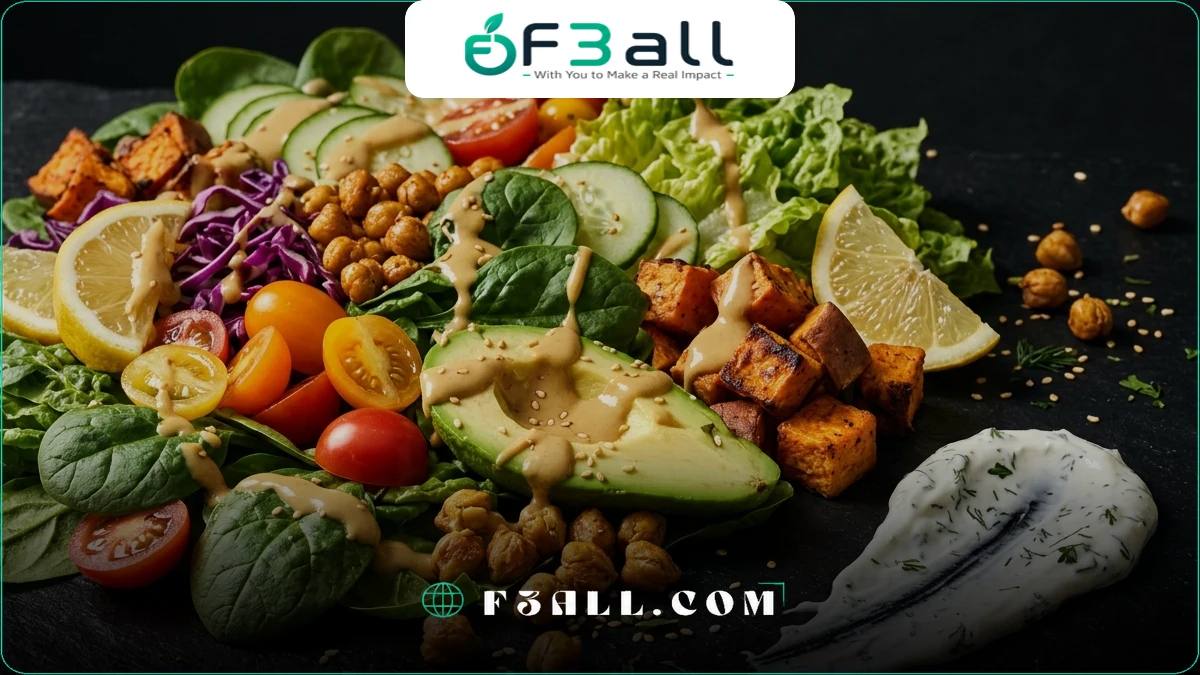
The best salad dressing depends on your nutritional priorities and the foods you plan to eat.
Some dressings are lower in calories, while others provide unsaturated fats that contribute to nutritional quality.
A low-calorie dressing is not automatically the healthiest option, and a dressing containing oil is not automatically unsuitable for weight loss.
Top Salad Dressings for Weight Loss
| Dressing | Approximate Calories per 2 Tbsp | Main Advantage | Important Consideration |
| Lemon Juice and Herbs | 10–20 | Very low calories | Little fat |
| Red Wine Vinegar Dressing, Oil-Free | 10–25 | Tangy flavor | Check added sugar |
| Greek Yogurt Dressing | 25–60 | Creamy with some protein | Recipe-dependent |
| Light Ranch | 50–90 | Familiar creamy flavor | Sodium varies |
| Light Italian | 30–70 | Convenient | Ingredients vary |
| Balsamic Vinaigrette | 60–120 | Versatile flavor | Oil and sugar vary |
| Olive Oil Vinaigrette | 100–150 | Unsaturated fats | Calorie-dense |
| Tahini Lemon Dressing | 90–160 | Unsaturated fats and flavor | Portion-sensitive |
| Regular Ranch | 120–160 | Creamy texture | Higher calorie content |
| Regular Caesar | 130–180 | Rich savory flavor | Fat and sodium vary |
Values are illustrative ranges for common recipes and commercial products. Always check the nutrition label for the specific dressing.
Best Lower-Calorie Choice – Lemon and Herb Dressing
Lemon juice, vinegar, herbs, and seasonings can produce a flavorful dressing with relatively few calories.
This is useful when a salad already contains healthy fats from avocado, nuts, seeds, or other ingredients.
Best Creamy Choice – Greek Yogurt Dressing
Plain Greek yogurt can replace some or all of the mayonnaise or sour cream in creamy dressing recipes.
The result may contain more protein and fewer calories than traditional creamy alternatives.
Best for Unsaturated Fats – Olive Oil Vinaigrette
Olive oil provides predominantly monounsaturated fat.
However, oil contains approximately 120 calories per tablespoon, making portion control important.
Best Convenient Option – Light Italian Dressing
Some light Italian dressings contain fewer calories than standard oil-based varieties.
However, sodium and added sugar should be compared across brands.
Best for Rich Flavor – Tahini Dressing
Tahini provides a distinctive nutty flavor and unsaturated fats.
A small amount can flavor a substantial serving of vegetables.
For most people, the best dressing for weight loss is one that tastes good, has an appropriate portion size, and makes nutritious meals easier to enjoy consistently.
Best Dressing Calories for Weight Loss
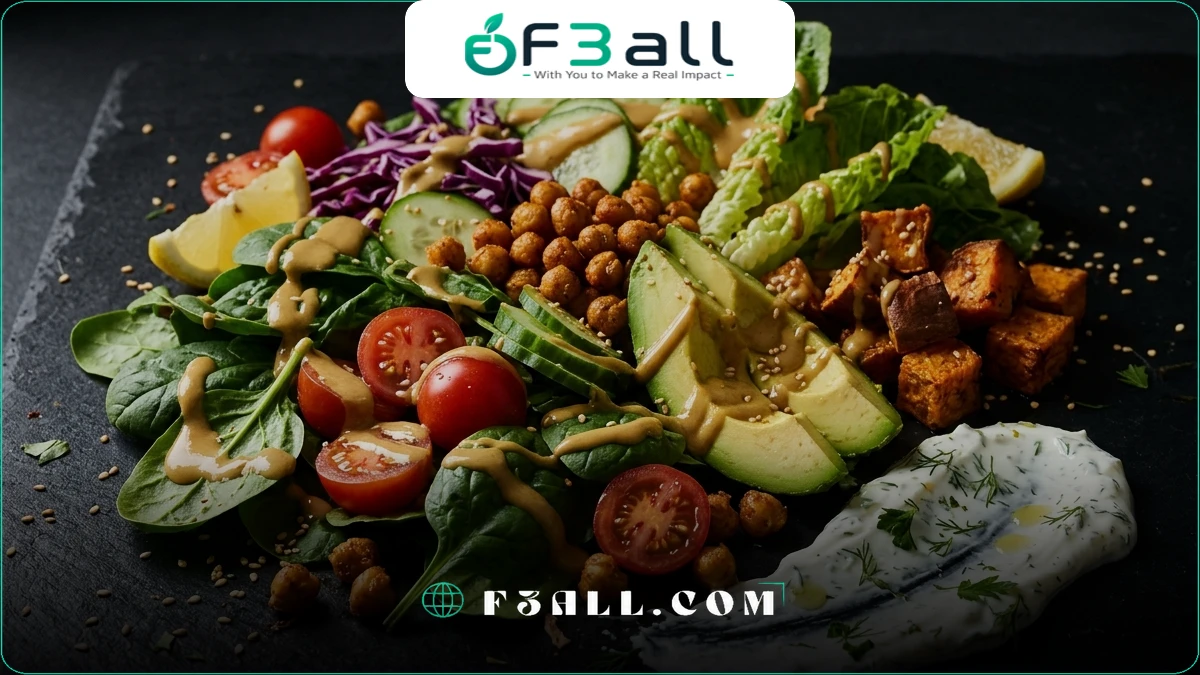
Best Dressing Calories for Weight Loss is one of the most important considerations because dressings can contribute a substantial amount of energy to an otherwise low-calorie meal.
The main calorie sources are typically oils, mayonnaise, cream, cheese, sweeteners, and other added ingredients.
How Dressing Changes Salad Calories
Consider a basic salad containing:
- Mixed leafy greens.
- Cucumber.
- Tomatoes.
- Carrots.
- Bell peppers.
The vegetables might provide approximately 70–100 calories, depending on the quantities.
Adding different dressings changes the total.
| Dressing Addition | Dressing Calories | Approximate Total Salad Calories |
| Lemon Juice and Herbs | 15 | 85–115 |
| Greek Yogurt Dressing | 40 | 110–140 |
| Light Italian Dressing | 50 | 120–150 |
| Balsamic Vinaigrette | 90 | 160–190 |
| Olive Oil Vinaigrette | 130 | 200–230 |
| Regular Ranch | 150 | 220–250 |
These examples exclude other toppings such as chicken, cheese, nuts, and croutons.
Why Oil-Based Dressings Have More Calories
Fat provides approximately nine calories per gram.
Protein and carbohydrates provide approximately four calories per gram.
Because olive oil is almost entirely fat, even small amounts contribute significant calories.
Are Oil-Free Dressings Always Better?
Not necessarily.
Dietary fat helps the body absorb fat-soluble vitamins and certain carotenoids from vegetables.
A small amount of an unsaturated-fat-containing dressing can therefore contribute nutritional value.
Does Sugar Increase Dressing Calories?
Yes.
Honey, sugar, maple syrup, and sweetened sauces add carbohydrates and calories.
However, the total amount matters more than whether a dressing contains any sugar at all.
Calories by Serving Size
| Dressing | 1 Tbsp | 2 Tbsp | 4 Tbsp |
| Lemon Herb | 5–10 | 10–20 | 20–40 |
| Greek Yogurt | 15–30 | 30–60 | 60–120 |
| Light Italian | 15–35 | 30–70 | 60–140 |
| Balsamic Vinaigrette | 30–60 | 60–120 | 120–240 |
| Olive Oil Vinaigrette | 50–75 | 100–150 | 200–300 |
| Regular Ranch | 60–80 | 120–160 | 240–320 |
Does More Dressing Make a Salad Unhealthy?
Not automatically.
However, large portions of calorie-dense dressings can significantly change a meal’s energy content.
Understanding dressing calories helps you choose satisfying flavors while keeping the complete meal aligned with your nutritional goals.
Best Dressing Nutrition for Weight Loss
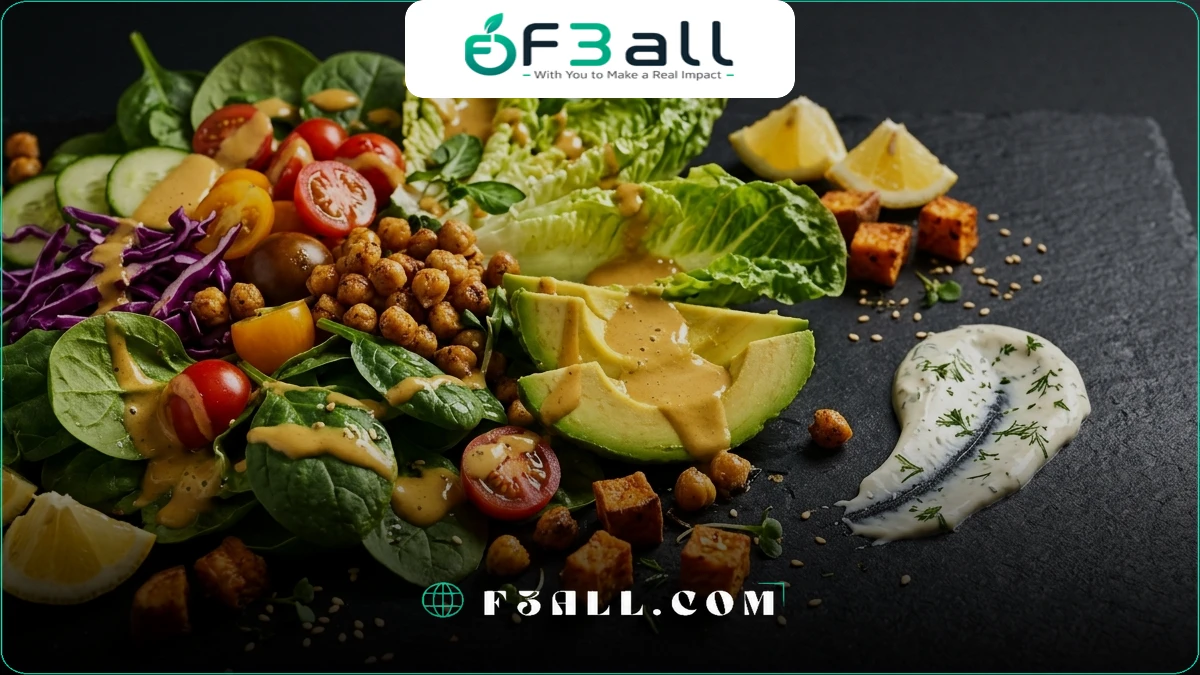
Best Dressing Nutrition for Weight Loss involves more than calories.
The type of fat, sodium content, added sugar, protein, and overall ingredient quality can all influence a dressing’s nutritional profile.
Important Nutrients to Compare
| Nutrient | Why It Matters | What to Check |
| Calories | Contributes to total energy intake | Calories per serving |
| Total Fat | Provides energy and supports nutrient absorption | Quantity and type |
| Saturated Fat | Relevant to cardiovascular health | Amount per serving |
| Unsaturated Fat | Important component of balanced diets | Oil sources |
| Sodium | Relevant to blood pressure management | Milligrams per serving |
| Added Sugar | Adds calories without essential nutrients | Grams per serving |
| Protein | Contributes to fullness and muscle maintenance | Amount |
| Fiber | Supports digestive health | Usually limited |
Unsaturated Fats
Dressings made with olive oil, canola oil, or certain seed-based ingredients can provide unsaturated fats.
These fats can be included in heart-healthy eating patterns.
Saturated Fat
Some creamy dressings contain substantial saturated fat from cream, cheese, or other dairy ingredients.
The amount varies considerably.
Sodium
Commercial dressings can contain significant sodium, even when labeled low-calorie.
Compare nutrition labels if sodium intake is a concern.
Added Sugar
Sweet dressings such as honey mustard, raspberry vinaigrette, and certain balsamic products may contain added sugar.
The amount differs across recipes and brands.
Protein
Greek yogurt-based dressings may provide some protein.
However, a small dressing serving generally contributes less protein than foods such as eggs, chicken, beans, tofu, or yogurt eaten as a main ingredient.
Does Salad Dressing Contain Fiber?
Most dressings provide little fiber.
Dressings containing tahini, avocado, or blended vegetables may contribute small amounts.
Can Dressing Improve Nutrient Absorption?
Yes.
Research indicates that dietary fat can help with the absorption of certain fat-soluble compounds from vegetables.
However, this does not mean unlimited oil improves health outcomes.
A nutritionally balanced dressing provides appropriate flavor and fat without overwhelming the meal with calories, sodium, or added sugar.
Best Dressing Benefits for Weight Loss
Best Dressing Benefits for Weight Loss are primarily indirect.
A suitable dressing can improve the taste and satisfaction of nutritious foods, potentially making balanced eating habits easier to maintain.
1. Makes Vegetables More Enjoyable
Flavorful dressings can encourage people to eat vegetables regularly.
2. Supports Meal Satisfaction
Dressings contribute taste, texture, and mouthfeel.
This can make meals feel more complete.
3. Provides Dietary Fat
Oil-based dressings supply fat, which is an essential dietary nutrient.
4. May Improve Absorption of Certain Nutrients
Some vegetable nutrients are absorbed more effectively when consumed with dietary fat.
5. Helps With Portion Planning
Measuring dressing makes the energy contribution easier to estimate.
6. Encourages Homemade Meal Preparation
Simple dressings can be prepared using ingredients already available at home.
7. Adds Variety to Repeated Meals
Different dressings can make similar salads, grain bowls, and vegetable dishes taste different.
Benefits Comparison
| Benefit | Practical Value | Limitation |
| Improved Flavor | Makes vegetables enjoyable | Taste is individual |
| Better Meal Satisfaction | May support consistency | Not guaranteed to reduce appetite |
| Unsaturated Fats | Supports balanced nutrition | Adds calories |
| Nutrient Absorption | Helps absorb certain compounds | Portion still matters |
| Convenient Preparation | Saves time | Ingredients affect nutrition |
| Recipe Variety | Reduces meal repetition | Does not directly cause fat loss |
Does Dressing Increase Metabolism?
There is no convincing evidence that ordinary salad dressings meaningfully increase metabolic rate.
Can Dressing Reduce Hunger?
A dressing may improve meal satisfaction, but hunger depends on the complete meal.
Protein, fiber, total energy intake, and individual factors play larger roles.
The main benefit of choosing a suitable dressing is making balanced meals appealing and sustainable rather than creating a special fat-burning effect.
Read more about: Best Cottage Cheese for Weight Loss | Compare Top Picks
Best Dressing Serving Size for Weight Loss
Best Dressing Serving Size for Weight Loss depends on the dressing’s ingredients and the size of the meal.
A standard commercial serving is often two tablespoons, but this is not universal.
Practical Dressing Portions
| Portion | Approximate Volume | Typical Use |
| 1 Teaspoon | 5 mL | Small flavor addition |
| 1 Tablespoon | 15 mL | Small salad |
| 2 Tablespoons | 30 mL | Standard salad serving |
| 3 Tablespoons | 45 mL | Large salad |
| ¼ Cup | 60 mL | Large portion or recipe ingredient |
Is Two Tablespoons Enough?
For many salads, two tablespoons provides sufficient coverage when the dressing is mixed thoroughly.
Is One Tablespoon Better for Weight Loss?
It may reduce calories compared with a larger serving, but the appropriate amount depends on the recipe.
How to Measure Dressing Without Guessing
- Check the serving size on the label.
- Use a measuring spoon.
- Add dressing gradually.
- Toss the salad thoroughly.
- Taste before adding more.
How to Make a Small Portion Go Further
Try:
- Tossing salad in a large bowl.
- Adding lemon juice.
- Using vinegar for extra acidity.
- Adding herbs and spices.
- Mixing creamy dressing with plain yogurt when appropriate.
Serving Size Examples
| Meal | Suggested Starting Portion | Adjustment |
| Small Side Salad | 1 Tbsp | Add if needed |
| Large Vegetable Salad | 2 Tbsp | Adjust for volume |
| Chicken Salad Bowl | 2 Tbsp | Consider other fats |
| Grain Bowl | 1–2 Tbsp | Depends on ingredients |
| Vegetable Wrap | 1 Tbsp | Spread evenly |
These are practical starting points, not medical prescriptions.
Measuring dressing portions helps maintain flavor while avoiding unintentional additions of substantial calories.
Best Dressing vs Alternatives for Weight Loss
Best Dressing vs Alternatives for Weight Loss helps explain how popular dressings compare with sauces, dips, and other toppings.
The most suitable option depends on how much is used and what it replaces.
Greek Yogurt Dressing vs Ranch
Greek yogurt dressing can contain fewer calories than regular ranch, depending on the recipe.
It may also provide more protein.
Balsamic Vinegar vs Balsamic Vinaigrette
Plain balsamic vinegar contains relatively few calories.
Balsamic vinaigrette usually includes oil and therefore contains more calories.
Olive Oil Dressing vs Mayonnaise
Both can be calorie-dense.
Olive oil contains predominantly unsaturated fat, while mayonnaise composition depends on the oils and other ingredients used.
Tahini vs Greek Yogurt
Tahini provides unsaturated fats and a nutty flavor.
Greek yogurt is typically lower in calories per tablespoon and contributes protein.
Avocado Dressing vs Creamy Ranch
Avocado dressing can provide unsaturated fats and some fiber.
However, its calorie content depends on avocado quantity and added ingredients.
Dressing Alternatives Comparison
| Option | Approximate Calories per 2 Tbsp | Main Feature |
| Lemon Juice | 10–15 | Low calories |
| Plain Balsamic Vinegar | 20–30 | Strong flavor |
| Salsa | 10–20 | Vegetable-based |
| Greek Yogurt Dressing | 25–60 | Creamy, some protein |
| Light Ranch | 50–90 | Creamy convenience |
| Tahini Dressing | 90–160 | Unsaturated fats |
| Olive Oil Vinaigrette | 100–150 | Unsaturated fats |
| Regular Ranch | 120–160 | Rich creamy flavor |
Is Salsa Better Than Salad Dressing?
Salsa is often lower in calories than oil-based dressings.
However, sodium content and meal compatibility should be considered.
Is Lemon Juice Enough for a Salad?
It can be.
However, a salad containing only vegetables and lemon juice may benefit from additional protein and healthy fats elsewhere in the meal.
Is Homemade Dressing Better Than Store-Bought?
Homemade dressing allows greater control over ingredients.
However, it is not automatically lower in calories.
Compare dressings by their actual ingredients and serving sizes rather than assuming that homemade, natural, or oil-free always means better.
Best Dressing Recipes for Weight Loss
Best Dressing Recipes for Weight Loss should provide flavor without making meals unnecessarily complicated.
Homemade dressings are particularly useful because ingredients and portions can be adjusted.
The following recipes use common ingredients and offer a range of calorie levels.
Recipe 1 – Lemon Herb Dressing
Ingredients
- 2 tablespoons lemon juice.
- 1 tablespoon water.
- 1 teaspoon Dijon mustard.
- 1 teaspoon chopped parsley.
- ½ teaspoon garlic powder.
- Black pepper.
Instructions
- Add lemon juice and water to a small bowl.
- Mix in Dijon mustard.
- Add parsley and garlic powder.
- Season with black pepper.
- Whisk until combined.
- Serve over vegetables.
Estimated calories: 15–25 for the full recipe.
Servings: Approximately 2.
Calories per serving: Approximately 8–13.
Recipe 2 – Greek Yogurt Ranch Dressing
Ingredients
- ½ cup plain nonfat Greek yogurt.
- 1 tablespoon lemon juice.
- 1 tablespoon water.
- ½ teaspoon dried dill.
- ½ teaspoon garlic powder.
- ½ teaspoon onion powder.
- Black pepper.
Instructions
- Place Greek yogurt in a bowl.
- Add lemon juice and water.
- Stir until smooth.
- Add herbs and seasonings.
- Adjust thickness with water.
- Refrigerate until serving.
Estimated calories: 65–85 for the full recipe.
Servings: Approximately 4.
Calories per serving: Approximately 16–21.
Recipe 3 – Light Balsamic Vinaigrette
Ingredients
- 2 tablespoons balsamic vinegar.
- 1 tablespoon olive oil.
- 1 tablespoon water.
- 1 teaspoon Dijon mustard.
- Black pepper.
Instructions
- Combine balsamic vinegar and mustard.
- Add olive oil gradually.
- Whisk until combined.
- Add water.
- Season with black pepper.
- Shake or whisk before serving.
Estimated calories: 145–155 for the full recipe.
Servings: Approximately 3.
Calories per serving: Approximately 48–52.
Recipe 4 – Creamy Avocado Lime Dressing
Ingredients
- ¼ medium avocado.
- 2 tablespoons lime juice.
- 2 tablespoons water.
- 1 tablespoon plain Greek yogurt.
- Fresh cilantro.
- Garlic powder.
Instructions
- Add avocado to a blender.
- Add lime juice and water.
- Add Greek yogurt.
- Blend until smooth.
- Add cilantro and garlic powder.
- Adjust thickness as needed.
Estimated calories: 90–110 for the full recipe.
Servings: Approximately 3.
Calories per serving: Approximately 30–37.
Recipe 5 – Honey Mustard Yogurt Dressing
Ingredients
- ¼ cup plain Greek yogurt.
- 1 tablespoon Dijon mustard.
- 1 teaspoon honey.
- 1 tablespoon lemon juice.
- Water as needed.
Instructions
- Mix yogurt and mustard.
- Add honey.
- Stir in lemon juice.
- Add a small amount of water.
- Whisk until smooth.
- Serve chilled.
Estimated calories: 85–105 for the full recipe.
Servings: Approximately 3.
Calories per serving: Approximately 28–35.
Recipe 6 – Tahini Lemon Dressing
Ingredients
- 1 tablespoon tahini.
- 2 tablespoons lemon juice.
- 2 tablespoons water.
- ½ teaspoon garlic powder.
- Black pepper.
Instructions
- Place tahini in a bowl.
- Add lemon juice.
- Stir until thickened.
- Add water gradually.
- Mix until creamy.
- Add seasonings.
Estimated calories: 95–105 for the full recipe.
Servings: Approximately 2.
Calories per serving: Approximately 48–53.
Recipe 7 – Spicy Tomato Dressing
Ingredients
- ¼ cup tomato puree.
- 1 tablespoon apple cider vinegar.
- 1 teaspoon lemon juice.
- ½ teaspoon smoked paprika.
- ¼ teaspoon chili powder.
- Garlic powder.
Instructions
- Combine tomato puree and vinegar.
- Add lemon juice.
- Stir in paprika and chili powder.
- Add garlic powder.
- Mix thoroughly.
- Refrigerate until serving.
Estimated calories: 25–35 for the full recipe.
Servings: Approximately 2.
Calories per serving: Approximately 13–18.
Recipe Comparison
| Recipe | Estimated Calories per Serving | Best Use |
| Lemon Herb | 8–13 | Green salads |
| Greek Yogurt Ranch | 16–21 | Vegetable salads |
| Light Balsamic | 48–52 | Grain bowls |
| Avocado Lime | 30–37 | Chicken salads |
| Honey Mustard Yogurt | 28–35 | Wraps |
| Tahini Lemon | 48–53 | Mediterranean bowls |
| Spicy Tomato | 13–18 | Bean salads |
Calories depend on ingredient brands, actual yields, and serving measurements.
Homemade dressings allow you to experiment with flavor while controlling portions and understanding exactly what goes into each recipe.
Seven-Day Best Dressing Diet Plan
A Best Dressing Diet Plan should not focus on dressings alone.
Instead, dressings can complement meals containing vegetables, lean proteins, whole grains, legumes, and healthy fats.
The following seven-day example shows how different dressings can be incorporated into balanced meals.
Seven-Day Meal Plan
| Day | Breakfast | Lunch | Dinner | Suggested Dressing |
| Monday | Oatmeal with berries | Grilled chicken salad | Salmon with vegetables | Lemon herb |
| Tuesday | Eggs and whole-grain toast | Chickpea salad bowl | Chicken with brown rice | Greek yogurt ranch |
| Wednesday | Greek yogurt with fruit | Quinoa vegetable bowl | Fish with roasted vegetables | Light balsamic |
| Thursday | Oatmeal with banana | Turkey vegetable wrap | Lentil soup | Honey mustard yogurt |
| Friday | Eggs with spinach | Mediterranean chickpea bowl | Grilled chicken with vegetables | Tahini lemon |
| Saturday | Cottage cheese with berries | Chicken avocado salad | Tofu with brown rice | Avocado lime |
| Sunday | Whole-grain toast with eggs | Black bean vegetable salad | Salmon with quinoa | Spicy tomato |
Why the Plan Rotates Dressings
Using different dressings provides flavor variety without requiring entirely different ingredients every day.
How to Adjust Dressing Portions
Consider:
- Salad size.
- Dressing calories.
- Other fat sources.
- Total meal energy.
- Personal taste.
How to Keep Meals Balanced
Include:
- Vegetables.
- A suitable protein source.
- Whole grains or other carbohydrates when appropriate.
- Healthy fats.
- A measured dressing portion.
Meal Planning Priorities
| Priority | Practical Strategy |
| Protein | Include fish, eggs, poultry, tofu, or legumes |
| Fiber | Add vegetables, fruit, and whole grains |
| Healthy Fats | Use appropriate portions |
| Calories | Consider the complete meal |
| Sodium | Compare labels |
| Variety | Rotate dressing flavors |
| Convenience | Prepare dressings in advance |
Do You Need Dressing at Every Meal?
No.
Dressings are optional additions that provide flavor and, depending on the recipe, dietary fat.
A balanced meal plan uses dressing to enhance nutritious foods rather than treating dressing as the main factor responsible for weight loss.
Read more about: Best Beans for Weight Loss | Compare Top Choices Today.
Best Dressing for Belly Fat – What the Evidence Says
Best Dressing for Belly Fat is a common search because some dressings contain ingredients promoted as fat-burning foods.
Examples include lemon juice, apple cider vinegar, olive oil, and spicy seasonings.
However, no salad dressing has been established as a treatment that selectively reduces abdominal fat.
Does Lemon Dressing Burn Belly Fat?
No.
Lemon juice provides flavor and small amounts of nutrients, but it does not directly burn abdominal fat.
Does Apple Cider Vinegar Dressing Reduce Belly Fat?
Evidence supporting apple cider vinegar for meaningful, sustained weight reduction is limited.
It should not be presented as a targeted abdominal-fat treatment.
Does Olive Oil Burn Belly Fat?
Olive oil provides unsaturated fats and can fit into a balanced diet.
However, it is calorie-dense and does not selectively eliminate abdominal fat.
Does Spicy Dressing Increase Fat Burning?
Spicy ingredients may produce small, short-term physiological effects, but they do not provide a clinically meaningful solution for belly fat.
Belly-Fat Claims Compared
| Claim | Evidence-Based Interpretation |
| Lemon Dressing Melts Belly Fat | Unsupported |
| Apple Cider Vinegar Targets Belly Fat | Not established |
| Olive Oil Burns Visceral Fat | Unsupported |
| Spicy Dressing Causes Rapid Fat Loss | Unsupported |
| Lower-Calorie Dressing Can Reduce Meal Calories | Yes |
| Overall Energy Balance Matters | Yes |
What Helps Reduce Abdominal Fat?
Evidence-based strategies include:
- Appropriate energy intake.
- Balanced nutrition.
- Regular physical activity.
- Resistance training.
- Adequate sleep.
- Individualized medical care when needed.
Can Dressing Cause Belly Bloating?
Some ingredients, including garlic, onion, dairy, and certain sweeteners, may cause digestive symptoms in sensitive individuals.
Bloating is not the same as gaining abdominal fat.
Choosing a suitable dressing may help manage meal calories, but reducing abdominal fat depends on broader dietary and lifestyle habits.
Best Dressing Best Time to Eat for Weight Loss
Best Dressing Best Time to Eat is sometimes discussed in connection with meal timing and metabolism.
However, there is no established time of day when salad dressing produces greater fat loss.
Dressing at Breakfast
Dressings can be used with savory breakfasts such as egg and vegetable bowls.
Dressing at Lunch
Lunch salads are a common opportunity to include dressing.
Dressing at Dinner
Dressings can complement vegetables, grain bowls, and protein-rich meals.
Dressing Before Exercise
There is no special benefit to consuming salad dressing before exercise.
Large, high-fat meals may cause digestive discomfort close to intense activity for some people.
Dressing After Exercise
A balanced recovery meal should prioritize appropriate protein, carbohydrates, and overall nutrition.
Dressing can contribute flavor and fat.
Timing Comparison
| Timing | Practical Use | Proven Fat-Loss Advantage |
| Breakfast | Savory dishes | No |
| Lunch | Salads and wraps | No |
| Dinner | Vegetables and bowls | No |
| Before Exercise | Optional | No |
| After Exercise | Meal flavor | No |
| Late Evening | Optional | No |
Is Dressing Better at Lunch or Dinner?
Neither is universally better.
Choose based on the meal and personal preferences.
Does Eating Dressing at Night Cause Weight Gain?
No.
Eating dressing at night does not automatically cause weight gain.
Overall energy intake matters more than the time of day.
Use dressing whenever it improves a balanced meal rather than following unsupported rules about the best time to consume it.
Best Dressing Weight Loss Results – Realistic Expectations
Best Dressing Weight Loss Results depend on whether dressing choices meaningfully change overall energy intake and dietary consistency.
Changing salad dressing alone does not guarantee weight reduction.
However, substitutions may help reduce calories in some meals.
Example Dressing Substitution
Consider replacing:
- Four tablespoons of regular ranch dressing: approximately 280 calories.
With:
- Two tablespoons of Greek yogurt dressing: approximately 40 calories.
Estimated difference: 240 calories.
This example demonstrates a potential reduction in meal calories, not a guaranteed weight-loss outcome.
Why Results Vary
Weight changes depend on:
- Total energy intake.
- Physical activity.
- Portion sizes.
- Other food choices.
- Sleep.
- Medical conditions.
- Individual physiology.
Can Switching Dressings Cause Weight Loss?
It may contribute to a calorie deficit if the change reduces total energy intake without being offset elsewhere.
Does Low-Calorie Dressing Guarantee Results?
No.
A lower-calorie dressing is only one part of the overall diet.
Realistic Outcomes
| Outcome | Realistic Expectation |
| Lower Meal Calories | Possible |
| More Vegetable Consumption | Possible |
| Improved Meal Satisfaction | Depends on preference |
| Better Portion Awareness | Possible |
| Direct Fat Burning | No |
| Guaranteed Weight Loss | No |
| Targeted Belly-Fat Reduction | Not established |
How Quickly Can Weight Loss Occur?
Weight reduction depends on the overall energy deficit and individual circumstances.
For many adults who would benefit from weight loss, gradual changes of approximately one to two pounds per week are commonly recommended.
This target is not appropriate for everyone.
Why Scale Weight May Fluctuate
Short-term changes may reflect:
- Water balance.
- Sodium intake.
- Digestive contents.
- Glycogen storage.
- Hormonal changes.
- Changes in body tissue.
Changing dressing can be a practical calorie-management strategy, but long-term results depend on the entire eating pattern.
Store-Bought vs Homemade Dressing for Weight Loss
Both store-bought and homemade dressings can fit into a balanced diet.
The main differences involve convenience, ingredient control, cost, and preparation.
Store-Bought Dressing
Advantages include:
- Convenience.
- Consistent flavor.
- Clearly labeled serving sizes.
- Long unopened shelf life.
Potential considerations include sodium, added sugar, and differences in fat content.
Homemade Dressing
Advantages include:
- Control over ingredients.
- Flexible flavor.
- Adjustable portions.
- Ability to use fresh herbs and seasonings.
However, homemade dressings can still be high in calories when made with substantial amounts of oil or other energy-dense ingredients.
Comparison Table
| Feature | Store-Bought | Homemade |
| Convenience | High | Requires preparation |
| Ingredient Control | Limited | High |
| Nutrition Label | Usually available | Requires calculation |
| Sodium Control | Depends on product | Adjustable |
| Added Sugar | Varies | Adjustable |
| Calories | Varies | Varies |
| Storage | Follow label | Depends on ingredients |
| Flavor | Consistent | Customizable |
Are Light Dressings Better?
Some light dressings contain fewer calories than standard versions.
However, light does not automatically mean low in sodium or added sugar.
Are Fat-Free Dressings Healthy?
They can fit into a balanced diet.
However, some fat-free dressings contain added sugar or sodium to improve flavor.
Should You Avoid Preservatives?
The presence of approved preservatives does not automatically make a food unsuitable for weight loss.
Focus on the complete nutritional profile.
The best choice is a dressing with a suitable nutritional profile that fits your budget, convenience needs, and taste preferences.
How to Read Salad Dressing Nutrition Labels
Nutrition labels provide more reliable information than marketing claims on the front of the bottle.
Understanding a few key details can help you compare products accurately.
Step 1 – Check Serving Size
A product may list nutrition information for one or two tablespoons.
Compare equivalent quantities.
Step 2 – Review Calories
Check the calories per serving and estimate how much you actually use.
Step 3 – Compare Fat Types
Review total fat and saturated fat.
Step 4 – Check Sodium
Some products contain substantial sodium despite relatively few calories.
Step 5 – Look at Added Sugar
Compare added sugar rather than assuming every sweet-tasting dressing is identical.
Step 6 – Review Ingredients
Ingredients are generally listed in descending order by weight.
Example Label Comparison
| Feature | Dressing A | Dressing B | Dressing C |
| Serving Size | 2 Tbsp | 2 Tbsp | 2 Tbsp |
| Calories | 40 | 90 | 150 |
| Total Fat | 2 g | 8 g | 15 g |
| Saturated Fat | 0 g | 1 g | 2 g |
| Sodium | 320 mg | 180 mg | 250 mg |
| Added Sugar | 3 g | 1 g | 0 g |
Illustrative products only.
Which Product Is Best?
The answer depends on your priorities.
Dressing A has fewer calories but more sodium.
Dressing C has more calories and fat but no added sugar.
No single metric tells the complete story.
Are Zero-Calorie Dressings Always Better?
Not necessarily.
Products marketed as zero-calorie may use small serving sizes and labeling rules that permit rounding.
They may also contain significant sodium or sweeteners.
Compare calories, fat quality, sodium, and added sugar together rather than choosing products based on a single marketing claim.
Read more about: Apron Belly After Weight Loss | See Your Options Today.
Common Mistakes When Choosing Dressing for Weight Loss
Several common habits can make dressing choices less effective for calorie management.
Mistake 1 – Pouring Without Measuring
A large amount of dressing can add more calories than expected.
Better Approach: Measure a starting portion.
Mistake 2 – Assuming Every Salad Is Low-Calorie
Salads can contain substantial calories from dressings, cheese, nuts, croutons, and other ingredients.
Better Approach: Evaluate the complete meal.
Mistake 3 – Avoiding All Dietary Fat
Dietary fat is an essential nutrient and supports absorption of certain compounds.
Better Approach: Include appropriate portions of healthy fats.
Mistake 4 – Choosing Only by Calories
Very low-calorie products may contain substantial sodium or added sugar.
Better Approach: Compare the full nutrition label.
Mistake 5 – Assuming Homemade Means Low-Calorie
Homemade vinaigrettes can contain large amounts of oil.
Better Approach: Measure ingredients.
Mistake 6 – Expecting Fat-Burning Results
No dressing has been established as a direct fat-burning treatment.
Better Approach: Focus on balanced nutrition.
Mistake 7 – Ignoring Food Safety
Homemade dressings containing dairy, fresh garlic, or other perishable ingredients require appropriate storage.
Better Approach: Refrigerate promptly and follow reliable storage guidance.
Mistake Summary
| Mistake | Better Strategy |
| Unmeasured Portions | Use measuring spoons |
| Ignoring Toppings | Evaluate the whole salad |
| Avoiding All Fat | Include appropriate unsaturated fats |
| Focusing Only on Calories | Compare full nutrition |
| Overusing Oil | Measure ingredients |
| Believing Fat-Burning Claims | Use realistic expectations |
| Improper Storage | Follow food-safety guidance |
Avoiding these mistakes helps make salad dressing a useful addition to nutritious meals rather than an overlooked source of extra calories.
How to Meal Prep and Store Healthy Dressings
Preparing dressings in advance can save time and encourage consistent meal preparation.
However, storage requirements vary according to the ingredients.
Choose Two or Three Dressings
For example:
- Lemon herb.
- Greek yogurt ranch.
- Light balsamic vinaigrette.
Prepare Small Batches
Small batches help reduce waste.
Use Clean Containers
Store dressings in clean, food-safe containers with secure lids.
Refrigerate Perishable Dressings
Dressings containing yogurt, fresh herbs, garlic, or other perishable ingredients should be refrigerated promptly.
Label Containers
Include the preparation date.
Shake Before Serving
Oil-based dressings often separate during storage.
Avoid Leaving Dressing at Room Temperature
Perishable dressings should generally not remain at room temperature for more than two hours, or one hour when temperatures exceed 90°F (32°C).
Weekly Dressing Meal Prep
| Day | Dressing | Meal |
| Monday | Lemon Herb | Chicken salad |
| Tuesday | Greek Yogurt Ranch | Vegetable bowl |
| Wednesday | Light Balsamic | Quinoa salad |
| Thursday | Honey Mustard Yogurt | Turkey wrap |
| Friday | Tahini Lemon | Chickpea bowl |
| Saturday | Avocado Lime | Chicken salad |
| Sunday | Spicy Tomato | Black bean salad |
How Long Does Homemade Dressing Last?
Storage time depends on ingredients, acidity, preparation, and refrigeration.
Dairy-based and fresh-ingredient dressings generally require more careful handling than commercially packaged shelf-stable products.
Do not assume homemade dressings have the same shelf life as commercial products.
Can You Freeze Salad Dressing?
Some dressings can be frozen, but texture may change.
Creamy emulsions may separate after thawing.
Should You Store Homemade Garlic Oil at Room Temperature?
No.
Homemade garlic-in-oil preparations can pose a botulism risk when stored improperly.
Use reliable food-safety guidance and avoid room-temperature storage.
Preparing small batches and following appropriate storage practices makes homemade dressing convenient while reducing unnecessary food-safety risks.
Building Sustainable Weight-Loss Habits With Salad Dressing
Salad dressing is a relatively small component of the overall diet.
Sustainable weight management depends on appropriate energy intake, adequate nutrition, physical activity, sleep, and individual health needs.
Prioritize Vegetables
Vegetables provide fiber, vitamins, minerals, and food volume.
Include Adequate Protein
Protein supports muscle maintenance and contributes to meal satisfaction.
Choose Whole Grains
Whole grains provide carbohydrates, fiber, and other nutrients.
Use Healthy Fats in Appropriate Portions
Olive oil, nuts, seeds, and avocado can contribute unsaturated fats.
Maintain Appropriate Energy Intake
Weight reduction generally requires an energy deficit over time.
Individual requirements vary.
Exercise Regularly
For most adults, general recommendations include at least 150 minutes of moderate-intensity aerobic activity weekly and muscle-strengthening activities on at least two days.
Prioritize Sleep
Adequate sleep supports overall health and may influence appetite regulation.
Sustainable Habit Comparison
| Habit | Potential Benefit |
| Eating Vegetables | Adds fiber and micronutrients |
| Adequate Protein | Supports muscle maintenance |
| Whole Grains | Provides energy and fiber |
| Appropriate Dressing Portions | Helps manage meal calories |
| Unsaturated Fats | Supports balanced nutrition |
| Regular Exercise | Supports fitness |
| Resistance Training | Supports strength |
| Adequate Sleep | Supports overall health |
Do You Need Low-Calorie Dressing to Lose Weight?
No.
Weight loss can occur within many different balanced dietary patterns.
However, choosing suitable dressing portions may help some people manage overall calorie intake.
The most useful approach is to make nutritious meals enjoyable while maintaining consistent habits that support long-term health.
Why F3all Is Your Best Choice

At F3all, the Best Dressing for Weight Loss guide focuses on practical nutrition comparisons, balanced recipes, realistic expectations, and everyday meal-planning strategies.
The goal is to help readers choose suitable salad dressings without exaggerated fat-burning claims.
- Clear Calorie Comparisons: Understand how different dressings affect meal calories.
- Nutrition Guidance: Compare fat quality, sodium, and added sugar.
- Serving Size Advice: Learn practical portion-control strategies.
- Healthy Recipes: Explore homemade creamy, tangy, and oil-based dressings.
- Food Comparisons: Compare dressings with sauces and alternative toppings.
- Meal Planning: Discover a flexible seven-day schedule.
- Realistic Results: Understand what dressing substitutions can and cannot achieve.
- Practical Preparation Tips: Learn storage and meal-preparation methods.
Explore more nutrition information, healthy recipes, and weight-management resources through F3all.
F3all helps readers make informed food choices through practical recipes and evidence-based nutrition guidance.
Frequently Asked Questions
What Is the Best Dressing for Weight Loss?
Lemon herb dressing, Greek yogurt dressing, and appropriately portioned vinaigrettes are practical choices. The best option depends on calories, ingredients, taste, and the complete meal.
Which Salad Dressing Has the Fewest Calories?
Simple lemon juice and herb dressings or oil-free vinegar-based dressings often contain relatively few calories. Exact values depend on the recipe.
Is Olive Oil Dressing Good for Weight Loss?
Yes, olive oil dressing can fit into a balanced diet. It provides unsaturated fats but is calorie-dense, so portion size matters.
How Much Salad Dressing Should I Use for Weight Loss?
One to two tablespoons is a practical starting point for many salads. The appropriate amount depends on dressing calories, salad size, and individual needs.
Is Ranch Dressing Bad for Weight Loss?
No. Ranch dressing can fit into a balanced diet, although regular varieties are often relatively high in calories. Portion size and overall energy intake matter.
Is Greek Yogurt Dressing Better Than Mayonnaise Dressing?
Greek yogurt dressing may provide fewer calories and more protein, depending on the recipe. However, nutritional values vary.
Can Salad Dressing Burn Belly Fat?
No. Salad dressing does not selectively burn abdominal fat. Overall dietary habits and physical activity are more important.
Is Balsamic Vinaigrette Good for Weight Loss?
It can be. Balsamic vinaigrette provides flavor, but calories depend largely on the amount of oil and added sugar.
Is Homemade Salad Dressing Healthier Than Store-Bought?
Not automatically. Homemade dressing allows greater ingredient control, but it can still be high in calories. Store-bought products vary considerably.
Does Switching to Low-Calorie Dressing Help With Weight Loss?
It may help reduce meal calories if the substitution lowers overall energy intake. However, switching dressings alone does not guarantee weight loss.
In the End
The Best Dressing for Weight Loss is one that complements nutritious meals while providing appropriate flavor, calories, and nutritional value.
Lemon herb dressing is useful for lower-calorie meals, Greek yogurt dressing provides a creamy alternative with some protein, and olive oil vinaigrettes contribute unsaturated fats.
Light Italian, balsamic vinaigrette, tahini, and avocado-based dressings can also fit into balanced eating patterns when portions are considered.
However, no dressing directly burns body fat or selectively reduces belly fat.
For sustainable weight management, focus on vegetables, adequate protein, whole grains, appropriate portions, regular physical activity, and consistent daily habits.
Choose dressings you enjoy, compare nutrition labels, experiment with homemade recipes, and use sensible portions to make healthy meals satisfying and sustainable.
References