Carbs for Weight Loss | Compare Foods and Portions Now.
Carbs for Weight Loss can be part of a healthy, satisfying eating plan without eliminating bread, rice, potatoes, or fruit. Carbohydrates provide energy for everyday activities and exercise, while many carbohydrate-rich foods also supply fiber, vitamins, and minerals. The important differences are food quality, portion size, preparation method, and overall calorie intake. Understanding these factors helps you select carbohydrates that support your nutritional needs and make sustainable weight management easier.
This guide compares carbohydrate sources, explains calories and serving sizes, shares practical recipes, and provides a seven-day meal plan. It also examines carbohydrate timing, belly-fat claims, low-carb alternatives, and realistic weight-loss results.
Carbs for Weight Loss – Which Foods Should You Choose?
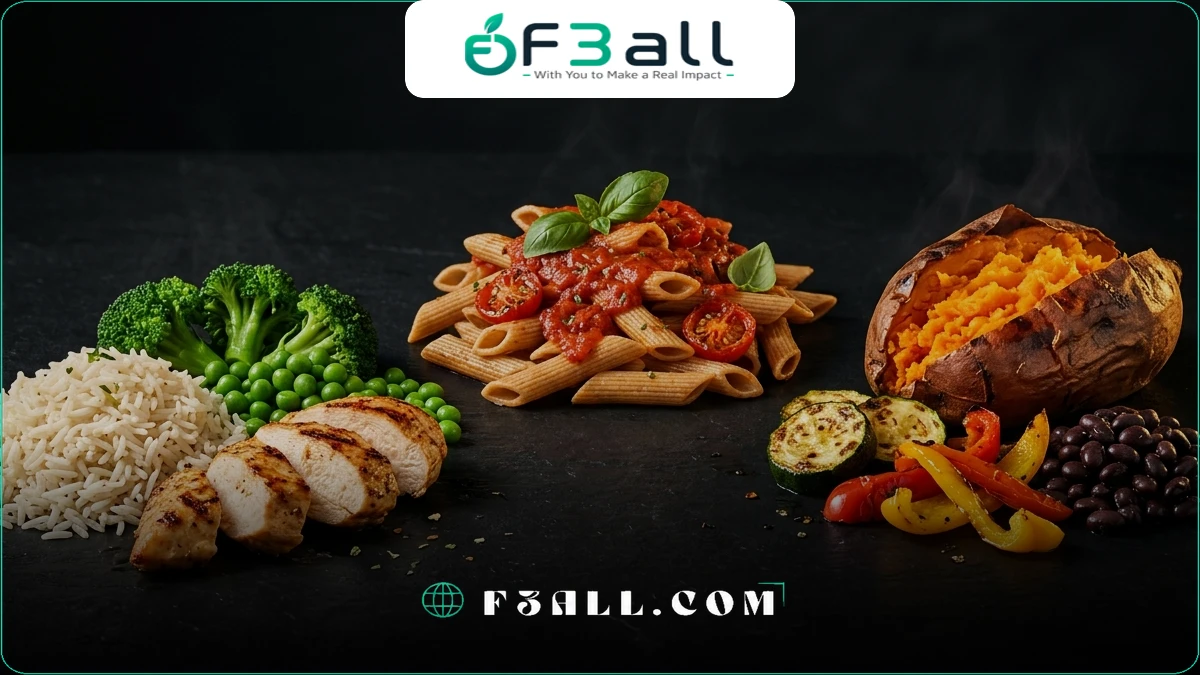
The most useful Carbs for Weight Loss are not necessarily the foods containing the fewest grams of carbohydrate.
Instead, consider how much nutrition, fiber, and satisfaction a food provides for its total calories.
A serving of lentils, for example, contains carbohydrates alongside plant protein and fiber. A sugary beverage also contains carbohydrates but generally provides much less fiber and fewer essential nutrients.
15 Carbohydrate Foods Worth Including
| Food | Typical Portion | Approx. Carbs | Approx. Calories | Main Advantage |
| Cooked Oatmeal | 150 g | 18 g | 106 | Whole grain |
| Cooked Brown Rice | 100 g | 26 g | 123 | Versatile meal base |
| Cooked Quinoa | 100 g | 21 g | 120 | Fiber and some protein |
| Cooked Barley | 100 g | 28 g | 123 | Fiber |
| Cooked Lentils | 100 g | 20 g | 116 | Fiber and plant protein |
| Cooked Black Beans | 100 g | 24 g | 132 | Fiber and plant protein |
| Cooked Chickpeas | 100 g | 27 g | 164 | Fiber and versatility |
| Baked Potato | 150 g | 32 g | 139 | Potassium and satisfying volume |
| Baked Sweet Potato | 150 g | 31 g | 135 | Beta-carotene |
| Apple | 150 g | 21 g | 78 | Water and fiber |
| Banana | 118 g | 27 g | 105 | Convenient energy |
| Strawberries | 150 g | 12 g | 48 | High water content |
| Orange | 140 g | 17 g | 66 | Vitamin C |
| Whole-Wheat Bread | 1 slice, 28 g | 12 g | 70 | Convenient whole grain |
| Cooked Whole-Wheat Pasta | 100 g | 30 g | 149 | Meal flexibility |
Values are approximate and depend on the product, variety, preparation, and whether foods are weighed cooked or raw.
Best for Breakfast
Oatmeal, whole-grain bread, and fruit are convenient carbohydrate choices for breakfast.
Best for Lunch
Brown rice, quinoa, chickpeas, and lentils work well in bowls, soups, and salads.
Best for Dinner
Potatoes, sweet potatoes, whole-wheat pasta, and barley can accompany vegetables and protein.
Best for Snacks
Whole fruit is portable and generally requires little preparation.
Best for High-Fiber Meals
Beans, lentils, and barley are particularly useful when increasing dietary fiber.
For a detailed comparison of whole grains, legumes, fruit, and starchy vegetables, explore Good Carbs for Weight Loss. <Cite ref=”turn591801search0″/>
Choose carbohydrate foods based on their nutritional value and the complete meal rather than excluding entire food groups.
Carbs Calories for Weight Loss – Understanding the Numbers
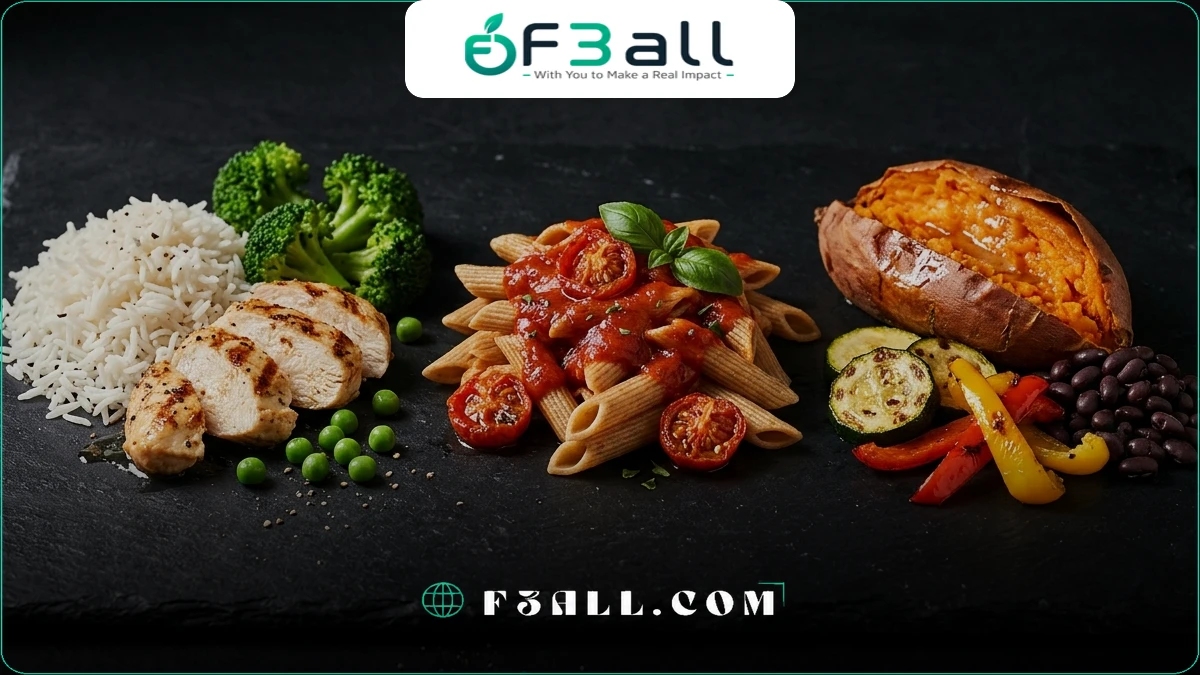
Carbs Calories for Weight Loss is a useful topic because carbohydrates are frequently blamed for weight gain.
However, carbohydrate itself is not uniquely fattening.
Body-weight changes are influenced by total energy intake, energy expenditure, and other individual factors.
How Many Calories Are in Carbohydrates?
Digestible carbohydrates generally provide approximately four calories per gram.
The simplified calculation is:
Carbohydrate Calories = Carbohydrate Grams × 4
| Carbohydrate Amount | Approximate Energy |
| 10 g | 40 Calories |
| 20 g | 80 Calories |
| 30 g | 120 Calories |
| 40 g | 160 Calories |
| 50 g | 200 Calories |
| 75 g | 300 Calories |
| 100 g | 400 Calories |
This is a general calculation. Fiber is included in total carbohydrate on U.S. nutrition labels, and its metabolizable energy differs from that of digestible starches and sugars.
Carbohydrate Calories vs Total Food Calories
A carbohydrate-rich food may also contain protein and fat.
Therefore, its total calories are not necessarily equal to carbohydrate grams multiplied by four.
| Food | Portion | Approx. Carbs | Calories From Carbs* | Total Calories |
| Oatmeal | 150 g cooked | 18 g | 72 | 106 |
| Brown Rice | 150 g cooked | 38 g | 152 | 184 |
| Lentils | 150 g cooked | 30 g | 120 | 174 |
| Chickpeas | 100 g cooked | 27 g | 108 | 164 |
| Apple | 150 g | 21 g | 84 | 78 |
| Potato | 150 g baked | 32 g | 128 | 139 |
Carbohydrate calories use the simplified four-calorie calculation and are not exact absorbed-energy measurements.
Why Do Some Carb Foods Have More Calories?
Differences may reflect:
- Fat content.
- Protein content.
- Water content.
- Fiber.
- Cooking methods.
- Added oils or sauces.
- Serving size.
For example, a baked potato and a serving of French fries are nutritionally different because frying introduces additional fat and calories.
Do Carbs Become Body Fat Automatically?
No.
The body uses carbohydrates for energy and stores some as glycogen in the liver and muscles.
Long-term fat accumulation is influenced by overall energy balance, not simply whether carbohydrates were eaten.
Does Cutting Carbs Always Reduce Calories?
Not necessarily.
Replacing carbohydrates with large portions of oils, cheese, nuts, or other energy-dense foods may leave total calorie intake unchanged or higher.
Calorie awareness matters, but the nutritional quality and serving size of carbohydrate foods are equally important.
Carbs Nutrition for Weight Loss – Fiber, Vitamins, and Energy
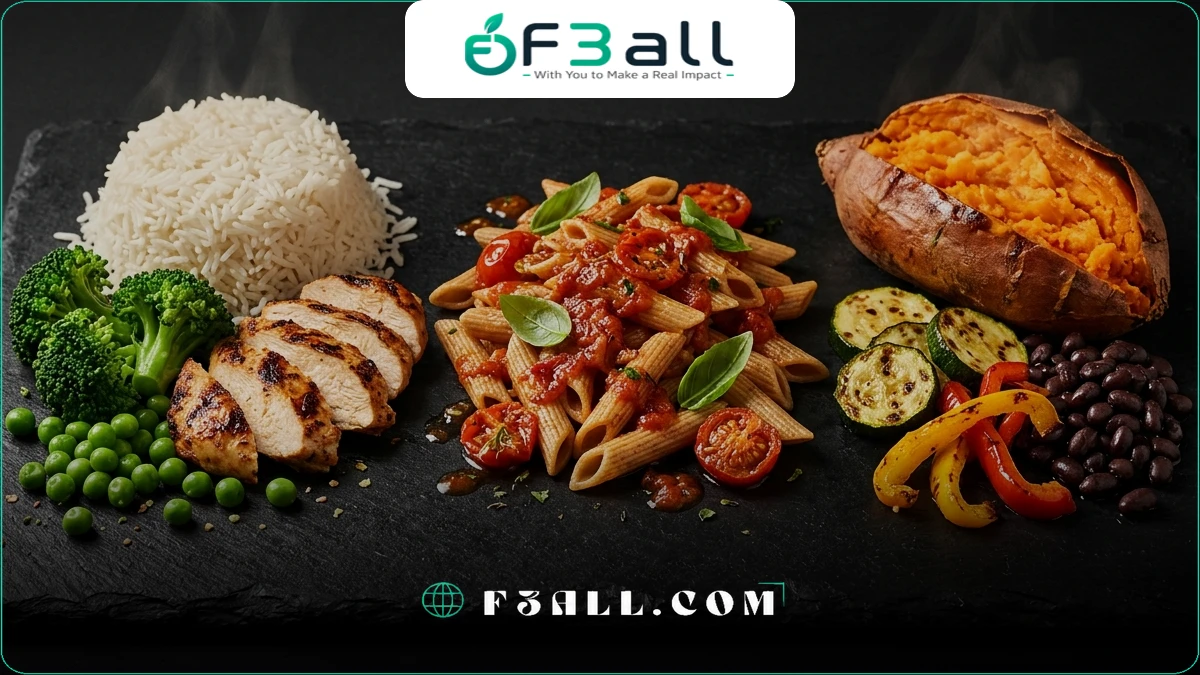
Carbs Nutrition for Weight Loss goes beyond counting grams.
Different carbohydrate foods supply different nutrients and have different effects on fullness and digestion.
Whole Grains
Whole grains retain more of the original grain components than refined grains.
They can contribute:
- Dietary fiber.
- B vitamins.
- Magnesium.
- Other minerals.
- Carbohydrate energy.
Examples include oats, barley, brown rice, and whole wheat.
Legumes
Beans, lentils, and chickpeas provide carbohydrates alongside protein and fiber.
This combination makes them useful in vegetarian and mixed-diet meals.
Whole Fruit
Whole fruit provides carbohydrates, water, fiber, and micronutrients.
Its naturally occurring sugars should not be treated as nutritionally equivalent to the added sugar in soda.
Starchy Vegetables
Potatoes, sweet potatoes, corn, and peas can contribute carbohydrate energy and useful nutrients.
Preparation and portion size affect the overall meal.
Dairy and Fortified Alternatives
Milk and yogurt contain carbohydrates, primarily lactose, alongside protein and other nutrients.
Unsweetened fortified plant-based alternatives vary in their carbohydrate and protein content.
Nutritional Comparison
| Food Group | Key Nutrients | Practical Benefit |
| Whole Grains | Fiber, B vitamins, minerals | Supports dietary variety |
| Legumes | Fiber, plant protein, minerals | Adds satisfying meal components |
| Fruit | Fiber, water, vitamins | Convenient snacks |
| Starchy Vegetables | Potassium, vitamins, carbohydrates | Versatile meal options |
| Milk and Yogurt | Protein, calcium, carbohydrates | Nutritional contribution |
| Refined Grains | Carbohydrates; sometimes added nutrients | Convenient but often less fiber |
Why Fiber Matters
Fiber contributes to digestive health and can help support fullness.
Foods naturally containing fiber include:
- Lentils.
- Beans.
- Oats.
- Barley.
- Berries.
- Apples.
- Vegetables.
- Whole grains.
Are All High-Carb Foods High in Fiber?
No.
Refined bread, sweets, and sugary drinks may contain substantial carbohydrates but little fiber.
Is Glycemic Index Important?
The glycemic index describes how a carbohydrate-containing food affects blood glucose under standardized testing conditions.
However, actual meal responses depend on portion size, preparation, food combinations, and individual physiology.
It should not be the only criterion for choosing foods.
Prioritize carbohydrates that contribute fiber, vitamins, minerals, and useful energy rather than judging nutritional quality from carbohydrate grams alone.
Read more about: Best Veggies Weight Loss | Compare Top Choices and Tips
Carbs Benefits for Weight Loss – Why You Do Not Need to Eliminate Them
Carbs Benefits for Weight Loss are often overlooked because restrictive diets may portray carbohydrates as obstacles.
In reality, appropriate carbohydrate foods can make a balanced diet easier to maintain.
1. Provide Energy for Daily Activities
Carbohydrates are an important energy source for the brain and working muscles.
2. Support Exercise Performance
Carbohydrate availability can be particularly relevant during longer or more intense workouts.
3. Contribute Dietary Fiber
Whole grains, fruit, and legumes can help people meet their fiber needs.
4. Improve Meal Variety
Carbohydrate foods allow flexibility in breakfast, lunch, dinner, and snacks.
5. Support Nutritional Adequacy
Whole-food carbohydrate sources supply nutrients that may be harder to obtain when major food groups are unnecessarily excluded.
6. Help Create Satisfying Meals
A meal containing protein, vegetables, and a measured portion of whole grains or legumes can be more satisfying than an overly restrictive plate.
7. Support Sustainable Eating Patterns
Allowing familiar foods in appropriate portions may improve long-term adherence.
Benefits at a Glance
| Benefit | Example | Practical Value |
| Energy | Oats | Breakfast fuel |
| Exercise Support | Rice or potatoes | Carbohydrate availability |
| Fiber | Lentils | Digestive health |
| Nutritional Variety | Fruit | Vitamins and water |
| Meal Satisfaction | Beans and vegetables | Protein and fiber |
| Convenience | Whole-grain bread | Easy meal preparation |
| Flexibility | Quinoa or pasta | More food choices |
Are Low-Carb Diets Always Less Effective?
No single macronutrient distribution is best for everyone.
Low-carbohydrate diets can work for some individuals, while moderate-carbohydrate diets can also support weight loss.
Overall energy intake, food quality, health needs, and adherence are central considerations.
For a different dietary approach, see High Protein Low Carb Recipes for Weight Loss. <Cite ref=”turn591801search1″/>
Including appropriate carbohydrate portions can support energy, nutrition, and consistency without preventing weight reduction.
Carbs Serving Size for Weight Loss – How Much Should You Eat?
Carbs Serving Size for Weight Loss is often more practical than following a rigid list of forbidden foods.
The quantity that fits into a meal depends on energy needs, activity, appetite, and the other foods being served.
Typical Carbohydrate Portions
| Food | Example Portion | Approx. Carbohydrates |
| Cooked Oatmeal | ½ cup | 14 g |
| Cooked Brown Rice | ½ cup | 23 g |
| Cooked Quinoa | ½ cup | 20 g |
| Cooked Lentils | ½ cup | 20 g |
| Cooked Black Beans | ½ cup | 20 g |
| Whole-Wheat Bread | 1 slice | 12 g |
| Medium Apple | 1 | 25 g |
| Medium Banana | 1 | 27 g |
| Baked Potato | 150 g | 32 g |
| Strawberries | 1 cup | 12 g |
These are approximate values, not prescribed portions.
The Balanced Plate Method
One practical meal-building approach is:
- Approximately half the plate from non-starchy vegetables.
- Approximately one-quarter from protein-rich foods.
- Approximately one-quarter from carbohydrate-rich foods.
- A measured amount of dietary fat.
This is a flexible visual guide rather than a fixed rule.
Example Balanced Lunch
| Component | Example |
| Protein | Grilled chicken or tofu |
| Carbohydrate | Cooked brown rice |
| Vegetables | Broccoli and peppers |
| Fat | Measured olive oil |
| Flavor | Lemon, herbs, spices |
Should You Weigh Carbohydrates Raw or Cooked?
Either method can work, but use nutrition data corresponding to the same preparation state.
For example, 100 grams of dry rice contains much more carbohydrate than 100 grams of cooked rice because cooked rice contains absorbed water.
How Much Carbohydrate Should You Eat Daily?
There is no universal weight-loss carbohydrate target.
The Dietary Guidelines for Americans have traditionally described a carbohydrate range of approximately 45–65% of total energy for adults.
However, individual dietary patterns may differ, and people with diabetes or other medical conditions may require tailored guidance.
Example Carbohydrate Calculation
For a hypothetical 1,800-calorie eating pattern:
| Carbohydrate Share | Carb Calories | Approx. Grams |
| 40% | 720 | 180 g |
| 45% | 810 | 203 g |
| 50% | 900 | 225 g |
| 55% | 990 | 248 g |
These are mathematical examples, not personalized recommendations.
Portion control should help you build balanced meals, not turn carbohydrate intake into an unnecessarily rigid daily target.
Carbs Recipes for Weight Loss – Seven Balanced Meal Ideas
Carbs Recipes for Weight Loss can be satisfying, affordable, and simple to prepare. The goal is to combine carbohydrate-rich foods with protein, vegetables, and appropriate amounts of fat.
The following recipes use familiar ingredients and measured portions. Nutritional values are estimates and will vary by brand and preparation.
Recipe 1 – Berry Oatmeal Breakfast Bowl
Ingredients
- 40 g dry rolled oats.
- 150 g plain nonfat Greek yogurt.
- 100 g strawberries.
- 10 g chia seeds.
- Water for cooking.
- Cinnamon to taste.
Instructions
- Cook oats in water according to the package instructions.
- Transfer the cooked oats to a bowl.
- Add Greek yogurt.
- Top with sliced strawberries.
- Sprinkle chia seeds and cinnamon over the mixture.
Approximate nutrition per serving
| Calories | Carbs | Protein | Fiber |
| 320 | 43 g | 23 g | 9 g |
This breakfast combines whole grains, fruit, and protein without requiring added sugar.
Recipe 2 – Chicken and Brown Rice Bowl
Ingredients
- 120 g cooked brown rice.
- 120 g cooked chicken breast.
- 100 g broccoli.
- 100 g bell peppers.
- 5 g olive oil.
- Lemon juice and spices.
Instructions
- Cook the brown rice.
- Grill or bake the chicken until fully cooked.
- Steam the broccoli.
- Sauté the peppers using the measured olive oil.
- Combine the ingredients and season with lemon and spices.
Approximate nutrition per serving
| Calories | Carbs | Protein | Fiber |
| 445 | 43 g | 43 g | 6 g |
The rice supplies carbohydrates, while chicken and vegetables provide protein and additional nutrients.
Recipe 3 – Lentil and Vegetable Soup
Ingredients
- 150 g cooked lentils.
- 100 g carrots.
- 100 g tomatoes.
- 50 g onion.
- 100 g spinach.
- 5 g olive oil.
- Low-sodium broth.
- Cumin and black pepper.
Instructions
- Heat olive oil in a pot.
- Cook the onion until softened.
- Add carrots and tomatoes.
- Pour in broth and simmer.
- Add cooked lentils.
- Stir in spinach.
- Season and serve.
Approximate nutrition per serving
| Calories | Carbs | Protein | Fiber |
| 300 | 48 g | 17 g | 16 g |
Lentils provide fiber and plant protein, making this a practical lunch option.
Recipe 4 – Baked Potato With Tuna and Yogurt
Ingredients
- 180 g baked potato.
- 100 g canned tuna in water, drained.
- 60 g plain Greek yogurt.
- 50 g cucumber.
- Lemon juice.
- Black pepper and herbs.
Instructions
- Bake the potato until tender.
- Drain the tuna.
- Mix tuna with Greek yogurt, lemon, and herbs.
- Cut the potato open.
- Add the tuna mixture.
- Serve with cucumber.
Approximate nutrition per serving
| Calories | Carbs | Protein | Fiber |
| 335 | 43 g | 36 g | 5 g |
This recipe demonstrates how potatoes can fit into a protein-rich meal without deep frying.
Recipe 5 – Chickpea and Quinoa Salad
Ingredients
- 100 g cooked chickpeas.
- 100 g cooked quinoa.
- 100 g cucumber.
- 100 g tomatoes.
- 5 g olive oil.
- Lemon juice.
- Parsley.
Instructions
- Cook and cool the quinoa safely.
- Rinse and drain the chickpeas.
- Chop the vegetables.
- Combine all ingredients.
- Add olive oil and lemon juice.
- Sprinkle with parsley.
Approximate nutrition per serving
| Calories | Carbs | Protein | Fiber |
| 370 | 59 g | 14 g | 12 g |
The combination provides carbohydrate, fiber, and plant protein.
Recipe 6 – Sweet Potato and Egg Breakfast
Ingredients
- 150 g cooked sweet potato.
- 2 large eggs.
- 75 g spinach.
- 5 g olive oil.
- Black pepper.
Instructions
- Roast or bake the sweet potato.
- Heat olive oil in a nonstick pan.
- Cook the spinach.
- Add eggs and cook thoroughly.
- Serve alongside the sweet potato.
Approximate nutrition per serving
| Calories | Carbs | Protein | Fiber |
| 335 | 36 g | 17 g | 6 g |
Sweet potato provides carbohydrate energy, while eggs contribute protein.
Recipe 7 – Whole-Wheat Pasta With Turkey and Vegetables
Ingredients
- 120 g cooked whole-wheat pasta.
- 100 g cooked lean ground turkey.
- 100 g tomato sauce without added sugar.
- 100 g zucchini.
- 5 g olive oil.
- Garlic and Italian herbs.
Instructions
- Cook pasta according to package directions.
- Cook the turkey thoroughly.
- Sauté zucchini using the measured olive oil.
- Add tomato sauce and herbs.
- Combine with the cooked pasta.
- Serve warm.
Approximate nutrition per serving
| Calories | Carbs | Protein | Fiber |
| 425 | 45 g | 36 g | 7 g |
Whole-wheat pasta can be part of a balanced dinner when paired with vegetables and lean protein.
Recipe Comparison
| Recipe | Approx. Calories | Carbs | Protein |
| Berry Oatmeal Bowl | 320 | 43 g | 23 g |
| Chicken Brown Rice Bowl | 445 | 43 g | 43 g |
| Lentil Vegetable Soup | 300 | 48 g | 17 g |
| Tuna Baked Potato | 335 | 43 g | 36 g |
| Chickpea Quinoa Salad | 370 | 59 g | 14 g |
| Sweet Potato and Eggs | 335 | 36 g | 17 g |
| Whole-Wheat Turkey Pasta | 425 | 45 g | 36 g |
For more meal-building ideas, see Easy Weight Loss Recipes. <Cite ref=”turn591801search6″/>
These recipes show that carbohydrate-rich meals can provide useful nutrition while keeping portions and total calories visible.
Carbs Diet Plan – A Seven-Day Balanced Menu
A Carbs Diet Plan does not have to eliminate grains, fruit, or starchy vegetables.
Instead, it can distribute carbohydrate foods across meals according to energy needs, appetite, and activity.
The following example provides meal ideas rather than a prescribed calorie target.
Seven-Day Meal Plan
| Day | Breakfast | Lunch | Dinner | Snack |
| Monday | Oatmeal, Yogurt, Berries | Chicken and Brown Rice | Salmon, Potato, Broccoli | Apple |
| Tuesday | Eggs and Whole-Grain Toast | Lentil Vegetable Soup | Turkey and Quinoa | Strawberries |
| Wednesday | Greek Yogurt and Banana | Chickpea Salad | Fish and Sweet Potato | Orange |
| Thursday | Oats and Chia | Chicken Rice Bowl | Tofu and Barley | Apple |
| Friday | Whole-Grain Toast and Eggs | Tuna Baked Potato | Turkey Whole-Wheat Pasta | Berries |
| Saturday | Yogurt, Oats, Fruit | Quinoa and Chickpeas | Chicken, Rice, Vegetables | Banana |
| Sunday | Sweet Potato and Eggs | Lentil Salad | Salmon and Roasted Potatoes | Orange |
How to Adjust the Plan
Portions should reflect individual requirements.
People with higher activity levels may need more carbohydrate energy.
Those with lower energy requirements may benefit from smaller portions, depending on the complete diet.
Example Meal Distribution
| Meal | Carbohydrate Source | Protein Source | Vegetables or Fruit |
| Breakfast | Oats | Greek Yogurt | Berries |
| Lunch | Brown Rice | Chicken | Broccoli |
| Dinner | Potato | Salmon | Mixed Vegetables |
| Snack | Apple | Optional Yogurt | Apple |
Is Carb Cycling Necessary?
Carb cycling alternates carbohydrate intake across different days.
Some people use it to match food intake with training demands, but it has not been established as universally superior for weight loss.
Learn how this approach works in Carb Cycling for Weight Loss. <Cite ref=”turn591801search2″/>
Should You Follow the Same Menu Every Week?
Not necessarily.
Rotating whole grains, legumes, vegetables, and fruit can improve dietary variety and make meal planning more enjoyable.
Is a Seven-Day Plan Enough for Weight Loss?
Seven days can help establish habits, but long-term weight changes depend on sustained energy balance and other factors.
A flexible carbohydrate meal plan is easier to maintain when it includes familiar foods, appropriate portions, and nutritional variety.
Read more about: Best Dressing for Weight Loss | Compare Healthy Options
Carbs Best Time to Eat – Morning, Before Exercise, or at Night?
Carbs Best Time to Eat is a frequent question because carbohydrate timing is often presented as a major factor in fat loss.
However, no single time of day guarantees better weight-loss results.
For most people, total food intake, dietary quality, and long-term consistency matter more than rigid carbohydrate schedules.
Carbohydrates at Breakfast
Oats, fruit, and whole-grain bread can provide energy and useful nutrients.
A balanced breakfast may also include eggs, yogurt, or another protein source.
Carbohydrates Before Exercise
Carbohydrates can help fuel moderate-to-vigorous activity.
For longer or more demanding exercise sessions, carbohydrate availability may be particularly important.
Carbohydrates After Exercise
Carbohydrate-containing foods can help replenish glycogen.
Pairing carbohydrates with protein may support recovery, depending on the workout and overall dietary intake.
Carbohydrates at Dinner
Eating carbohydrates at night does not automatically cause weight gain.
The complete meal and overall dietary pattern matter more.
Meal Timing Comparison
| Time | Example Carb | Main Purpose |
| Breakfast | Oatmeal | Morning energy |
| Midmorning | Apple | Convenient snack |
| Lunch | Brown Rice | Balanced meal |
| Before Exercise | Banana | Exercise fuel |
| After Exercise | Potato or Rice | Glycogen replenishment |
| Dinner | Quinoa or Sweet Potato | Balanced nutrition |
Does Eating Carbs After 6 PM Cause Weight Gain?
No specific clock time automatically converts carbohydrates into body fat.
However, frequent late-night overeating can increase total energy intake.
Is It Better to Eat Most Carbs in the Morning?
Not universally.
Meal timing should fit activity, hunger patterns, sleep, and personal preferences.
Can You Eat Carbs Before Bed?
Yes, when appropriate.
The serving size and overall daily diet remain important.
The best carbohydrate timing is a schedule that supports your energy needs, exercise routine, and consistent eating habits.
Carbs for Belly Fat – Can You Eat Carbohydrates and Lose Abdominal Fat?
Carbs for Belly Fat is a topic surrounded by conflicting claims.
Some diets suggest that eliminating carbohydrates is necessary to reduce waist circumference.
However, carbohydrates do not automatically prevent abdominal-fat reduction.
Understanding Belly Fat
Abdominal fat includes:
- Subcutaneous fat beneath the skin.
- Visceral fat surrounding internal organs.
Excess visceral fat is associated with increased cardiometabolic risk.
Do Carbs Cause Belly Fat?
No individual macronutrient automatically causes fat to accumulate around the abdomen.
Long-term energy balance, genetics, hormones, age, physical activity, and other factors influence body-fat distribution.
Do Refined Carbs Matter?
Dietary patterns high in added sugars and highly processed foods may contribute to excessive energy intake.
However, that does not mean whole grains, fruit, or legumes should be avoided.
Are Whole Grains Better Than Refined Grains?
Whole grains generally provide more fiber and can contribute useful nutrients.
Choosing them more often is consistent with many healthy dietary patterns.
Belly-Fat Claims Compared
| Claim | Evidence-Based Explanation |
| All Carbs Cause Belly Fat | Unsupported |
| Fruit Prevents Fat Loss | Unsupported |
| Eating Rice at Night Causes Belly Fat | Unsupported |
| Whole Grains Can Fit Into Weight-Loss Diets | Yes |
| Reducing Added Sugar Can Help Manage Calories | Yes |
| Overall Weight Reduction Can Reduce Abdominal Fat | Yes |
| One Food Selectively Burns Belly Fat | Not established |
What Helps Reduce Abdominal Fat?
Useful approaches include:
- Maintaining an appropriate overall energy intake.
- Eating a nutritionally balanced diet.
- Participating in regular aerobic exercise.
- Including resistance training.
- Getting adequate sleep.
- Managing relevant medical conditions.
Can Low-Carb Diets Reduce Belly Fat?
Low-carbohydrate diets can help some individuals lose weight, including abdominal fat.
However, they are not the only effective approach.
You can include carbohydrate-rich foods while working toward healthier body composition and waist measurements.
Carbs vs Alternatives for Weight Loss – Comparing Common Food Swaps
Carbs vs Alternatives for Weight Loss is best understood as a comparison of complete foods rather than a competition between carbohydrates and other macronutrients.
A lower-carbohydrate alternative is not always lower in calories or nutritionally superior.
White Rice vs Brown Rice
Both provide carbohydrate energy.
Brown rice generally contains more fiber and retains more of the original grain components.
Regular Pasta vs Whole-Wheat Pasta
Whole-wheat pasta generally provides more fiber.
Total calories may be similar, depending on the product.
Potato vs Cauliflower
Cauliflower contains substantially fewer carbohydrates and calories per equivalent weight.
However, potatoes provide more carbohydrate energy and can be a satisfying meal component.
Bread vs Lettuce Wraps
Lettuce wraps contain fewer calories and carbohydrates than bread.
But whole-grain bread contributes energy, fiber, and other nutrients.
Fruit vs Fruit Juice
Whole fruit generally contains more fiber than juice.
It also requires more chewing and may be more satisfying.
Comparison Table
| Original Food | Alternative | Main Difference | Better Choice |
| White Rice | Brown Rice | More fiber in brown rice | Depends on nutritional goals |
| Regular Pasta | Whole-Wheat Pasta | More fiber in whole wheat | Often whole wheat |
| Potato | Cauliflower | Lower calories in cauliflower | Depends on meal needs |
| Bread | Lettuce Wrap | Less carbohydrate in lettuce | Depends on energy needs |
| Fruit Juice | Whole Fruit | More fiber in whole fruit | Often whole fruit |
| Sugary Cereal | Plain Oats | Less added sugar in plain oats | Often oats |
| Sweetened Yogurt | Plain Yogurt With Fruit | More control over added sugar | Often plain yogurt |
Is Cauliflower Rice Better Than Brown Rice?
Cauliflower rice is lower in calories and carbohydrates.
Brown rice provides more carbohydrate energy.
Neither is automatically superior in every situation.
Is Quinoa Better Than Rice?
Quinoa provides a different nutrient profile, including somewhat more protein than some rice varieties.
Both can fit into balanced meals.
Are Low-Carb Substitutes Necessary?
No.
They can be useful for variety or specific dietary needs, but weight management does not require eliminating ordinary carbohydrate foods.
Choose food swaps that improve the overall meal rather than assuming fewer carbohydrate grams always means better nutrition.
Carbs Weight Loss Results – What Can You Realistically Expect?
Carbs Weight Loss Results depend on the complete eating pattern.
Some people lose weight while consuming moderate amounts of carbohydrates.
Others prefer lower-carbohydrate diets.
Both approaches can be effective when they support an appropriate energy deficit and nutritional adequacy.
Results After One Week
Early scale changes may reflect:
- Water balance.
- Glycogen stores.
- Sodium intake.
- Digestive contents.
- Actual tissue changes.
A rapid decrease after sharply reducing carbohydrates may partly reflect water loss rather than body-fat loss.
Results After 30 Days
Weight changes depend on total energy intake, physical activity, medications, medical conditions, and other factors.
There is no fixed result from eating a particular amount of carbohydrates.
Results After Three Months
A consistent, nutritionally adequate eating pattern may support improvements in weight, fitness, and metabolic health.
Actual results vary.
Realistic Results Table
| Time Frame | Possible Improvement | Not Guaranteed |
| 7 Days | Better portion awareness | Significant fat loss |
| 14 Days | More consistent meals | Fixed scale change |
| 30 Days | Improved dietary habits | Specific number of pounds lost |
| 60 Days | Greater meal-planning confidence | Targeted belly-fat loss |
| 90 Days | Sustainable eating routine | Identical results for everyone |
Do Low-Carb Diets Produce Faster Initial Weight Loss?
They may produce a greater initial change in scale weight because reducing carbohydrate intake can reduce glycogen-associated water.
That does not necessarily indicate a greater loss of body fat.
Does Eating More Fiber Guarantee Weight Loss?
No.
Fiber-rich foods can contribute to fullness and nutritional quality, but total dietary intake still matters.
What Should You Track?
Consider:
- Meal consistency.
- Vegetable and fruit intake.
- Dietary fiber.
- Added sugar.
- Protein adequacy.
- Physical activity.
- Energy levels.
- Weight trends when appropriate.
Meaningful results come from a sustainable eating pattern, not from labeling carbohydrates as either universally beneficial or harmful.
Read more about: Best Cottage Cheese for Weight Loss | Compare Top Picks
Common Mistakes When Choosing Carbs for Weight Loss
Several common mistakes can make carbohydrate management unnecessarily difficult.
Mistake 1 – Eliminating All Carbohydrates
Extremely restrictive eating patterns may reduce dietary variety and fiber intake.
Better approach: Include appropriate whole-food carbohydrate sources.
Mistake 2 – Ignoring Portion Size
Large portions of nutritious foods can still contribute more calories than intended.
Better approach: Learn typical serving sizes.
Mistake 3 – Confusing Dry and Cooked Weights
Dry grains contain less water and are more energy-dense per 100 grams than their cooked versions.
Better approach: Match food measurements to the correct nutrition information.
Mistake 4 – Avoiding Fruit Because of Sugar
Whole fruit provides water, fiber, and micronutrients.
Better approach: Include fruit as part of a balanced diet.
Mistake 5 – Choosing Low-Carb Products Automatically
Some low-carb products contain substantial fat and calories.
Better approach: Compare complete nutrition labels.
Mistake 6 – Ignoring Fiber
A diet centered on refined carbohydrate foods may provide inadequate fiber.
Better approach: Include legumes, whole grains, vegetables, and fruit.
Mistake 7 – Forgetting Added Fats
Large quantities of oil, butter, and creamy sauces can significantly increase meal calories.
Better approach: Measure energy-dense additions when necessary.
Mistake 8 – Expecting Rapid Belly-Fat Loss
No carbohydrate restriction strategy guarantees targeted abdominal-fat reduction.
Better approach: Focus on sustainable overall habits.
Mistake Comparison
| Mistake | Better Strategy |
| Cutting Every Carb | Choose Nutritious Carb Sources |
| Oversized Portions | Learn Serving Sizes |
| Mixing Raw and Cooked Data | Match Measurements |
| Avoiding Fruit | Include Whole Fruit |
| Trusting Low-Carb Labels | Compare Full Nutrition |
| Too Little Fiber | Eat Whole Grains and Legumes |
| Excess Added Oil | Measure Portions |
| Expecting Targeted Fat Loss | Focus on Overall Health |
Avoiding these mistakes makes carbohydrate choices more practical and less restrictive.
How to Choose Carbs for Different Activity Levels
Carbohydrate needs vary according to activity level.
Someone completing long endurance workouts may need more carbohydrate than someone performing short, low-intensity activity.
Sedentary or Lightly Active Adults
Carbohydrate portions should fit overall nutritional and energy needs.
Whole grains, legumes, fruit, and vegetables remain useful choices.
Moderate Exercise
Regular walking, cycling, or gym workouts may increase energy requirements.
Balanced meals can provide appropriate carbohydrate fuel.
Endurance Training
Long-distance running, cycling, and similar activities may require more deliberate carbohydrate planning.
Resistance Training
Carbohydrates can support training performance and glycogen replenishment.
Protein is also important for muscle maintenance and adaptation.
Activity Comparison
| Activity Pattern | Carb Consideration | Example |
| Light Daily Activity | Balanced portions | Oats, fruit, legumes |
| Moderate Walking | Regular balanced meals | Rice and vegetables |
| Strength Training | Fuel and recovery | Potato with lean protein |
| Long Cycling Session | Higher carbohydrate needs may apply | Banana, oats, rice |
| Endurance Training | Individualized fueling | Grains, fruit, sports nutrition when appropriate |
Do You Need Carbs Before Every Workout?
No.
Short, easy workouts often do not require specialized fueling.
Are Sports Drinks Necessary?
Not for most routine exercise sessions.
Longer or more demanding activities may require additional carbohydrate and electrolyte strategies.
Can You Exercise on a Low-Carb Diet?
Yes, but performance and adaptation vary.
Some individuals may find demanding exercise more difficult when carbohydrate availability is low.
Match carbohydrate intake to your activity demands rather than using one fixed amount for every person and workout.
Why F3all Is Your Best Choice

At F3all, our Carbs for Weight Loss guide focuses on practical food comparisons, portion awareness, nutritious recipes, and sustainable eating habits.
We help readers understand how carbohydrates fit into balanced nutrition without unnecessary restrictions or exaggerated weight-loss claims.
- Carbohydrate Comparisons: Explore whole grains, legumes, fruit, and starchy vegetables.
- Calorie Guidance: Understand carbohydrate energy and total food calories.
- Serving Size Information: Learn practical portions for everyday meals.
- Nutrition Insights: Compare fiber, protein, and other nutrients.
- Homemade Recipes: Prepare balanced breakfasts, lunches, and dinners.
- Seven-Day Planning: Organize carbohydrate-rich meals across the week.
- Meal Timing Guidance: Understand carbohydrate use around exercise.
- Realistic Expectations: Learn why overall energy balance matters.
Explore additional healthy eating and weight-management resources through F3all.
F3all helps readers make informed food choices based on nutrition, portion size, and long-term practicality.
Frequently Asked Questions
What Are the Best Carbs for Weight Loss?
Useful choices include oats, lentils, beans, quinoa, brown rice, barley, potatoes, sweet potatoes, and whole fruit. The most appropriate options depend on nutritional needs, portions, and the complete diet.
How Many Carbs Should I Eat Per Day to Lose Weight?
There is no universal daily carbohydrate target for weight loss. Appropriate intake depends on energy needs, activity level, dietary preferences, and medical circumstances.
Are Carbs Bad for Weight Loss?
No. Carbohydrates do not automatically cause weight gain. Total energy balance, food quality, portion sizes, and long-term habits are more important.
Can I Eat Rice While Losing Weight?
Yes. Rice can fit into a balanced weight-loss diet. Consider the cooked portion, accompanying protein and vegetables, and total meal calories.
Are Potatoes Good for Weight Loss?
Potatoes can be part of a healthy eating plan, especially when baked, boiled, or roasted with measured additions. Preparation and portion size influence their calorie content.
Should I Stop Eating Bread to Lose Weight?
Not necessarily. Whole-grain bread can provide fiber and useful nutrients. The appropriate amount depends on your overall diet.
What Is the Best Time to Eat Carbs for Weight Loss?
There is no universally proven best time. Carbohydrate timing can be adjusted around exercise, hunger, meal preferences, and daily routines.
Do Carbs Cause Belly Fat?
Carbohydrates do not uniquely cause abdominal-fat accumulation. Body-fat distribution is influenced by overall energy balance, genetics, hormones, and other factors.
Are Low-Carb Diets Better Than Balanced Diets?
Low-carb diets can be effective for some people, but they are not universally superior. A sustainable dietary pattern that meets nutritional needs is more important.
Can I Lose Weight While Eating Carbs Every Day?
Yes. Many people lose weight while eating carbohydrates daily. The outcome depends on total energy intake, activity, individual health factors, and consistency.
In the End
Carbs for Weight Loss are not about avoiding every carbohydrate-rich food. They are about choosing nutritious sources, understanding serving sizes, and building balanced meals that support your energy needs.
Whole grains, beans, lentils, fruit, and starchy vegetables can contribute fiber, vitamins, minerals, and satisfying food variety.
There is no requirement to eliminate rice, bread, pasta, or potatoes to achieve weight reduction.
For sustainable progress, combine appropriate carbohydrate portions with protein-rich foods, vegetables, healthy fats, regular physical activity, and adequate sleep.
Choose carbohydrates that nourish your body, measure portions when useful, and focus on lasting dietary habits rather than unnecessary restrictions.
References